With the first breath of October, we do not just step into a new month, we enter a sacred time of honoring the ancestral wisdom and traditions of the Indigenous people.
In celebration of the Indigenous Peoples’ Month and the 29th Indigenous Peoples’ Rights Act (IPRA) commemoration with the theme “Empowering Indigenous Peoples: Strengthening Rights, Culture, and Ancestral Domains,” the Saint Louis University (SLU) School of Teacher Education and Liberal Arts (STELA) students, through their Philippine Indigenous Communities classes, held the “Colors of Heritage” booth and exhibit on 5 to 9 October 2026, at the Diego Silang Lobby, SLU Main Campus, to showcase the culture and traditions of various Philippine Indigenous groups.
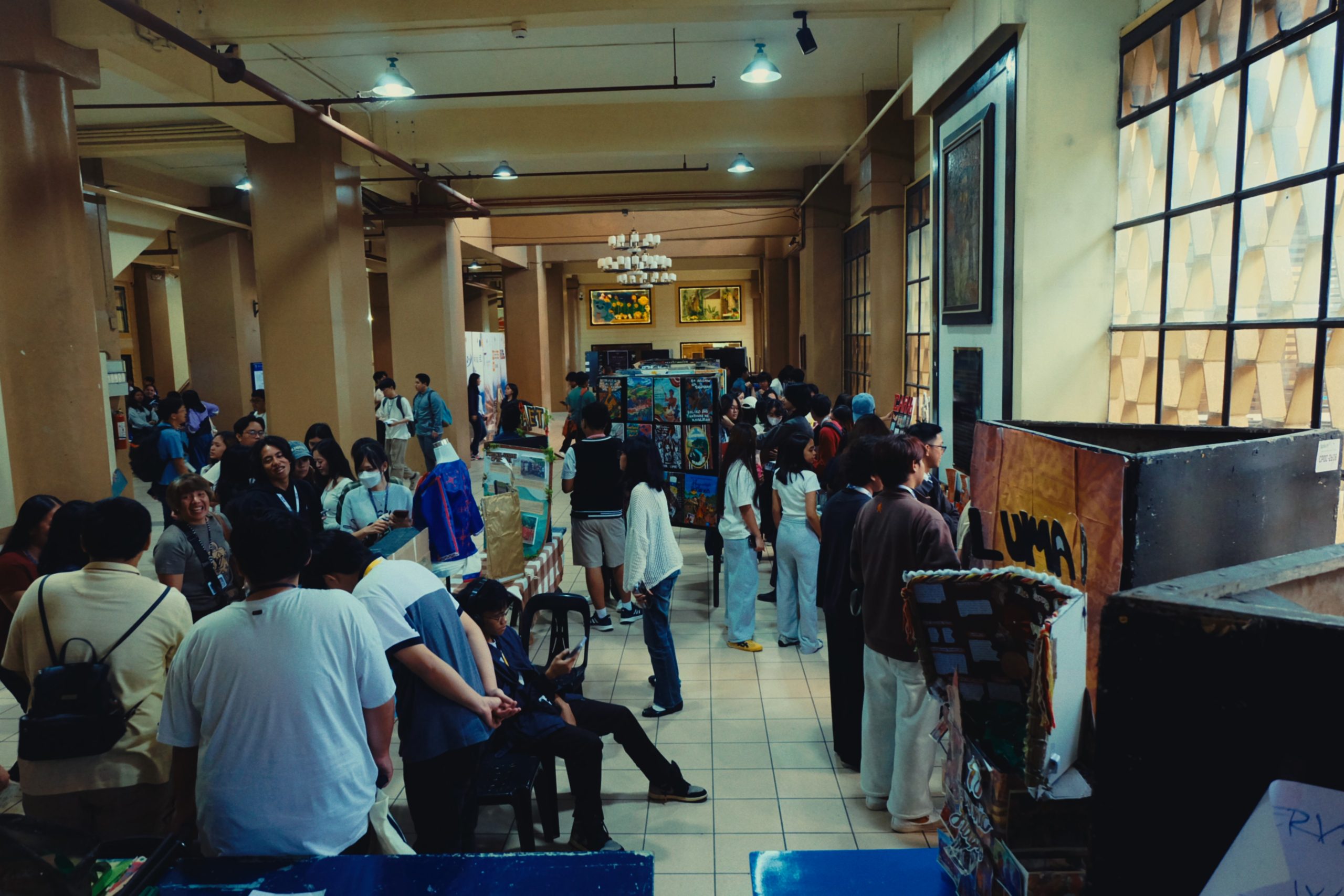
Held annually since 2022, the exhibit featured a variety of student-made artworks, including paintings, dioramas, and other artistic creations that reflected Indigenous cultures, tradition, and heritage. It also provided a photobooth, freedom wall, and games that encouraged students and visitors to participate in the exhibit while learning about Indigenous culture.
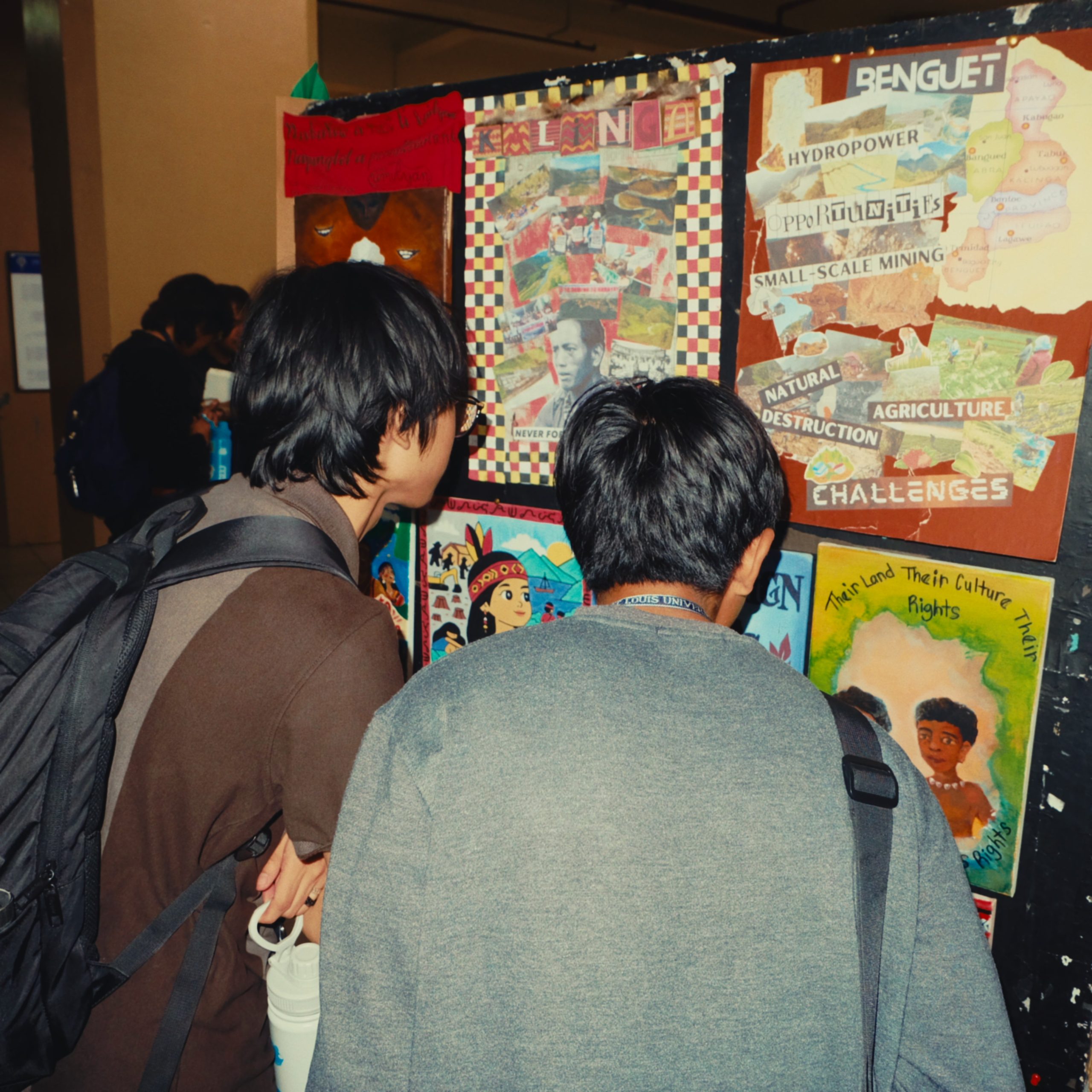
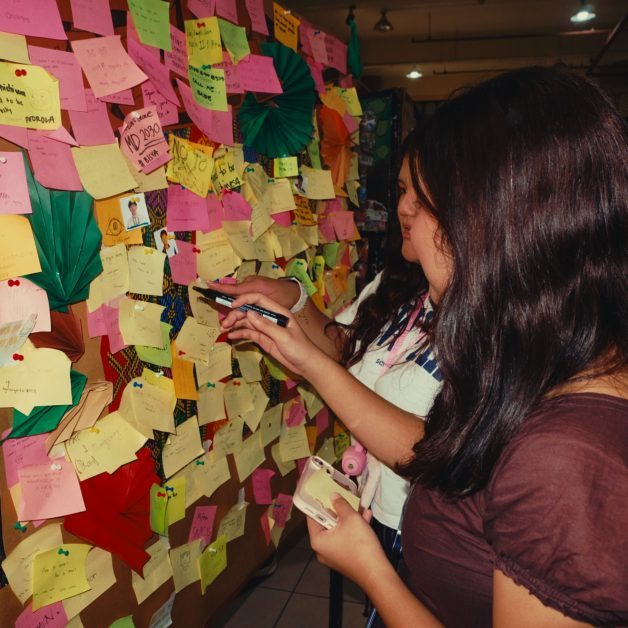
The activity aimed to promote awareness and appreciation of Indigenous Peoples’ cultural identity, traditions, and artistic expressions. It highlighted the significance of heritage preservation while encouraging the school community to value the enduring contributions of Indigenous Peoples. Furthermore, it provided an opportunity for students to deepen their respect for the nation’s diverse cultural tapestry.
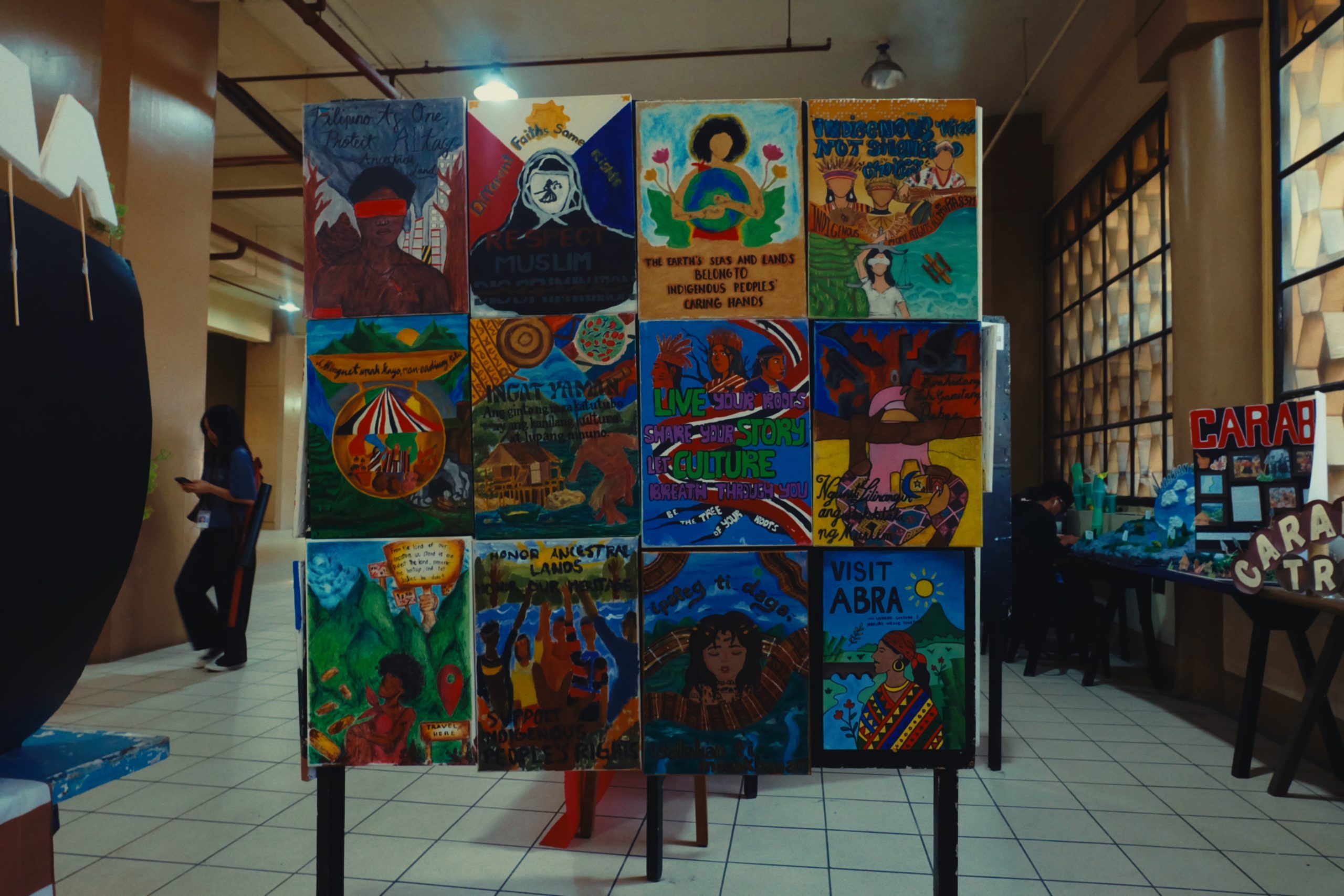
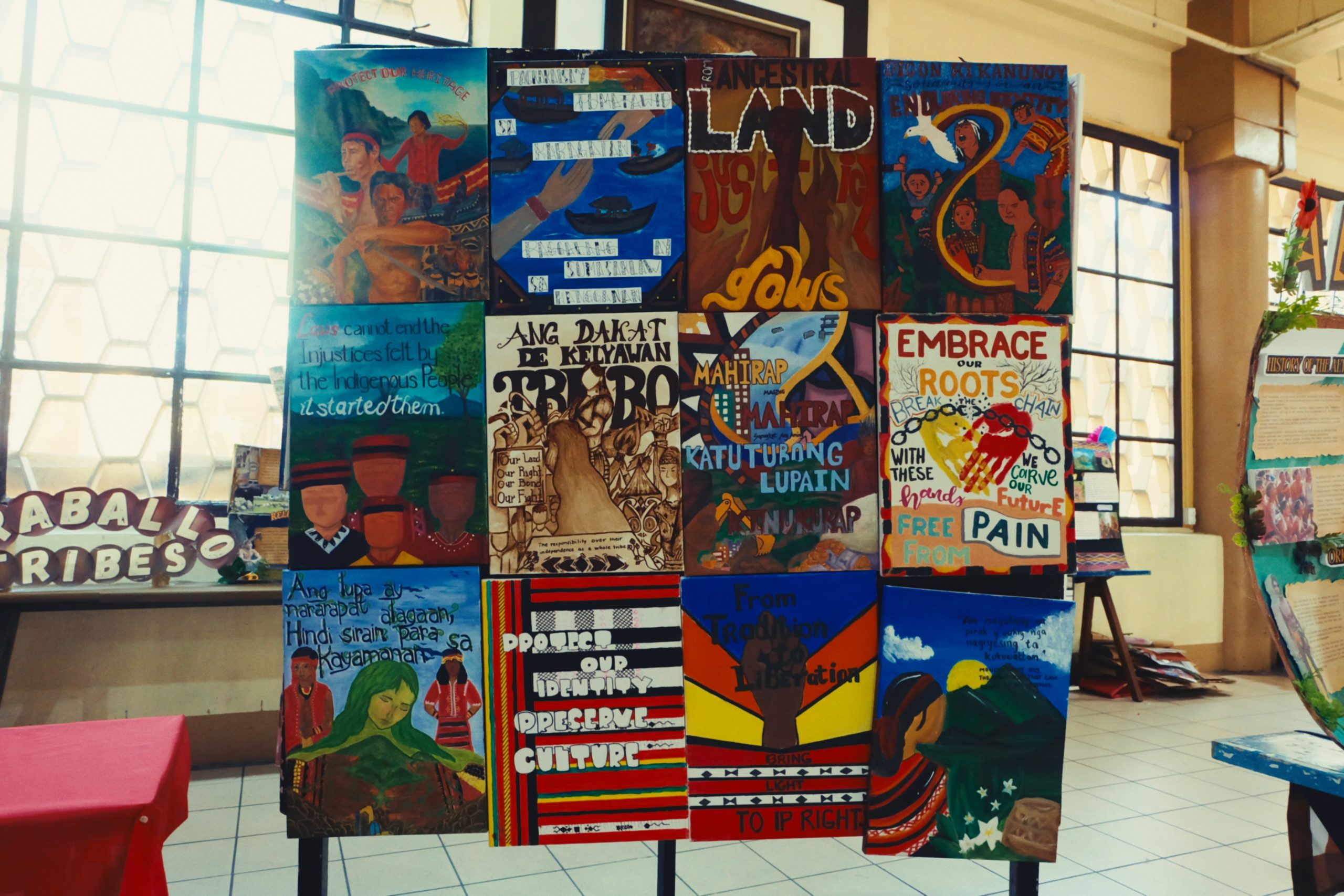
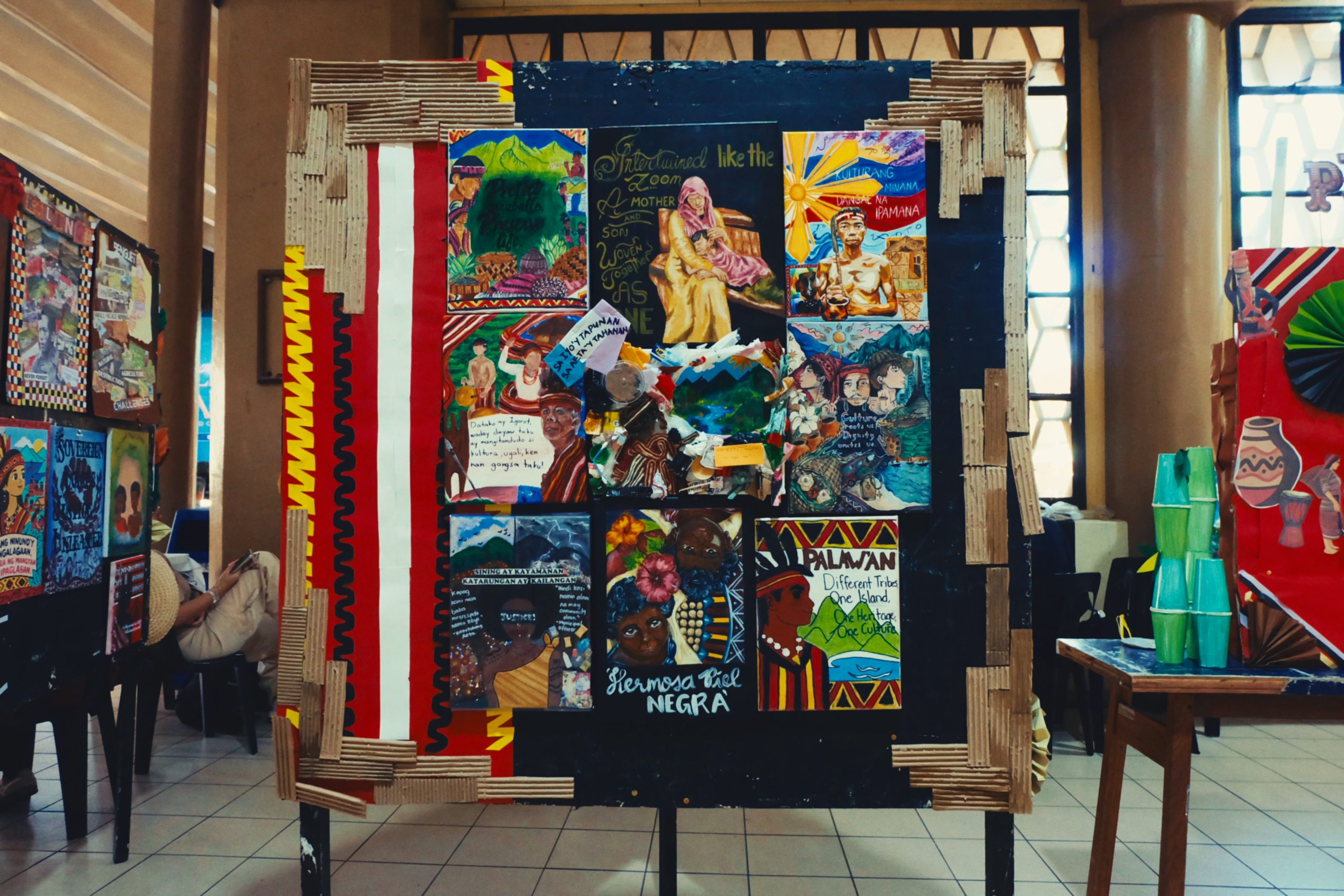
The Colors of Heritage exhibit served as a reminder that empowering Indigenous Peoples require respect for their rights, recognition of their cultural identity, and protection of their ancestral domains. Empowering these communities ultimately means protecting not only their lands, but also their future.
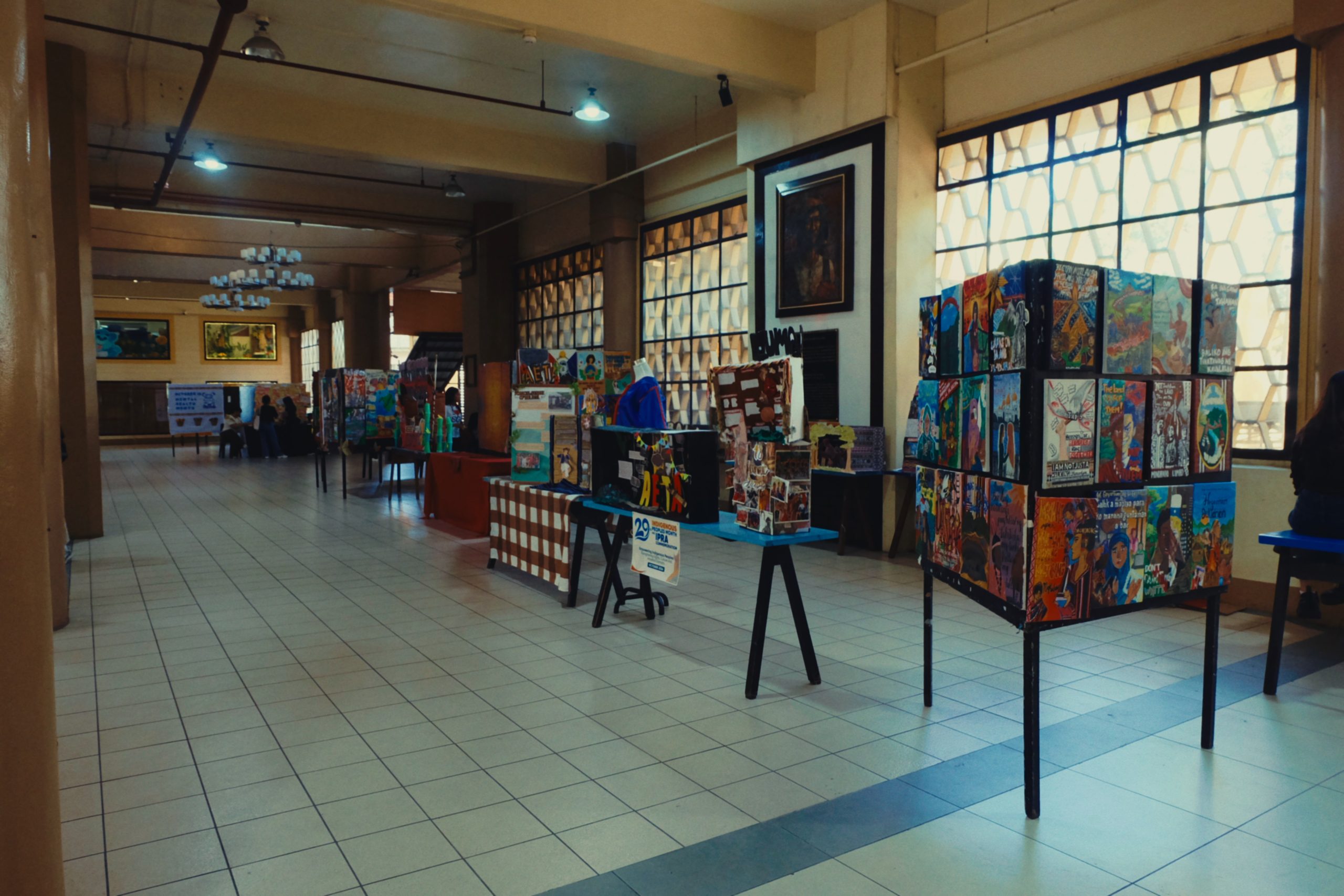
This event directly advanced United Nations Sustainable Development Goal 11: Sustainable Cities and Communities, specifically by providing public access to exhibition spaces, galleries, and works of art and artifact; and by delivering university projects that record and preserve intangible cultural heritage such as local folklore, traditions, language, and knowledge. (Article and photos by BA COM Freshmen students)