
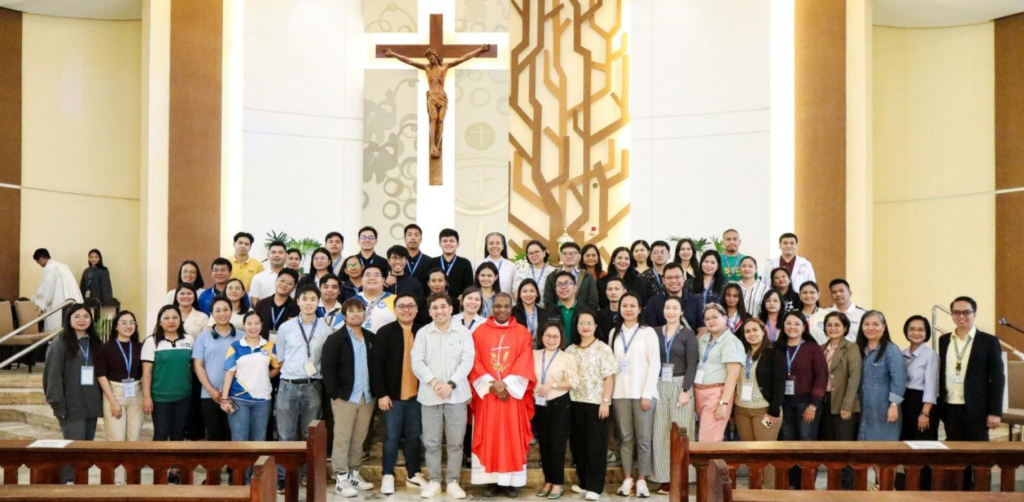
The Catholic Educational Association of the Philippines (CEAP), through its Research Committee, successfully launched Project R.A.C.E. (Research, Action, Capacity-Building, and Empowerment) with a three-day regional workshop hosted by Saint Louis College – San Fernando, La Union (SLC-SFLU) from 20 to 21 January 2026. Welcoming more than 60 participants from Catholic and private member institutions, the initiative aimed to strengthen research capacities through collaboration, mentoring, and joint publication.
Grounding Research in Faith and Rigor
The 2nd day of the workshop on 21 January focused on building strong research foundations. The morning featured a series of lectures:
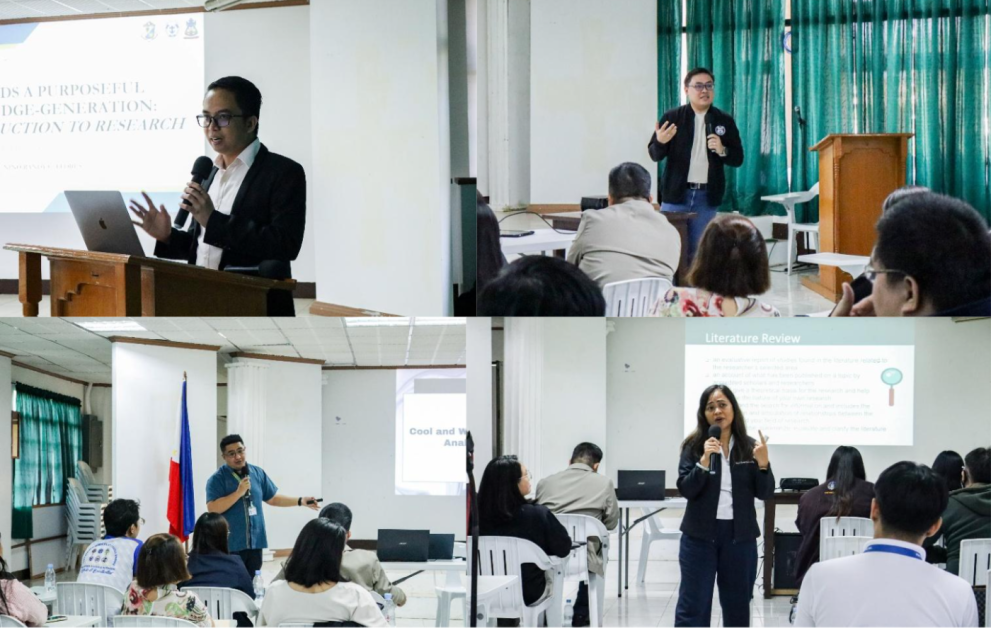
- Mr. Nino Randy C. Flores (Research Officer, Saint Louis College, San Fernando, La Union) opened the session by framing research within a Catholic perspective. Drawing from Ex Corde Ecclesiae and Veritatis Gaudium, he reminded participants to embrace research not only as an intellectual pursuit but also as a moral vocation.
- Richard R. Jugar, PhD (Chair, CEAP Research Committee) underscored the importance of research conceptualization, highlighting the guiding principles of utility, universality, novelty, and rigor.
- Richel L. Lamadrid, PhD (Director, Research, Innovation, and Sustainable Extension [RISE] Center, Saint Louis University, Baguio City) delivered a comprehensive lecture on literature review and research design. She provided practical strategies for critically engaging with scholarly sources and offered insights into effective methodological approaches.
- Jose J. Pangngay, PhD (Academic Dean, Saint Louis College, San Fernando, La Union) concluded the morning session with a discussion on research design and analysis, clarifying methodological choices and ensuring analytical coherence.
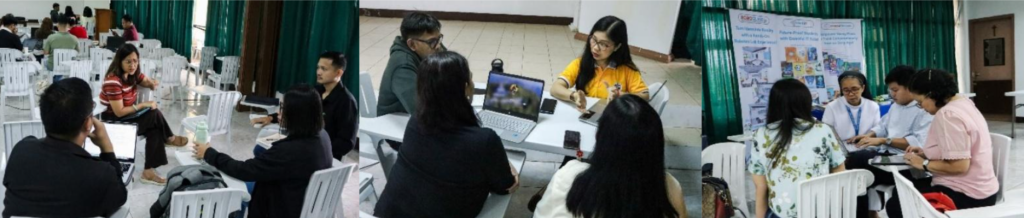
These talks laid the groundwork for the afternoon mentoring sessions, in which mentors and mentees collaborated on research conceptualization and proposal writing, highlighting the collegial nature of scholarly work.
Mentorship and Institutional Partnerships
The Luzon workshop featured invited mentors from various Catholic and private institutions, including Dr. Lamadrid, Laarni Natividad, PhD and Jeramie Molino, PhD of the SLU RISE Center. Their expertise, alongside other mentors, enriched the sessions with practical strategies for research writing, collaborative projects, and publication.
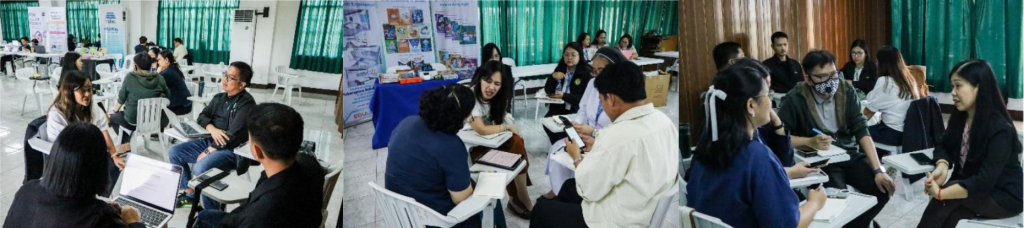
CEAP emphasized that mentor involvement was key to the program’s success, helping participants gain confidence and competence in their research endeavors.
A National Vision for Research Excellence
The Luzon engagement is the first of three capacity-building workshops, with engagements in Visayas and Mindanao scheduled for the coming months. By investing in mentorship and institutional partnerships, CEAP envisions Catholic and private schools as hubs of innovation, scholarship, and community impact.
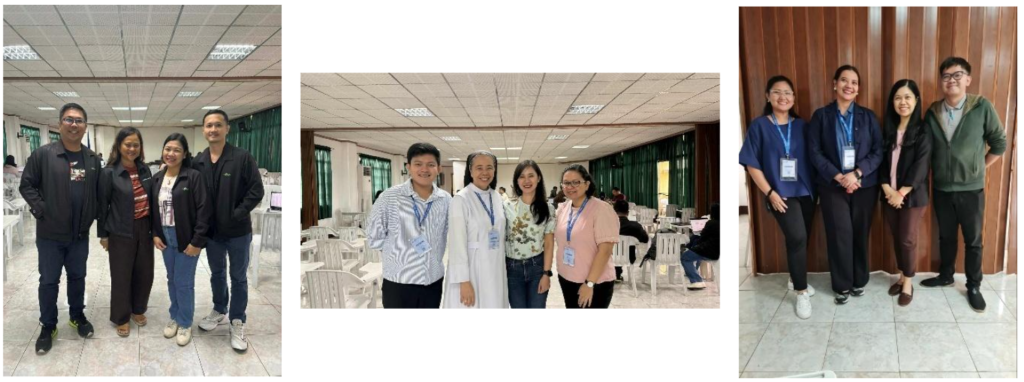

The Luzon leg of Project R.A.C.E. stands as a testament to the power of collaboration, faith, and rigor in advancing academic excellence. With the support of mentors from SLU and other institutions, and the dedication of CEAP’s Research Committee, this initiative is poised to transform the research landscape of Catholic education in the Philippines.
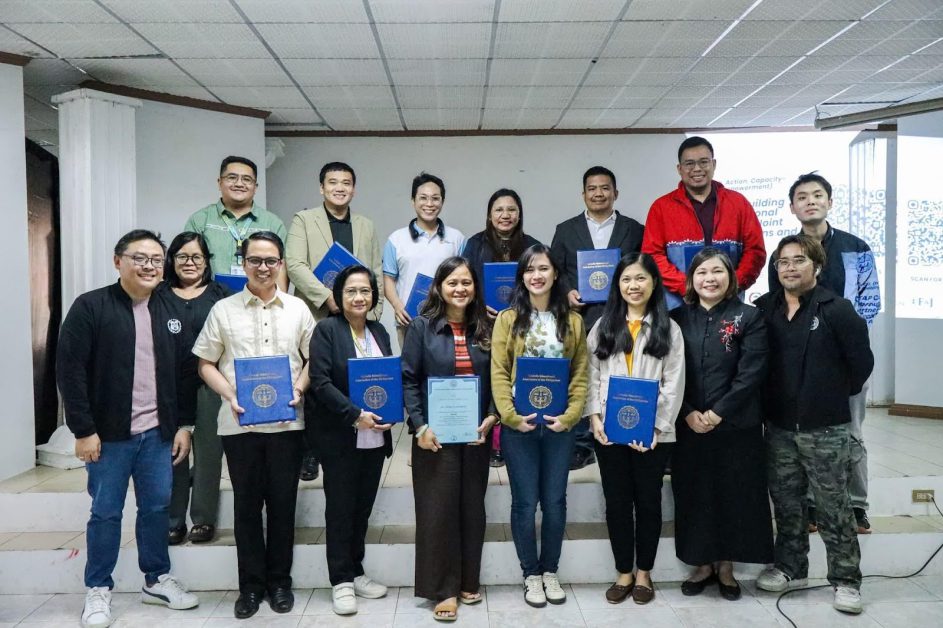
This CEAP Project R.A.C.E. initiative strongly advances the United Nations Sustainable Development Goals (SDGs) by promoting Quality Education (SDG 4) through strengthened research competence in Catholic and private institutions, fostering Partnerships for the Goals (SDG 17) via collaboration among schools and mentors, and encouraging Innovation and Infrastructure (SDG 9) through improved research design and methodological rigor. Moreover, by equipping educators and researchers to address local challenges, the program contributes to Sustainable Cities and Communities (SDG 11) and ensures that research outputs are socially relevant and responsive to community needs. Grounded in faith and values, the workshops highlight research as both an intellectual and moral vocation, positioning CEAP schools as vital contributors to national development and global sustainability. (Article by Jeramie N. Molino, PhD | Photos by SLU RISE Center and Research Management Office – Saint Louis College)