
On 04 September 2026, Saint Louis University (SLU) hosted a comprehensive Research and Publication Capability Building Workshop organized by the SLU Research, Innovation, and Sustainable Extension Center (RISE Center) in partnership with CE-Logic and Elsevier.
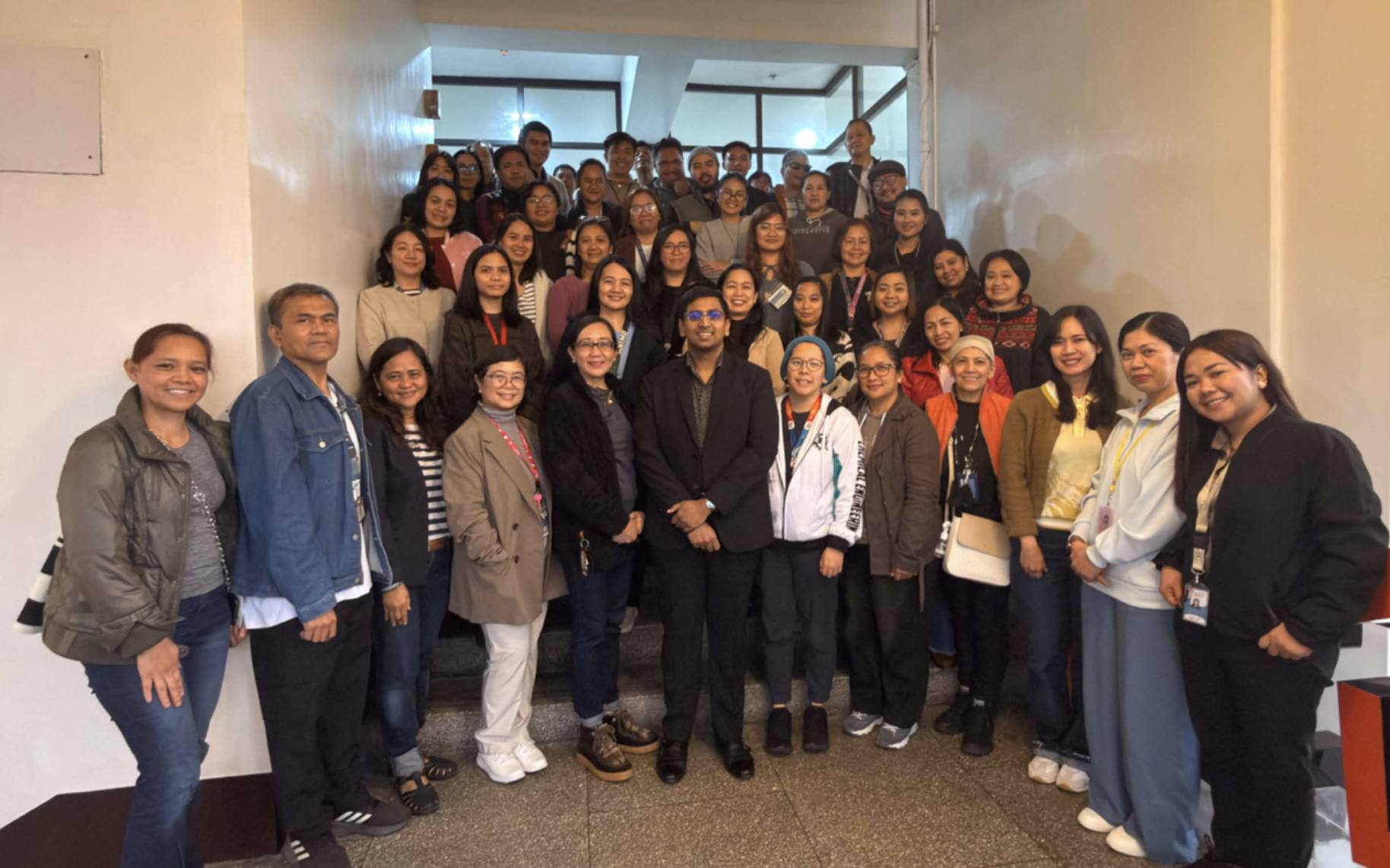
Held at the American Corner Baguio, Msgr. Charles Vath Library Building, SLU Main Campus, the event gathered sixty (60) faculty members from various schools, including the School of Nursing, Allied Health and Biological Sciences (SONAHBS), School of Engineering and Architecture (SEA), School of Teacher Education and Liberal Arts (STELA), and School of Accountancy, Management, Computing and Information Sciences (SAMCIS).
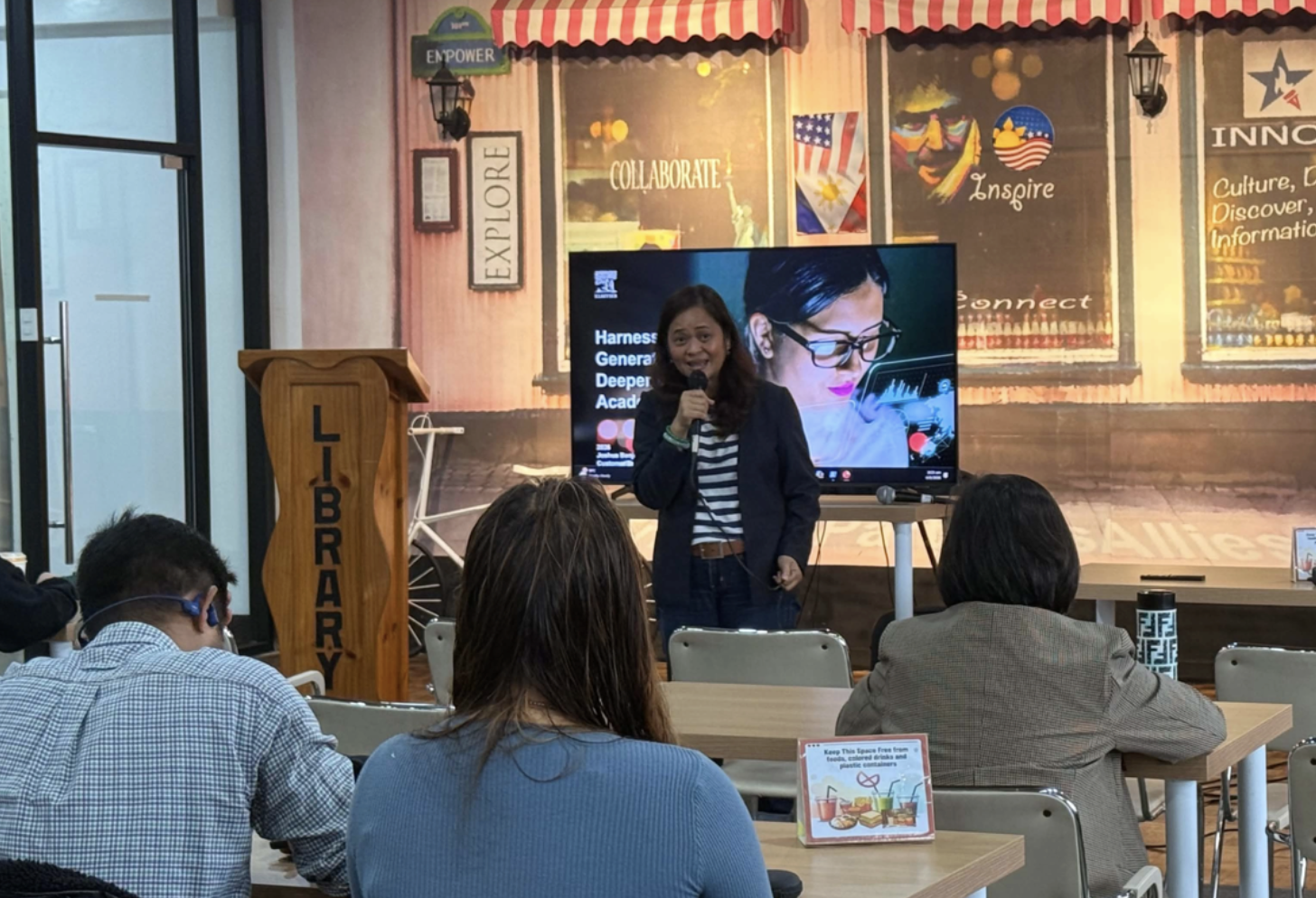
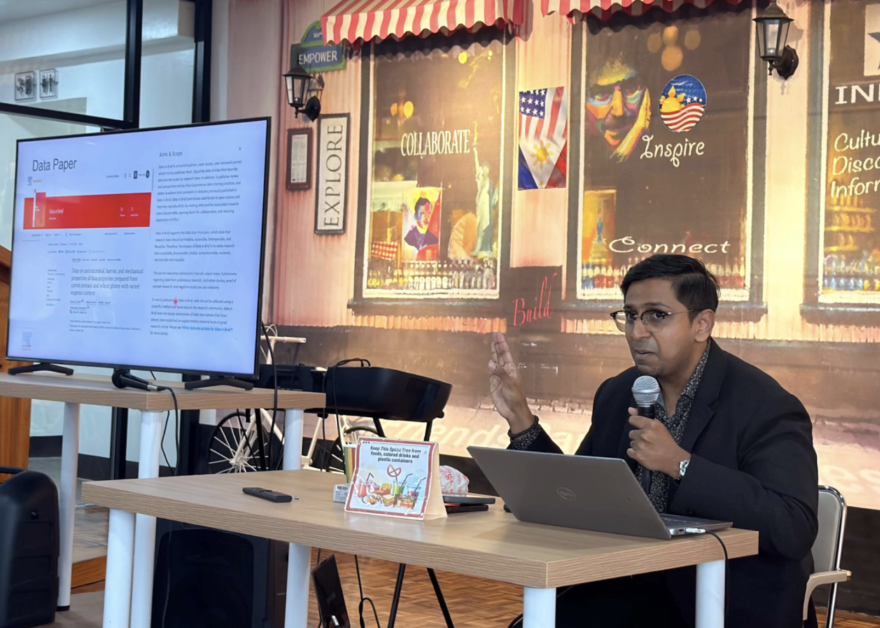
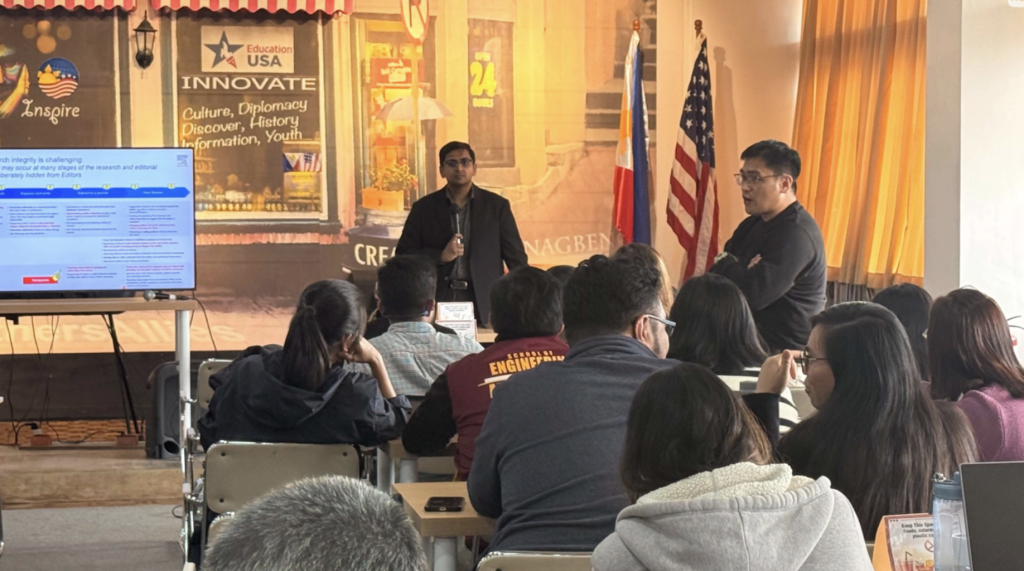
The workshop officially opened with participant registration and welcome remarks from RISE Center Director Richel L. Lamadrid, DAES who emphasized the importance of continuous learning and institutional support in advancing SLU’s research culture. Serving as the primary resource speaker, Mr. Joshua Benjamin, Customer Success Manager for Singapore and the Philippines at Elsevier, delivered four interconnected modules aimed at strengthening publishing literacy, promoting ethical AI usage, optimizing researcher visibility, and preventing unethical publishing practices.

The presentation modules addressed key aspects of the modern publication lifecycle, beginning with the integration of Generative AI (GenAI) in academic research. Mr. Benjamin differentiated traditional AI from GenAI, outlined risks such as hallucinated references and ethical biases, and detailed Elsevier’s policies, which allow GenAI solely for improving readability while prohibiting AI authorship, unapproved image generation, and the uploading of submitted manuscripts to public AI tools.
The second module focused on researcher identity and metrics, explaining how Scopus automatically creates author profiles, how researchers can maintain them using the Scopus Author Feedback Wizard (AFW) linked to ORCID, and how metrics such as Field-Weighted Citation Impact (FWCI) and UN Sustainable Development Goal (SDG) mappings track scholarly and societal impact.
Following the lunch break and photo opportunities, the third session covered research integrity and publication ethics, defining strict criteria for legitimate authorship while warning against ghost, guest, and gift authorships. It also highlighted the mandatory disclosure of competing interests and condemned misconduct such as plagiarism, duplicate submissions, research fraud, and ‘salami slicing.’ The final module provided actionable guidelines for manuscript preparation using the Introduction, Methods, Results, and Discussion (IMRAD) structure and offered strategies for selecting reputable journals via tools like Elsevier Journal Finder, advising participants on how to avoid predatory journals.
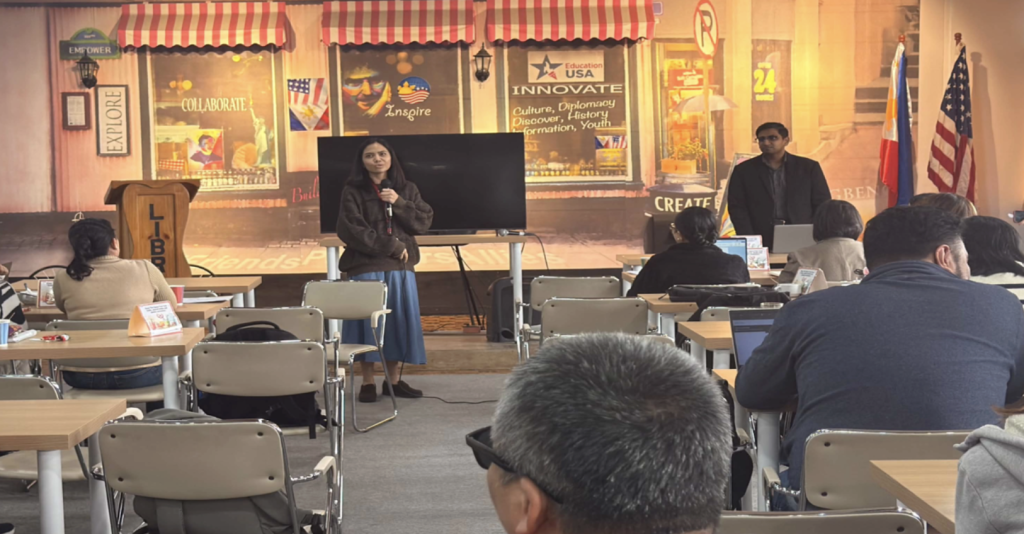
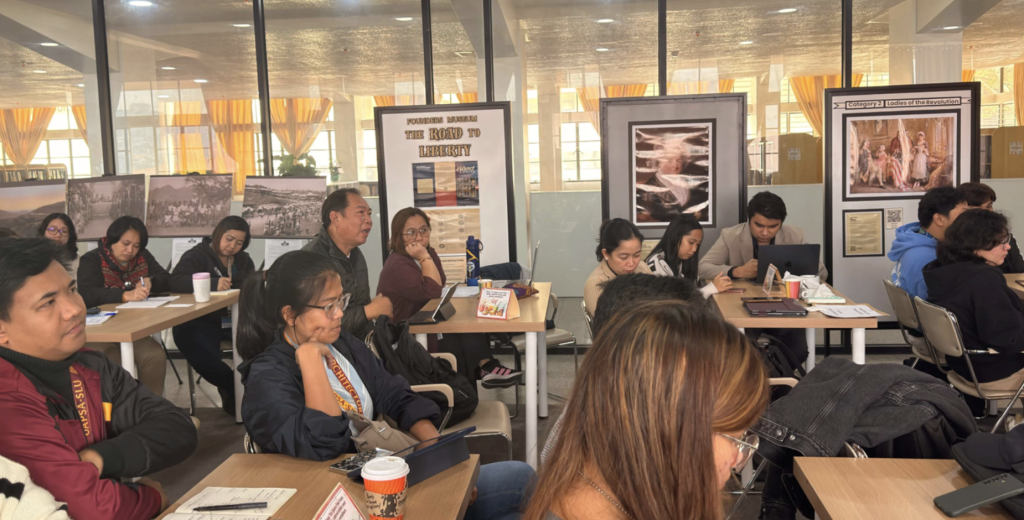
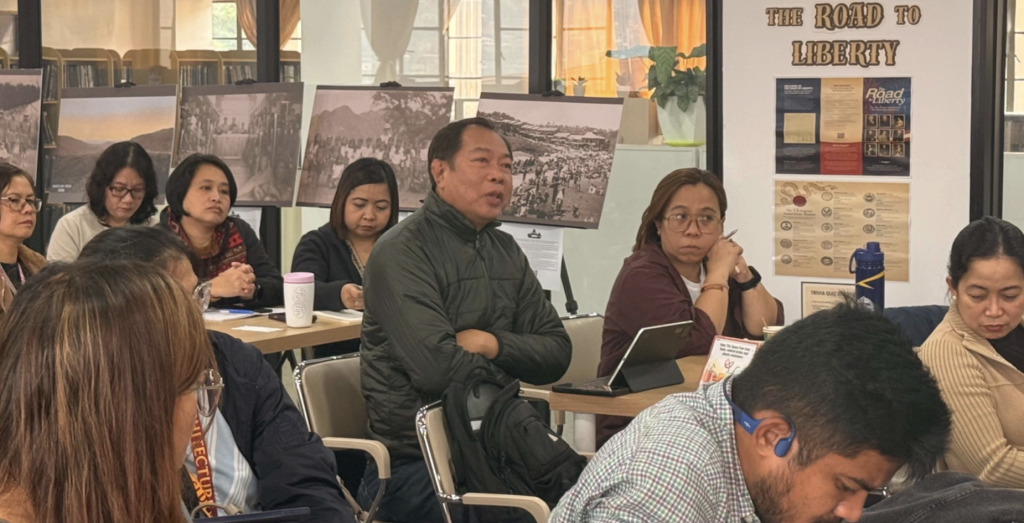
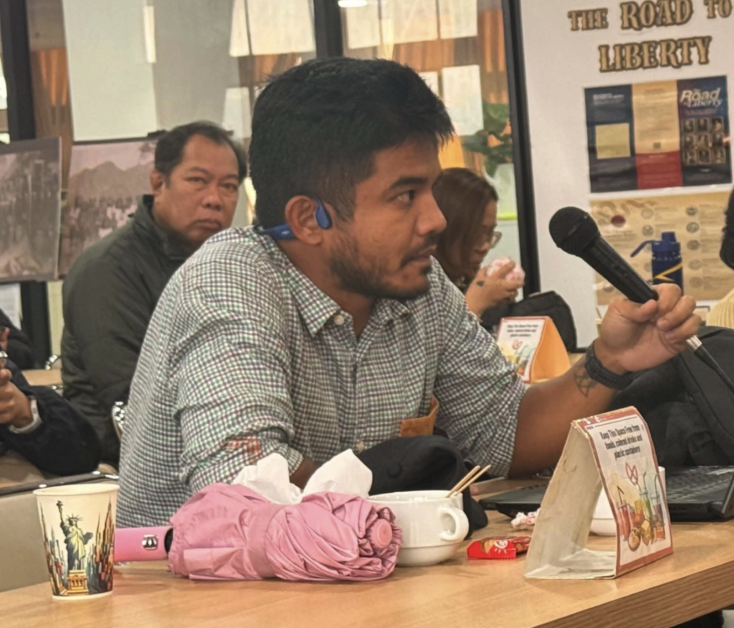
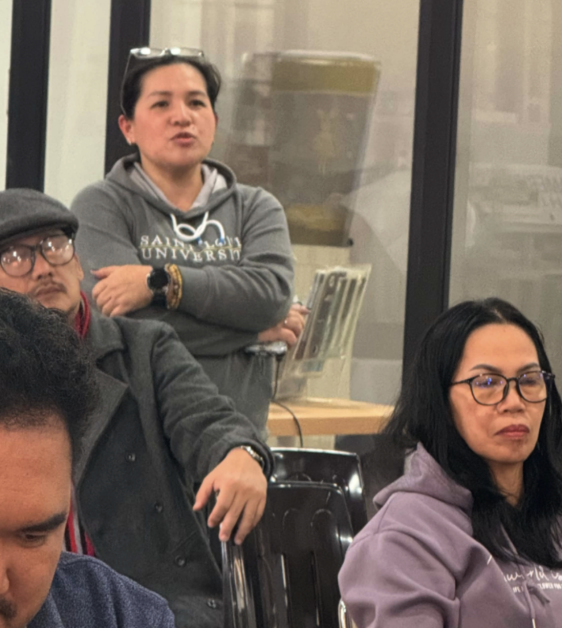
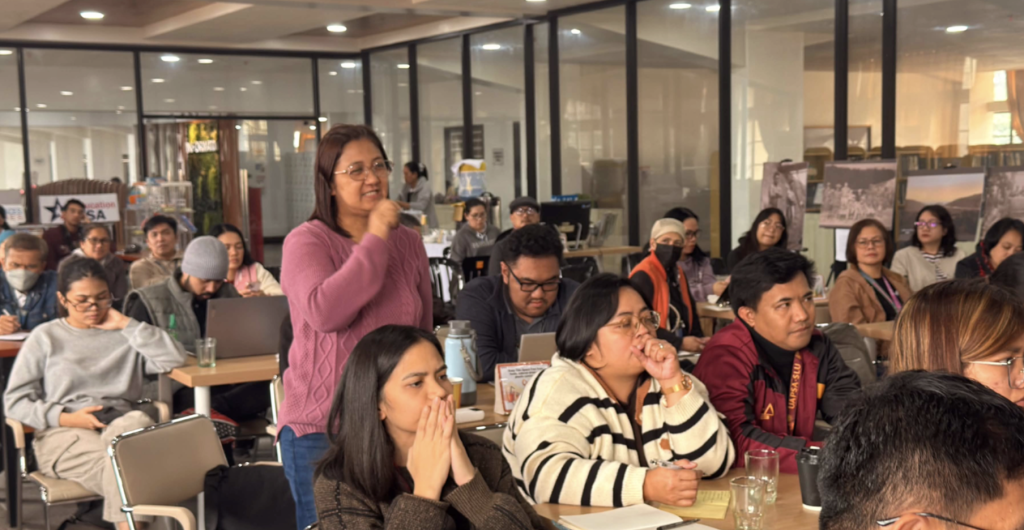
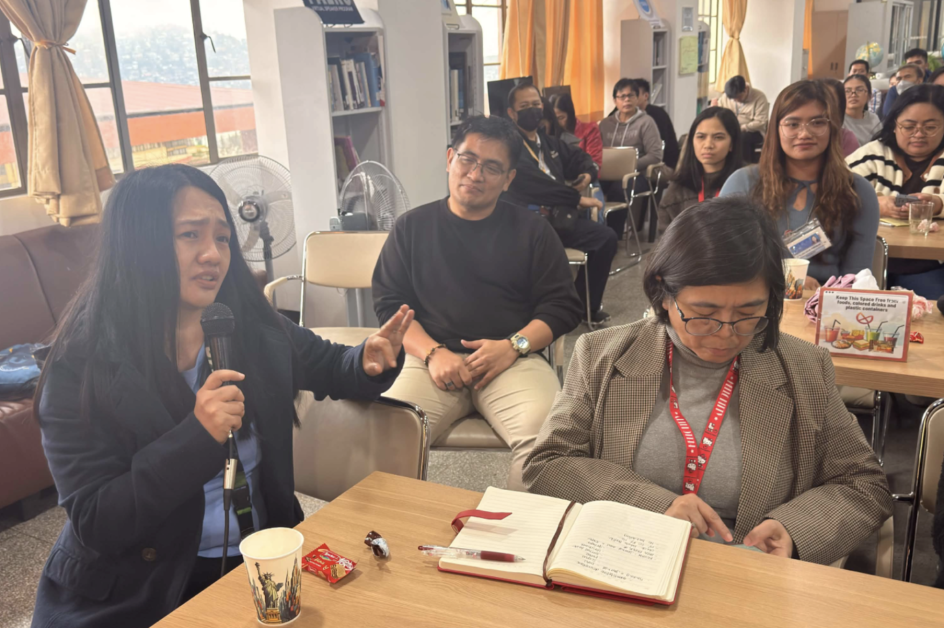
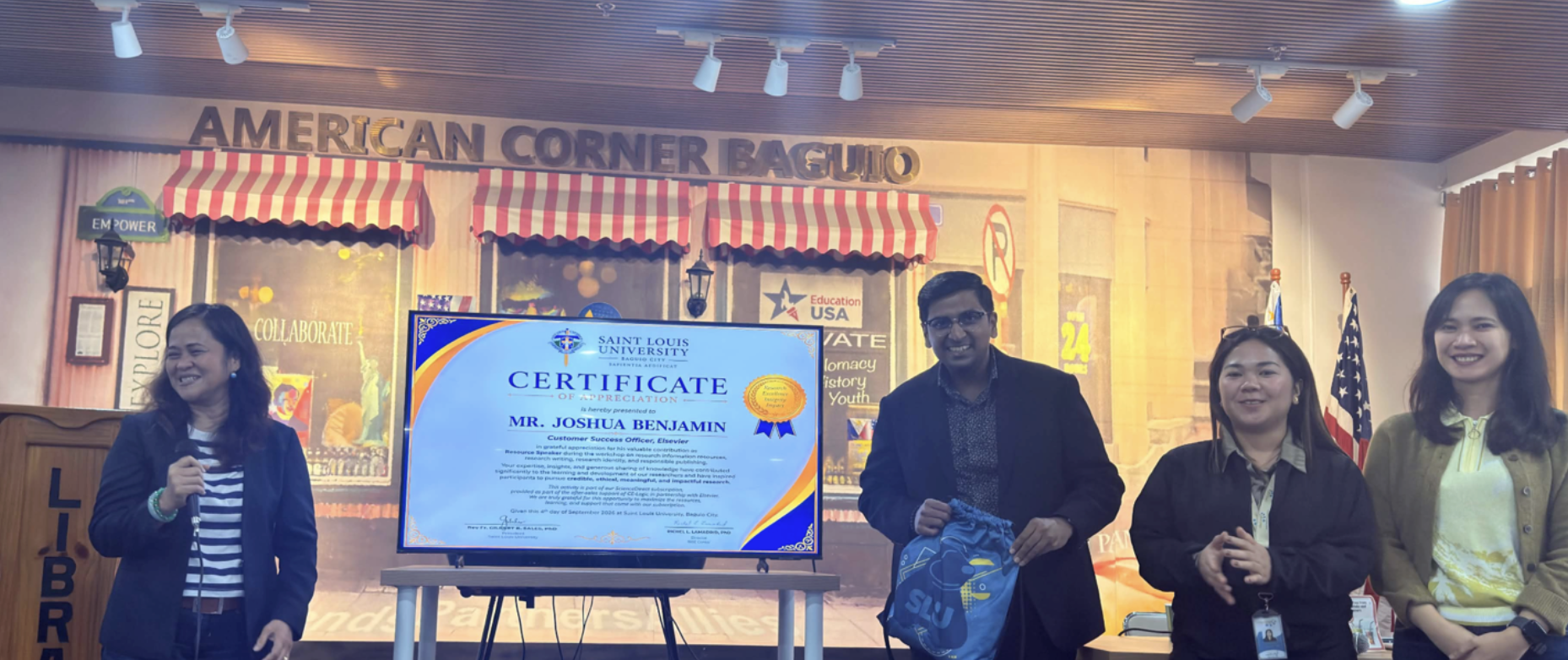
The workshop concluded with a synthesis of key takeaways shared by the participants, equipping them with valuable insights to enhance their scholarly work. The event formally closed with Dr. Lamadrid and Laarni Natividad, PhD presenting a certificate of appreciation and a token of gratitude to the speaker.
The workshop exemplifies SLU’s strategic commitment to advancing SDG 4 (Quality Education) by strengthening faculty research and publication capabilities as a core driver of institutional excellence and lifelong learning. By promoting ethical AI usage, enhancing researcher visibility, and safeguarding publishing integrity, the event directly supports SDG 4 (Quality Education), while also reinforcing SDG 17 (Partnerships for the Goals). (Article and Photos by the SLU RISE Center)