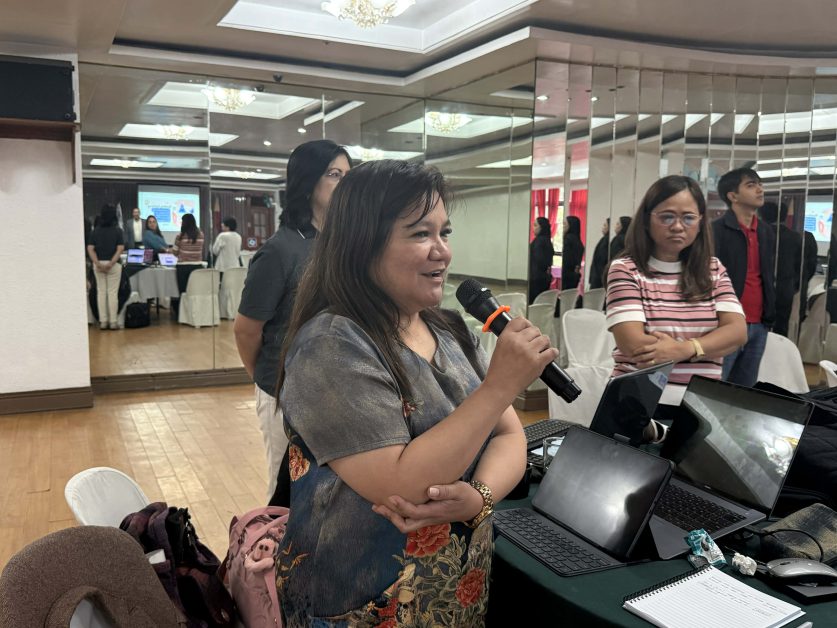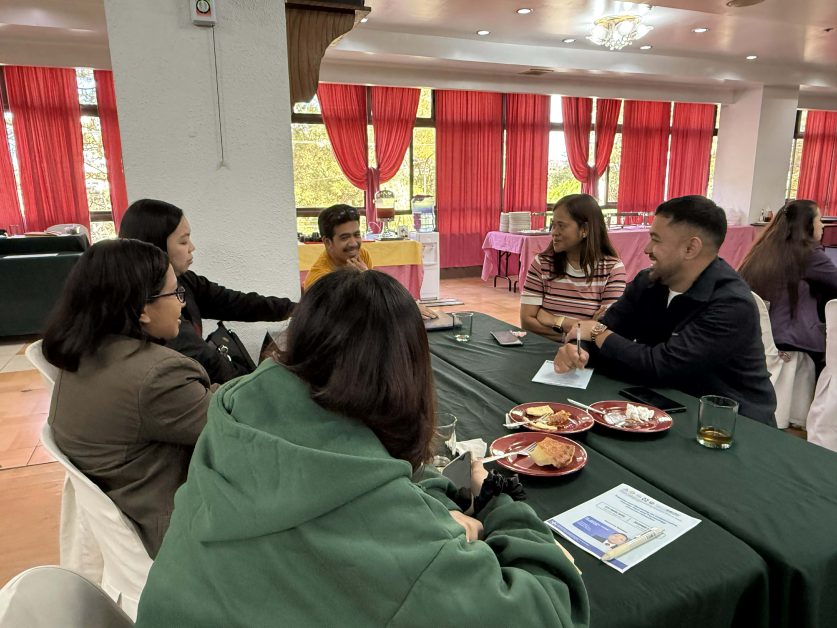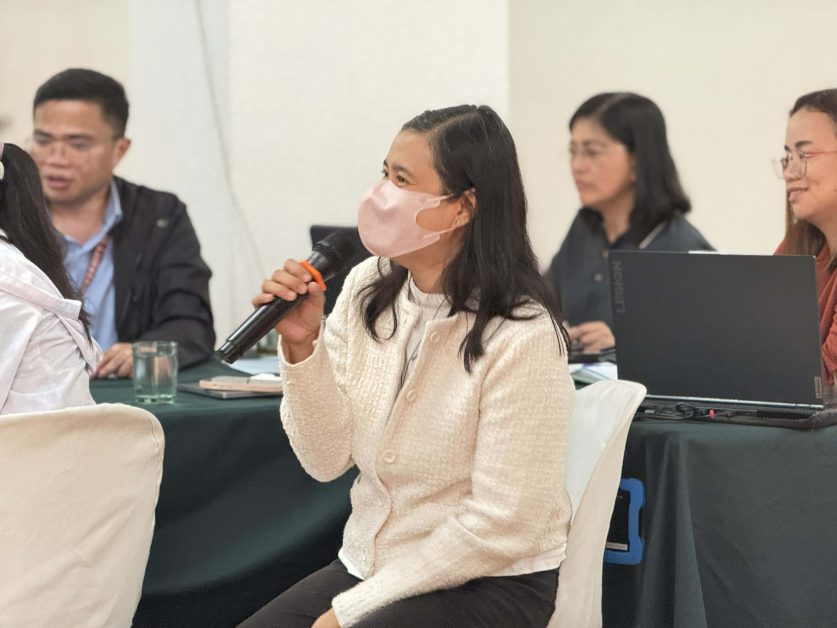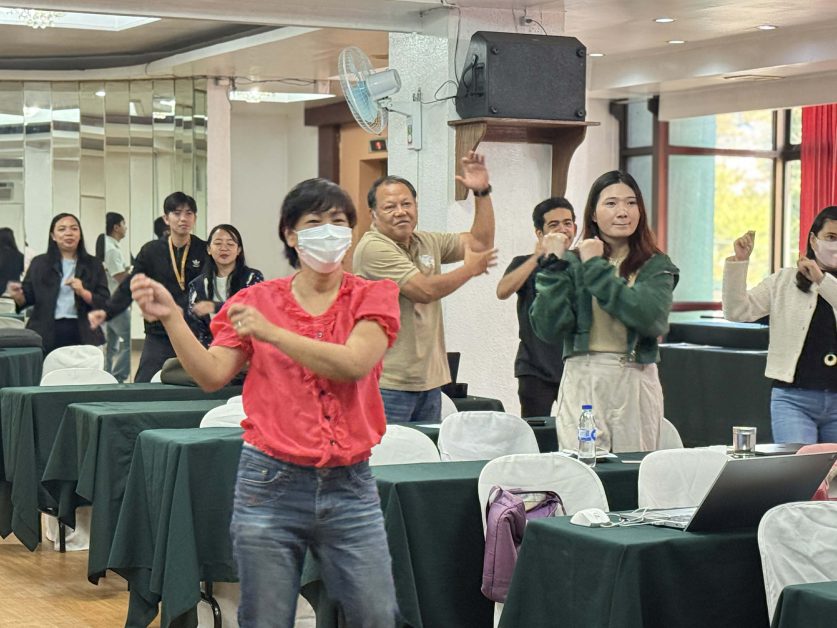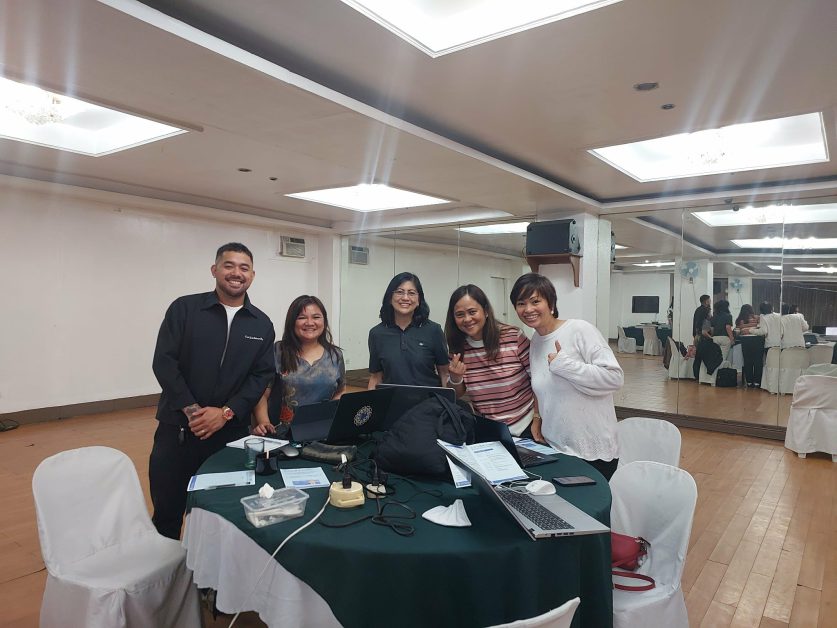
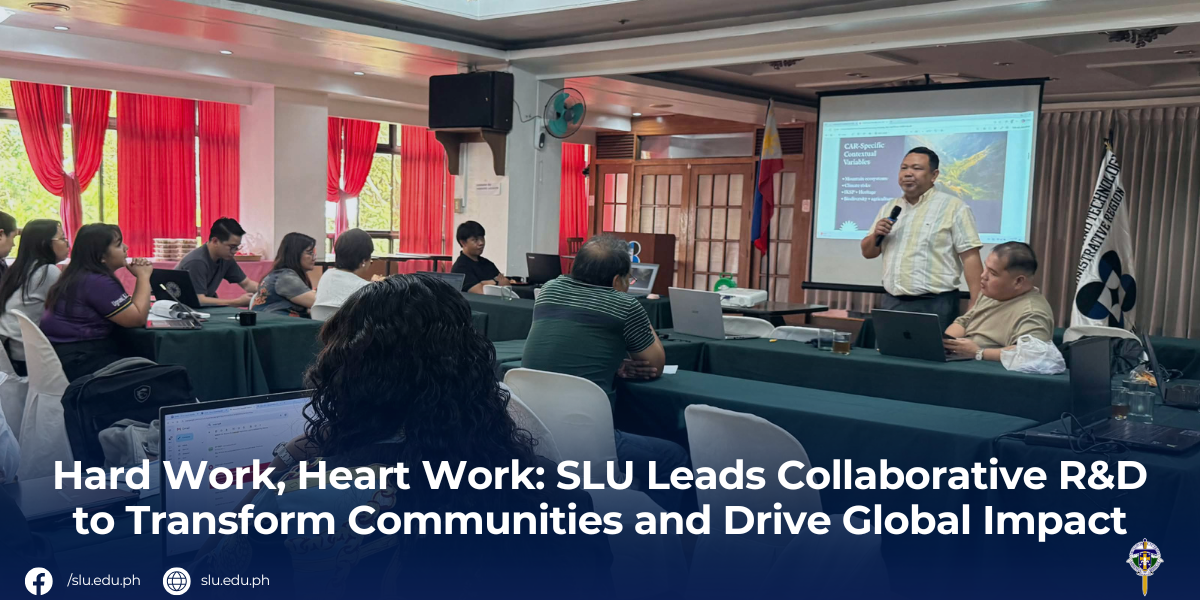
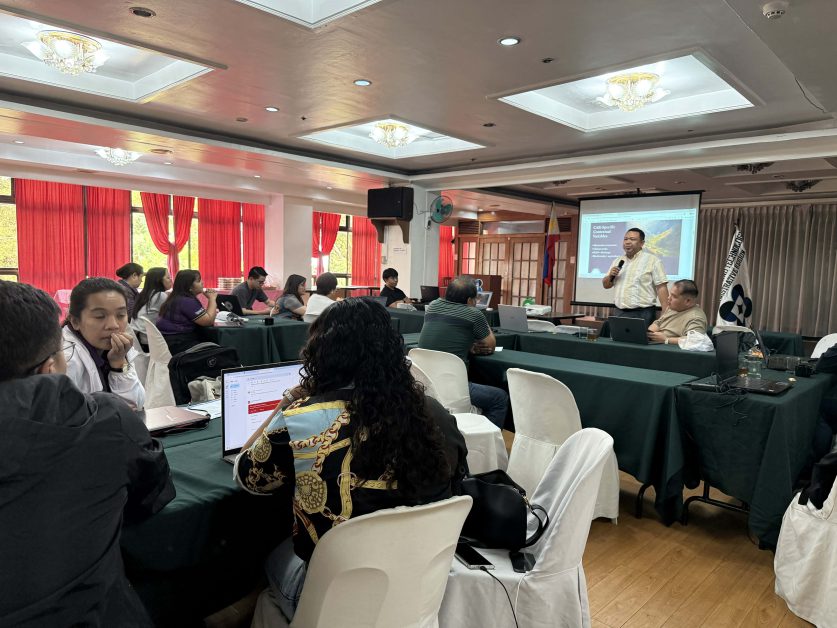
Invited by the Department of Science and Technology (DOST), Saint Louis University (SLU) was represented by Richel Lamadrid, PhD, Director of the Research, Innovation, and Sustainable Extension (RISE) Center; Ms. Ma. Clarissa Mabitazan and Ms. Araceli Tambol, faculty members of the School of Accountancy, Management, Computing and Information Studies (SAMCIS); and Engr. Maria Corazon Ocampo and Engr. Patrick Putiyon, faculty members of the School of Engineering and Architecture (SEA). They joined fellow stakeholders from Department of Agriculture, Kalinga State University, PhilMech, University of Baguio, and University of the Philippines Baguio in the Collaborative Frontier Research and Development Training held at City Travel Hotel on 2–3 December 2025, reaffirming the organization’s unwavering commitment to multi-institutional collaboration and transformative innovation.
True to its vision of christian excellence in building a humane and just society and its mission to advance quality education, pioneering research, and meaningful community service, SLU continues to harness both hard work and heart work in co‑creating solutions that matter.
Guided by Mr. Jacinto “Jhaze” Asuncion, the President of JazzyPay Inc. and Fintech Group, as well as a seasoned project proposal assessor at the DOST, participants were given a walk through of the frameworks and strategies for collaborative research proposal development, a framework for translating research into market-ready innovations, and the crafting of an indigenous people commercialization plan. Consequently, participants were divided into groups to develop and present collaborative research and development proposals, as well as IP commercialization plans.
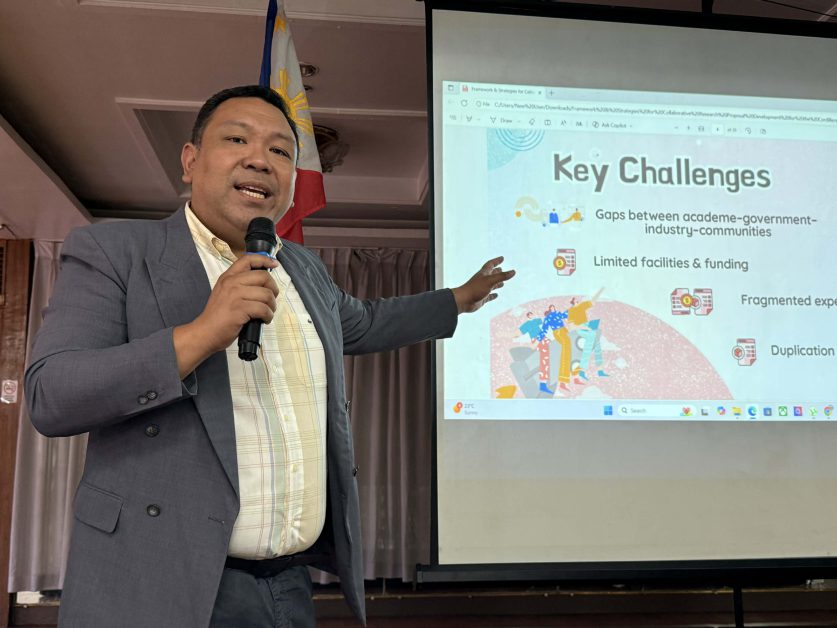
Mr. Jhaze emphasized the importance of collaborative R&D Proposals and the application of emerging technologies in research proposals. By embracing the Quadruple Helix model of collaboration—encompassing government, industry, academia, and communities—SLU ensures that research outputs are both globally competitive and locally grounded, rooted in the realities of the Cordillera and responsive to the needs of society. As SLU continues to lead and participate in initiatives like this, it strengthens its role as a catalyst of regional development and global impact, embodying the Louisian spirit of excellence, service, and innovation for the common good.
Just the same, the University recognizes that research is not merely about commercialization but about uplifting communities, strengthening industries, and addressing pressing societal challenges—a mission deeply aligned with the UN Sustainable Development Goals, particularly SDG 4 (Quality Education), SDG 9 (Industry, Innovation, and Infrastructure), SDG 11 (Sustainable Cities and Communities), and SDG 17 (Partnerships for the Goals). This dedication also resonates with CEAP’s JEEP-GY framework, which cultivates justice, Ecological integrity, Engaged citizenship, Peace, Global solidarity, and Youth empowerment as guiding values for innovation. (Article and Photos by Ma. Araceli Tambol)