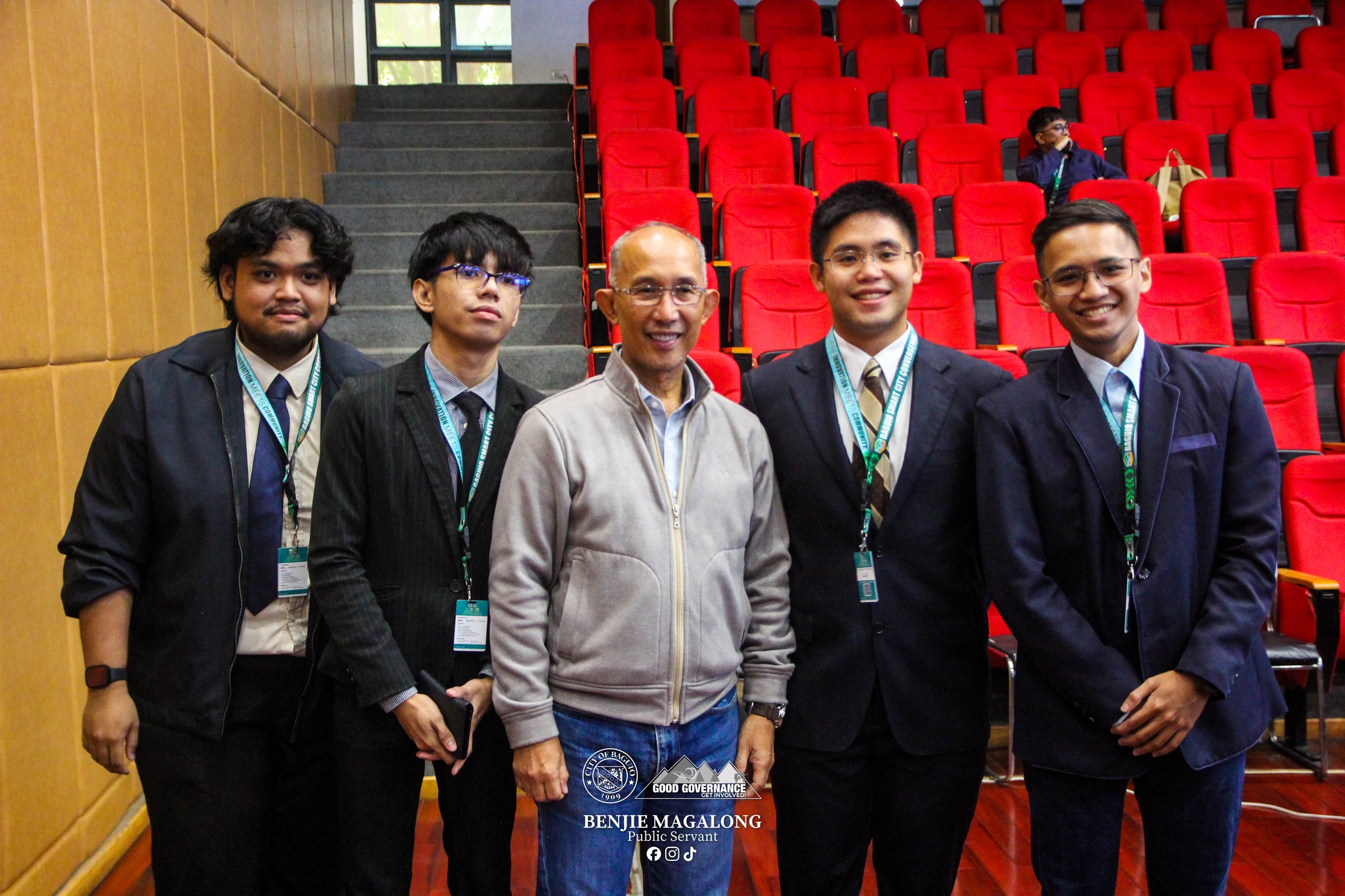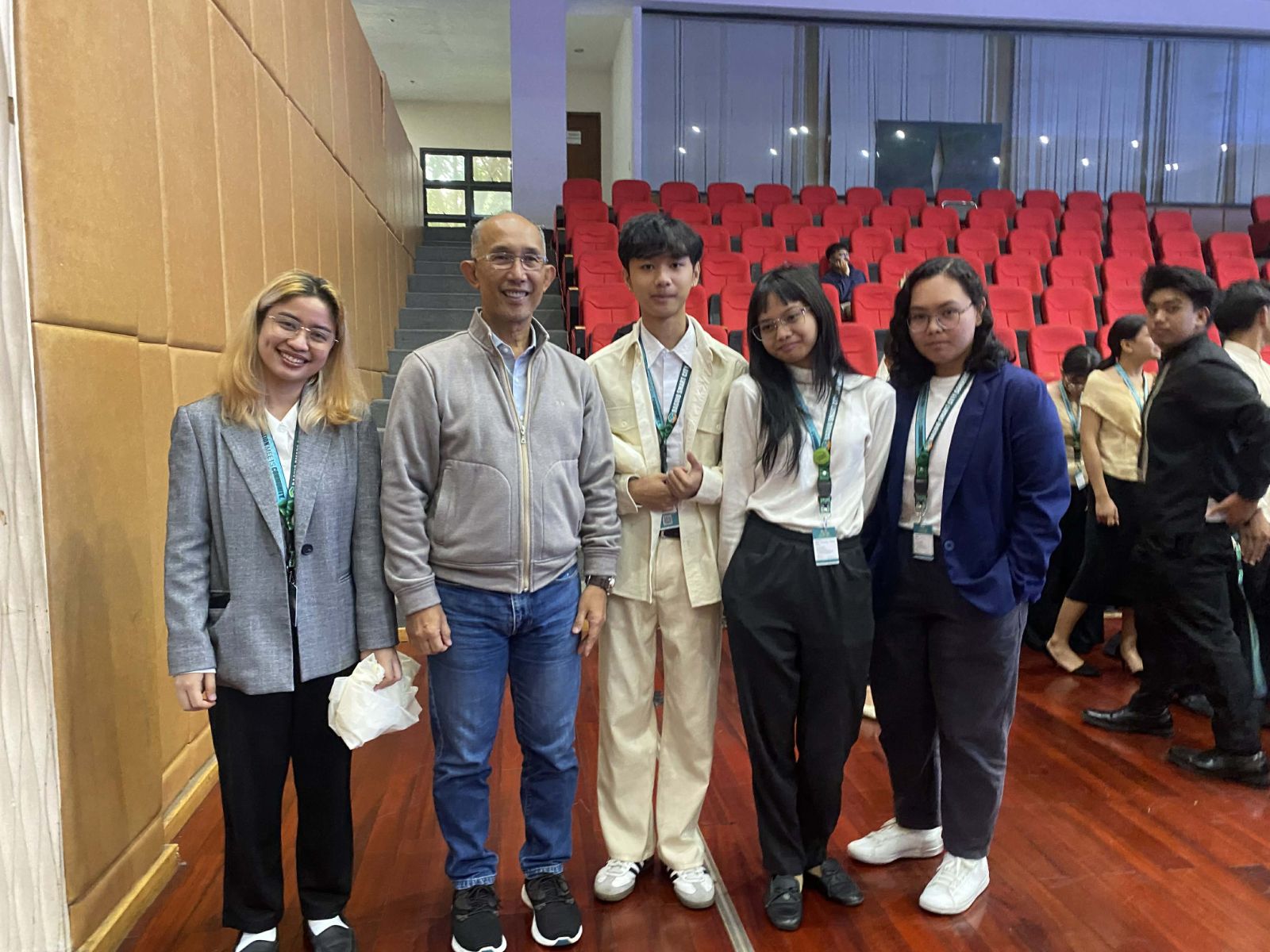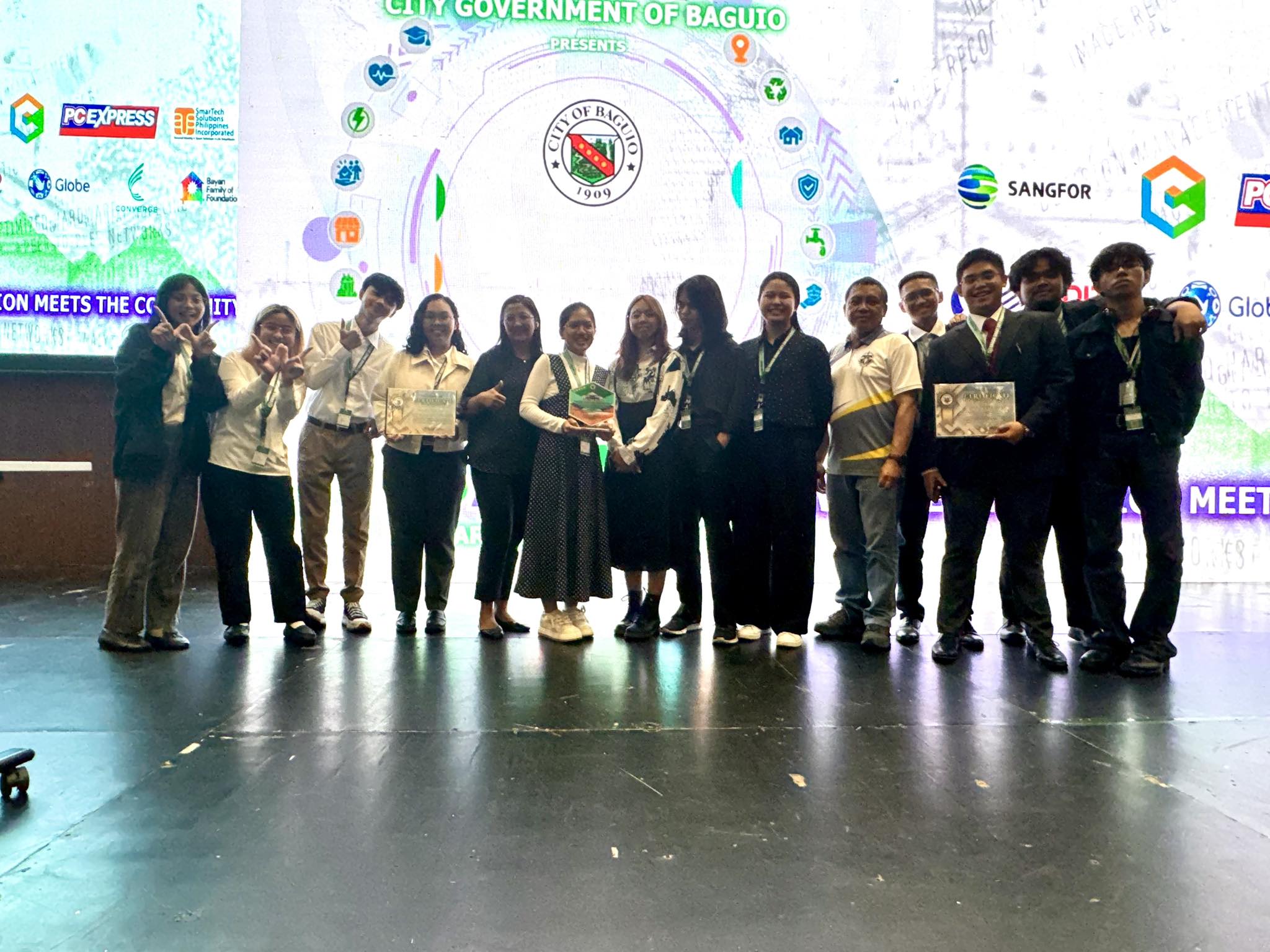
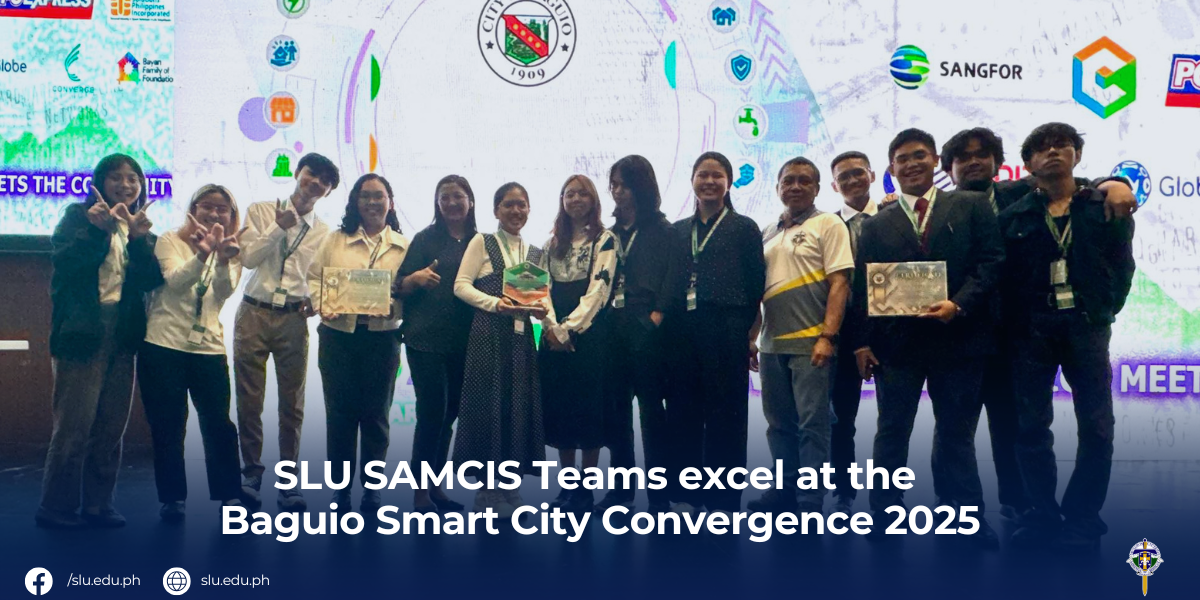
Saint Louis University’s School of Accountancy, Management, Computing, and Information Studies (SLU–SAMCIS) Bachelor of Science in Computing Studies (BSCS) students displayed outstanding performance at the Baguio Smart City Convergence 2025
Held at the Baguio Convention and Cultural Center on 26-27 November 2025, the two-day convergence platform was an avenue where ideas, technology, and community came together to shape the future of urban living.
Against the dynamic and forward-thinking backdrop, SLU–SAMCIS teams showcased exceptional creativity, technical expertise, and a strong commitment to community-focused innovation. The teams garnered the following awards:
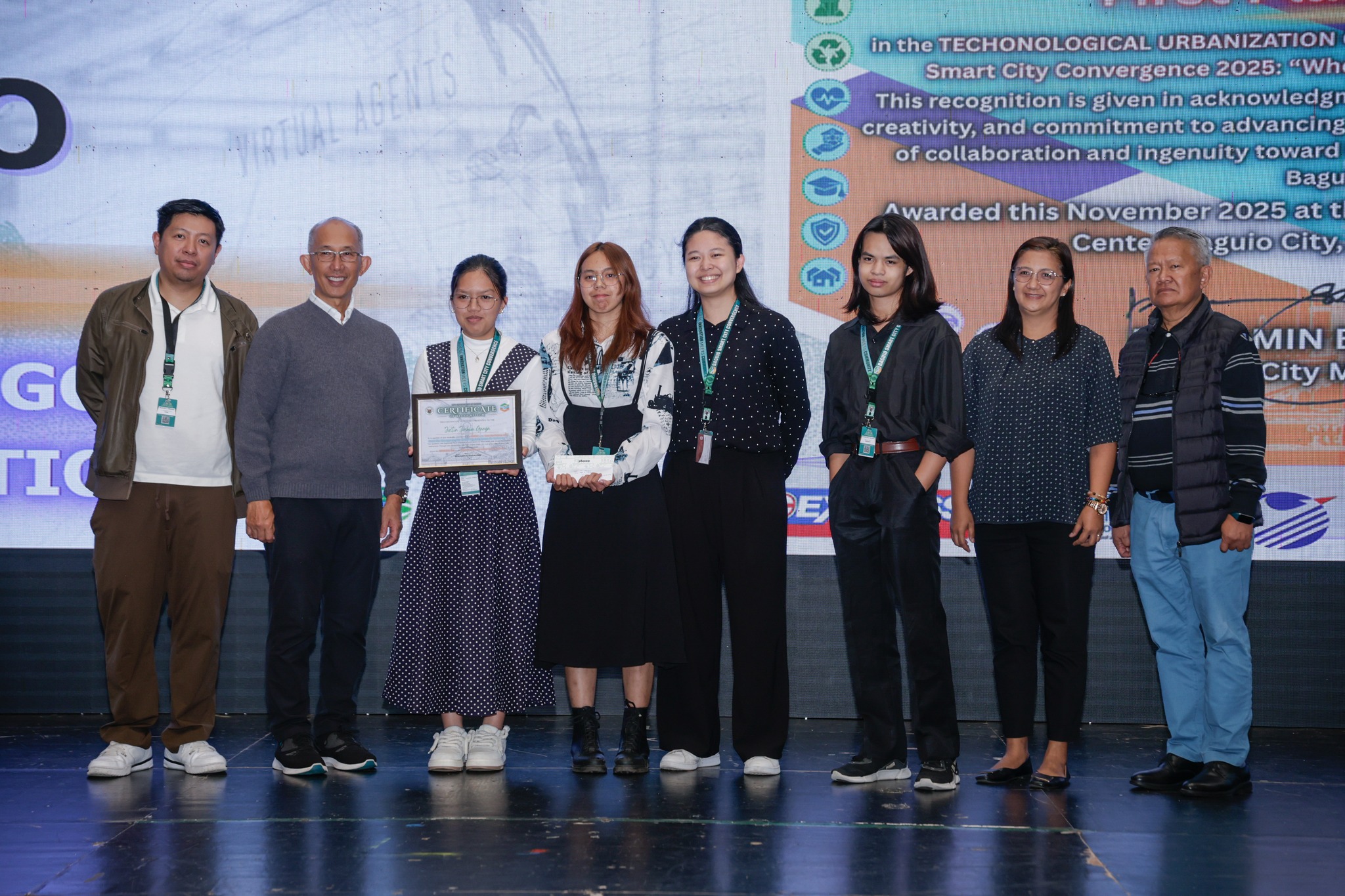
🥇 1st Place – Technological Urbanization
Team GUIO emerged as champion with a project that reimagines how technology integrates with tourism, enhancing connectivity, efficiency, and urban intelligence.
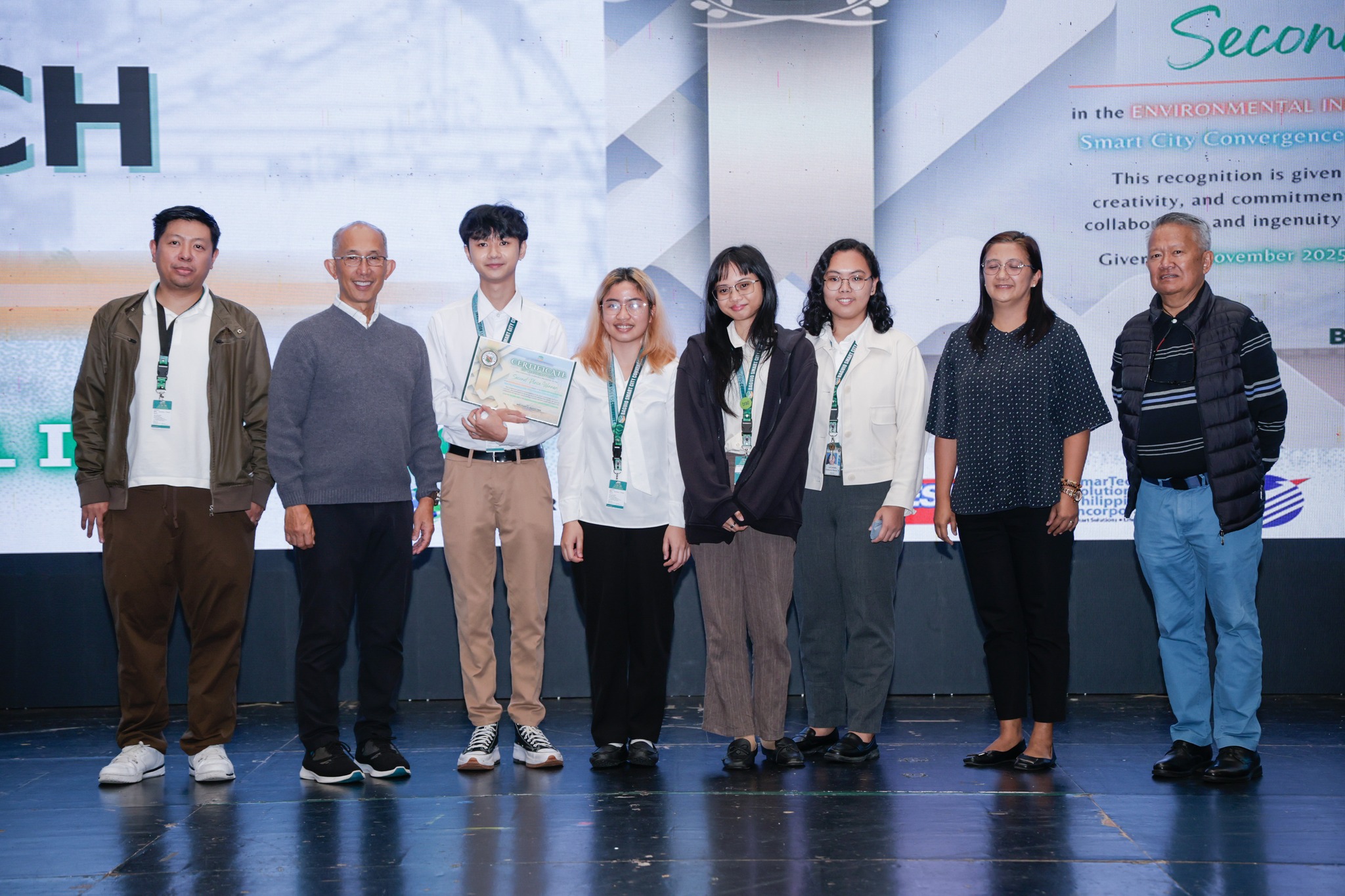
🥈 2nd Place – Environmental Innovation
Team BACK secured second place with an environmentally driven initiative aimed at promoting sustainability and ecosystem resilience within urban spaces.
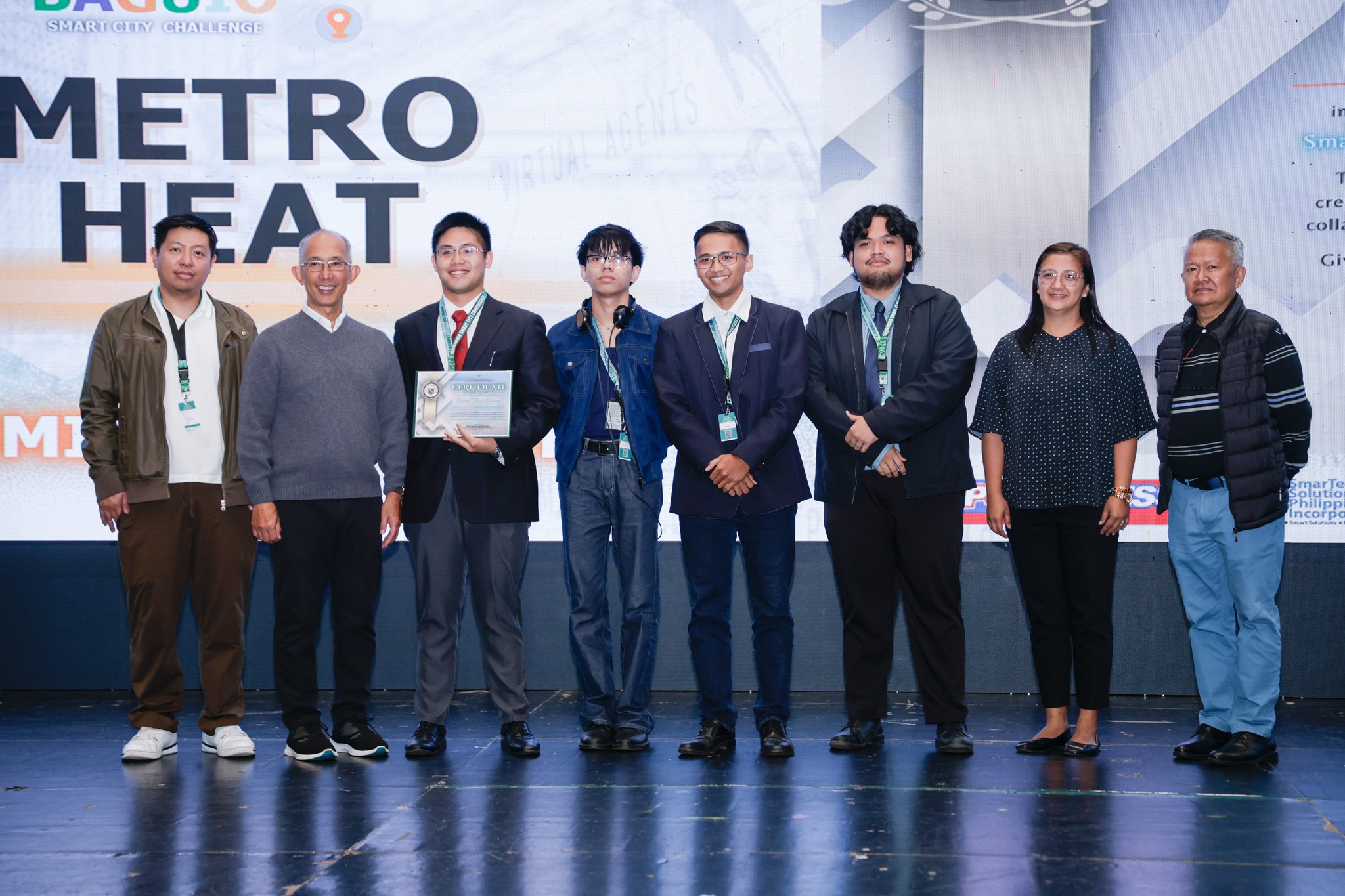
🥈 2nd Place – Economic Prosperity
Team METROHEAT, earned second place with a proposal focused on AI-powered urban heat island management platform designed for city planners, which integrates satellite imagery, geospatial, and meteorological data to forecast hotspots.
This year’s convergence expanded its reach through reverse pitching, collaborative showcases, innovation forums, and solution-driven discussions focused on the unique needs of Baguio City and nearby communities. Guided by the theme “Where Innovation Meets Community,” the event emphasized that smart city development goes beyond technology; it requires people-centered, inclusive, and sustainable solutions.
The success of SLU SAMCIS BSCS students reflected the university’s commitment to developing innovators who understand that smart cities are built not only on technology, but on people; citizens, leaders, educators, and communities working together to shape a future that is livable, resilient, and equitable. The initiative aligns with United Nations Sustainable Development Goals 4 (Quality Education), 9 (Industry, Innovation, and Infrastructure), and 11 (Sustainable Cities and Communities). (Article and Photos by Josephine Dela Cruz)