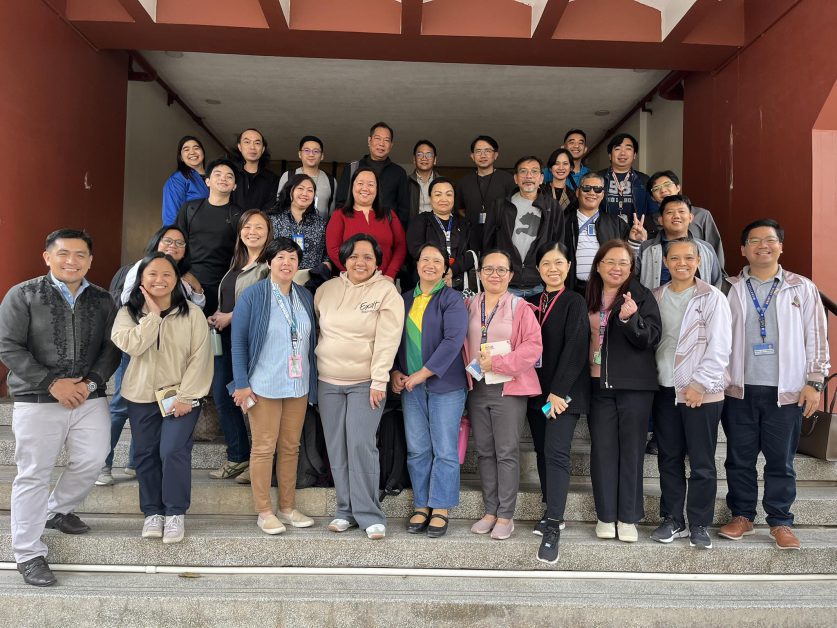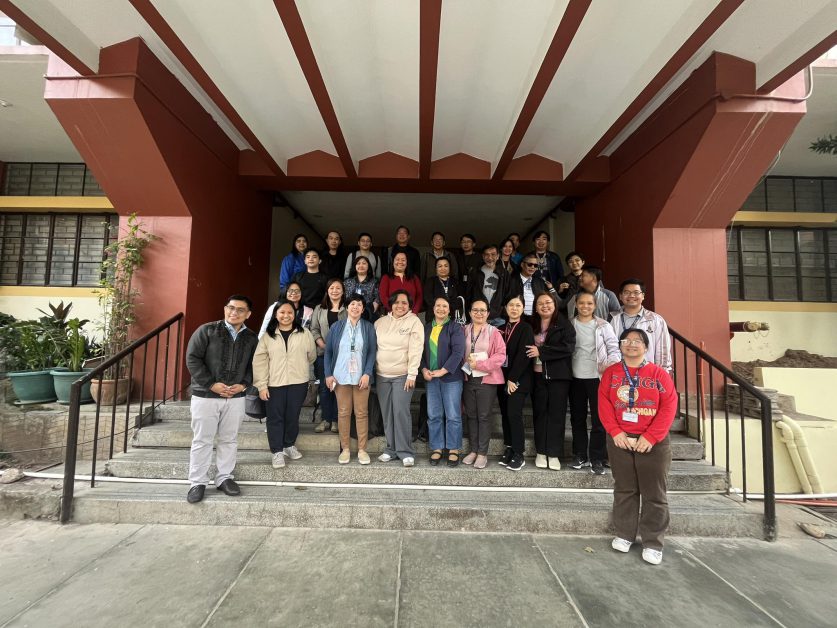
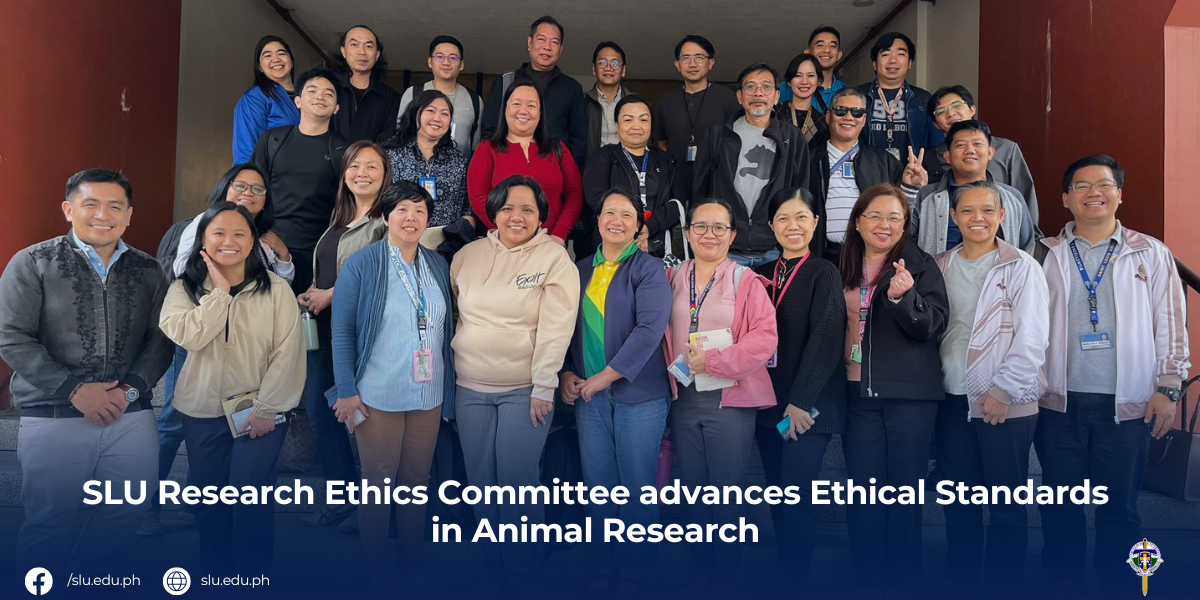
Saint Louis University’s Research Ethics Committee (SLU-REC) held a meeting on 14 January 2026, at the Audio-Visual Room (AVR) of the Msgr. Charles Vath Building, SLU Main Campus to discuss vital policy updates, institutional accreditation, and the role of emerging technologies in ethics reviews. Under the leadership of Chairperson Rainier Moreno-Lacalle, PhD, the session welcomed forty-seven REC members.
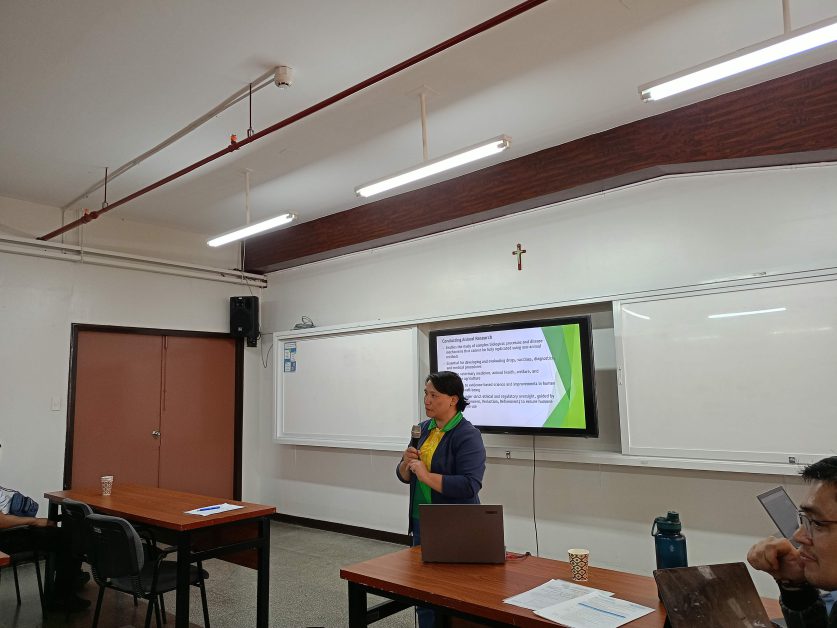
As a vital part of the activity, Ana Mendoza, PhD, the Head of Animal Research at the Cordillera Center for Animal Research and Development of Benguet State University (BSU) tackled “Ethical Considerations in Animal Research,” which provided crucial insights as SLU moves towards establishing its own laboratory animal research facilities.
Dr. Mendoza emphasized the ethical framework of the 3Rs: Replacement, Reduction, and Refinement, while introducing a fourth essential pillar: Responsibility. She also outlined the “five freedoms” that are vital to ethical animal research, which protect animals from hunger, discomfort, injury, stress, and ensure their ability to exhibit normal behaviors. The Committee was considering a formal partnership with BSU to leverage veterinary expertise and access accredited facilities, aligning SLU’s practices with the standards set by the Bureau of Animal Industry (BAI) as it establishes its own Institutional Animal Care and Use Committee (IACUC).
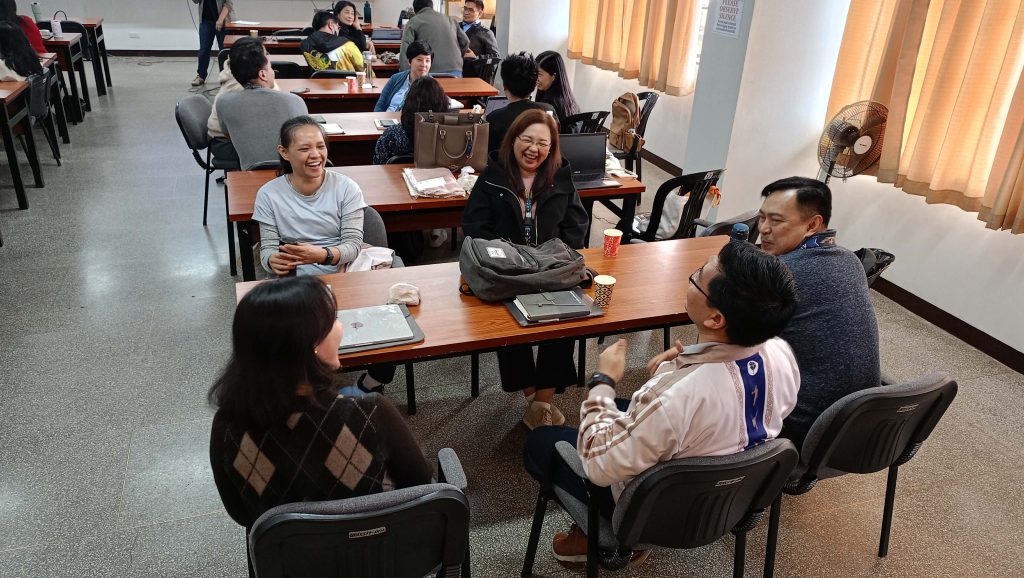
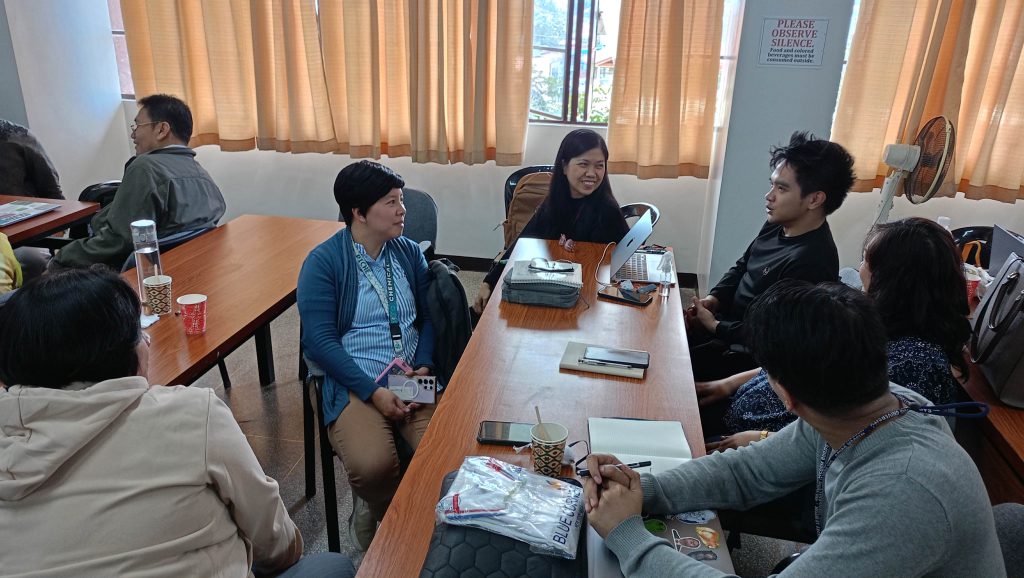
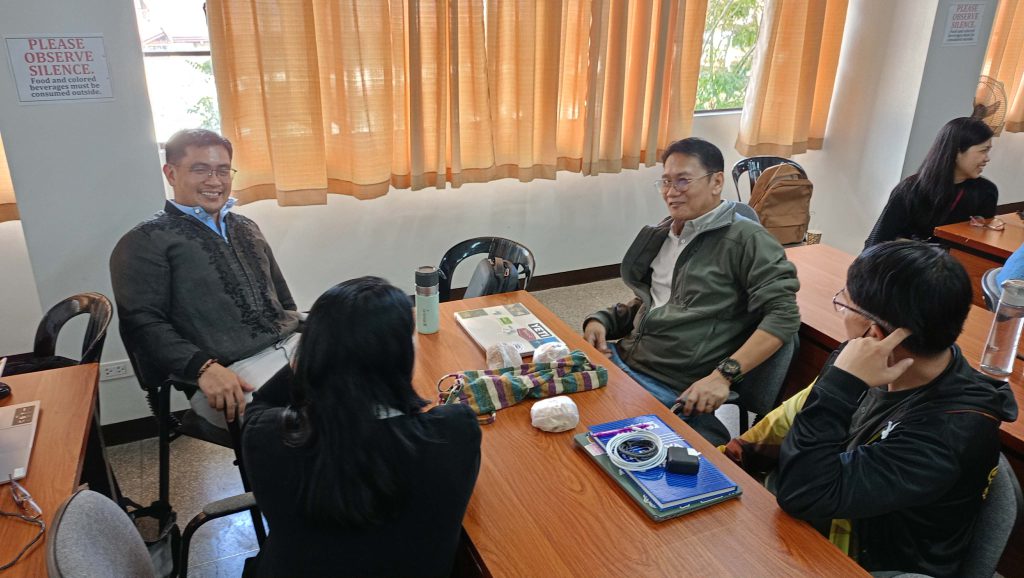
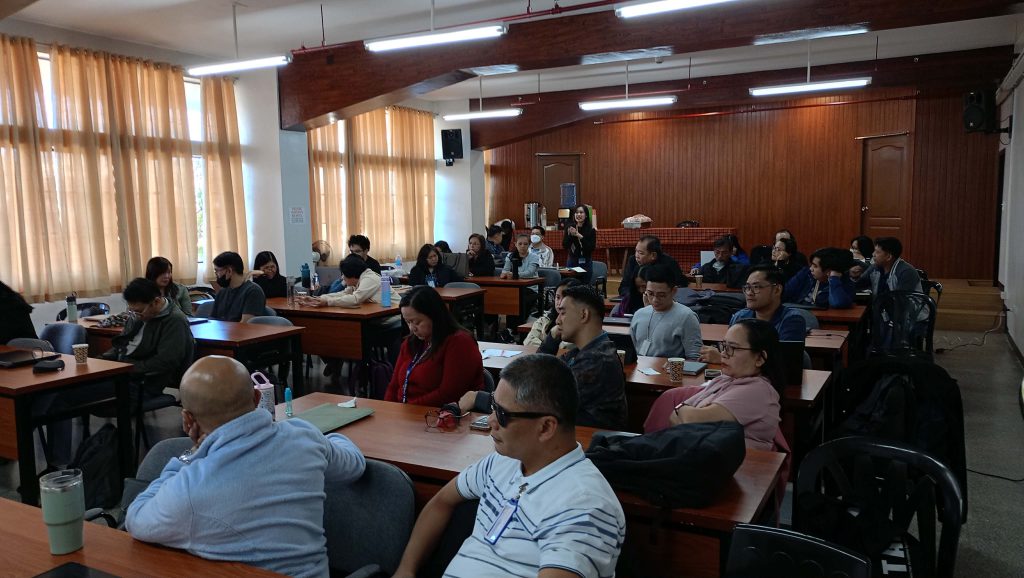
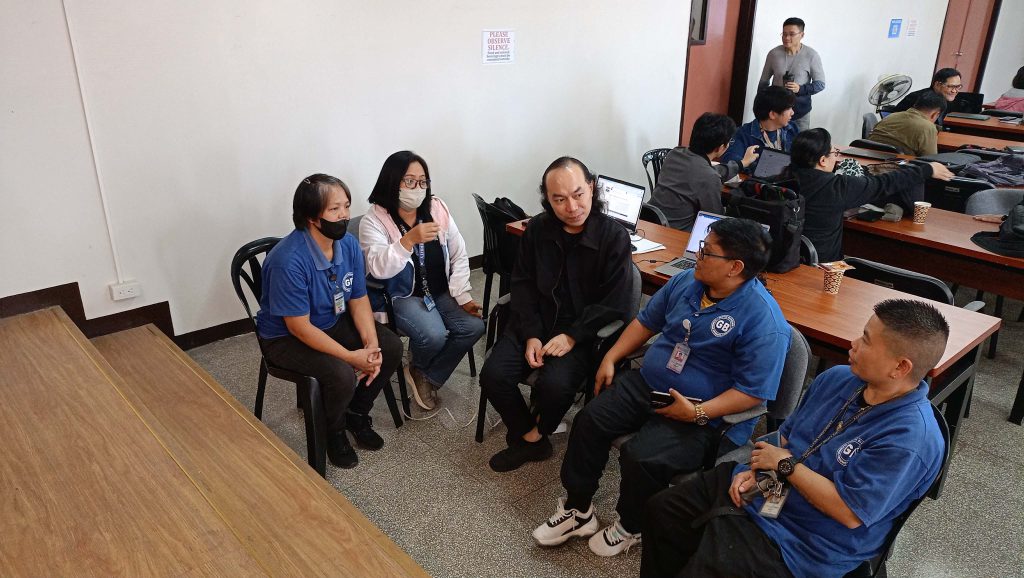
In addition, the Committee focused on enhancing institutional policies that elevate both administrative and academic standards. Dr. Moreno-Lacalle announced that SLU has made significant progress towards achieving PHREB (Philippine Health Research Ethics Board) Level 2 accreditation, with all necessary documentation prepared for submission.
The REC also approved a significant motion aimed at bolstering the quality of qualitative research. New requirements mandate formal validation for qualitative research interview guides to ensure consistency, cultural sensitivity, and scientific rigor, akin to the scrutiny applied to quantitative research tools.
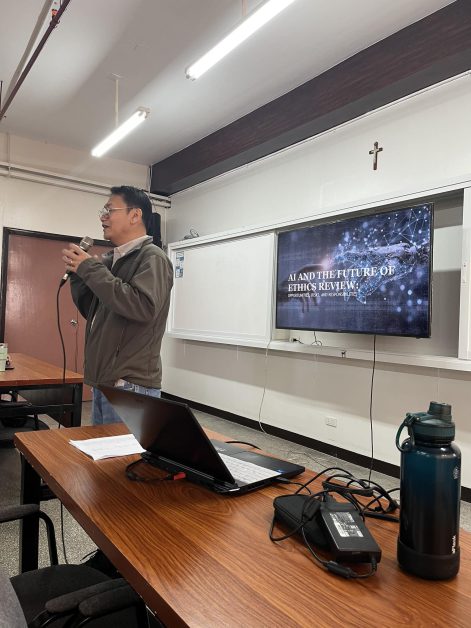
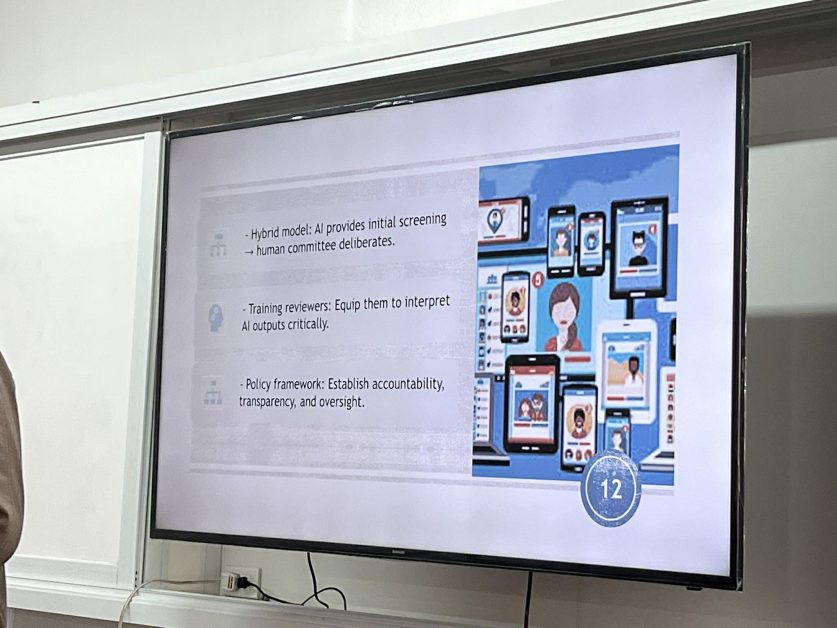
Furthermore, led by Joefrey M. Almazan, PhD the Committee explored innovative approaches to ethics review processes. A “hybrid model” was proposed to integrate Artificial Intelligence (AI) into initial protocol screenings to streamline turnaround times while maintaining human oversight to ensure thoughtful moral evaluation.
Aligned with United Nations Sustainable Development Goal 4 (Quality Education), the meeting concluded with a renewed commitment to uphold the independence and efficacy of the REC, emphasizing the importance of protecting research participants and preserving the integrity of scientific inquiry at SLU. (Article by the SLU RISE Center)