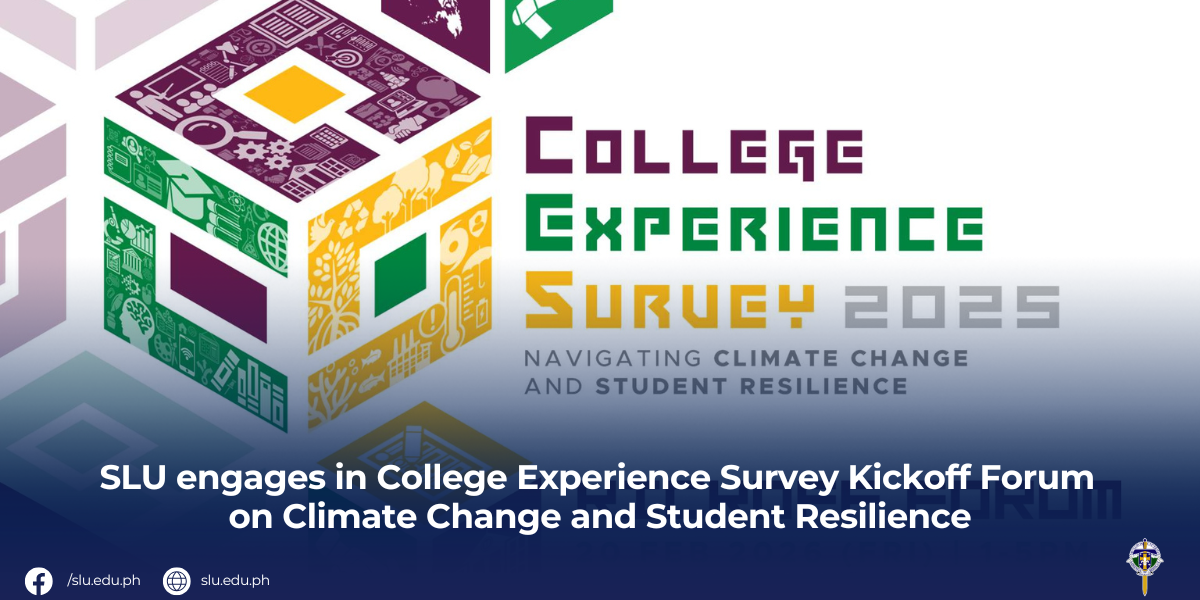
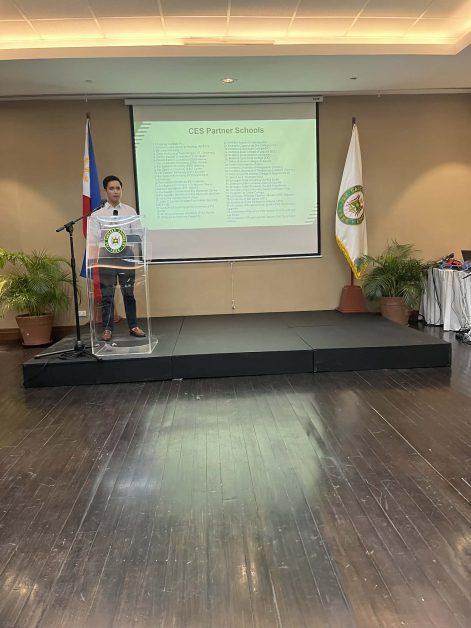
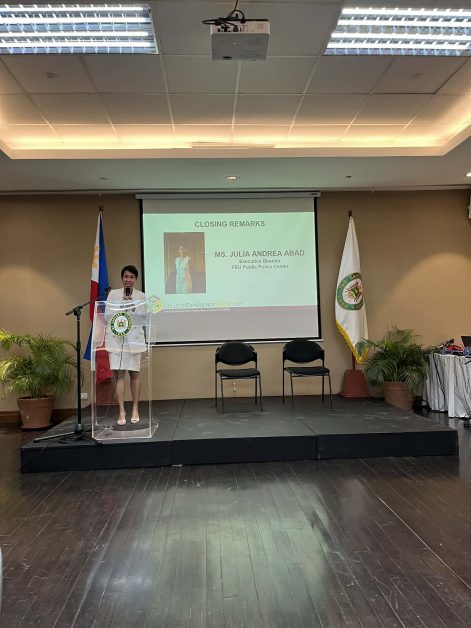
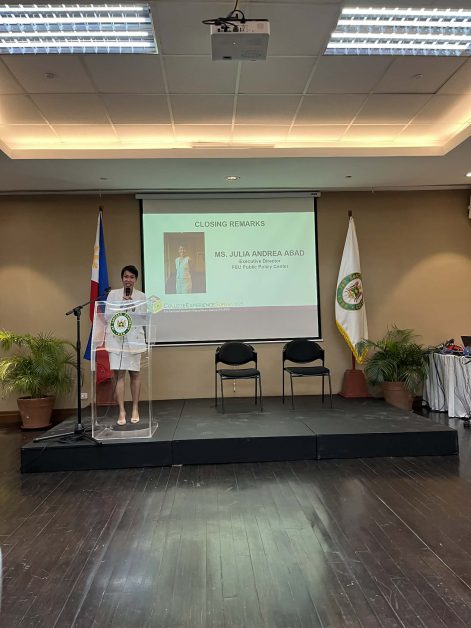
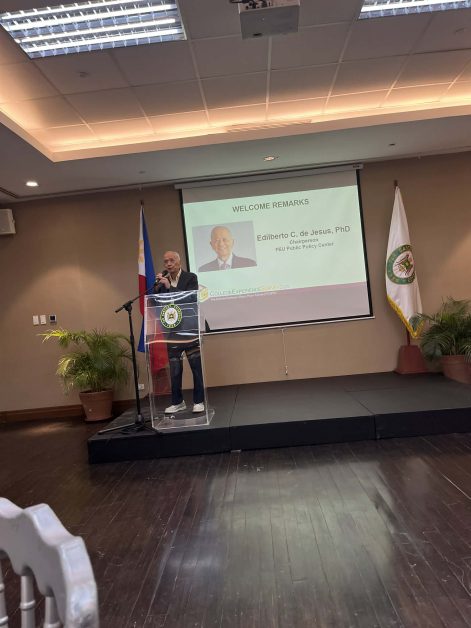
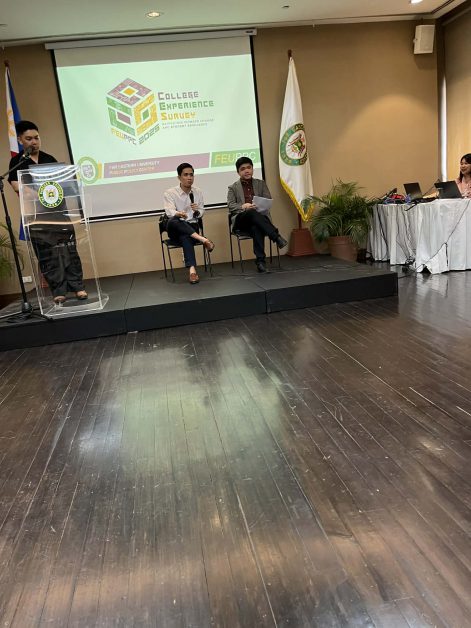
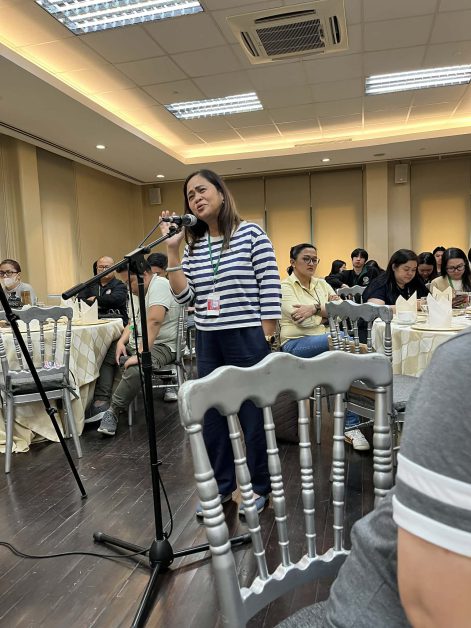
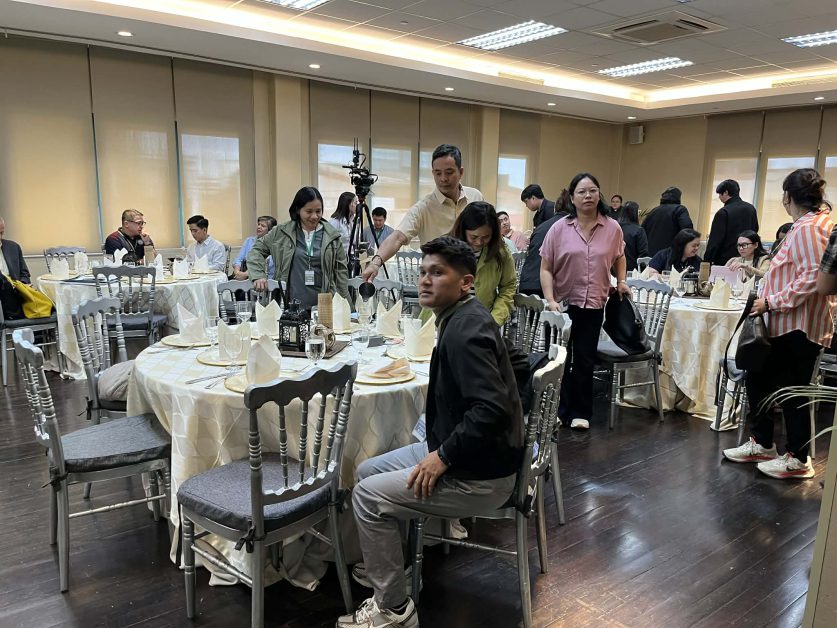
As a partner institution of the College Experience Survey (CES) since 2024, Saint Louis University (SLU) participated in the CES Kickoff Forum: Navigating Climate Change and Student Resilience on 20 February 2026 at the Far Eastern University (FEU) Manila Multi-Purpose Hall.
The CES Kickoff Forum was attended by SLU representatives Richel L. Lamadrid, PhD, Director of the SLU Research, Innovation, and Sustainable Extension (RISE) Center; Ms. Mary Catherine P. Quintos, Director of the Office of Students Affairs and Services (OSAS); and Geraldine S. Wakat, PhD, Quality Assurance Coordinator of the SLU Office of Institutional Development and Quality Assurance (OIDQA).
The highlights of the CES 2024 were presented during the event, followed by this year’s implementation and guide.
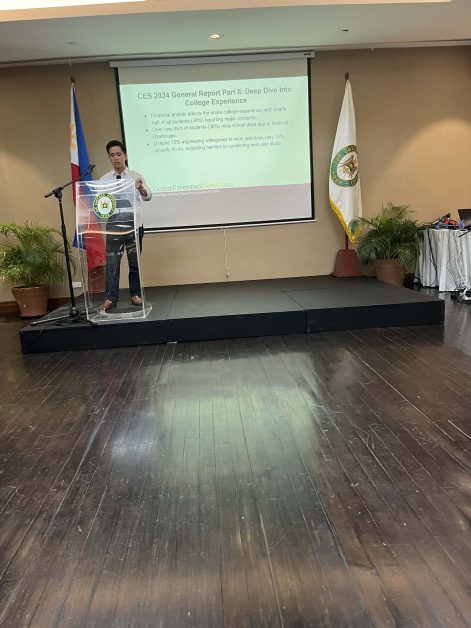
The CES 2024 General Report
The CES 2024 explored the drivers of civic apathy and engagement, the consequences of civic apathy on civic behavior, and the role of Higher Education Institutions in shaping conscientious citizens.
Results of the CES 2024 Survey indicated four types of students in terms of their civic engagement and apathy — Active Advocates (8%); Reliable Supporters (11%); Drawable Crowds (38%); and Disengaged Youth (43%). The survey also found that the college experience itself is a driver, with the National Service Training Program (NSTP), particularly the Literacy Training Service (LTS) and Reserve Officers’ Training Corps (ROTC) components, linked to higher civic engagement. Furthermore, external forces also shape civic apathy and engagement.
Professors and other academic leaders were shown to be more influential, or at least equally influential, on students’ political thinking than political leaders, and significantly more influential than current elected officials across nearly all clusters.
For the consequences of civic apathy on civic behavior, the survey revealed that for the engaged, participation is linked to the development of leadership skills and a stronger desire for careers in public service, though it may come at the cost of their mental well-being, as they report higher rates of loneliness.
For the disengaged, their apathy extends to a low level of interest in government and civil society careers, which could impact the future civil service labor force. Interestingly, a majority of Disengaged Youth believe that more young people should run for office, though they have no personal desire to do so themselves. Further, the non-participation of less engaged students in elections might signify disillusionment with the political system itself, as they also share a strong sense of civic duty with the more active clusters, but with a greater dislike and distrust of electoral candidates and politicians.
With the results presented, Higher Education Institutions are encouraged to ensure that the NSTP is not a mere compliance exercise but rather, a high-impact, formative experience in civic engagement.
Another key strategy is to offer accessible low-barrier entry points for community involvement (such as exposure to Barangay Assemblies) that build hands-on community organizing skills and exposure, directly addressing the lack of practical community organizing knowledge. Strengthening partnerships between Higher Education Institutions and Local Government Units is therefore crucial.
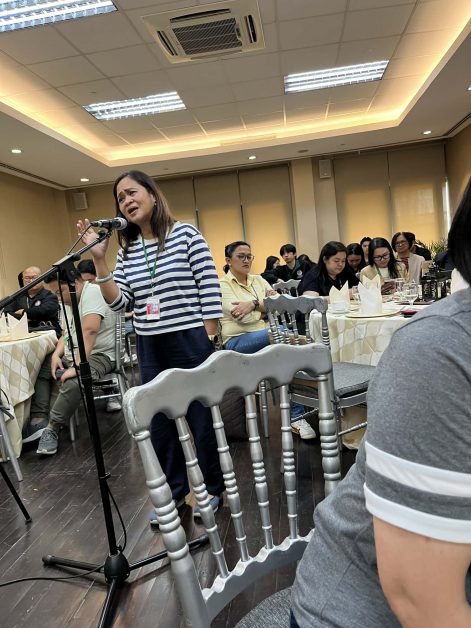
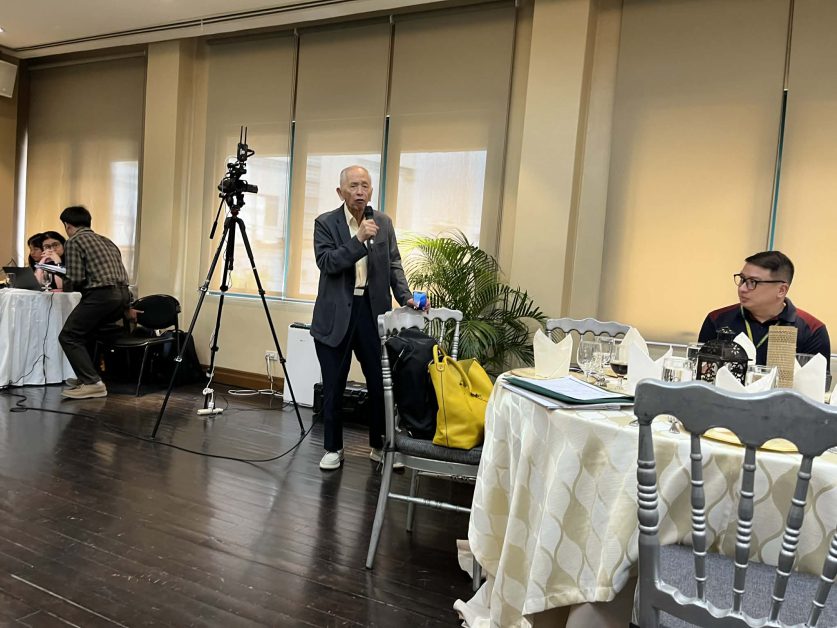
The CES 2025
This year, the CES will expand its focus to climate change and student resilience, including students’ attitudes toward climate issues, curriculum integration, and their lived experiences with climate-related events.
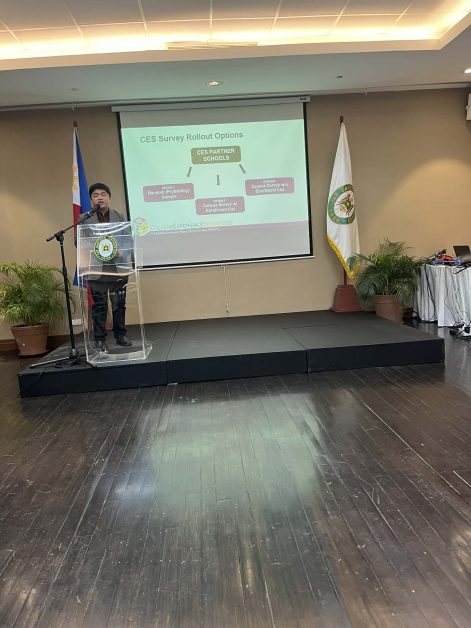
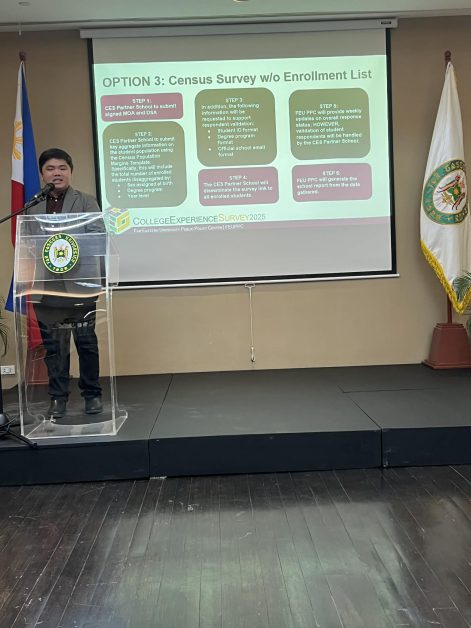
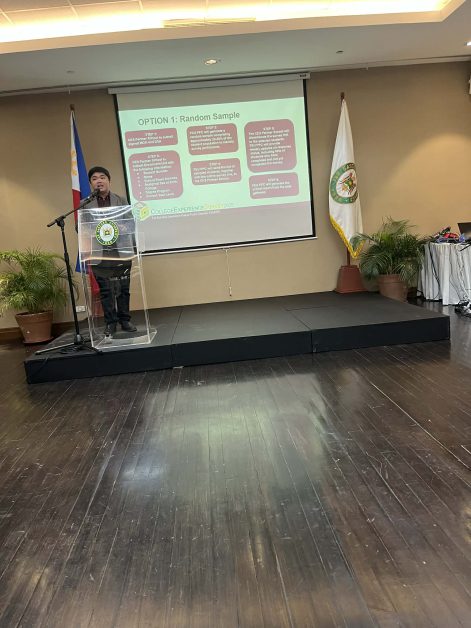
Institution-partners may choose from three options for the survey rollout:
- Option 1: Random (Probability) Sample
- Option 2: Census Survey with Enrollment List, or
- Option 3: Census Survey without Enrollment List.
After the rollout, aggregate and individual school reports will be sent to the institution partners, and a round table discussion forum will be set.
SLU’s participation in this endeavor accentuates its dedication to understanding and improving the holistic college experience of its students. This pursuit is also aligned with the University’s commitment to Quality Education (SDG 4) and Partnership for the Goals (SDG 17). (Article and Photos by SLU RISE Center)