
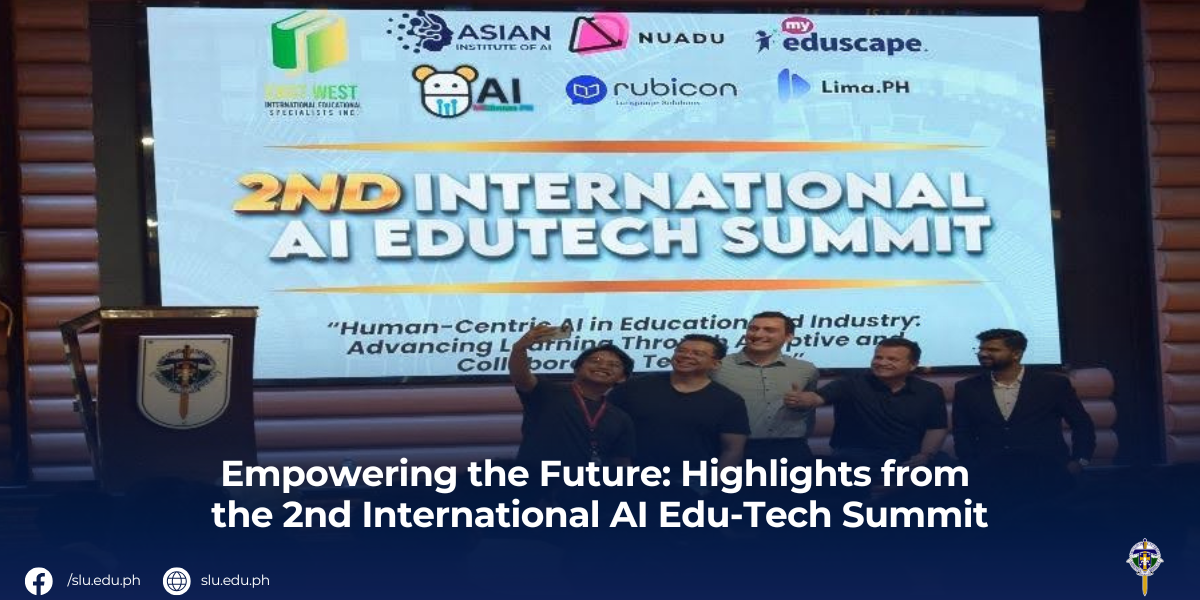
At a time when artificial intelligence continues to redefine industries across the globe, Saint Louis University’s (SLU) Fr. Theophile Verbist Hall became a hub of innovation and insight on 23 March 2026. The 2nd International AI Edu-Tech Summit brought together global experts, educators, IT students from the School of Accountancy, Management, Computing and Information Studies (SAMCIS), as well as the presence of the co-host – the RISE Center, under a unifying theme: “Human-Centric AI in Education and Industry: Advancing Learning through Adaptive and Collaborative Technology.”
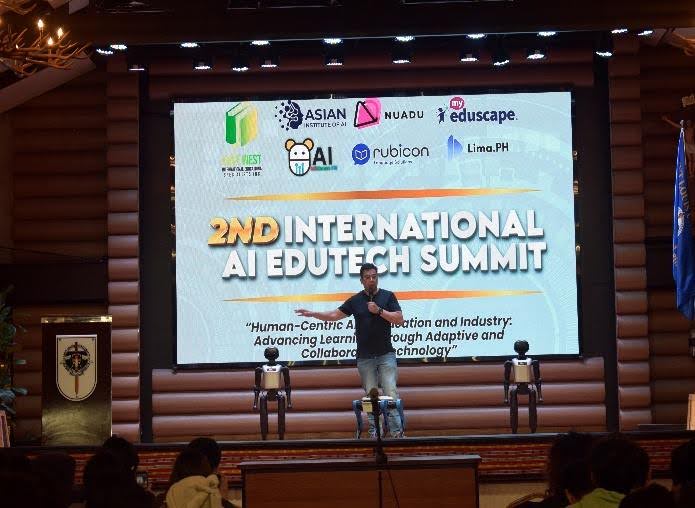
More than just a conference, the summit served as a platform for reflection, inspiration, and forward-thinking dialogue. It reinforced a critical message for the next generation: artificial intelligence is not a replacement for human intelligence; it is a tool to amplify it.
The event, hosted by Lee Fajilan, PhD opened with compelling remarks from Dean Dr. Glory Dela Peña of SAMCIS, who emphasized the urgency of preparing students for an AI-driven future. Her message resonated throughout the sessions that followed: “Education must evolve alongside technology to remain relevant and impactful.”
The event gathered distinguished speakers from across the globe, including Alex Urrea, Jacob Boyle, Amol Choudhary, and Jeffrey Sathya Peter, who shared their expertise on integrating AI into education, industry, and society. Their discussions highlighted how AI can enhance teaching and learning, improve institutional systems, and strengthen the connection between academia and industry.
Designing AI around Humans
The first session, led by Alex Urrea, Founder and CEO of Constructive Disruptor, set the tone by exploring the concept of Human-Centered AI. Mr. Urrea emphasized that technology must be built around human needs, behaviors, and purpose.
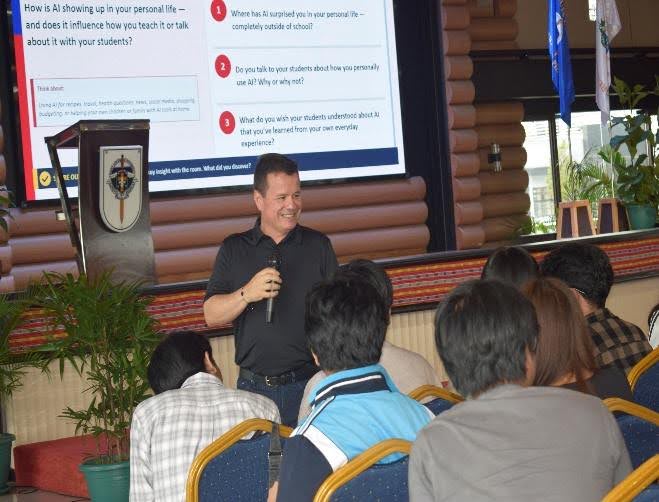
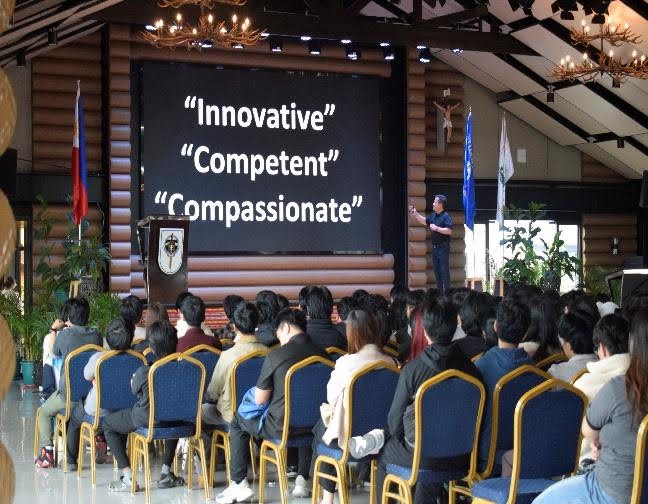
He introduced four key types of AI—General AI, Adaptive AI, Computer Vision AI, and Agentic AI —and highlighted their roles in education. Adaptive AI, for instance, personalizes learning experiences, while Computer Vision AI enhances interactive learning environments. Agentic AI represents a shift toward systems that can act autonomously in achieving goals.
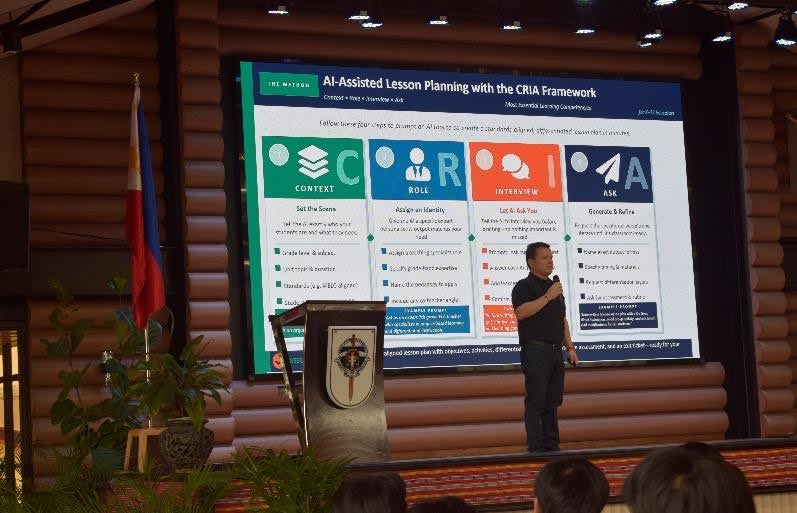
Central to his discussion was the CRIA framework—Context, Role, Interview, Ask, a structured approach that empowers educators to design effective AI-assisted lesson plans. Mr. Urrea reminded the audience that no matter how advanced AI becomes, its effectiveness depends on human expertise.
“AI fails when you don’t know your job.”
Where Robotics Meets Learning
In the second session, Jacob Boyle, CEO and Founder of MARCo Health Inc., brought the discussion into the physical realm through robotics. His presentation on the AI-enabled campus explored how robotics, analytics, and adaptive systems can transform learning environments into intelligent ecosystems.
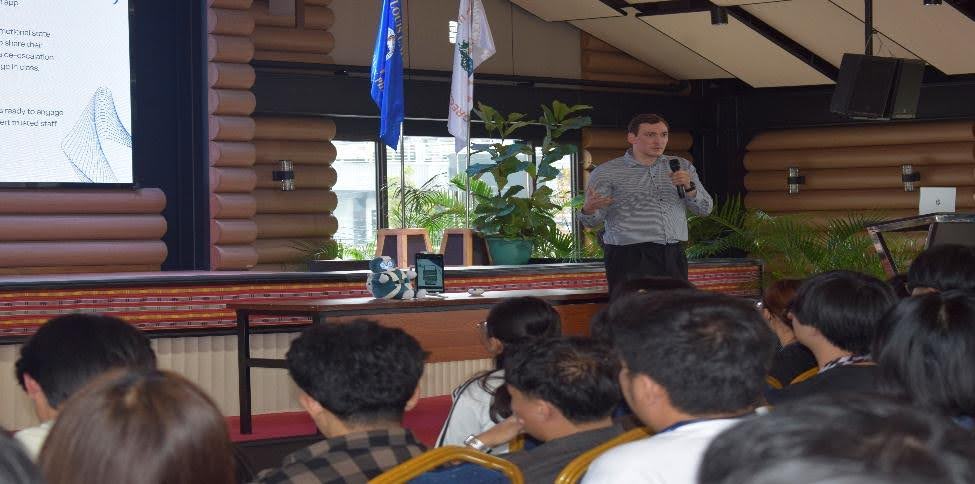

Boyle unpacked concepts such as Agentic AI and Embodied AI, explaining how machines that interact physically with the world can enhance both cognitive and emotional learning. He emphasized that while technology evolves rapidly, human psychology remains constant, underscoring the importance of design in successful AI integration.
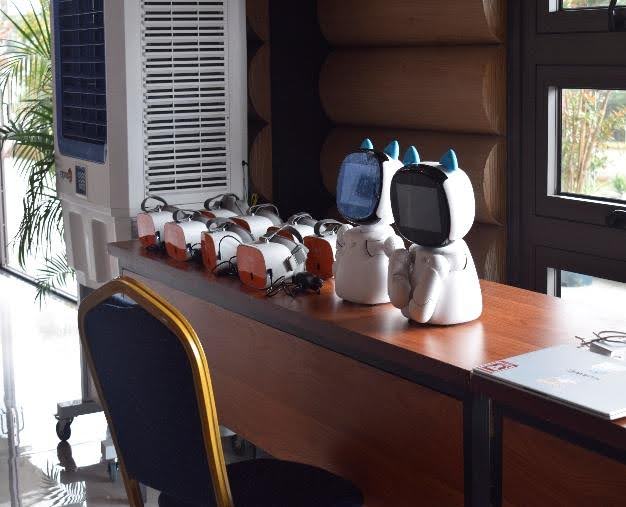
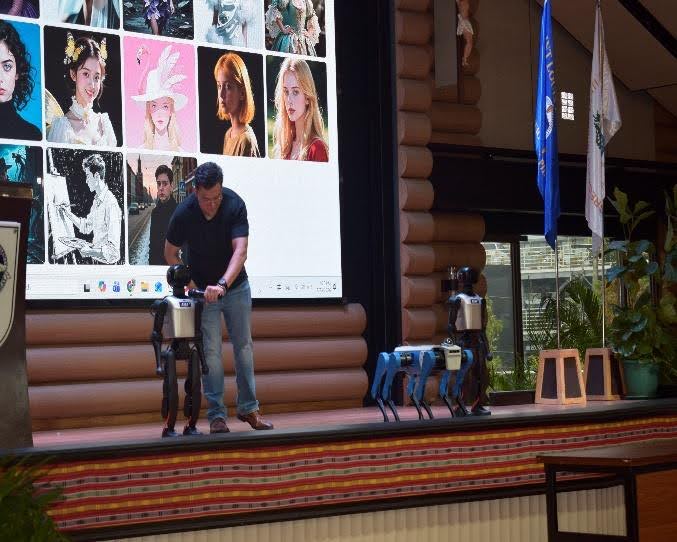
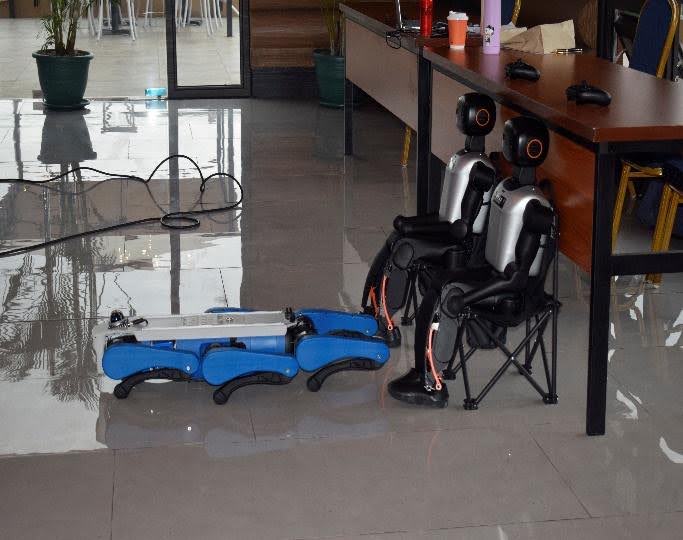
A highlight of the session was the live demonstration of the robot “MARCo,” which showcased how robotics can engage students, support emotional interaction, and enhance the learning experience.
“Design is more critical than data.”
Augmenting Human Intelligence
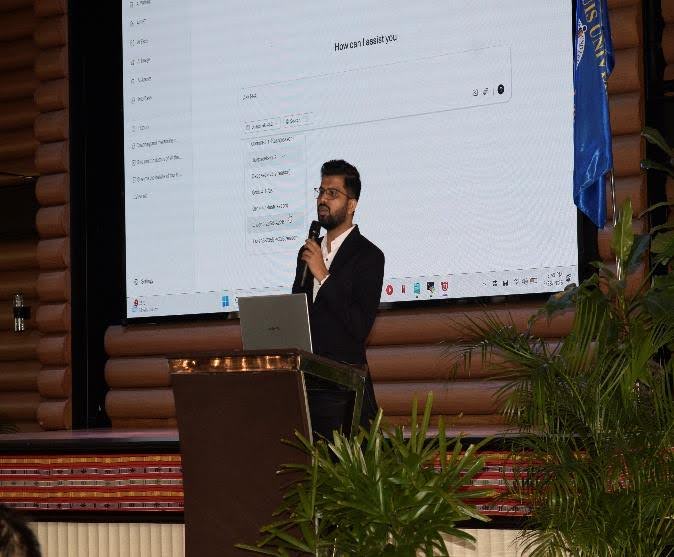
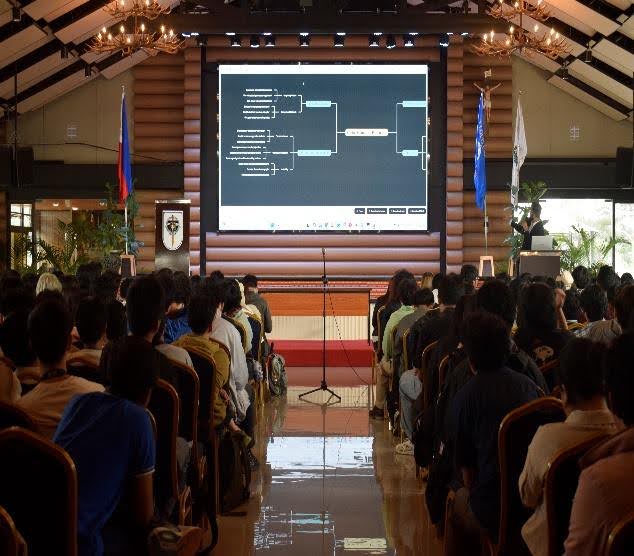
Shifting the narrative from automation to empowerment, Amol Choudhary, Partner at Mimouse Global, emphasized that AI should augment, not replace human intelligence. He demonstrated how AI tools can streamline tasks such as presentations, data analysis, and administrative workflows, allowing educators and professionals to focus on creativity, strategy, and innovation. His perspective reframed AI as a collaborator rather than a competitor. Choudhary also highlighted global opportunities, including AI-driven internships and international collaboration, encouraging students to view AI as a gateway to global engagement.
Bridging the Gap between Academia and Industry
The final session, led by Jeffrey Sathya Peter of YITRO, focused on aligning education with industry demands. Drawing from decades of experience, he underscored the importance of partnerships, workforce readiness, and scalable training systems. His insights highlighted how AI can enable institutions to deliver more relevant, industry-aligned education, ensuring that graduates are equipped not only with knowledge, but with practical, employable skills.
Students at the Center of Innovation
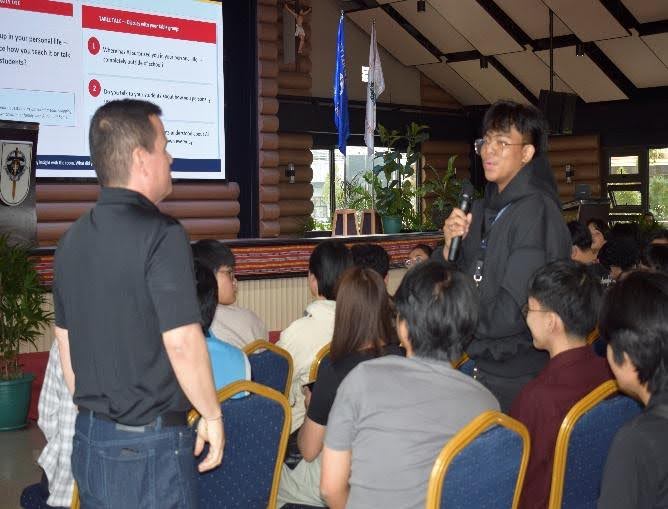
Beyond the expert insights, the summit was defined by the active participation of SAMCIS students. During the question-and-answer session, students engaged directly with speakers, gaining clarity on real-world applications of AI and its relevance to their chosen careers.
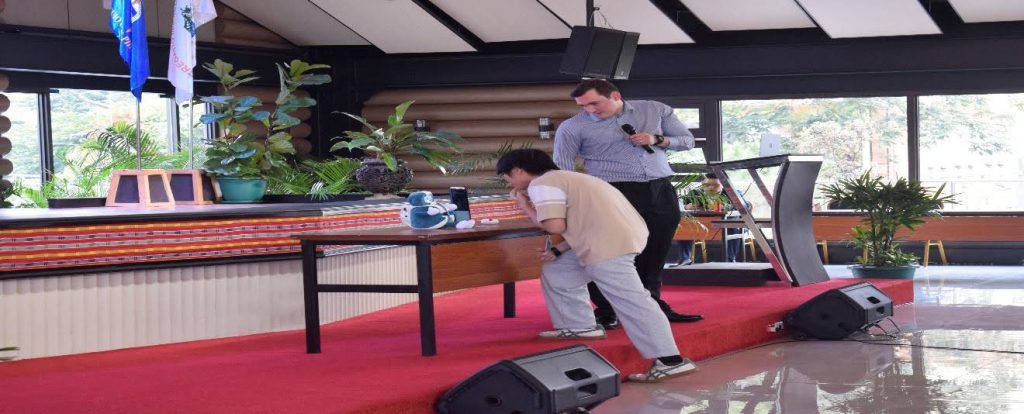
The demonstration of the MARCo robot added an interactive dimension, capturing the students’ attention while reinforcing key concepts discussed throughout the summit. More importantly, students walked away not only entertained but also enriched, equipped with knowledge and inspired by the wisdom shared by global experts.
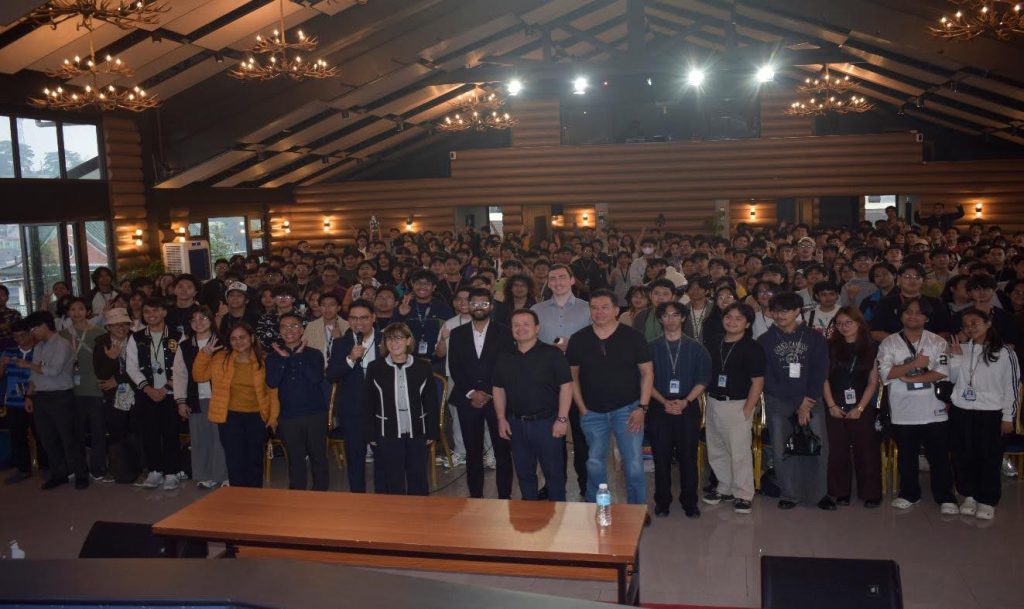
In conclusion, the 2nd International AI EduTech Summit served as a significant platform for advancing discussions on the role of artificial intelligence in shaping the future of education. It reinforced the vision that AI, when guided by ethical principles and human-centered design, can become a powerful force for educational transformation.
More importantly, aligned with the United Nations Sustainable Development Goals 4 (Quality Education), 9 (Industry, Innovation, and Infrastructure), and 17 (Partnerships for the Goals), it inspired both educators and students to embrace AI not merely as a tool for advancement but as a responsibility, one that calls for wisdom, critical thinking, and a commitment to building a better and more inclusive future. (Article and Photos by SAMCIS)