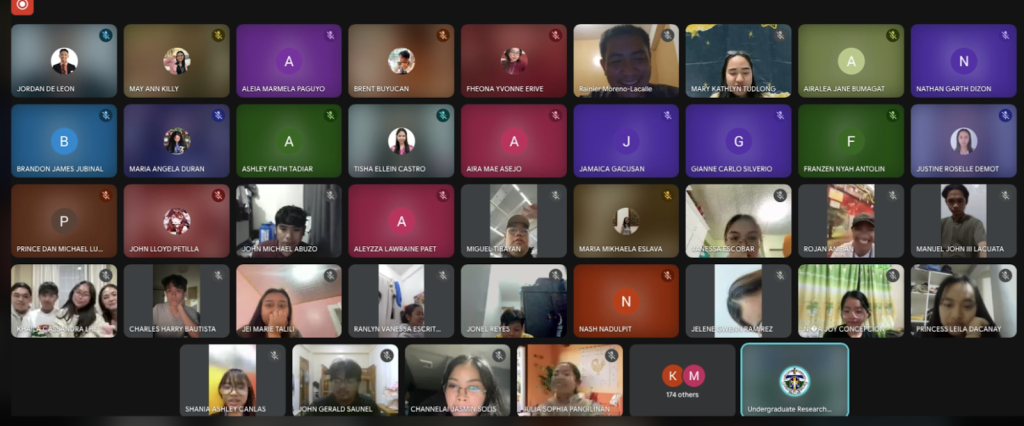
More than 220 students from Research 1 classes gathered virtually on 14 March 2026 for a research webinar focused on the pre-approval process when conducting research. The session, held via Google Meet, aimed to strengthen students’ understanding of research ethics.
The webinar featured Rainier M. Lacalle, PhD, Chairman of Saint Louis University’s (SLU) Research Ethics Committee (REC), as the guest lecturer. During the session, Dr. Lacalle provided a comprehensive discussion of the procedures and the importance of securing ethical clearance prior to data collection, particularly when studies involve human participants.
Throughout the webinar, Dr. Lacalle emphasized the crucial role of the Research Ethics Committee in safeguarding the welfare, rights, and dignity of research respondents. He explained that ethical review ensures that research methods are responsible, transparent, and aligned with institutional and national research standards. Ethics review committees are designed to protect participants while maintaining the integrity of academic research.
Participants were guided through the key steps of the pre-approval process, including preparing research protocols, submitting required documentation, and undergoing ethical review before data collection. The lecture also highlighted common ethical considerations, including informed consent, confidentiality, and minimizing potential risks to participants.
In line with the Administrative Memo No. 32, s. In 2025, a mandate was issued that all research involving human participants undergo ethical review and secure approval from the Saint Louis University Research Ethics Committee (SLU-REC) before data collection. The discussion reinforced the importance of strict compliance with institutional policies.
One of the major takeaways from the session was the encouragement for students to actively use the REC’s services when conducting their studies. By undergoing the proper review process, researchers can ensure that their work adheres to ethical standards and protects the safety and well-being of their respondents.
To further guide participants, Dr. Lacalle also presented sample templates and documents used by the committee when reviewing research proposals, providing students with a clearer understanding of the requirements needed for ethical clearance.
The webinar served as an important initiative to cultivate responsible research practices among students, reinforcing the university’s commitment to ethical research conduct and academic integrity. Through discussions like this, students are better equipped to conduct research that not only contributes to knowledge but also respects the rights and welfare of the communities involved. (Article and Photos by Ashanna Nicole Bautista, JPIA)