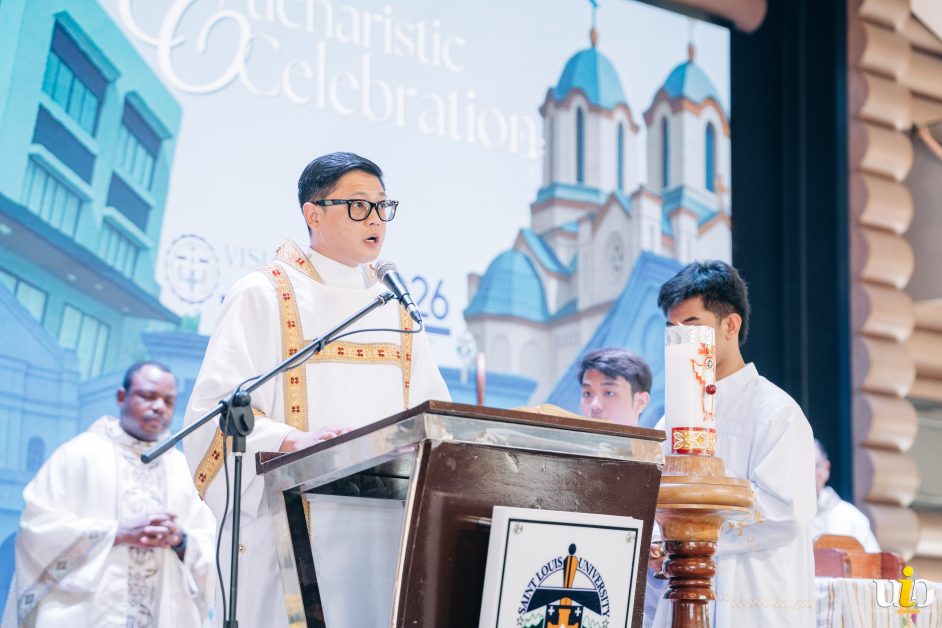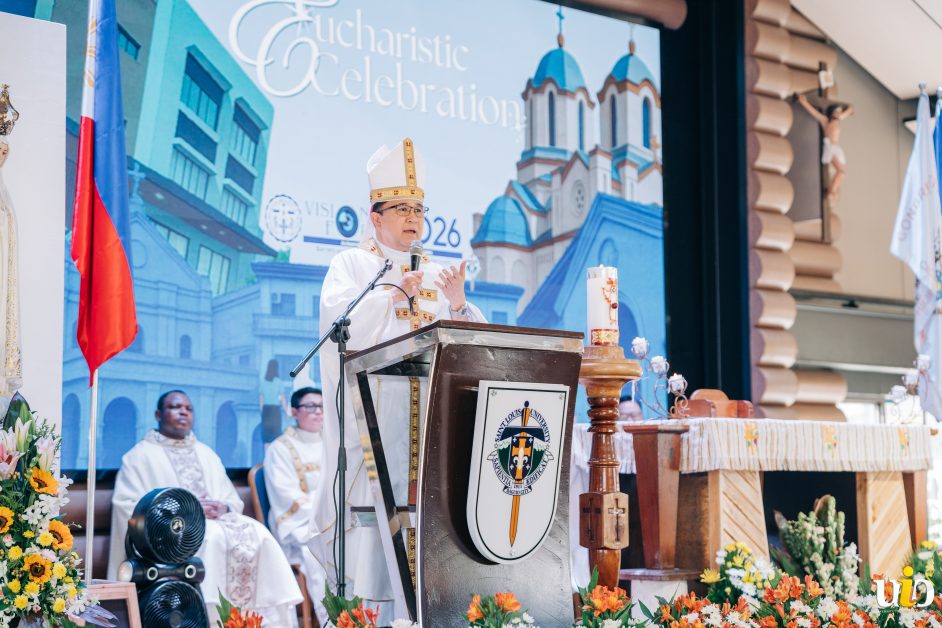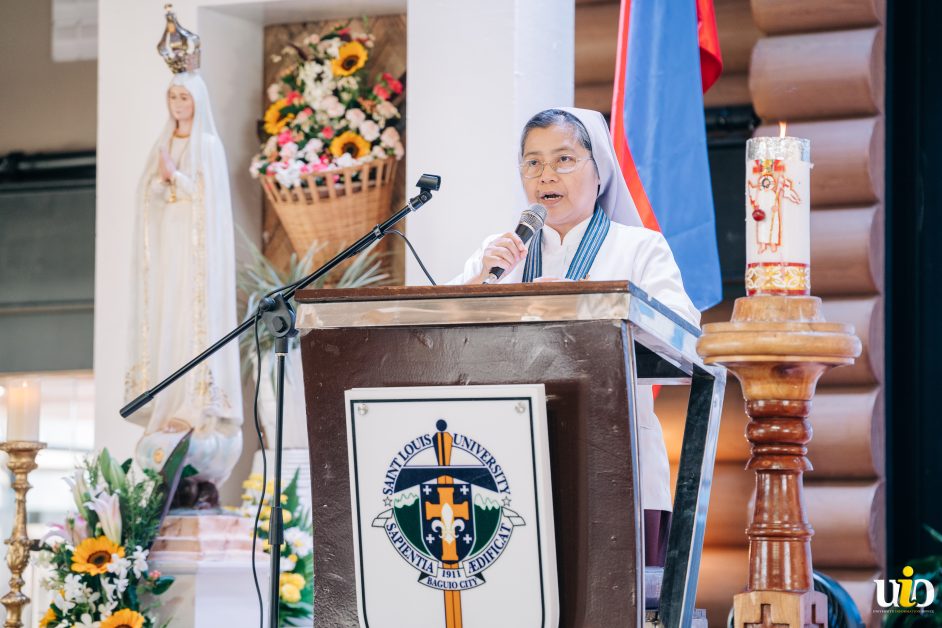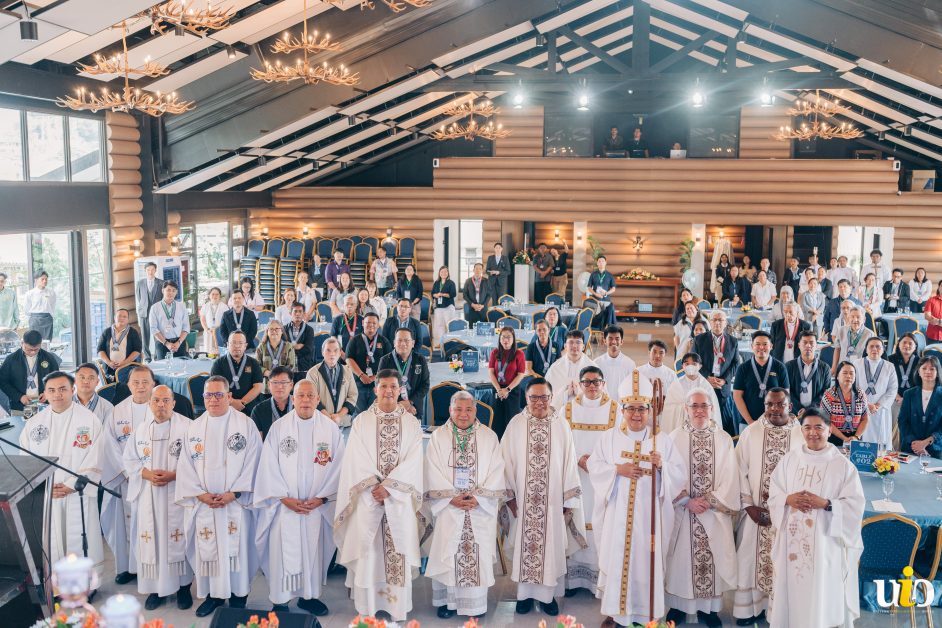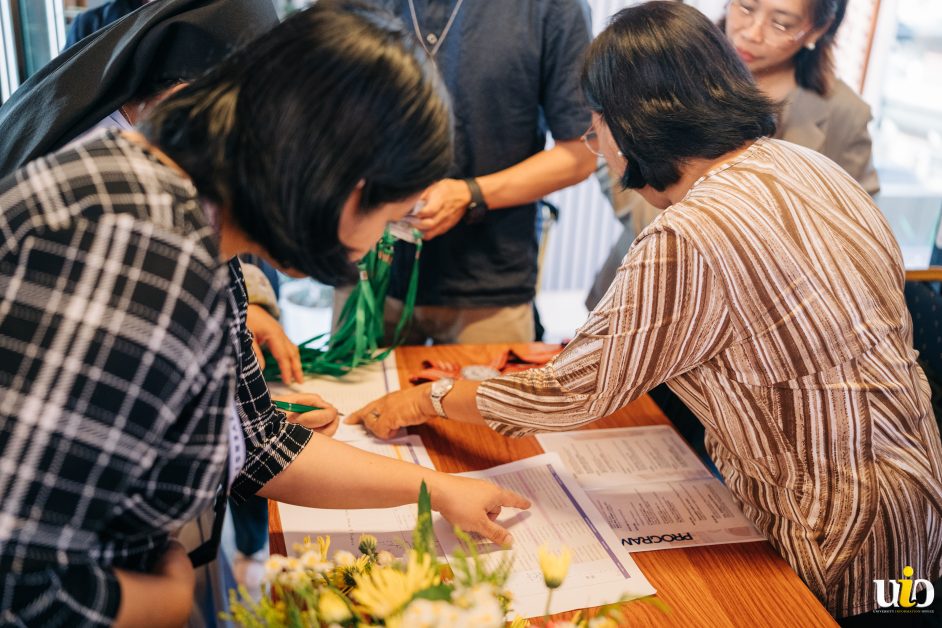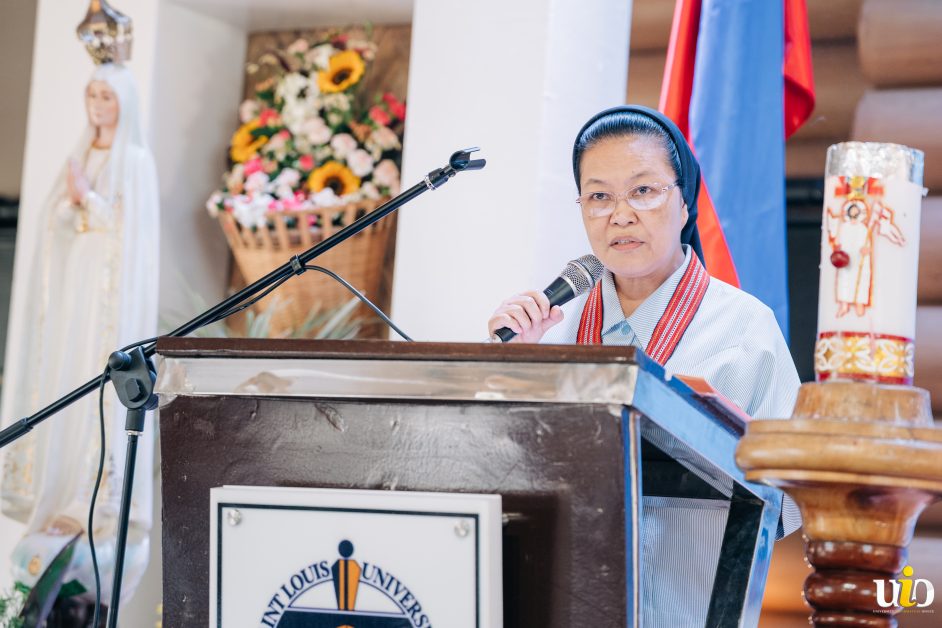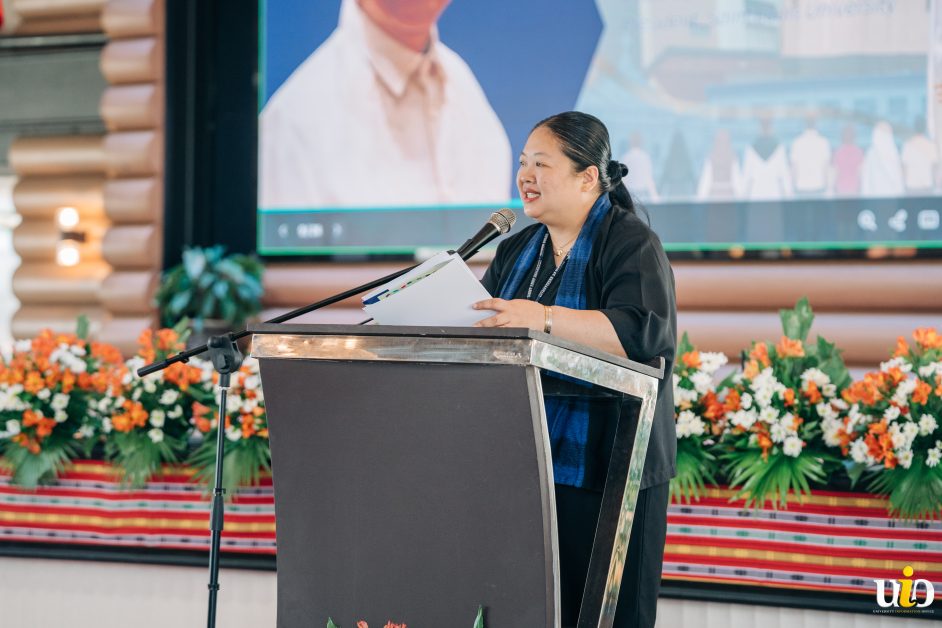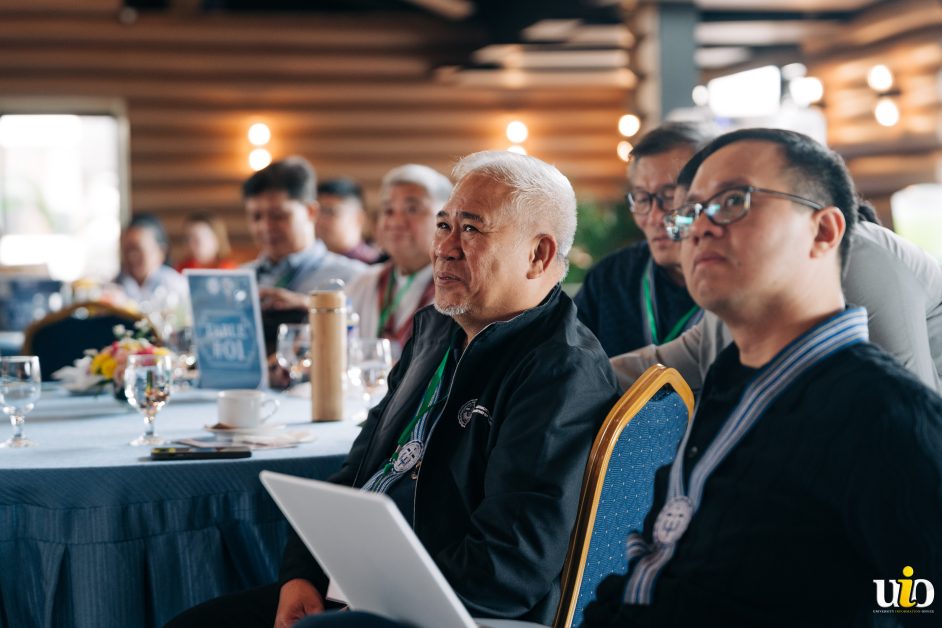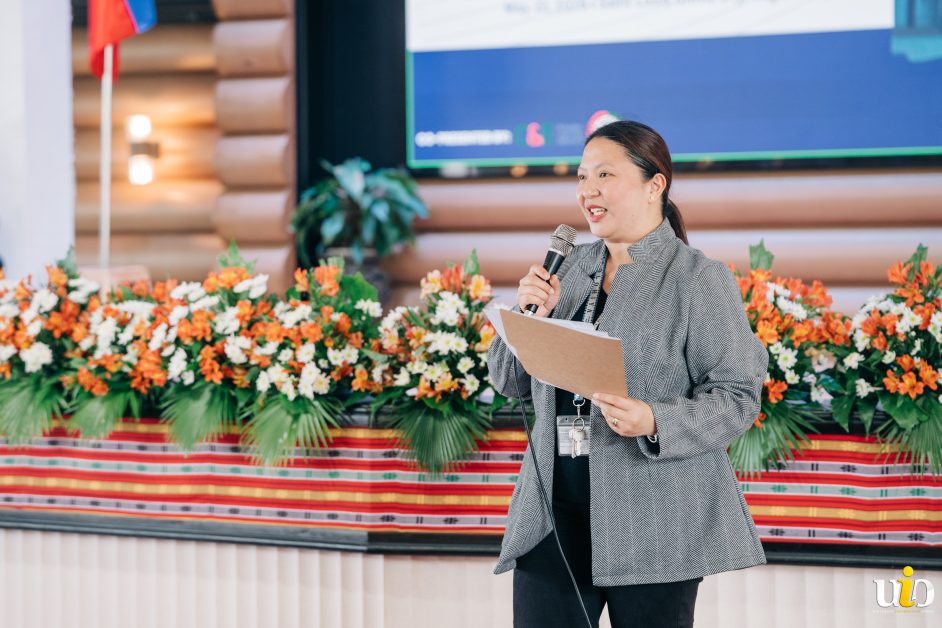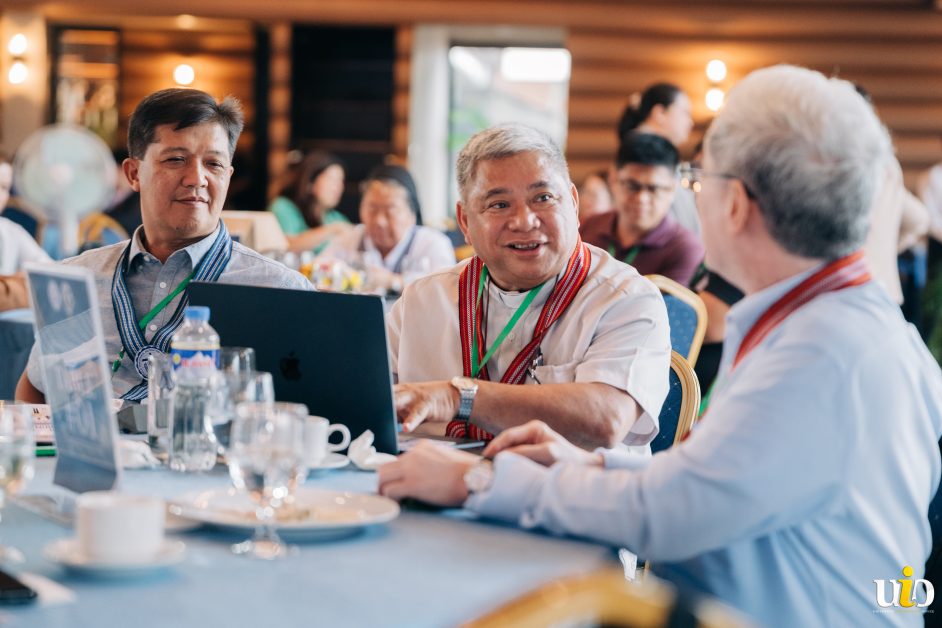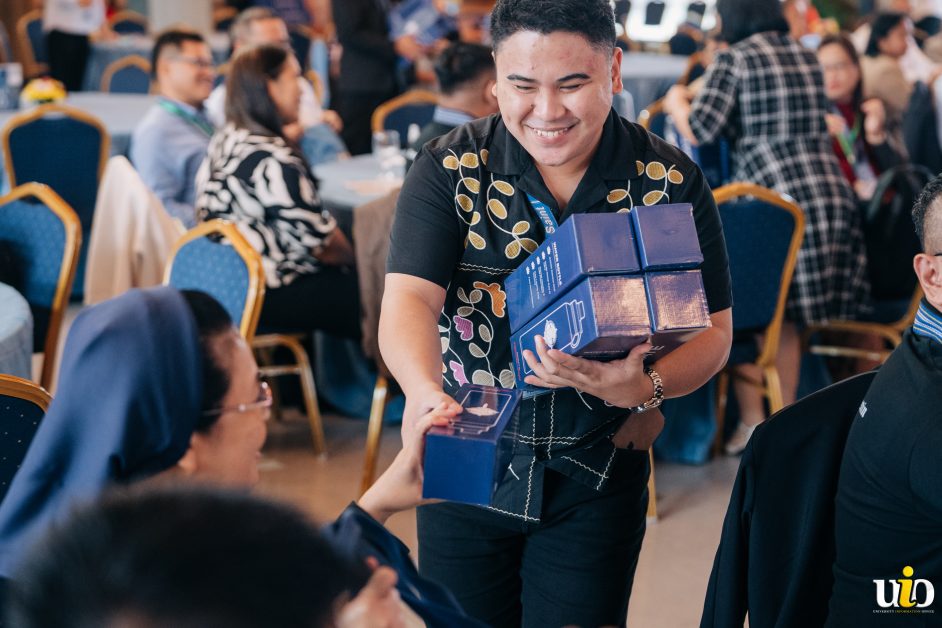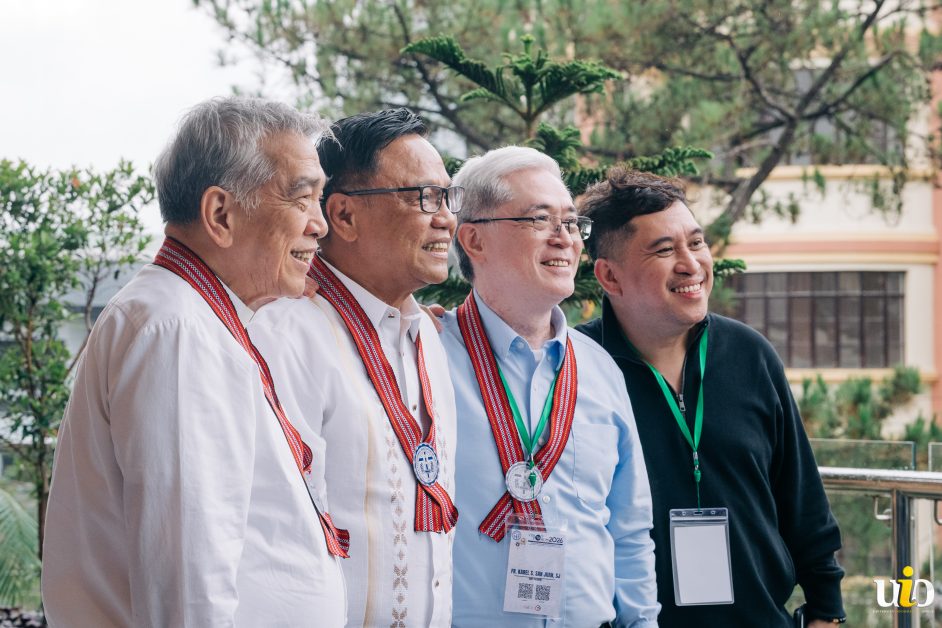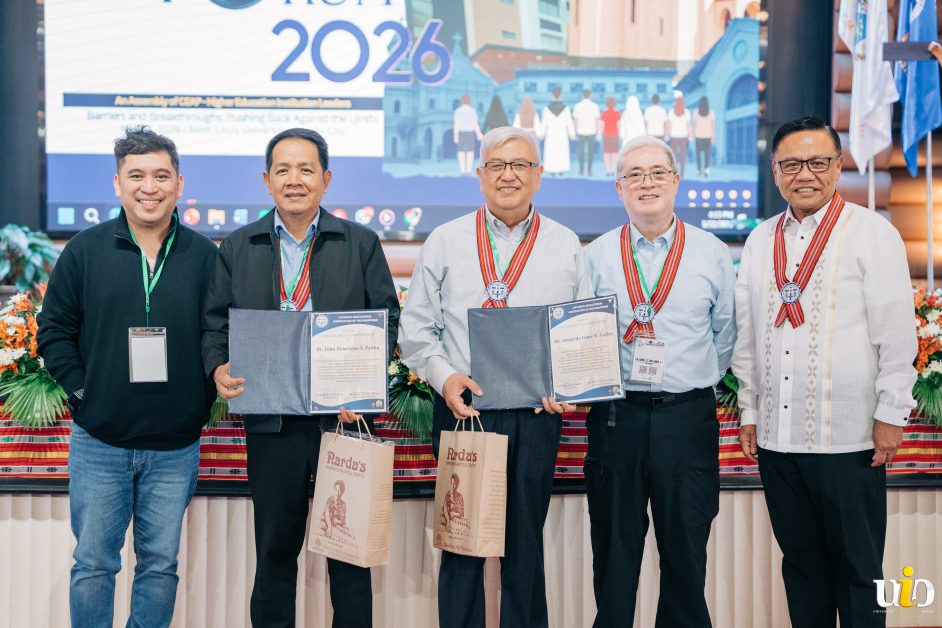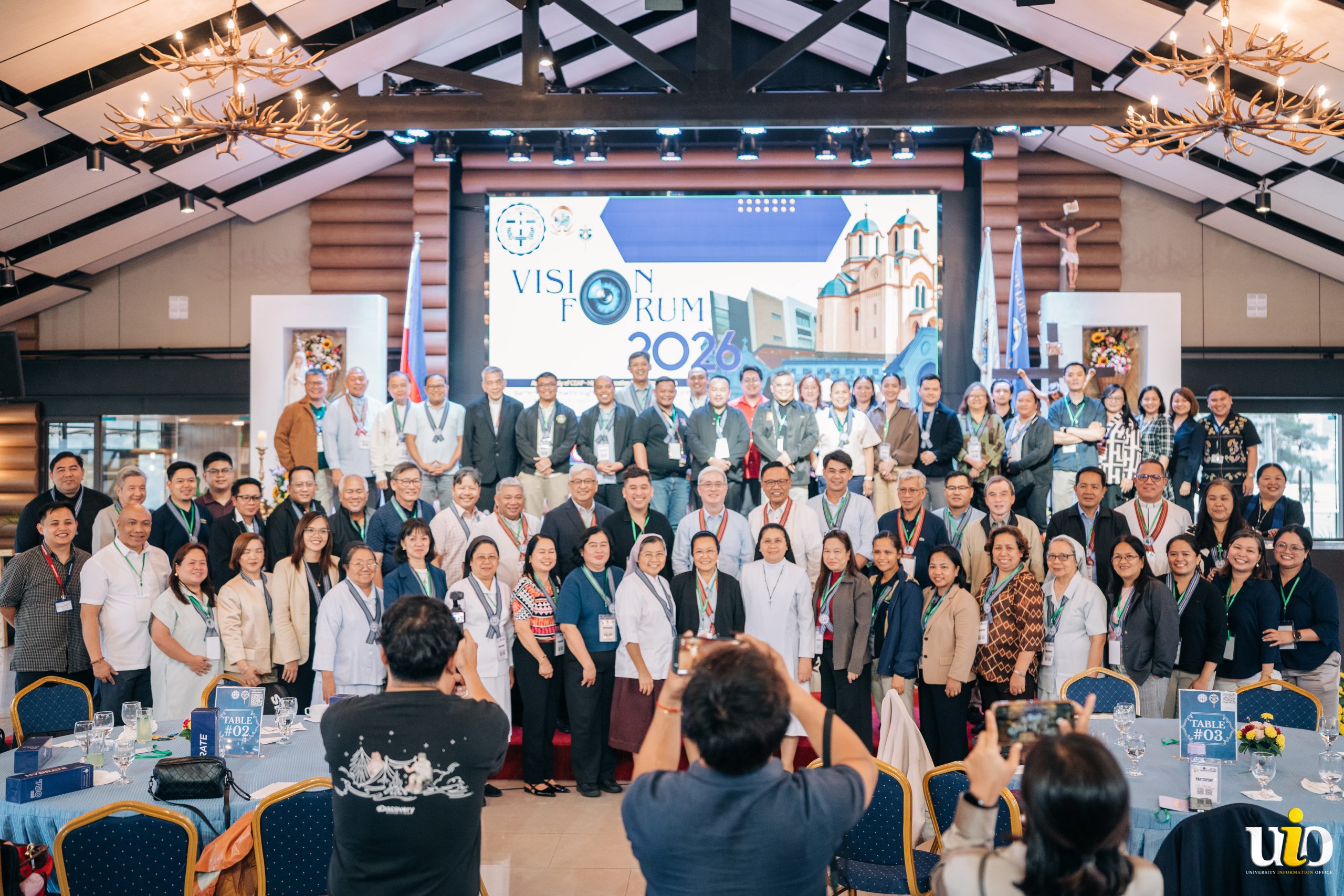

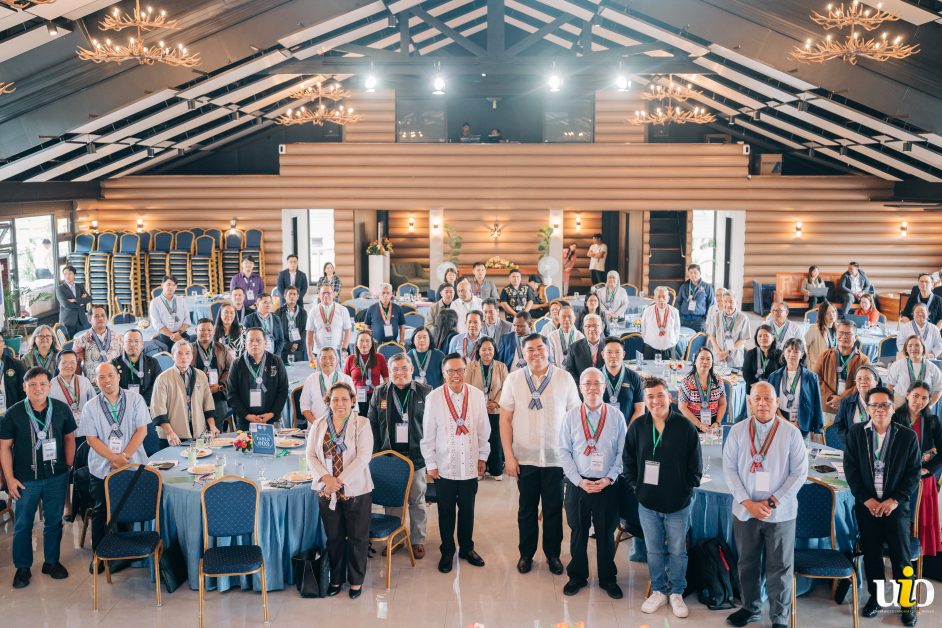
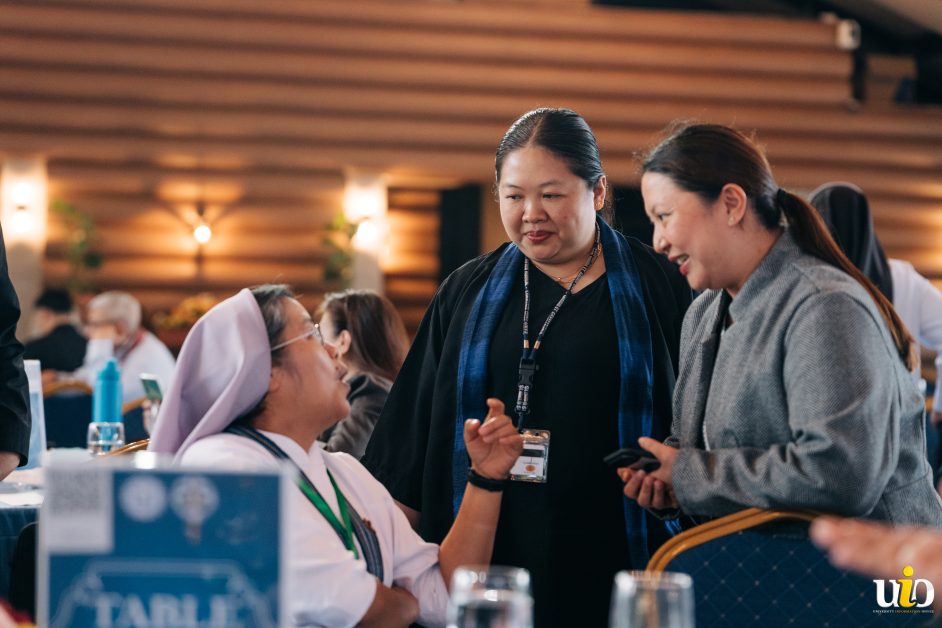
Institutional leaders from all over the country gathered at the Fr. Theophile Verbist Hall, SLU Sacred Heart Medical Center (SLU SHMC), on 22 May 2026 for the Catholic Educational Association of the Philippines (CEAP) Vision Forum 2026. Themed “Barriers and Breakthroughs: Pushing Back Against the Limits,” the event served as a venue for meaningful dialogue to even improve Catholic higher education.
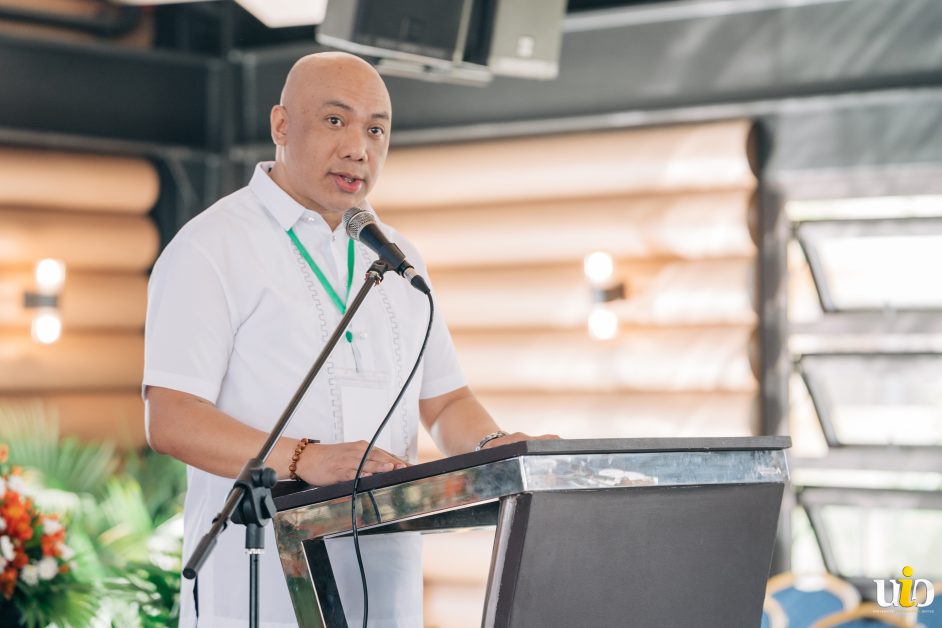
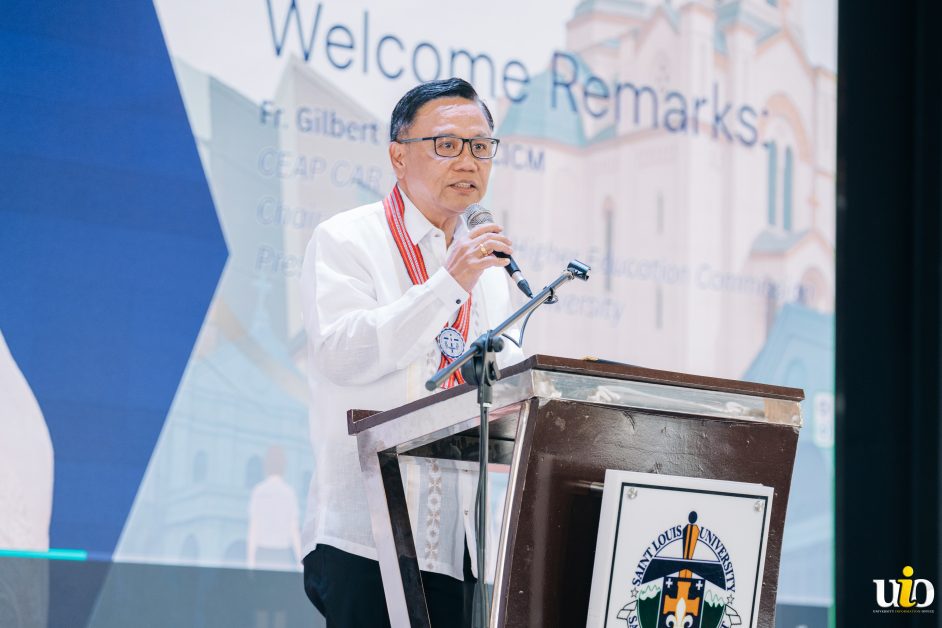
SLU President Rev. Fr. Gilbert B. Sales, CICM, PhD, who also serves as CEAP Cordillera Administrative Region (CAR) Trustee and CEAP National Higher Education Commission (NHEC) Chair, welcomed the participants to the event. He said, “In navigating the contemporary landscape, we must draw strength from the distinct identity that defines us…. We are not meant merely to survive the currents of change, we are called to lead them, ensuring that academic excellence and spiritual depth remain inexplicitly linked no matter how daunting the modern limitations may seem. Ultimately, the main objective of this vision forum is to identify concrete and visionary ways on how a Catholic Higher Education Institution can dynamically respond to the challenging demands of our educational limits.”
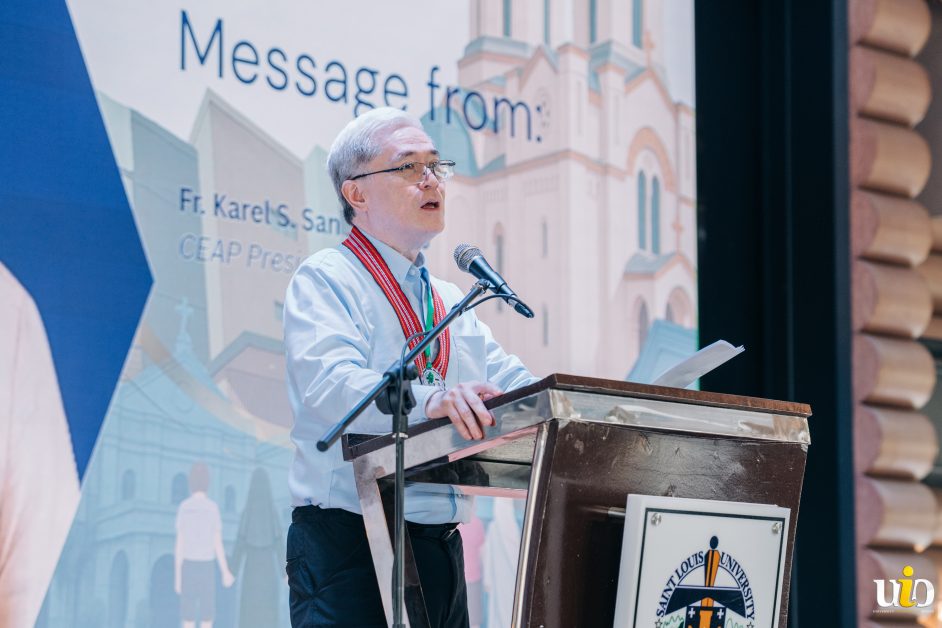
CEAP President and Ateneo de Davao University President, Fr. Karel S. San Juan, SJ, then shared his message rooted on how Pope Leo reminded Catholic educators of their fundamental vocation to be beacons of light, love, life, and hope to a world overwhelmed by evil, violence, negativity and desperation. It is a “necessity of continuously building and strengthening our educational associations, our CEAP, as a community of educators centered in our Lord Jesus,” Fr. San Juan said. “All this, we wish to reflect on and have conversations on in this forum at different levels. Updating, informing, touching base, just plain listening which may lead to direction setting, vision clarifying, strategizing, (and) planning. Wherever we are in this process, whoever we are, the important thing I believe is the spirit of being here in solidarity with our fellow leaders, together as fellow educators bound by our shared mission, our shared spirituality,” he added.
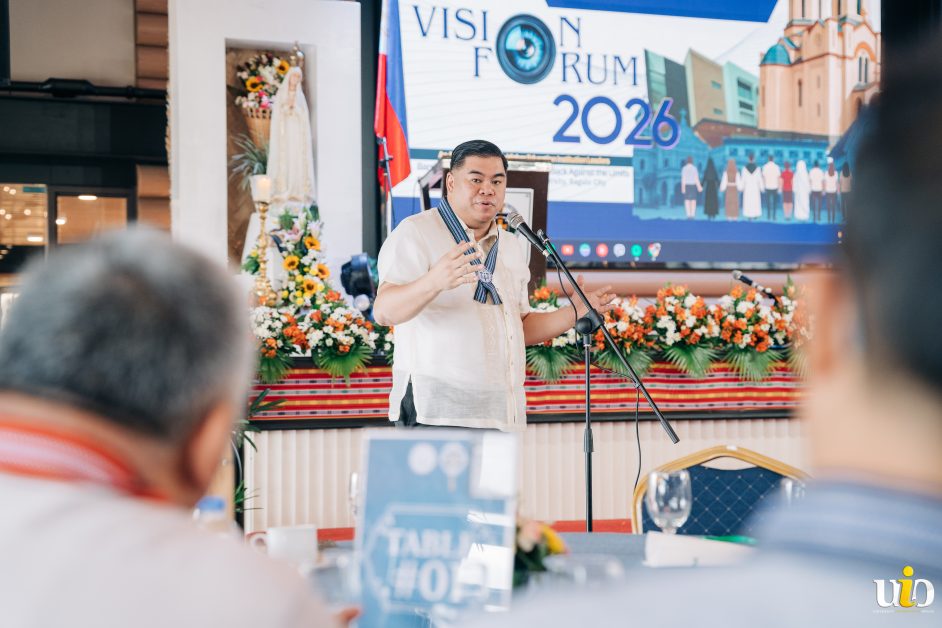
Right after, CEAP President and Executive Director Narcy F. Ador Dionisio discussed the Second Congressional Commission on Education (EDCOM II) Recommendations and their impact on Higher Education. He expounded on the idea that interconnectedness guides growth as individuals and as an institution, centered on a shared vision that defines core commitments and practices.
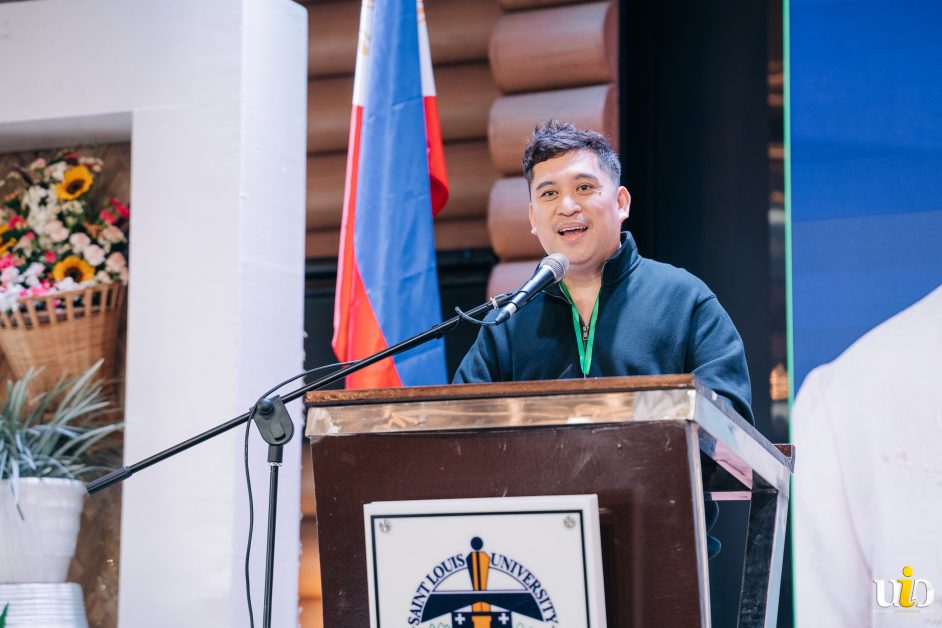
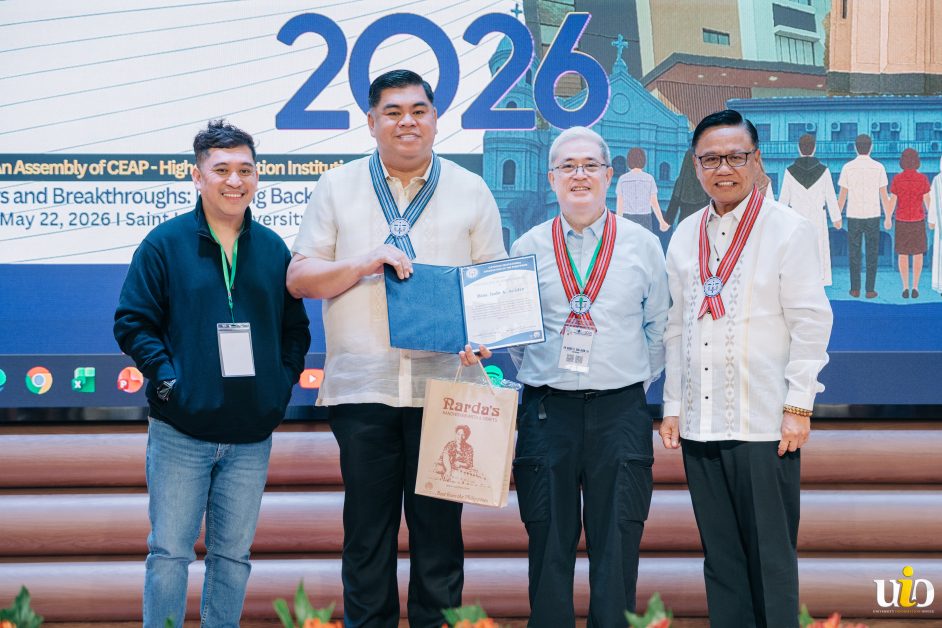
The forum then proceeded with the Keynote Address of Hon. Jude A. Acidre, the Chairperson of the House Committee on Higher and Technical Education, which discussed the future of Philippine education, highlighting many ways into shaping them for the better. He explained how educators are called into responsibility in building the future with the “Three Pillars of Renewal”: Formation for building the person, Communion for interconnection between communities rather than isolation, and Innovation for building human dignity and social justice to give everyone access to equal education. He then said, “The future of higher education in the Philippines will be shaped by the choices that we make today: what we fund, what we teach, what we value, what we measure, what we protect, and what we dare imagine. So today, I pray that we make the choices worthy of the future we hope to build…This is the mission entrusted to our schools, our universities, our church. And this is the work we have been called to carry forward together beginning today.”
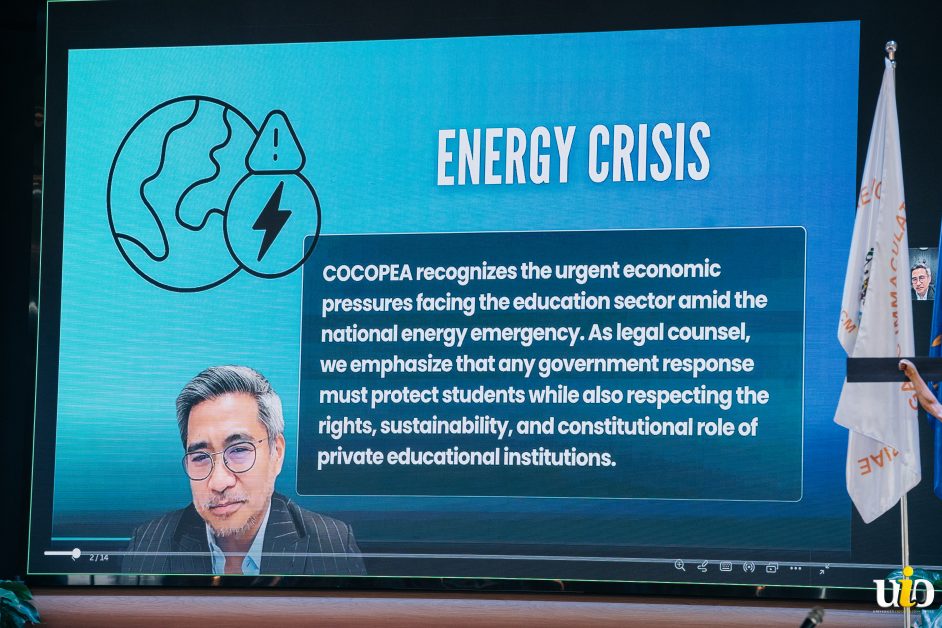
Atty. Joseph Noel M. Estrada, the Legal Counsel of the Coordinating Council of Private Educational Associations of the Philippines (COCOPEA), then discussed the issues affecting private higher education institutions through a recorded video.
The Roundtable Discussion thereafter took place and was first handled by Holy Angel University President Leopoldo Jaime N. Valdes, where he broke down the topic, “What Works? What Does Not Work?” He emphasized prioritizing the student and the importance of intentionality in every aspect of an institution’s operations, from vision and mission to services and processes. When intentions are clear, the path forward becomes clearer; once intentionality is established, effective actions follow.
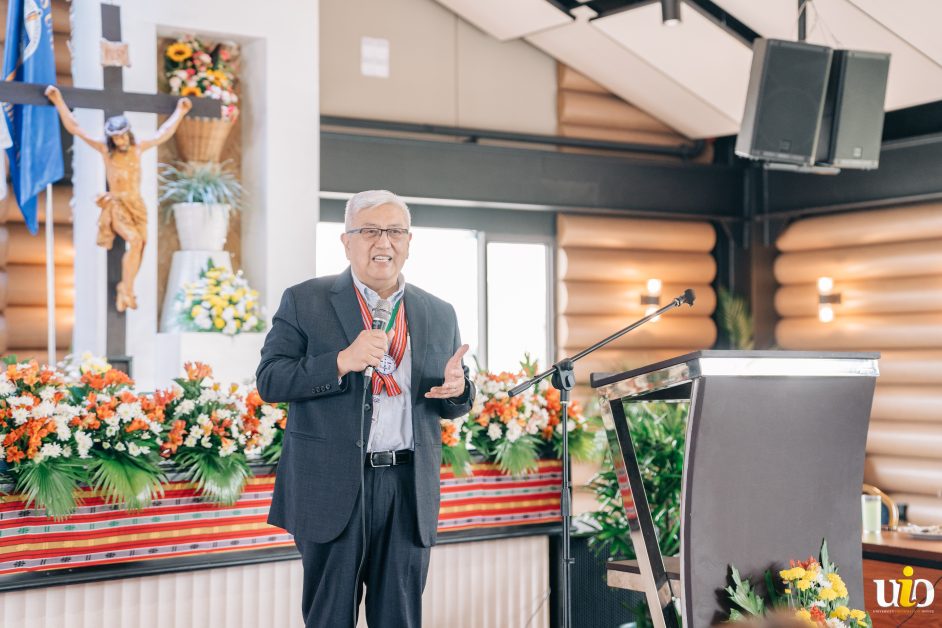
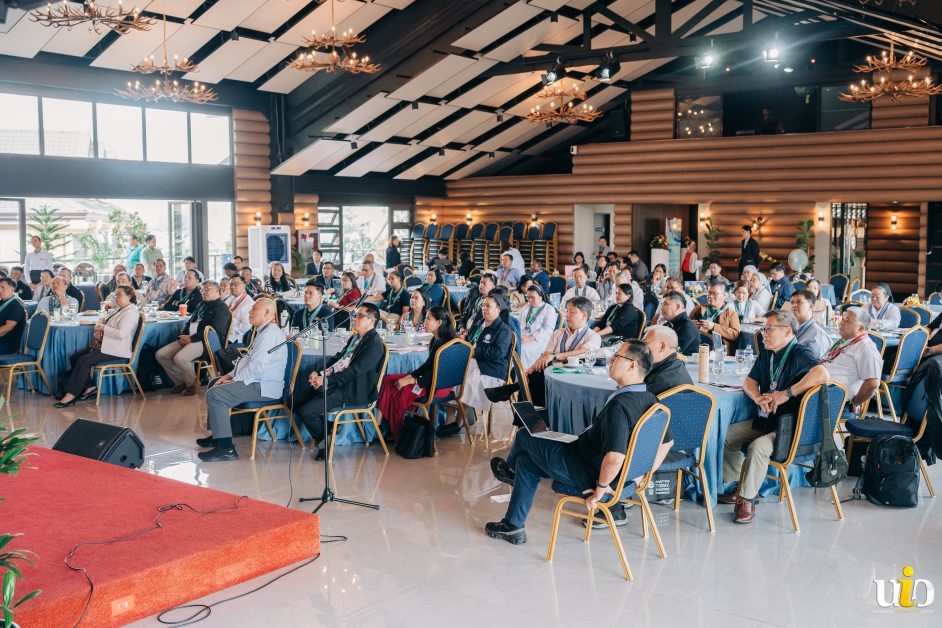
In the next session, Saint Mary’s University (SMU)- Bayombong President John Octavious S. Palina, PhD tackled the topic, “Designing the Way Forward Through High-Impact Systems.” He highlighted the systems and processes that drive significant improvements, emphasizing the creation of structures and cultures that foster high performance. He outlined several lessons learned at SMU, illustrating them with examples like forming international partnerships and building support across various Philippine sectors.
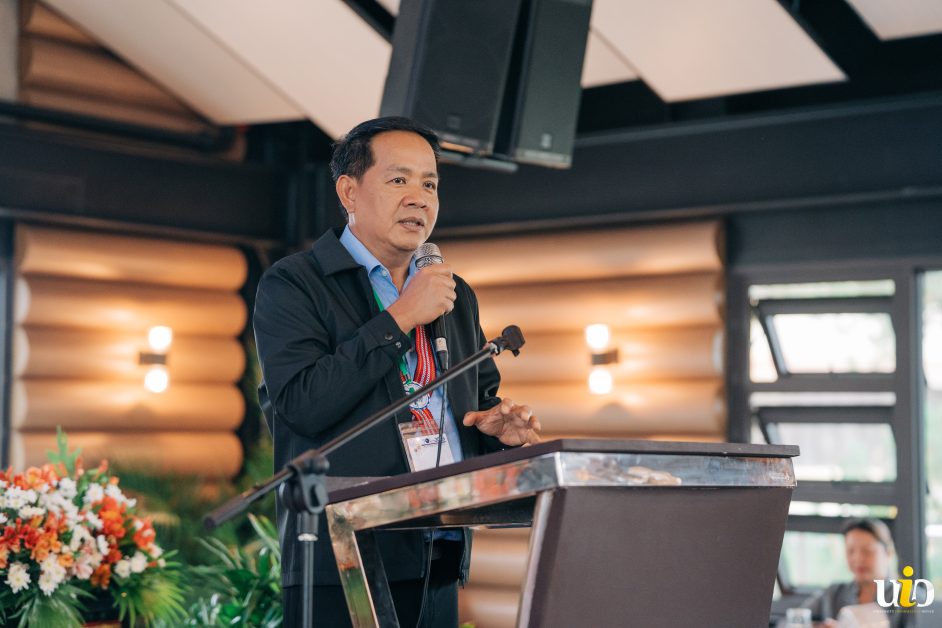
CEAP Trustee-at-Large, CEAP NHEC Member, and Notre Dame of Dadiangas University President, Br. Manuel V. De Leon, FMS, led the presentation of the Roundtable Discussion outputs and the subsequent open forum, where he reviewed the results, addressed each question in turn, and proposed solutions grounded in societal needs.
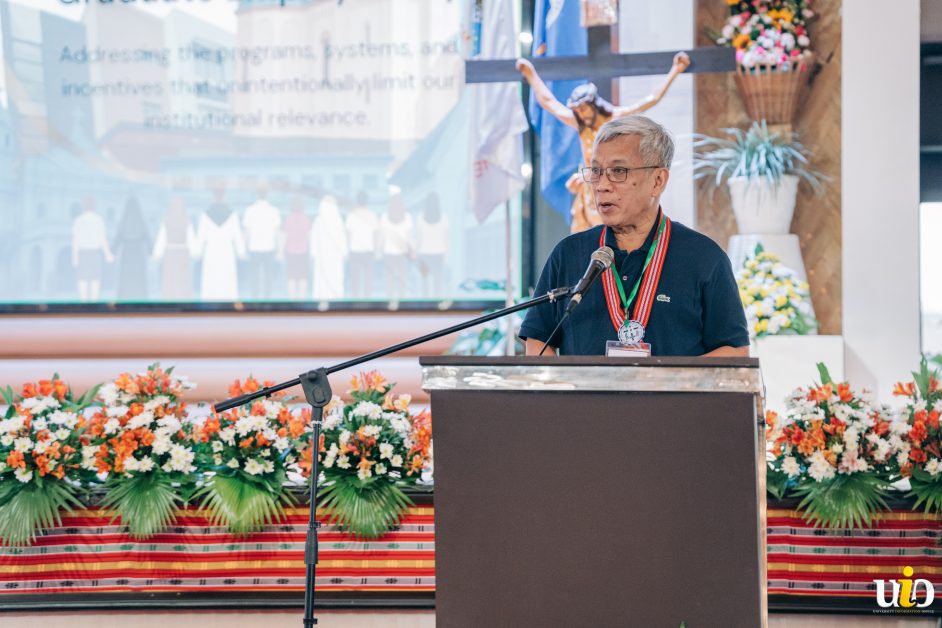
Following this, Fr. Sales discussed “Ways Forward: Strategic Directions for Catholic Higher Education Institutions” underscoring that the most pressing challenge today is to guide graduates to become agents of hope. The profound mission of Catholic higher education institutions, therefore, is to find ways to assist and help vulnerable students and employees. He said, “Our educators must be equipped with technical and professional relevance with the timeless values of Christian humanism.” It is important to be “tied on being a steward to our community and anchor our programs in gospel values,” he added.
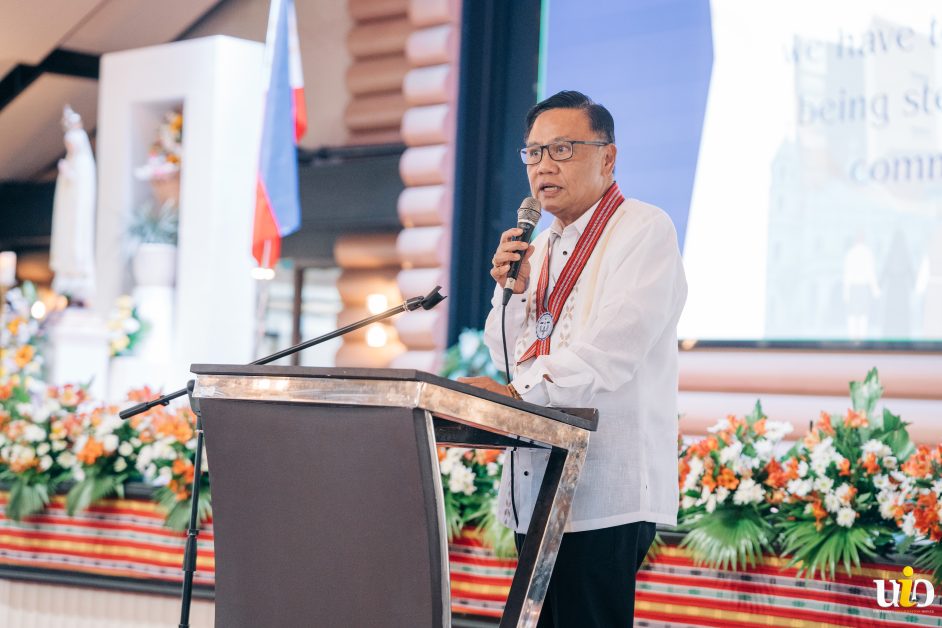
Putting the forum to a close, Rev. Fr. Jose Gualberto I. Villasis, CEAP NHEC Member and Aklan Catholic College President, gave his closing remarks. “The true measure of Catholic Education will not simply be the number of graduates we produce, the rankings we achieve or the accreditations we receive,” he said.
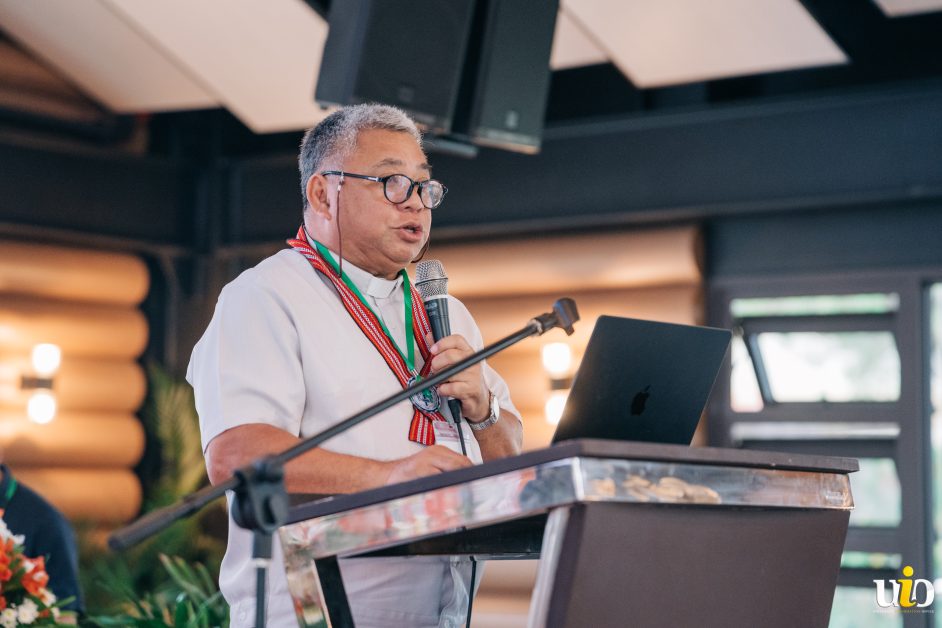
CEAP’s Vision Forum 2026 marked the institution’s next step towards shaping the future of higher education, highlighting collaboration among SLU and other educational institutions, sharing strategies and expertise to tackle issues across different fields. As this vision continues, the University advances its commitment to further its Catholic values and education through the shared mission of Catholic higher education institutions.
Aligned with United Nations Sustainable Development Goals 4 (Quality Education), 16 (Peace, Justice, and Strong Institutions), and 17 (Partnership for the Goals), the forum established a well-meaning connection with multiple educational institutions, bringing forth a plan where learners are supported and given the best opportunity in building a better future. (Article by John Aaron Bagni, UIO Intern | Photos by Zen Aundri Carreon, UIO Intern)