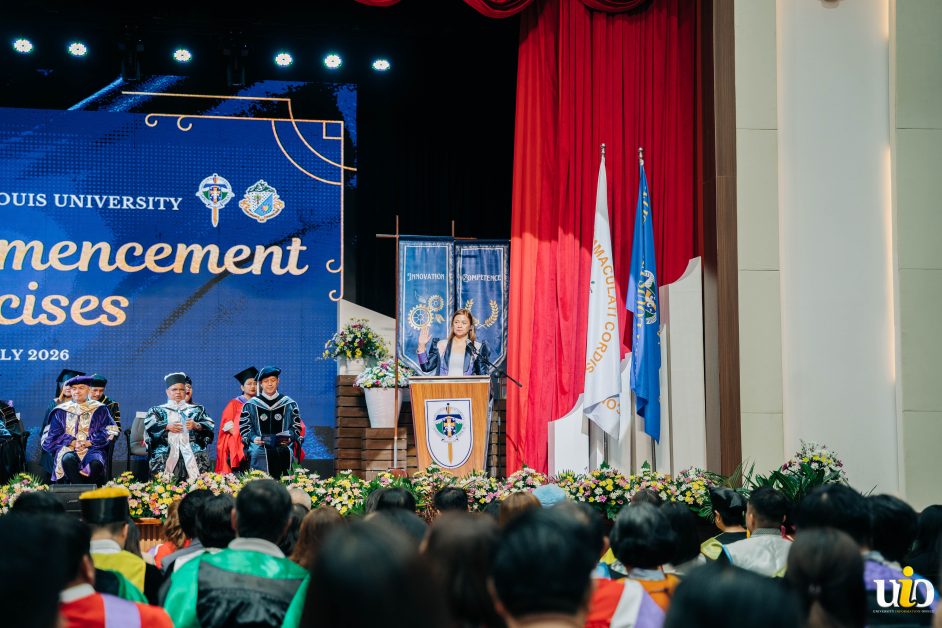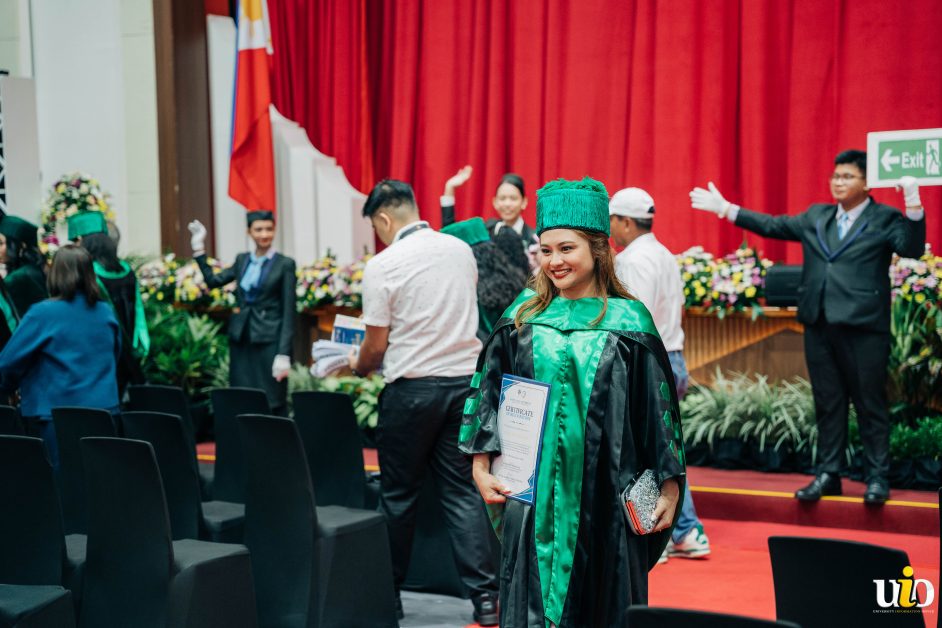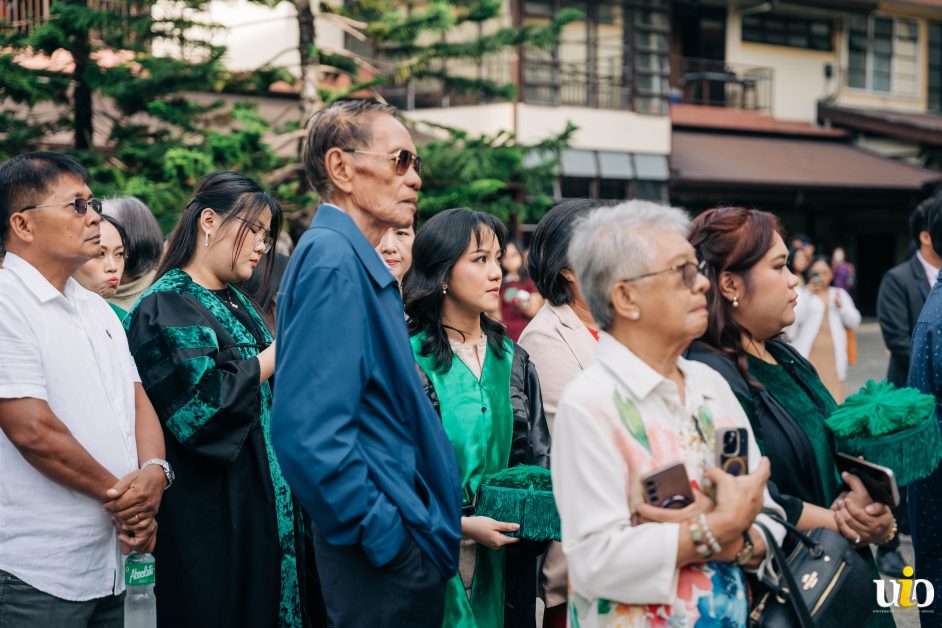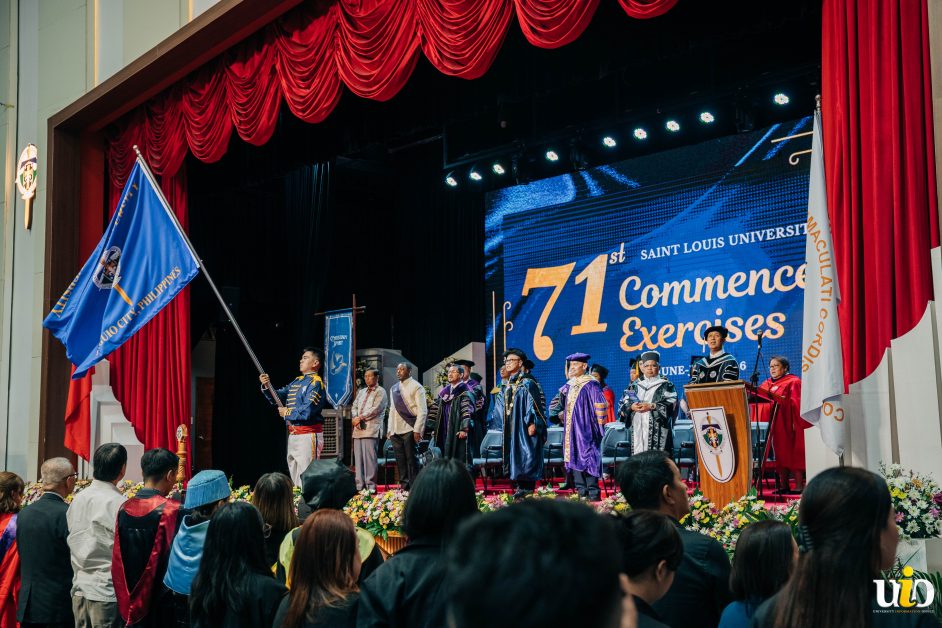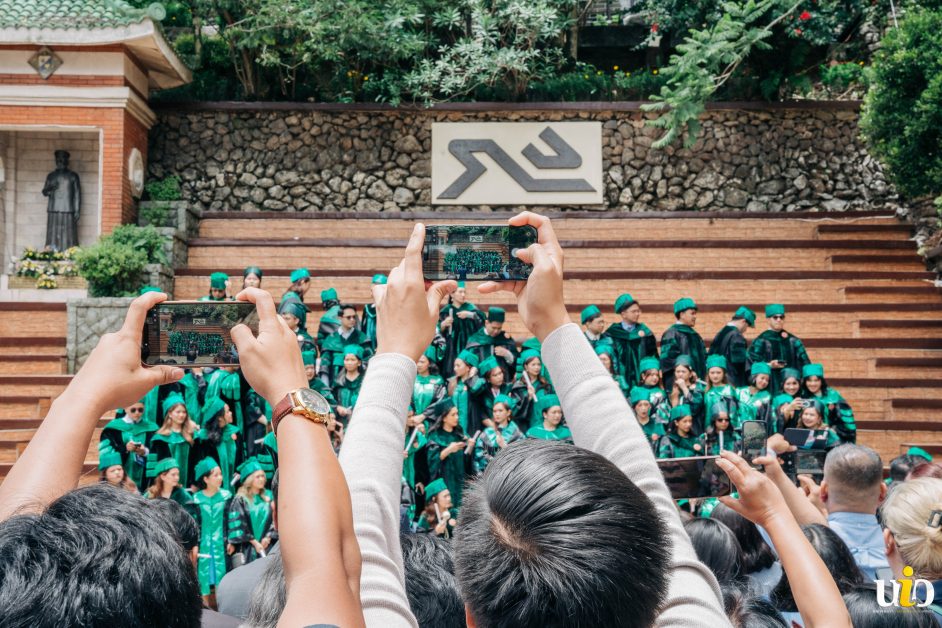
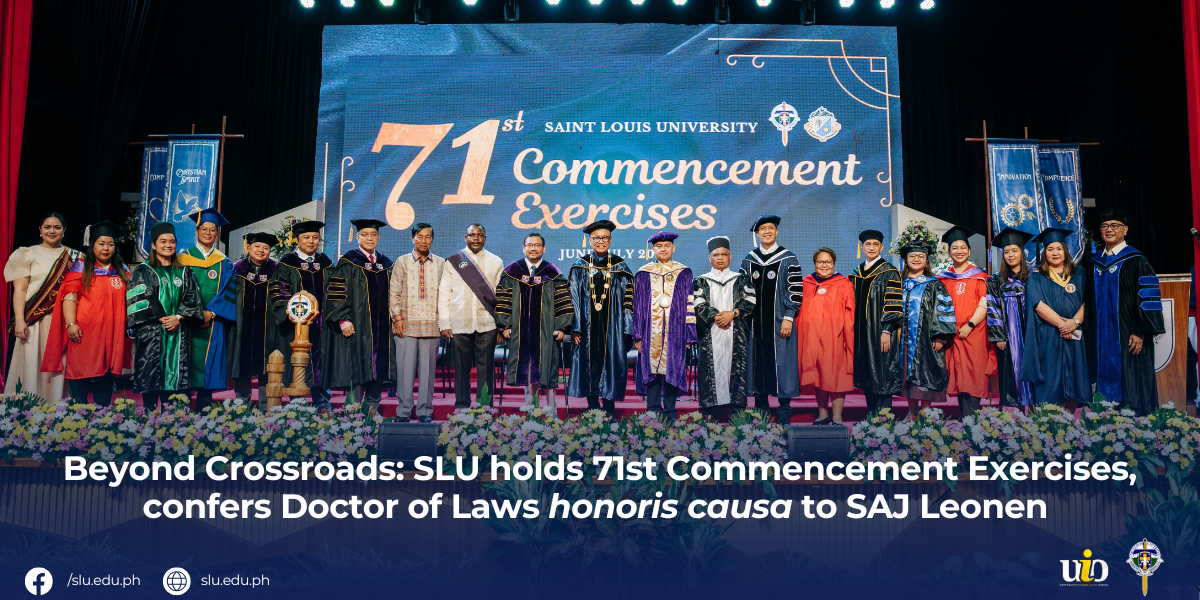
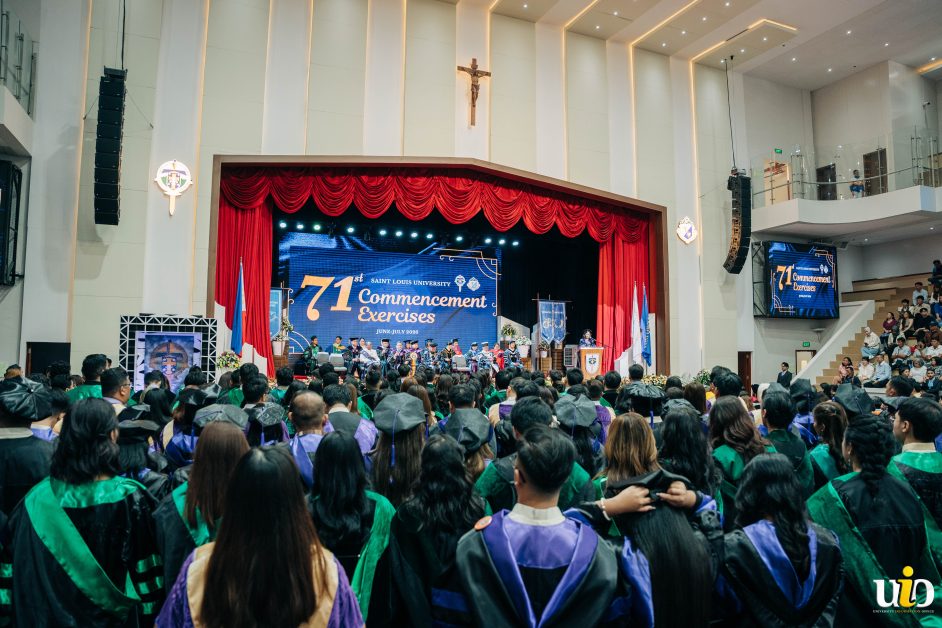
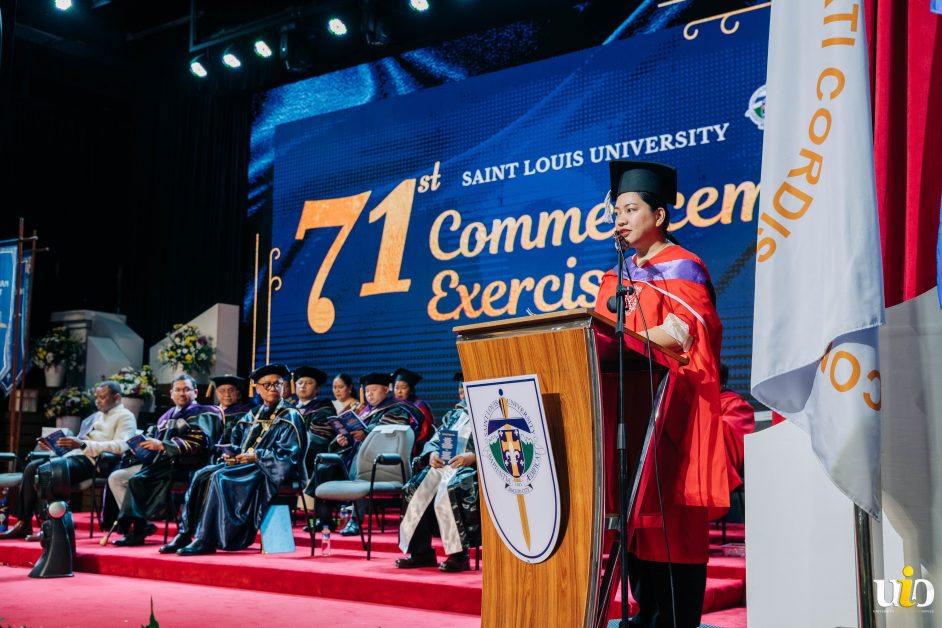
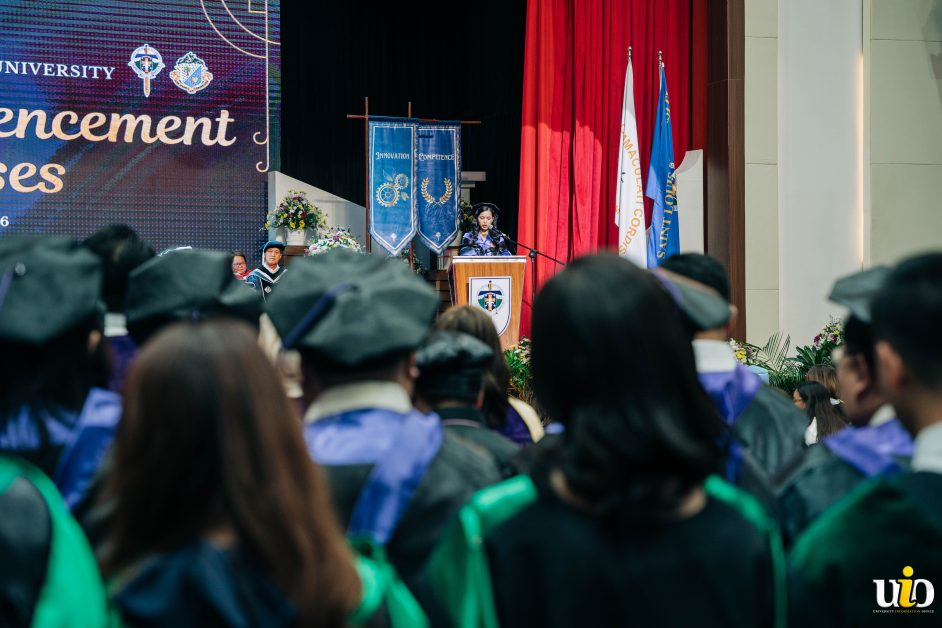
In a world where everything is fast-paced, it is easy to rush from one milestone to the next without pausing to reflect and truly appreciate how far the journey has come. Yet during the 71st Commencement Exercises of Saint Louis University (SLU), which opened on 30 June 2026 at the Prince Bernhard Gym, the Louisian community gathered, took pause, and arrived together at a crossroads.
“Crossroads are sacred places”, where the path of moving forward and the path of letting go momentarily meet. And this is what commencement truly is – not simply an ending, nor merely a beginning, but a threshold between what had been and what is yet to come.
The Louisian graduates and honorees stood at precisely such a crossing. In celebration of this moment was the momentous investiture of Supreme Court Senior Associate Justice (SAJ), Hon. Marvic Mario Victor F. Leonen, J.S.D., as Doctor of Laws honoris causa, along with the graduation ceremonies of the School of Law (SOL) and the School of Medicine (SOM).
Opening the commencement exercises with solemnity and reflection for students, faculty and staff, parents, and guests was the Baccalaureate Mass presided by Rev. Fr. Emery Ebumea Mwako, CICM, Parish Priest and SLU Vice President for Mission and Identity, Rev. Fr. Hirohito M. Bolo Jr., CICM, Provincial Superior of the Province of the Philippines, and CICM fathers Fr. Godefroid Mombula, CICM and Fr. Maurice Galasa, CICM, as well as Bro. Bertin Kasolua, CICM.

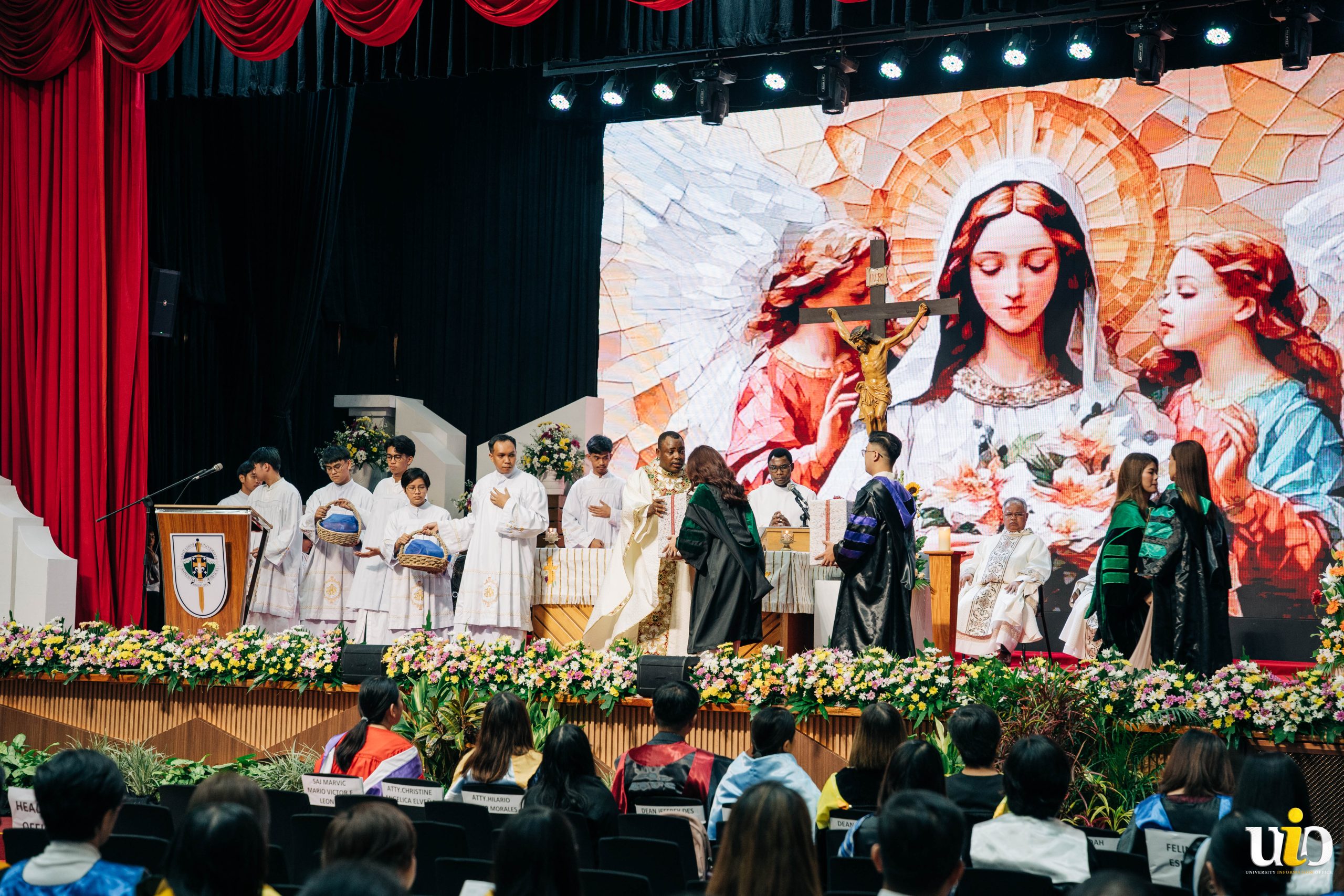
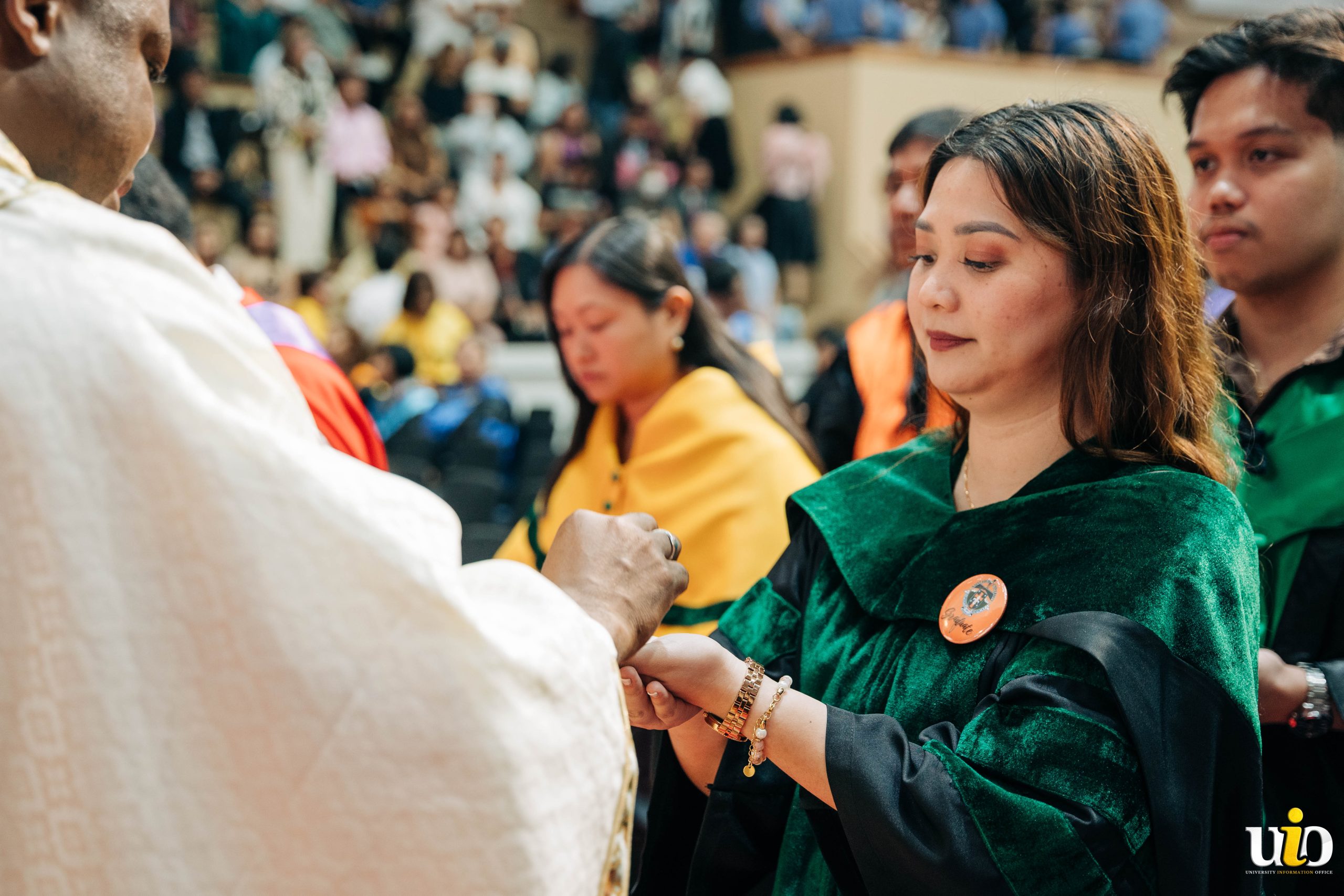
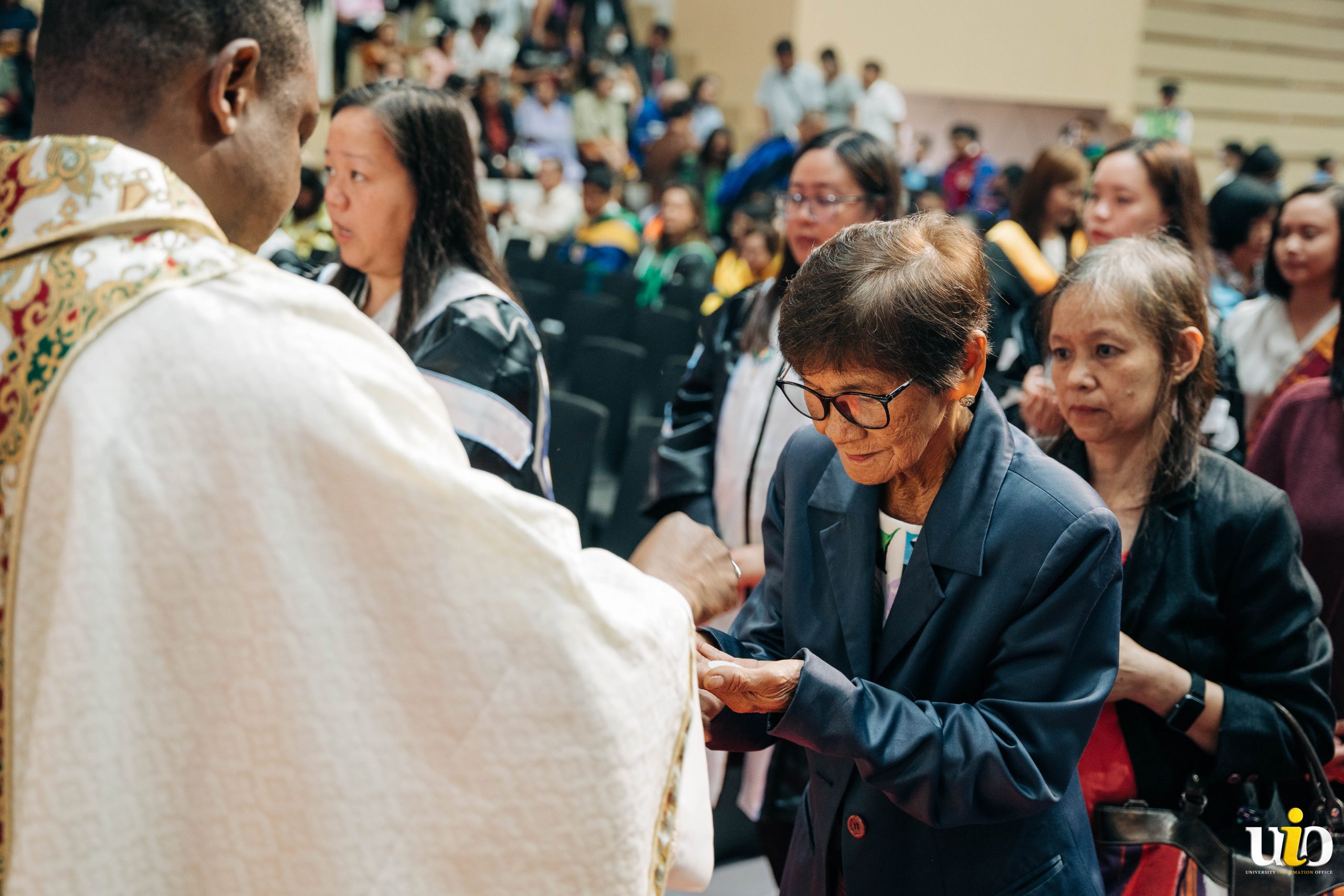
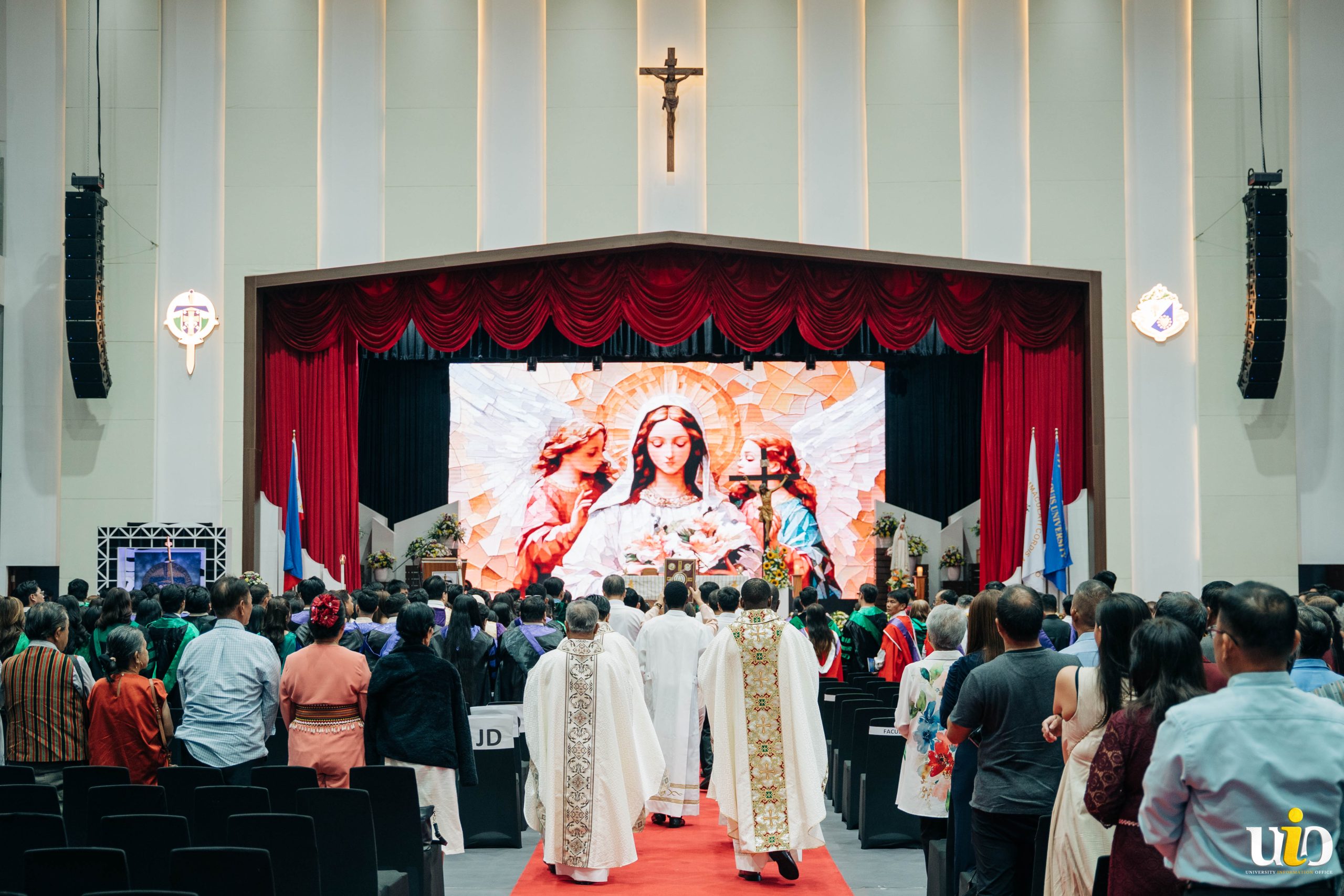
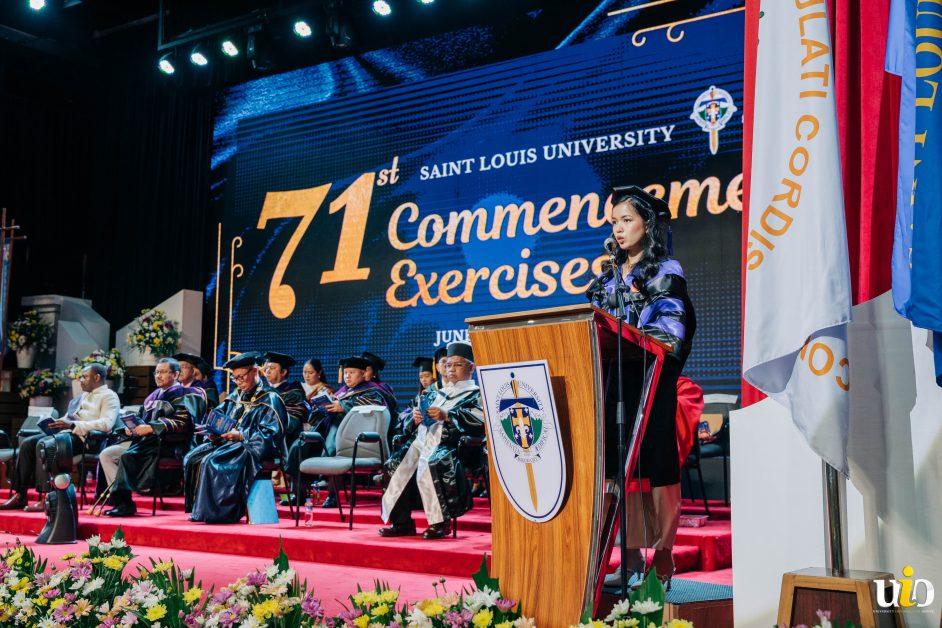
“We are reminded that learning finds its true meaning in service. Today’s readings speak of mission. My dear graduates, you are not just finishing, you are being sent as missionaries. You are being challenged to move from being learners to becoming witnesses, from being receivers to becoming contributors, and moving formation to transformation.”
“What does your life stand for?,” Fr. Mwako asked in the light of moving from being learners to witnesses. “Our life itself must become your message. That is what society awaits from you.” In the challenge to move from being receivers to becoming contributors he said, “You have received much in this school, now you are called to give. Set an example in speech, contact, love, and faith.” From formation to transformation, Fr. Mwako drew from the readings and reminded, “Each one is called as the Salt and Light of the world. Be a light that guides others. Do not hide your values. Do not lose your purpose. Live out your values. Be the change that society needs.”
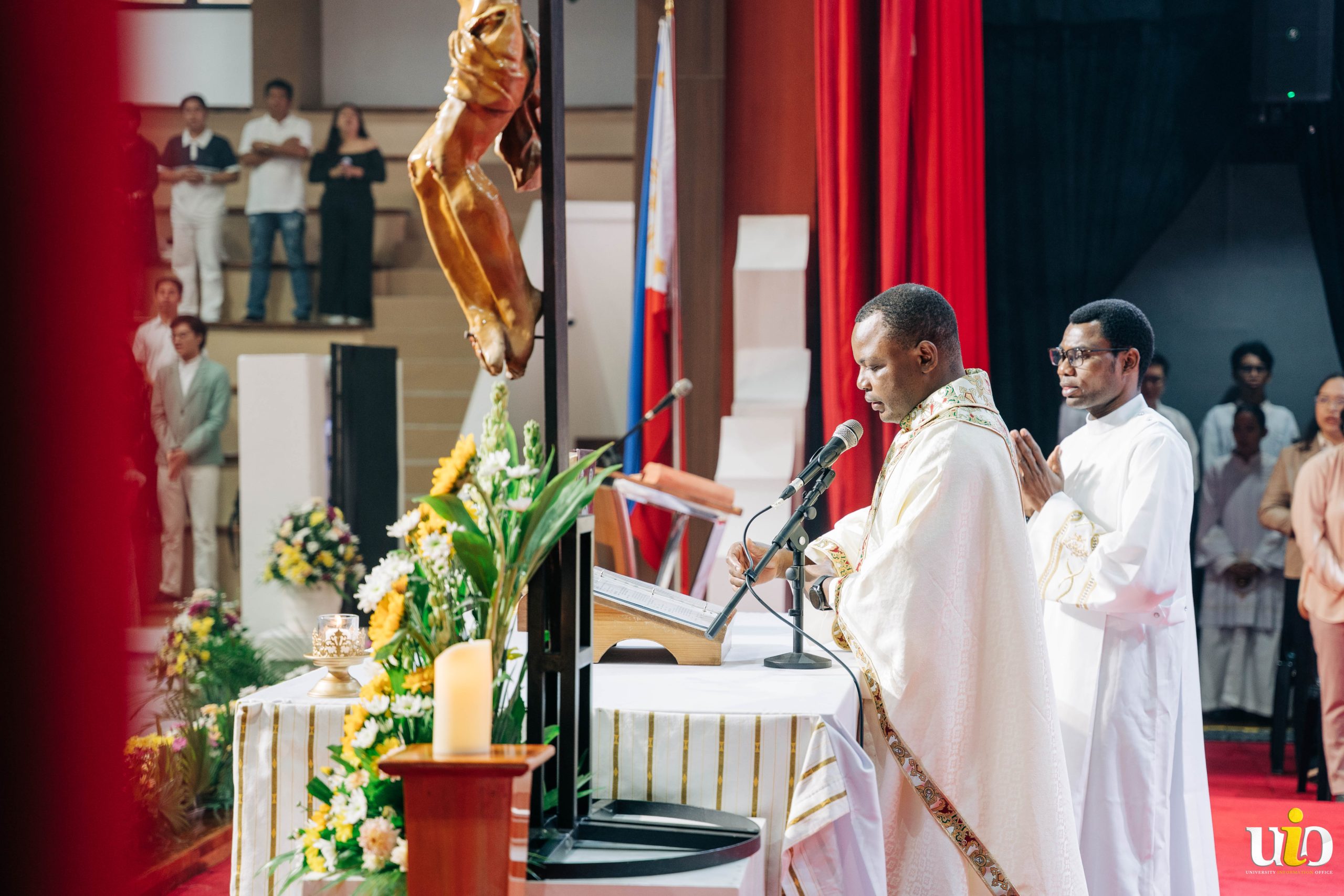
In closing his homily he said, “As you receive your degrees and as we honor the life of excellence and service, we are reminded that you are not just graduates, you are being sent as missionaries. You are more than just professionals, you are instruments that God will use for the transformation of society… And so I invite you, in the silence of your hearts to make Isaiah’s response yours, “Here I am, Lord. Send me.”
Rites of Passage: The Graduation of SOM and SOL Class of 2026

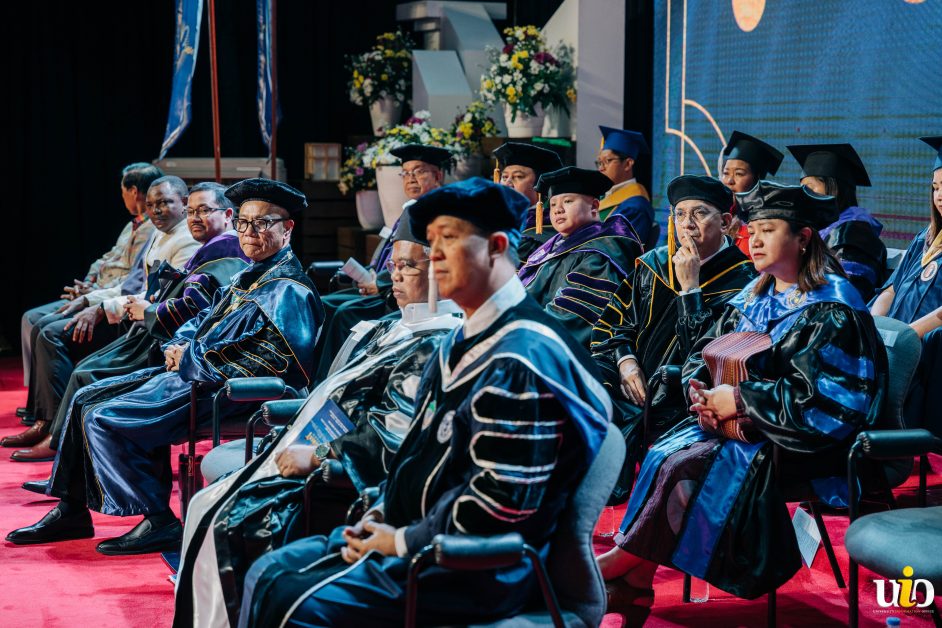
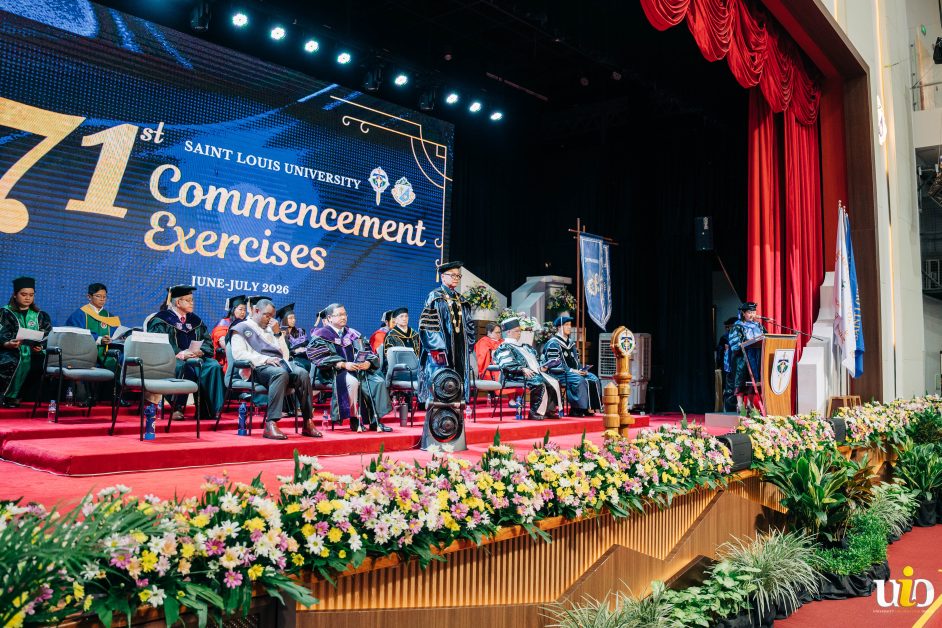
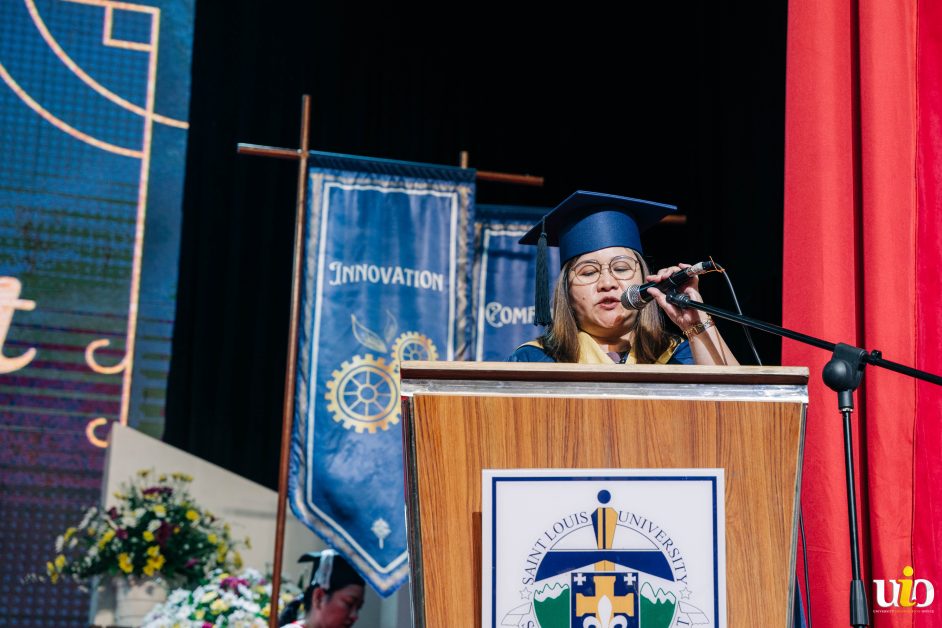
The graduation rites of SLU SOM and SOL began with the entrance of the University’s Board of Trustees Chairman Very Rev. Bolo, Vice Chairman Rev. Fr. Roderick G. Villamar, CICM, and Board Member Congressman Mauricio G. Domogan. The faculty procession followed beginning with the SOM and SOL department heads.
SOM Dean Dr. Myrna M. Espiritu and SOL Dean Atty. Yasmine Lee R. Tadeo then entered followed by the SLU Vice Presidents: VPMI Fr. Mwako, Vice President for Finance Dr. Roberto M. Arguelles, and Vice President for Administration Atty. Shellah Yzanne P. Merced.
The procession continued with Honoree, Hon. Marvic Mario Victor F. Leonen, J.S.D., Senior Associate Justice, Supreme Court of the Philippines; and the honorable commissioners and chairperson of the Legal Education Board (LEB): Hon. Lorenzo R. Reyes, representing the Integrated Bar of the Philippines (IBP); Hon. Voltaire G. San Pedro, representing the Philippine Association of Law Schools (PALS), Hon. Justine Kyle D. Mapalo, representing the Law Students’ Sector, and Hon. Jason Barlis, Chairperson.
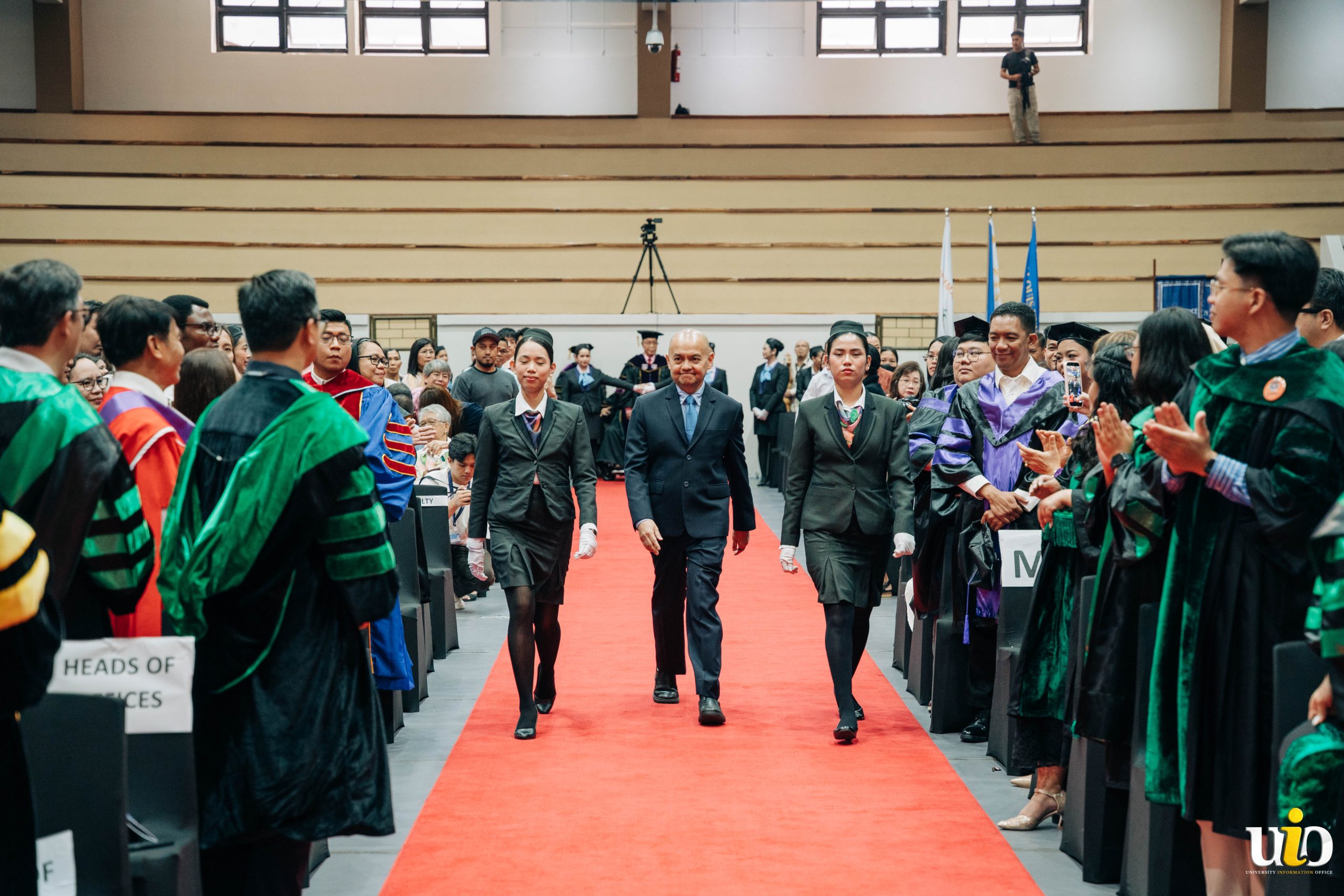
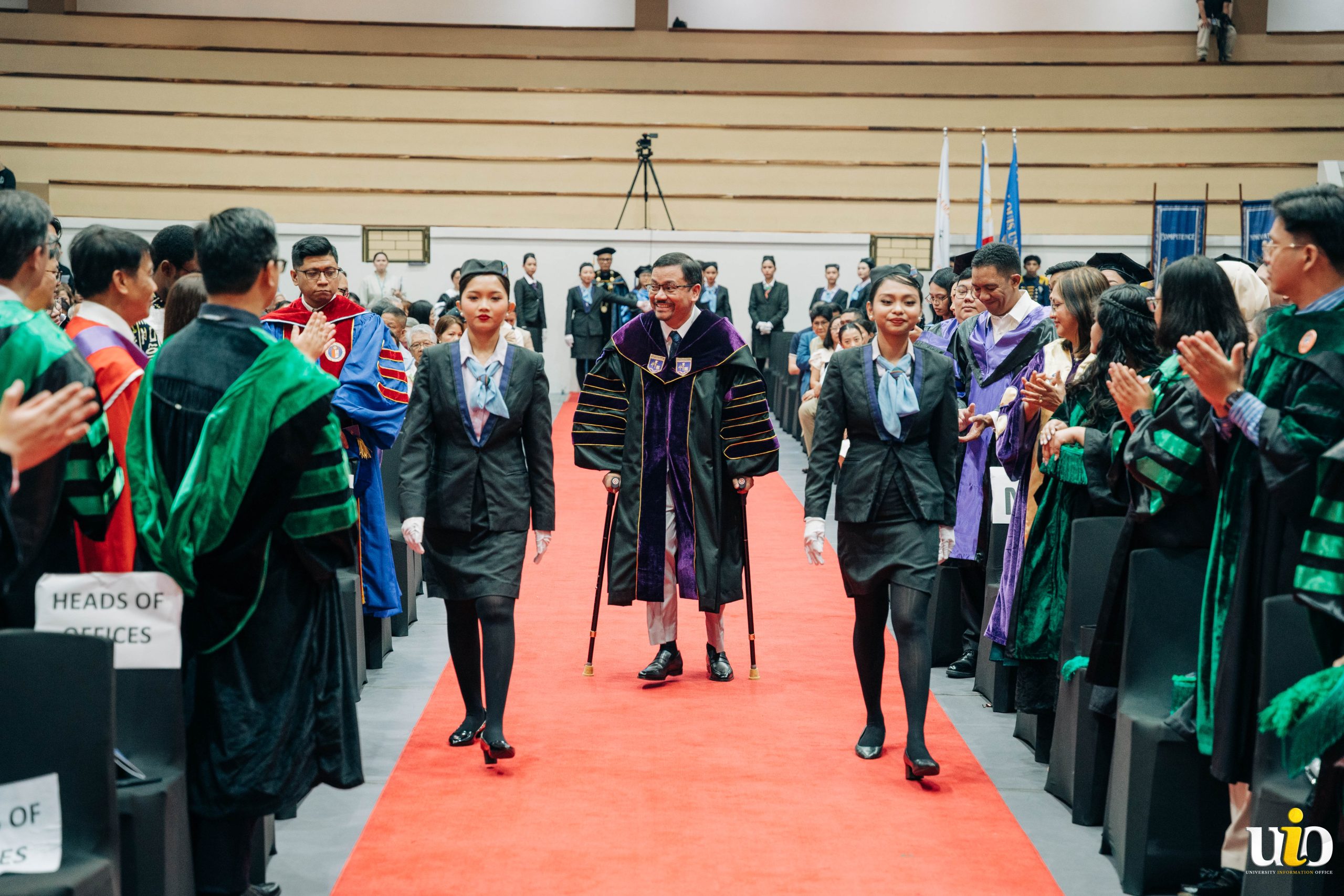
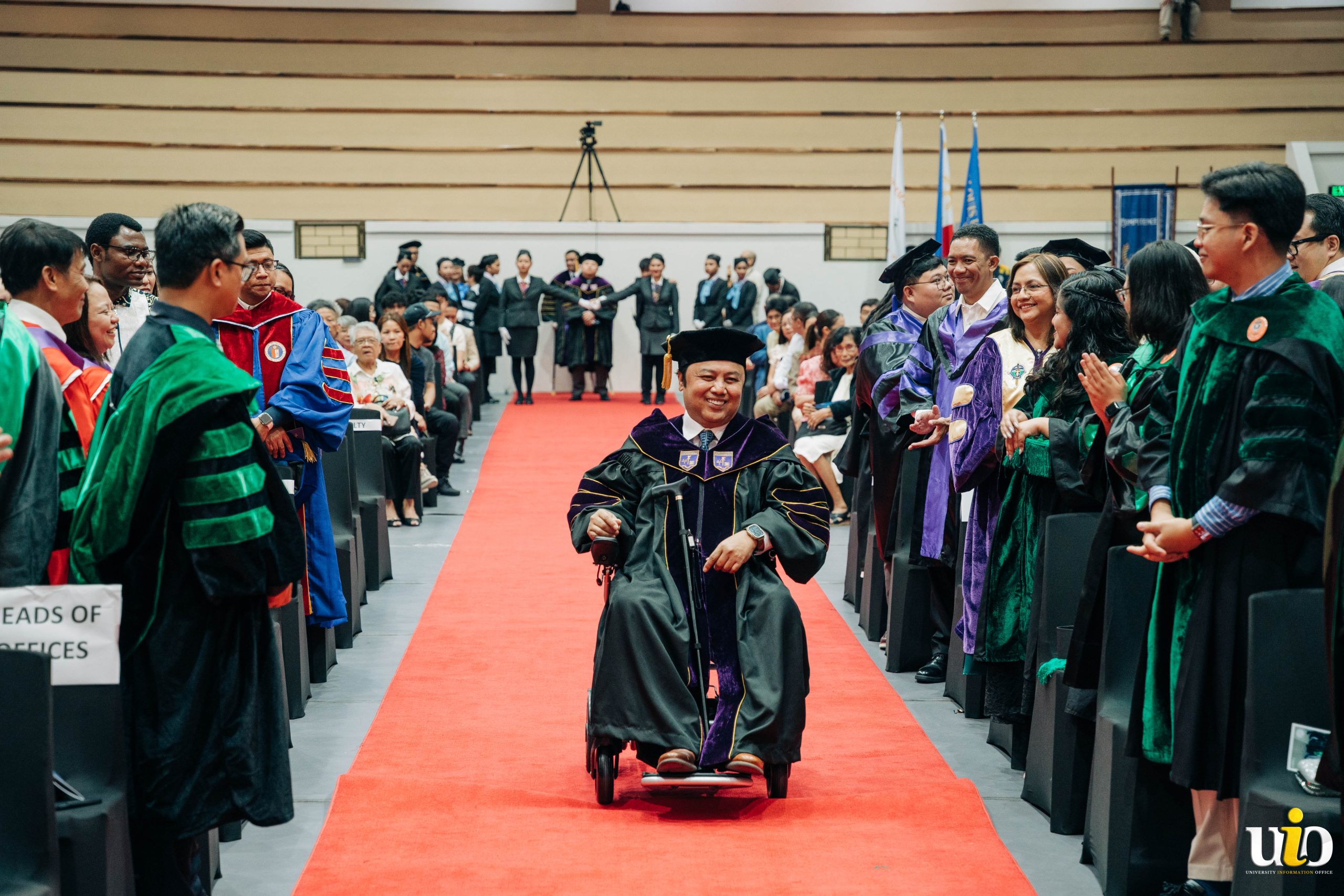
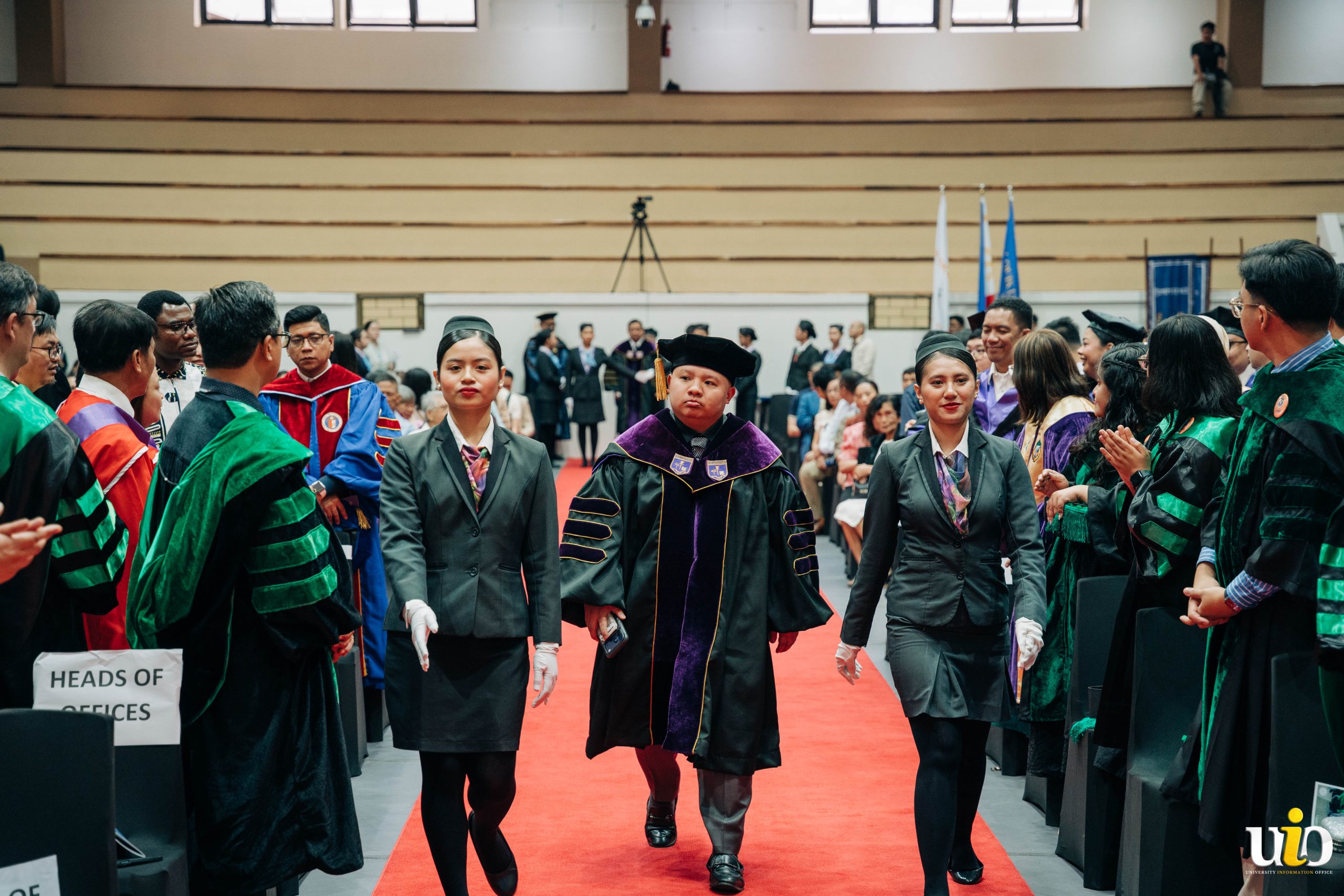
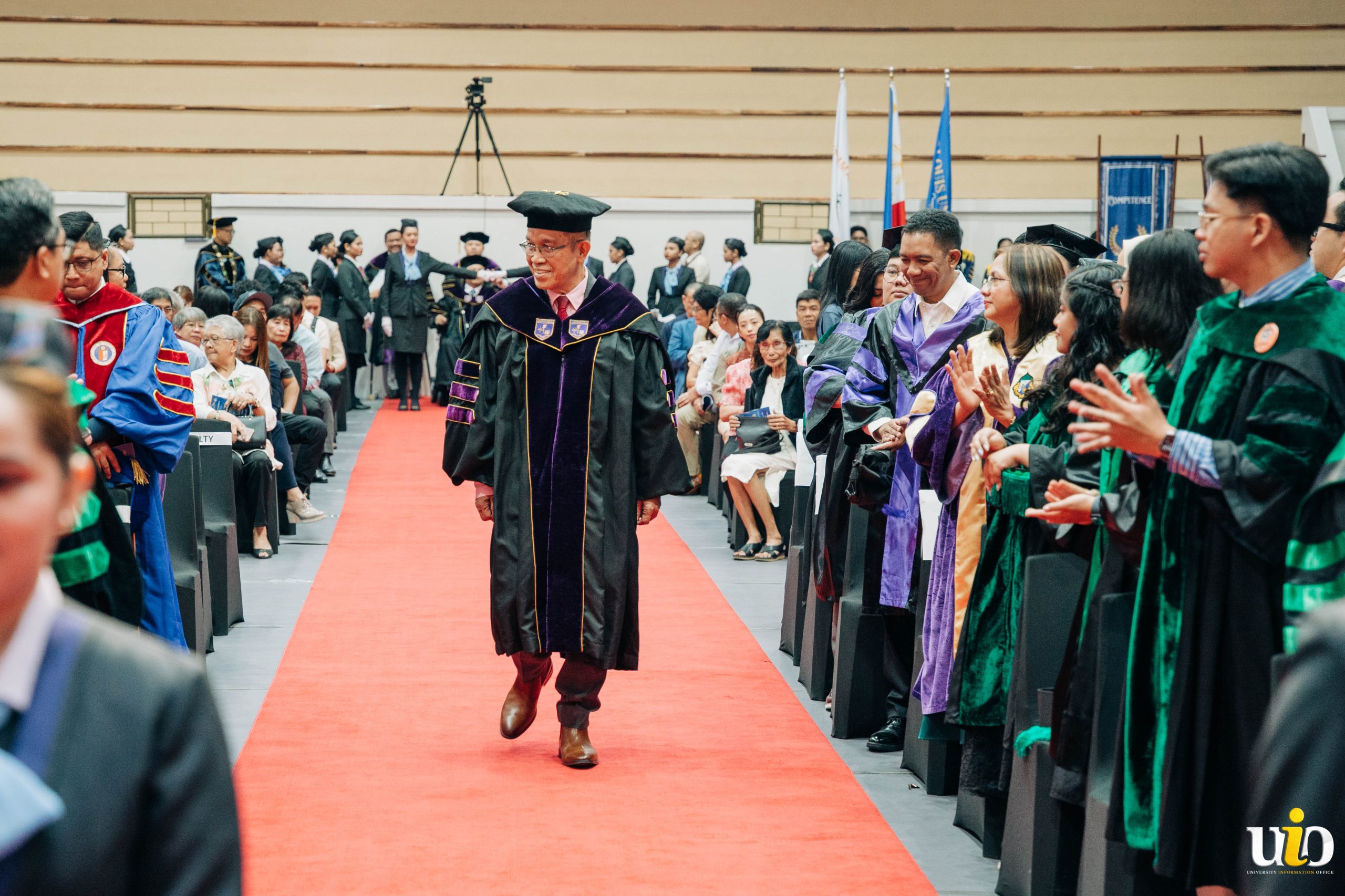
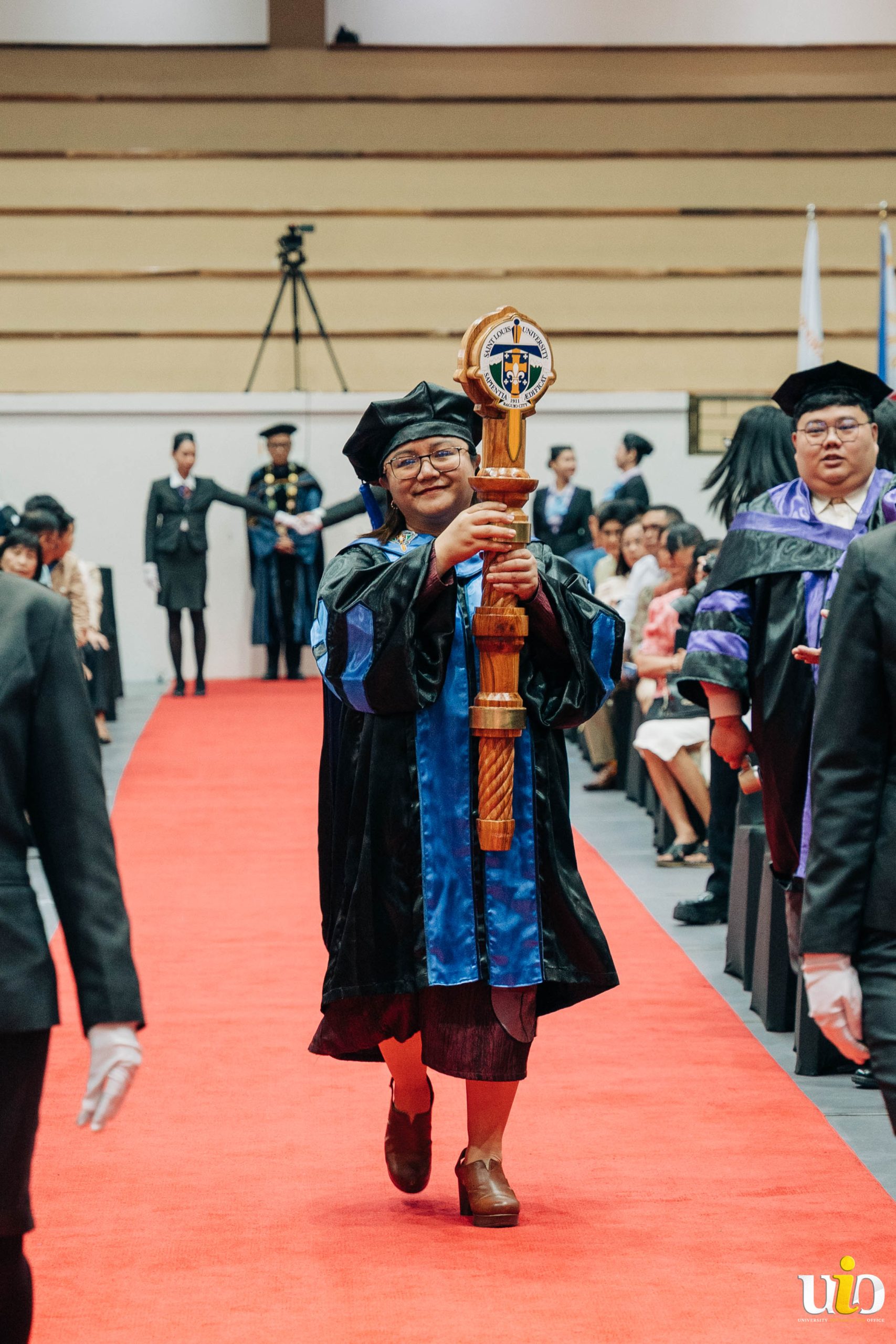
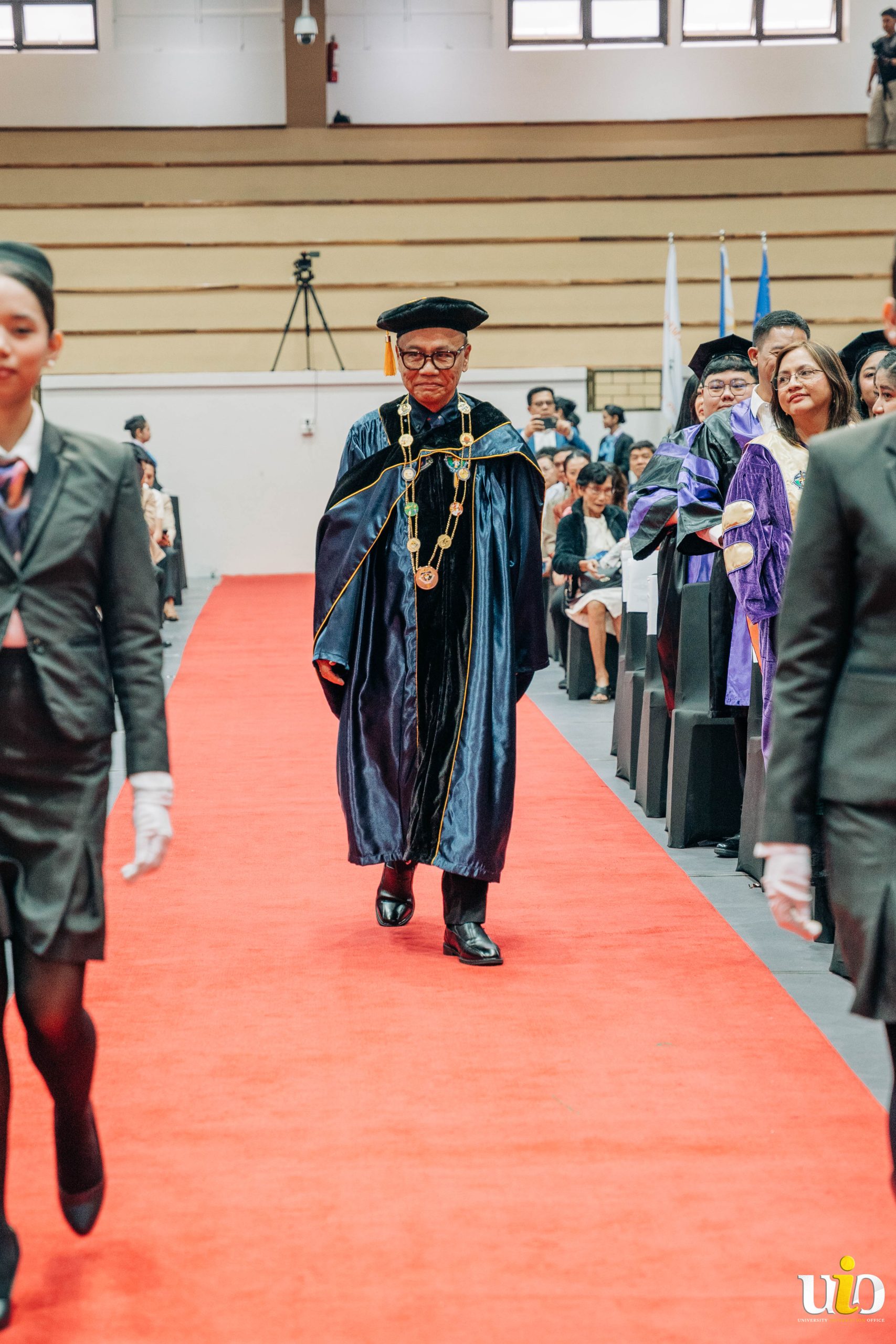
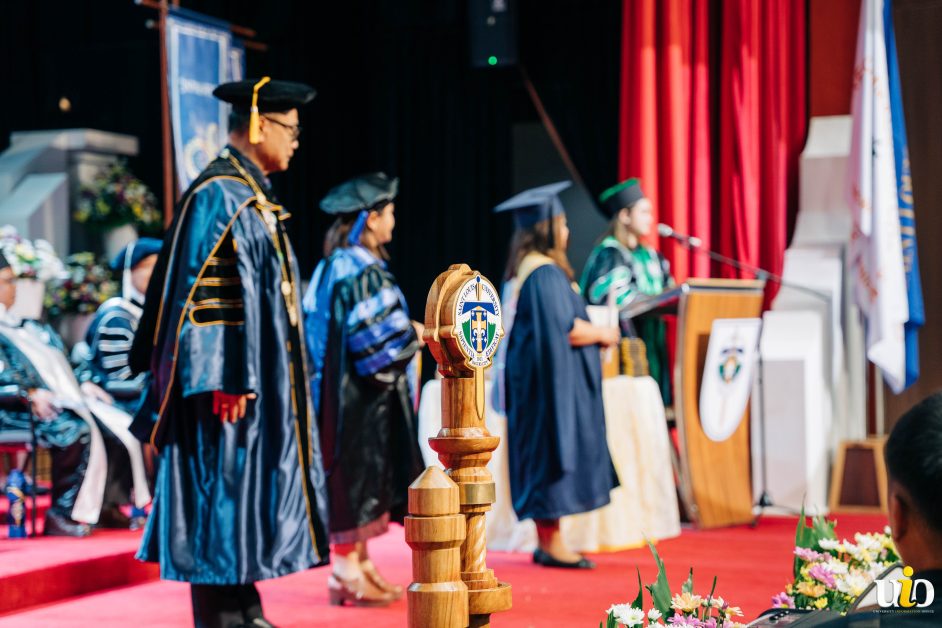
The academic procession proceeded with the presidential mace carried by Vice President for Academic Affairs Felina P. Espique, PhD, followed by the entrance of SLU President Rev. Fr. Gilbert B. Sales, CICM, PhD.
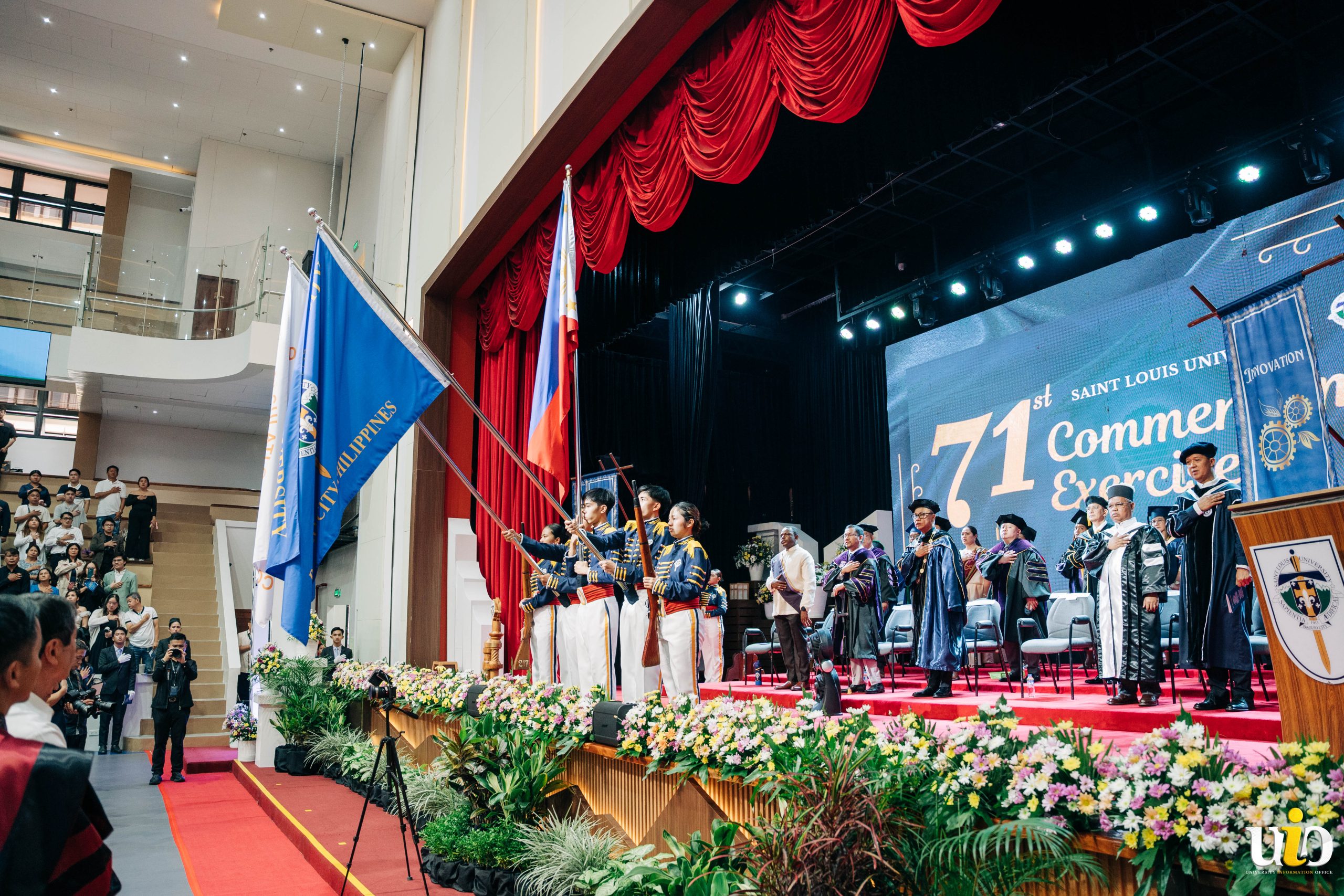
The Entry of Colors by the SLU Marching Band, under the baton of Ms. Marivic B. Macadaeg came next, setting the tone for the singing of the Philippine National Anthem and the Grounding of Colors.
The licensure examination performances of the SOM and SOM were then presented by Dr. Espiritu and Atty. Tadeo. The School of Medicine ranked 7th and was recognized as a top-performing school in the October 2025 Physician Licensure Examination, while the School of Law was recognized as the 2nd top-performing school in the 11-50 examinees category and the 4th top-performing school in the 51-100 examinees category in the September 2025 Philippine Bar Examination.
The SOM and SOL graduates were then petitioned that led to the Presentation of the Graduates of Class 2026 by VPAA Dr. Espique, and the Acceptance of Graduates by University President Fr. Sales.
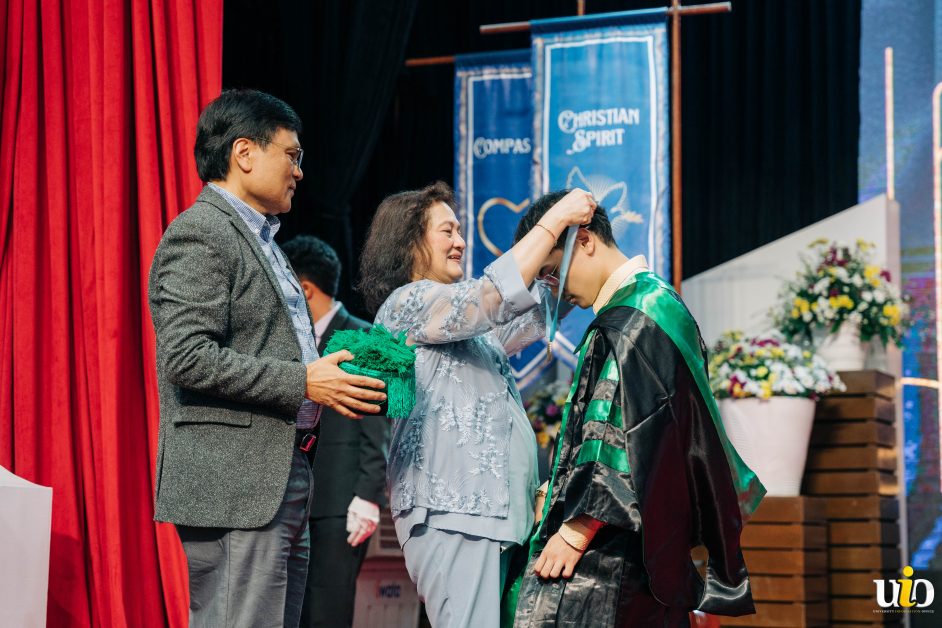
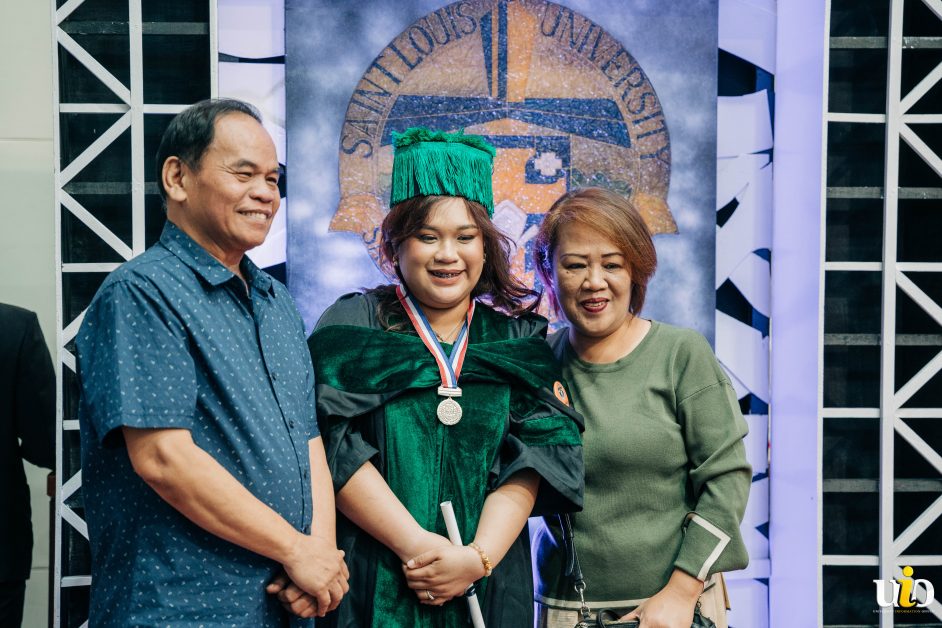
The Awarding of Academic Honors, Loyalty Medals, and Conferring of Degrees of Doctor of Medicine, Juris Doctor, and Master of Laws led by Fr. Sales, and assisted by Dr. Espique, Atty. Tadeo, and Dr. Espiritu.

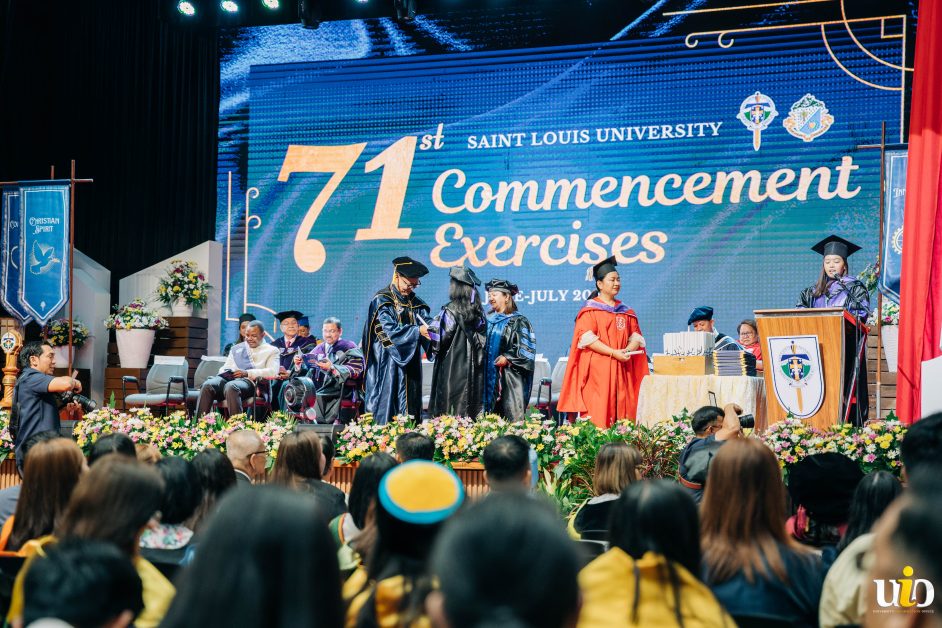
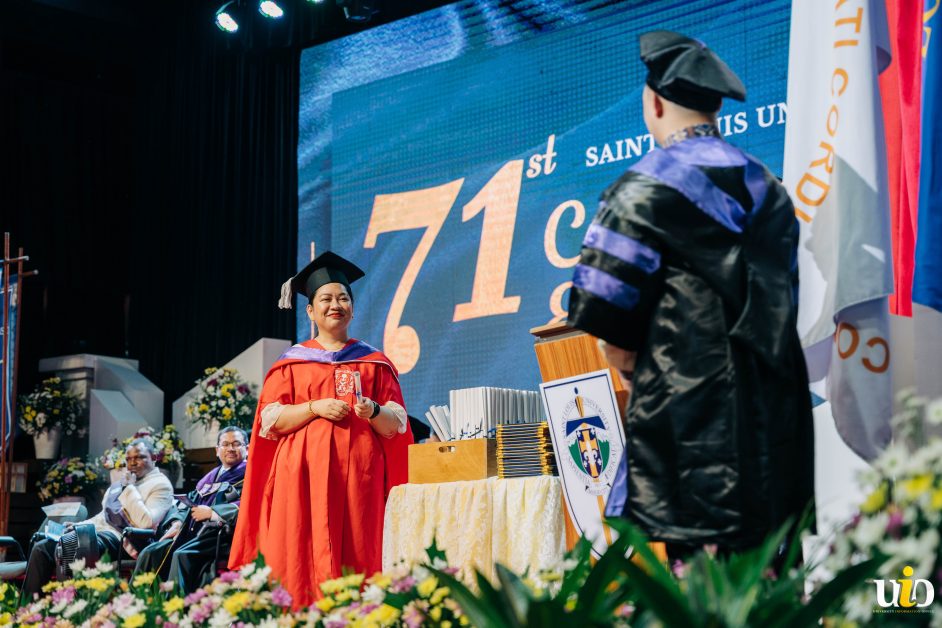
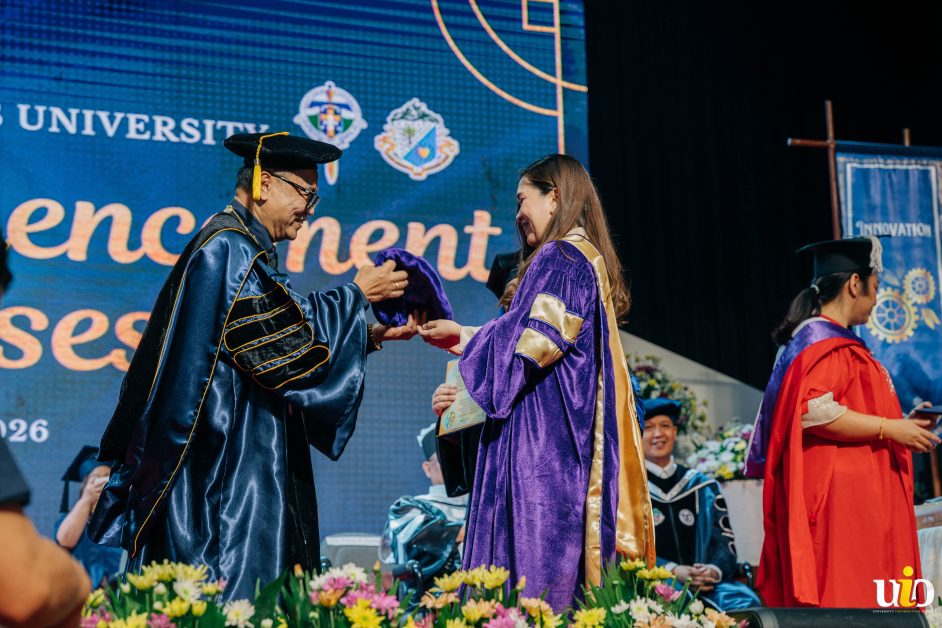
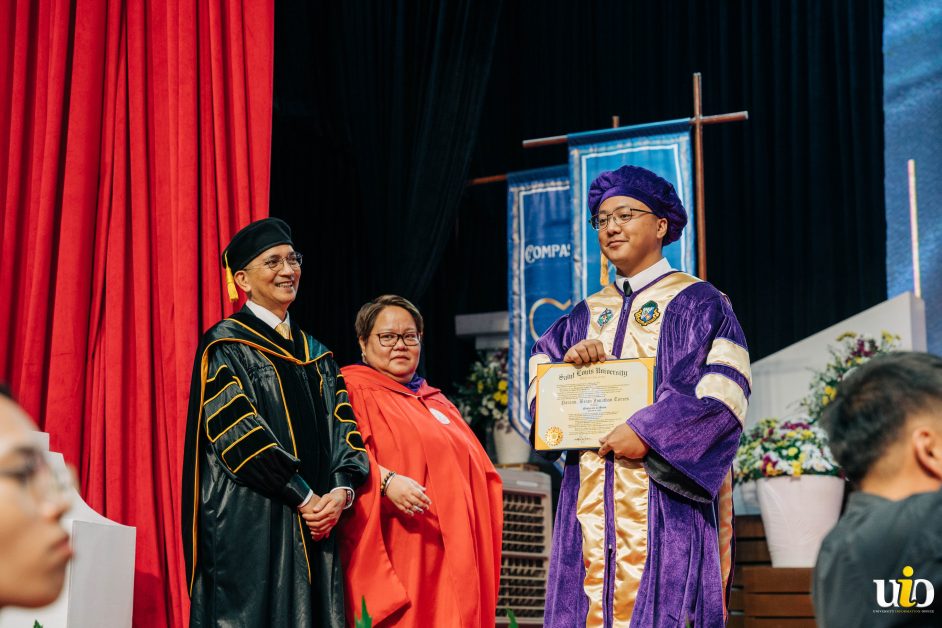
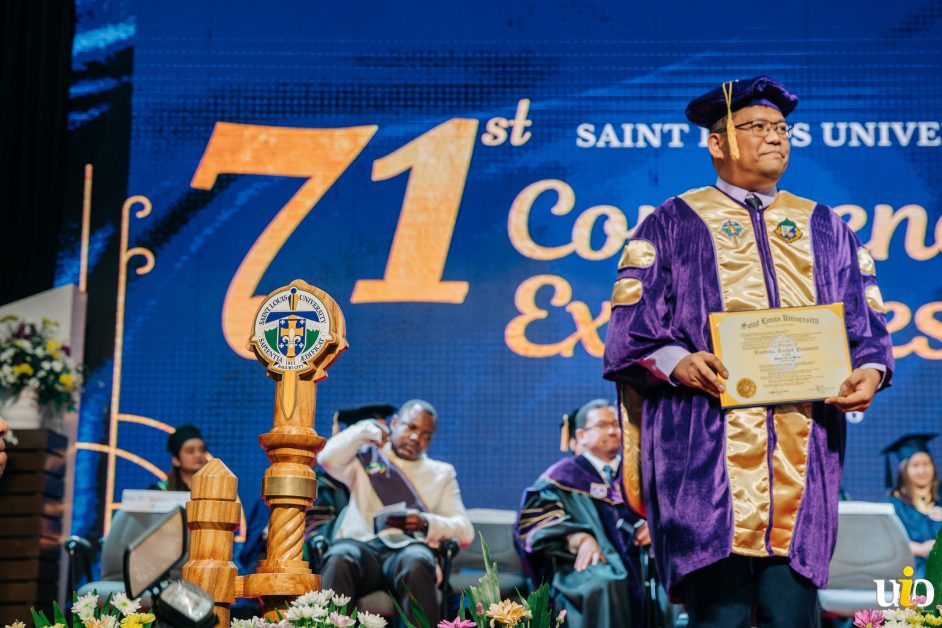
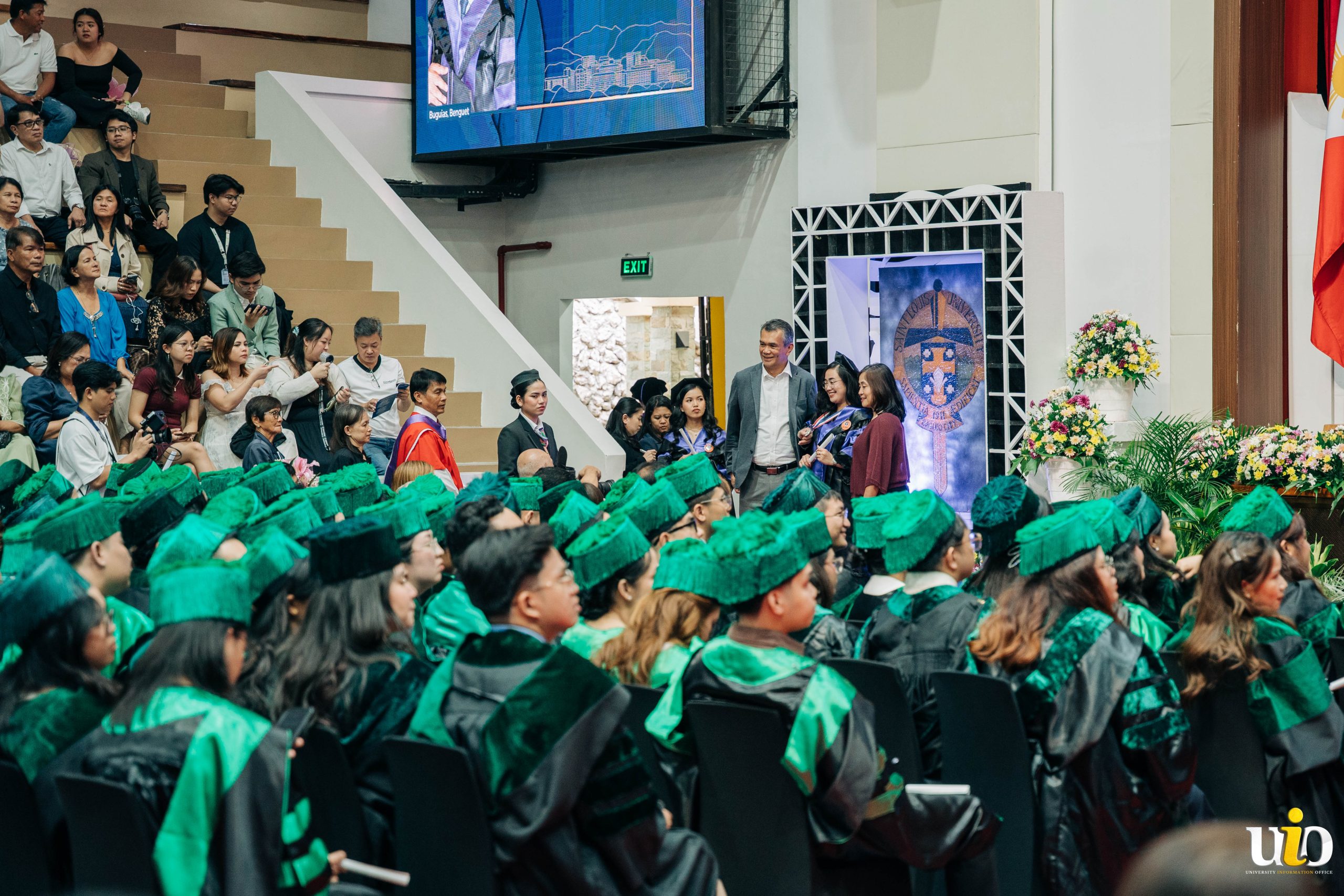
A Crossroads of Honor: The Investiture of Hon. Marvic Mario Victor F. Leonen, J.S.D. honoris causa
Following the graduation rites, the ceremony arrived at its most solemn moment.
SLU Vice President for Administration, Atty. Shellah Yzanne P. Merced, began sharing Hon. Leonen’s distinction as the incumbent Senior Associate Justice of the Supreme Court of the Philippines and one of its youngest ever appointees.
“As an alumnus of Saint Louis University,” Atty. Merced stated, “Hon. Justice Leonen embodies the core values of a Louisian graduate: competence, compassion, and innovation. For these reasons, in accordance with the Legal Education Board Memorandum No. 33, on 01 March 2026, the Board of Trustees of Saint Louis University Inc. unanimously approved the conferment of degree of Doctor of Laws, honoris causa, upon Senior Associate Justice Marvic Mario Victor F. Leonen.”
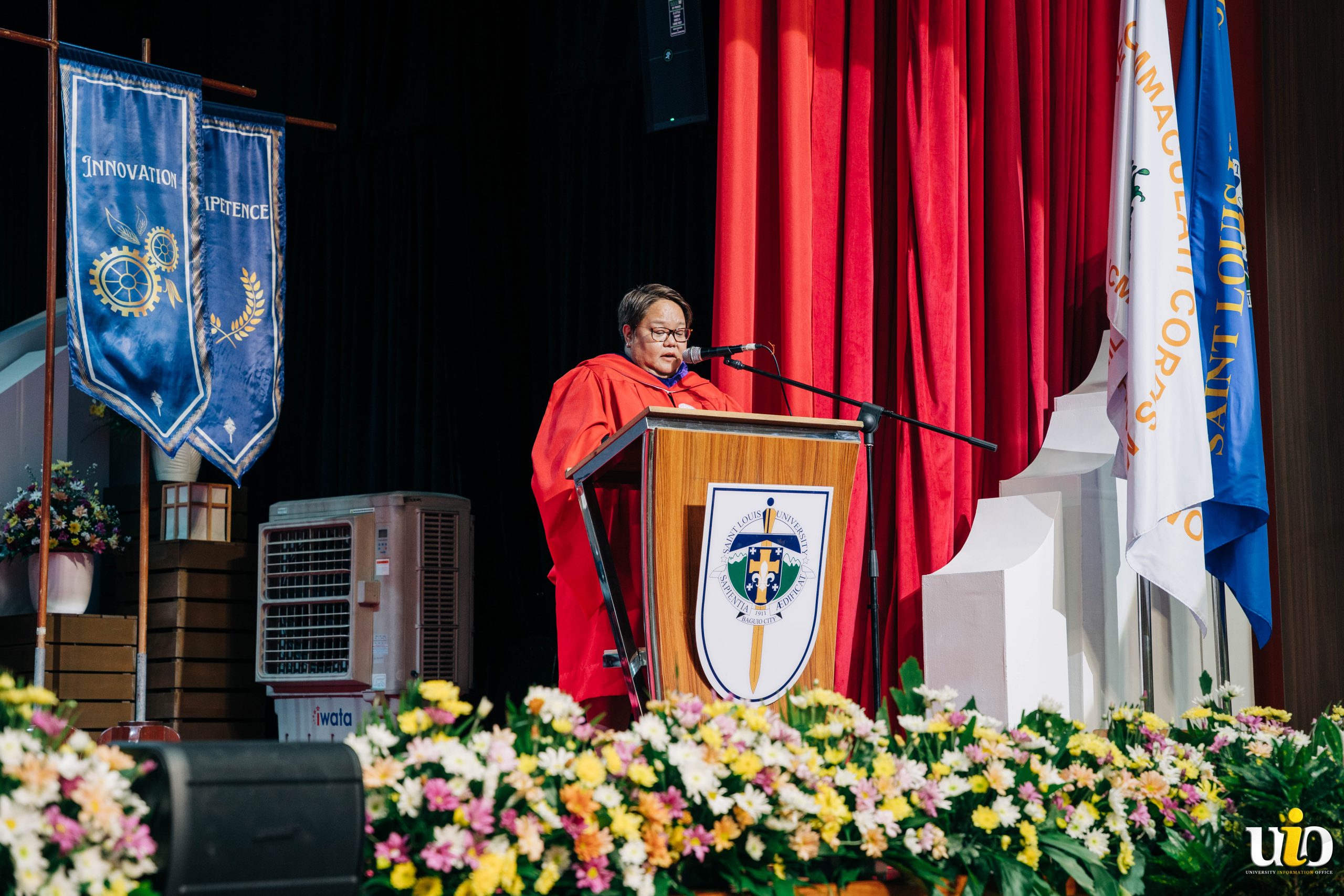
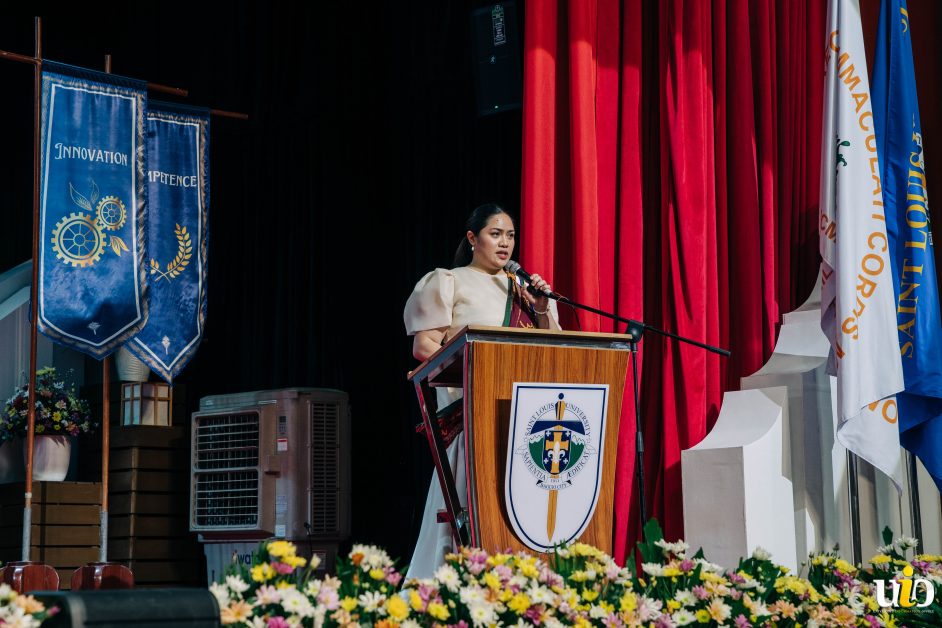
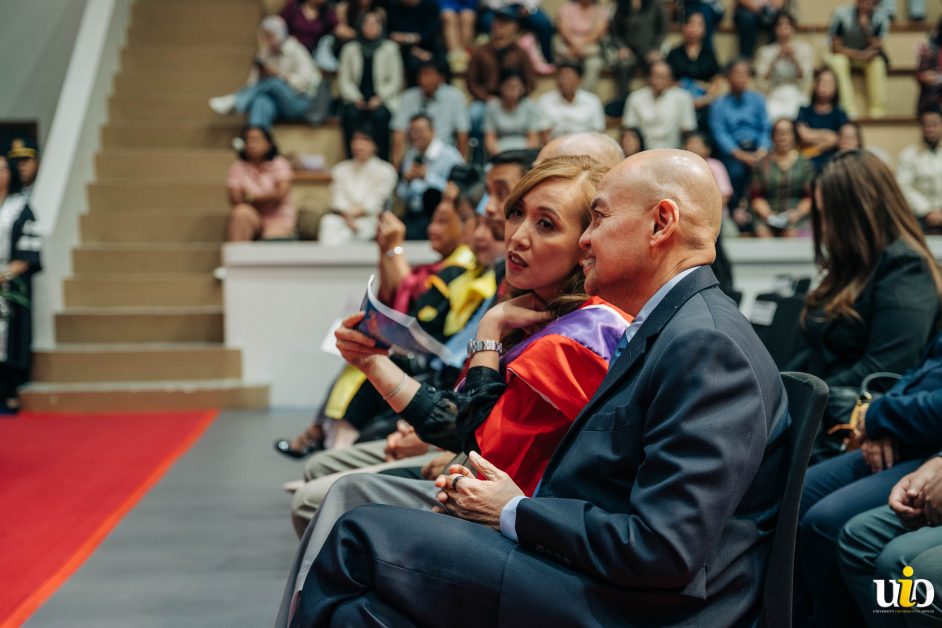
The investiture continued with the reading of the resolution approving the application of SLU to grant the honorary degree of honoris causa by LEB Chairman Hon. Barlis.
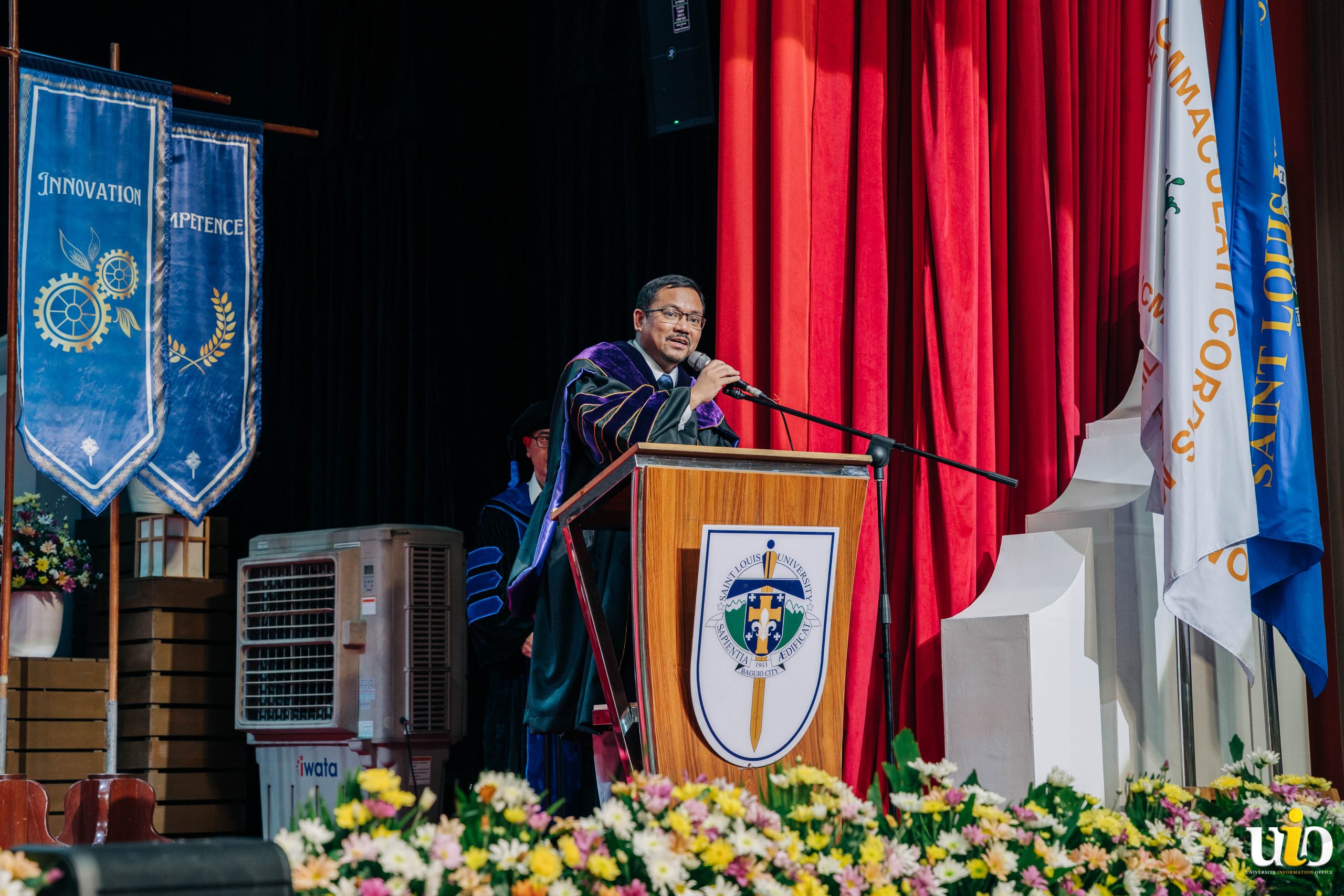
Shortly after, VPAA Dr. Espique delivered the Laudatio, serving as a tribute to the life, career, and honors of the honoree. “The conferment of an honorary degree is among the paramount distinctions a university may bestow. It is reserved for individuals whose lives and work embody the highest ideals of scholarship, integrity, leadership, and human flourishing,” Dr. Espique stated.
The Laudatio has expressed how Justice Leonen exemplified intellectual rigor, strong commitment to justice, and transformative leadership, making him worthy of an honorary degree. A distinguished Louisian and valedictorian of SLU Boys’ High, he has excelled in academia, law, and advocacy. Through the cases he fought as a practicing lawyer and the decisions he penned as a justice, he has championed human rights, environmental protection, and peacebuilding.
“Of equal significance are his dissents. In every true constitutional democracy, dissenting opinions often become the seeds of future legal development. It teaches us that the nuances and contexts of each case could, and should, be seen, heard, and understood. It challenges us to think outside the box. Even when not adopted by the majority, Justice Leonen’s dissents influence academic debate, legal scholarship, academic discourse, and future jurisprudence. They stand as enduring examples of principled judicial reasoning and independence,” added Dr. Espique.
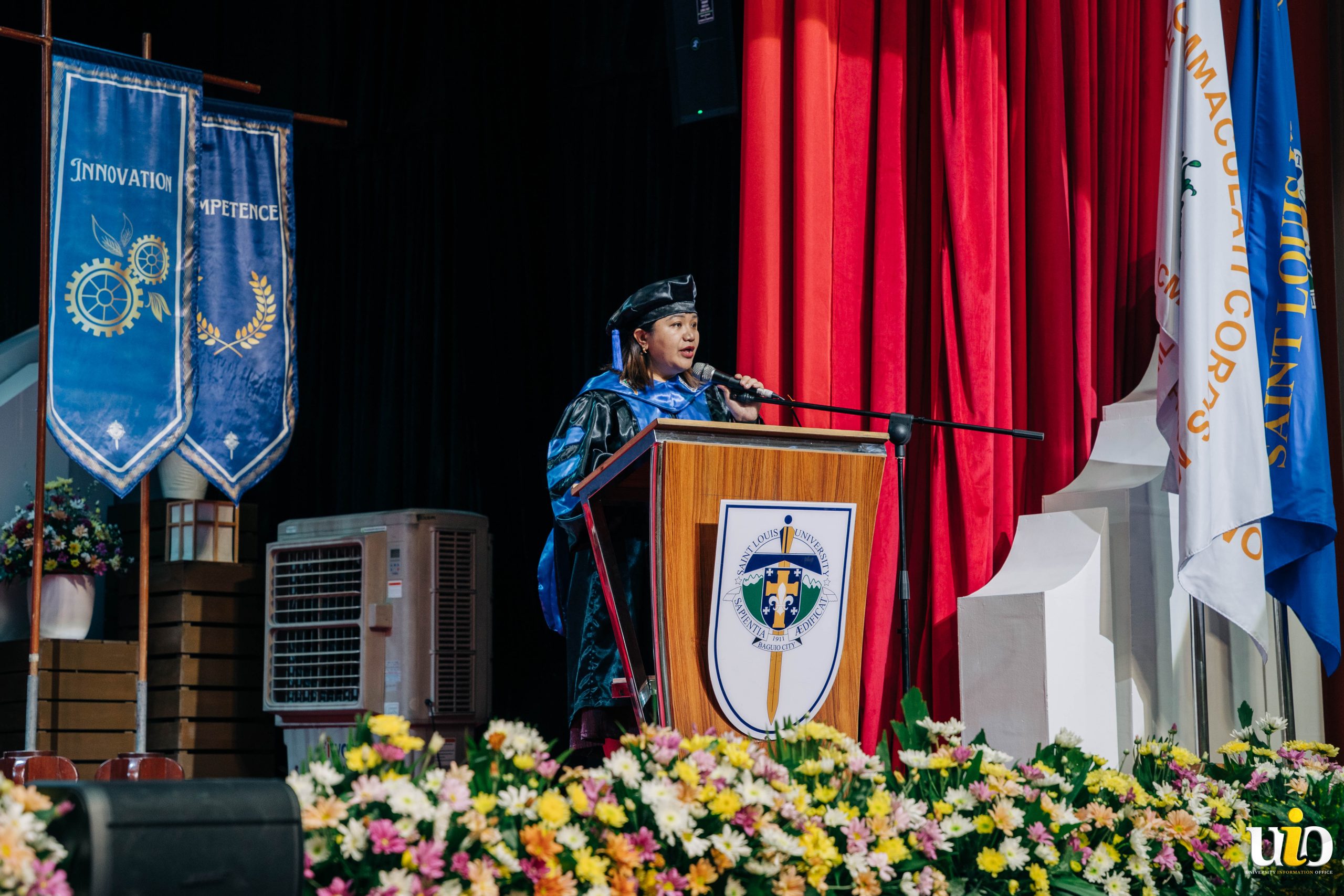
“Central to the recognition is the value that Justice Leonen has emphasized that is sometimes overlooked in legal discourse: love, which he has intentionally reflected in his contribution to the revised Lawyer’s Oath as a guiding principle of professional responsibility, urging lawyers to remember that law ultimately exists to serve the people, “particularly the vulnerable, the marginalized, and the excluded…those whose voices have been silenced by their circumstances and whose muffled cries beg to be heard.” In honoring Justice Leonen, the University affirms his invitation to the procession “to serve not as gatekeepers of privilege, but as stewards of compassion; to transcend the shadows of colonial legacies; and to walk boldly toward a future of equality, inclusivity, and justice for all,” Dr. Espique said.
Dr. Espique then ended the Laudatio by saying, “By conferring this honorary degree, Saint Louis University joins its voice to these aspirations. We acknowledge that the pursuit of social justice remains unfinished. We recognize that peace requires constant work. We affirm that empowerment is not a destination but a continuing process. And we declare our support for those who dedicate their lives to these causes. For these achievements and the inspiration to generations of Louisians and Filipinos alike, Saint Louis University proudly confers upon Senior Associate Justice Marvic Mario Victor F. Leonen the degree of Doctor of Laws, Honoris Causa,”
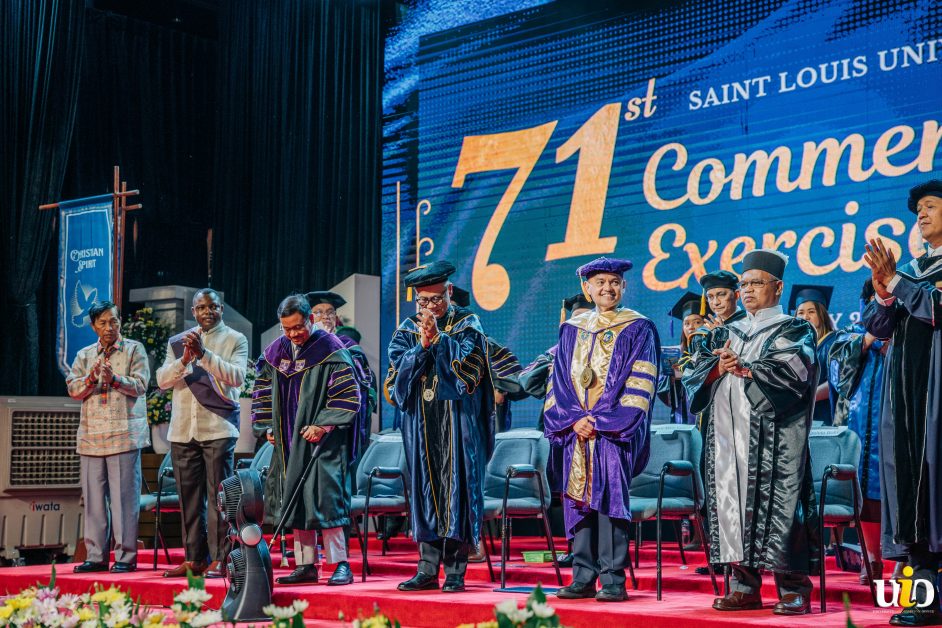
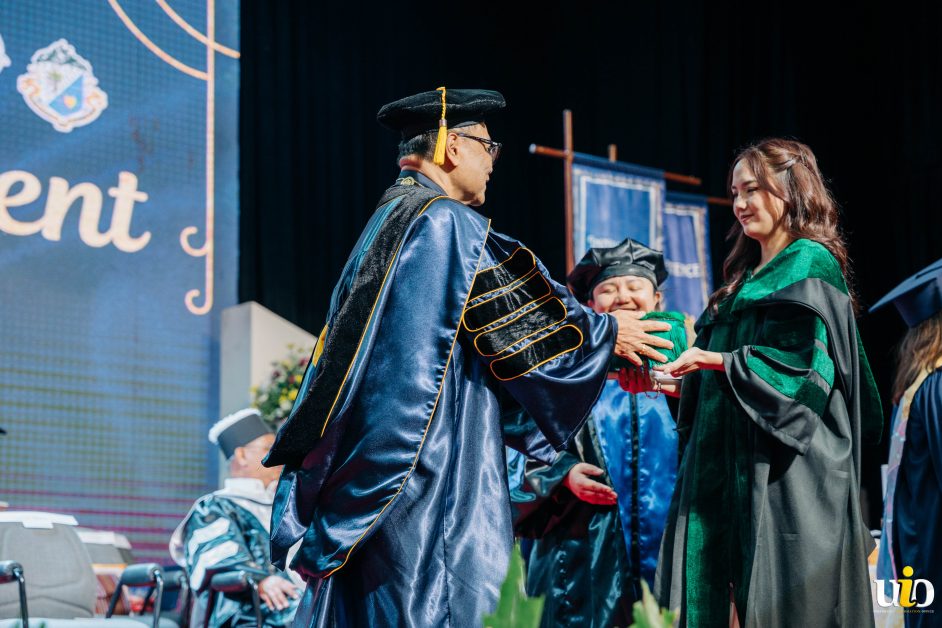
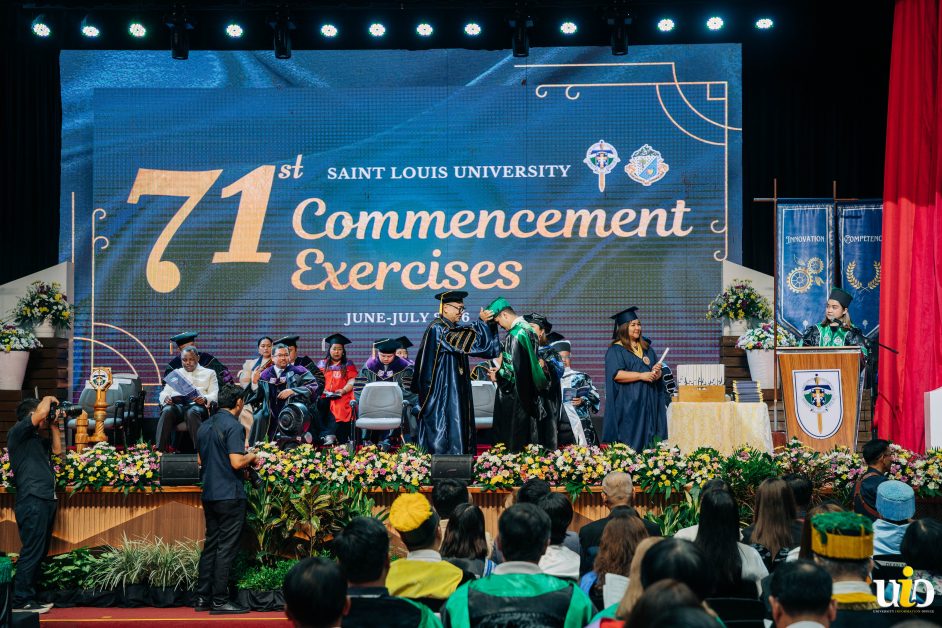
Fr. Sales, SLU President, then read the Proclamatio and formally led the investiture, conferring the degree of Doctor of Laws Honoris Causa upon Hon. Marvic Mario Victor F. Leonen, J.S.D. through the vesting of the academic regalia, assisted by Atty. Jason R. Barlis, Chairperson of the Legal Education Board, alongside Atty. Merced and Dr. Espique.
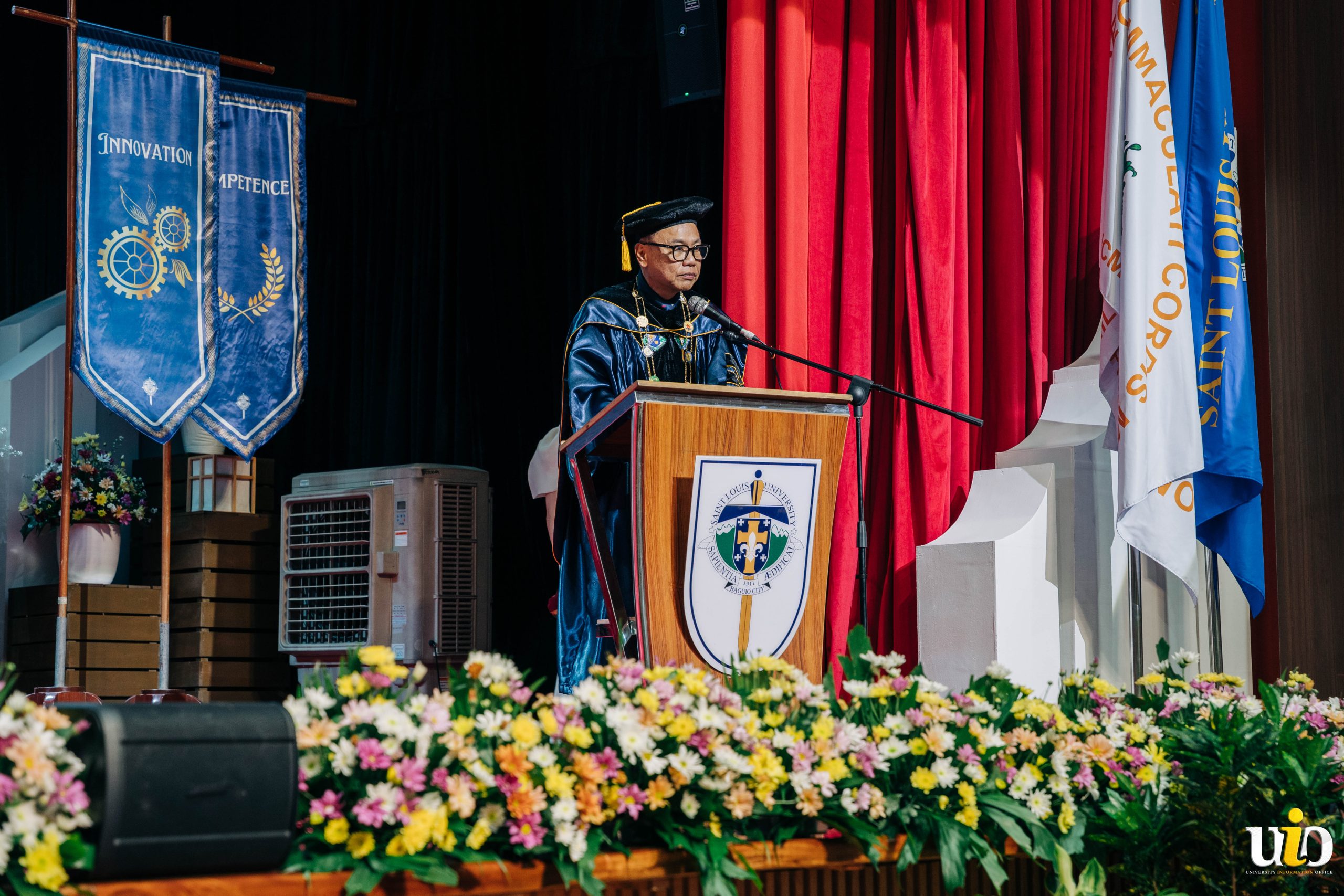
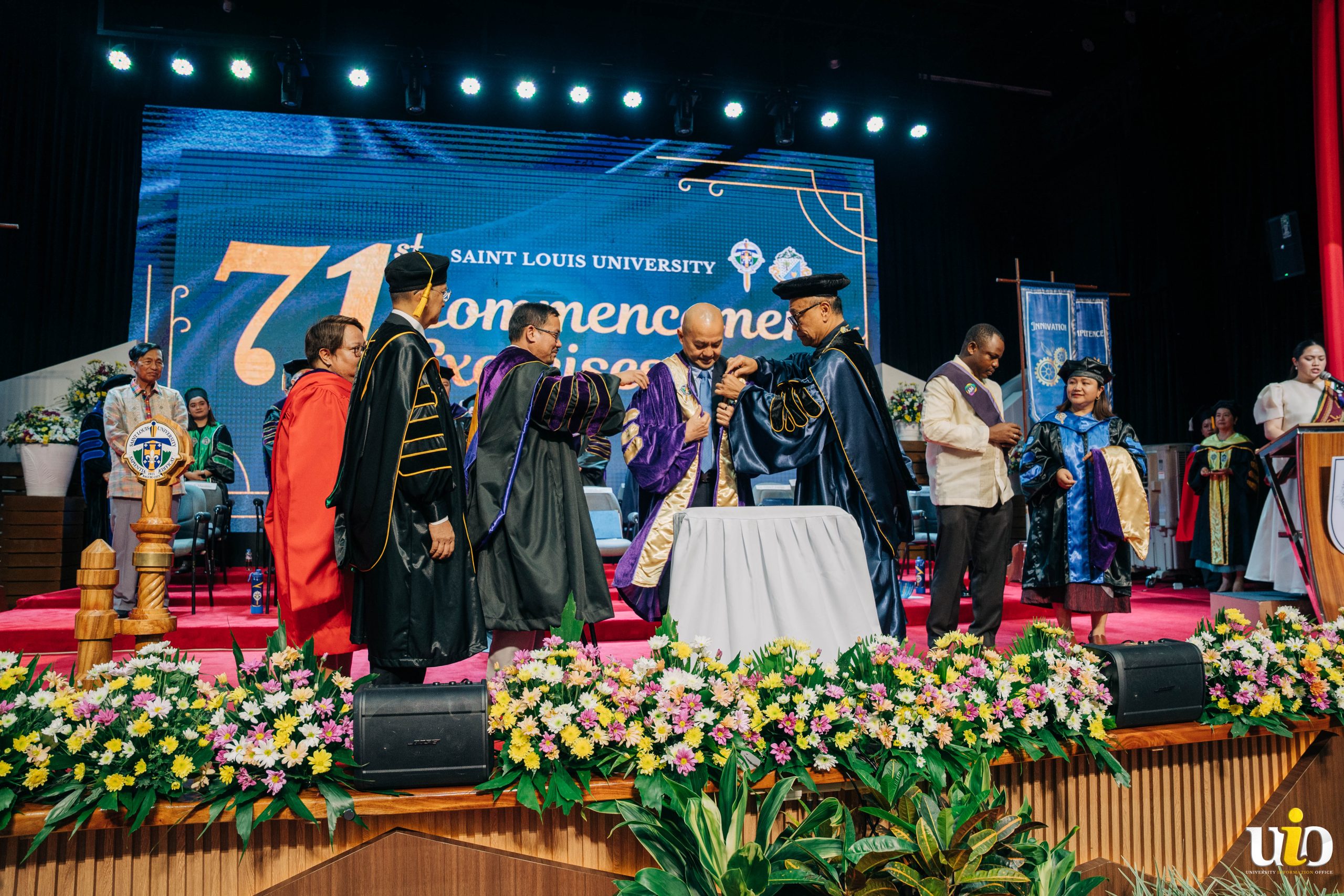
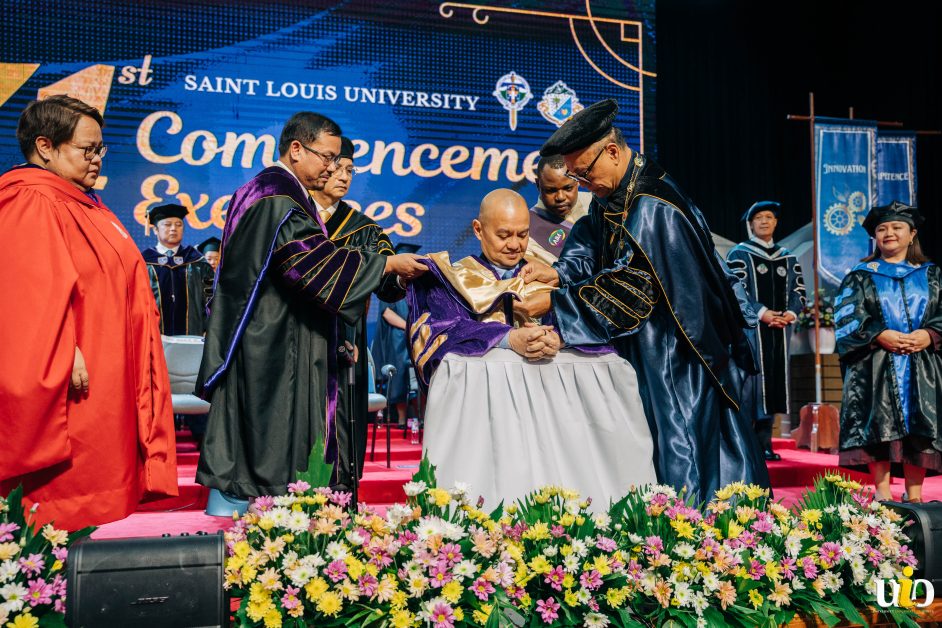
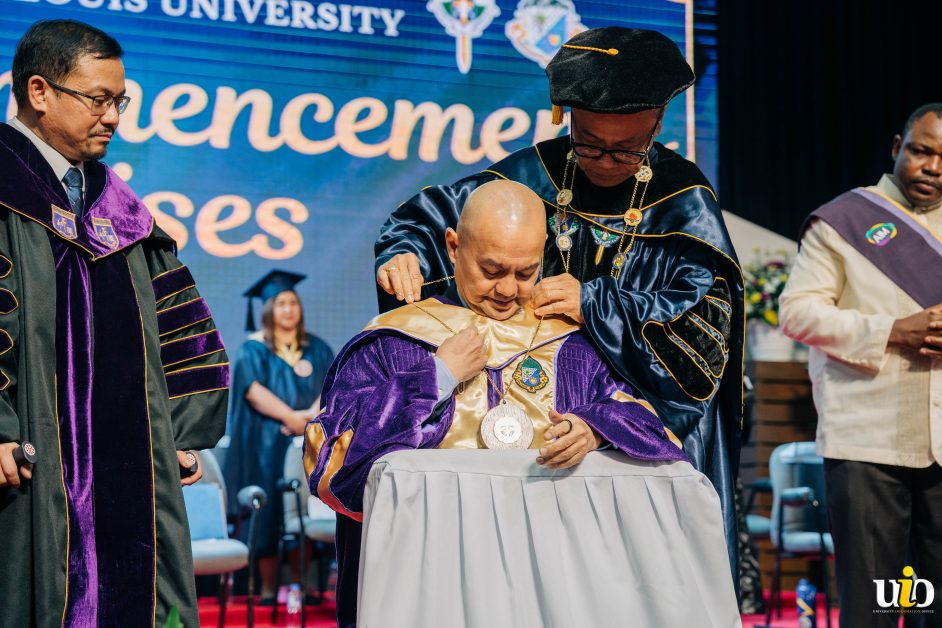
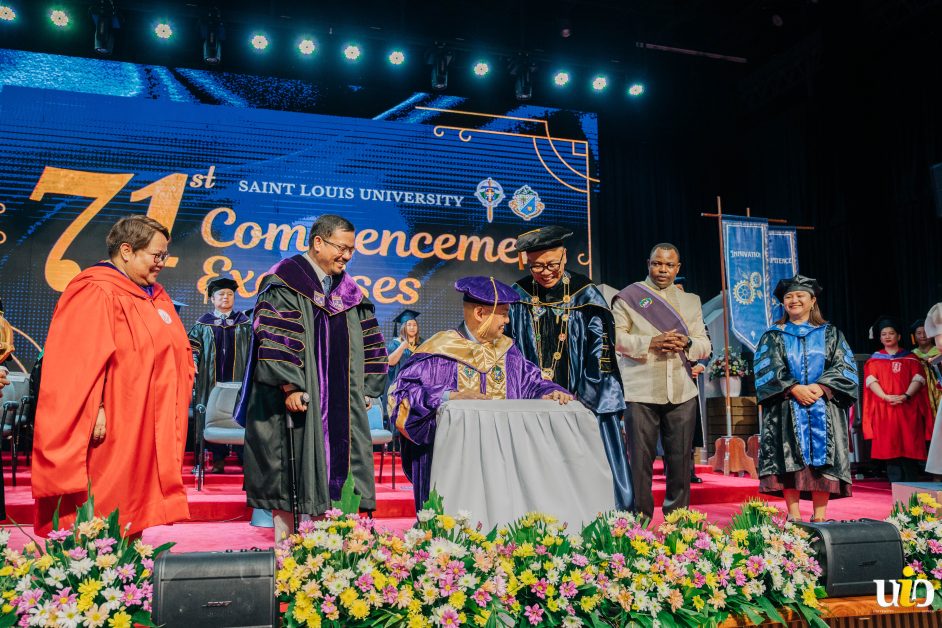
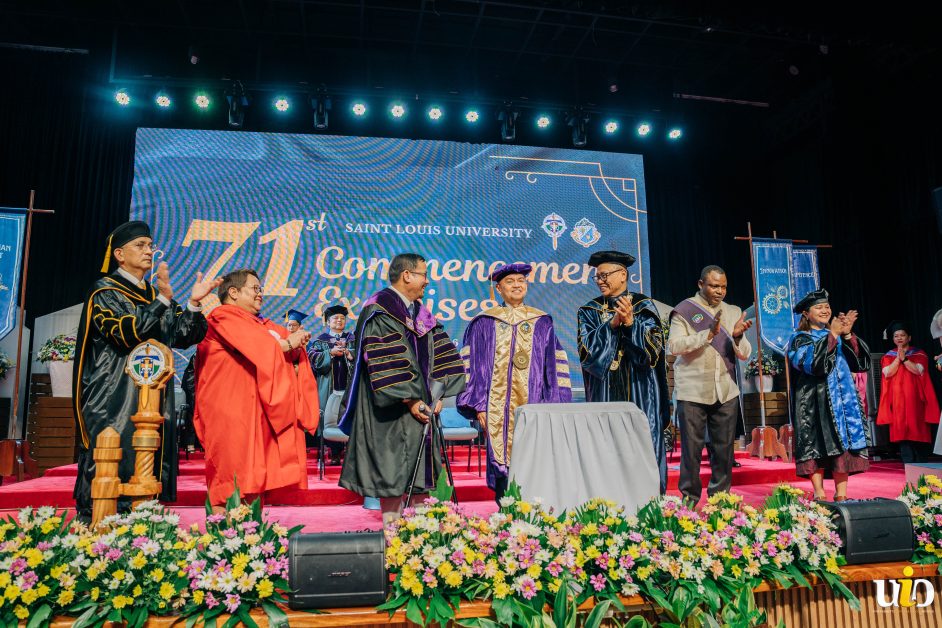
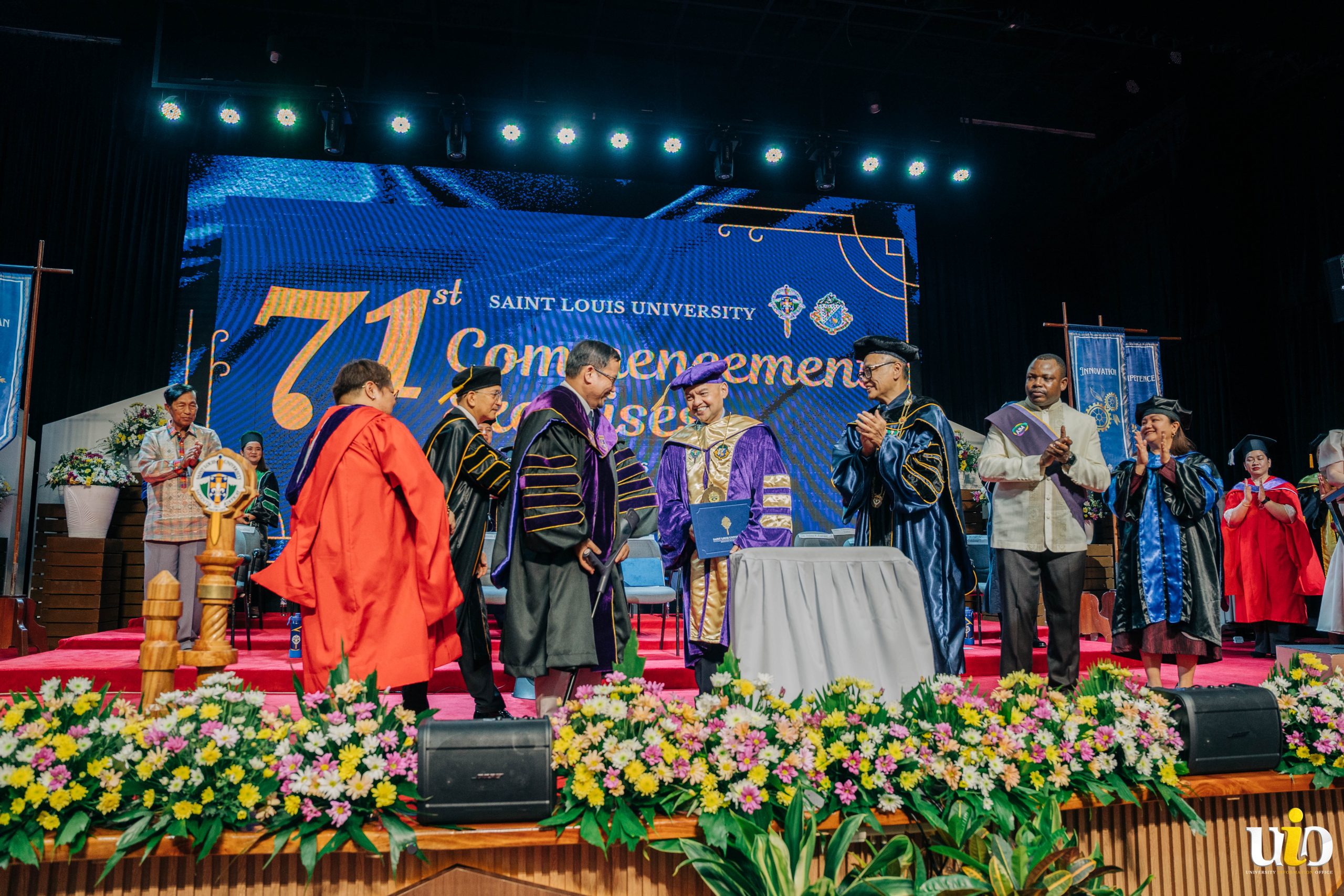
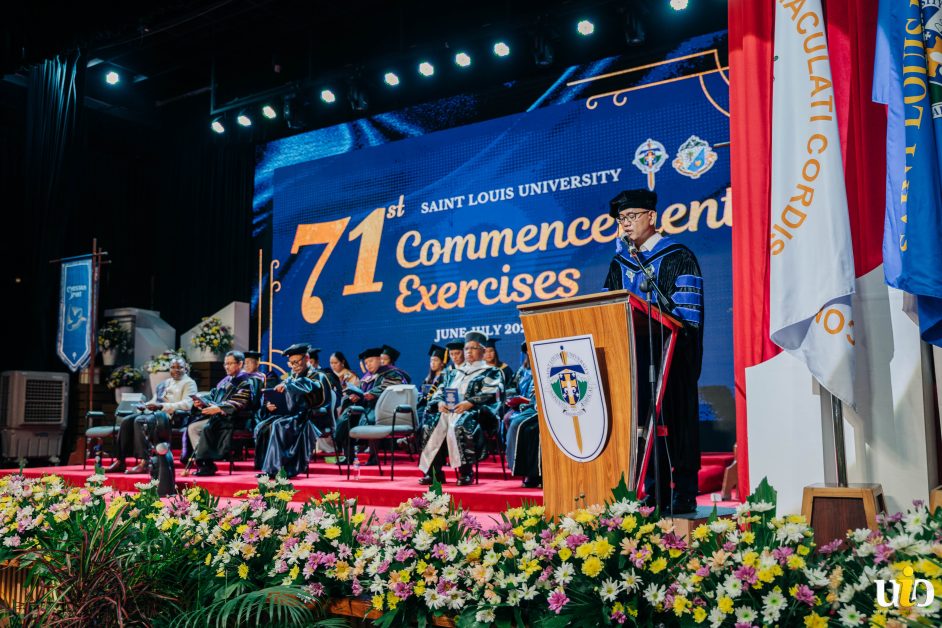
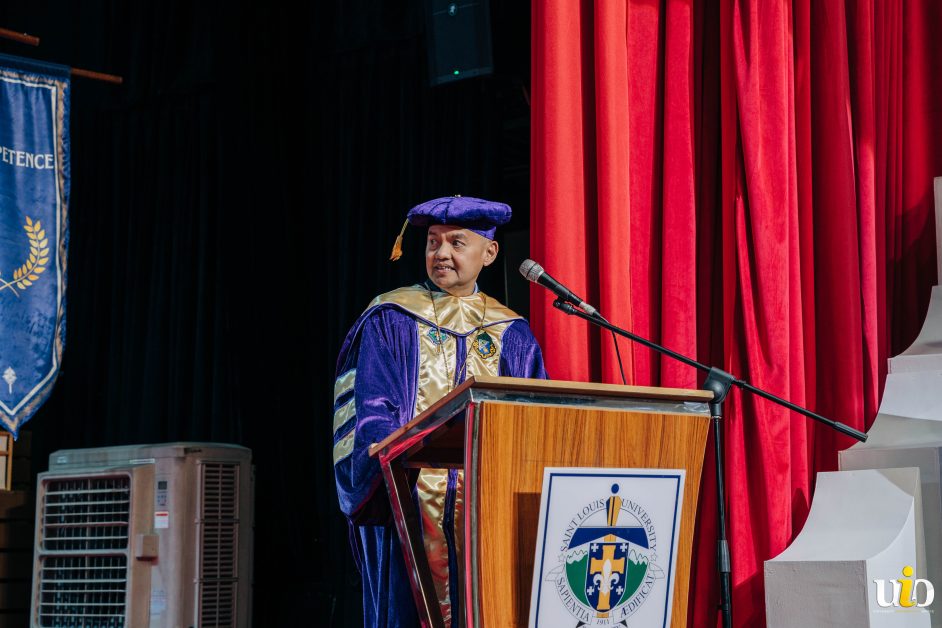
The ceremony was concluded by the Lection Doctoralis, wherein Hon. Leonen, now Doctor of Laws Honoris Causa, offered his response.
“I learned to read and to think in the cold light of the Baguio Mornings, under the same pines, often with the same fog, that the times still visit us. Then, as a young lawyer, I visited indigenous communities in the Cordilleras as their lawyer. I sat in the dap-ays, studied common property systems, shouted with hope and desperation in Kiltepan, traversed Marat Valley, bathed in the waters of the Chico River, and camped in Bangued. I climbed the mountains here to learn customary laws from the Ibaloi, the Kankanaey, the Applai, the Kalinga, the Bontoc, and various other communities. I marvel at the tapestry of these indigenous laws, not only from our ancestral domains, but also from other indigenous communities, in the Visayas and in Mindanao. So allow me a small confession: there is something so humbling about being conferred, the honorific degree of Doctor of Laws in the very place when I was once simply a student, frightened of the same examinations that you have had, uncertain of nearly anything. It reminds me that all our titles are borrowed, and that we are always to the end, returning to the places that made us,” Justice Leonen shared.
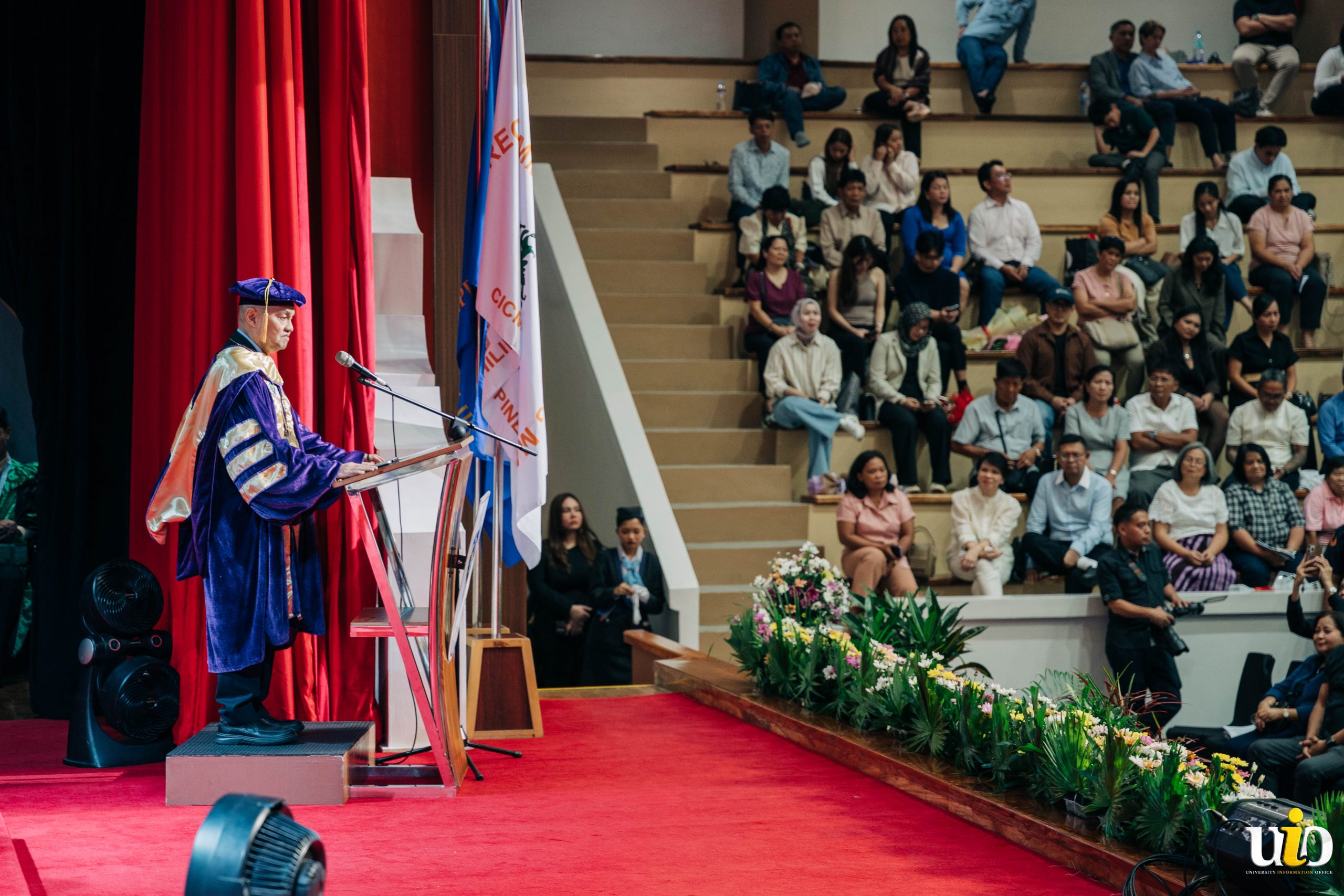
He continued, “Let me begin with the fog in these mountains because this fog and the mountains is what this speech is all about. Those of you who grew up here know what the mountain teaches. It teaches you not to trust at first glance. In the lowlands, you can see for kilometers and believe you have understood the terrain. Here, the cloud rolls in, and the reach you were so sure of disappears. You learn to wait. You learn that there is a space, between not seeing and seeing, between the question and the answer. And in that space lies the difference between wisdom and folly.”
Justice Leonen, emphasizing on the power of rule of law, talked of “four forces that in our time, are conspiring to take that interval away from you.” He shared his wisdom in this wise:
- The first force is the way you now receive the world. You are one of the first generation of lawyers and doctors to be formed almost and entirely inside the stream. Information no longer comes to you. It is fed to you, sorted by systems, whose purpose is not your understanding, but to gain your attention. The feed rewards the glance, not the gaze. It rewards outrage over analysis, velocity over depth. It quietly decides on your behalf what is worth seeing and more dangerously renders the rest invisible.
So this is my first charge, my first challenge to all of you: Be critical of how you come to know. Distrust the feed that flatters you. Read long things slowly on paper to the end. Write by hand, especially when the matter is great. Protect the slow circuits of your own mind as if they were a precious resource because for a lawyer, for a doctor, and every advocate, wanting to transform the status quo, they are.
The second force is the most powerful tool your professions have ever had, and it has arrived precisely when you have. Let me be clear so no one mistakes me for the wrong kind of an old man. I am not here to tell you to fear the machine. I helped lead our own courts’ work on digitalizing our process and crafted above the governance on artificial intelligence in the judiciary. My team has even shown how the Bar exam can be localized and digitalized. These tools are not merely coming into your practices, your courtrooms, your clinics, and your statute books. They are already here.
You must understand automation bias: the very human tendency to defer to the screen because deferring is easy and the slow de-skilling that follows when we stop exercising the judgment we have outsourced. Yes, cognitive offloading is a reality. You must understand that these machines can produce falsehood with perfect confidence, and that confidence is not the truth. You must understand the politics of it, that the power to build these systems, and to hold that data that feeds them, is concentrating in very few hands, very far from here, and that whatever rights, the rules for this system is writing the rules of power itself…The architecture of these systems is now being decided in rooms of profit, where too often no one asks on which they are. If lawyers like you and all of us are committed to just law, we should be in those rooms. We should be critical, informed, and unintimidated.
So here is my second charge, my second challenge: Master these tools. Do not be mastered by them. Keep a human being… in the loop of every decision that touches another person’s life. Let the machine carry the labor it should carry, but never let it carry the judgment and the diagnosis. The judgment and the diagnosis is yours. It was always meant to be yours as a human being.
The third charge is the quietest and most dangerous of all because it does not feel like a force at all, it feels like a relief. It is called ‘convenience’. This is the heart of why I decided to receive this honorific degree to have the platform to say this: the legal profession is seduced far more often than by money, but by convenience, by the path of least resistance. I did not begin in the Supreme Court, I began with the upland poor and the indigenous communities of these very mountains and later with the peoples of the Bangsomoro… So when I ask you to refuse convenient blindness, I am not asking it from a height, I am asking it from home.
This is my third charge, the one I most want you to remember. Courage for a lawyer, for any professional, is mostly this: the willingness to stay inside the discomfort of sin, to not look away, to enter the interval even when the convenient thing is to skip it. Protect those who have less in life. Be accepting of different identities. Speak up against abuse and against the comfortable silences that enable it. Use the law to liberate. Refuse, actively, daily, at cost to yourself, to use it to condemn.
The fourth force lives not out there in the systems and structures, but in here, in the human heart, including yours and mine. It is the engine of every corruption you will ever witness. We usually speak of corruption as a problem of greed and prosecute it that way. But beneath that greed is something deeper and more universal, a hunger that is never satisfied, an incapacity to arrive at the word,” enough”, the endless reaching for more.
I told those young lawyers something else and I repeat it to you with all my heart. Do not succumb to having more than enough. Do not trade your kindness for the false barge of wealth or of success. There is a discipline here older than any law, and you do not need to belong to any tradition to practice, it is the discipline of enough, of ‘sapat’, of “tama na”, of “sakto lang”. It begins with the simple radical attentive to what we cling to and the willingness to loosen its grip. It is the practice of contentment, of being present and grateful for the sufficiency of what you have.
These rest on a truth this mountain has been trying to teach me my whole life. Everything we grasp is impermanent and will be held only for a while. This robe is borrowed. This very doctorate is borrowed. It will return to dust as surely as I will, and I will carry none of it out of this world.
Corruption is the transfer of suffering from those who have far too much to those who have very little. To refuse corruption is not merely to keep your hands clean, it is to refuse to be the instrument of that transfer. So here is my fourth and final challenge: One, only, enough. Hold everything you will achieve and you will achieve much with an open hand, ready to let go. Be content. From that contentment, you will become incorruptible. From that contentment, you will find what is a meaningful and purposeful life.
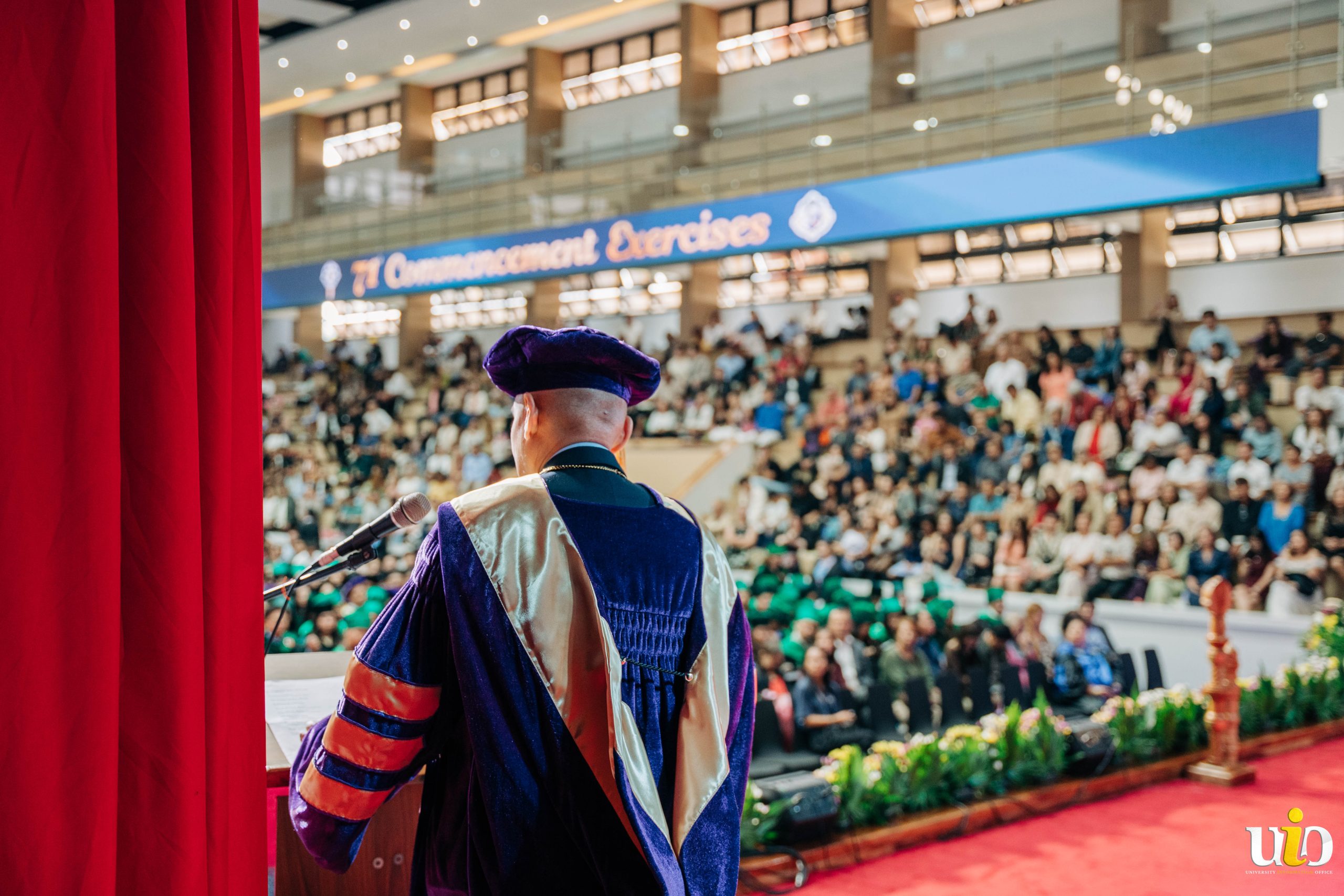
Justice Leonen concluded, “I return to where I began– to the fog and the mountain. I told you the mountain teaches you patience in the interval. I want to end by telling you what every Baguio boy, what every Baguio child eventually learns… Read in the interval, think in the interval, see the invisible in the interval, want nothing more than enough inside that interval. Defend that small sacred pause before judgment against the sin, against the machine, against the seduction of convenience, against power, against the hunger that says more. That pause is where our humanity lives and it is the only place from which the rule of justice can ever be born.”
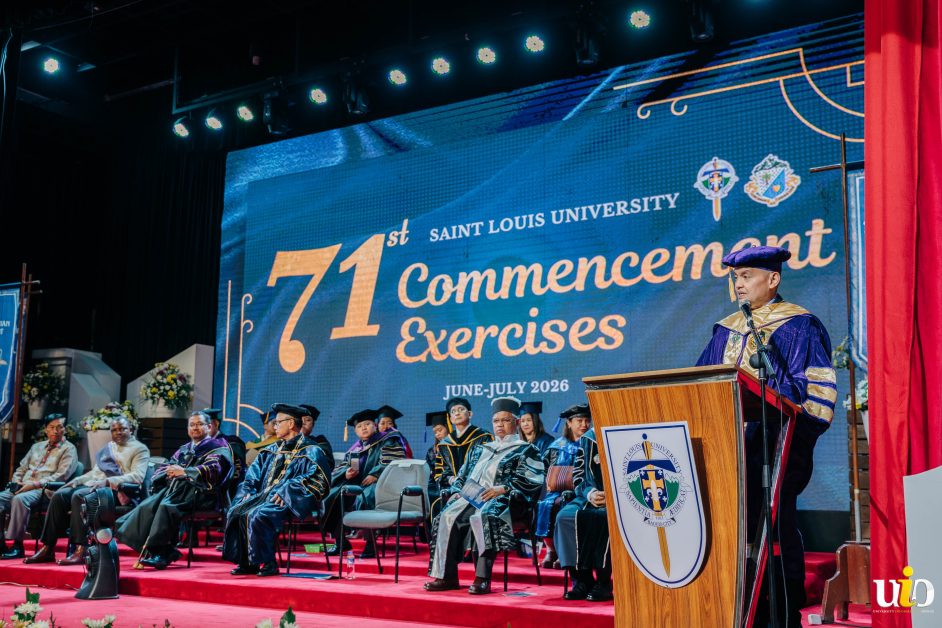
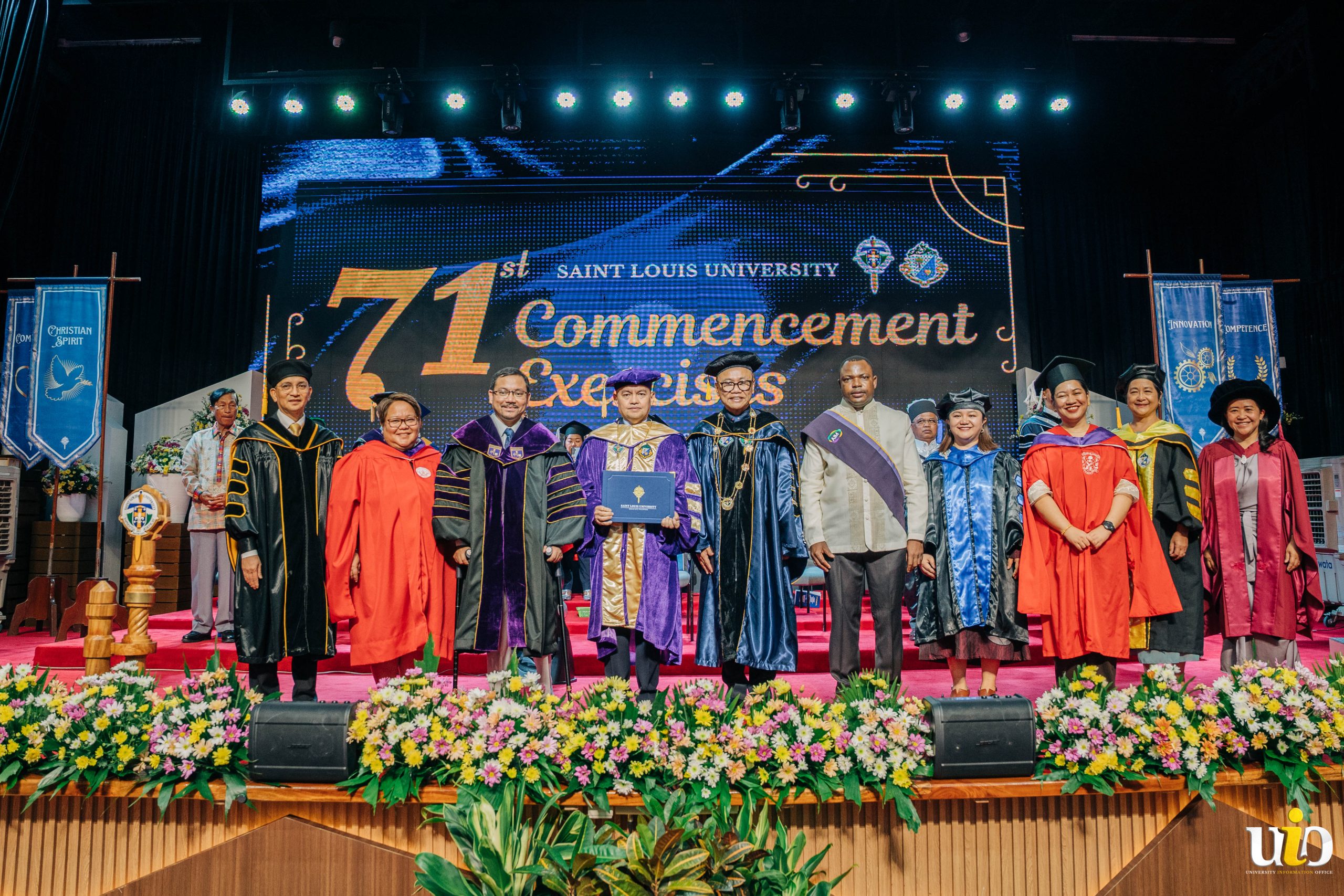
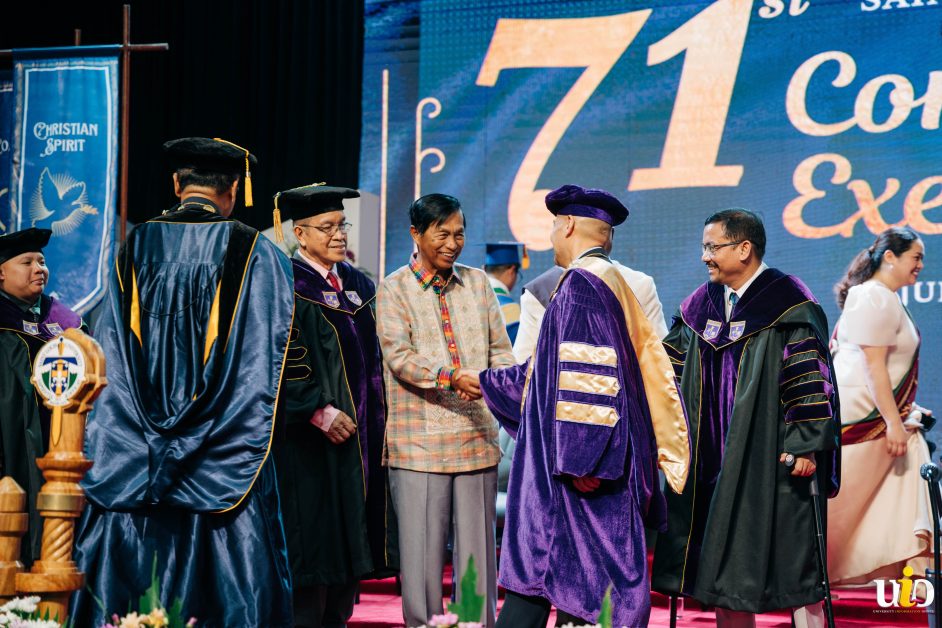
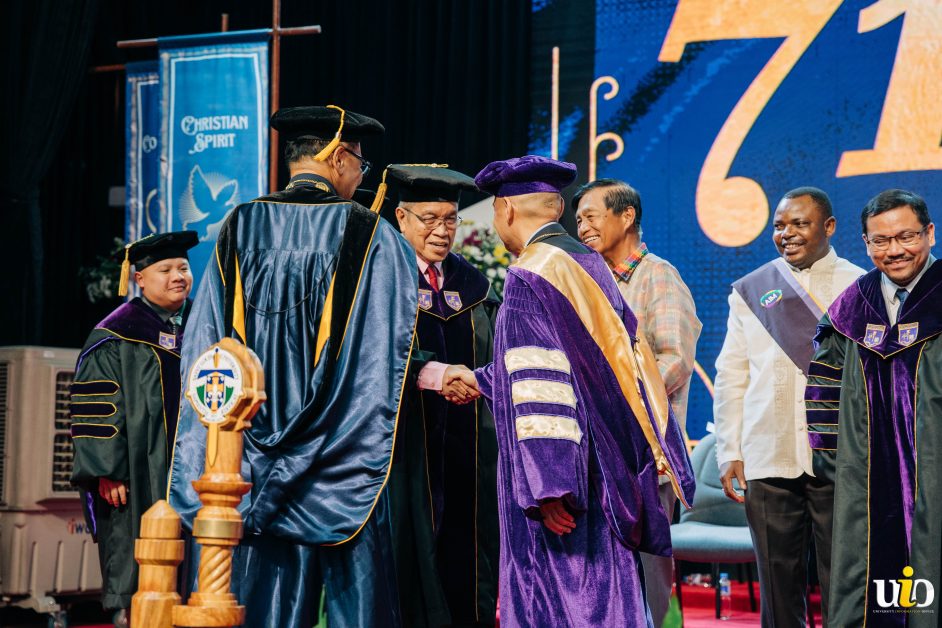
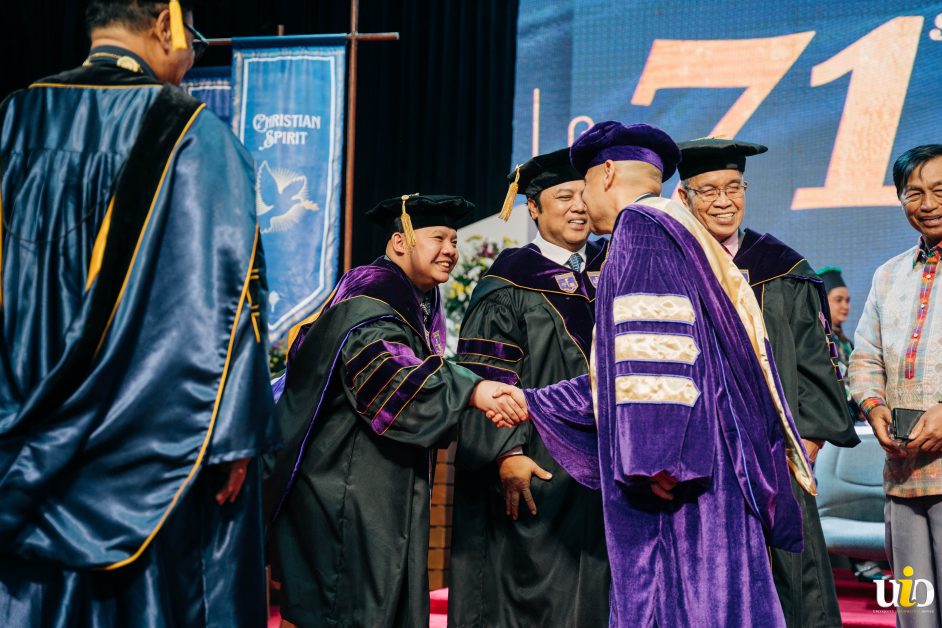
The investiture marked a significant crossroads—one that honored a lifetime devoted to the pursuit of law, justice, and public service, while also affirming the continuing journey toward a more equitable and humane society. In recognizing Justice Leonen’s contributions, Saint Louis University celebrated not only past achievements but also the enduring ideals that continue to guide future generations.
Justice Leonen has joined the roster of Honoris Causa honorees:
- Dr. Waldo Perfecto (1965)
- Dr. Theodore Hesburgh (1965)
- Msgr. Louis de Raeymaker (1965)
- Pres. Ferdinand Marcos, Sr. (1966)
- Dr. Alejandro Roces (1967)
- Justice Roberto Concepcion (1967)
- Dr. Heinrich Roehreke (1968)
- Hon. Juan Salcedo, Jr. (1968)
- Msgr. Gottfried Dossing (1968)
- Msgr. Charles Vath (1968)
- Msgr. Xulio Javier Labayen (1969)
- Msgr. Albert Jules Cauwe (1969)
- Msgr. Antonio Fortich (1971)
- Dr. Pieter De Somer (1971)
- Dr. Young Seek Choue (1974)
- Hon. Cesar Virata (1975)
- Dr. Jan Lindemans (1975)
- Dr. Donald Gallagher (1975)
- Hon. Blas Ople (1976)
- Prince Albert (1979)
- Dr. Enrique Garcia (1980)
- Dr. Wilfried de Pauw (1983)
- Arch. Ma. Luis Araneta (1985)
- Prof. Dr. Joseph Leunis (1997)
- Rev. Bishop Francisco Claver, S.J.D.D.-H.D. (1997)
- Justice Cecilia Muñoz-Palma (1998)
- Rev. Sr. Maria Ramona Mendiola, ICM (1998)
- Rev. Fr. John Van Bauwel, CICM (1999)
- Atty. Rafael E. Evangelista (2001)
- Prof. Dr. Maurice Verhelst (2002)
- Archbishop Socrates B. Villegas (2022)
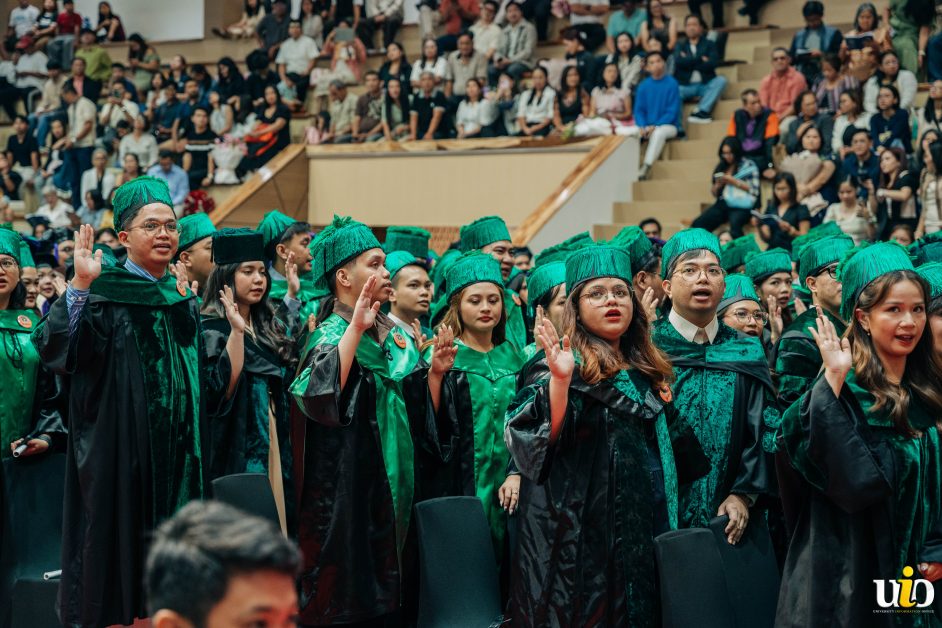
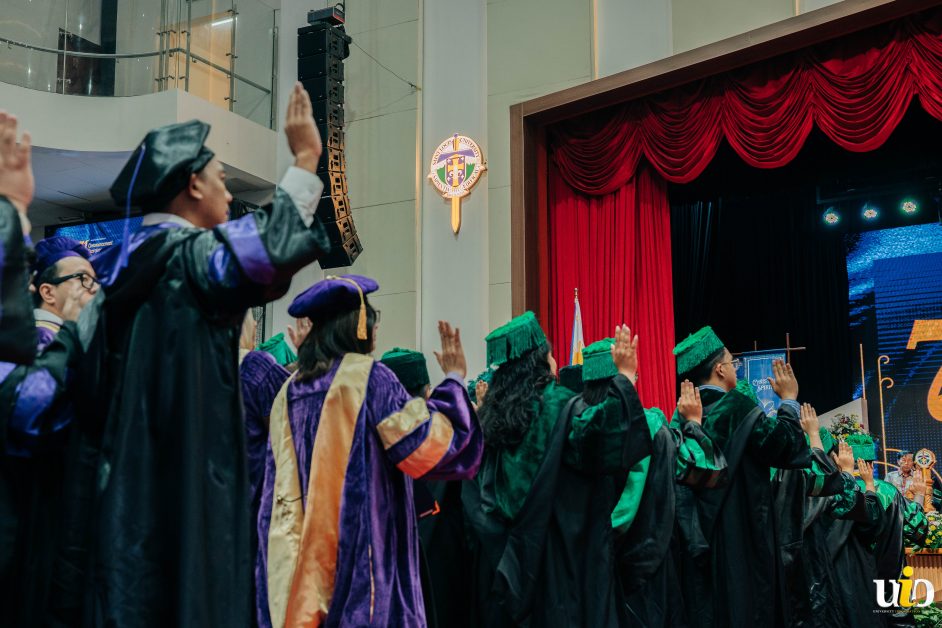
The new Louisian graduates then took their Pledge of Loyalty and Oath of Allegiance. Thereafter, they sang the SLU Hymn.
The Louisian graduates and honorees are no longer just individuals after this day. They have become part of a larger community bound by a shared pilgrimage, a shared crossroads.
And so the 71st Commencement Exercises was itself that sacred ground between what had been and what will be. With the turning of the tassel, the graduates bid farewell to the chapter now closed — its verses, its cadences, its characters, its turning points — and stepped forward, together, into the path they have chosen to become.