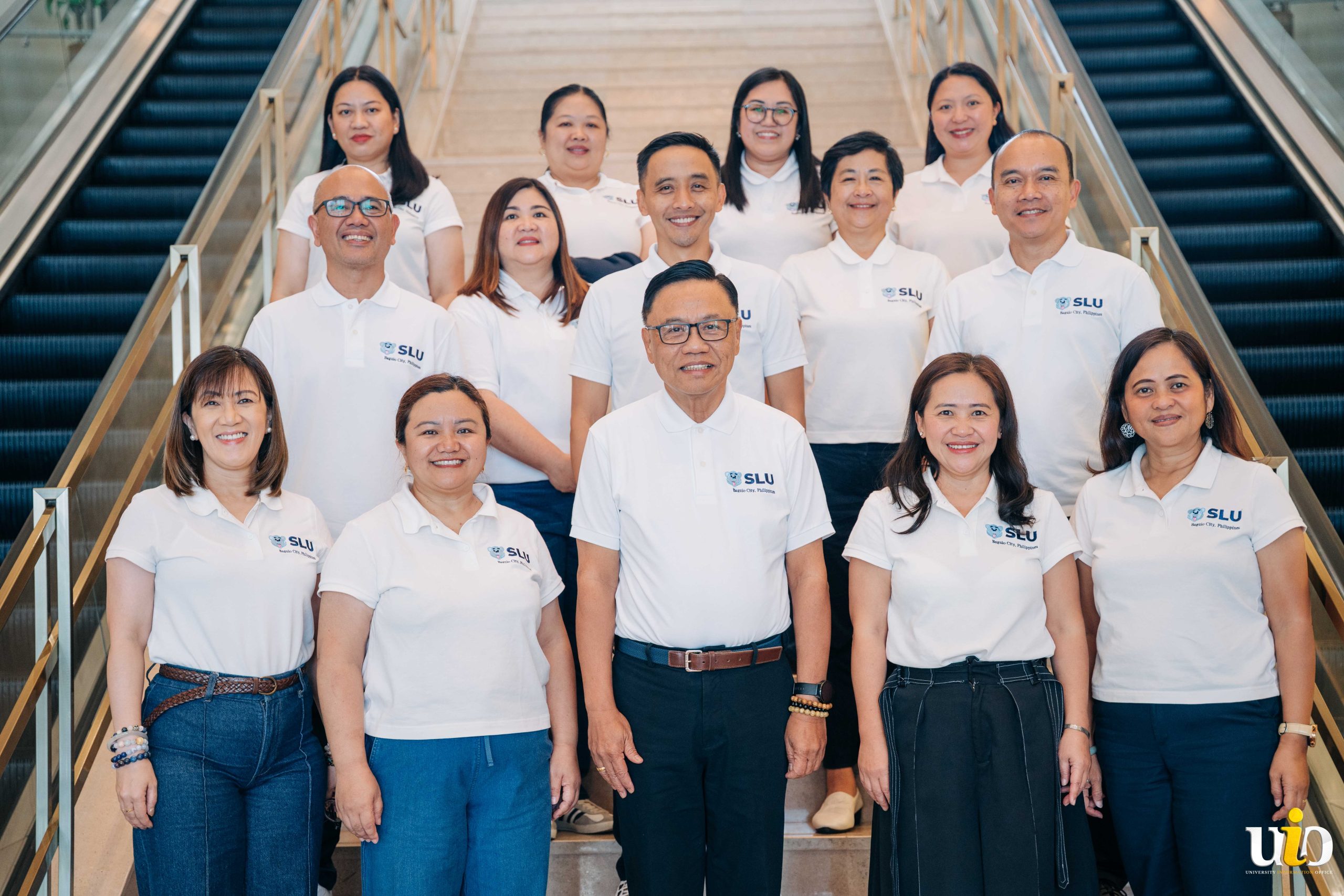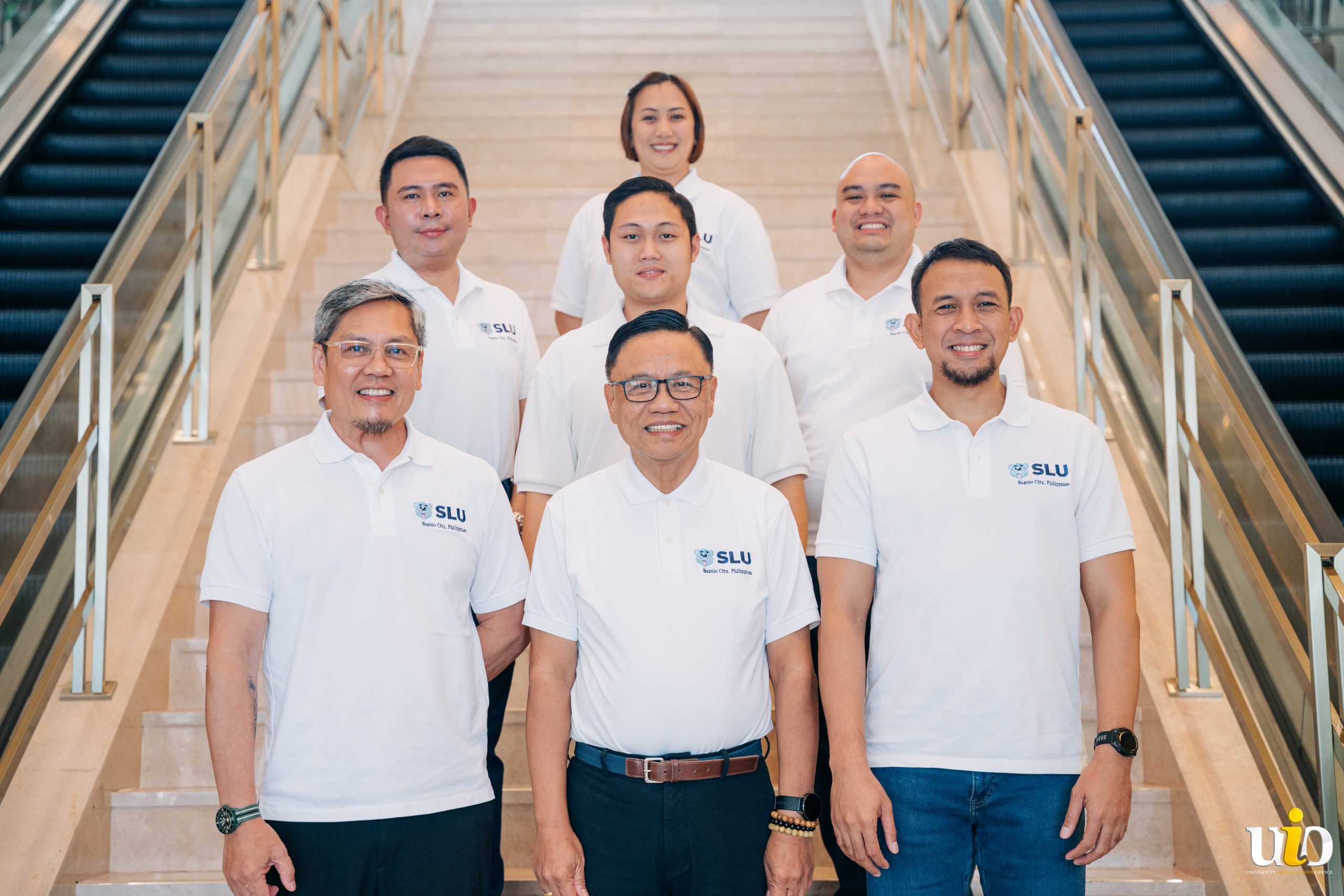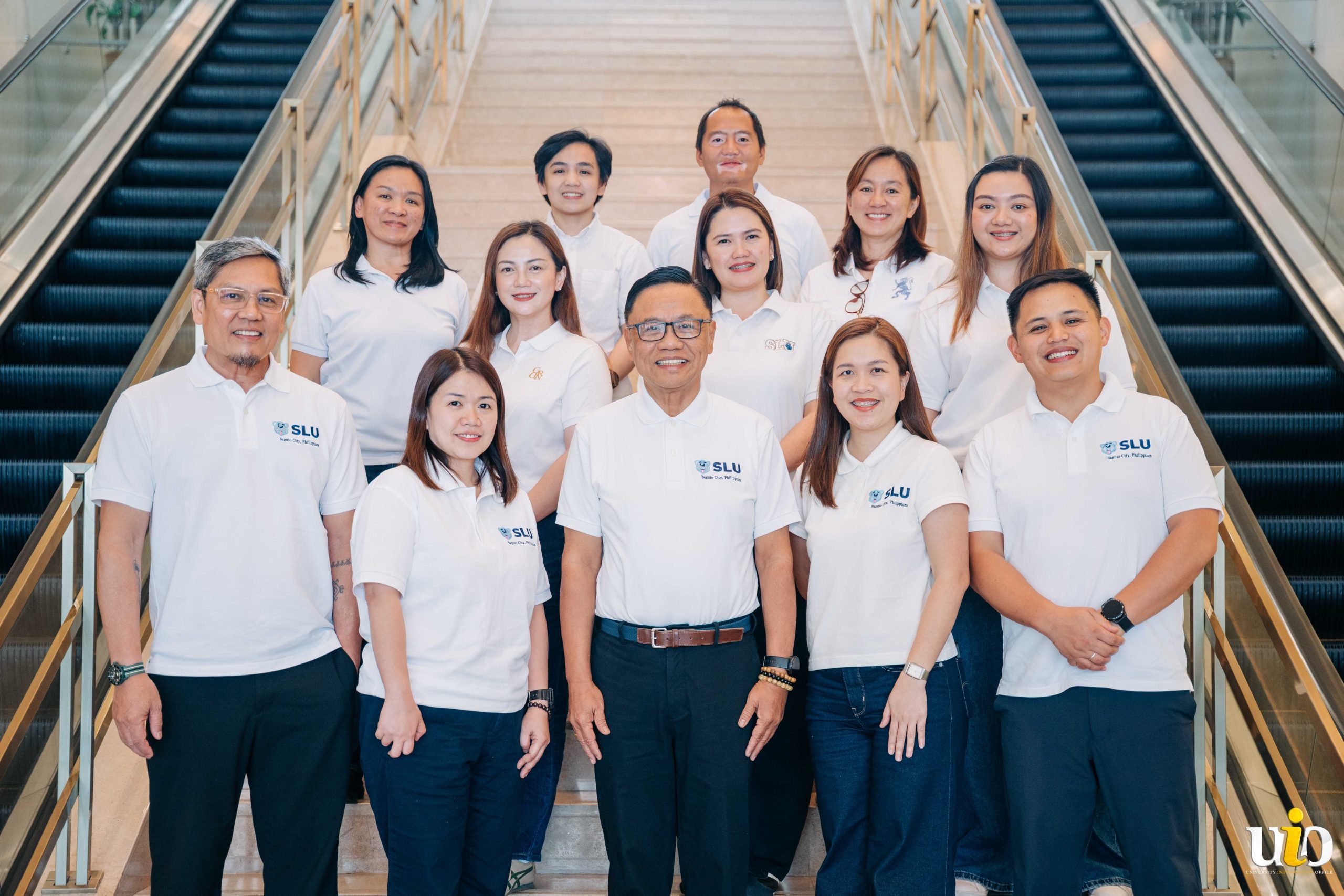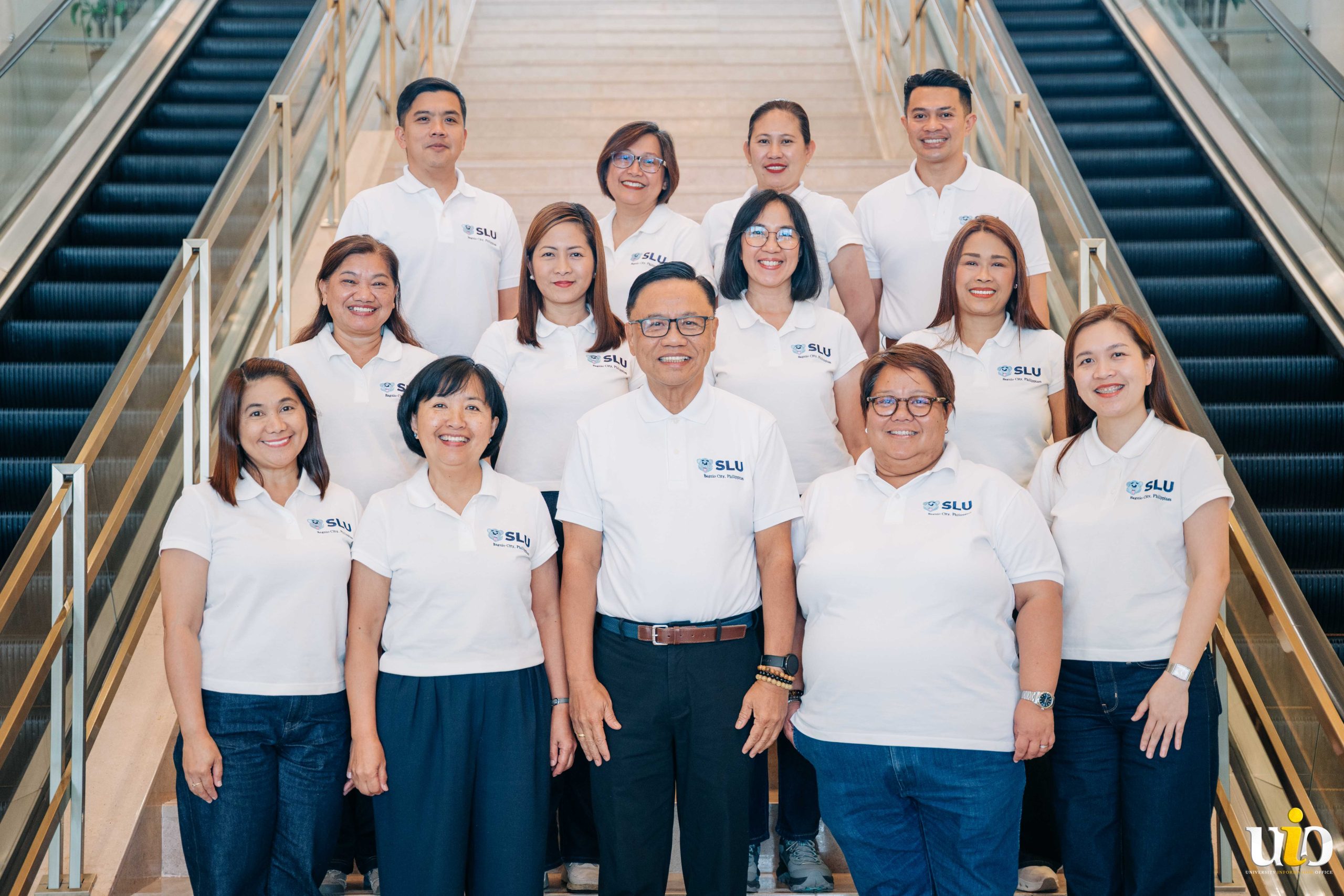
“[W]e gather to look back, and also to look forward. An annual program performance evaluation is an important moment for us as an institution. It gives us the opportunity to celebrate what we have accomplished, to honestly examine where we may have fallen short, and, most importantly, to discern where the Lord is leading Saint Louis University in the years ahead.”—Rev. Fr. Gilbert B. Sales, CICM, PhD, SLU President
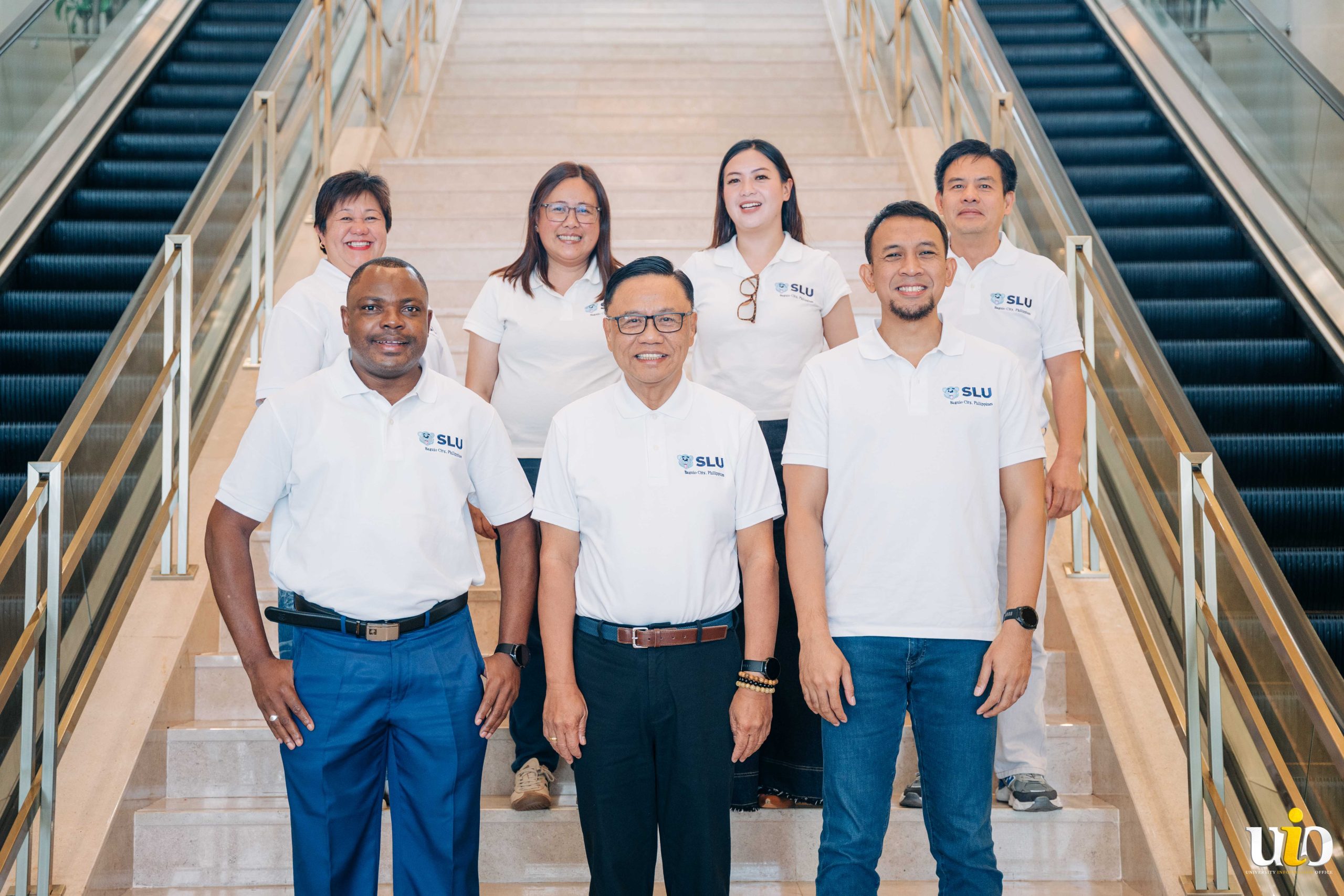
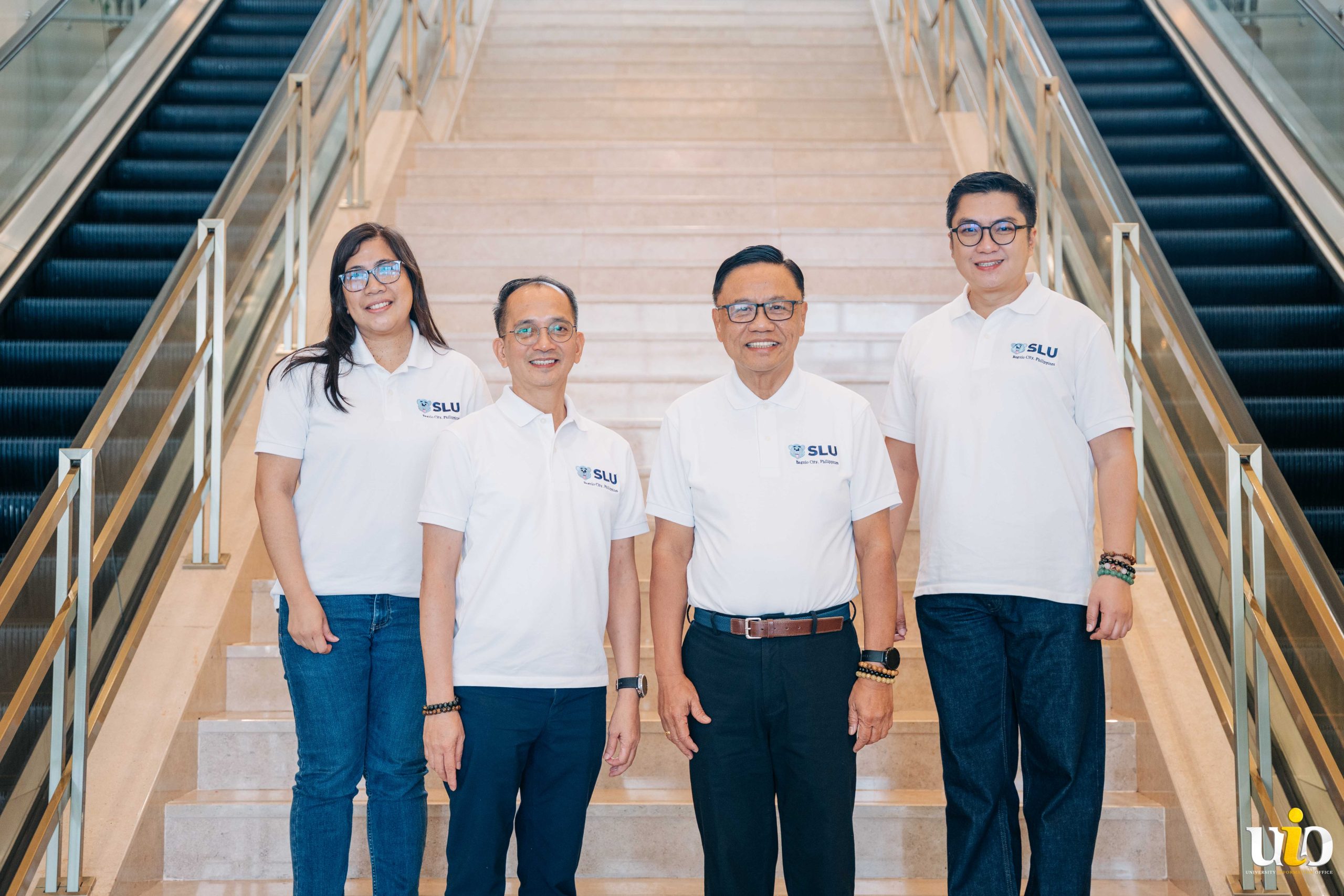
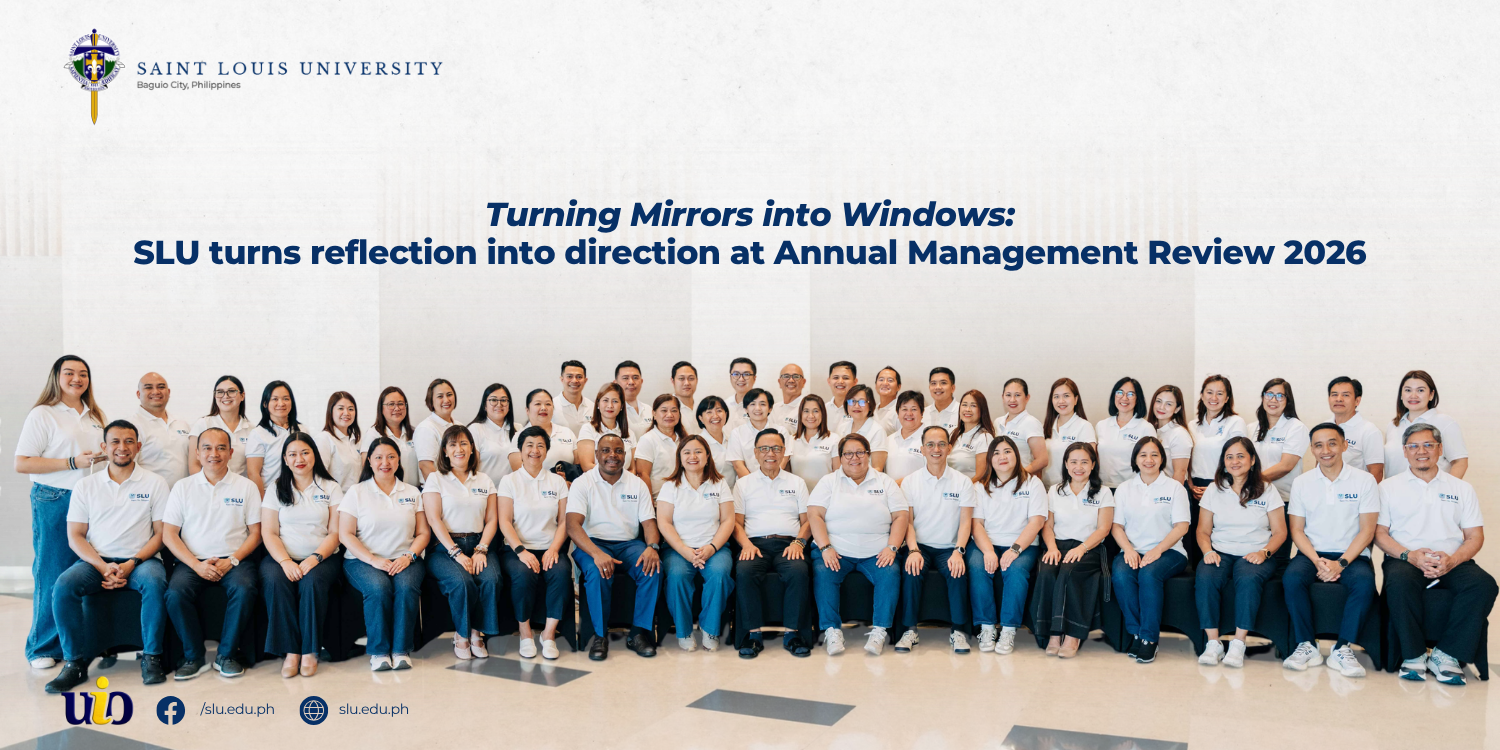
With this spirit, Saint Louis University (SLU) held its Annual Management Review (AMR) for Academic Year 2025–2026 from 25 to 27 August 2026 at Hilton Clark Sun Valley Resort, Clark Freeport Zone, Pampanga, bringing together the University’s Management Team for days of reflection, evaluation, discernment, and strategic planning.
Anchored on the “turning mirrors into windows” theme, this year’s AMR went beyond the traditional review of accomplishments and targets. It became an opportunity for the University to look honestly at its journey, recognize the lessons behind its successes and challenges, and transform those insights into directions for the future.
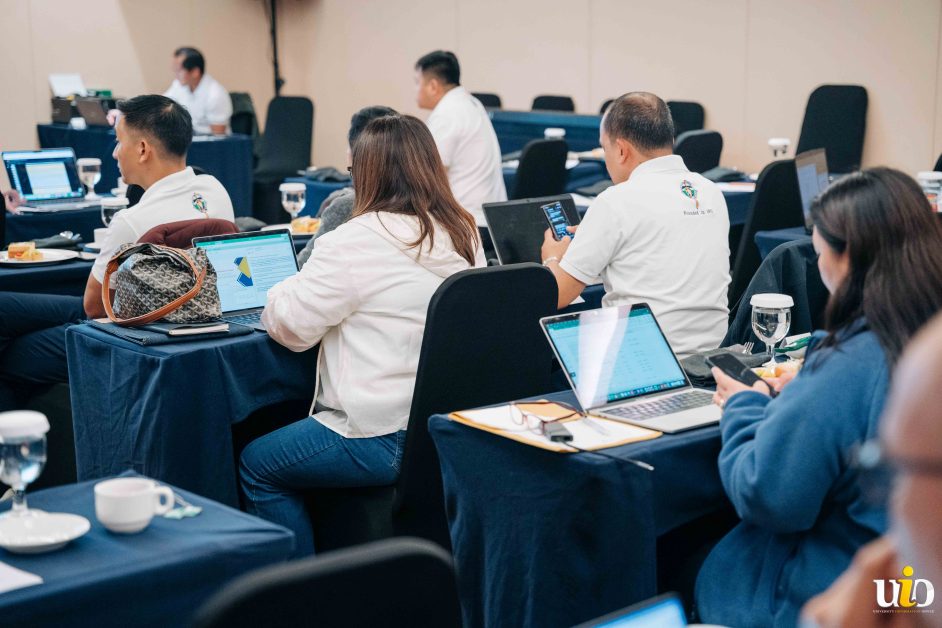
Leaders and representatives from the University’s academic, administration, mission and identity, finance, and president clusters came together to examine institutional performance and determine how individual accomplishments could contribute to a larger vision for SLU.
The gathering ultimately became more than an exercise in reporting. It became a collective reflection on where SLU had been and, subsequently, a shared conversation about where it could go next.
Looking into the Mirror
The first day featured the message from University President Rev. Fr. Gilbert B. Sales, CICM, PhD, who, with gratitude to the SLU Administration, quipped, “We have many reasons to be grateful for the past year. We have successfully passed various accreditations. We have continued to pursue ISO certification and quality improvement. We have made significant progress in AUN-QA, with eight programs going through this important international quality assurance process. And once again, our graduates have performed very well, even excellently, in many of the national board examinations.” He, nonetheless, added, “[W]hile we celebrate our achievements, we must also recognize the realities that are confronting us” and then posed a number of challenges to the SLU Administration. Along with the challenges, he asked the following fundamental questions:
- Are our students truly learning?
- Are our graduates employable, adaptable, and prepared for a rapidly changing world?
- Are our teachers and our students flourishing?
- Are we using artificial intelligence and technology wisely and responsibly?
- And perhaps most importantly, what distinctly human and moral formation do we provide that technology cannot?
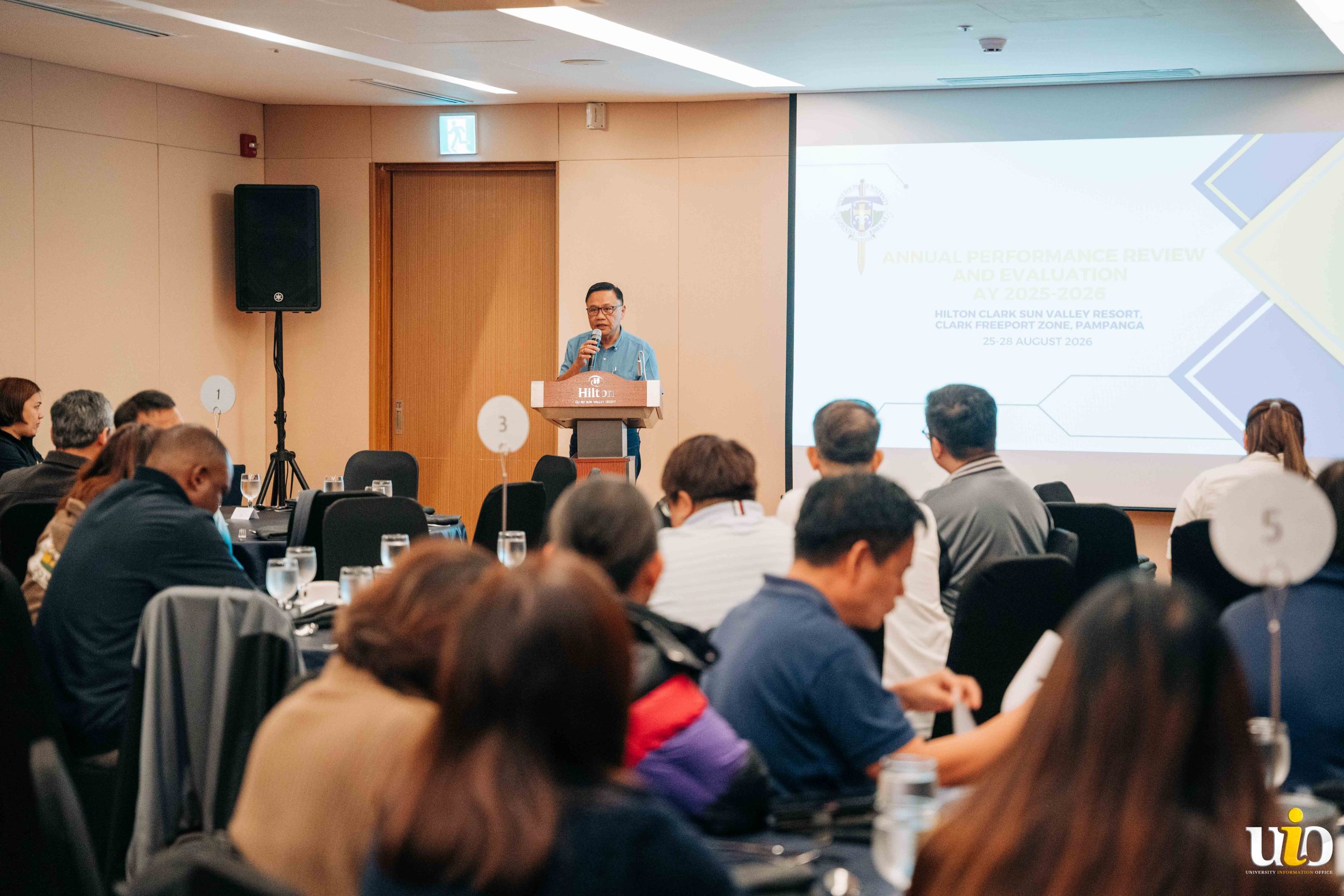
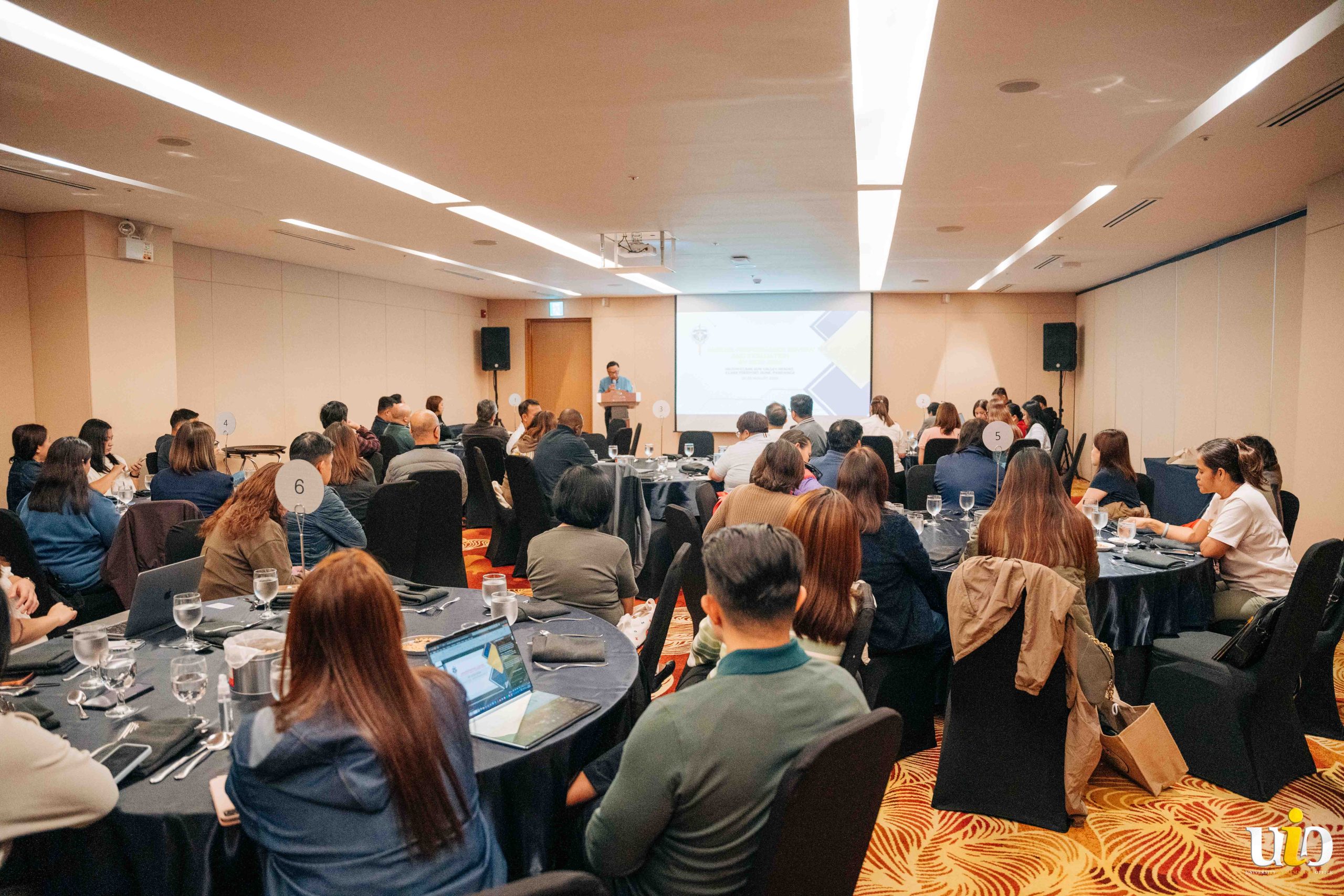
Further, the University President noted key points in the crafting of strategic directions for “SLU 2032” which center on holistic development of Louisians, for them to learn to turn their mirrors into windows.
Fr. Gilbert then concluded by saying, “Let us celebrate what we have achieved. Let us acknowledge where we need to improve. Let us challenge ourselves to think differently. And let us have the courage to imagine an even better Saint Louis University— not simply a university that is excellent, but a university whose excellence serves a greater purpose… And may everything we do continue to fulfill our vocation as a Catholic and CICM university: transforming persons and transforming communities.” This was followed by the presentation of the APRE 2026 Rationale by Office of Institutional Development and Quality Assurance (OIDQA) Director Hector L. Martin, PhD.
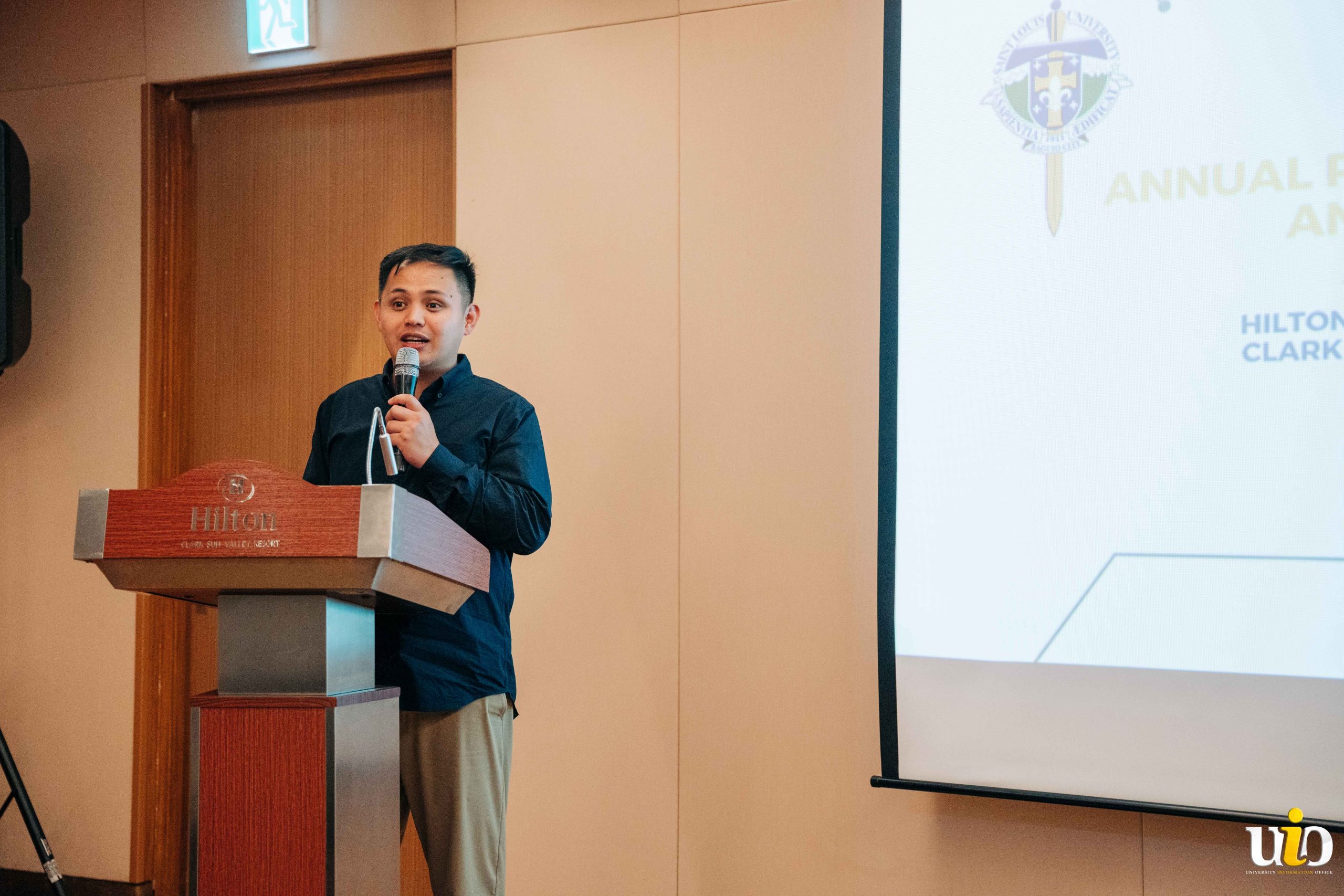
The opening set the tone for the days ahead: before an institution could determine where it wanted to go, it first had to be willing to look closely and honestly at where it stood.
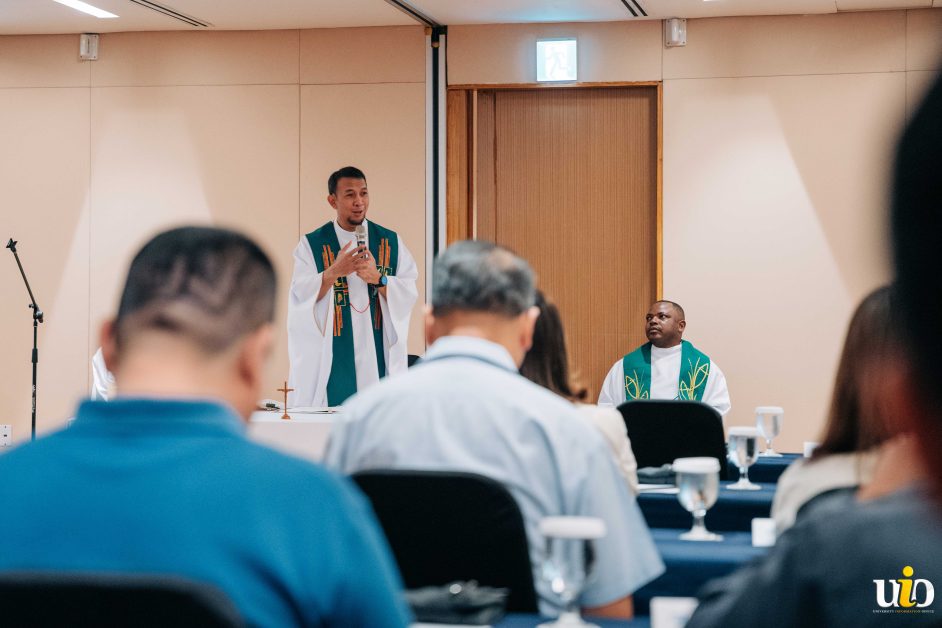
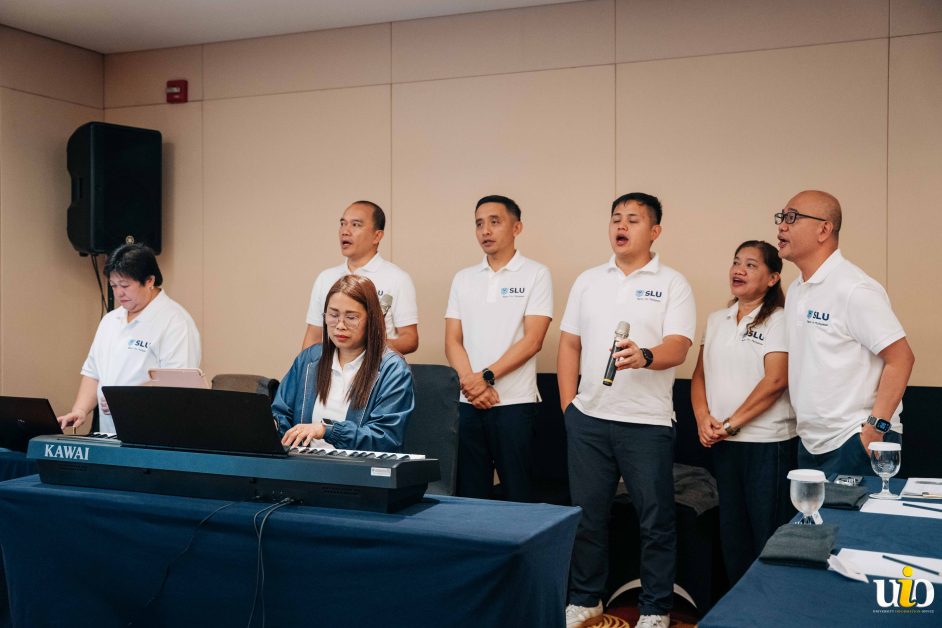
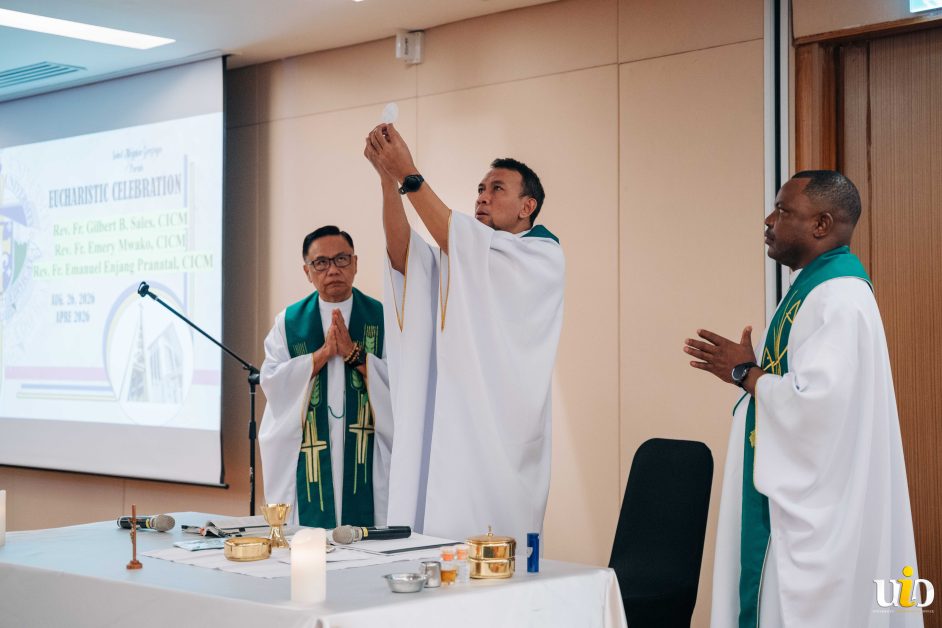
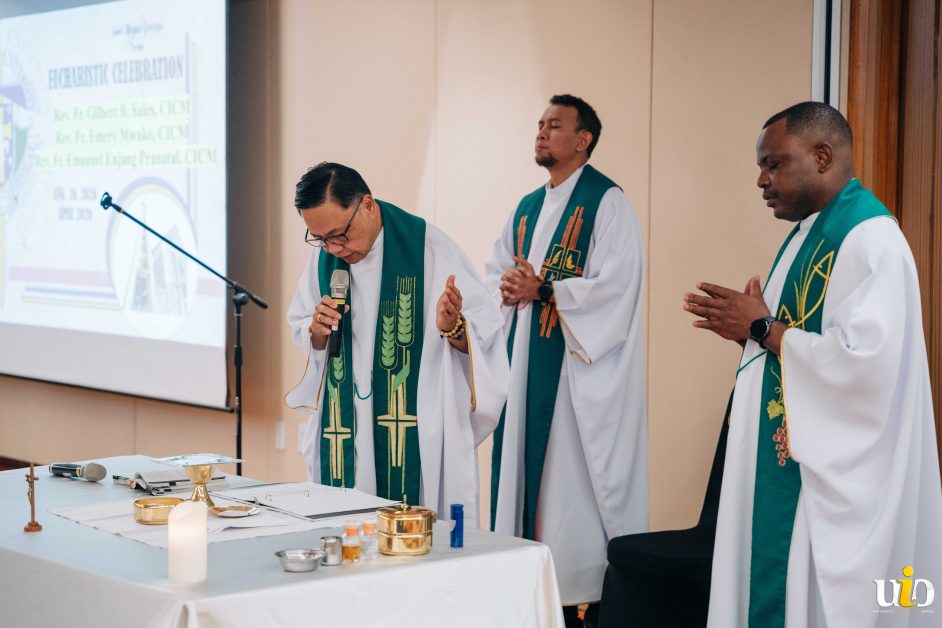
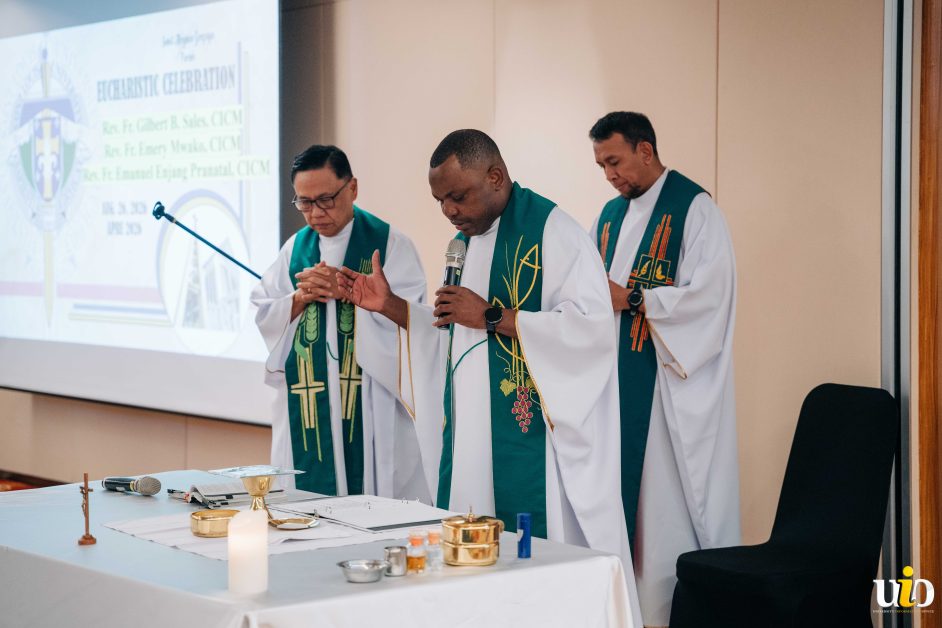
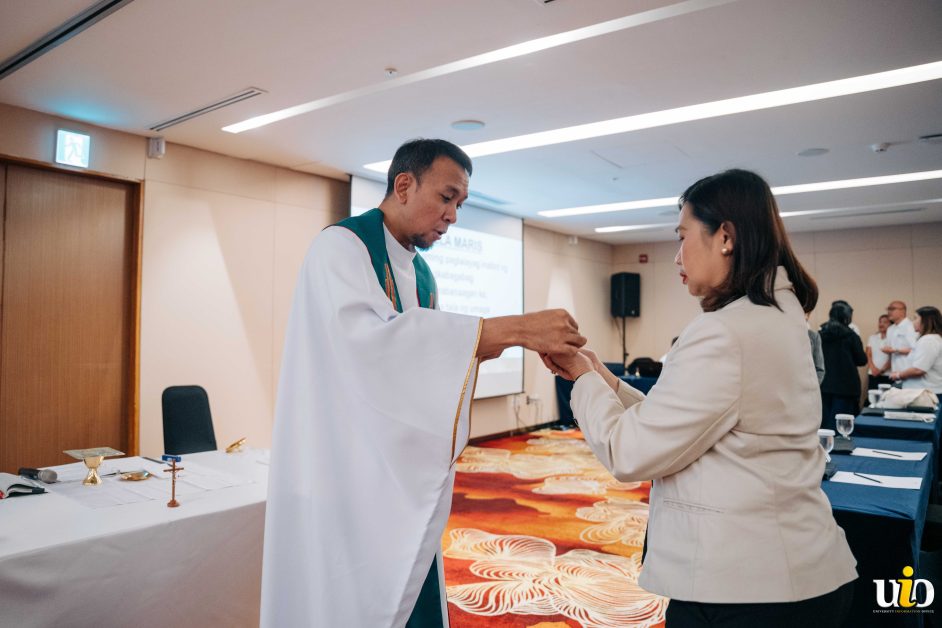
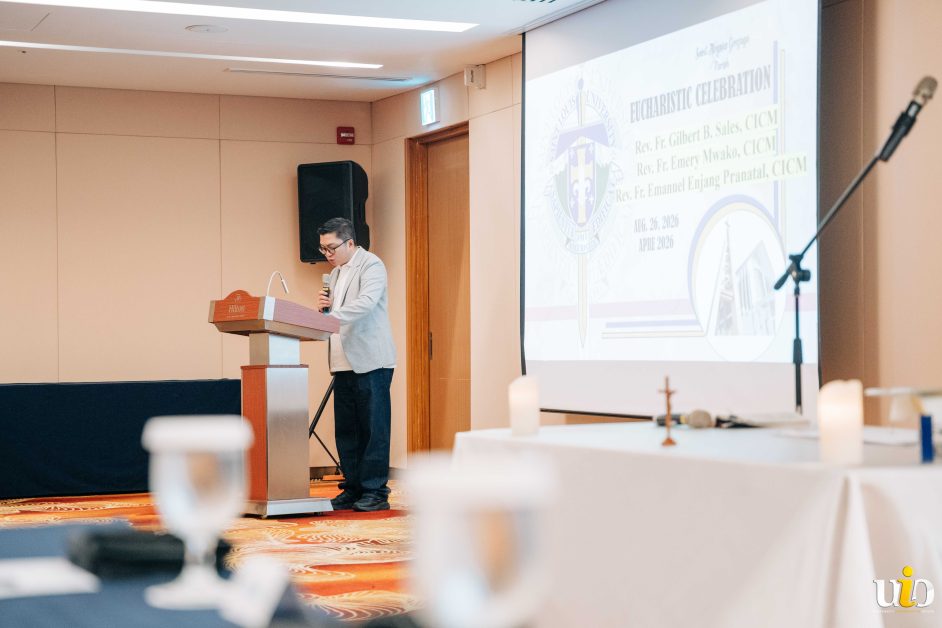
The second day then opened with a Eucharistic Celebration presided by Assistant Parish Priest and Hospital Chaplain Rev. Fr. Emanuel Enjang Pranatal, CICM, with concelebrants Fr. Gilbert and Vice President for Mission and Identity Rev. Fr. Emery Mwako Ebumea, CICM. Fr. Enjang talked of the importance of prioritizing not only “external show” but more so “internal glow”— to focus on quality from within. “Let us (continue) to build a community of love, mercy, and compassion,” he remarked.
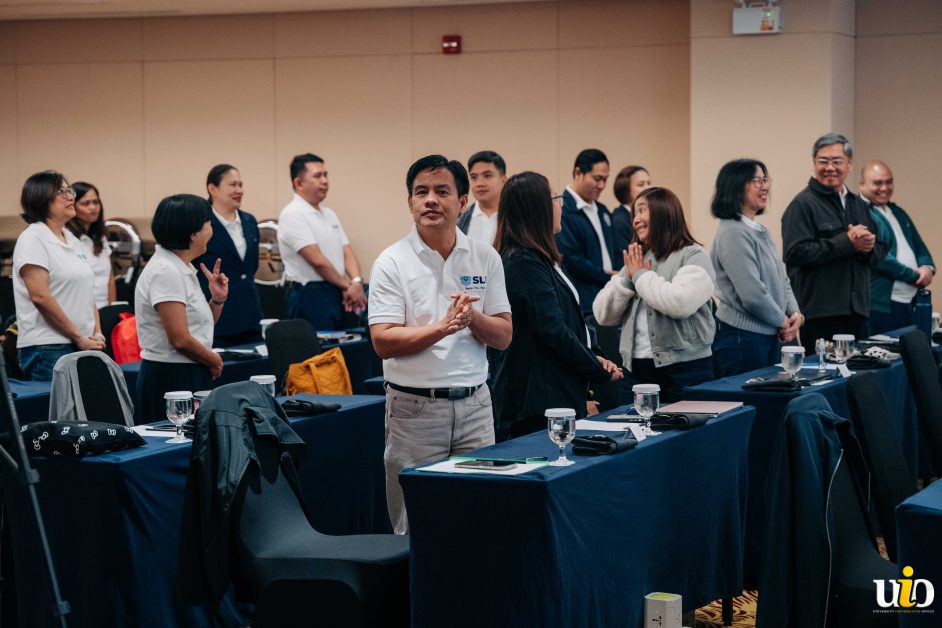
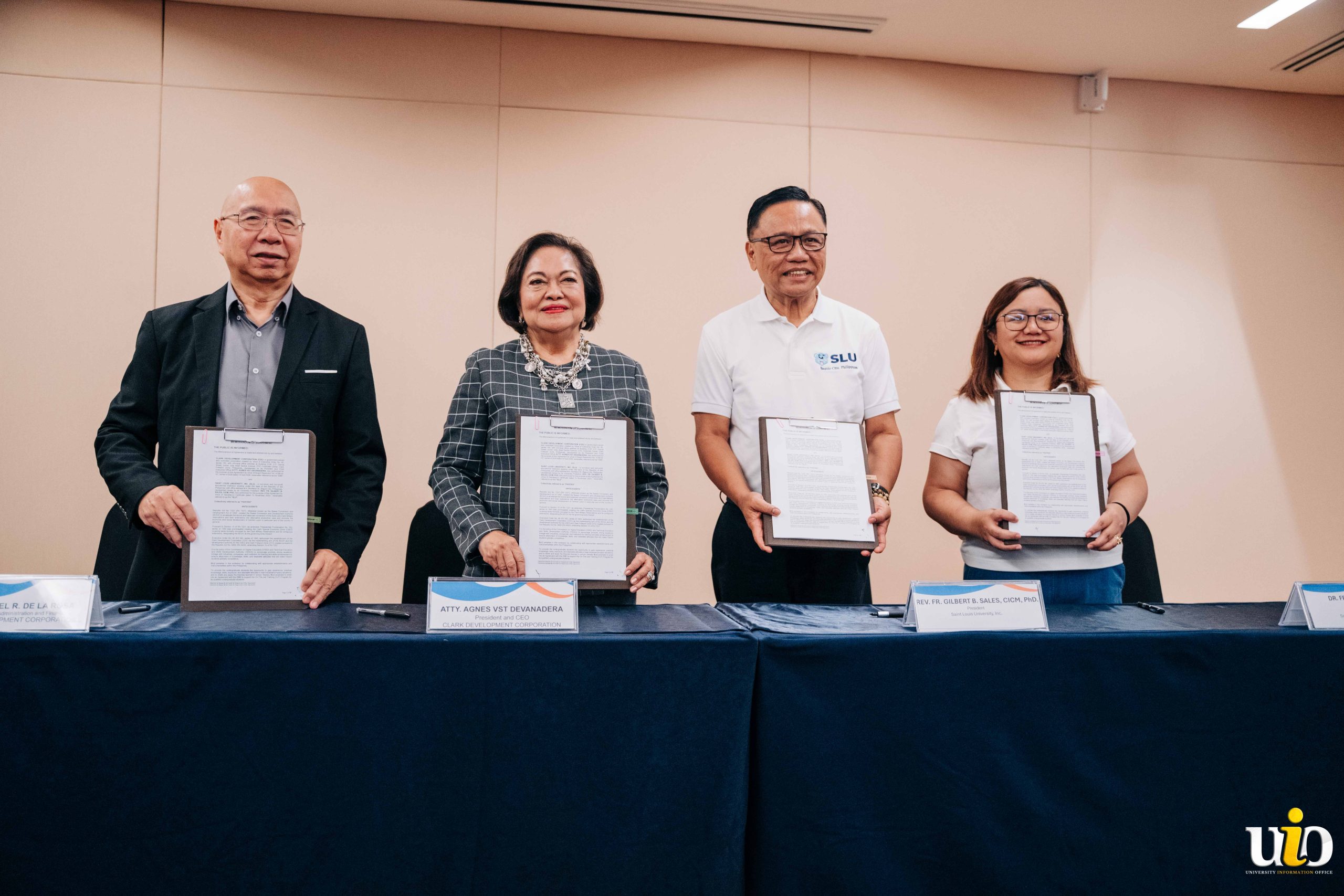
Thereafter, the University, through Fr. Gilbert, inked a Memorandum of Agreement with Clark Development Corporation, through President and Chief Executive Officer Atty. Agnes VST Devanadera, for the internship of Lousians, under CDC’s “Town and Gown” Program.
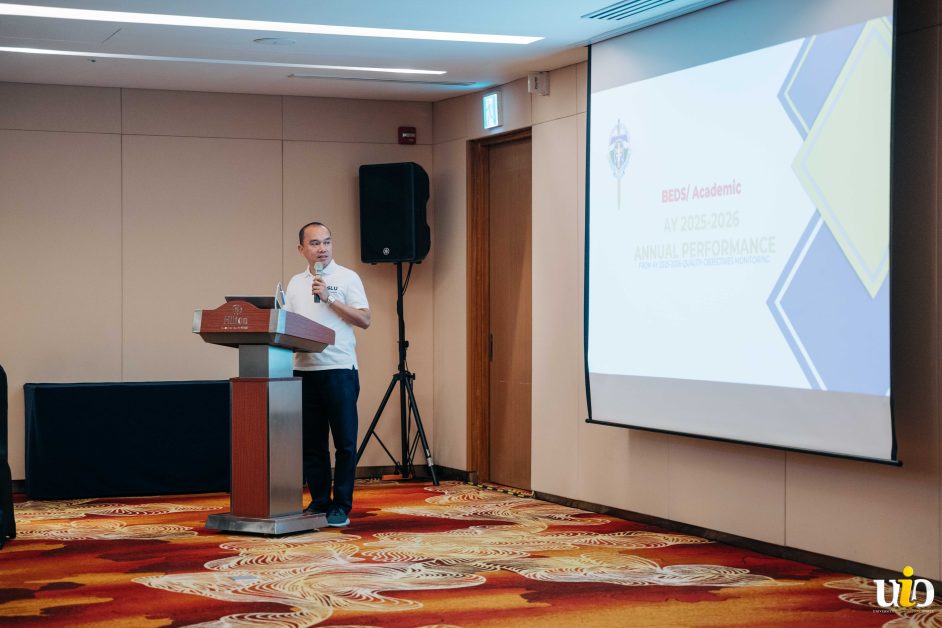
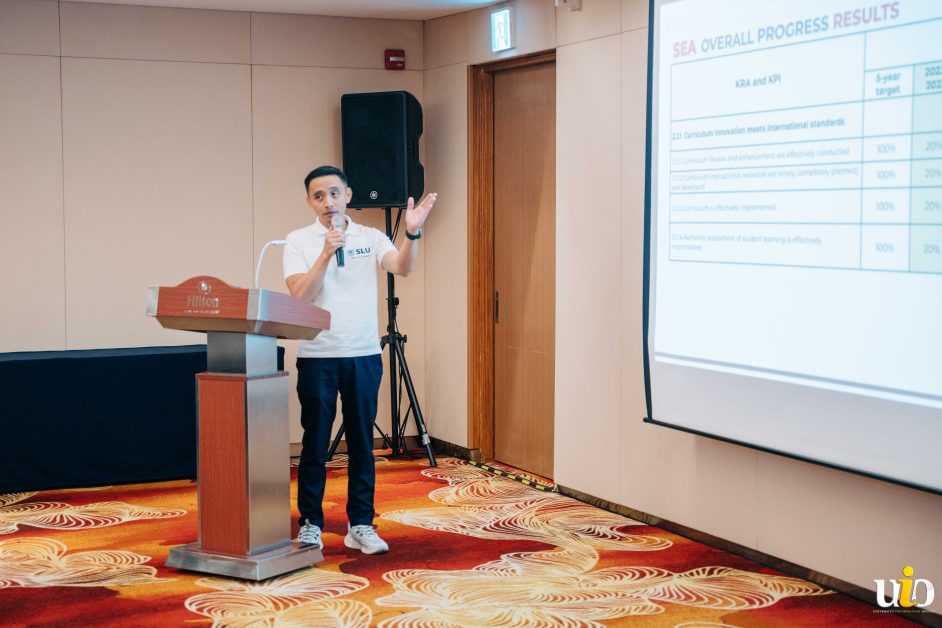
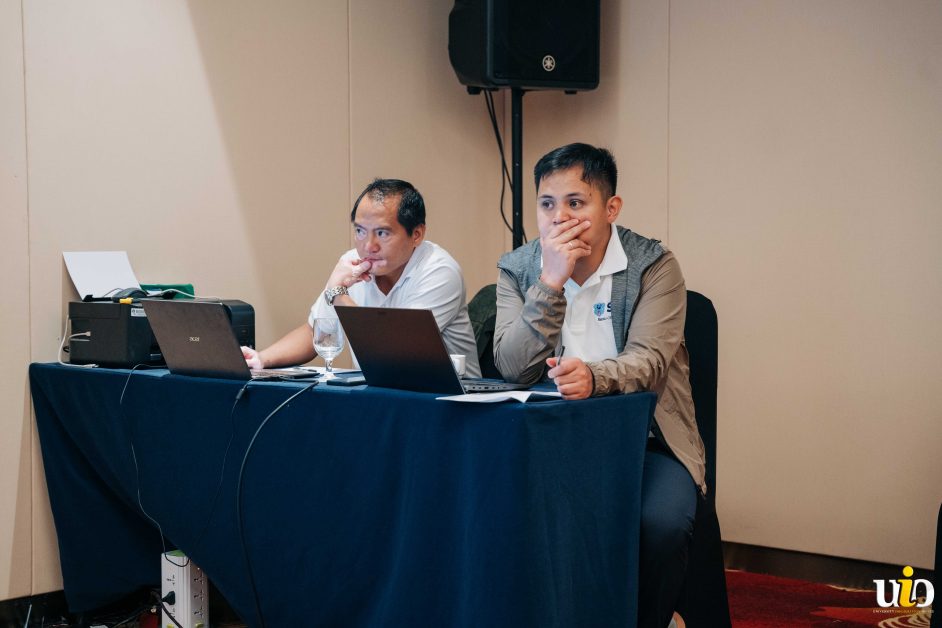
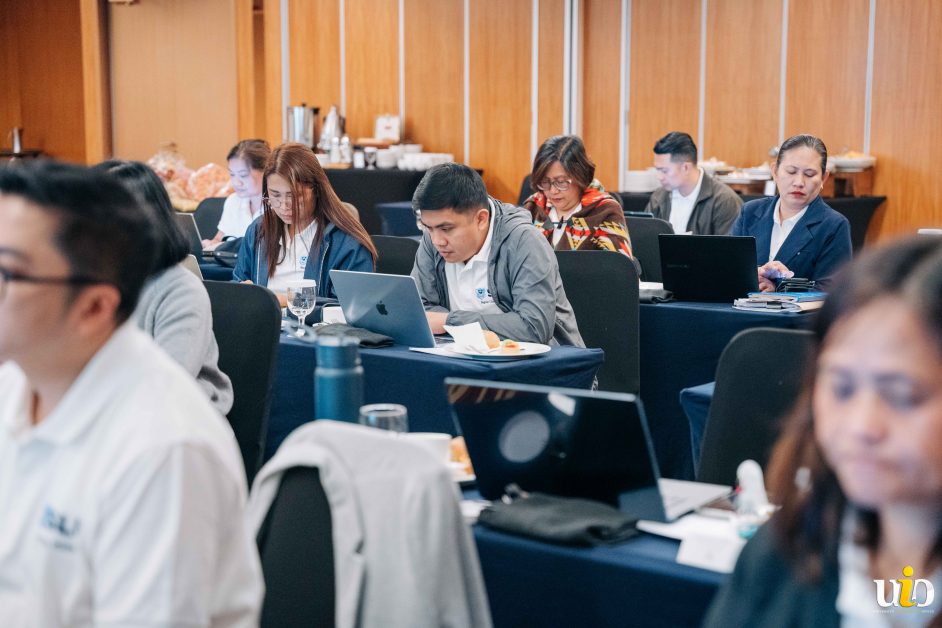
The day’s major undertaking was Part 1: Performance Review, featuring the Annual Performance Reports for Academic Year (AY) 2025-2026 from the University’s different units and clusters.
Academic Cluster by the different principal/deans/heads:
- Basic Education School (Alejandro Pablico)
- School of Accounting, Management and Computing Studies (Glory Dela Peña, PhD)
- School of Advanced Studies by (Faridah Kristi Wetherick, PhD)
- School of Engineering and Architecture (Engr. Jeffrey Des Binwag)
- School of Law (Atty. Yasmine Lee Tadeo)
- School of Medicine (Dr. Myrna Espiritu)
- School of Nursing, Allied Health and Biological Sciences (Ann Opiña, PhD)
- School of Teacher Education and Liberal Arts (Mary Pauline Namoca, PhD)
- Academic Support Units– namely: Office of Global Relations and Alumni and Scholarship Program (OGRAASP), Research, Innovation, and Sustainable Extension Center, University Libraries, and University Registrar’s Office– by Stephenie Busbus, PhD (OGRAASP Director)
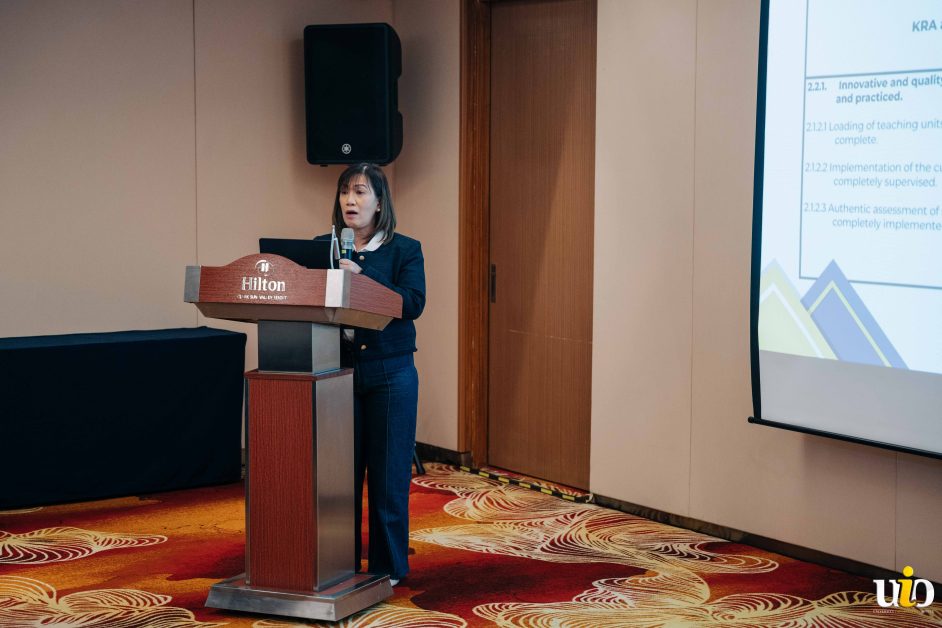
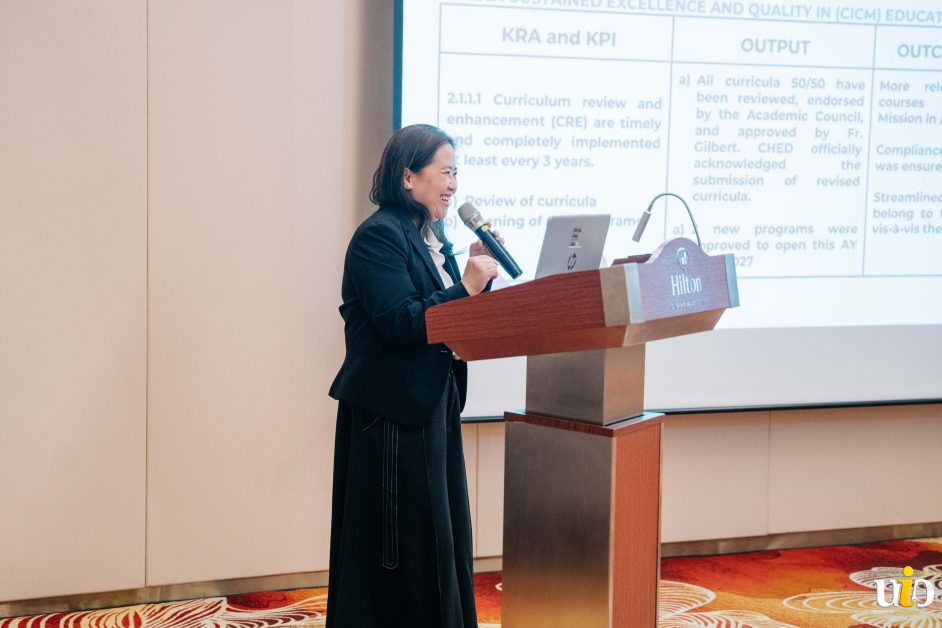
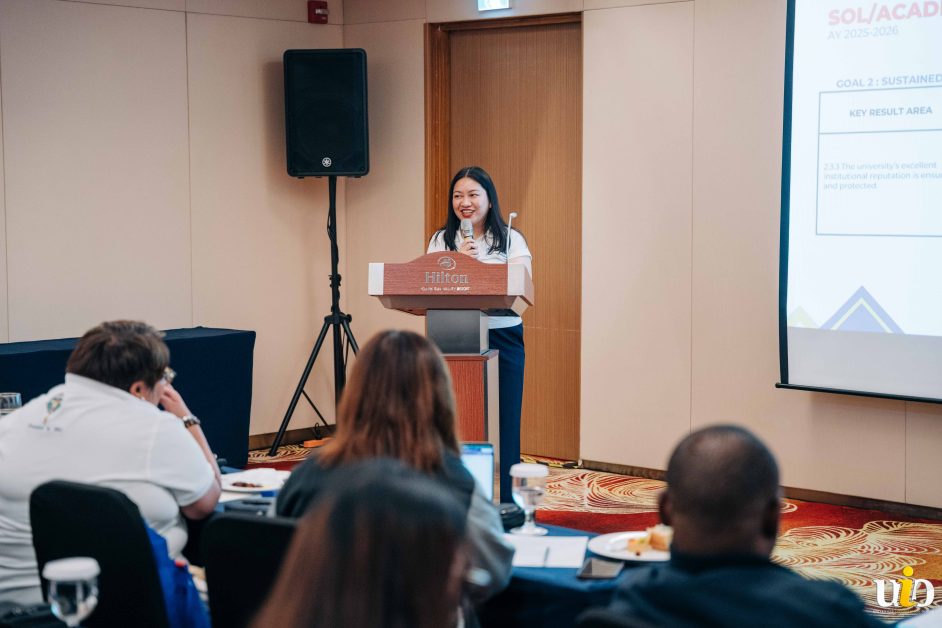
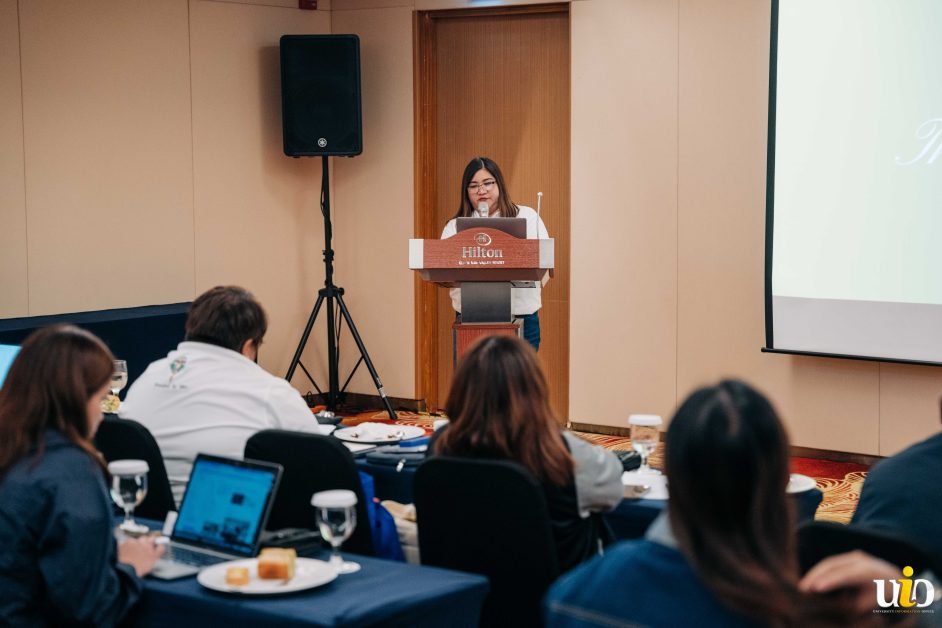
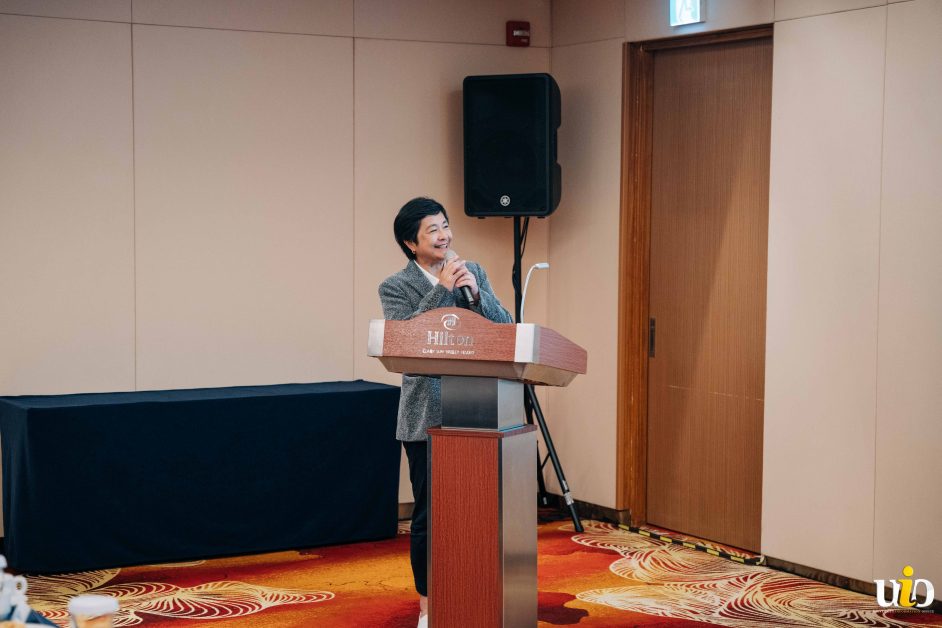
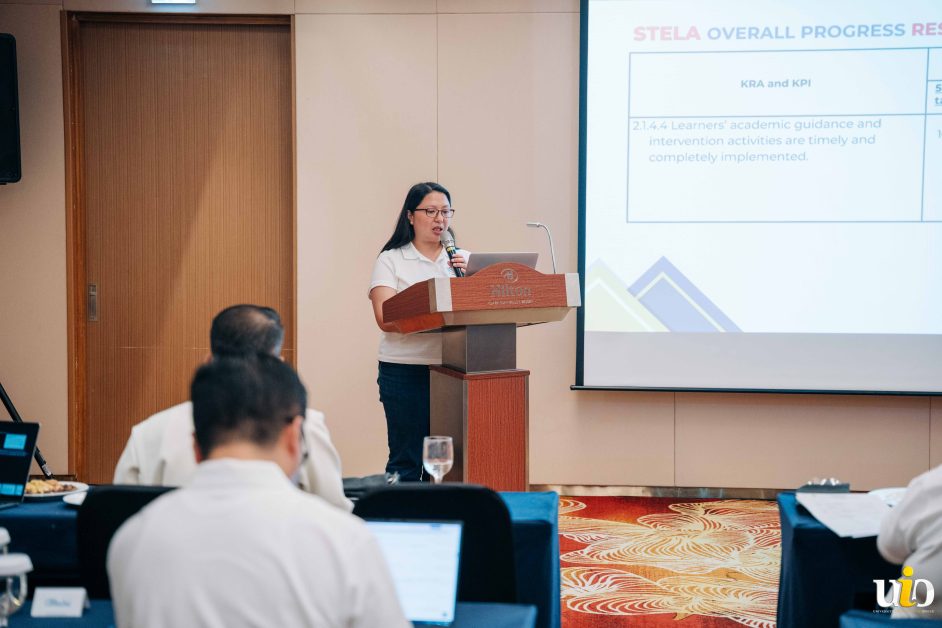
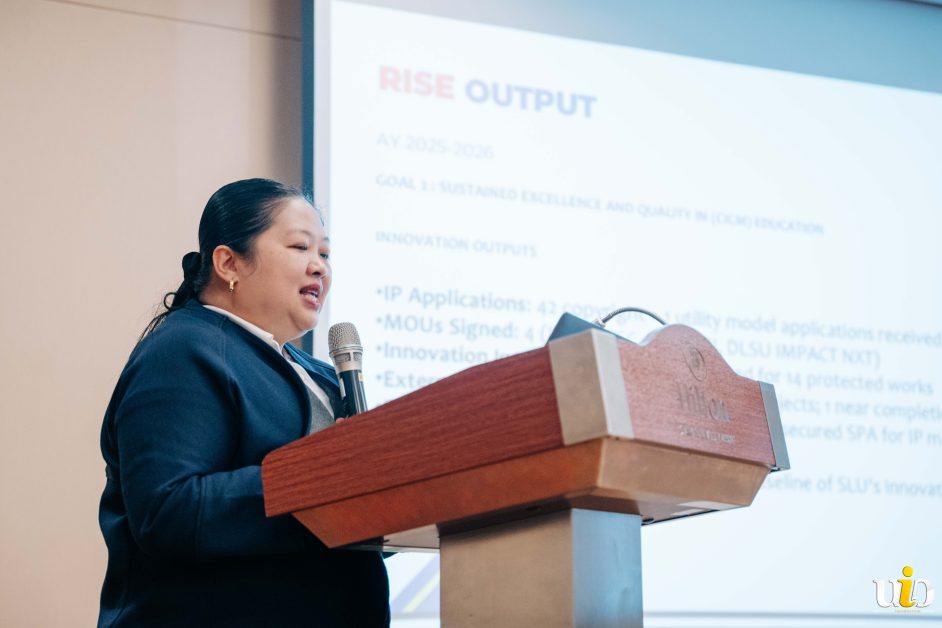
Mission and Identity Cluster– namely: Center for Campus Ministry (CCM), Museum for Indigenous Cultures and Arts, University Outreach Programs Office, Sunflower Child and Youth Wellness Center (SCYWC)– reported by Jennifer Garcia (SCYWC Head)
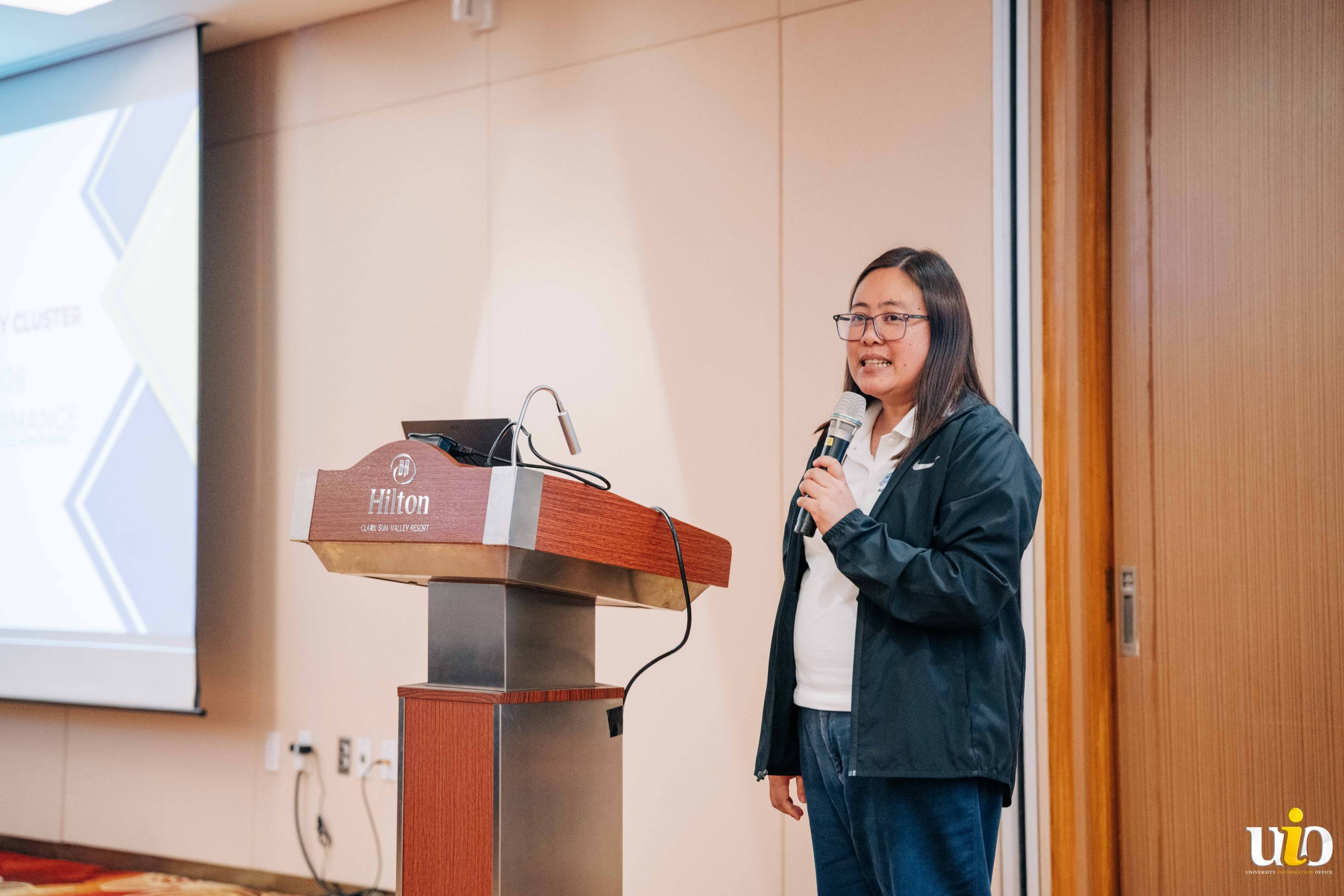
Administration Cluster
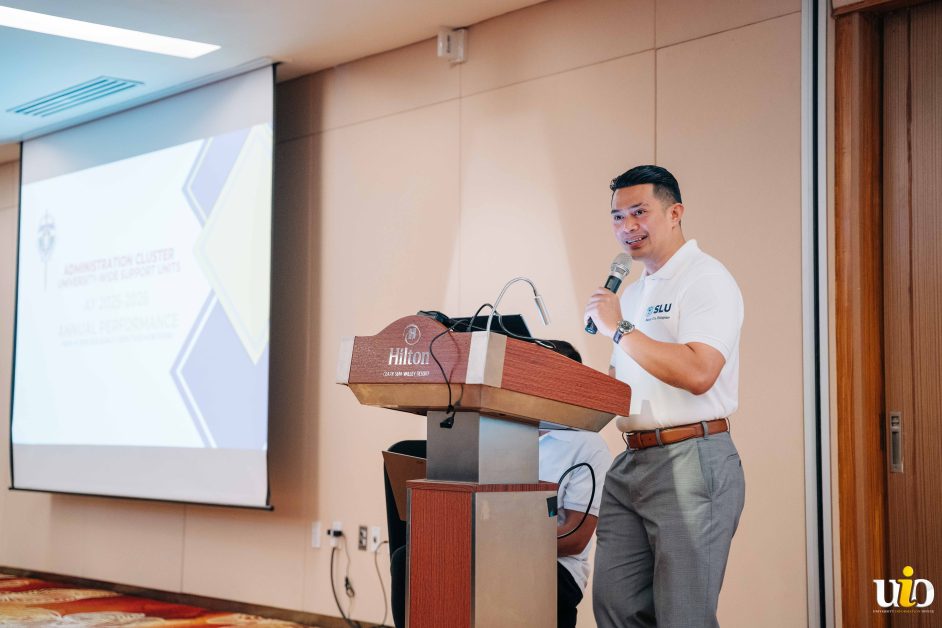
- University-Wide Support Units– namely: Campus Planning Maintenance and Security Department (CMPSD), Data Protection Office, Information Systems and Technology Services Department (ISTSD), Health Services Units, Human Resource Department, Office for Legal Affairs (and University Information Office or UIO)– presented by CPMSD Director Jeffrey James Gamit
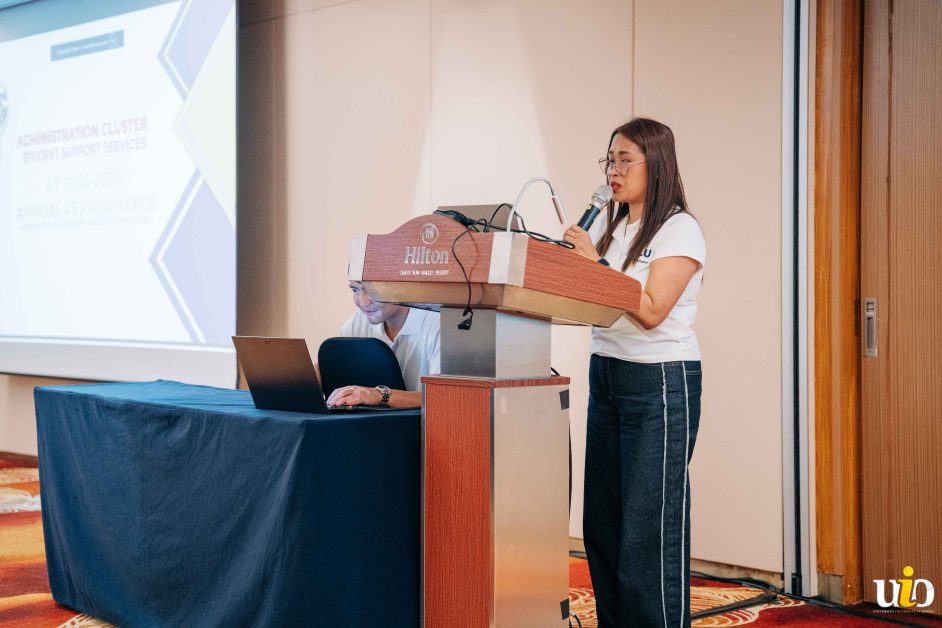
- Student-Support Services Units– namely: Center for Culture and the Arts, Center for Counseling and Wellness, Center for Sports Development, Office of Student Affairs and Services, Residence Halls (RH), and Talged Center– reported by CCA Head Normita Pablico
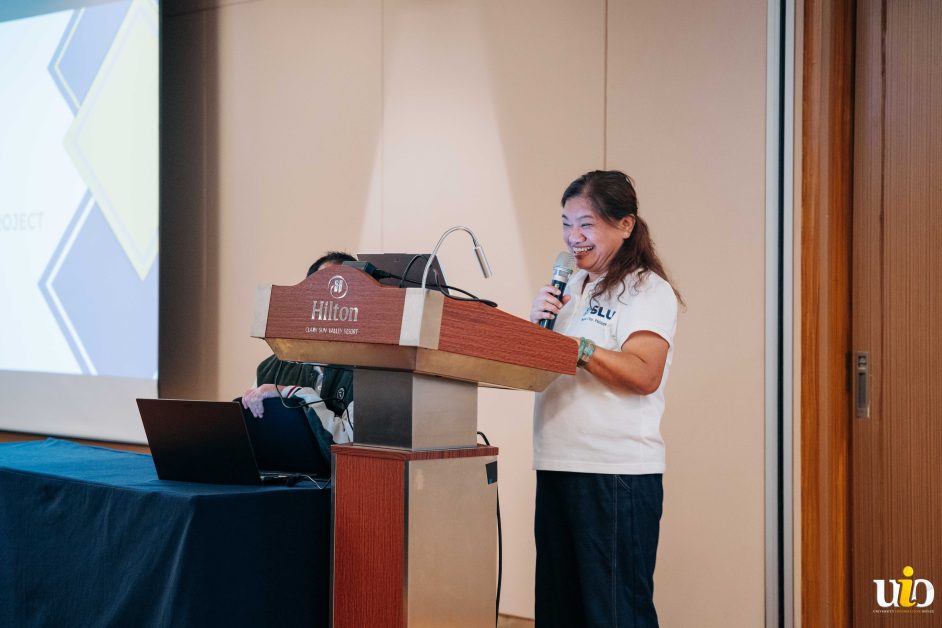
- The status of the Digital Campus Project was also presented by ISTSD Chief Cecilia Mercado, PhD.
President Cluster
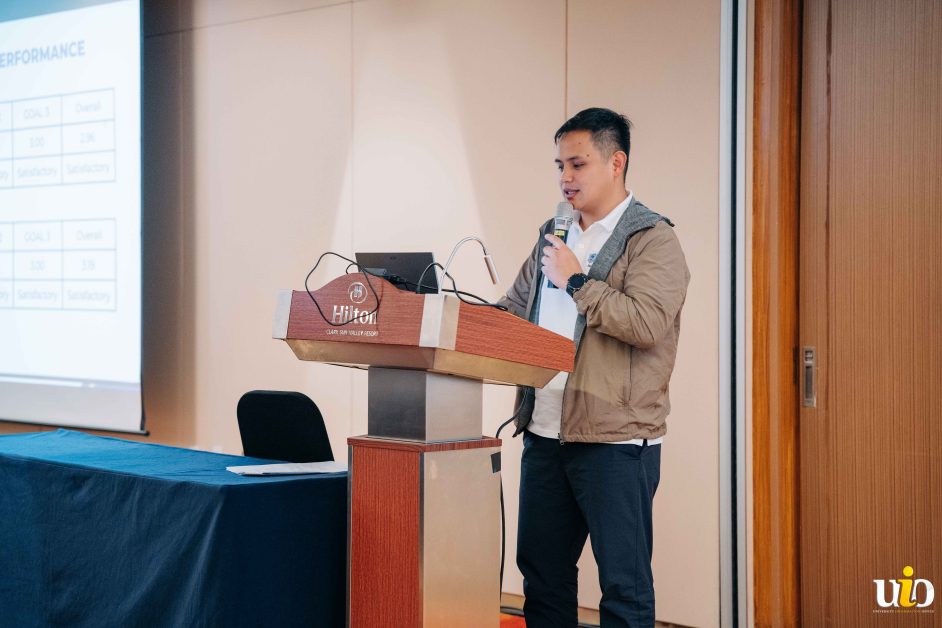
- Internal Audit and OIDQA- reported by Dr. Martin
- UIO (included in the Administration Cluster Report)
Finance Cluster report was presented by Assistant Treasurer Allan Frank Silva; while the Sacred Heart Medical Center report was presented by Office of Patient Experience Head Aldren Remon, PhD, and by Medical Director, Dr. Jason Bacani.
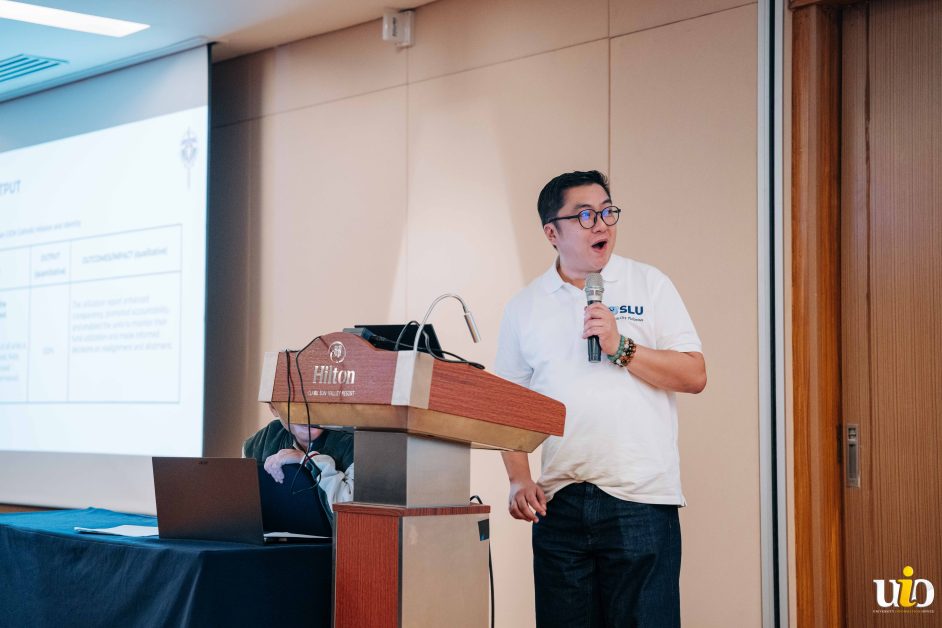
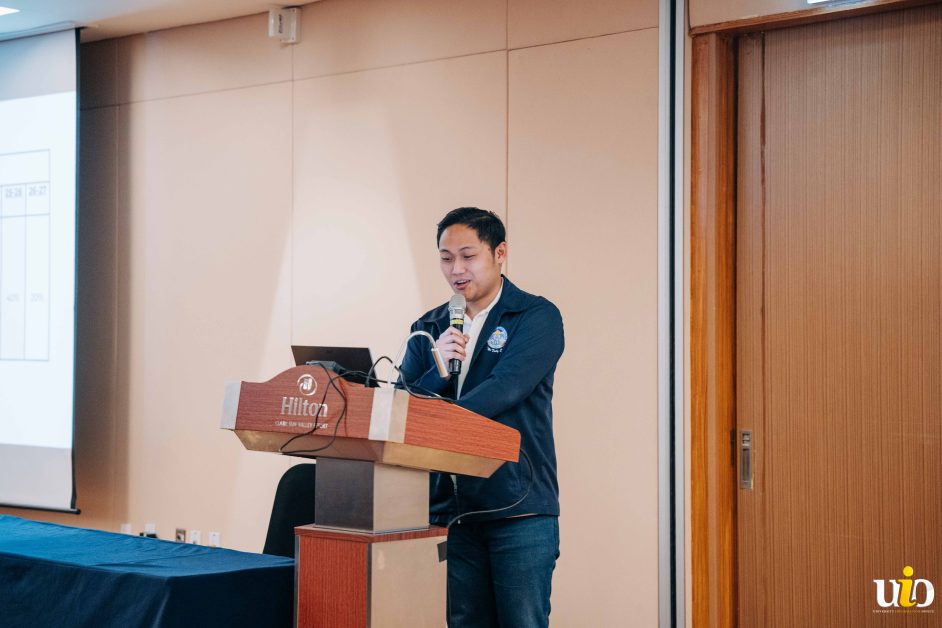
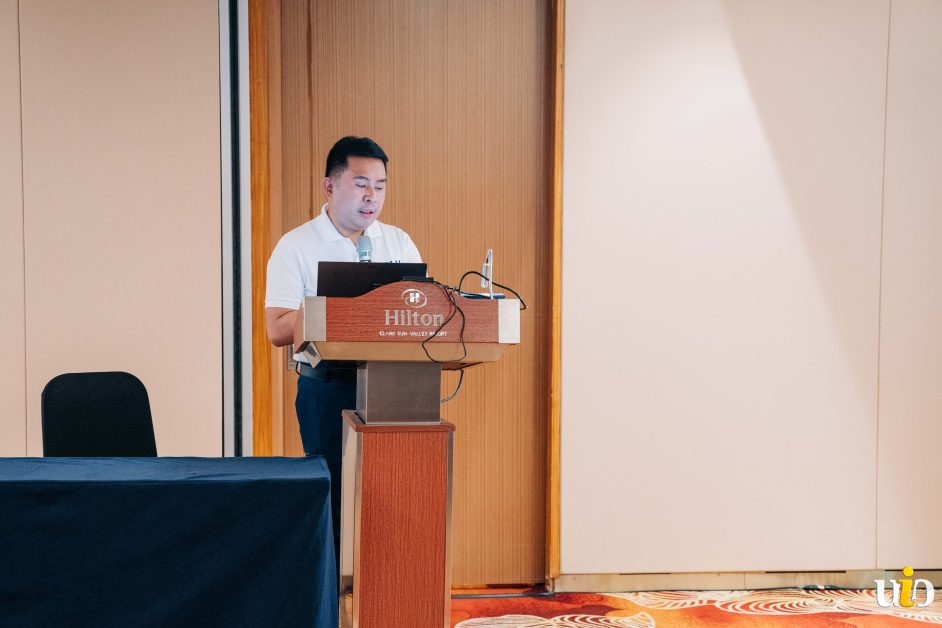
The afternoon sessions expanded the conversation beyond operational performance.
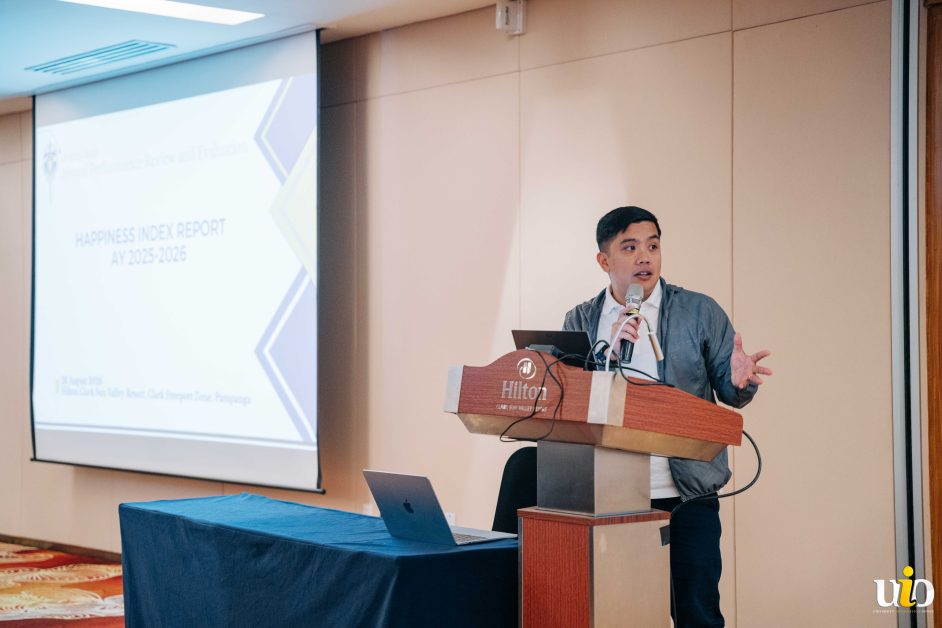
The Strategic Performance and Organizational Climate Report featured the Impact Assessment Survey Report and Happiness Index Report, presented by Associate Dean Geraldine S. Wakat, PhD, and Human Resources Department Director, Jeremy Lee L. dela Cruz, respectively. These reports offered another perspective on institutional performance by examining not only what the University had done, but also the impact of its work and the organizational environment to different stakeholders, including the people who helped carry out the mission.
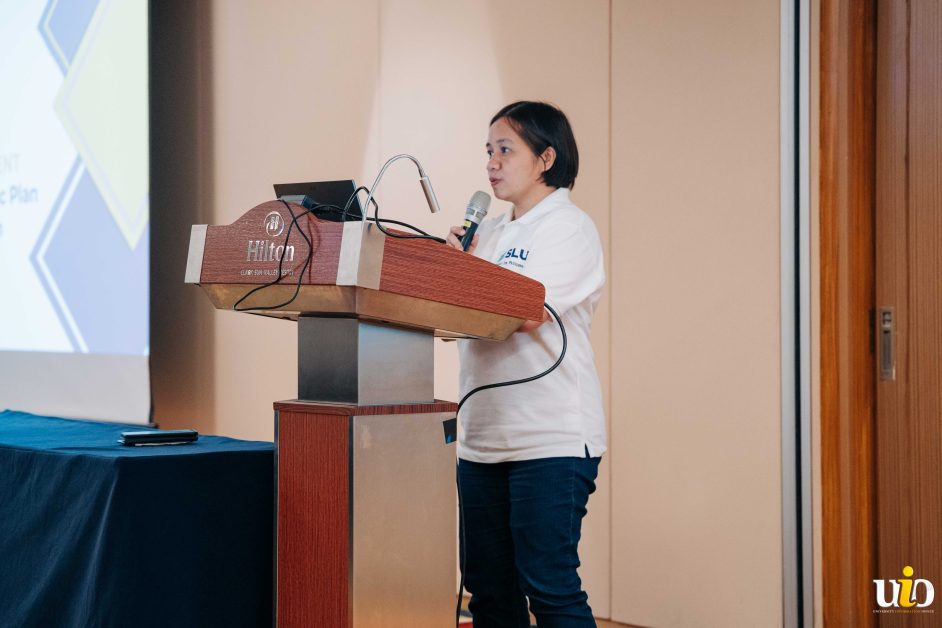
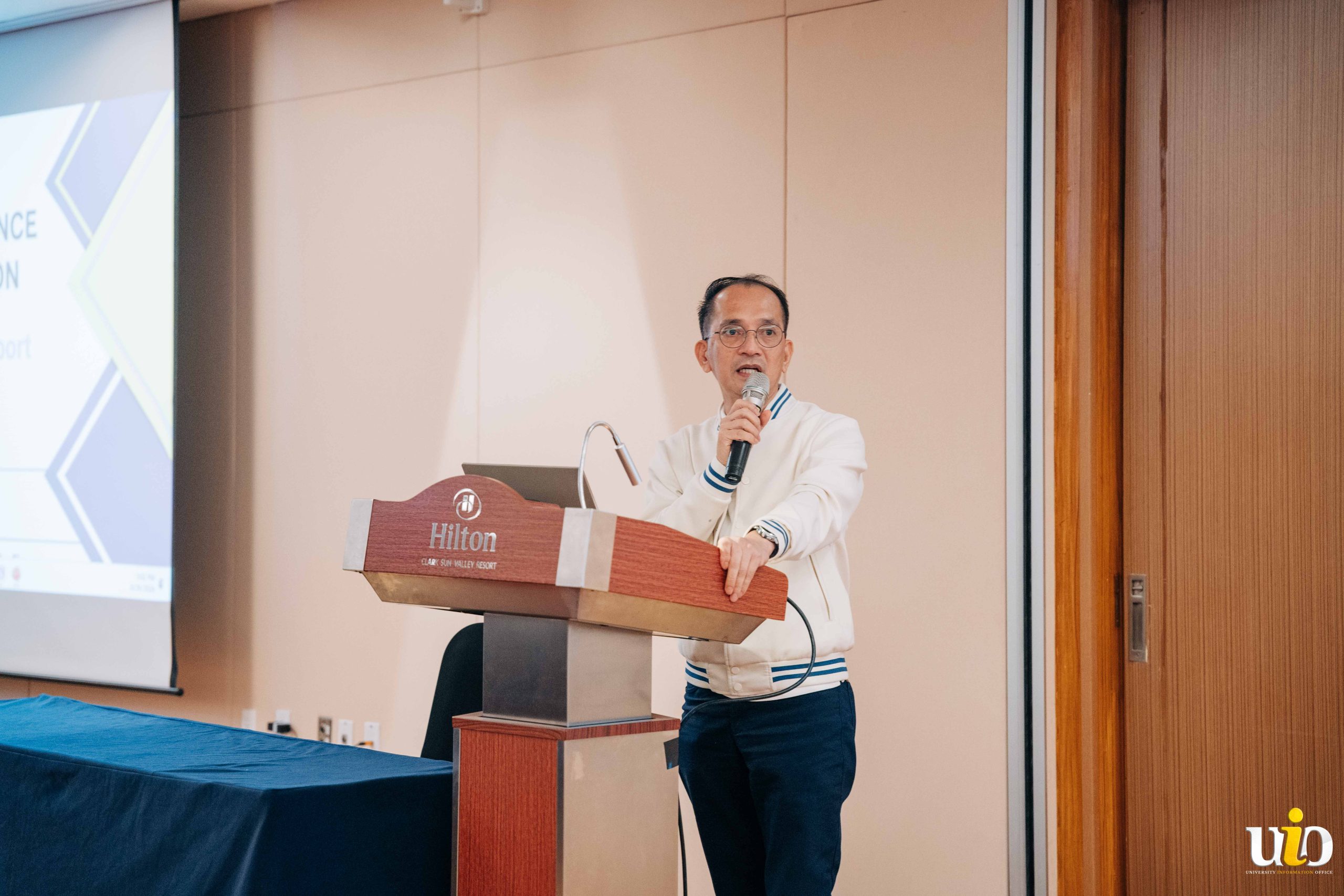
The Financial Performance Report, presented by Vice President for Finance Roberto M. Arguelles, PhD, likewise provided the Management Team with an important perspective on the University’s financial performance and stewardship.
Opening the Window
The third day marked a decisive movement toward the future.
Following Morning Praise led by Center for Campus Ministry Director Mary Glenda Rafanan, the Management Team proceeded to Part 3: Annual Operational Targets for AY 2026–2027.
The different schools and clusters presented their operational targets and expected outputs, translating institutional priorities into concrete commitments for the coming academic year. The discussions demonstrated how reflection could become action. The accomplishments and lessons of AY 2025–2026 informed the priorities for AY 2026–2027.
The mirror was becoming a window. The University was no longer looking only at what it had done. It was beginning to see what it could do next.
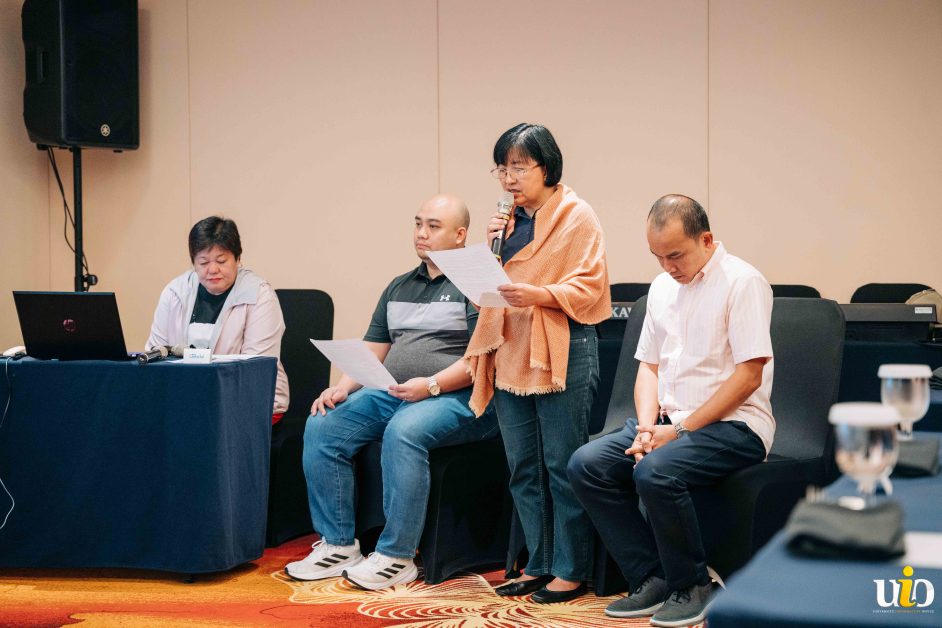
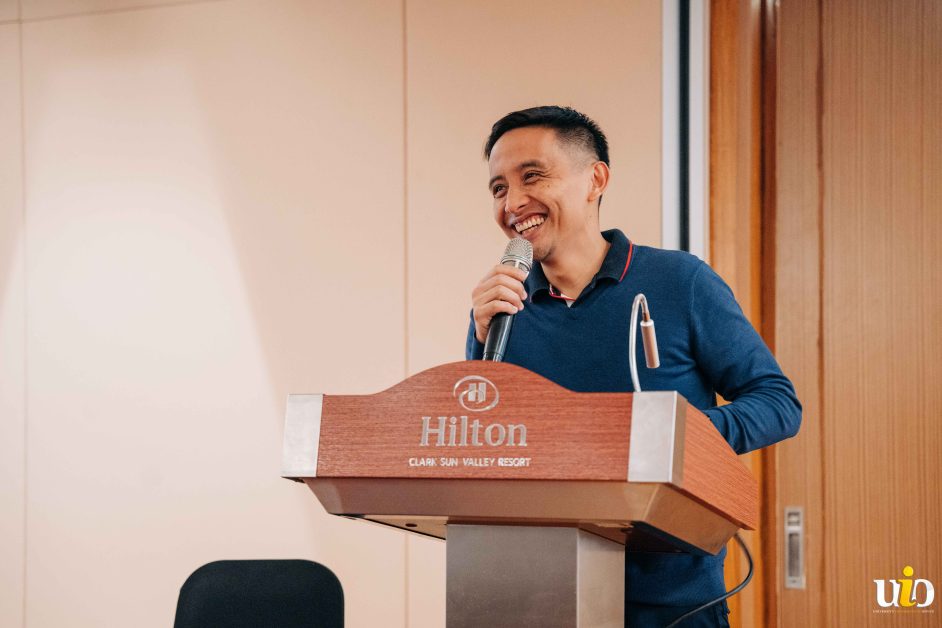
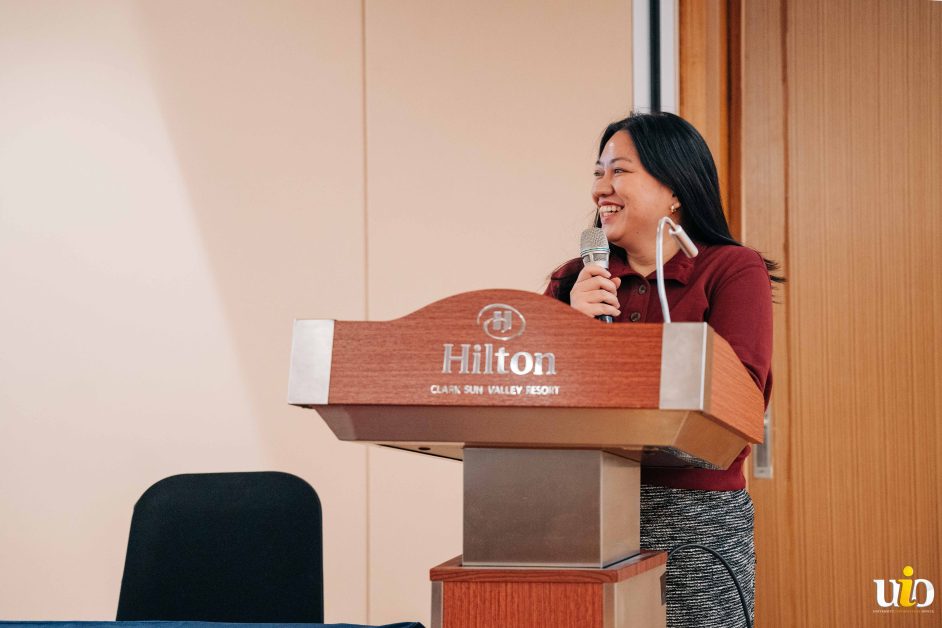
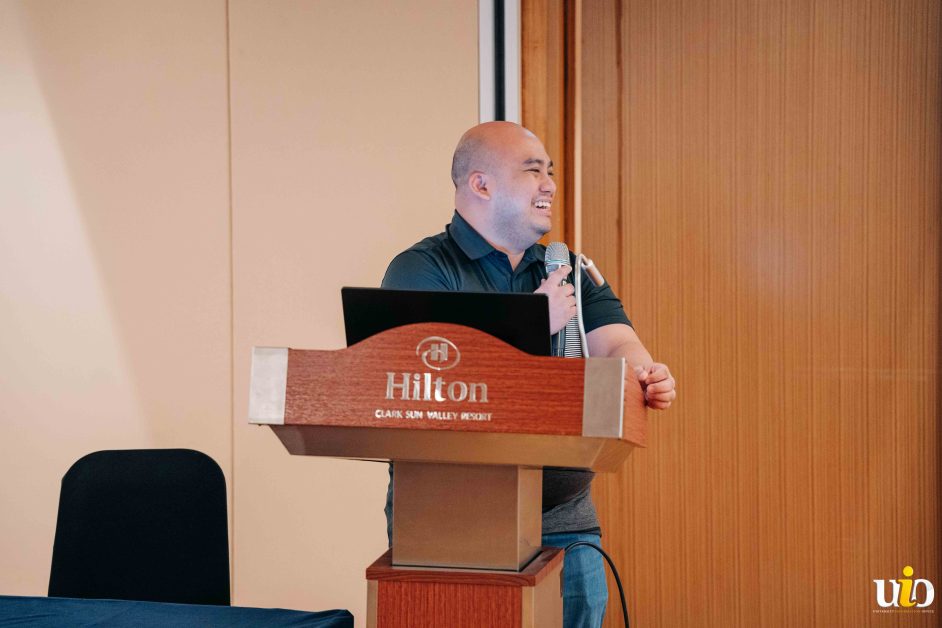
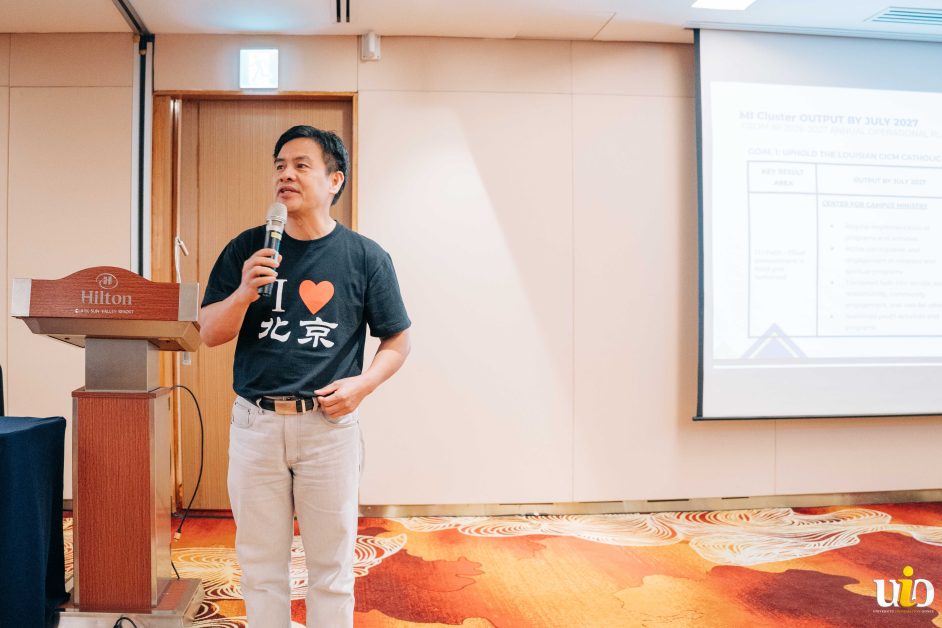
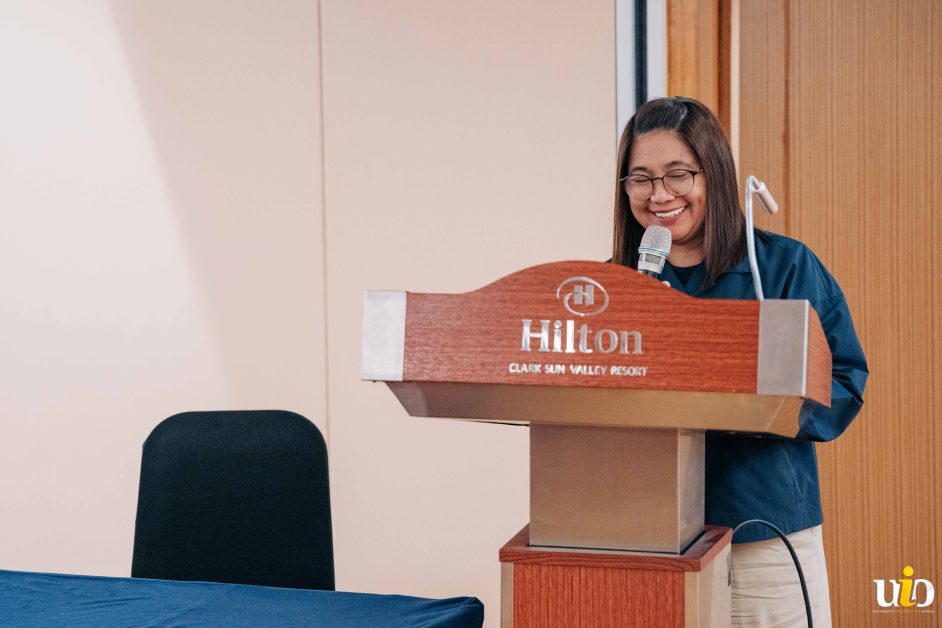
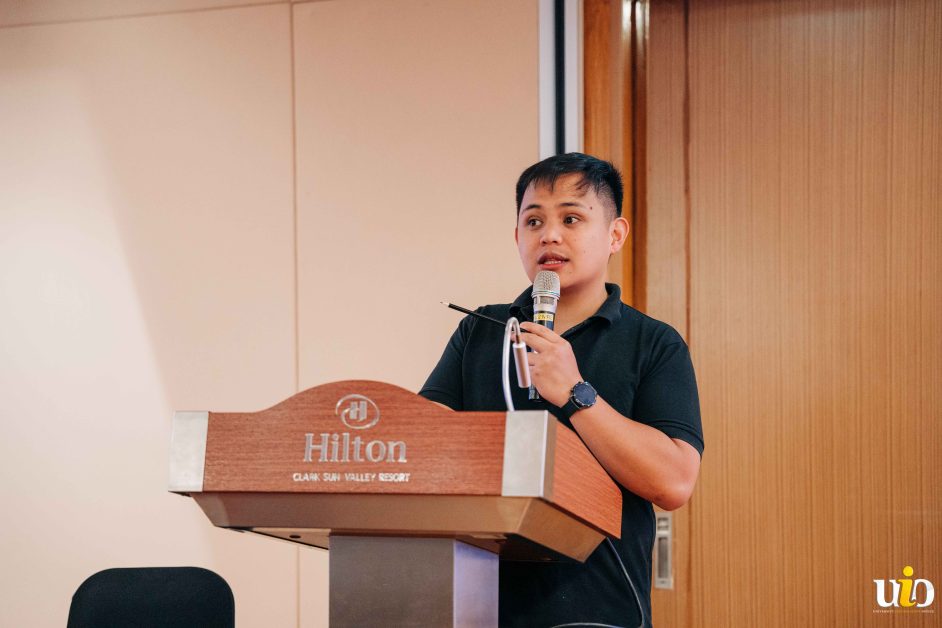
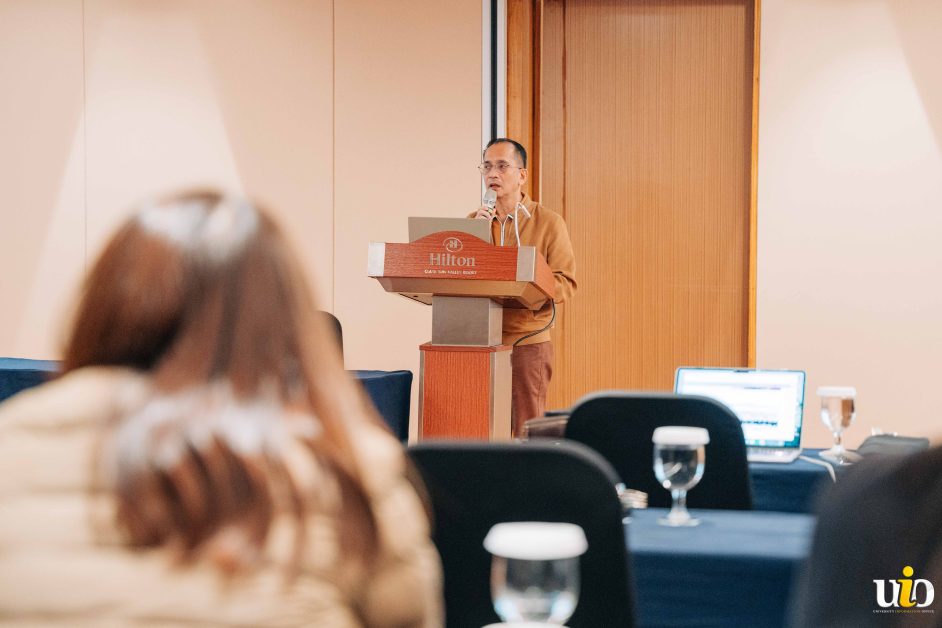
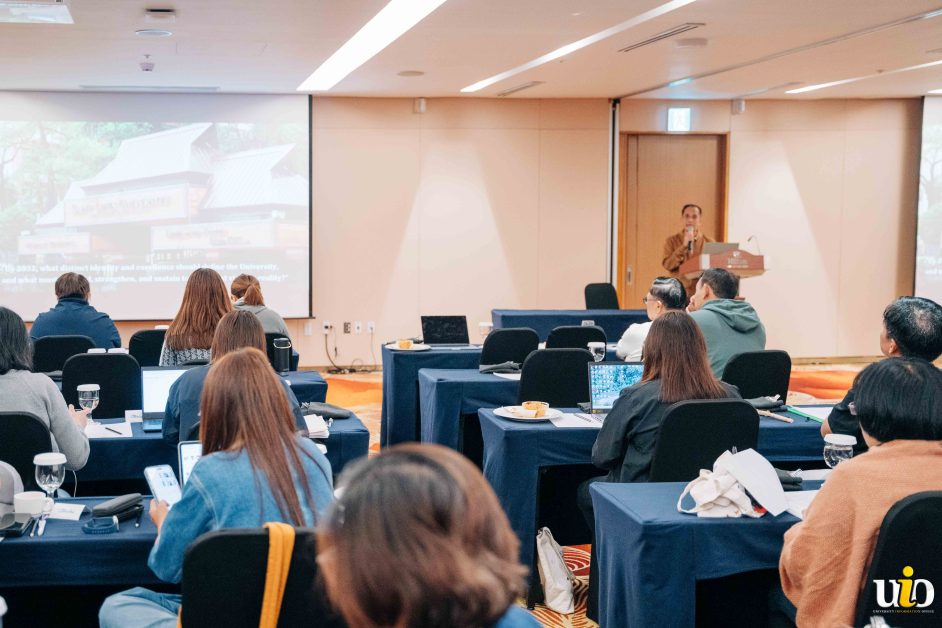
The final day took the University’s gaze even farther into the future. The Management Team proceeded to Part 4: Planning for the 2027–2032 Strategic Direction, led by Dr. Arguelles, Chair of the Strategic and Institutional Development Committee.
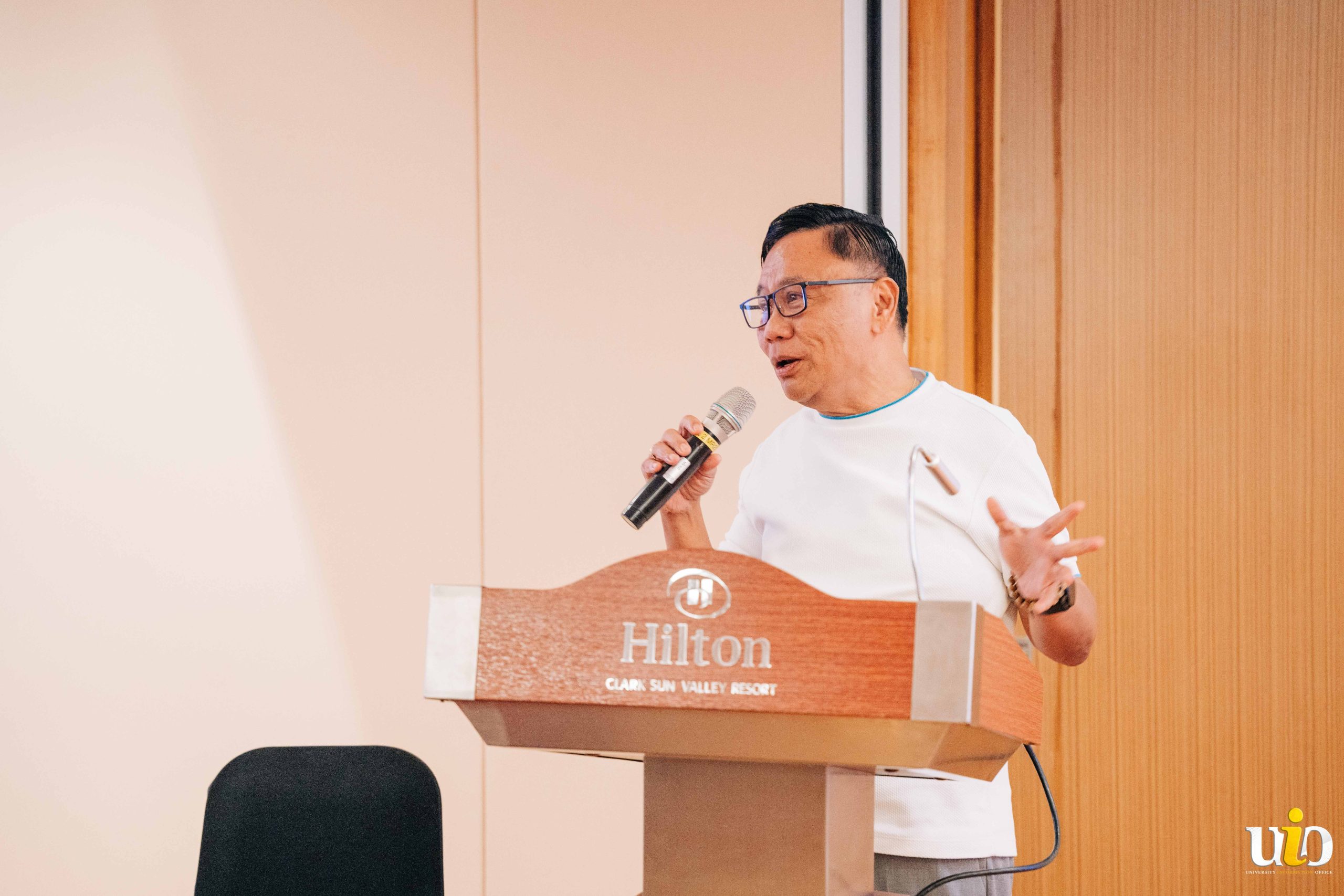
In response, Fr. Gilbert shared his observations, insights, and guidance to the management team moving forward in the conclusion of its 2022–2027 Strategic Plan. “We are flourishing because we do our work well and we do our work happily,” he concluded.
The gathering then extended beyond the formal sessions through a tour facilitated by the Department of Tourism-Clark and a cluster fellowship.
Coordinated by the OIDQA, the Annual Management Review served as a vital forum for institutional evaluation, alignment, and continuous improvement.
But this year’s gathering also offered something more. It reminded the University that reflection was valuable only when it led to action.
As SLU continued its pursuit of purposeful excellence, the 2026 AMR became a meaningful point of transition: one that connected the lessons of the 2022–2027 strategic journey with the possibilities of the University’s emerging 2027–2032 direction.
The mirror showed SLU how far it had come, the window revealed how far it could still go— continuously and consistently grounded on its Missio et Excellentia.