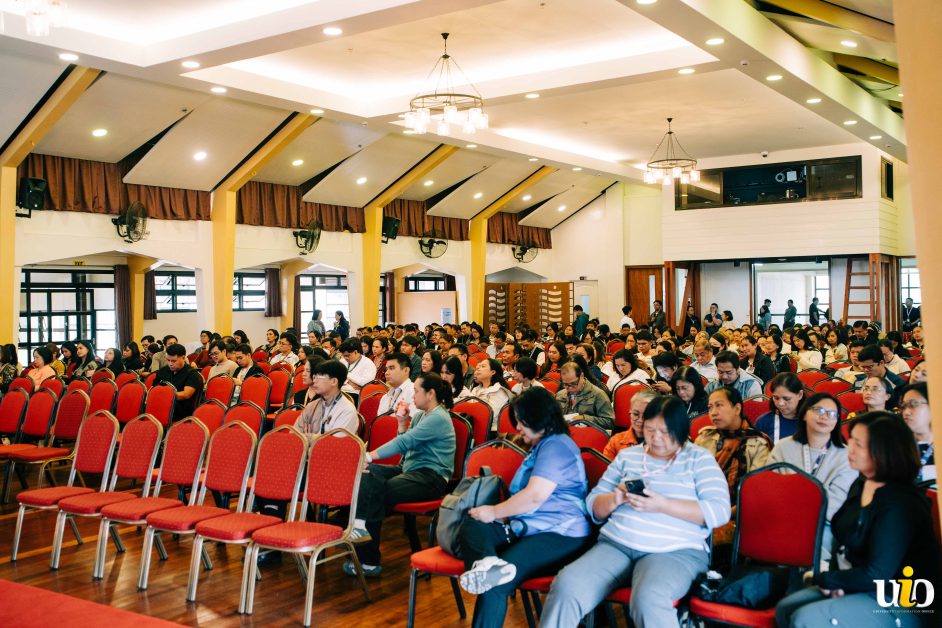
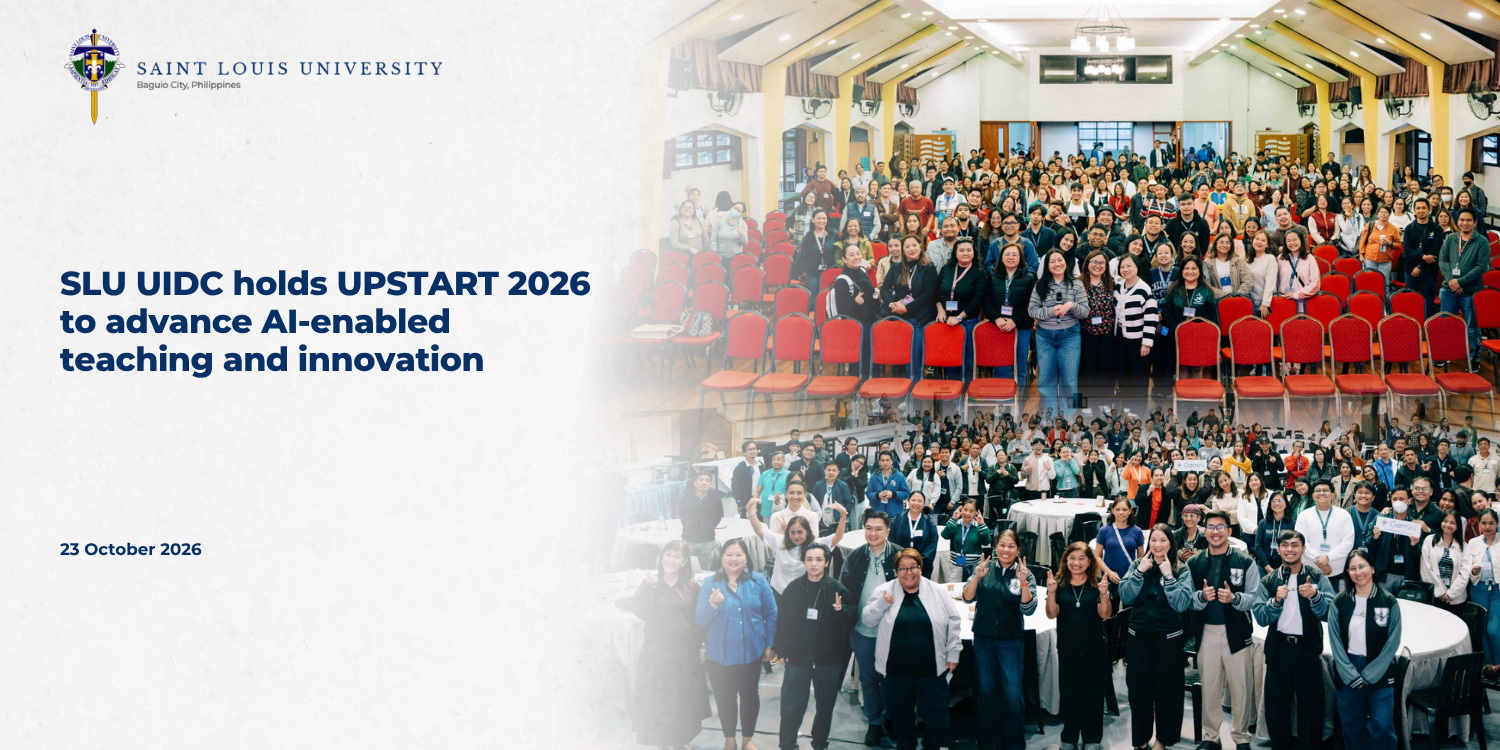
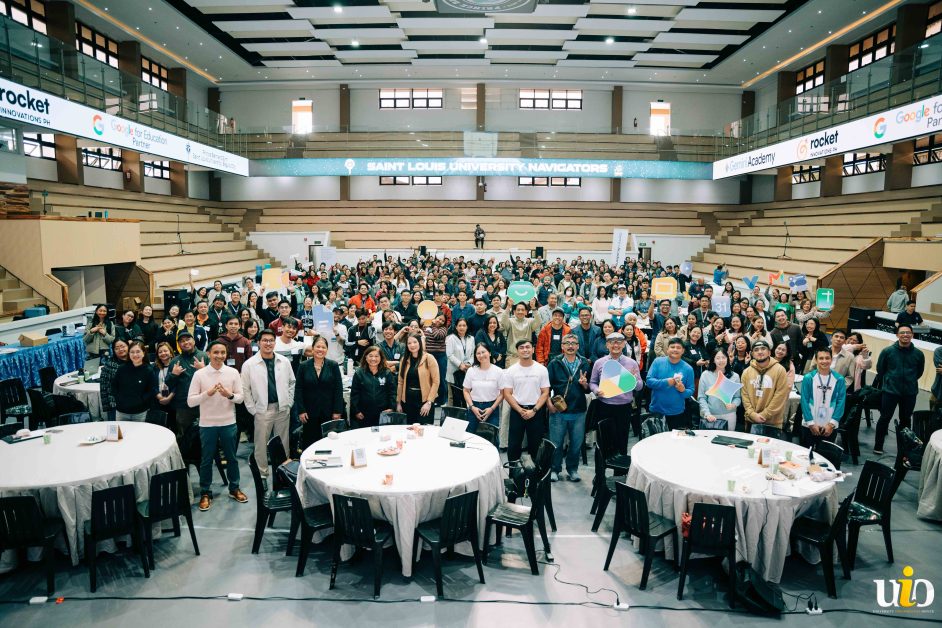
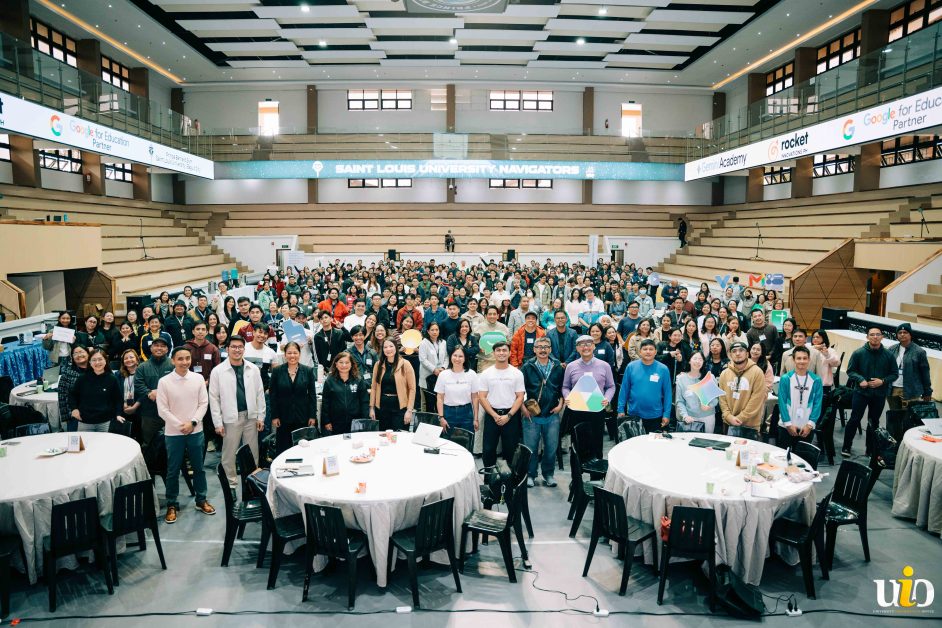
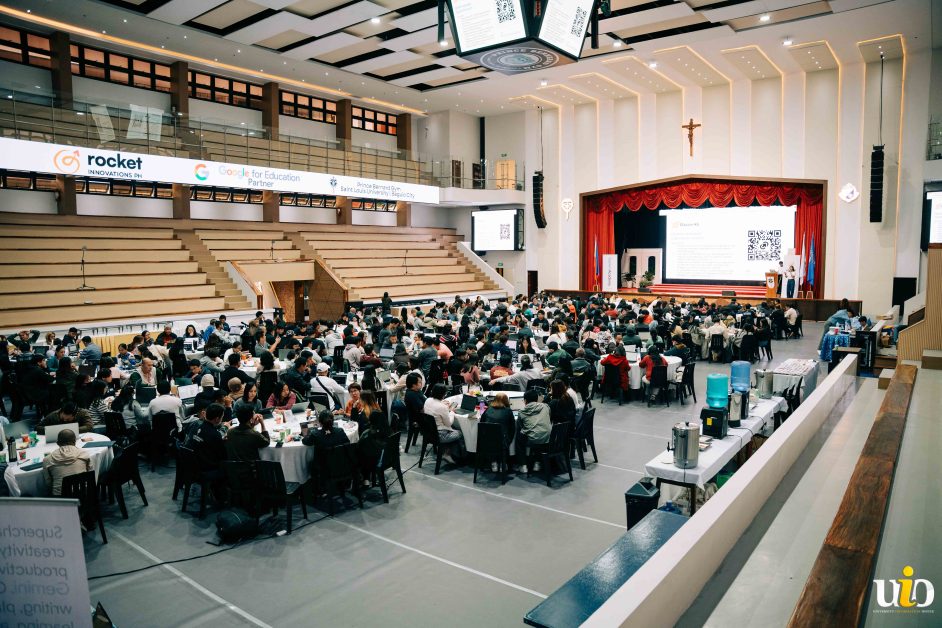
Advancing innovation in teaching through responsible Artificial Intelligence (AI) use, Saint Louis University (SLU), through the University Instruction and Development Committee (UIDC), partnered with Google for Education and Rocket Innovations PH to conduct UIDC Program for Sustained Trainings to Advance Responsive Teaching (UPSTART) on 23 October 2026 at Prince Bernhard Gymnasium and Fr. Francis Gevers Hall.
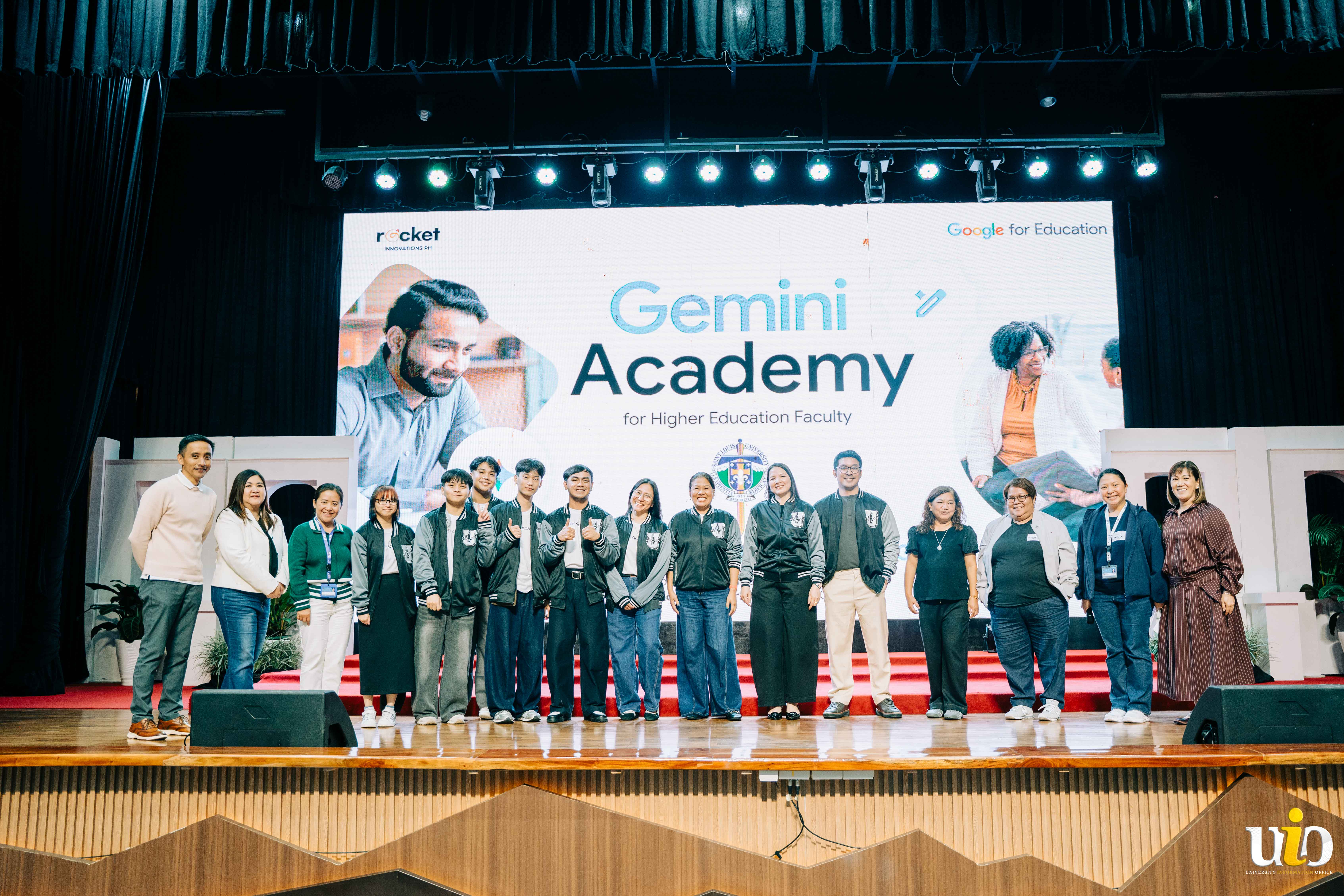
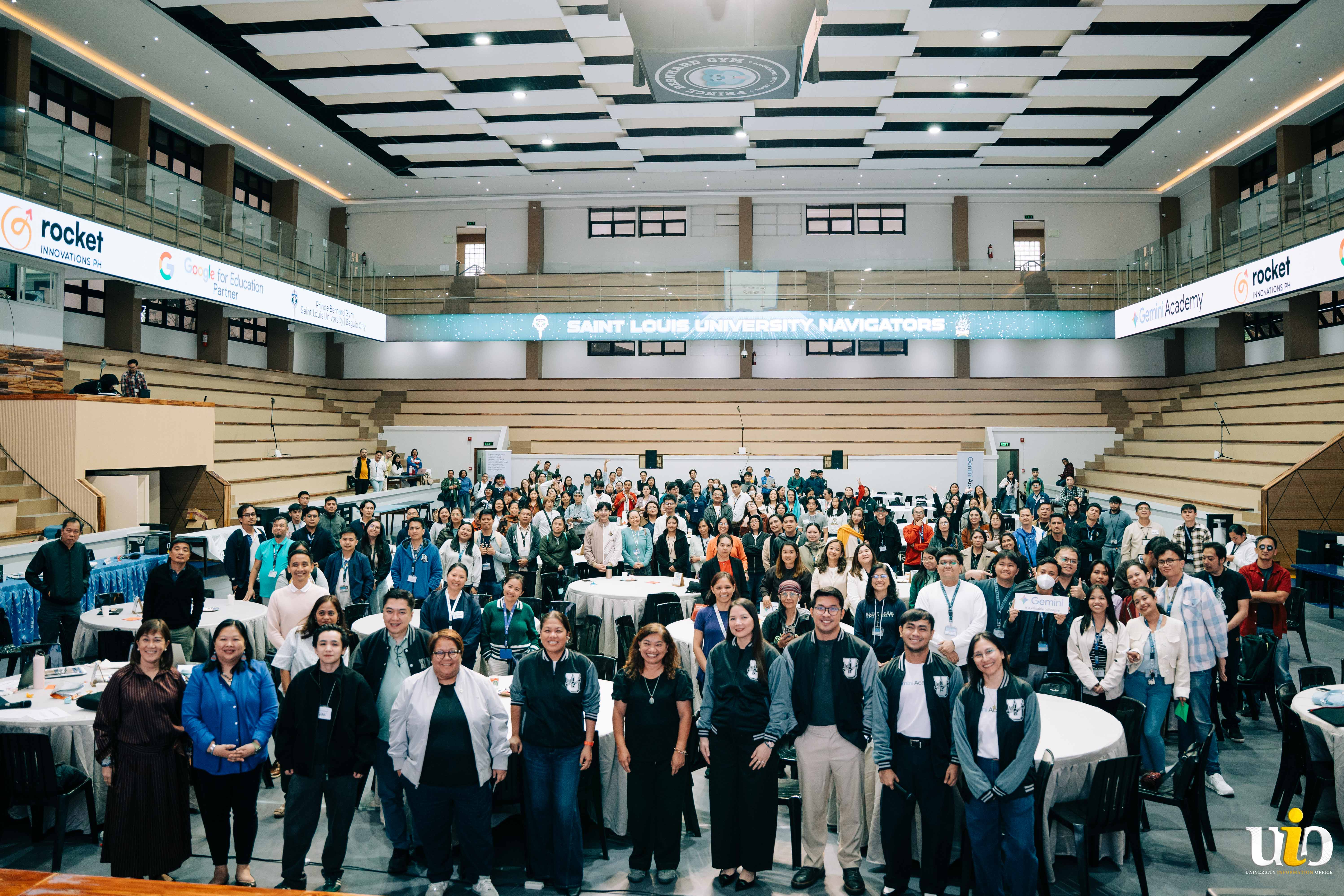
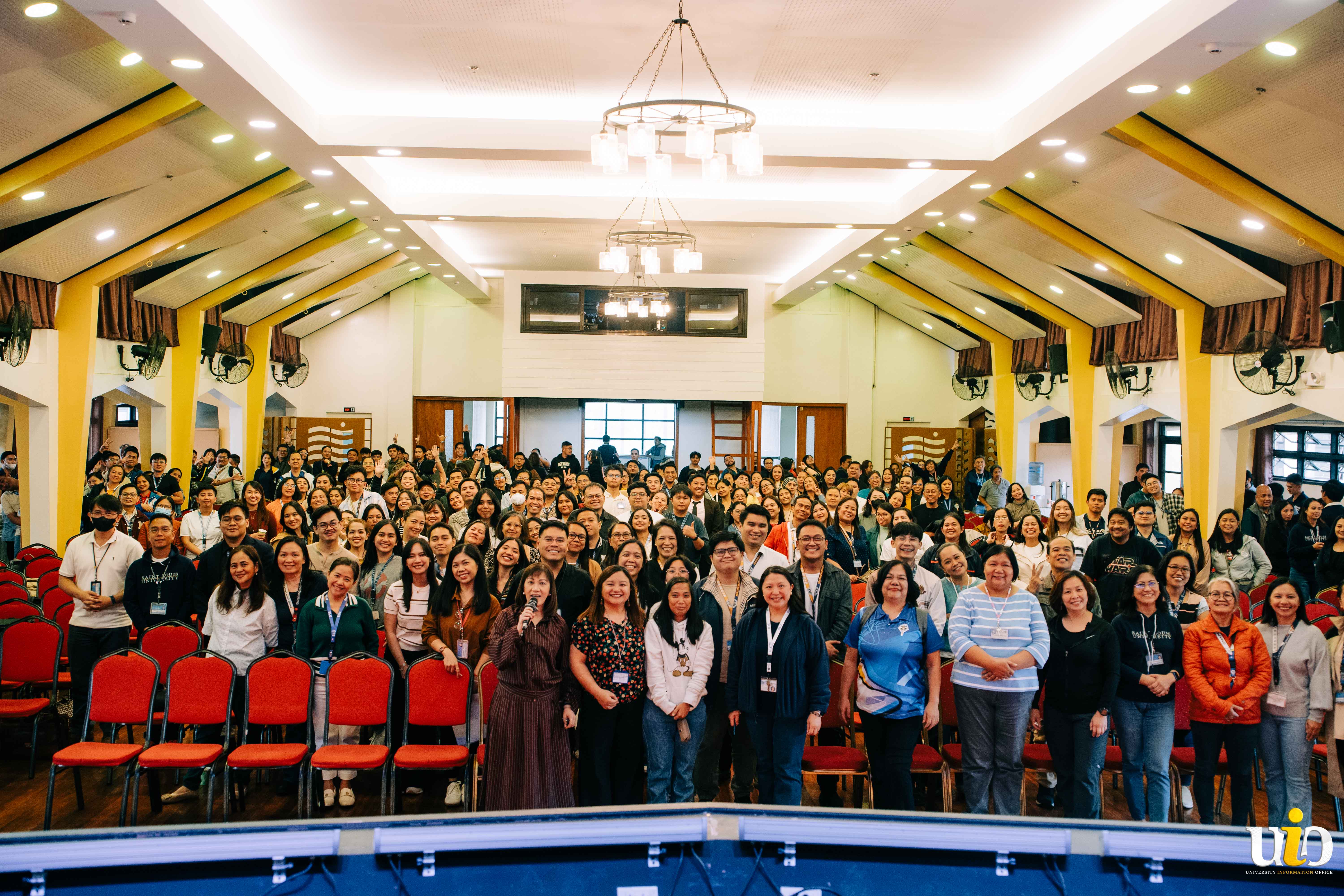
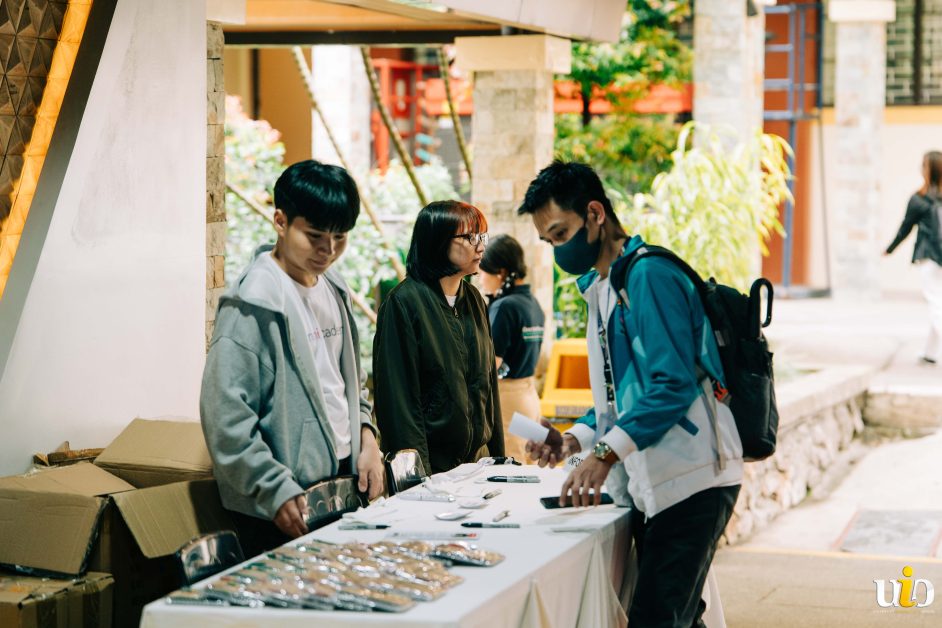
Anchored on the theme “Empowering Innovation with AI,” the program brought together faculty from SLU’s different schools– namely: School of Advanced Studies, School of Engineering and Architecture, School of Law, School of Medicine, School of Nursing, Allied Health, and Biological Sciences, School of Accountancy, Management, Computing and Information Studies, and School of Teacher Education and Liberal Arts– to strengthen their AI literacy and explore practical ways to integrate AI into teaching and students’ learning.
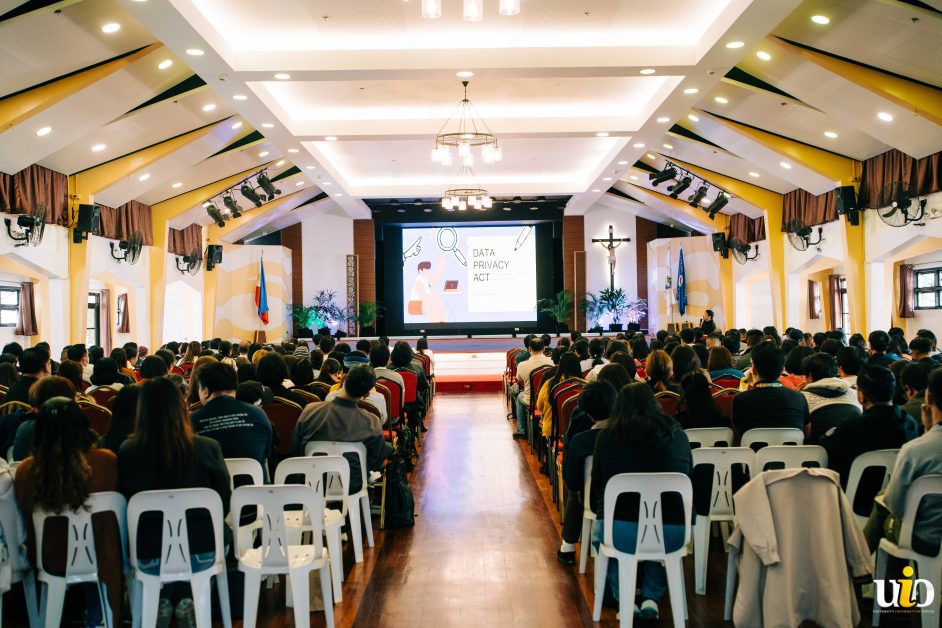
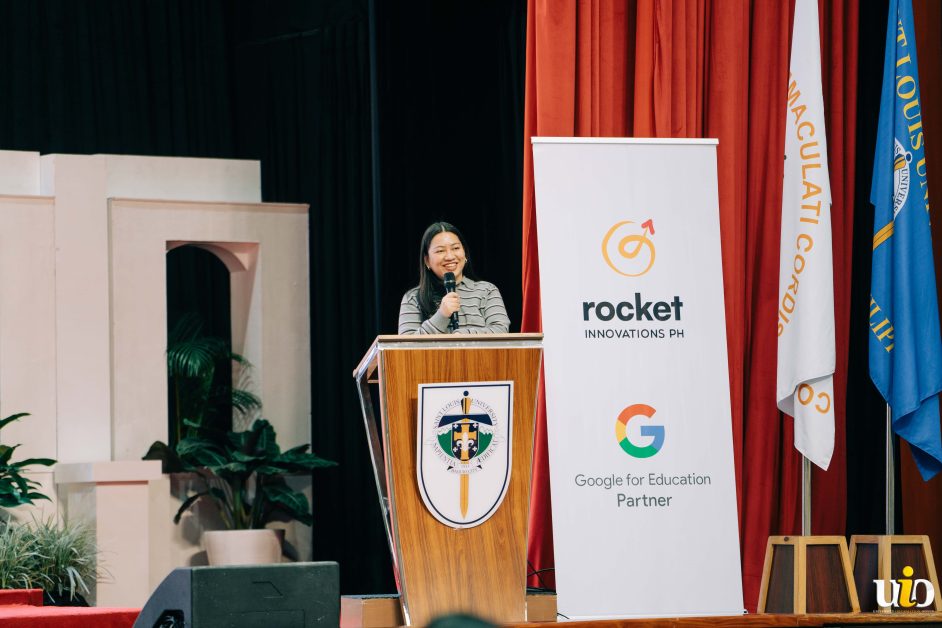
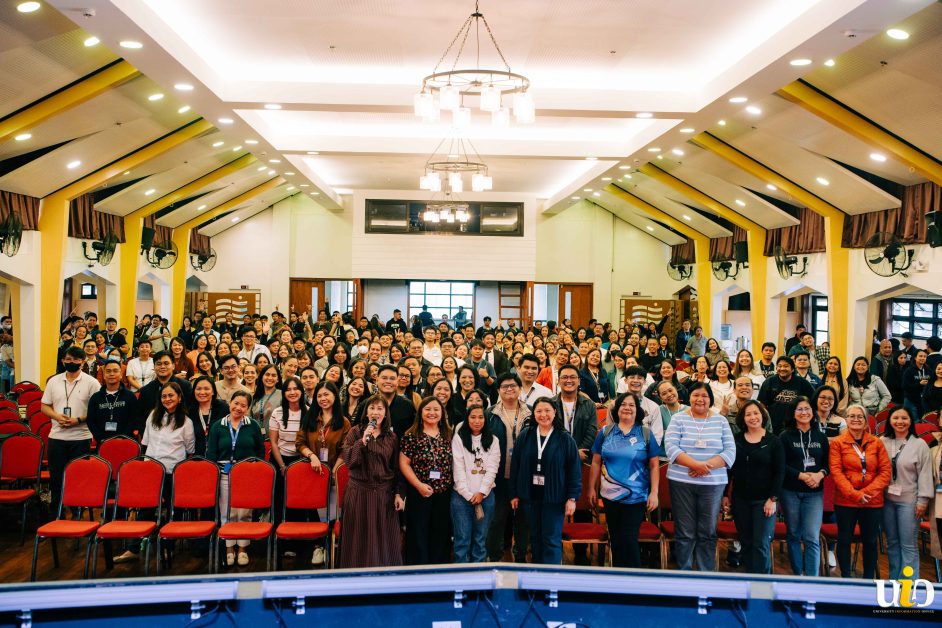
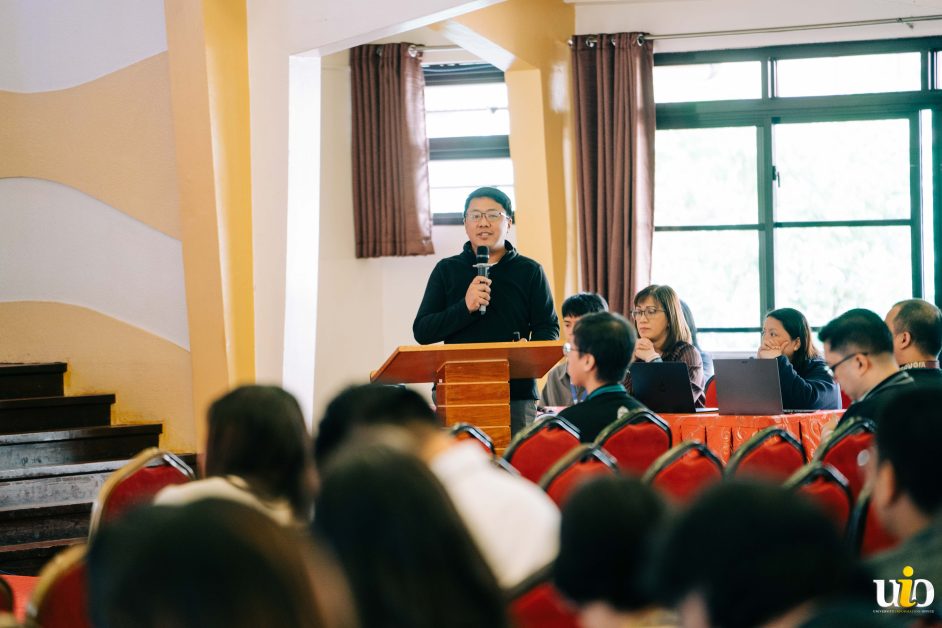
University President, Rev. Fr. Gilbert B. Sales, CICM, PhD, opened the program by emphasizing that AI is already “transforming education worldwide”. He highlighted how Gemini Academy equips faculty members with hands-on training in AI-powered teaching strategies, research support, and administrative applications, preparing them to guide students in an increasingly digital world.
“By mastering these tools, you will be better prepared to guide our students in navigating a future where digital literacy and AI fluency are essential and human wisdom remains invaluable,” Fr. Gilbert said.
He also reaffirmed SLU’s commitment to its Missio et Excellentia, envisioning a university where tradition and technology work hand in hand to advance education and service. “May this day truly inspire opportunities for all of us, and for the learners we are called to serve,” he added.
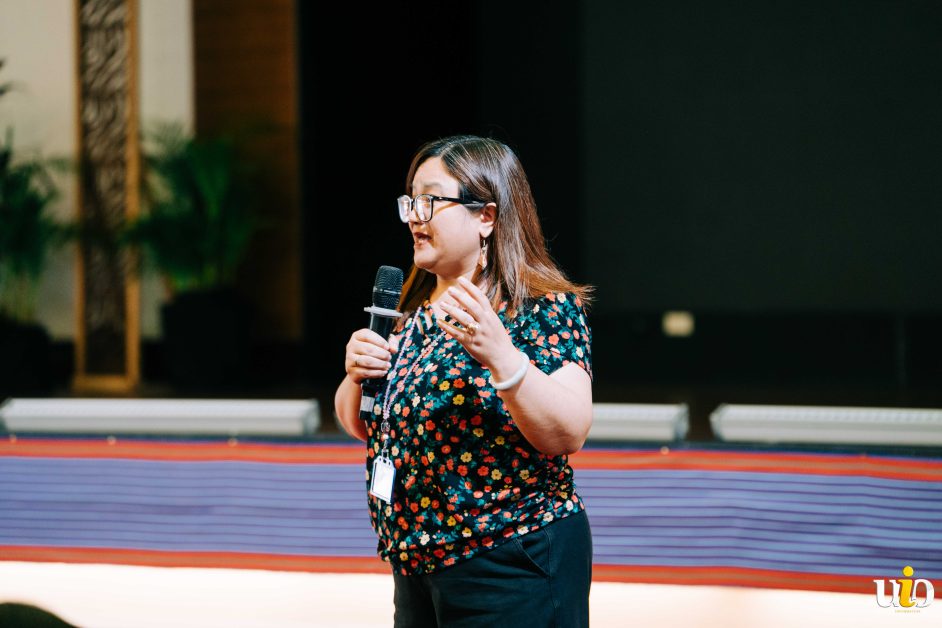

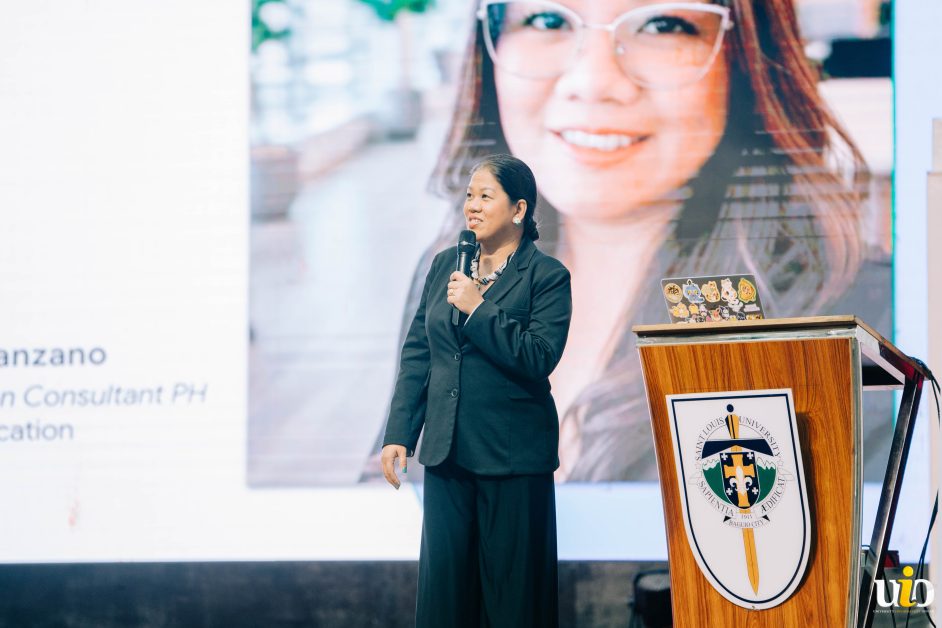
Mary Ann Manzano, Senior Education Consultant for Google for Education Ph, also highlighted the rapid growth of artificial intelligence and its impact on education. She noted that as AI continues to evolve, learning becomes more relevant while presenting new challenges for educators, citing, “What we want for our students is to become thoughtfully curious.”
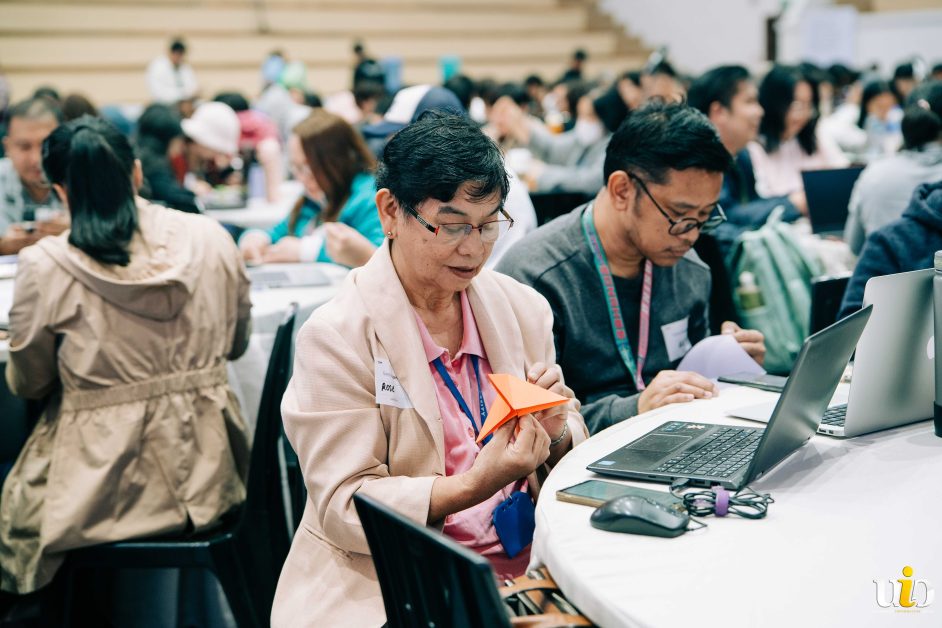
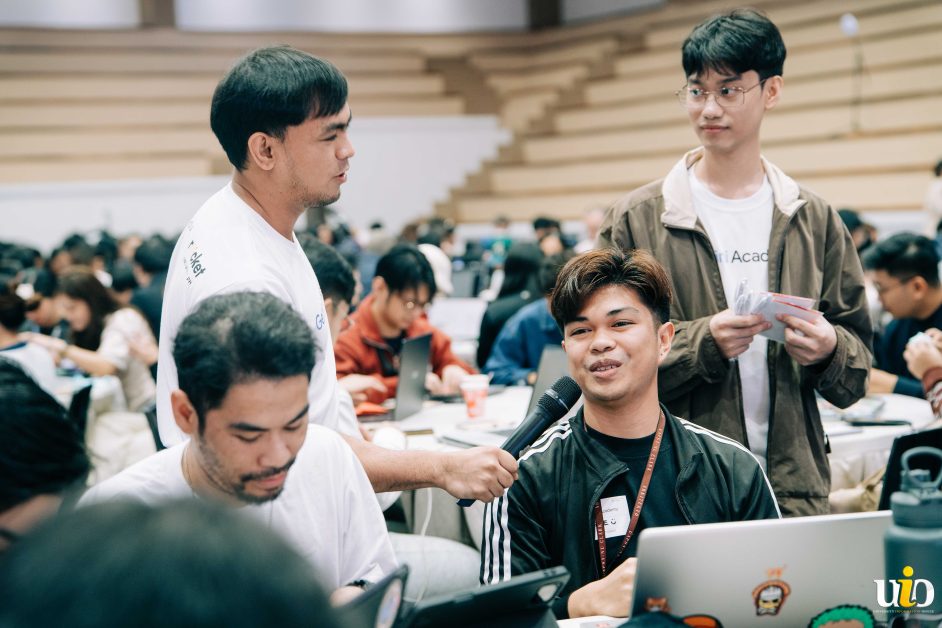
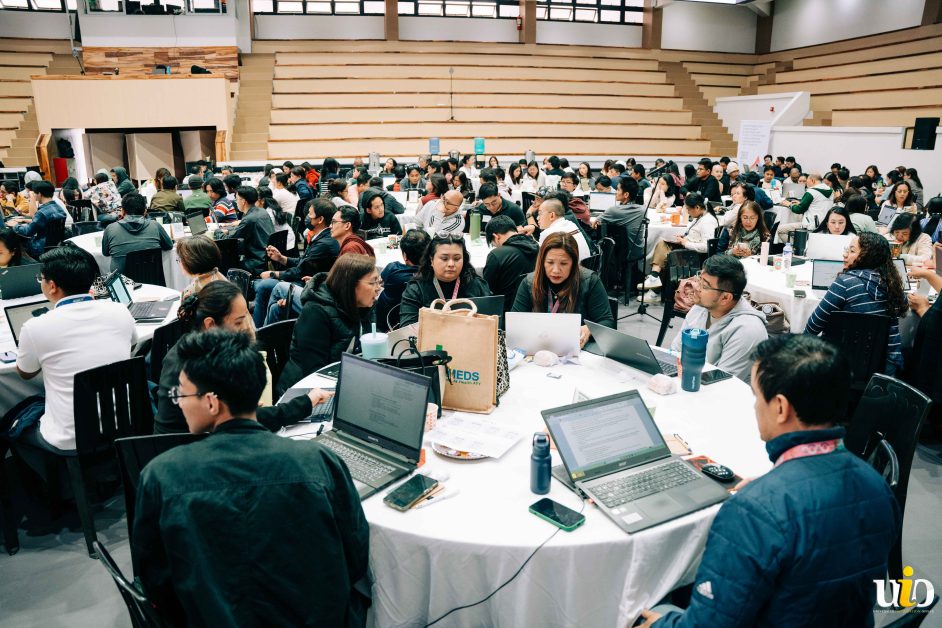
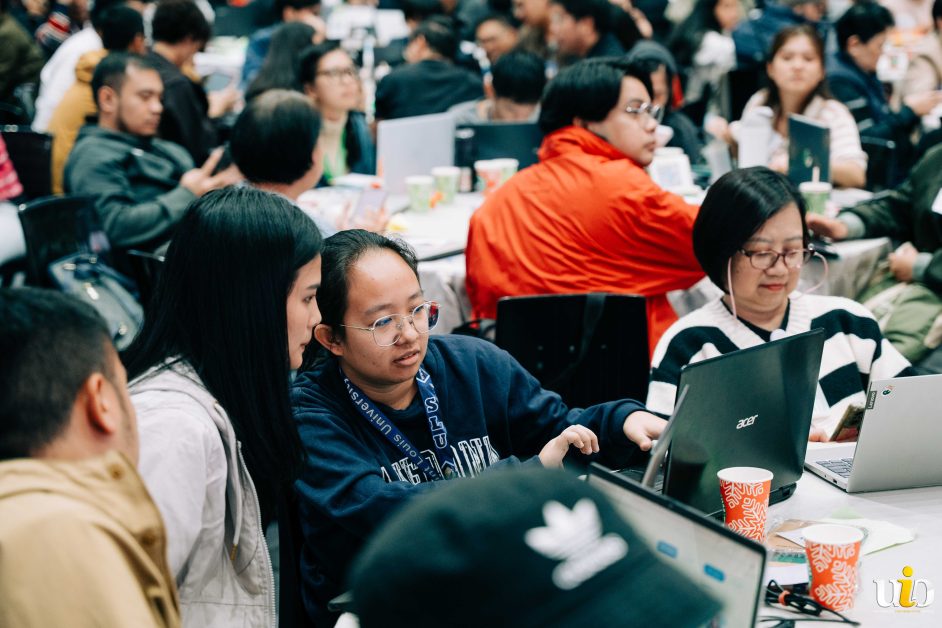
The program featured two learning sessions. The first session tackled the Gemini Academy, led by Google Certified Champions Alvin B. Balaba, LPT, Co-founder and Growth and Development Specialist, and June B. Maog, LPT, Co-founder and Planning and Content Specialist. It covered practical applications of AI in education, including Gemini Notebook, prompt engineering, and university use cases. Through hands-on workshops, faculty members explored how these tools can support lesson preparation, research, and other academic tasks.


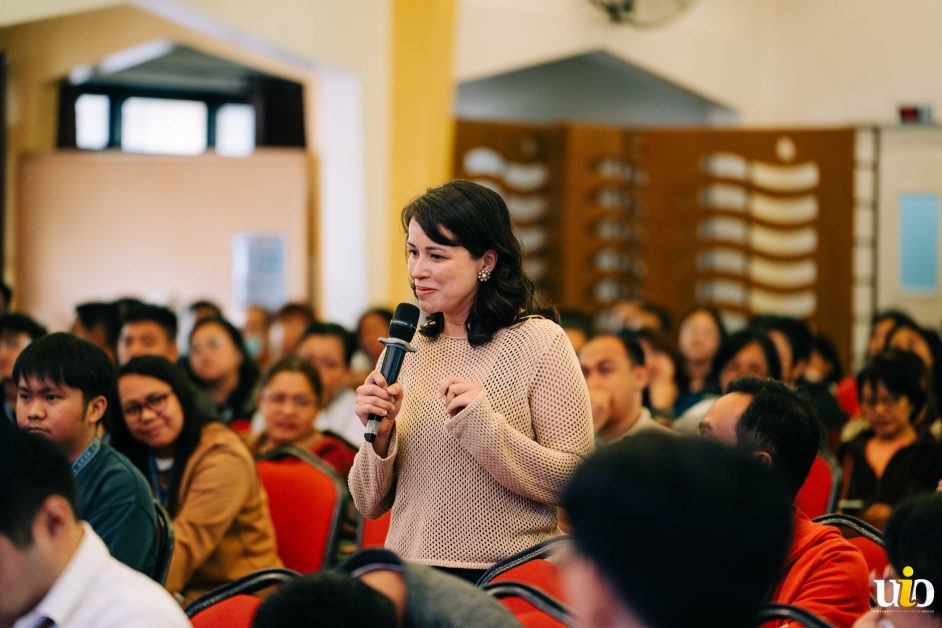
Meanwhile, the second session covered Academic Cluster Innovations, which provided operational updates from Research, Innovation, and Sustainable Extension Center, Data Protection Office, Center for Counselling and Wellness, and Office for Institutional Development and Quality Assurance. The discussions offered faculty members relevant institutional updates and guidance to support their academic responsibilities.
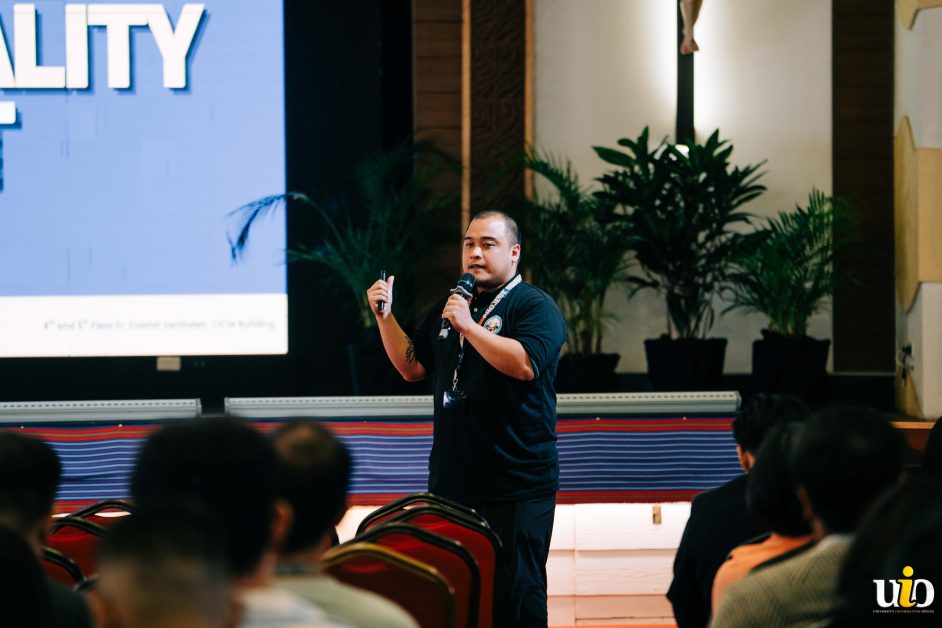
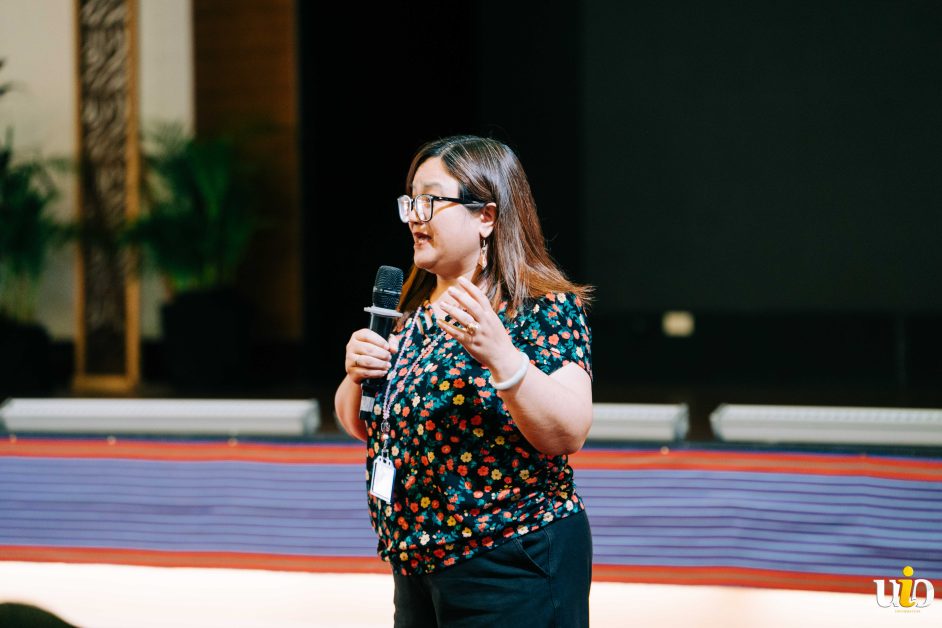

The morning session was concluded with remarks from Kervy Cammagay, Education Specialist for AI in Learning, Google for Education Ph, who expressed his gratitude to the participants for their passion to learn further and reassured everyone that AI will not replace humans, but educators can be replaced by people who know how to use AI. “At Google, we love the phrase ‘ten times thinking.’ This refers not only to improving things, but rethinking the entire experience,” Cammagay added.
Through UPSTART 2026, SLU continues to support faculty development and promote the responsible use of technology to strengthen instruction, research, extension, and service. Each semester gives SLU educators an opportunity to revisit their syllabi, refine their lessons, and explore better ways to teach.
The initiative supports United Nations Sustainable Development Goal (SDG) 4: Quality Education, through continuous faculty development and improved teaching practices; and SDG 9: Industry, Innovation and Infrastructure, by encouraging the adoption of innovative technologies in education.