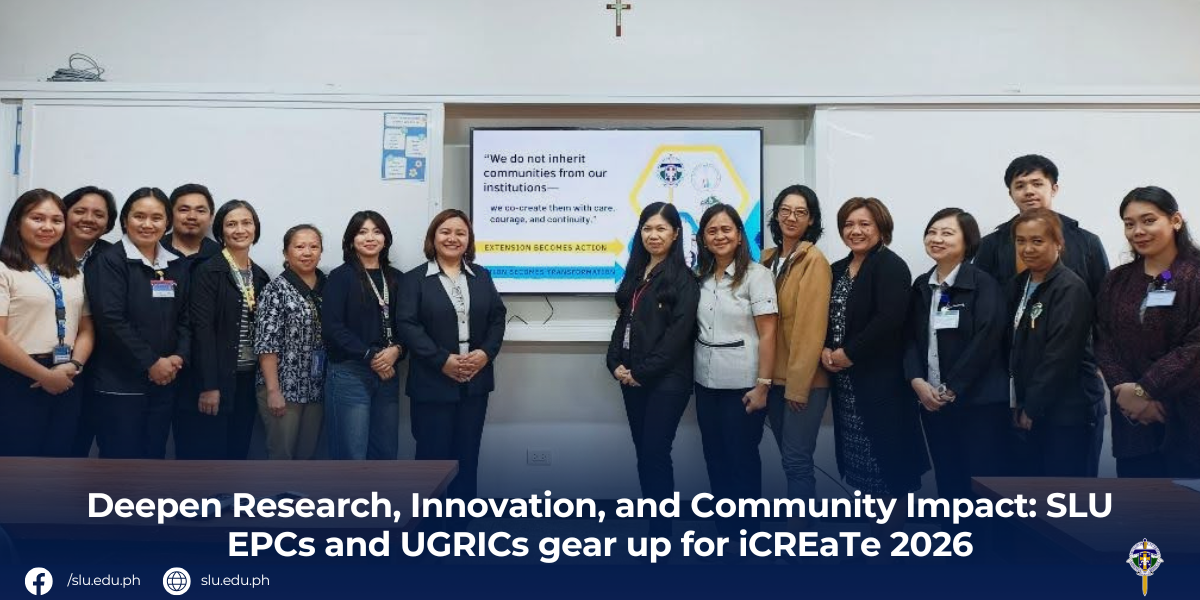
On 19 January 2026, Saint Louis University’s (SLU) Extension Program Coordinators (EPCs), under the Research, Innovation, and Sustainable Extension (RISE) Center, gathered in the morning at the Msgr. Charles Vath Library AVR for their semestral meeting to finalize preparations for iCREaTe 2026 and strengthen commitments to impact assessment and research integration.
EPCs Advance Impact Assessment and Research-Driven Extension
Opening the session, RISE Center Director Richel Lamadrid, PhD reminded the participants that their role as EPCs is “a special privilege and honor,” underscoring that they are not only educators but also extensionists entrusted with making a difference in communities. She outlined priorities that included:
- Delivering impact assessments through the KSAR (Knowledge, Skills, Attitudes, Responsibility) framework
- Maintaining consistent communication with RISE officers, particularly in the extension
- Pursuing publication as a central goal
- Ensuring full participation in iCREaTe 2026
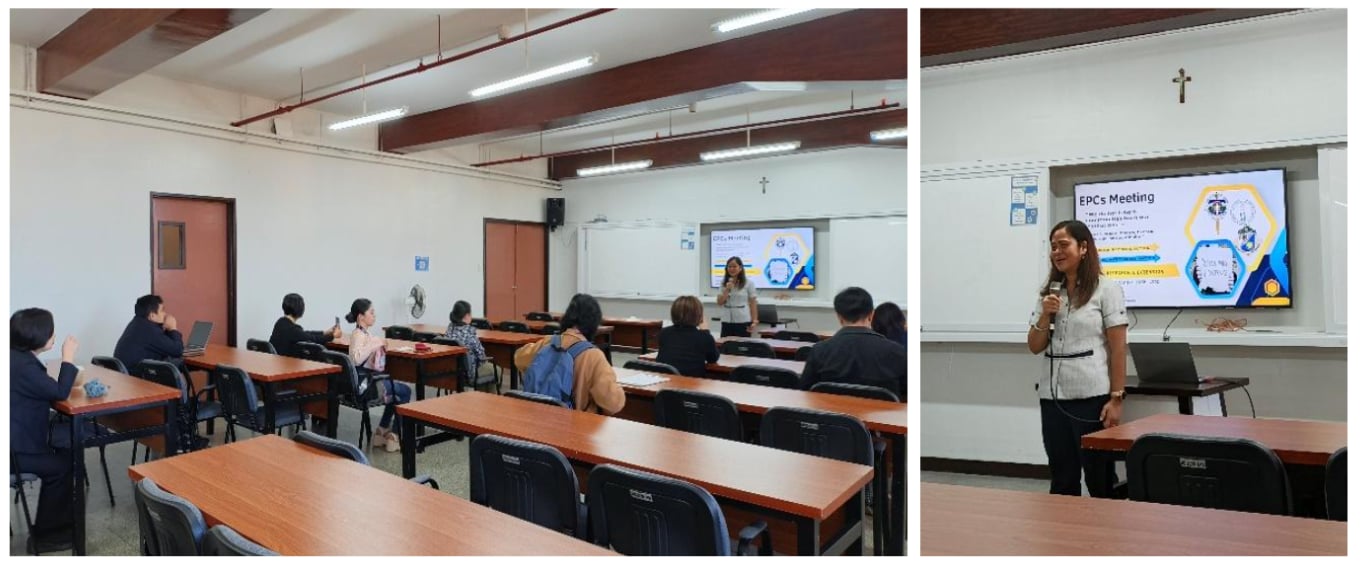
Sustainable Research Extension Officer Jeramie N. Molino, PhD emphasized the EPCs’ mission to advance community engagement through sustainable projects and scholarly outputs. She highlighted that impact assessment is a cornerstone of extension work, with structured deadlines and outputs designed to ensure measurable benefits for partner communities.
Dr. Molino also provided a detailed guide to the format of the Extension Project Paper, aligning it with evaluation criteria, and explained EPC involvement in iCREaTe 2026, including presentation guidelines and faculty participation. She stressed that iCREaTe is not only a venue for showcasing extension projects but also a vital platform for enhancing research and writing skills.
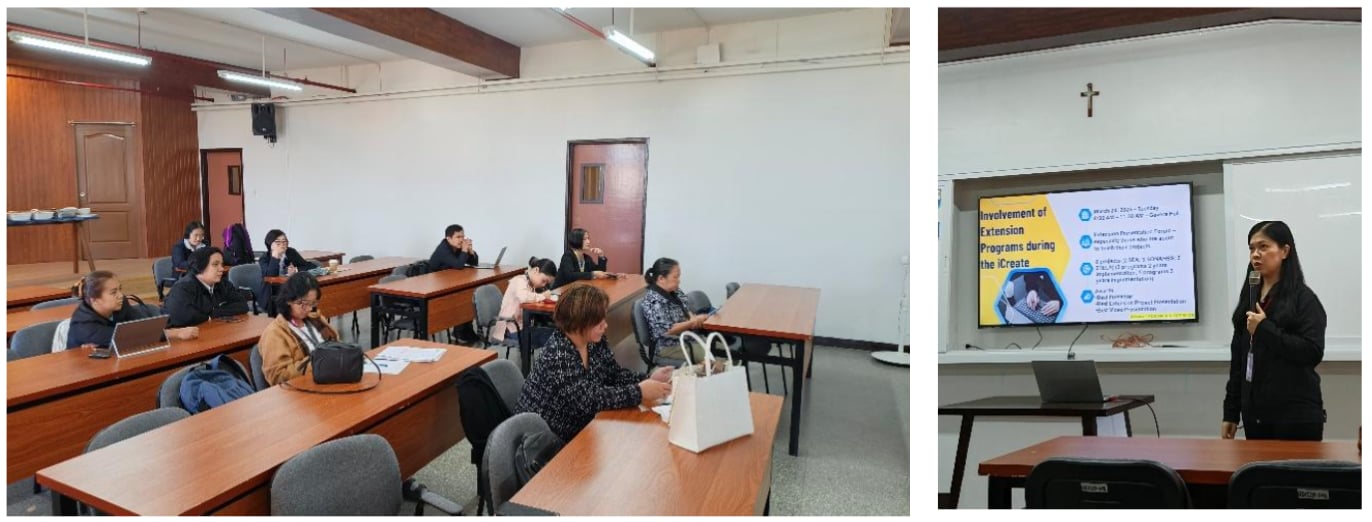
EPCs were encouraged to put their experiences, lessons, and implementation work into writing—transforming service into scholarship. Collaboration beyond SLU, integration of challenges and lessons learned, and publication of outputs were underscored as essential to ensuring that extension projects remain academically rigorous and community-centered.
Adding further encouragement, Laarni Natividad, PhD, Research Capacitation and Services Officer, urged EPCs to elevate their projects into research manuscripts, inspiring members to see their work as both service and scholarship. Meanwhile, Vice President for Academic Affairs, Felina Espique, PhD reinforced the University’s trifocal function of instruction, research, and extension. She encouraged cross-departmental collaboration and reminded EPCs to pursue multiple research papers from their projects, noting that extension must go beyond instruction to benefit communities while also opening opportunities for grants and scholarly recognition.
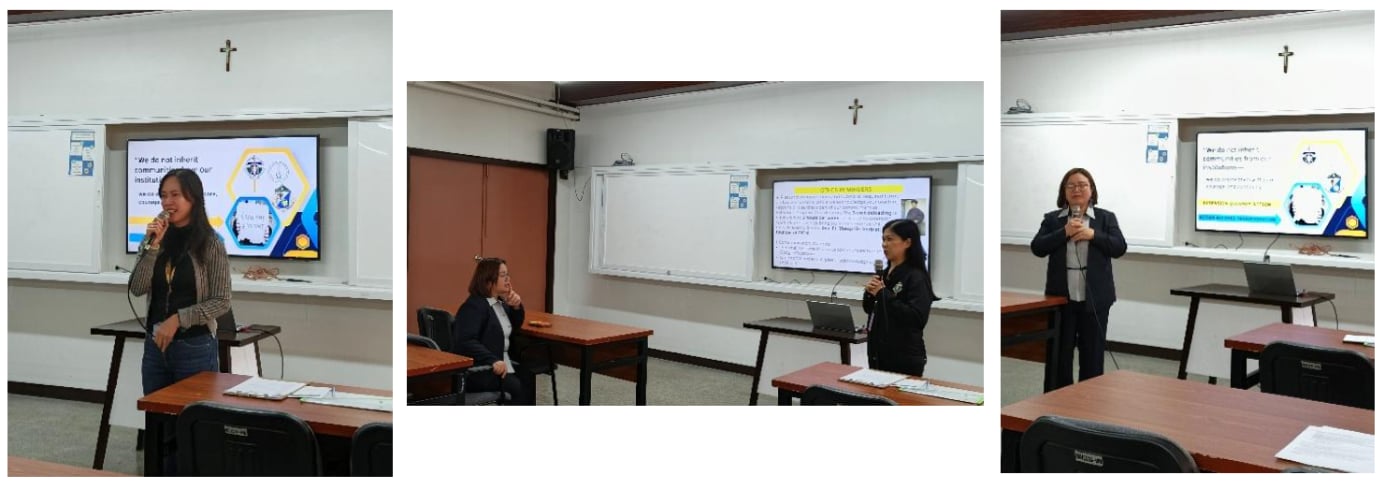
The morning meeting concluded with a renewed commitment to showcase SLU’s extension initiatives at iCREaTe 2026 and to deepen their long-term impact on partner communities—affirming the University’s vision of research-driven service that uplifts lives and sustains communities.
UGRICs Strengthen Collaboration and Research Integration
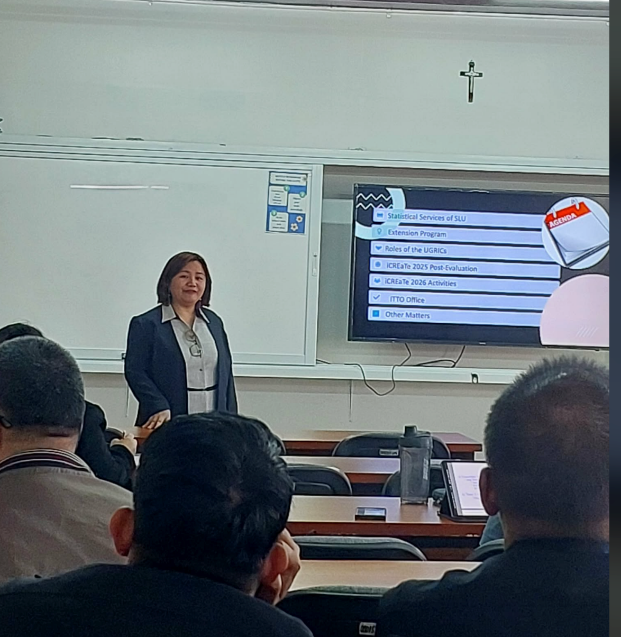
The Undergraduate Research Integration Coordinators (UGRICs) also gathered for their Second Semester Meeting. The session formally opened with a prayer followed by an overview of the objectives facilitated by Dr. Lamadrid and Dr. Natividad. The meeting emphasized collaboration and active participation in advancing the University’s research, innovation, and sustainable extension agenda for Academic Year 2025–2026.
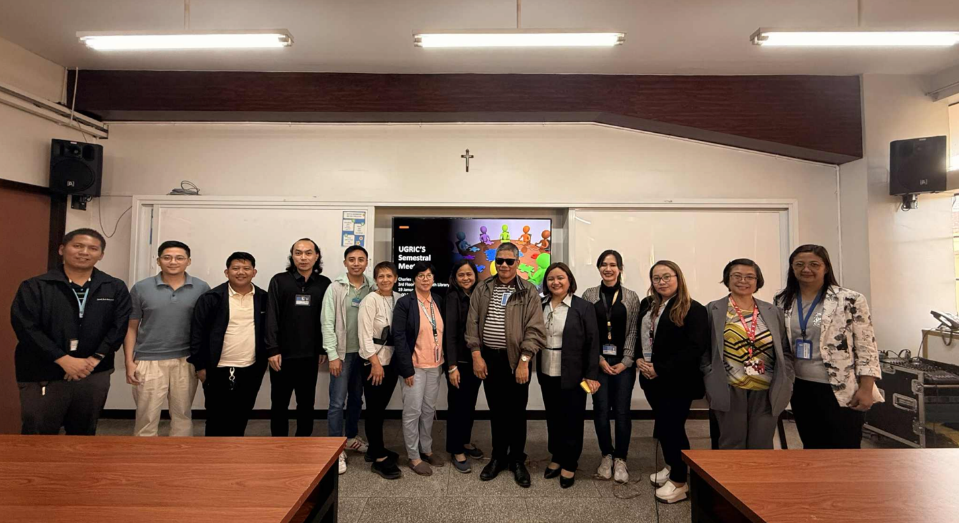
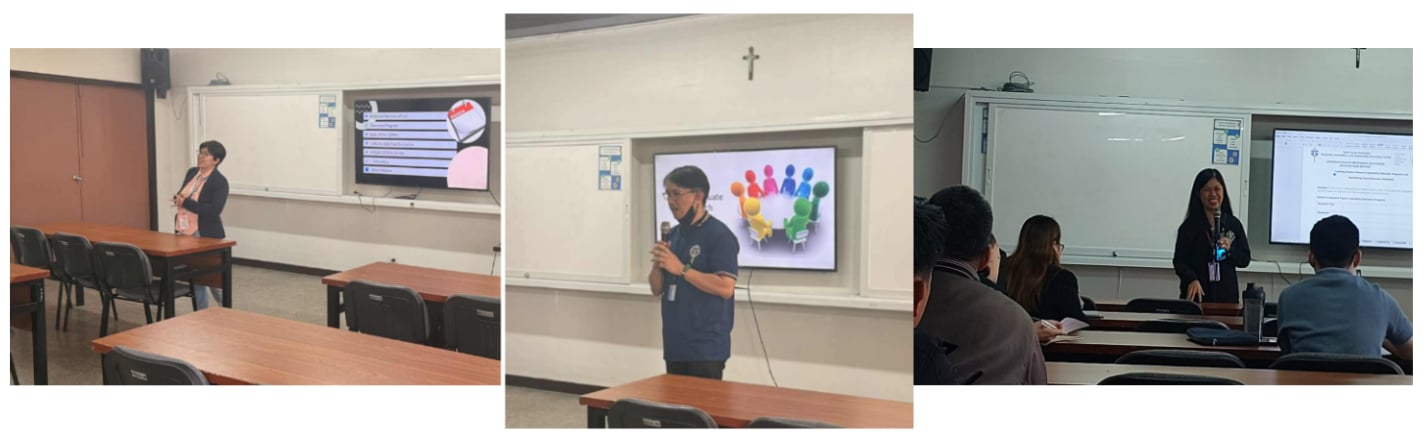
One of the key topics was the University’s Statistical Services, presented by Engr. Harold Lagto, Institutional Studies and Methods Officer. He explained the scope of support available to faculty and students, including consultation on research design, data analysis, and result interpretation. Clear guidelines on availing of services and proper coordination were provided to ensure efficient use of institutional resources.
Updates on Extension Programs were facilitated by Dr. Molino, who emphasized the auditing process to identify potential extension directions and applications of ongoing undergraduate research outputs. She reiterated policies and timelines for proposal submission, implementation, documentation, and reporting, stressing alignment with sustainability goals and proper coordination with the RISE Office.
An Innovations and Technology Transfer Office (ITTO) update was then presented by Engr. Melissa May Boado, formally introduced by Dr. Lamadrid as the newest addition to the RISE Center, succeeding Mr. Andrew Ducas.
Engr. Boado shared that she would be handling ITTO functions from the client’s perspective, particularly guiding researchers on publication and innovation concerns. She noted that while a one-year window may be considered for transitioning research outputs toward publication or innovation, this timeframe poses risks—underscoring the need for timely coordination and strategic planning.
A significant portion of the meeting was devoted to post-conference reflections on iCREaTe 2025 and preparations for iCREaTe 2026, facilitated by Dr. Natividad. The discussion highlighted key accomplishments, operational concerns, and lessons learned from the recently concluded conference, serving as a foundation for improving future research events. UGRICs also shared their insights and experiences from iCREaTe 2025.
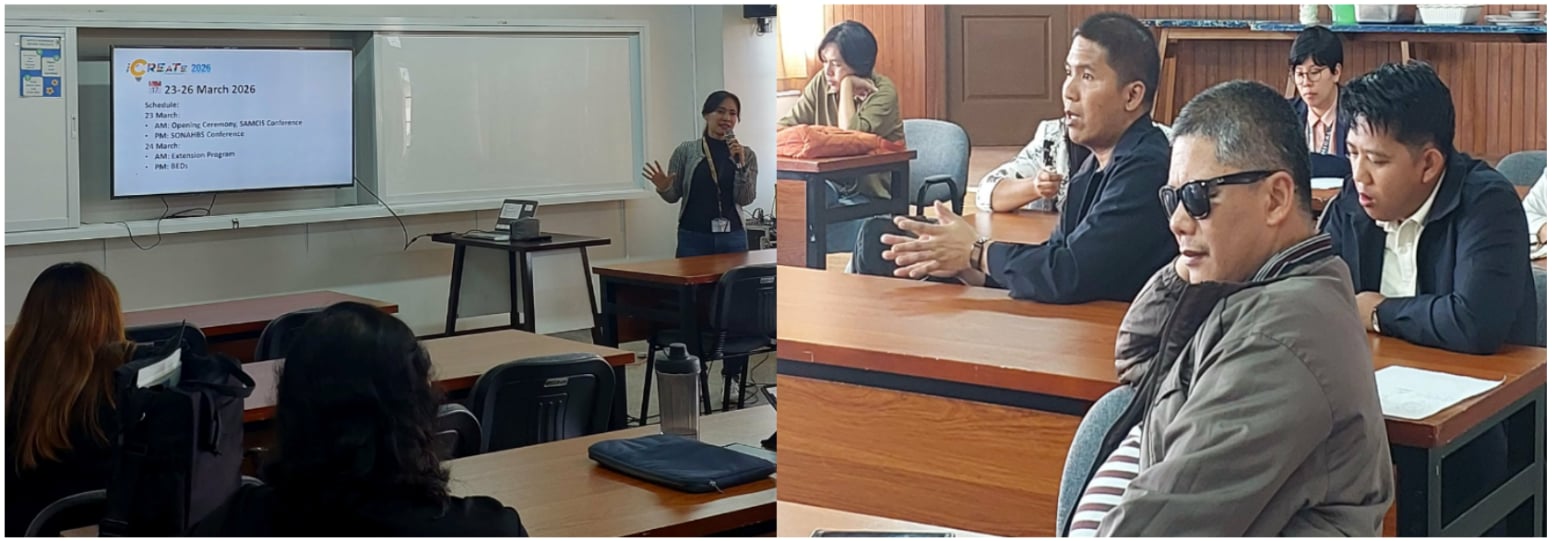
Planning for iCREaTe 2026 followed, with strategies on conference organization, paper screening, participant management, and inter-school coordination. Engr. Joey Mallillin, SEA Coordinator, presented the proposal for the iCREaTe 2026 poster presentation. UGRICs actively shared ideas and recommendations to enhance this year’s activities and were encouraged to mobilize researchers and to ensure early preparation within their respective units.
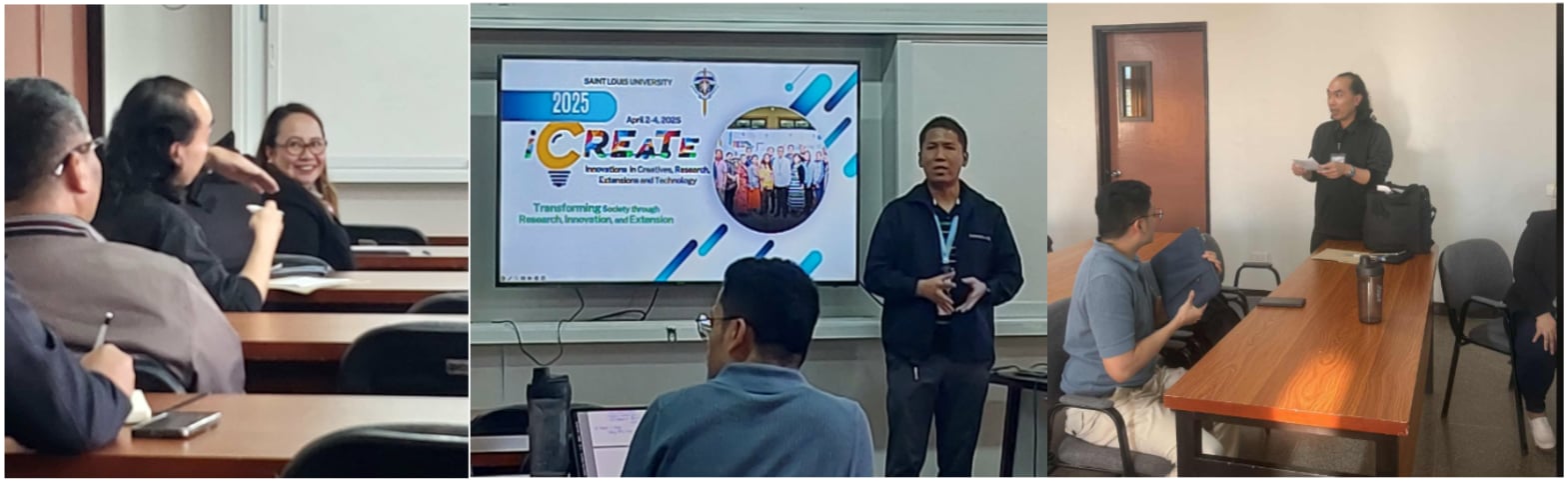
The afternoon meeting concluded with direction-setting remarks from Dr. Espique. She emphasized that research must generate impact by driving innovation and extension, and highlighted that the RISE Center’s efforts must be translated into publications, innovations, and extension outputs. Her message served as a renewed call for active participation in research, innovation, and extension activities across all schools.
The initiatives of SLU’s EPCs and UGRICs, spearheaded by the RISE Center, strongly align with several United Nations Sustainable Development Goals (UNSDGs). These include SDG 4 (Quality Education) through mentoring, research literacy, and extension integration; SDG 9 (Industry, Innovation, and Infrastructure) by fostering innovation, technology transfer, and scholarly outputs showcased in iCREaTe; SDG 11 (Sustainable Cities and Communities) by ensuring extension projects uplift partner communities and promote sustainability; SDG 17 (Partnerships for the Goals) through collaboration across schools, departments, and external partners; SDG 3 (Good Health and Well-Being) as many projects address community health and resilience; and SDG 8 (Decent Work and Economic Growth) by empowering livelihoods, skills development, and local economies. By anchoring these efforts in the RISE Center’s vision, SLU demonstrates how research-driven extension contributes to education, innovation, sustainability, and community transformation. (Article and Photos by Jeramie N. Molino, PhD, and Laarni B. Natividad, PhD)