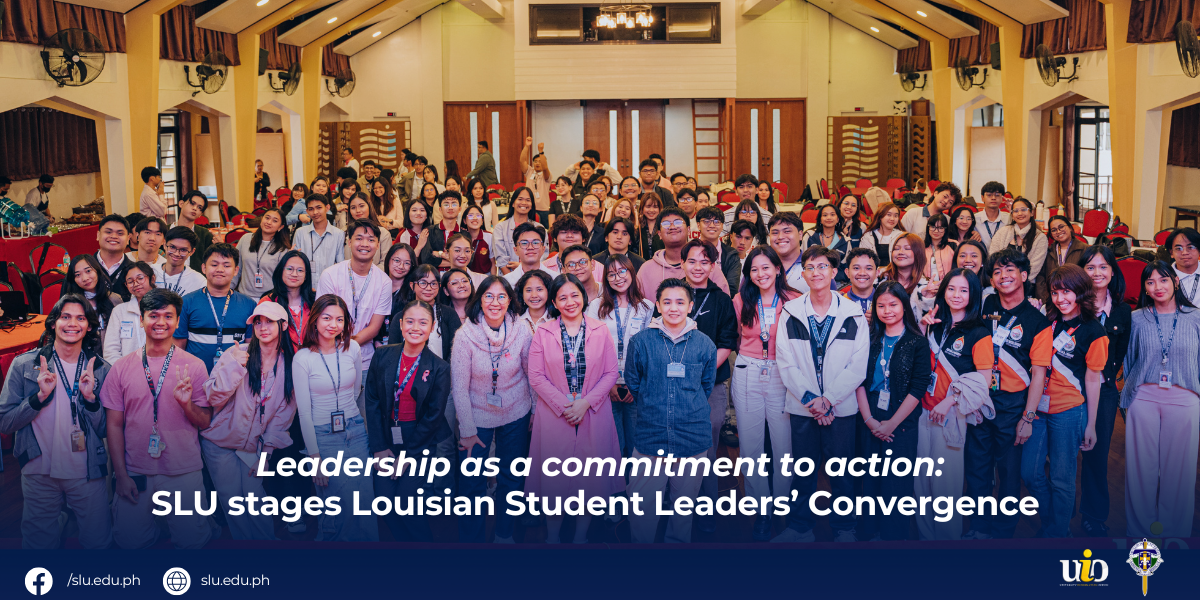
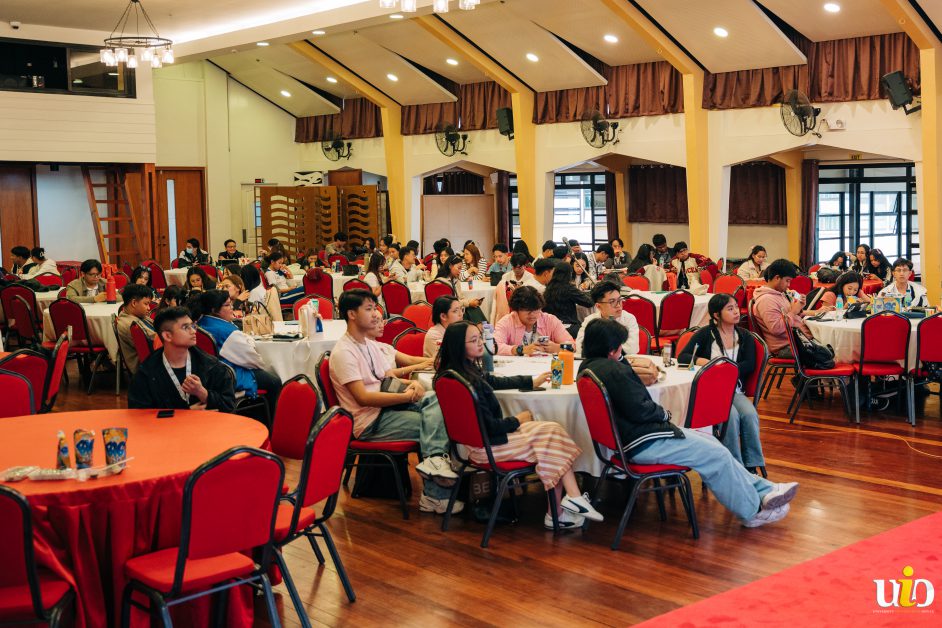
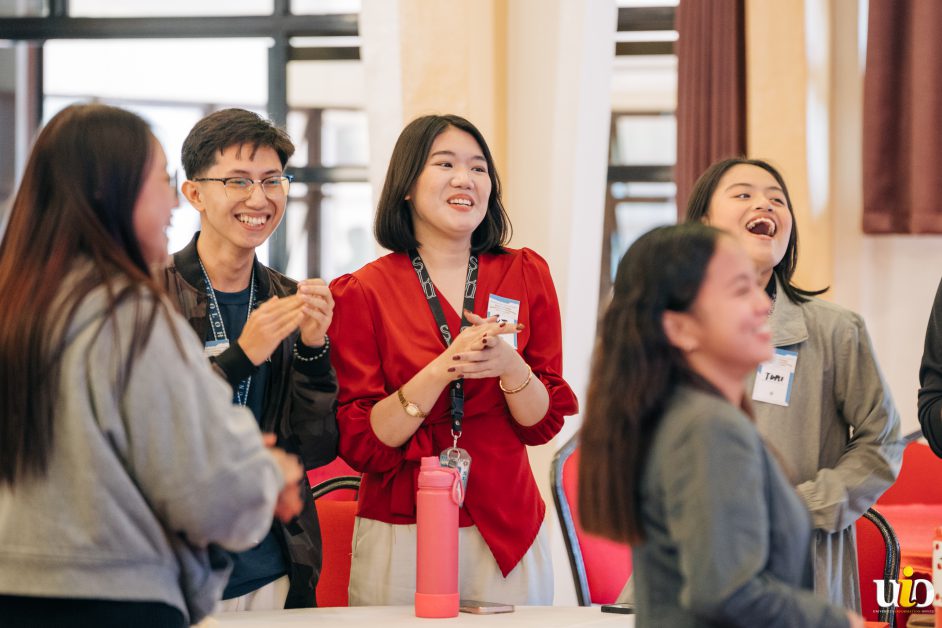
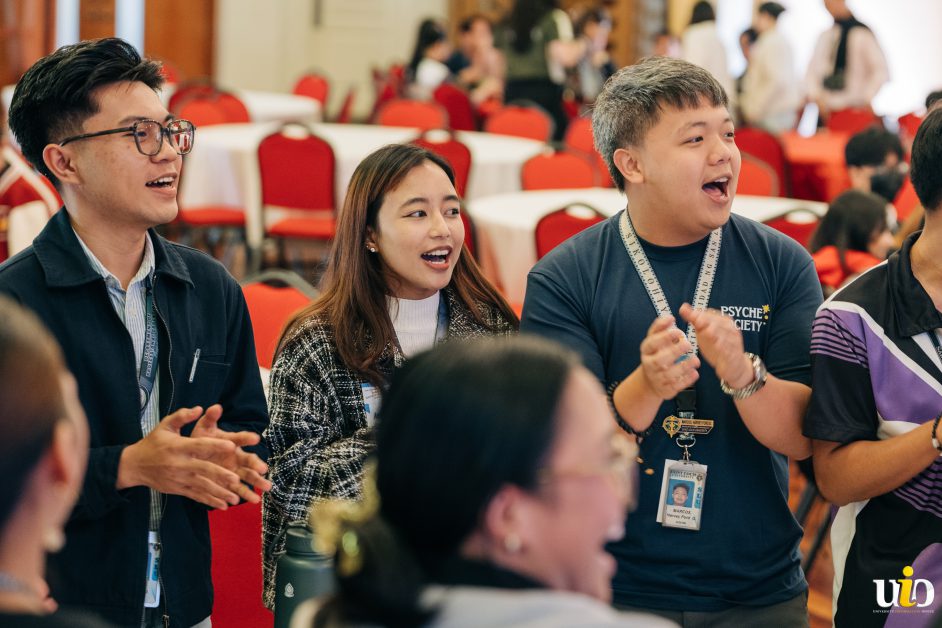
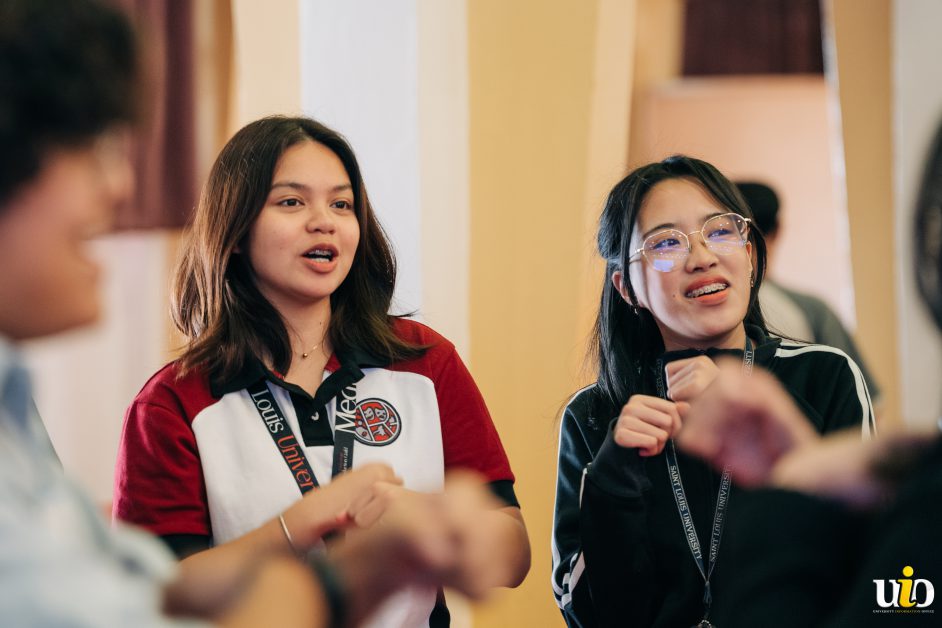
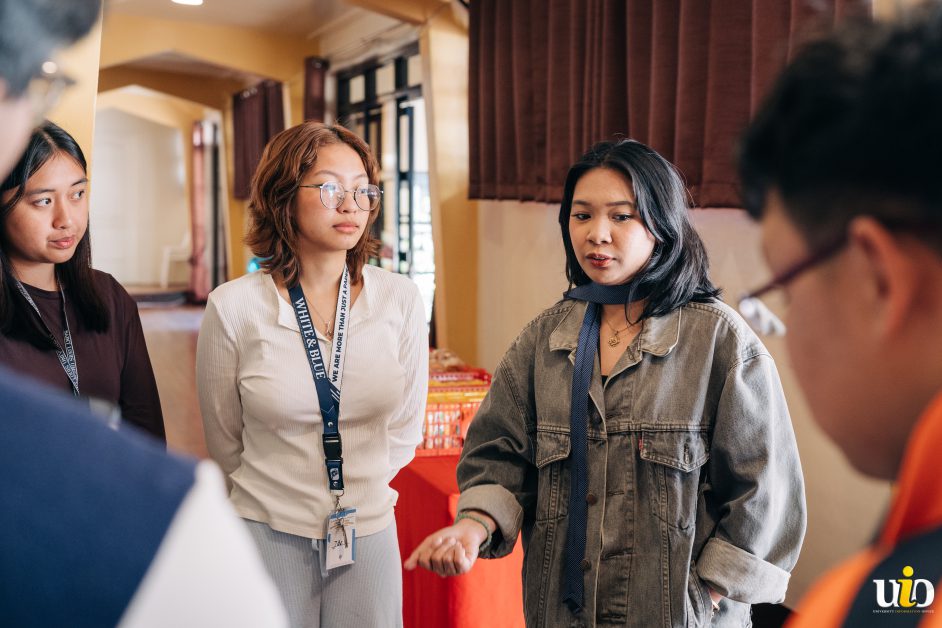
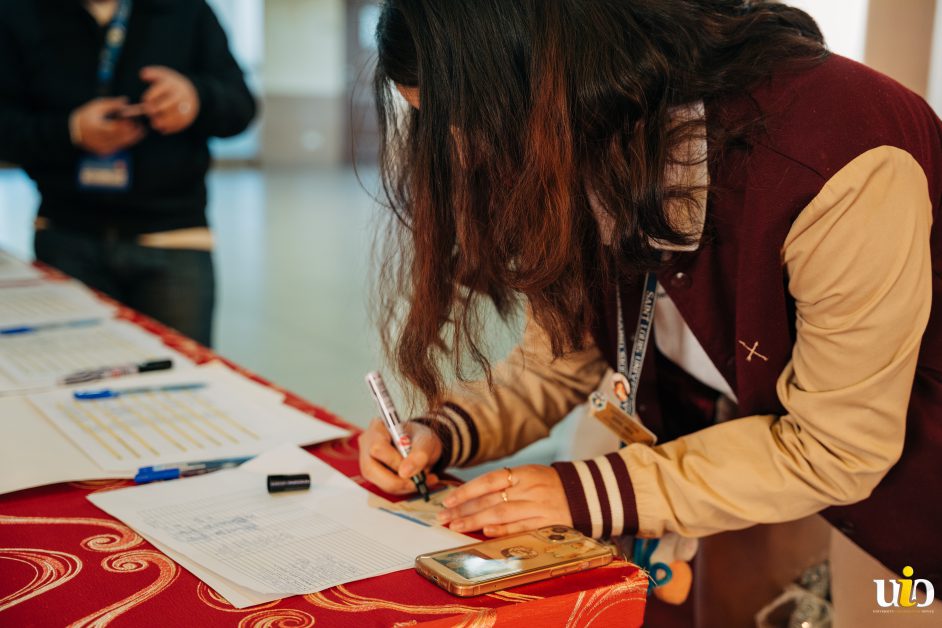
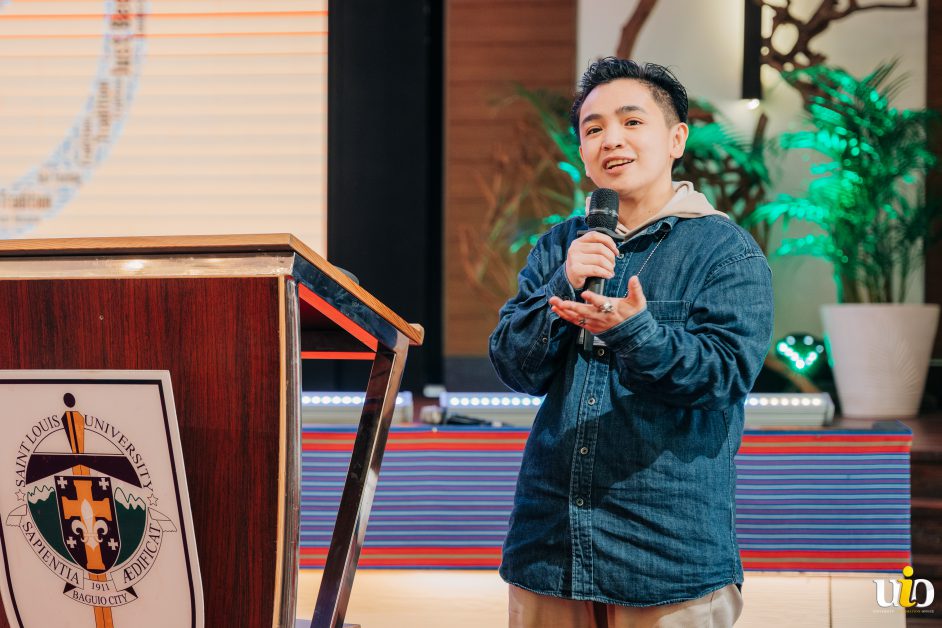
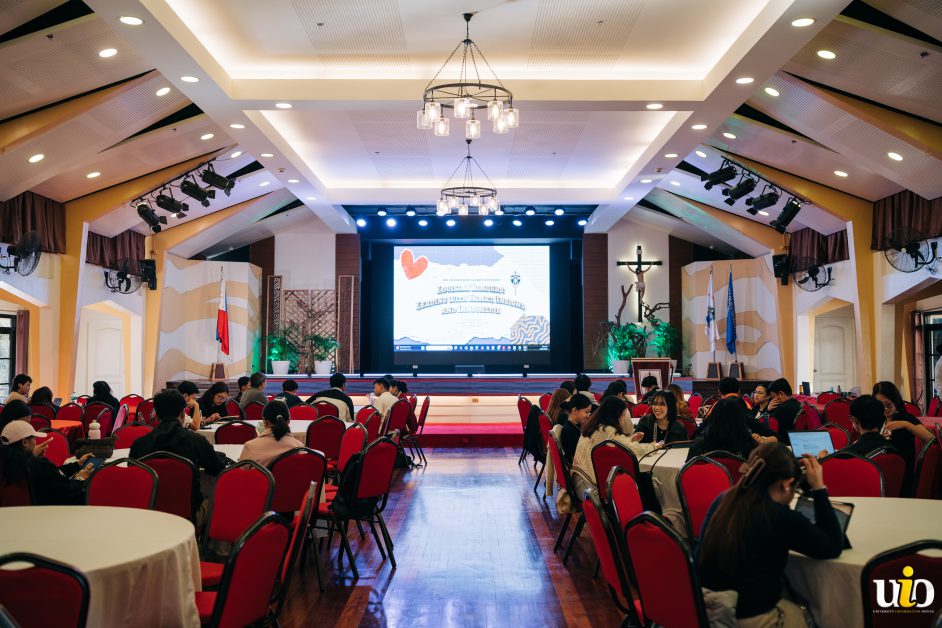
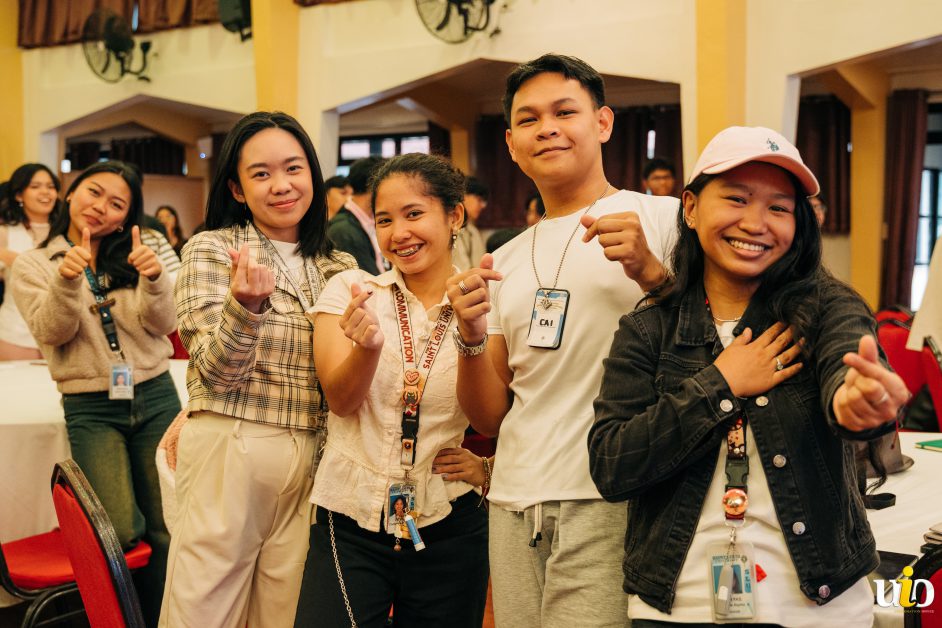
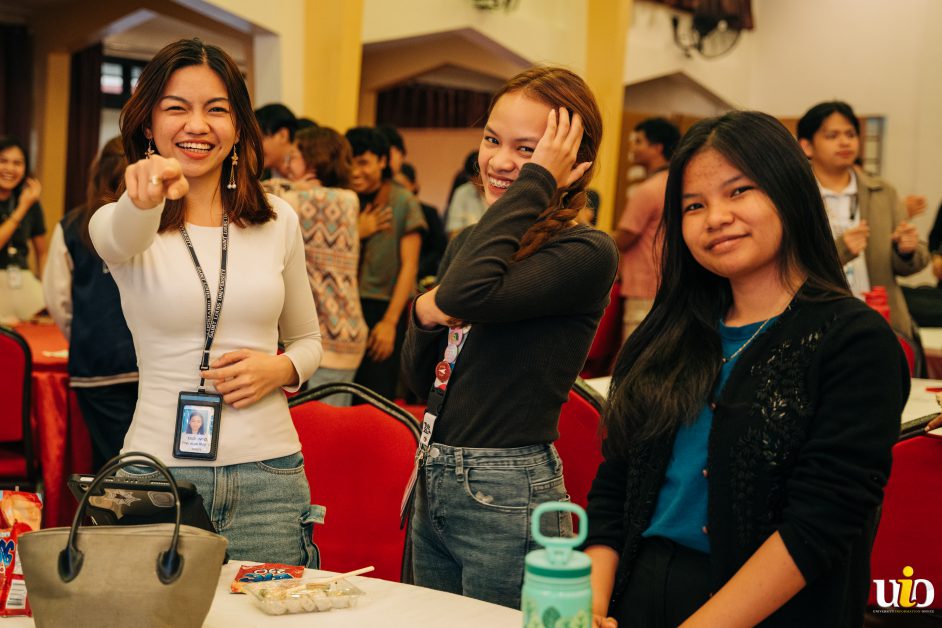
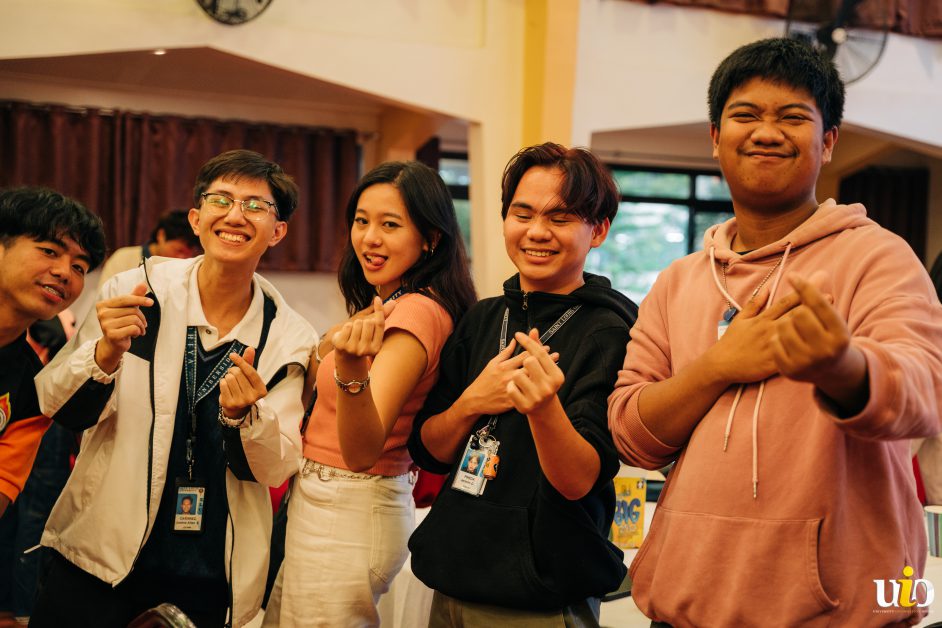
Hundreds of student leaders from various organizations, publications, and advocacies of Saint Louis University (SLU) gathered for the 2025 Louisian Student Leaders’ Convergence organized by the Office of Student Affairs and Services (OSAS) at the Fr. Francis Gevers Hall, Diego Silang, SLU Main Campus on 29-30 January 2026.
Themed “Louisian Leaders: Leading with Heart, Insight, and Innovation,” the two-day event aimed to empower student leaders across various roles with practical insights into leadership approaches, including collaborative leadership, digital leadership, and empathic leadership. Invited speakers also discussed important topics such as responsible technology use, strategic thinking, and community engagement to further equip student leaders with competencies in their roles and responsibilities.
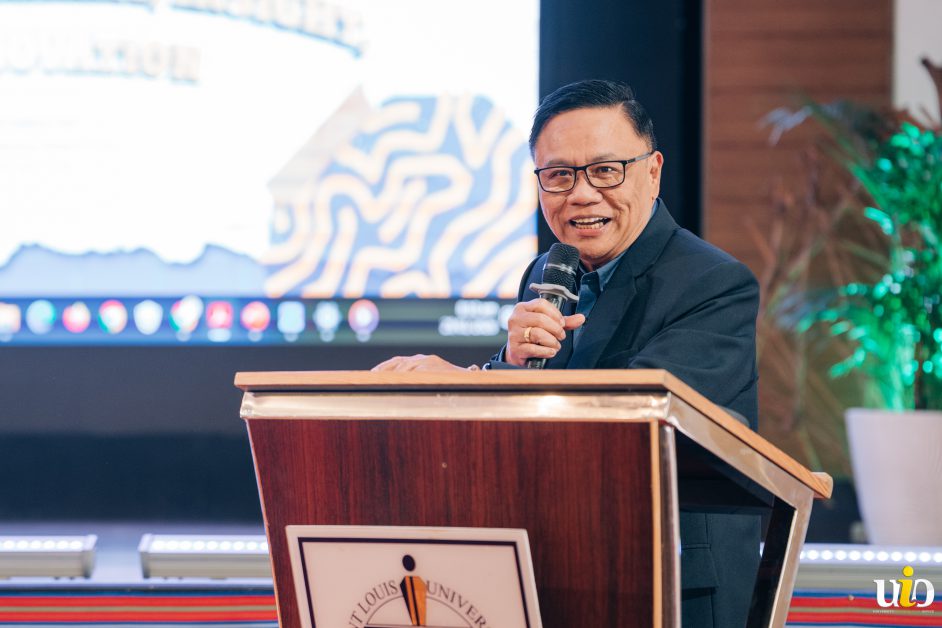
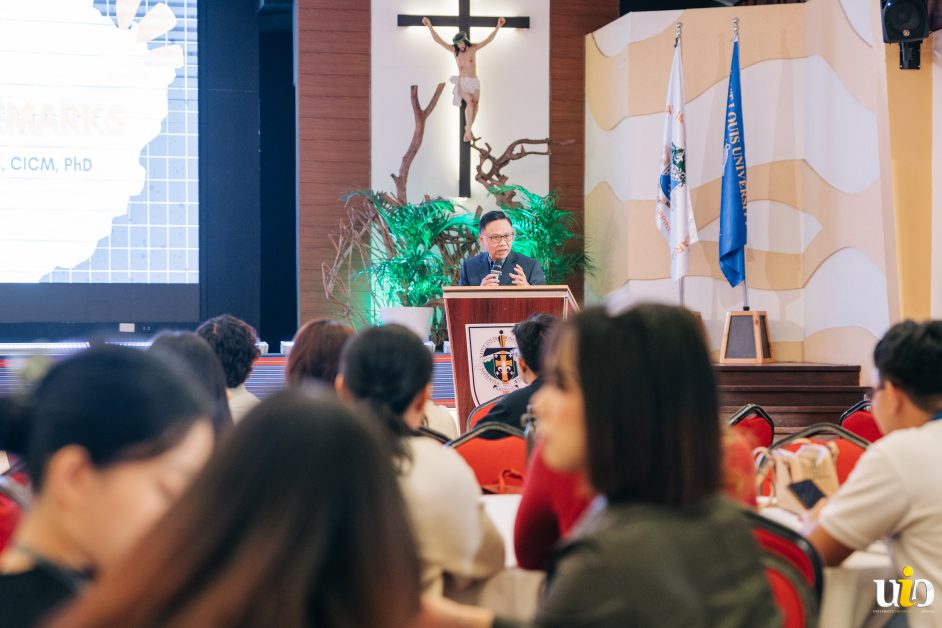
The University President, Rev. Fr. Gilbert B. Sales, CICM, PhD, in his opening remarks, emphasized, “Leadership is more than just a position… It is a deep commitment to action.” He also compared leadership to a light. “When you have a light, you don’t keep it to yourself; you keep it at a lampstand to be shared,” Fr. Gilbert said, inspiring students to have the initiative to act for others.
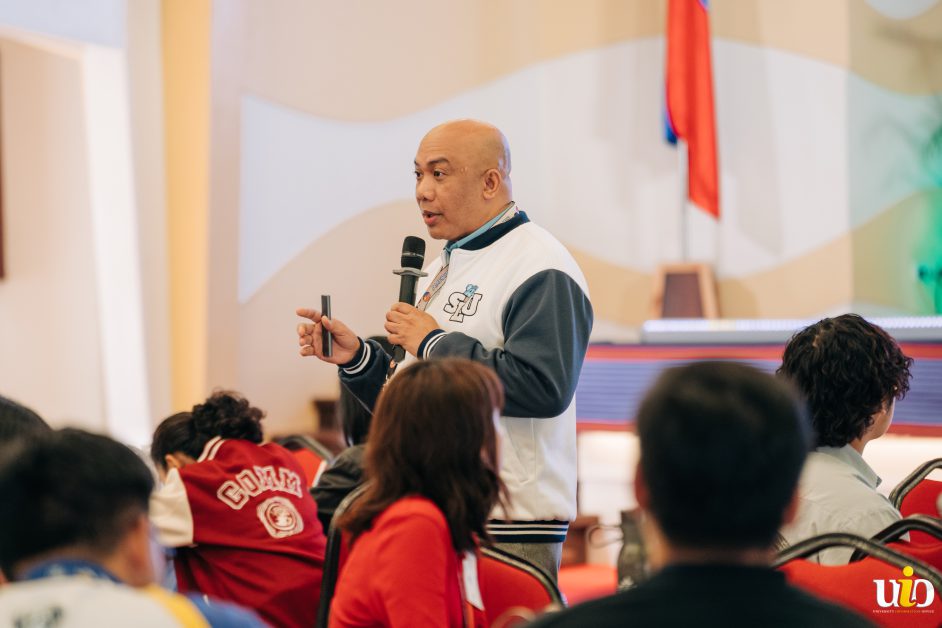
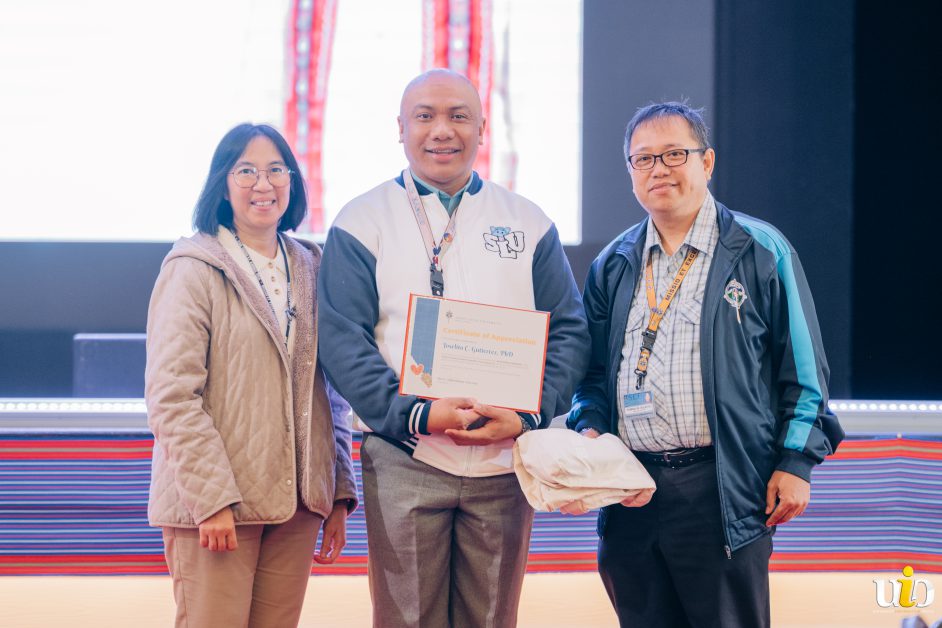
Meanwhile, in his keynote address, SLU’s Executive Assistant to the President, Joselito C. Gutierrez, PhD defined leadership in the Congregatio Immaculati Cordis Mariae (CICM) context not just as an extracurricular activity but as a training ground for servant leadership in the wider world. He reiterated that what defines Louisians, from other student leaders, is their sense of mission to make a difference in the world, encouraging student leaders to be of service to others even through small acts.
Day 1: Collaboration, Leadership and Responsible Technology Use
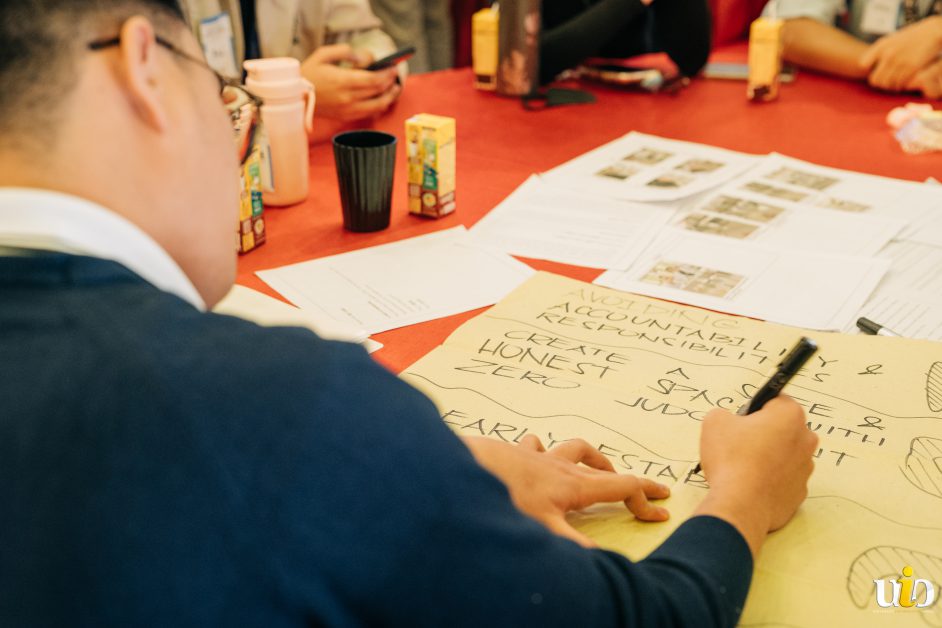
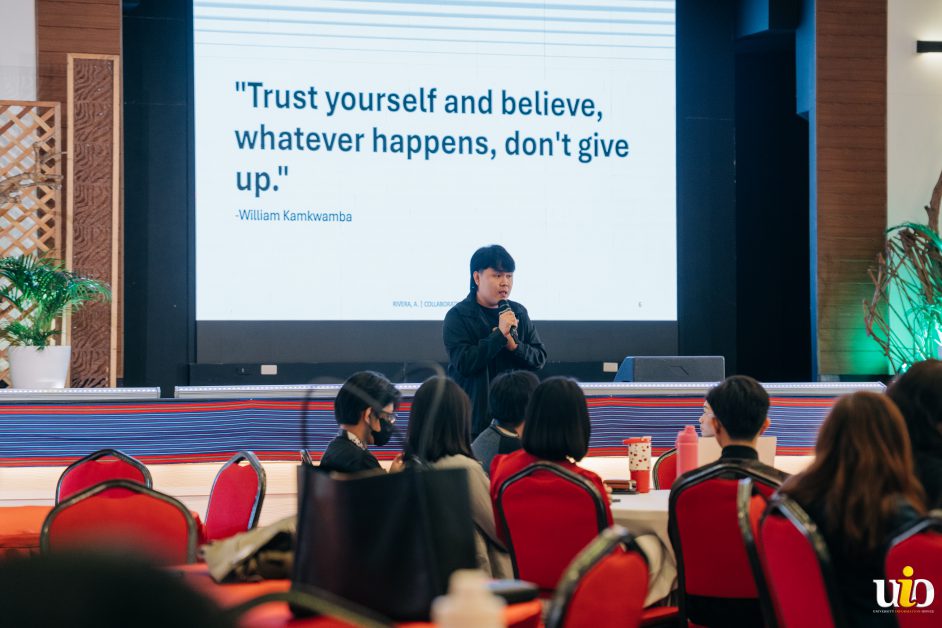
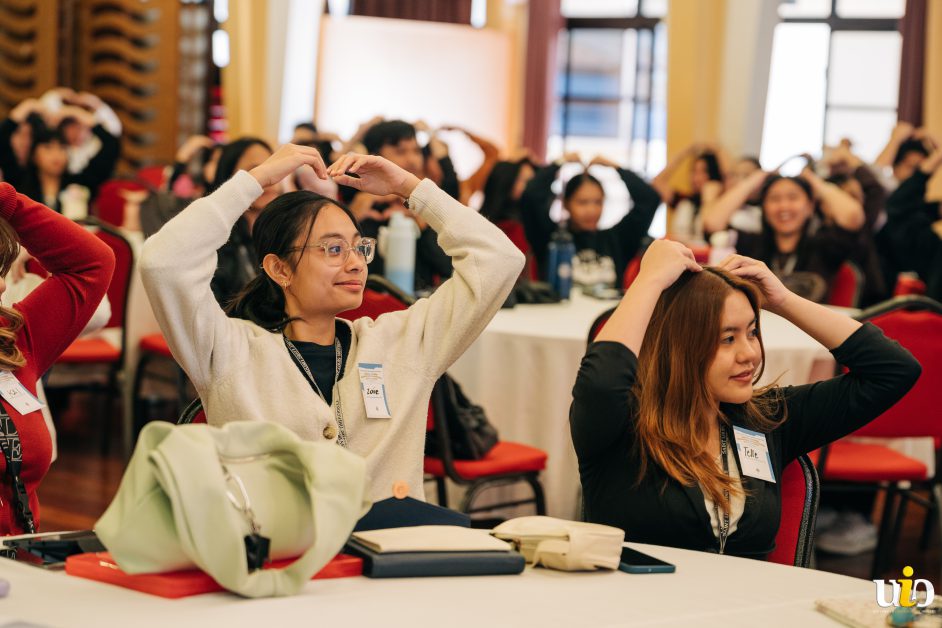
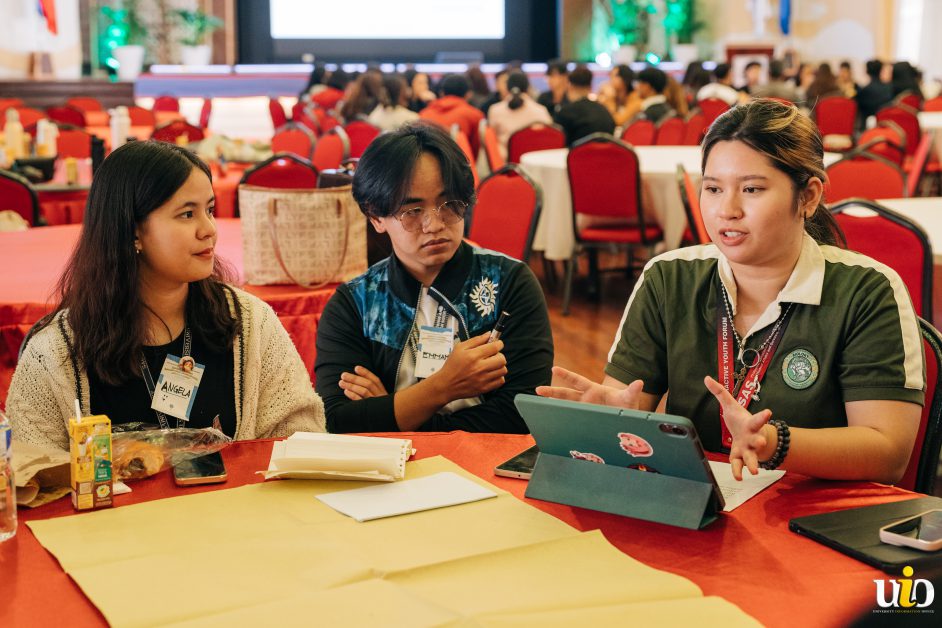
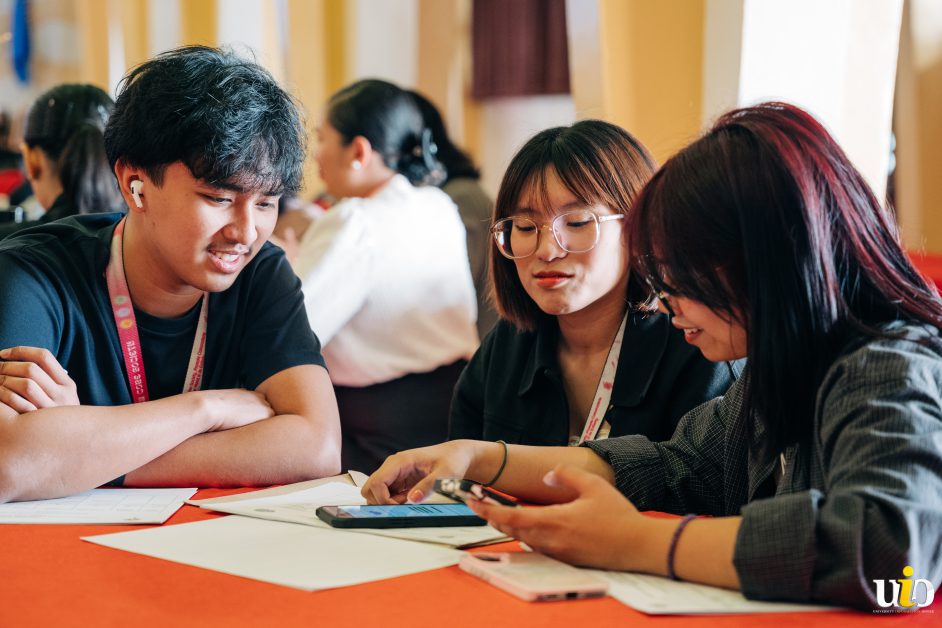
Junior Chamber International (JCI) Philippines 2025 Area 1 Chairperson for Public Speaking and Debate, Mr. Arjie C. Rivera, kicked off the session on Collaborative Leadership through interactive activities and group discussions, reminding student leaders that collaboration starts with trust and that the goal of leadership is to create more leaders.
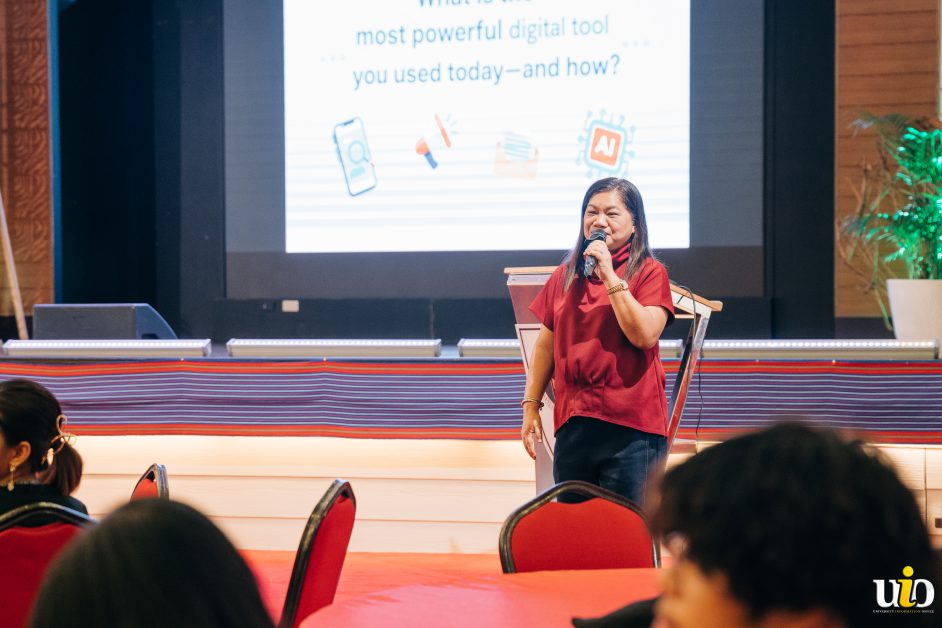
Next, Cecilia A. Mercado, PhD, SLU Information Systems And Technology Services Department (ISTSD) Chief Information Technology Officer and Data Protection Officer (DPO), discussed key topics on Digital Leadership. These included using technology ethically, responsibly, and effectively to influence and serve others. She further stated that every click the students do is their leadership action. Ma. Concepcion B. Clemente, Assistant Data Protection Officer, followed by discussing student leaders’ rights and responsibilities as data subjects and how this impacts leadership.
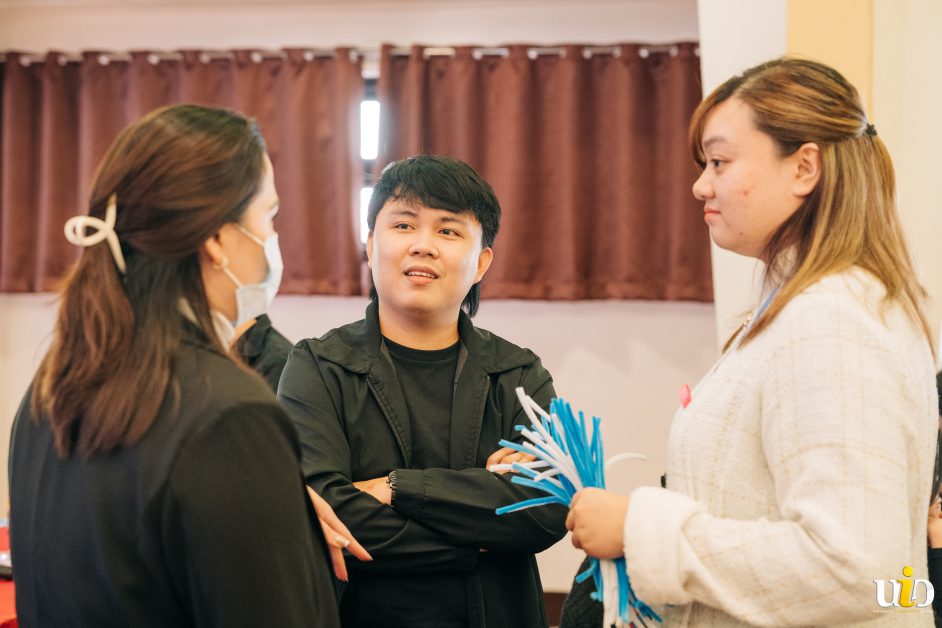
Day 2: Collaborative Leadership, Digital Leadership and Responsible Technology Use
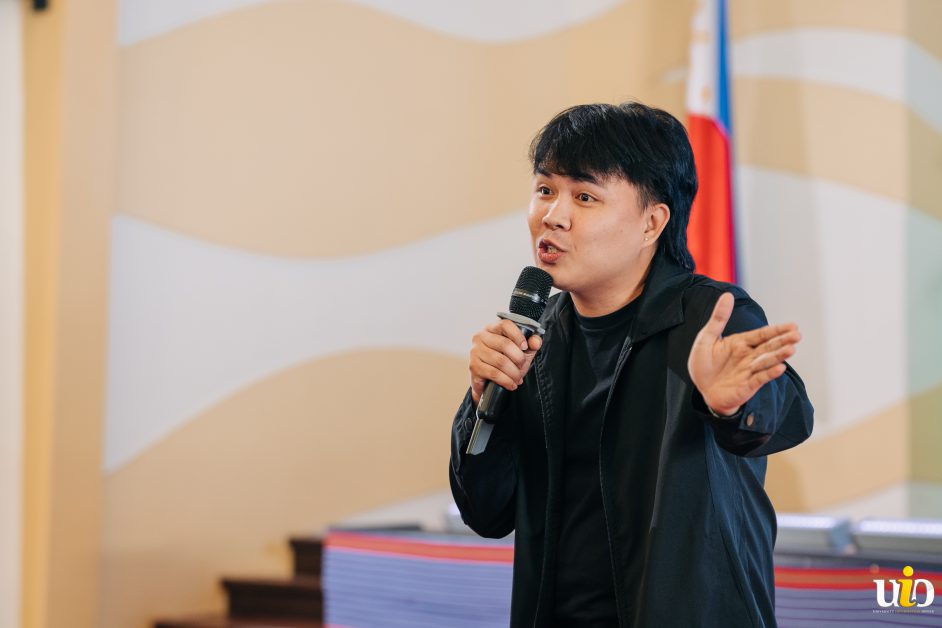
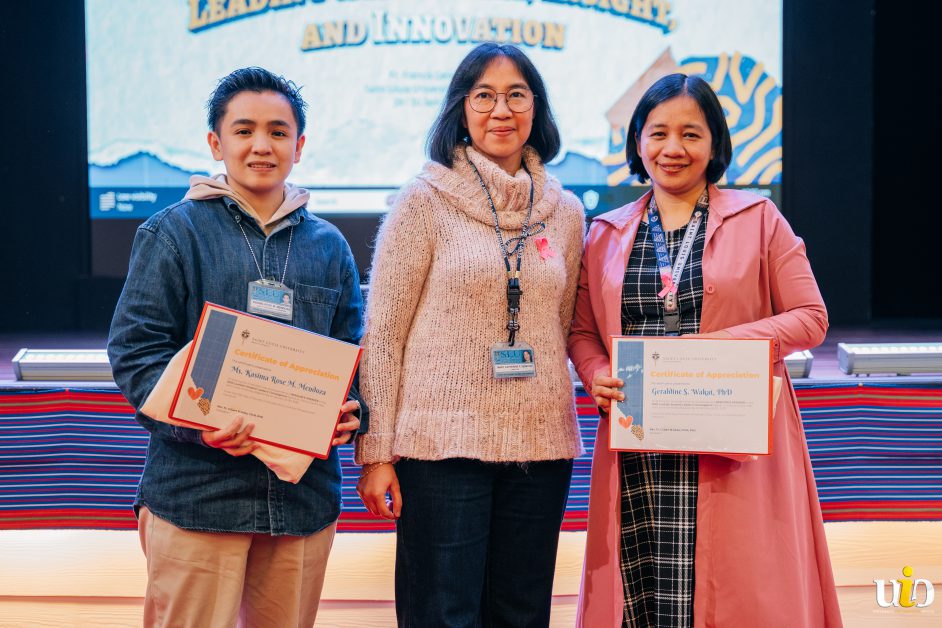
Kasima Rose M. Mendoza, SLU Office of Institutional Development and Quality Assurance (OIDQA) Coordinator and Information Technology (IT) instructor at the School of Accountancy, Management, Computing and Information Studies (SAMCIS), initiated day two with a talk “Data-Informed Decision Making,” showing students how to correctly and ethically interpret information. She then emphasized the significance of data in leadership. “Being a leader isn’t about having all the answers. It’s about being brave enough to look at the data and admit when a plan isn’t working,” she said.
Geraldine S. Wakat, PhD, SLU OIDQA Coordinator, complemented the previous discussion with a discourse on “Strategic Thinking.” The topic broadened students’ perspectives beyond immediate problems to foresee future consequences of their actions and to create a strategic plan for their organization.
Mrs. Charmaine P. Mendoza, SLU University Outreach Programs Office (SLU UOPO) Head, tackled “Community Engagement and Social Innovation.” She challenged student leaders to have the heart to care, the insight to see, and the innovation to do something. “Leadership is a personal connection with others and their community,” she said.
Lynn Marie Nestingen, PhD, Peace Corps Volunteer at SLU UOPO, then discussed the technicalities of outreach programs. She mentioned that with the help of technology, outreach programs can be responsive, innovative, up-to-date, and efficient.
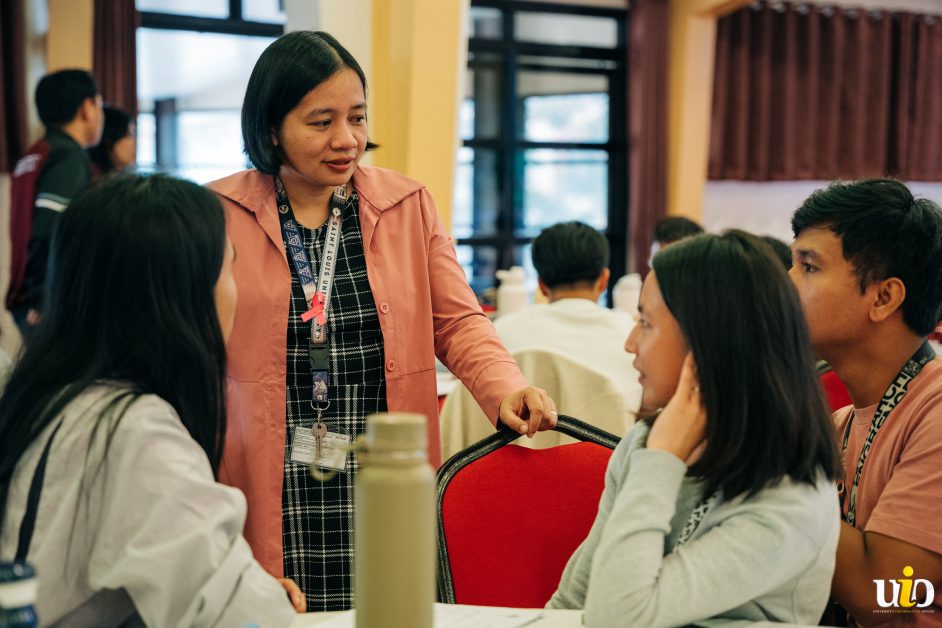
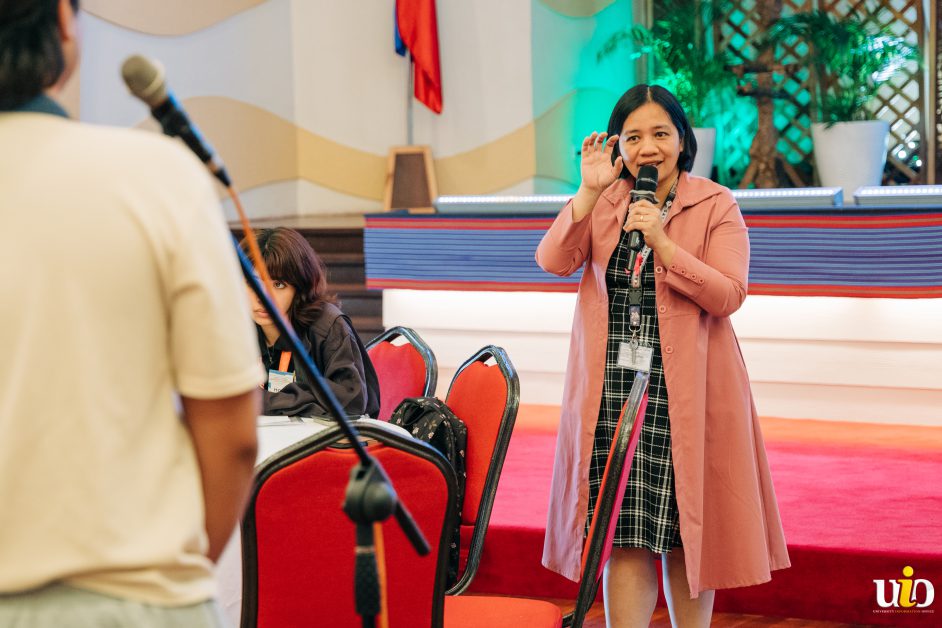
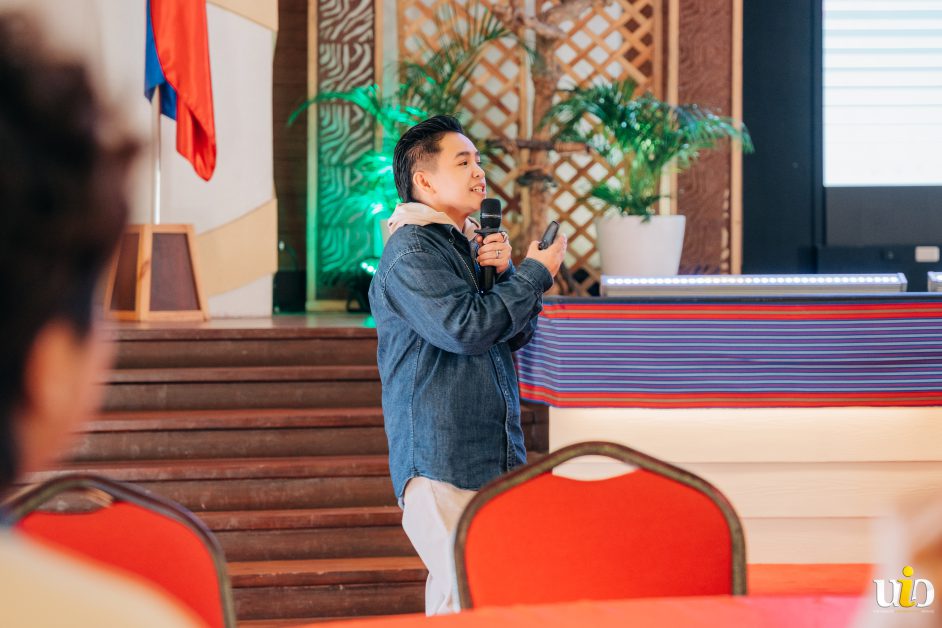
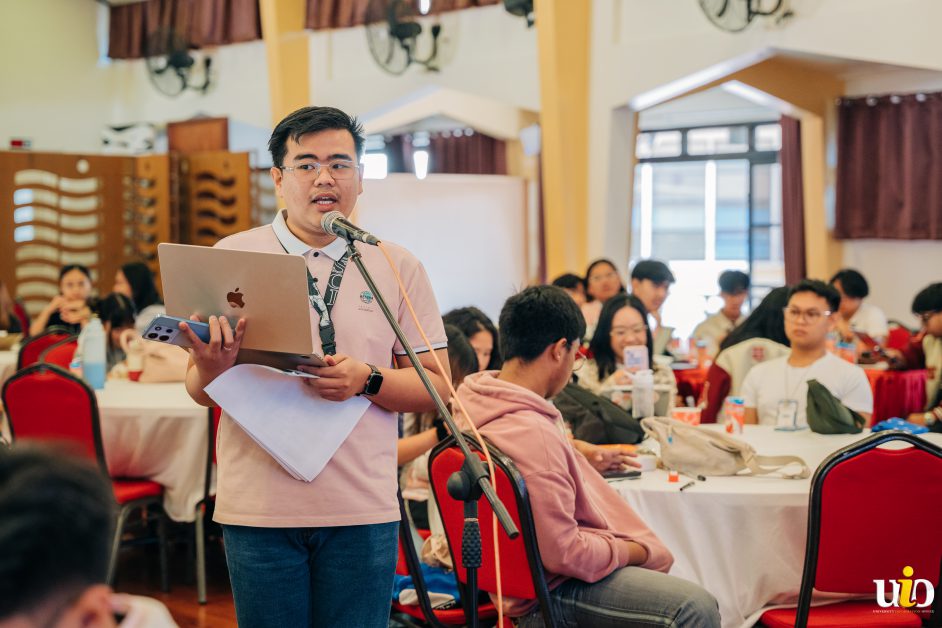
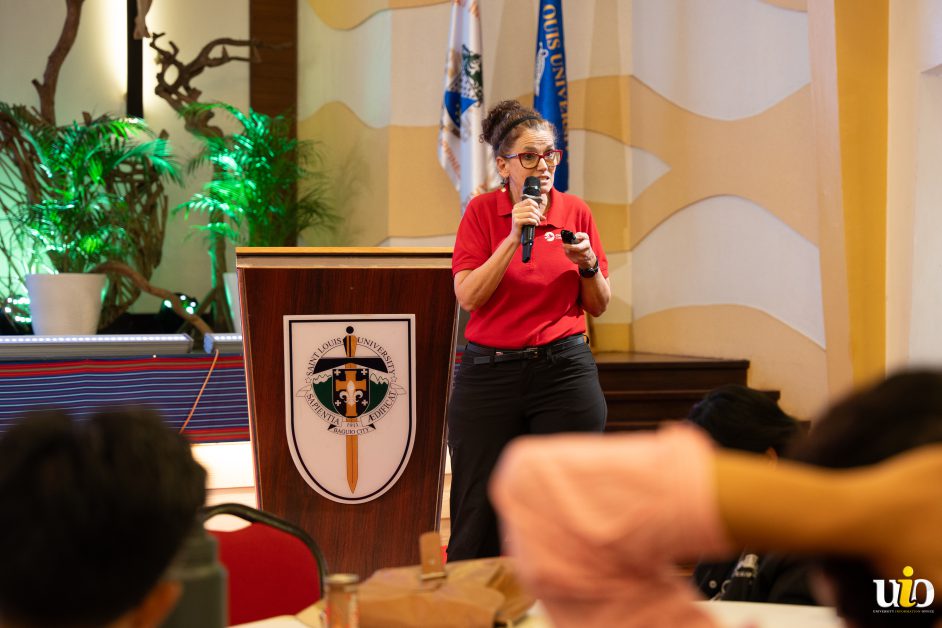
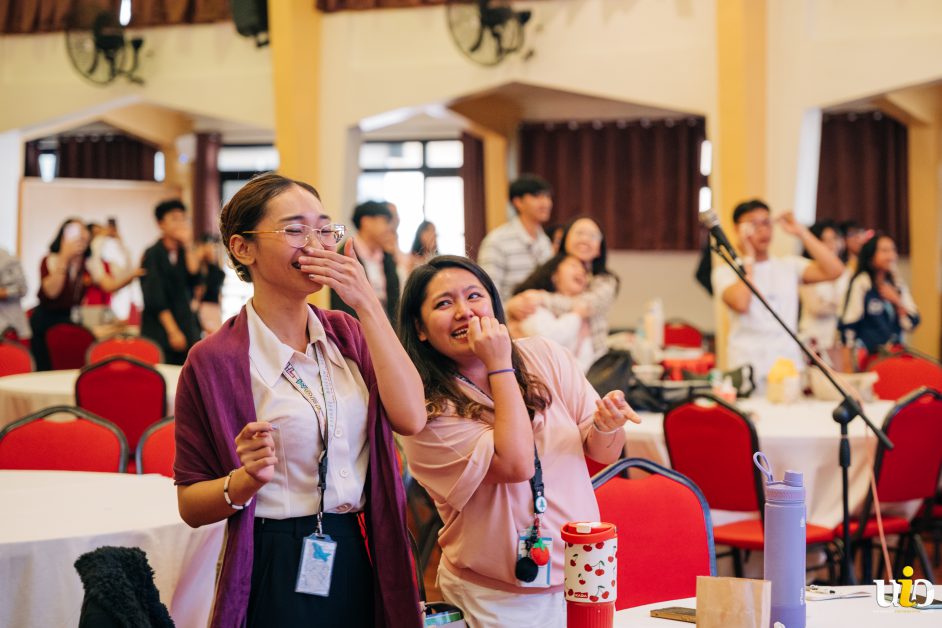
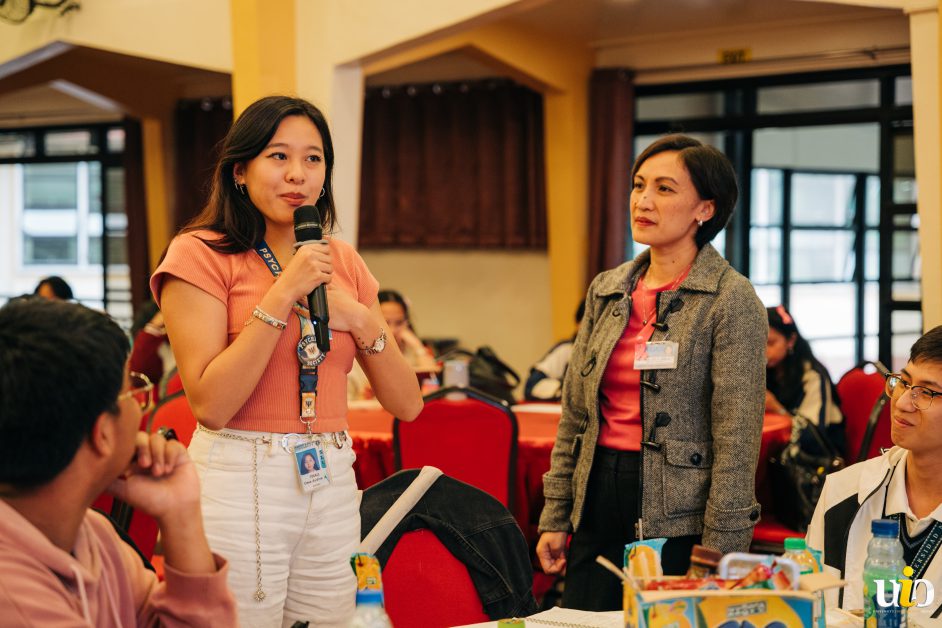
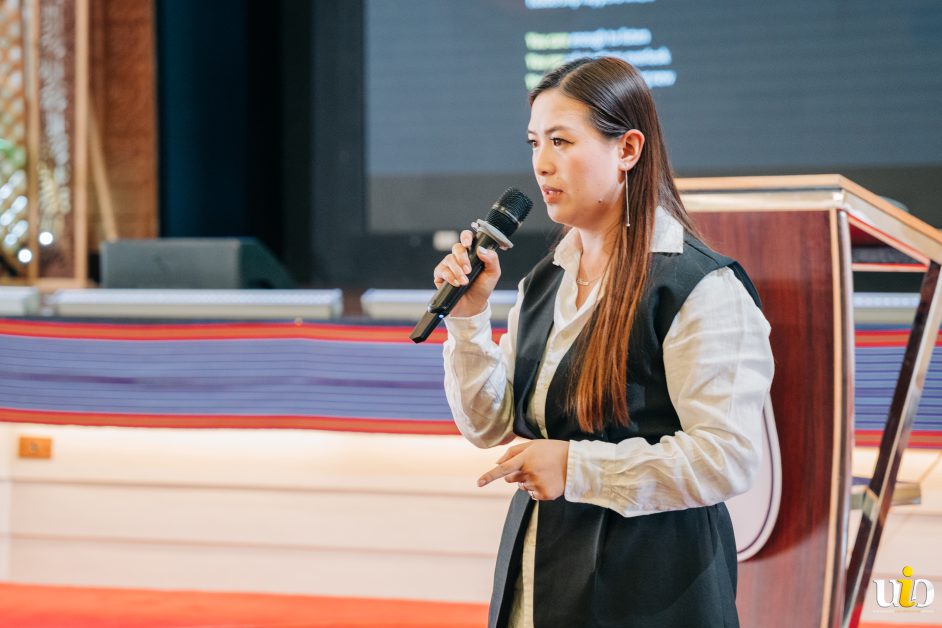
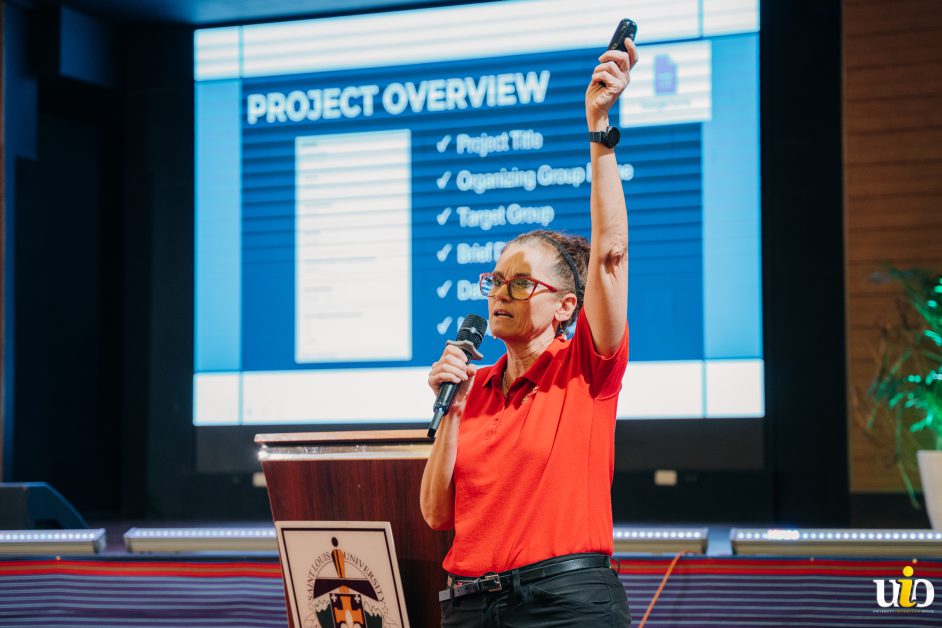
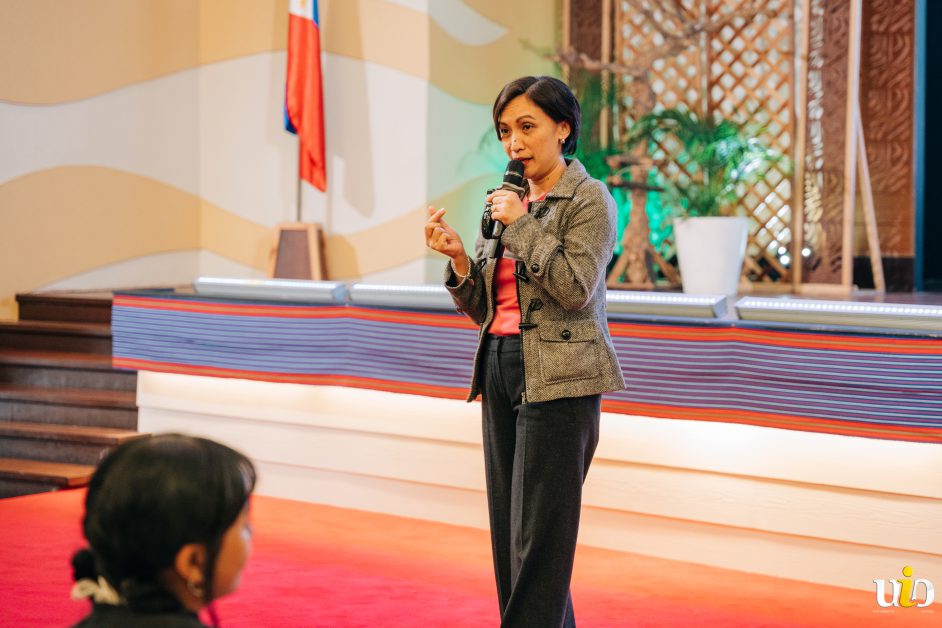
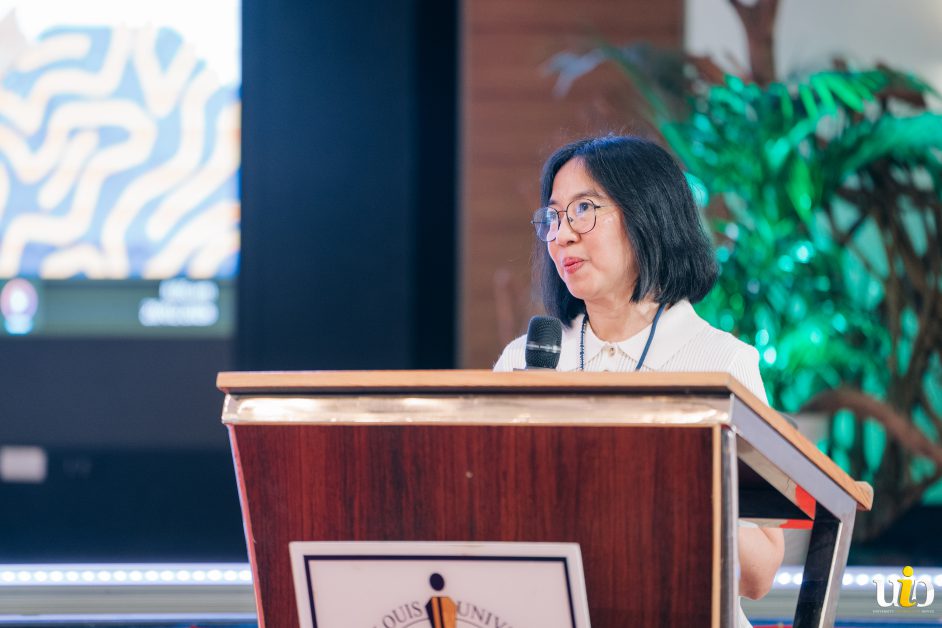
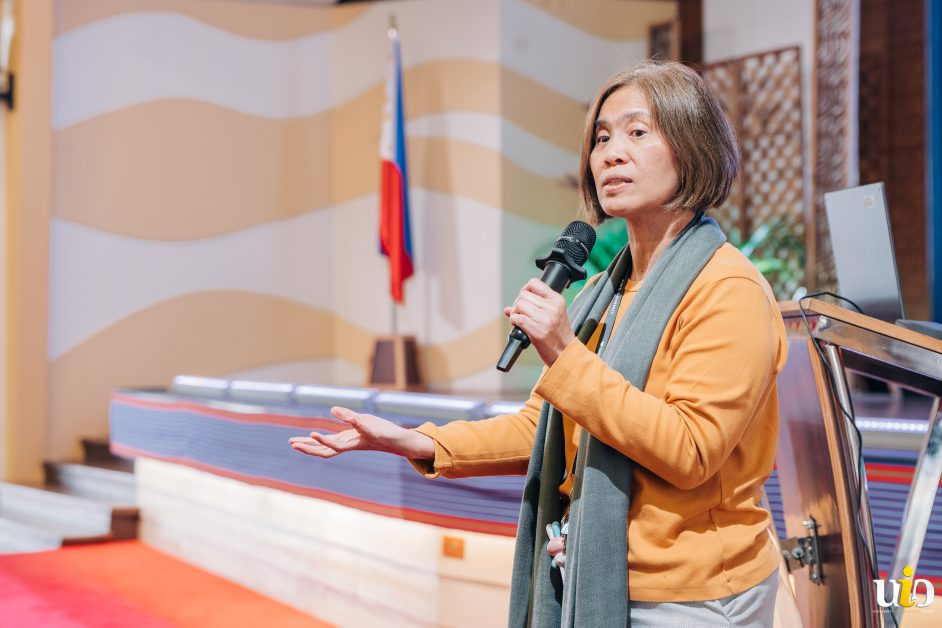
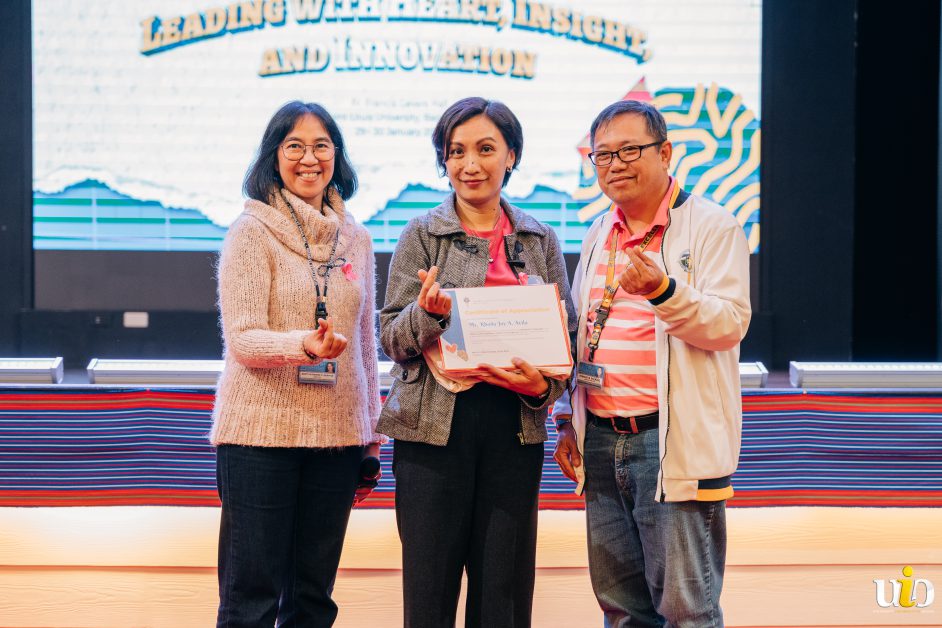
For the final session, Mrs. Rhoda Joy A. Avila, SLU Center for Counseling and Wellness (CCW) Assistant Director, discussed how Emotional Intelligence (EQ) affects leadership presence. EQ is important because according to her, “Leadership is not just about position. It is about influence.” She then said that Empathic Leadership is a kind of leadership that prioritizes people alongside performance. “When you invest in other people through Empathic Leadership, leadership multiplies,” she said.
Putting a meaningful close to the Louisian Student Leaders’ Convergence, OSAS Director Mary Catherine P. Quintos reminded the student leaders: “Lead with heart, think with insight, and have the courage to innovate. So wherever you find yourselves in, you can call yourselves, Louisian Leaders.”
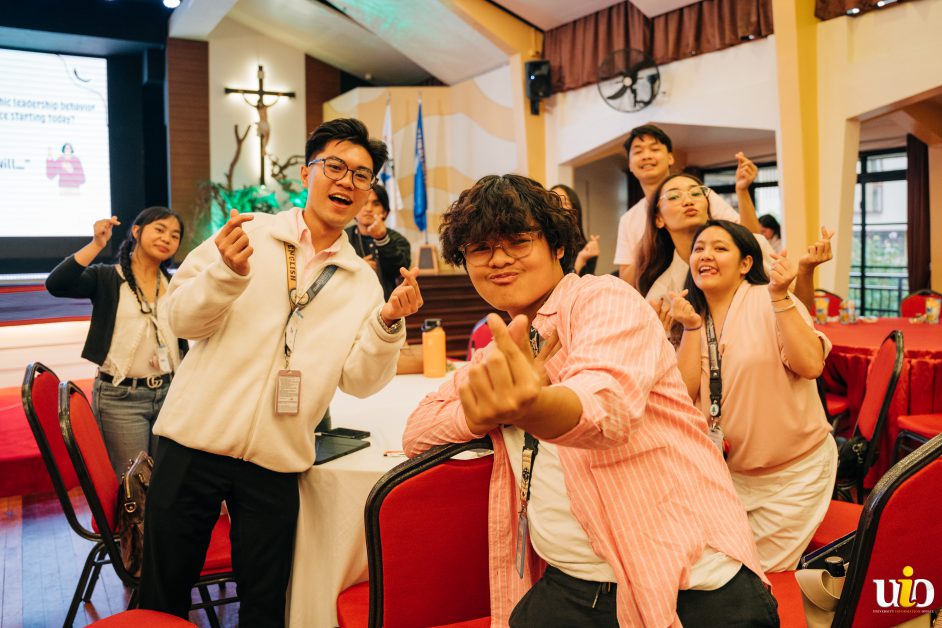
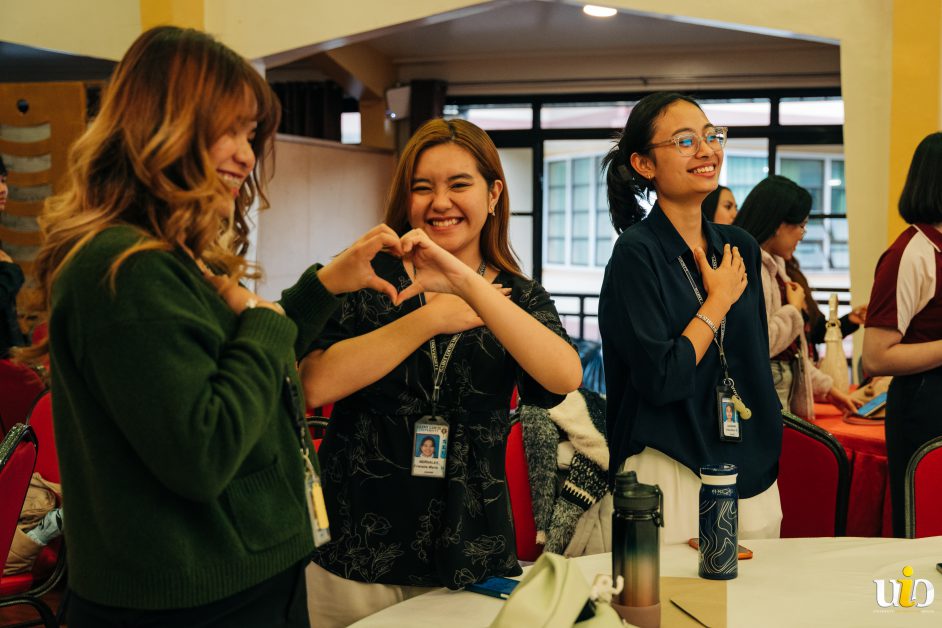
Aligned with the United Nations Sustainable Development Goals (SDG) 4 (Quality Education), 9 (Industry, Innovation, and Infrastructure), 10 (Reduced Inequalities), 11 (Sustainable Cities and Communities), and 16 (Peace and Justice Strong Institutions), the event successfully equipped student leaders with various competencies and realizations vital for a CICM Louisian leader. (Article by Guenne Gabriel C. Patano, UIO Intern | Photos by Kemm Mitchell G. Olarte and Kathleen Therese Catingub, UIO Interns)