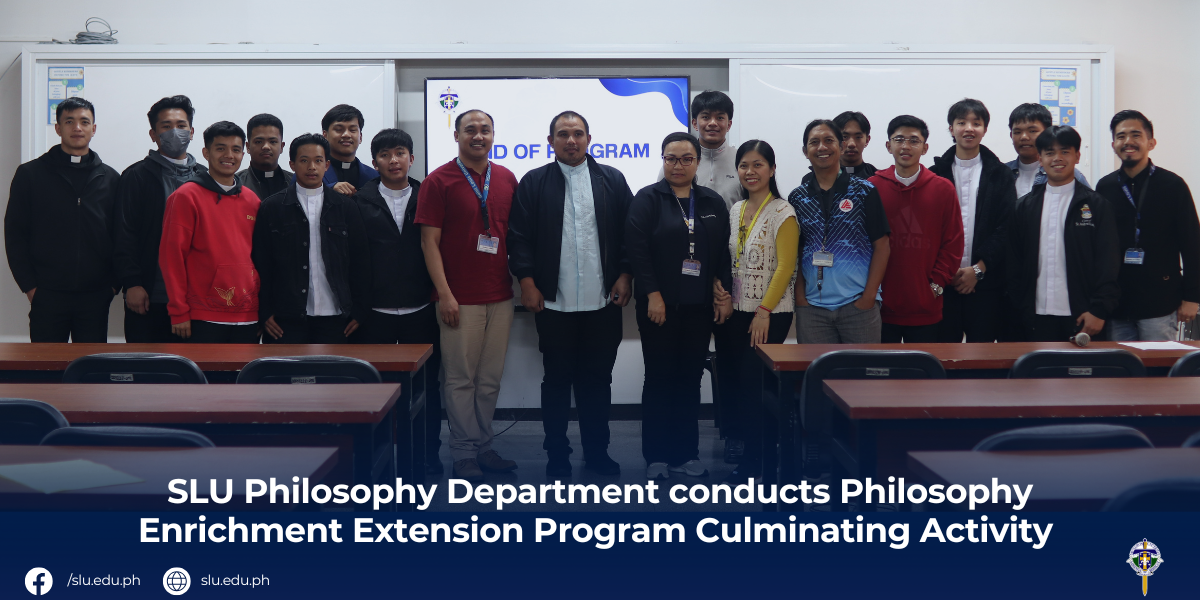
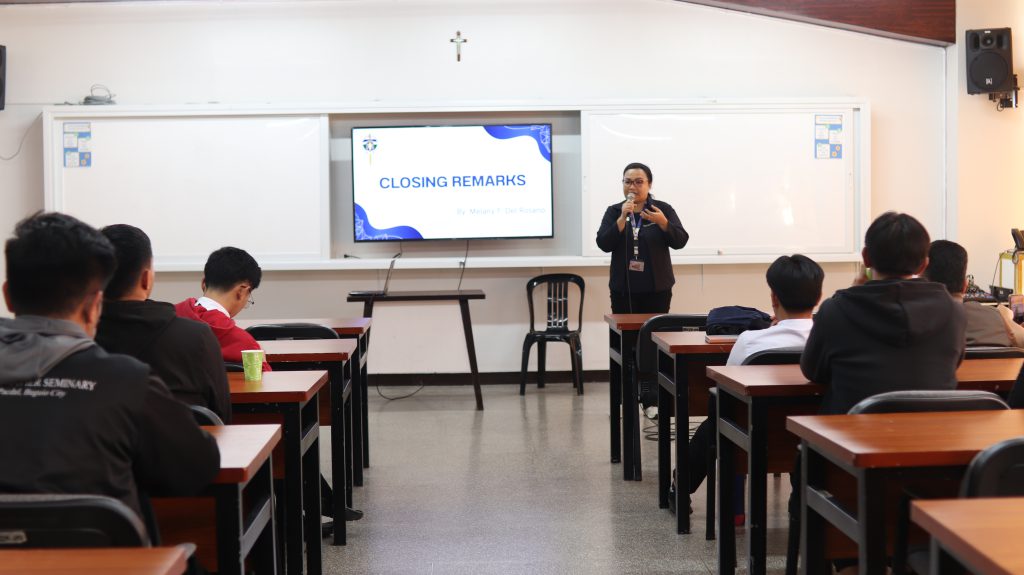
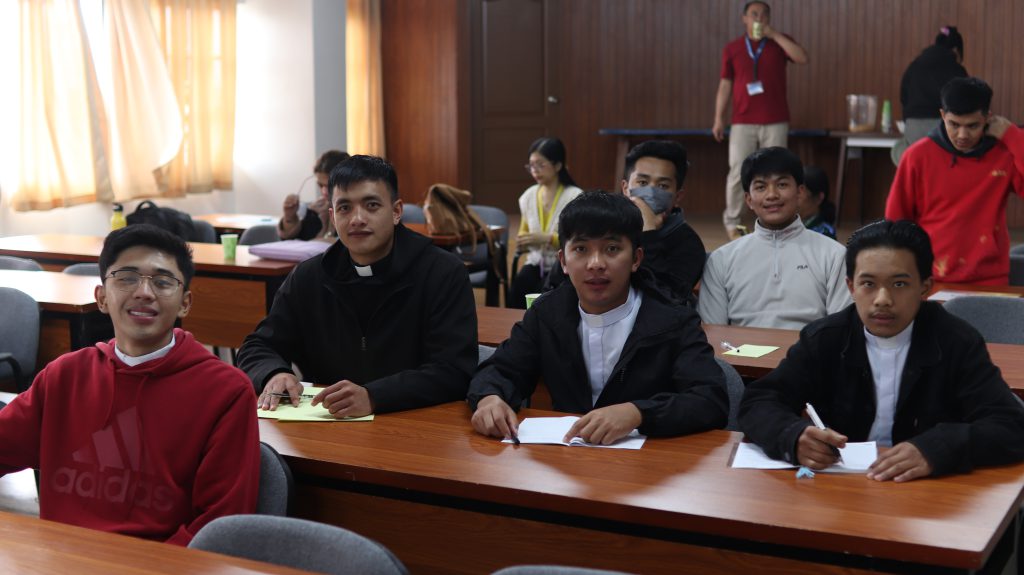
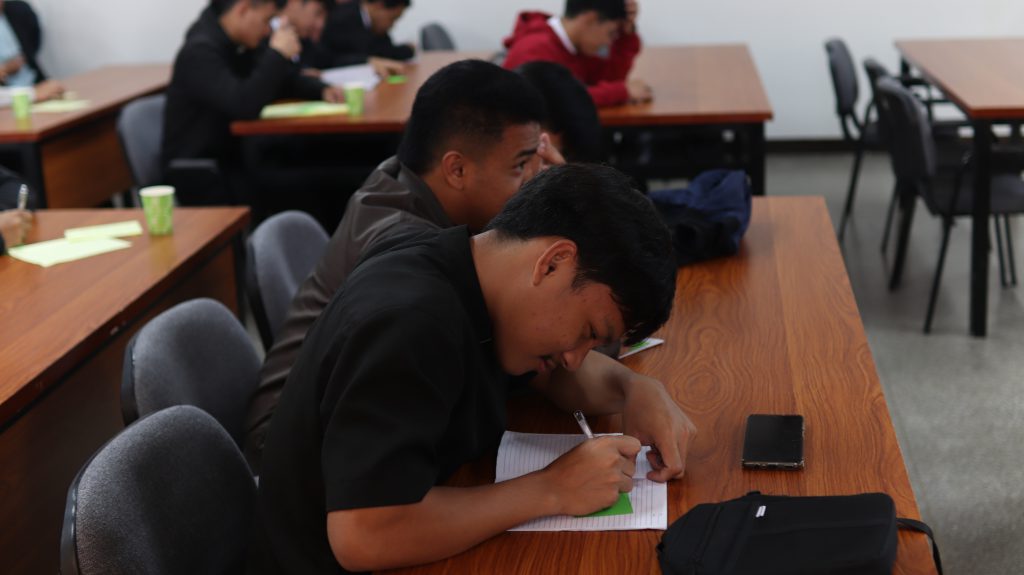
The Culminating Activity of the Philosophy Enrichment Extension Program held on 12 February 2026 at the AVR Msgr. Charles Vath Library Building, Saint Louis University (SLU) Main Campus marked a significant milestone in the Department of Philosophy’s commitment to community engagement and academic engagement. With seminarians as the primary beneficiaries, the event showcased the collective efforts of faculty, collaborators, and resource speakers in advancing philosophical discourse while grounding it in lived realities of faith, community, and sustainable development.
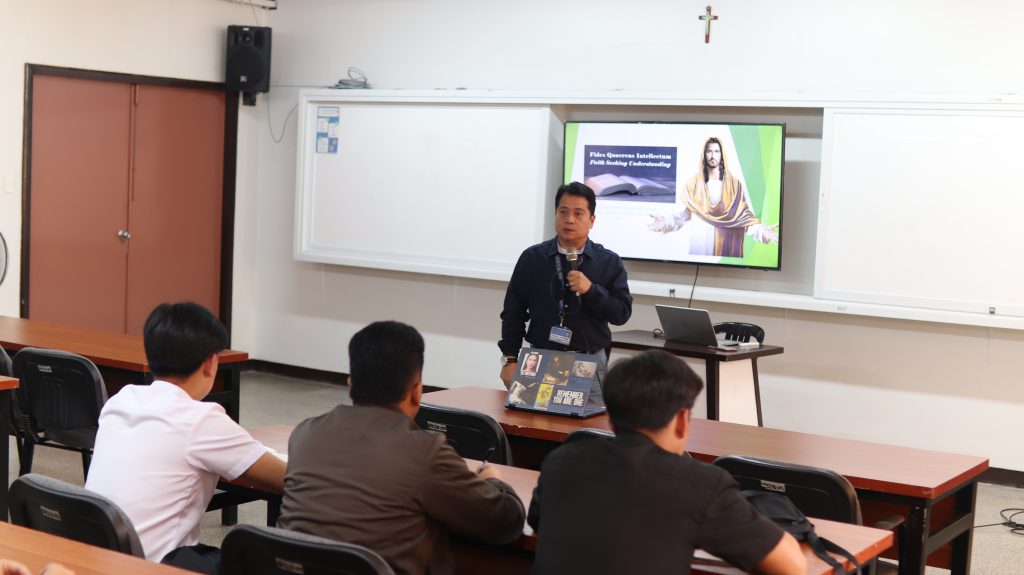
The highlight of the event was the lecture delivered by Prof. Samuel Bartolome, who expounded on Fides Quaerens Intellectum—underscoring the role of philosophical studies in deepening Christian faith. His message resonated with the seminarians, bridging intellectual inquiry with spiritual formation. The subsequent dialogue and reflections affirmed the relevance of philosophy in shaping holistic, faith‑driven leadership.
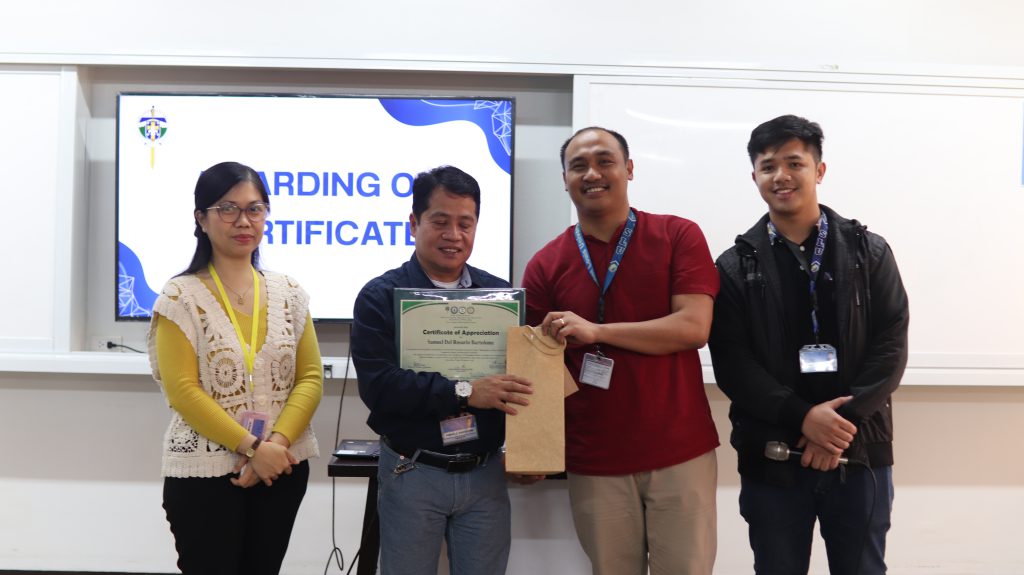
Beyond the lecture, the culminating activity served as a platform to transition into the next phase of the Extension Program: research. This forward‑looking agenda reflects the themes of Shared Ownership, Sustainability, Relevance, and Empowerment—principles that anchor the university’s extension philosophy. Shared ownership was evident in the collaborative design of the program, involving faculty, administrators, and beneficiaries alike. Sustainability was emphasized through the continuity of projects that extend beyond one‑time activities, ensuring long‑term impact. Relevance was highlighted by tailoring philosophical inquiry to the seminarians’ context, while empowerment was achieved by equipping them with tools to critically engage with both faith and society.
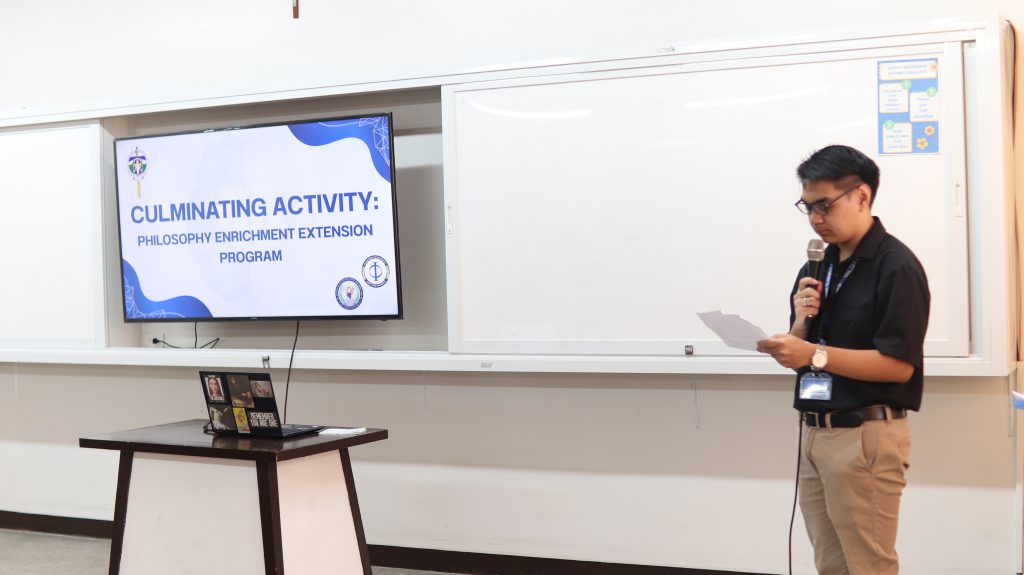
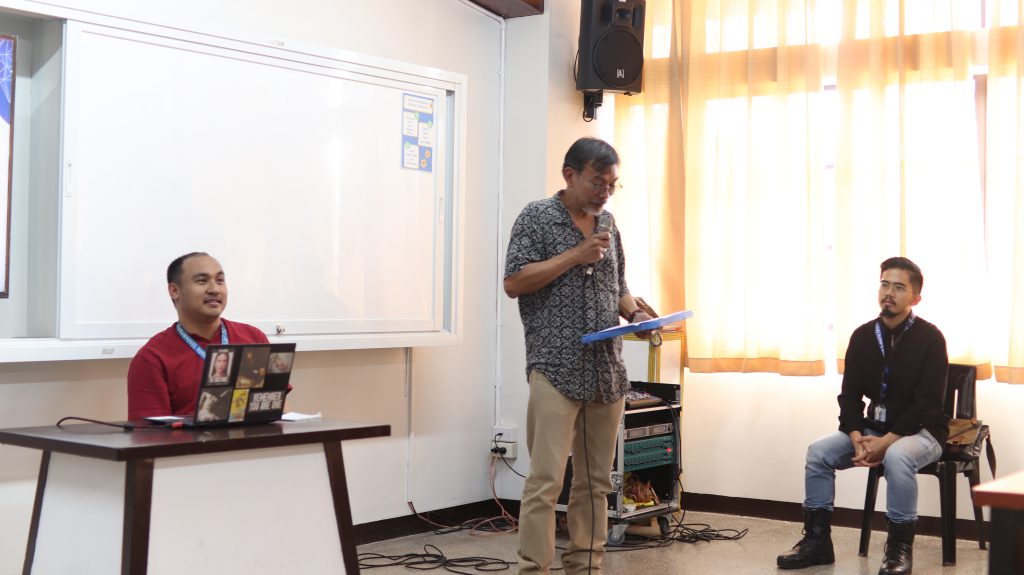
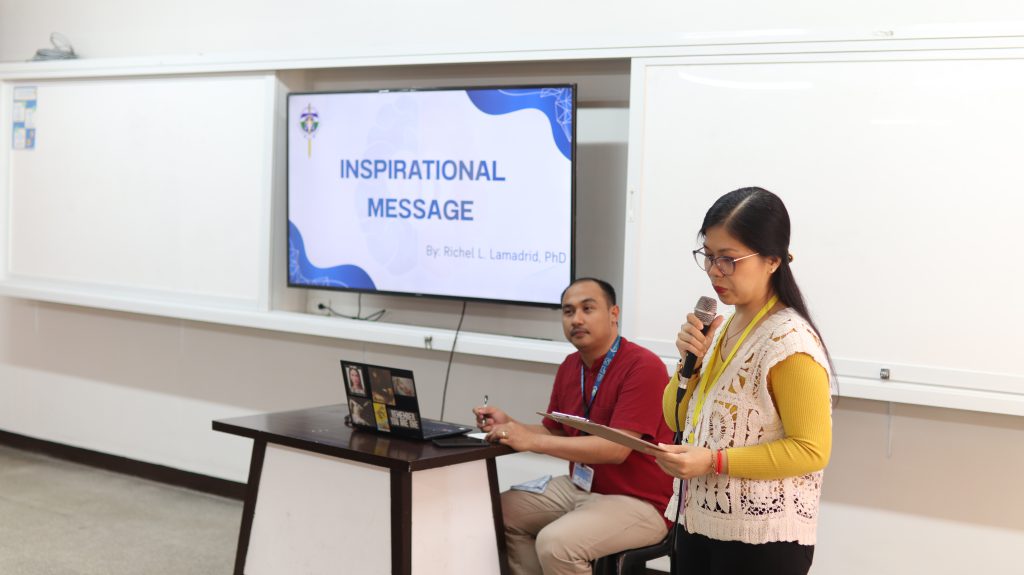
The extension pipeline was clearly demonstrated during the activity. It began with a needs assessment, identifying the seminarians’ academic and spiritual formation requirements. This was followed by the crafting of a proposal that aligned philosophical themes with community impact. The implementation phase was realized through lectures, dialogues, and structured activities. An impact study was integrated, gauging the effectiveness of the program in enhancing intellectual and spiritual growth. Finally, the commitment to publication ensures that insights and findings will be documented, shared, and disseminated for wider academic and community benefit.
The success of this culminating activity lies not only in its immediate outcomes but in its vision for continuity. By embedding research as the next phase, the Philosophy Enrichment Extension Program positions itself as a dynamic initiative that does not end with a single event but evolves into a sustained scholarly and community endeavor. In doing so, it affirms SLU’s mission to foster intellectual rigor, spiritual depth, and social responsibility, ensuring that philosophy remains both a discipline of thought and a practice of transformative action.
In alignment with the United Nations Sustainable Development Goals, the program advances SDG 4 (Quality Education) by strengthening intellectual and spiritual formation, supports SDG 10 (Reduced Inequalities) by empowering seminarians as beneficiaries and ensuring inclusive access to knowledge, and promotes SDG 17 (Partnerships for the Goals) through shared ownership and collaboration among faculty, institutions, and communities—making the extension program both locally relevant and globally resonant. (Article by NEOLOUPHIS and Photos by Elvis Jr. Ballacay, Philosophy Department, NEOLOUPHIS)