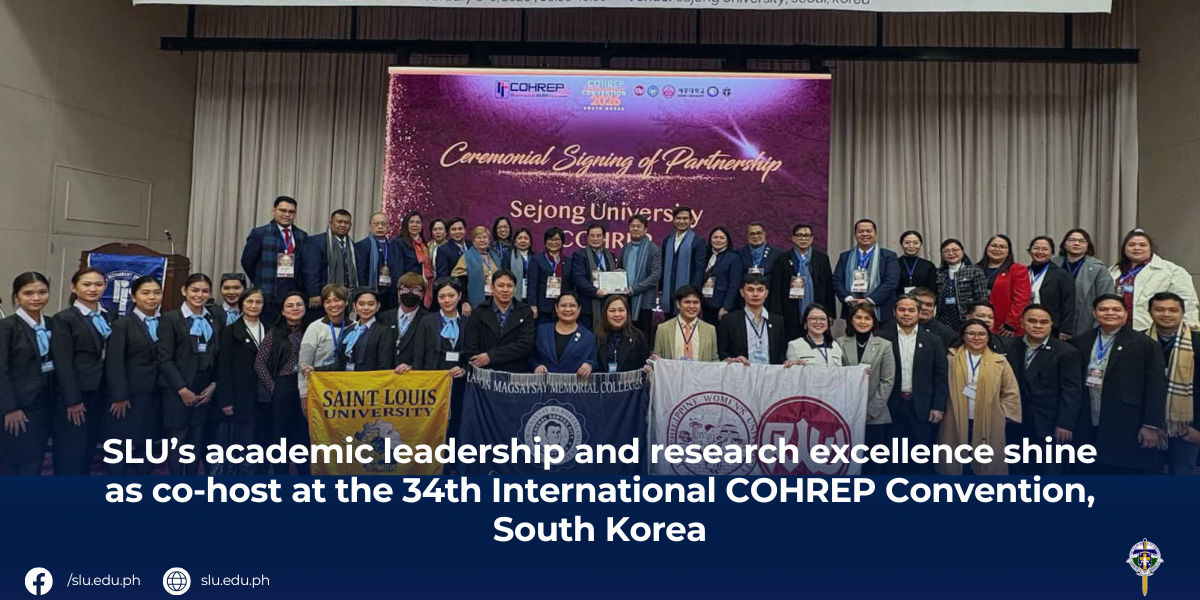
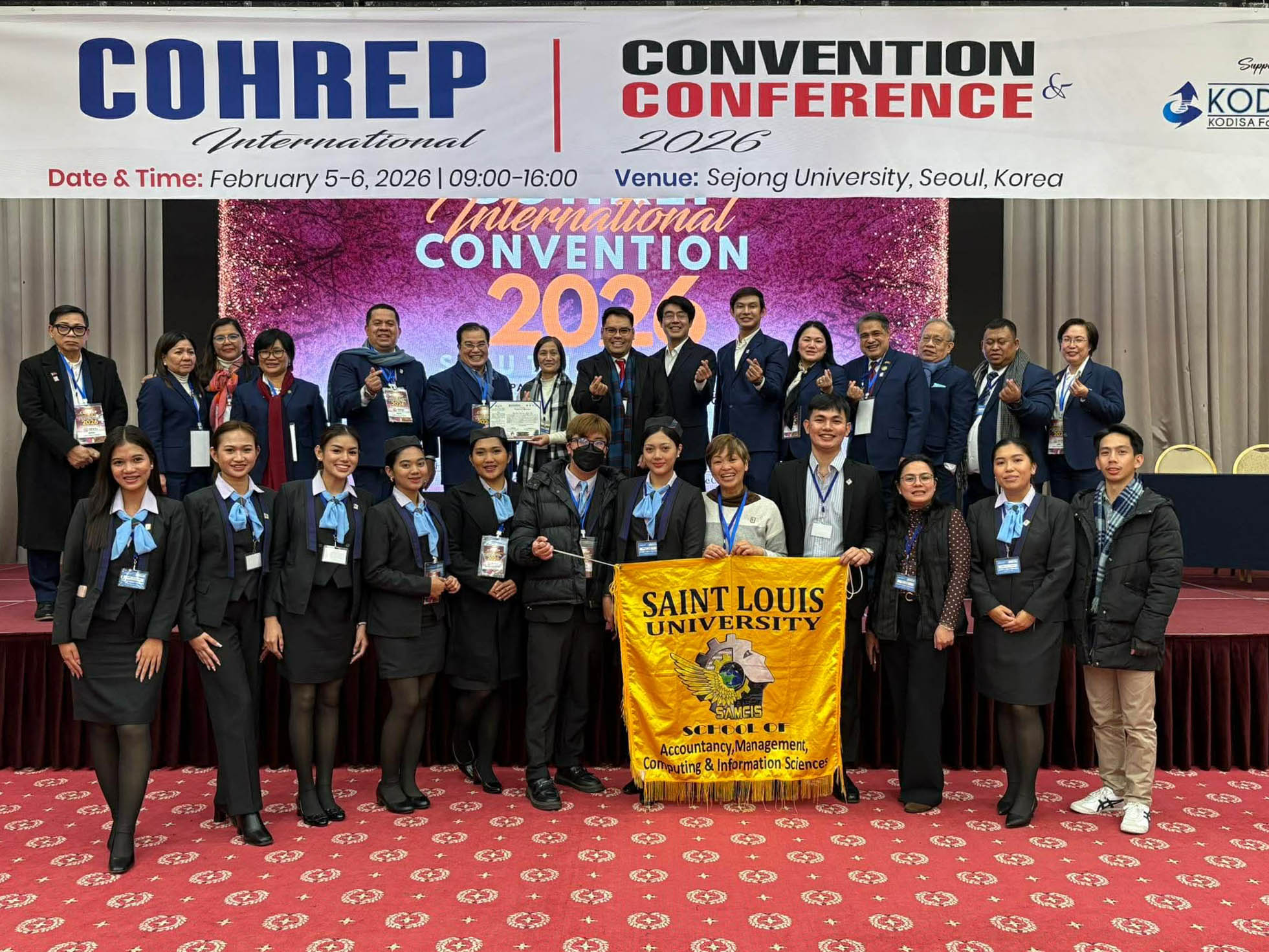
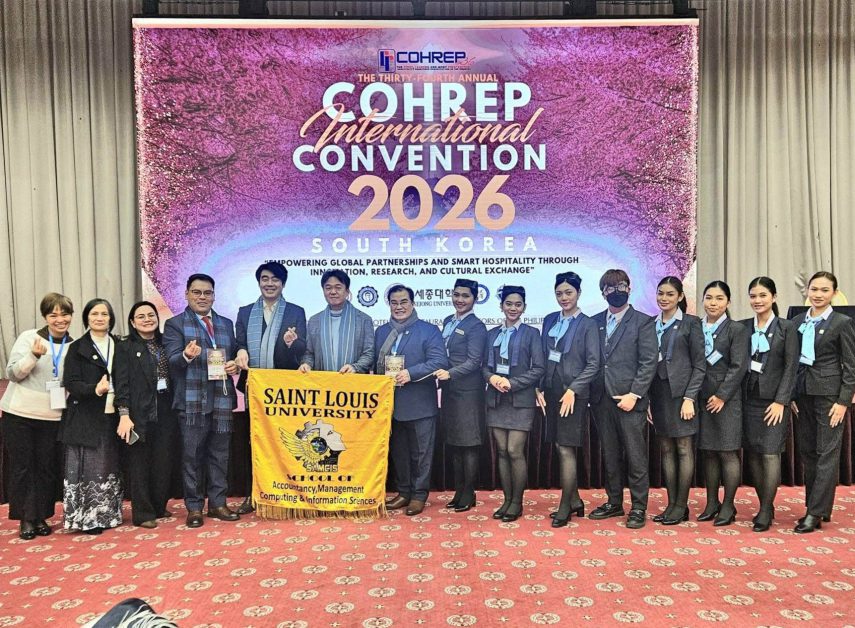
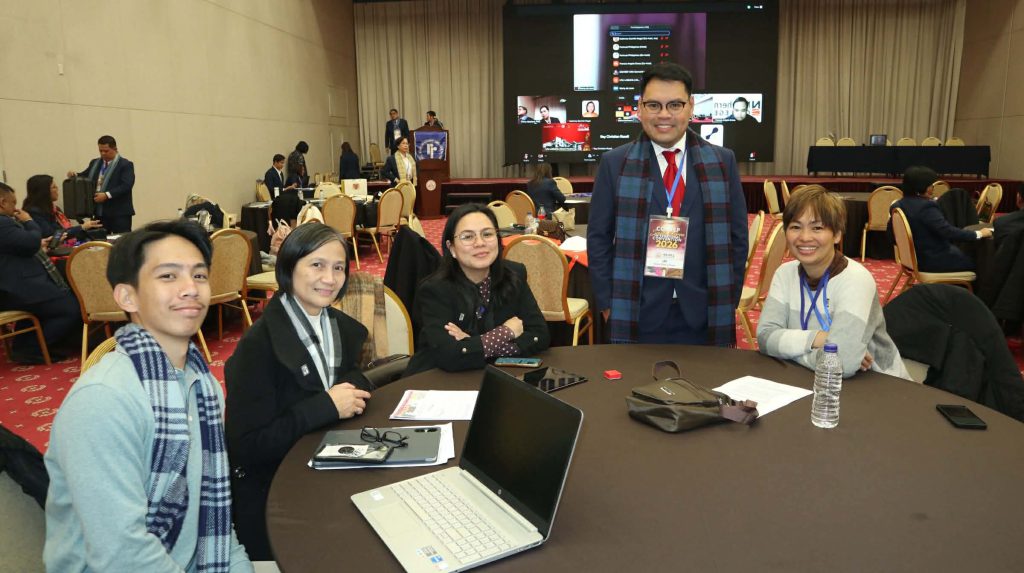
Seoul, South Korea — The 34th International Convention of the Council of Hotel and Restaurant Educators of the Philippines (COHREP) was successfully held from 04 to 08 February 2026 at Sejong University, bringing together hospitality, tourism, and allied discipline educators, researchers, administrators, and industry practitioners from the Philippines and the international academic community.
More than a single gathering, the international convention was a multi-faceted academic engagement composed of a Research Conference, campus visit, and a Korean Cultural Immersion and Educational Tour. These interconnected activities provided participants with comprehensive opportunities for scholarly exchange, global exposure, and experiential learning within one of Asia’s dynamic tourism and innovation hubs.
A key highlight of the convention was the pivotal role played by Saint Louis University (SLU) as one of the official co-host institutions. SLU’s strong presence was evident through its leadership roles, faculty research contributions, and student participation—further strengthening the university’s commitment to internationalization, research productivity, and global academic engagement.
Anchored on a forward-looking theme emphasizing innovation, research collaboration, and transformative education in hospitality and tourism within a rapidly evolving global and technological environment, the Research Conference component served as a platform for presenting cutting-edge studies and fostering interdisciplinary dialogue relevant to the Fifth Industrial Revolution (5IR).
Strong SLU Research Contributions
SLU recorded two notable research entries in the international research conference.
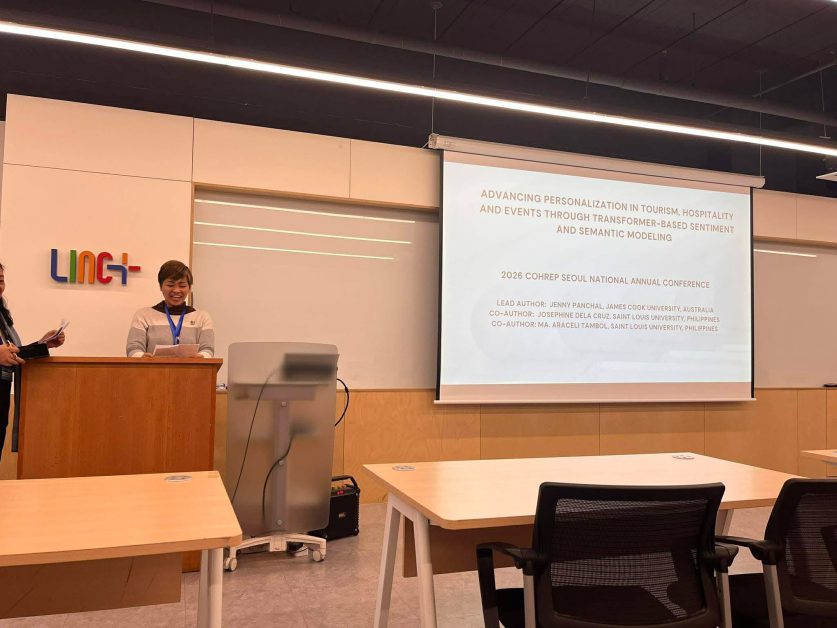
One of the highlights was a stand-up research presentation by Prof. Maria Araceli Diaz-Tambol, a Hospitality and Tourism Management (HTM) faculty member of SLU’s School of Accountancy, Management, Computing and Information Studies (SAMCIS). Her paper, “Advancing Personalization in Tourism, Hospitality and Events (THE) through Transformer-based Sentiment and Semantic Modelling,” examined the use of advanced artificial intelligence and transformer-based models in enhancing personalized experiences across tourism, hospitality, and event sectors. The study was co-authored with Jenny Panchal, PhD, a senior tourism lecturer and tourism research collaborator of James Cook University, Australia, and Josephine Dela Cruz, PhD, of the Computer Science (CS) Department of SLU, demonstrating meaningful international and inter-institutional research collaboration.
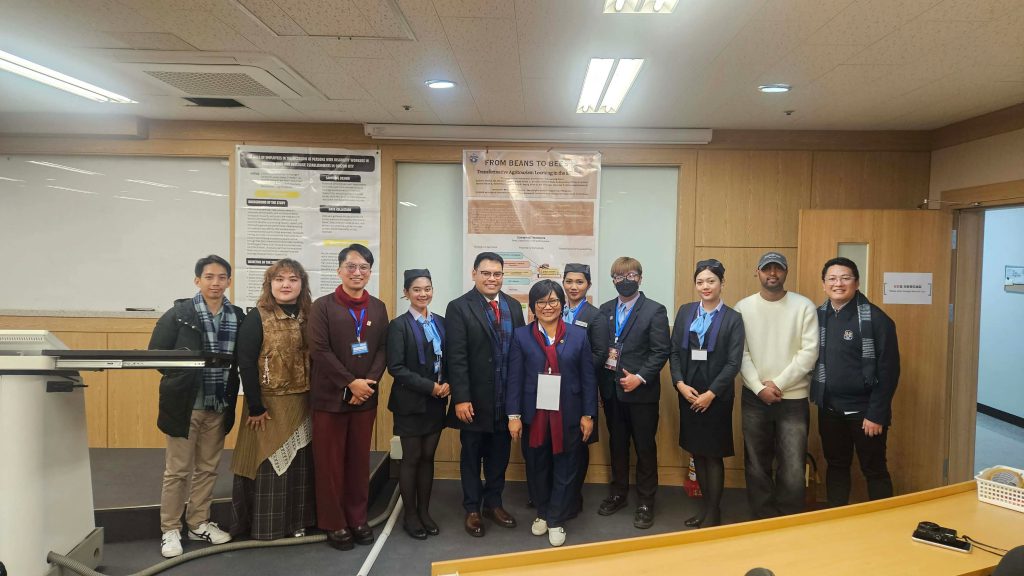
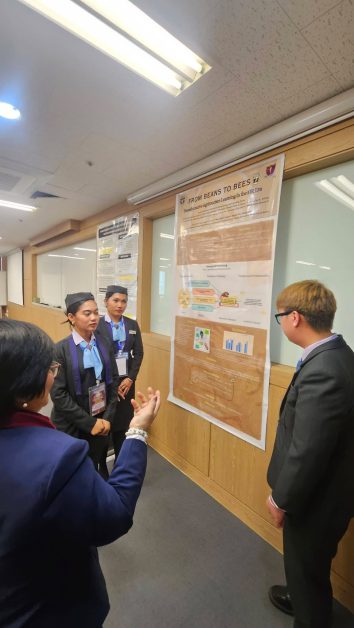
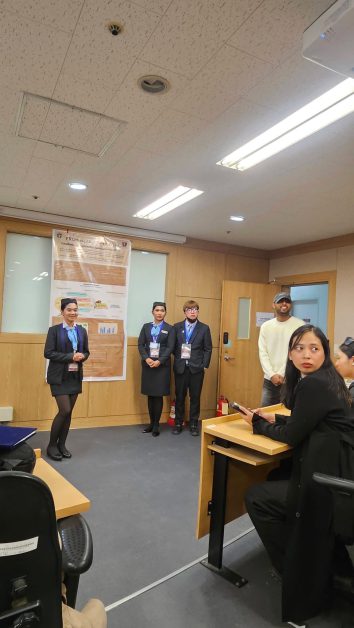
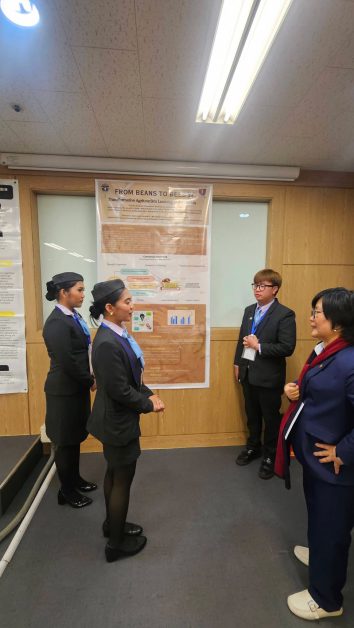
Further reinforcing SLU’s research culture was a student-led poster presentation entitled “From Beans to Bees: Exploring Tourism Students’ Perception, Expectations, and Learning Needs in Coffee and Honey-Based Experiential Learning in the 5IR Era.” The poster was presented by Lhenard Clade Romero, Jhushua Anthony Sarmiento, and Aziah Rheanne Valera, and co-authored by Miguel Randal Pinlac, Brun Philipp Reyes, Christel Nicole Robles, Fiona Sequig, and Allya Gail Sto. Domingo. The research was advised and co-authored by Prof. Diaz-Tambol, underscoring SLU’s strong mentorship framework and its emphasis on embedding research early in students’ academic journeys. The poster drew notable interest from conference participants for its relevance to experiential learning, sustainability, and innovation in tourism education.
Campus Visit and Experiential Learning Exposure
As part of the convention activities, delegates toured the campus facilities of Sejong University, gaining firsthand exposure to its learning environment and instructional resources in hospitality and tourism education. A notable feature of the visit was the university’s café laboratories, where students engage in hands-on, experiential learning within simulated real-world hospitality settings. These laboratory facilities demonstrate how theoretical instruction is seamlessly integrated with practical application to enhance industry readiness and professional competence—an approach aligned with global best practices in hospitality education.
Korean Cultural Immersion and Educational Tour
Beyond the academic sessions, participants engaged in a comprehensive Korean Cultural Immersion and Educational Tour that provided deeper insights into South Korea’s heritage, industries, and tourism ecosystem.
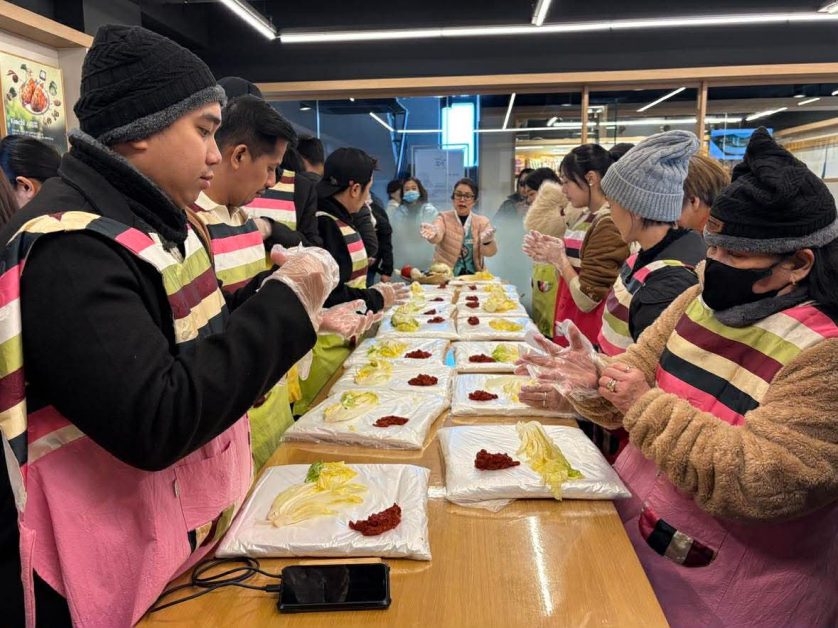
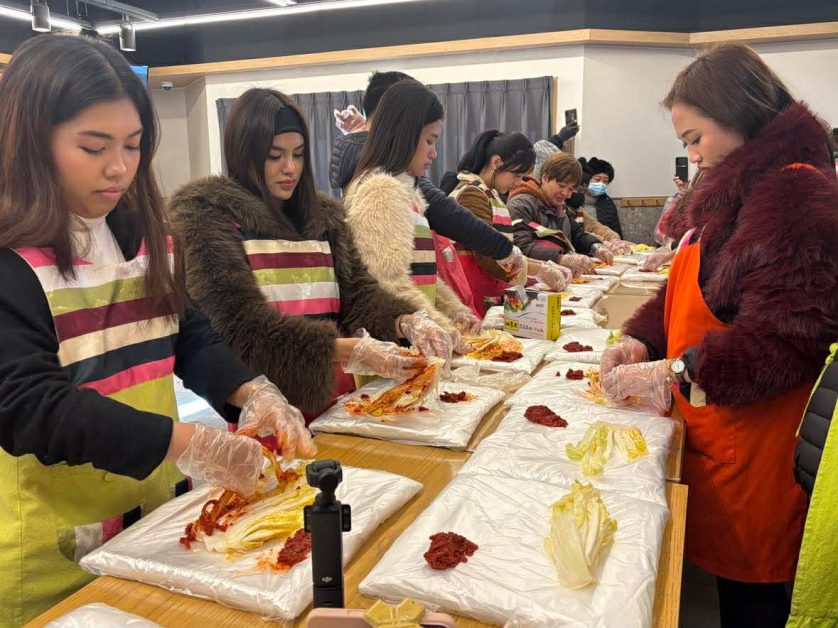
Delegates visited the Seaweed and Kimchi Museum, where they explored the cultural and economic significance of staple products such as kimchi and nori in Korean society and global culinary markets. The immersion extended to visits to an amethyst center and a ginseng museum, offering perspectives on Korea’s renowned traditional wellness products and export-driven specialty industries. Participants also experienced traditional hanbok wearing, allowing them to appreciate Korea’s historical attire and aesthetic traditions firsthand.
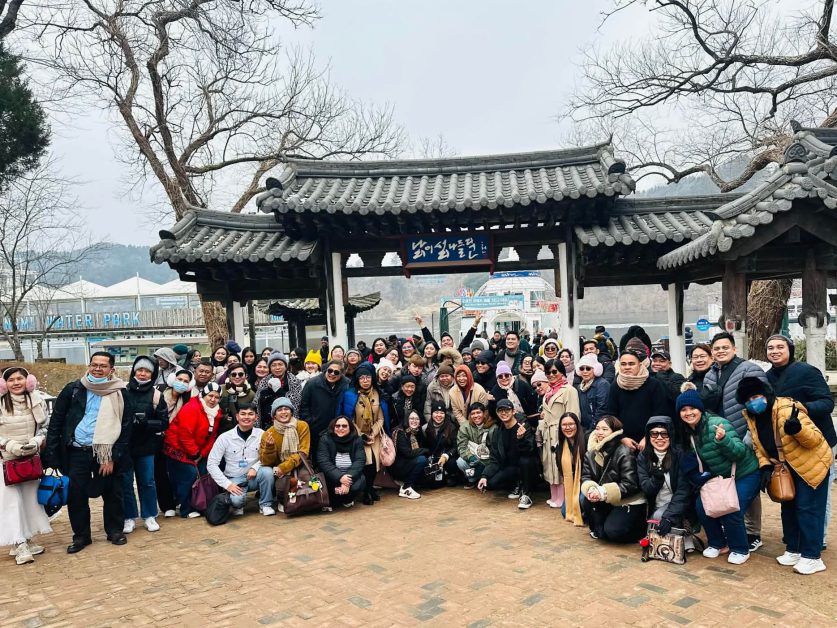
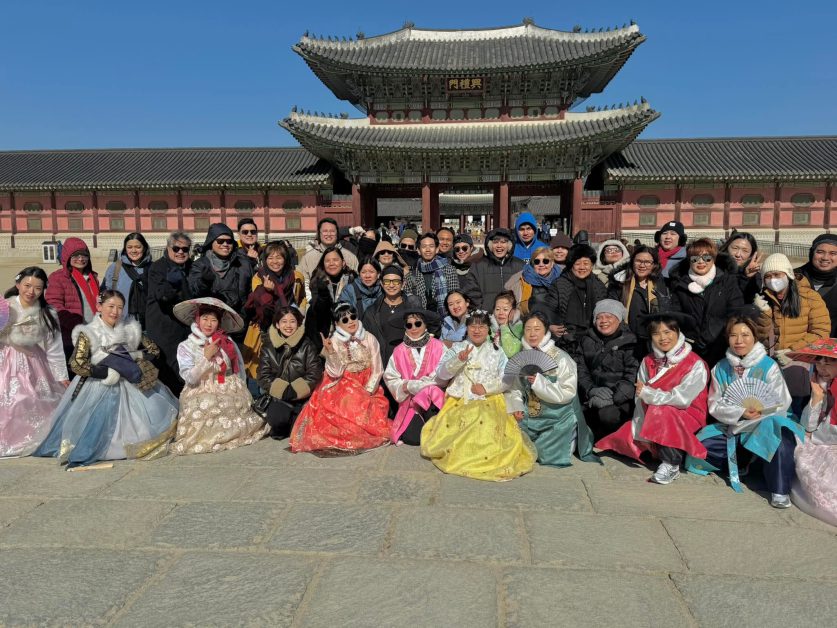
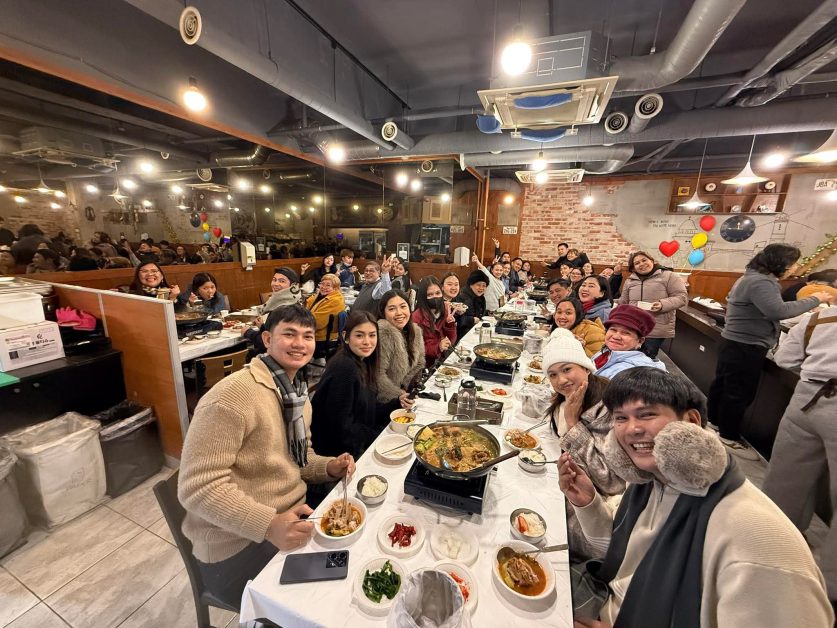
Complementing these visits was the opportunity to savor authentic Korean cuisine, enabling delegates to experience the country’s rich gastronomic identity in its cultural context. The tour likewise included visits to Korean skincare shops, showcasing another globally influential Korean industry that blends innovation, beauty science, and consumer culture. Together, these engagements illustrated how culture, heritage, product industries, and experiential tourism are strategically interconnected within South Korea’s hospitality and tourism development model.
Academic Leadership in the Convention
Adding to the prestige of the event, the research conference component was chaired by Prof. Shirley Gueverra, PhD of the University of the Philippines, ensuring scholarly rigor and academic excellence throughout the research sessions.
SLU’s leadership role was further highlighted through Prof. Lee Majors Fajilan, PhD, who served as Convention Co-Chair and concurrently as Public Relations Officer of COHREP, playing a strategic role in the successful organization, coordination, and international visibility of the convention.
A Testament to SLU’s Global Engagement
The successful staging of the 34th International COHREP Convention at Sejong University reaffirmed COHREP’s mission of advancing hospitality and tourism education through global collaboration. More importantly, it showcased SLU’s growing influence as a research-active, globally connected, and academically engaged institution.
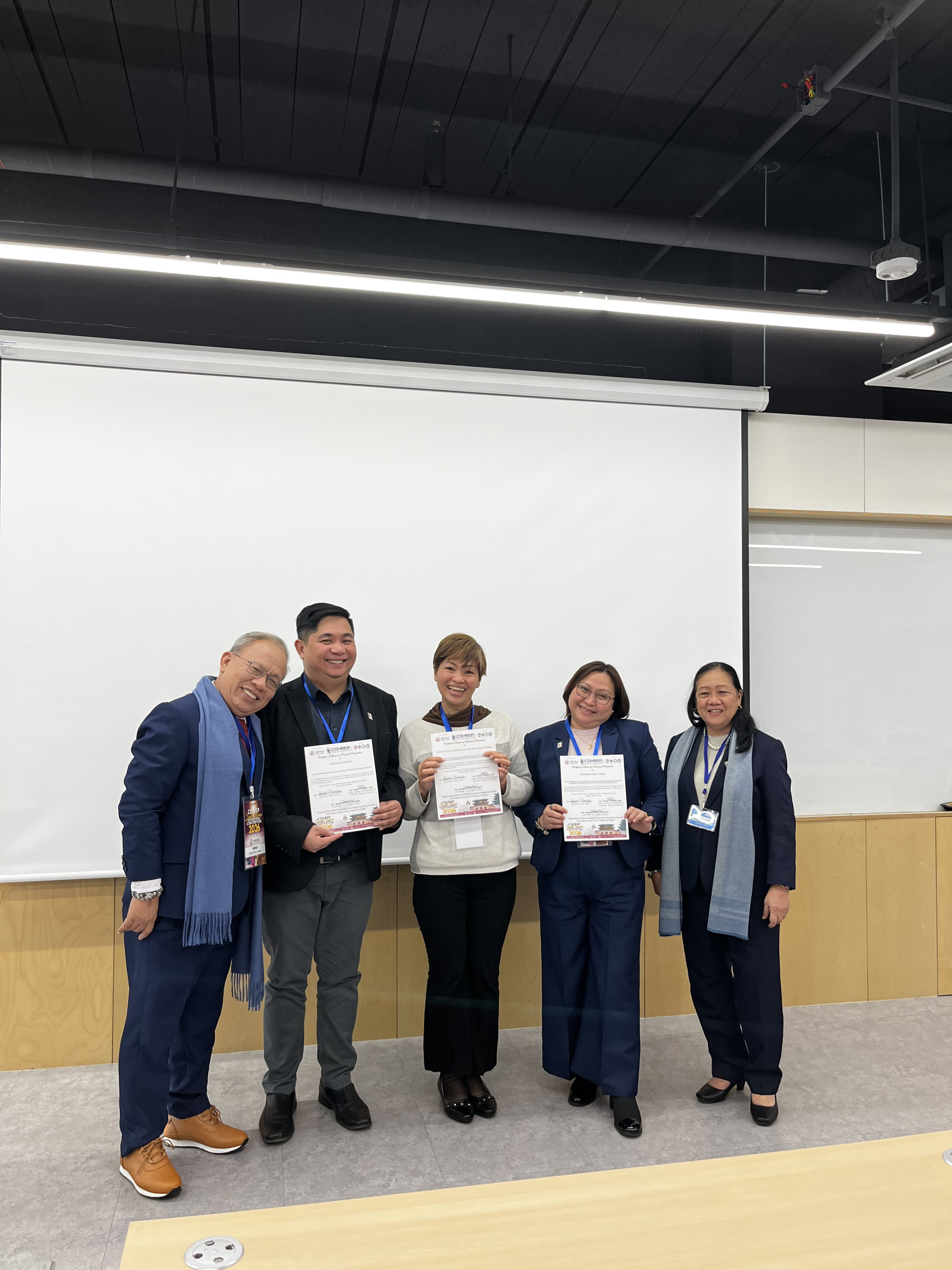
Through its strong participation in the Research Conference, active engagement in campus-based experiential learning exposure, and meaningful immersion in Korean cultural and industry practices, SLU demonstrated a holistic approach to academic excellence—integrating research, leadership, experiential education, and international engagement in one significant global undertaking. (Article by M. Tambol | Photos by SLU SAMCIS)