The Junior Philippine Institute of Accountants (JPIA) of Saint Louis University (SLU) partnered with the CRC-ACE Review School to facilitate student participation in the enhancement lecture series titled “Echelon: Reconciling Theory with Mastery.” Conducted by the CRC-ACE Review School, the program ran on selected dates from 30 January to 27 February 2026. In this collaboration, JPIA served as the primary bridge, ensuring that graduating BS Accountancy students could access this critical academic resource as they navigate their final semester and prepare for the formal Certified Public Accountant (CPA) licensure examination.
The lecture series was strategically designed to help students transition from undergraduate studies to the rigorous demands of professional board review. Recognizing that this shift requires seamless integration of theoretical knowledge with practical application, the program aimed to reinforce foundational concepts and sharpen the analytical skills of the attendees. As a hybrid supplemental learning initiative, CRC-ACE offered the comprehensive series at no cost. The event’s modality accommodated 130 onsite participants on a first-come, first-served basis, alongside 500 online participants via Google Meet and Facebook Live, ensuring widespread accessibility for the graduating batch.
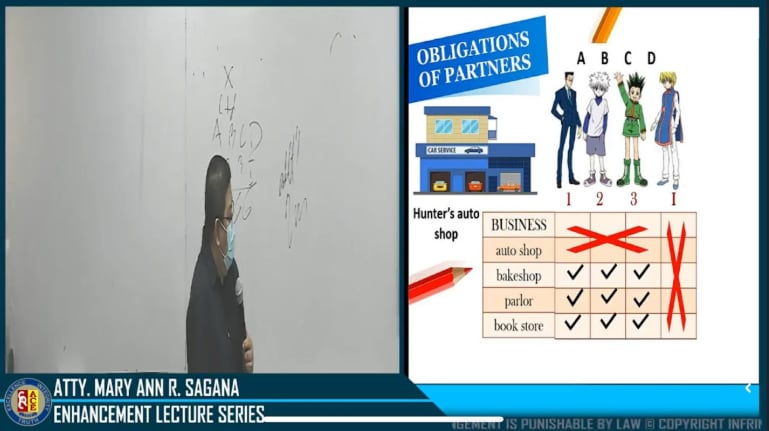
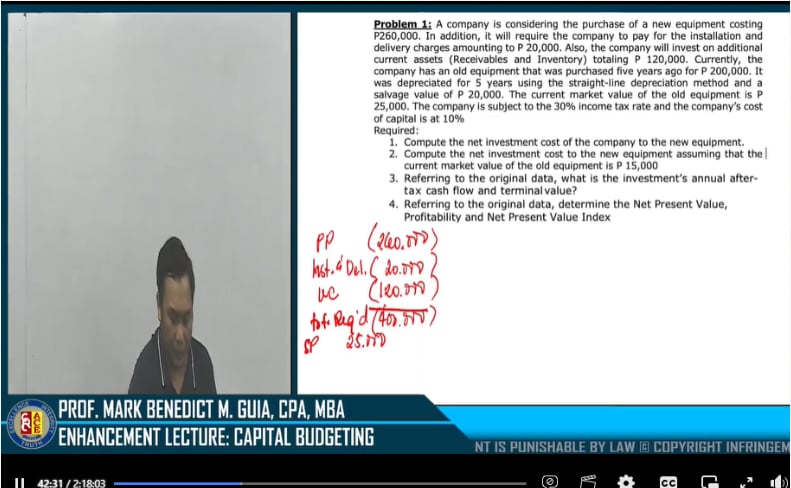
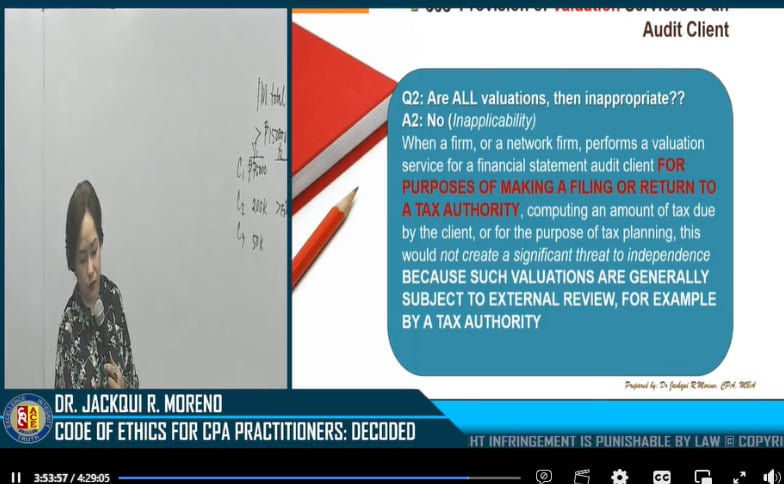
Through JPIA’s facilitation, students engaged in intensive sessions covering essential board examination subjects led by distinguished industry experts. The roster of reviewers included Prof. Roel E. Hermosilla for Taxation and Advanced Financial Accounting and Reporting (AFAR), Prof. Mark Benedict M. Guia for Management Advisory Services (MAS), Prof. Jacqui R. Moreno for Auditing and the Code of Ethics for CPA Public Practitioners, Prof. Francis M. Caliwan Jr. for Financial Accounting and Reporting (FAR), and Prof. Mary Ann R. Sagana for Regulatory Framework for Business Transactions (RFBT). This expert-led reinforcement ensured that students enter their intensive review phase equipped with clarity and competence.
Beyond its primary academic objectives, the initiative successfully aligned with the core advocacies of the Congregation of the Immaculate Heart of Mary (CICM) and the United Nations Sustainable Development Goals (SDGs). By maximizing a hybrid setup with a 500-slot online capacity, the event supported the CICM advocacy for the Integrity of Creation by significantly minimizing the carbon footprint, logistical waste, and resource consumption typically associated with traditional large-scale gatherings. Furthermore, the emphasis on the CPA Code of Ethics directly contributed to the CICM mission of forming morally upright professionals dedicated to transparent and responsible corporate stewardship.
On a global scale, the program actively championed SDG 4: Quality Education by eliminating financial barriers. By providing this comprehensive review entirely free of charge, the initiative guaranteed inclusive and equitable access to high-level academic training for all students, regardless of their financial capacity. Consequently, the collaboration also addressed SDG 8: Decent Work and Economic Growth by directly enhancing student employability and career readiness. By providing rigorous preparation for the CPA licensure exam, the program helps supply the labor market with the highly competent, ethical professionals required to uphold financial compliance and drive sustained economic growth.