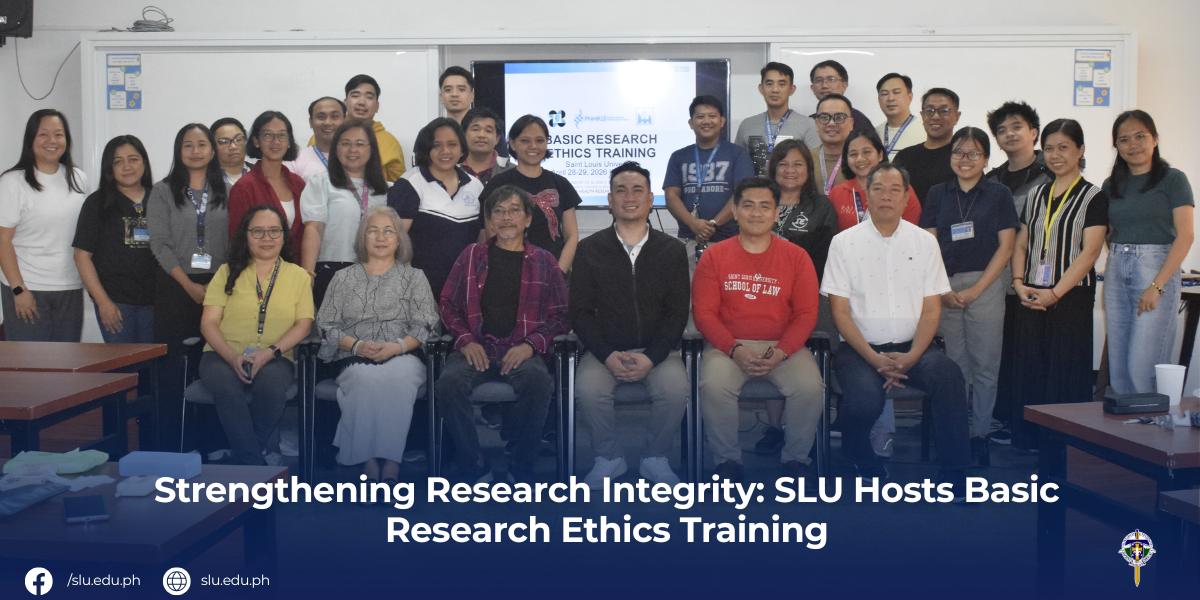
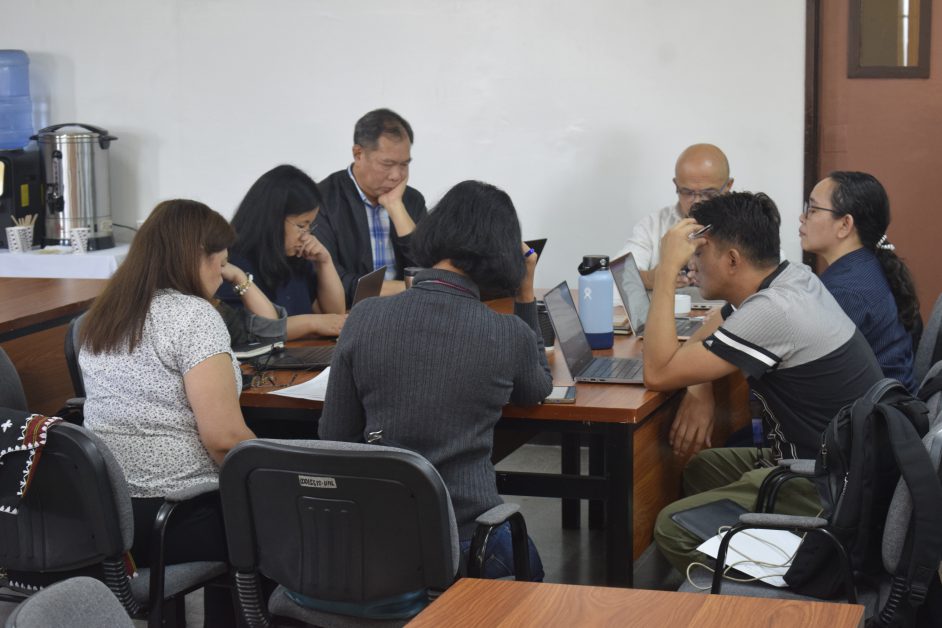
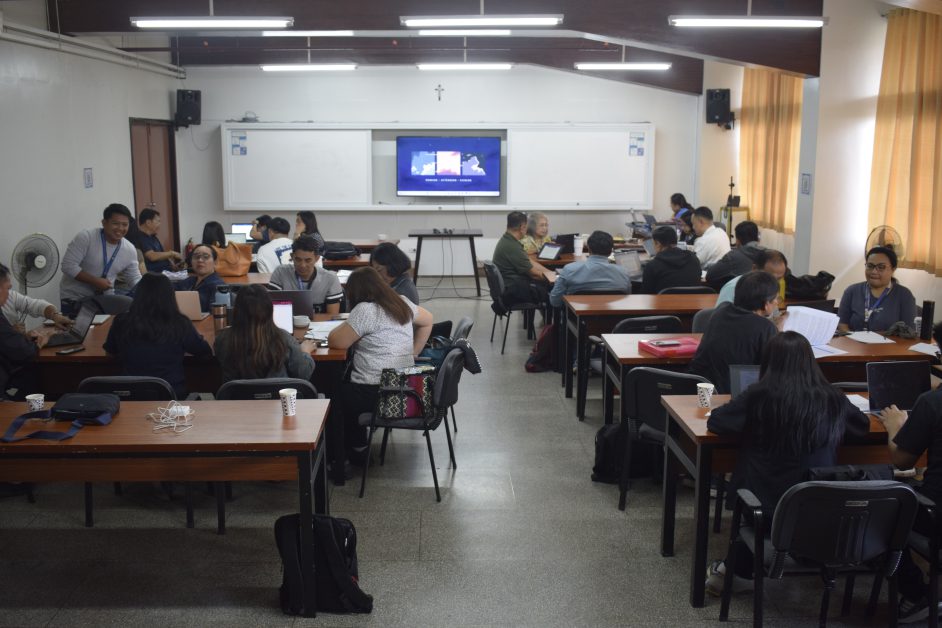
In a proactive move to fortify the ethical foundations of health research in the university, Saint Louis University – Research Ethics Committee (SLU-REC) hosted a two-day Basic Research Ethics Training (BRET) on 28-29 April 2026. The intensive program, held at the Audio Visual Room, Msgr. The Charles Vath Building was led by the Regional Ethics Monitoring Board – Region 1 (REMB–1) under the Philippine Health Research Ethics Board (PHREB).
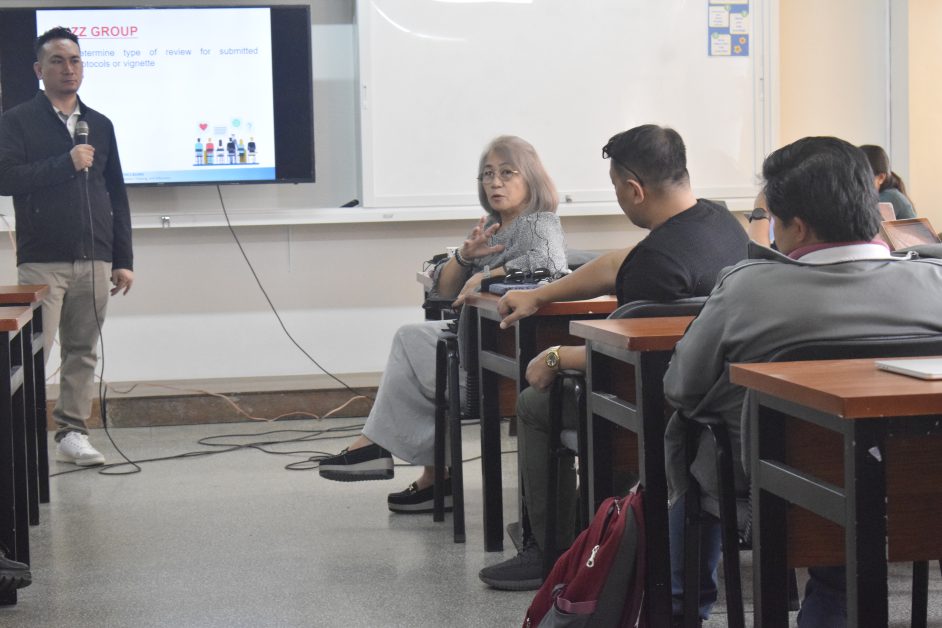
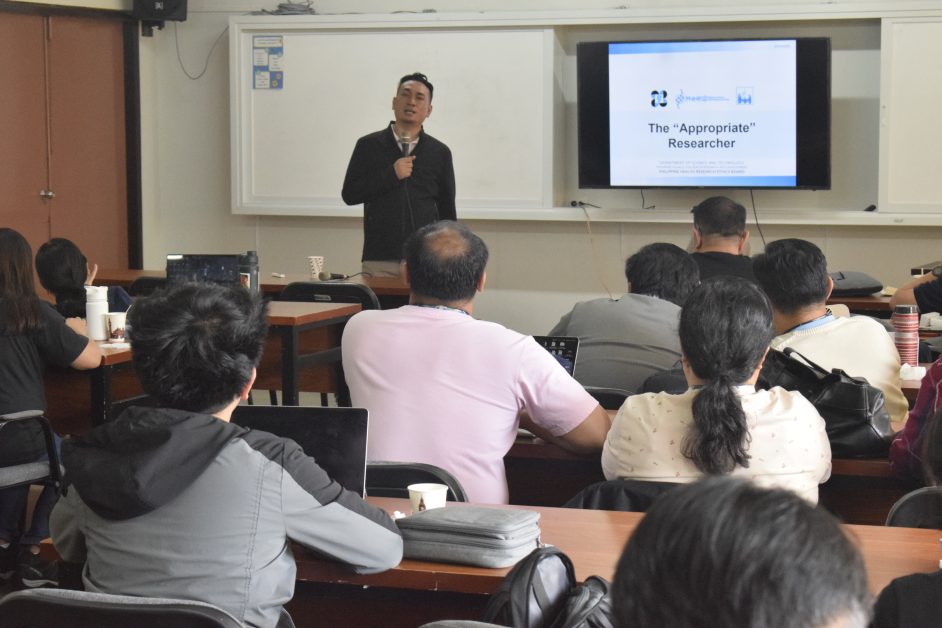
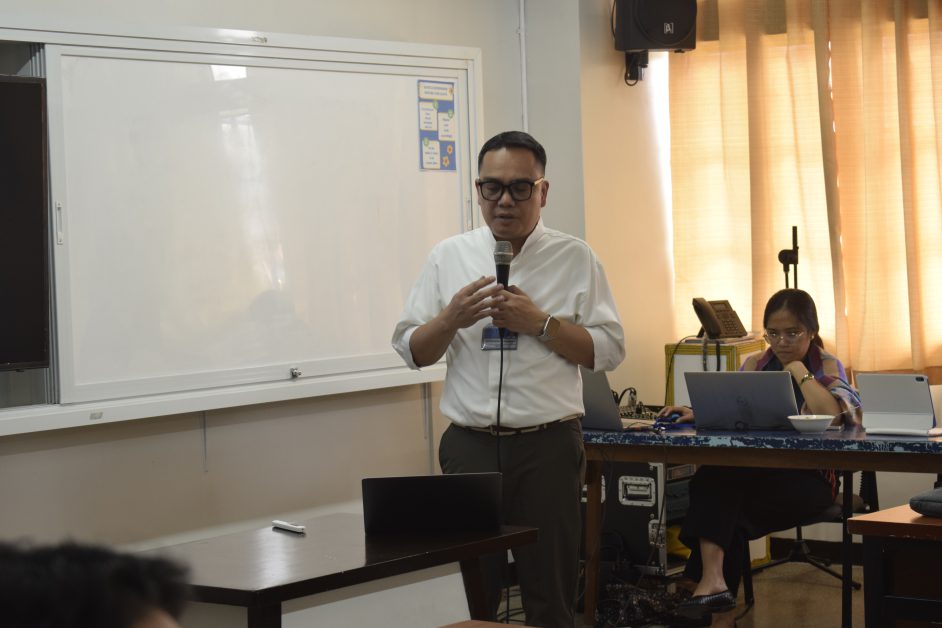
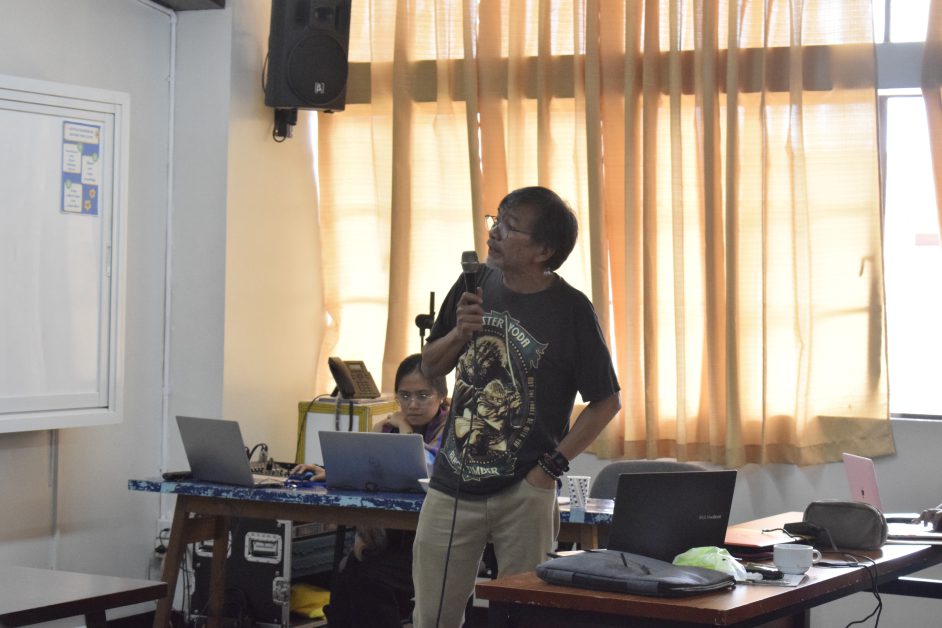
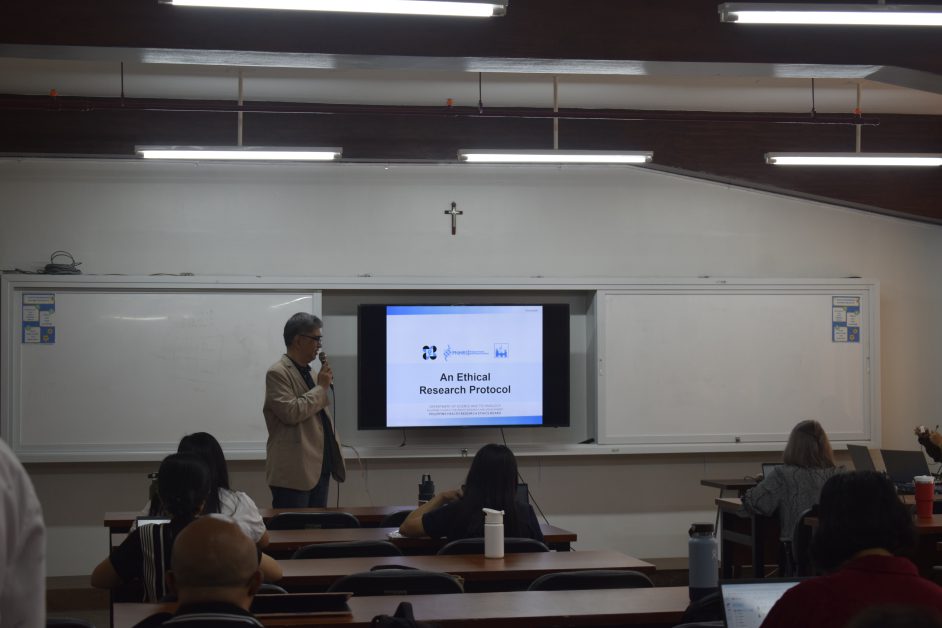
The training brought together SLU-REC members and faculty to bridge the gap between theoretical ethical principles and the practicalities of institutional oversight. The sessions were spearheaded by two distinguished experts: Dr. Hilarion Maramba Jr., Assistant Chief for Research at the Center for Education Training and Research (CETAR), and Mr. Ariel Bacani, Chairperson of the Committee on Standards and Accreditation (CSA).
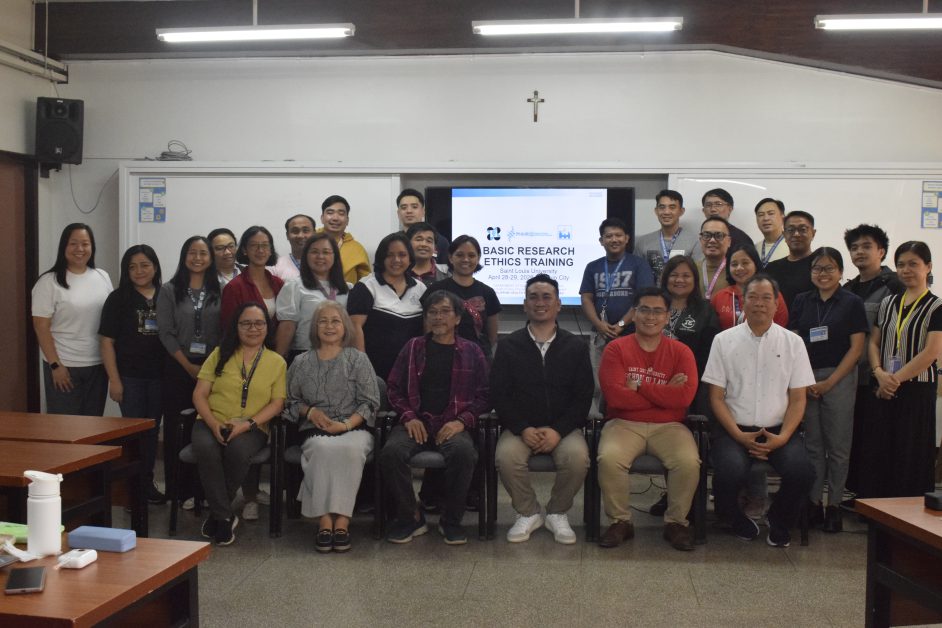
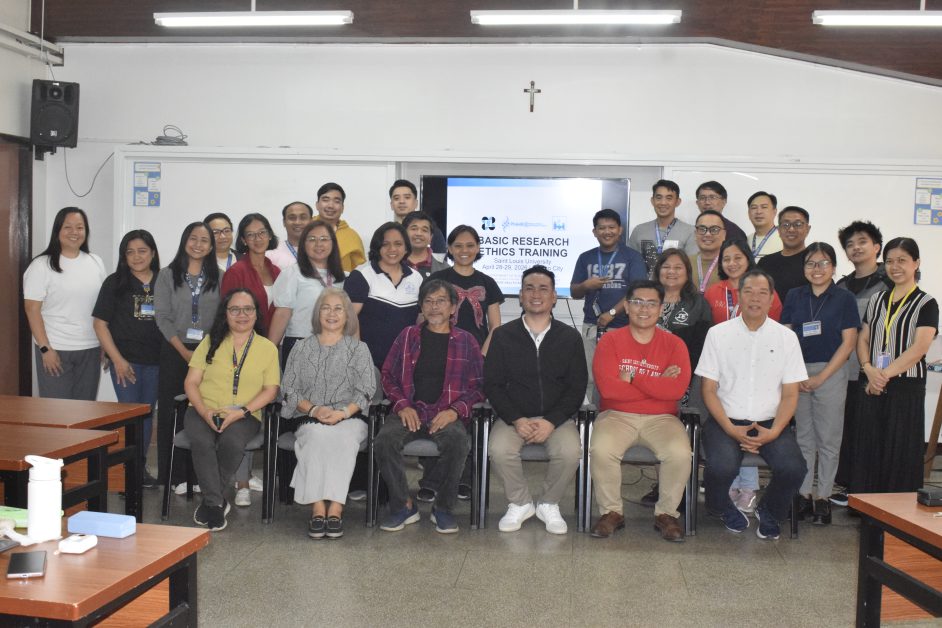
Day 1: Establishing the Moral Compass
The first day focused on the historical and philosophical underpinnings of research ethics. Following welcome remarks from Dr. Rainier Moreno-Lacalle, SLU-REC Chairperson, and an orientation by the PHREB-CIDTA Secretariat, participants viewed a plenary presentation on historical research abuses—a sobering reminder of the necessity for rigorous oversight.
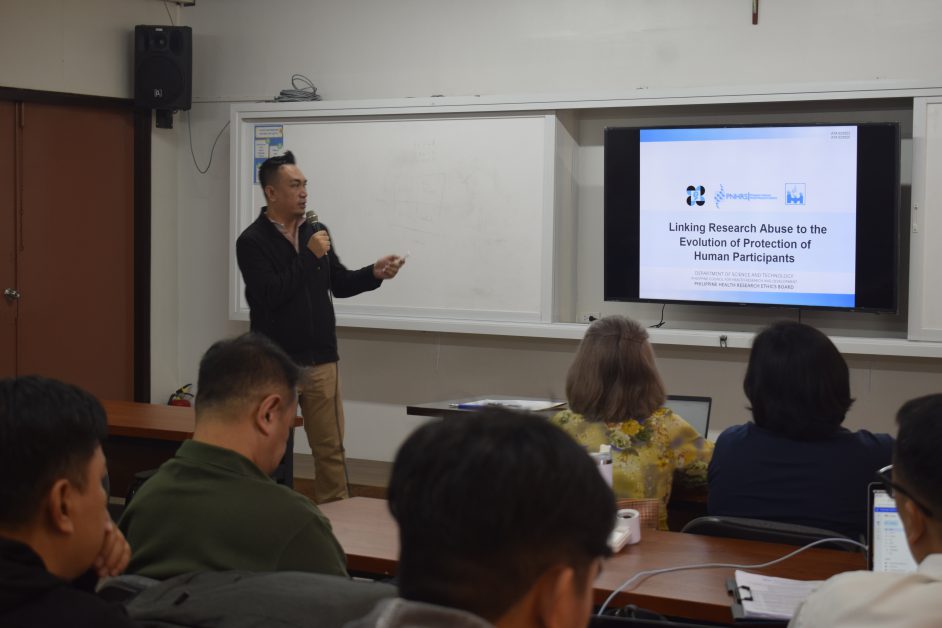
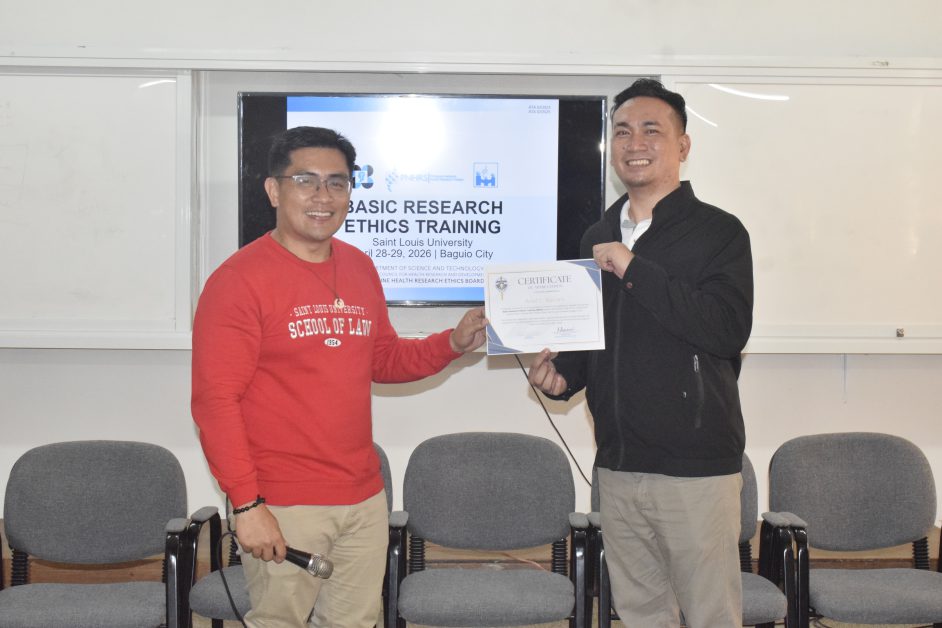
Mr. Bacani opened the substantive lectures by tracing the evolution of formal structures designed to protect human participants. By introducing the foundational language of research ethics, he established a shared conceptual framework for the attendees. Building on this, Dr. Maramba explored the “twin principles” of beneficence and non-maleficence, guiding participants through the delicate process of balancing research risks against potential societal benefits.
The afternoon sessions further delved into the principles of justice and respect for persons, concluding with interactive group work that allowed participants to apply these abstract concepts to real-world ethical protocols.
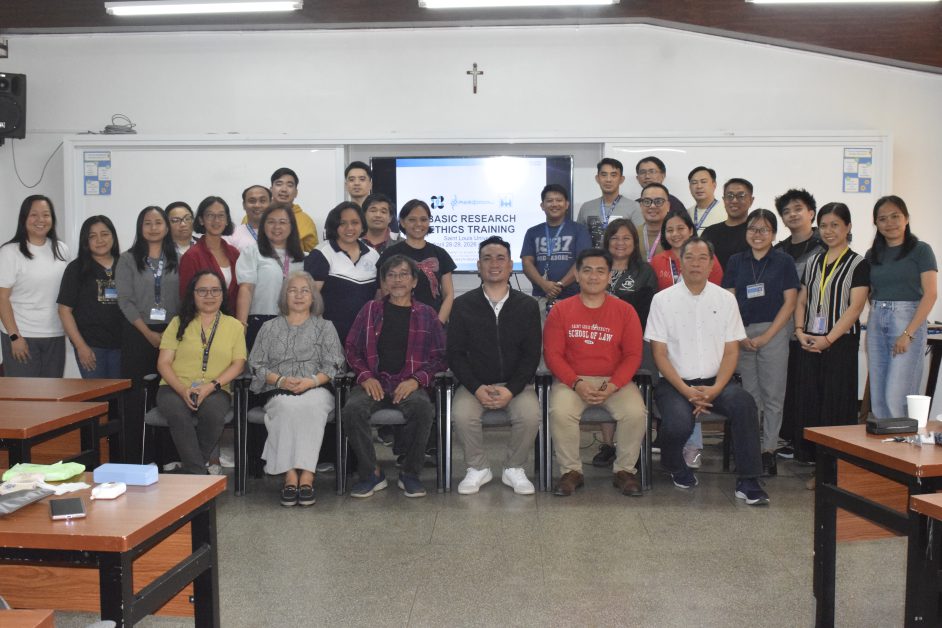
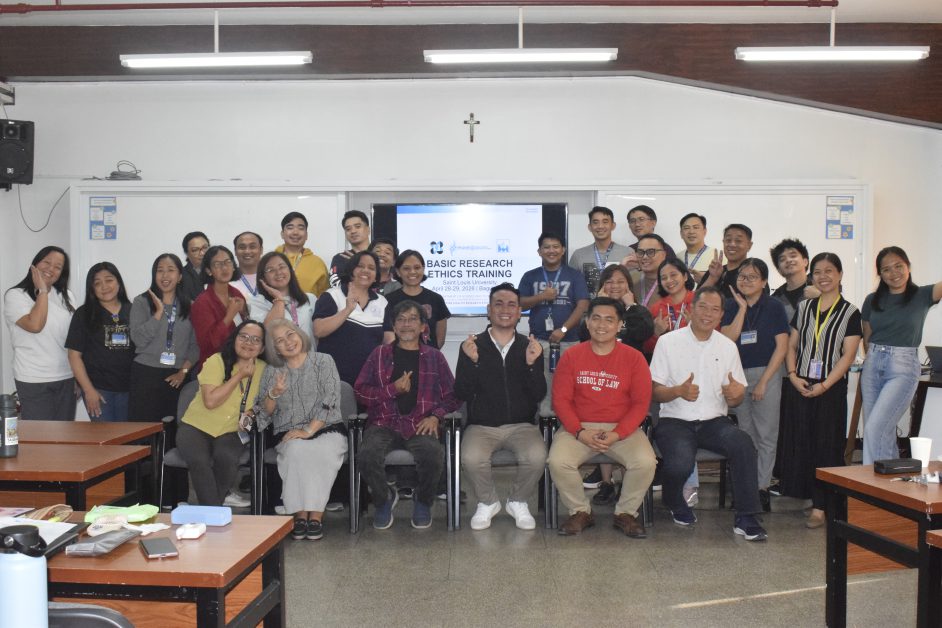
Day 2: Governance and Practical Implementation
The second day shifted the focus to the “bottom line” of ethical compliance: the operationalization of Ethics Review Committees (RECs). Dr. Maramba opened the morning by discussing the national and international legal frameworks that govern Philippine research, emphasizing that ethical compliance is an institutional mandate rather than an option.
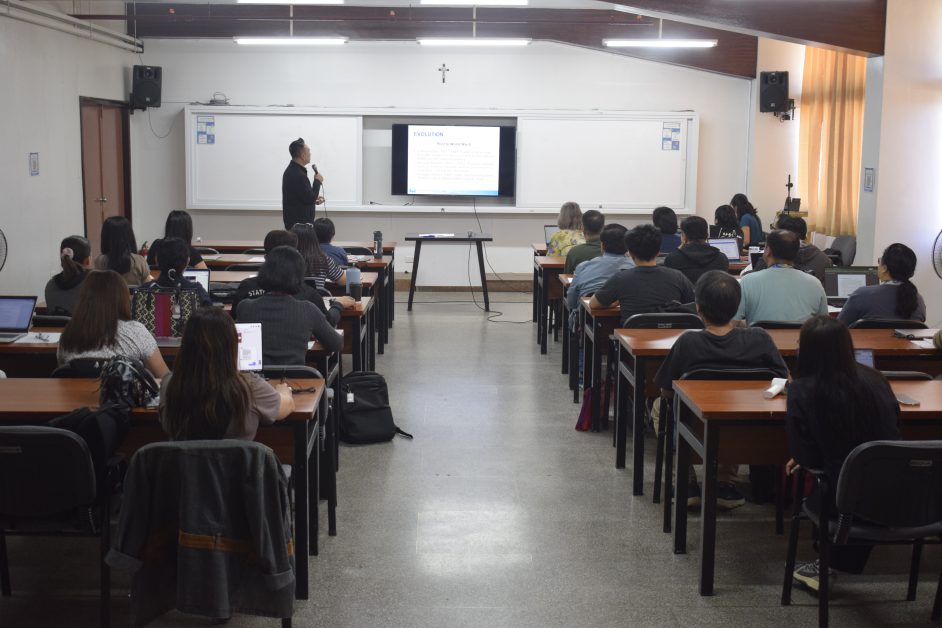
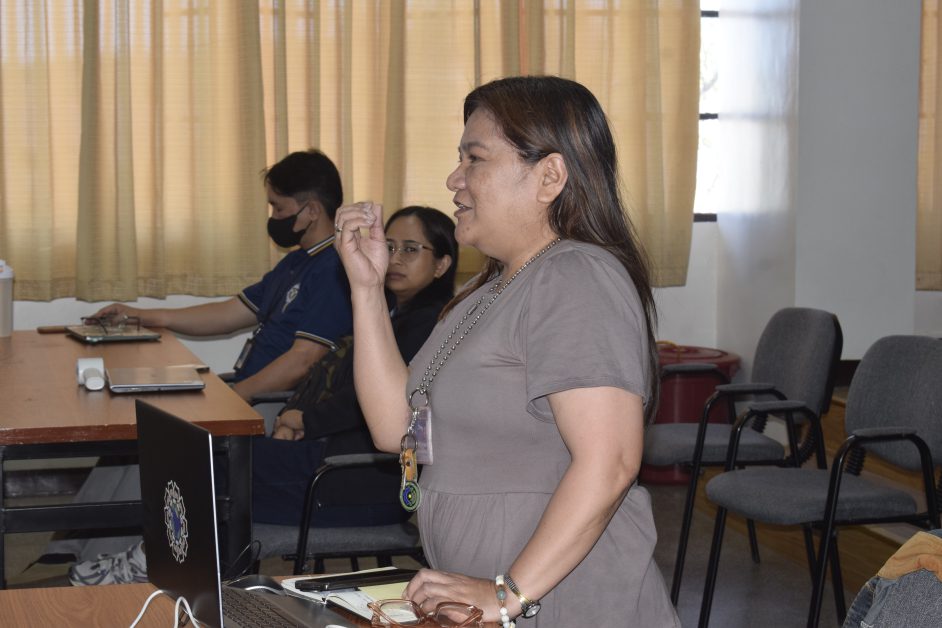
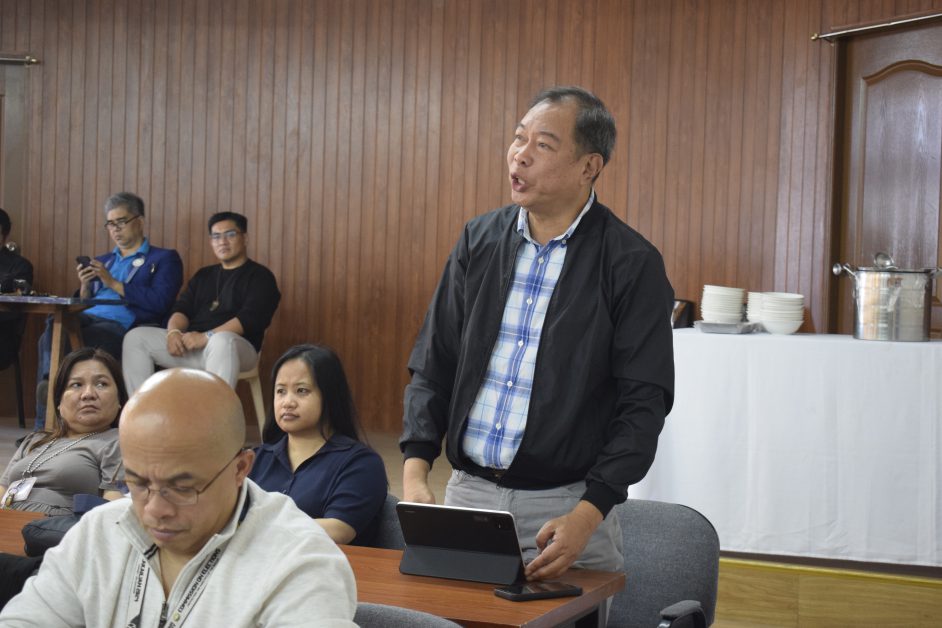
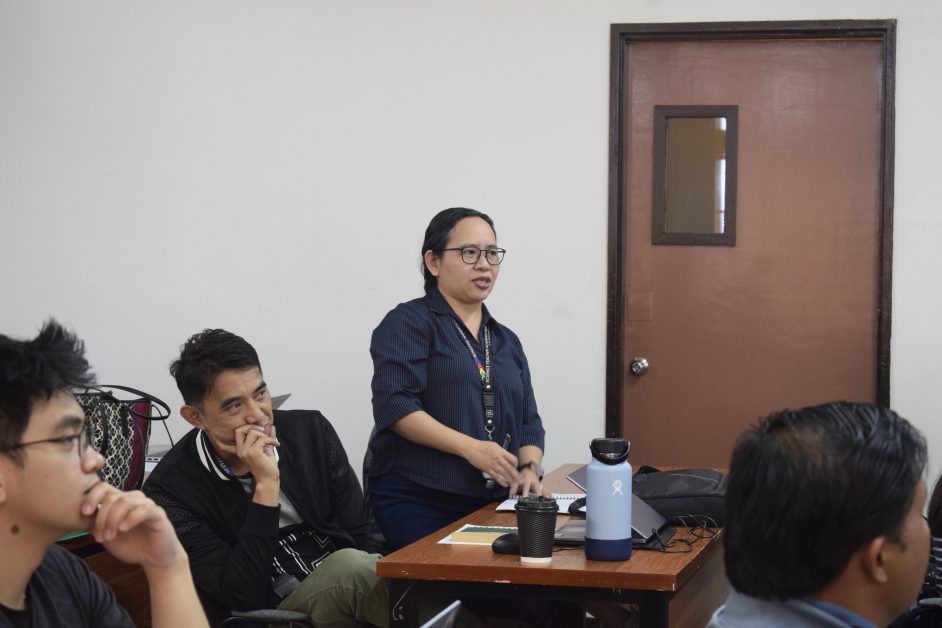
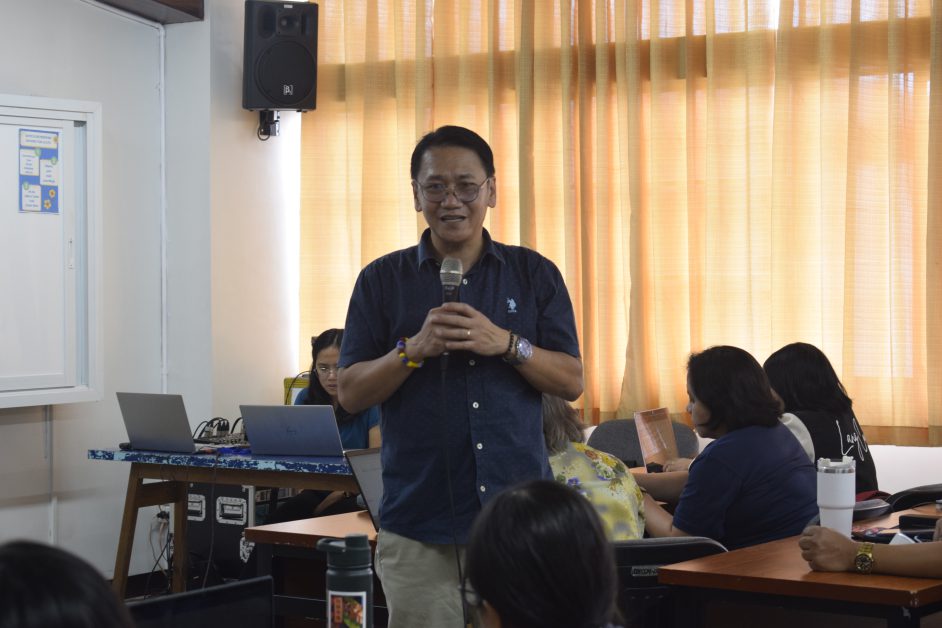
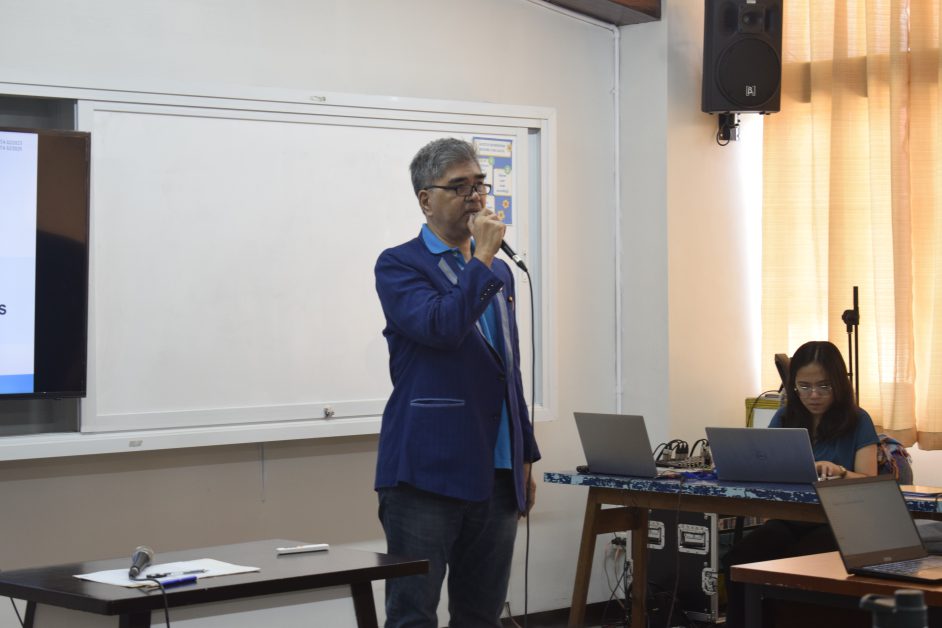
Mr. Bacani provided a comprehensive roadmap for a successful Institutional REC, detailing membership qualifications, appointment processes, and performance evaluation. He emphasized that the strength of an ethics committee lies in its people, sharing a poignant reminder for the participants:
“Wisdom is knowing what to do next — virtue is doing it. A committee is only as good as its members and the support they receive, so be good, committed members and earn the support you deserve.”
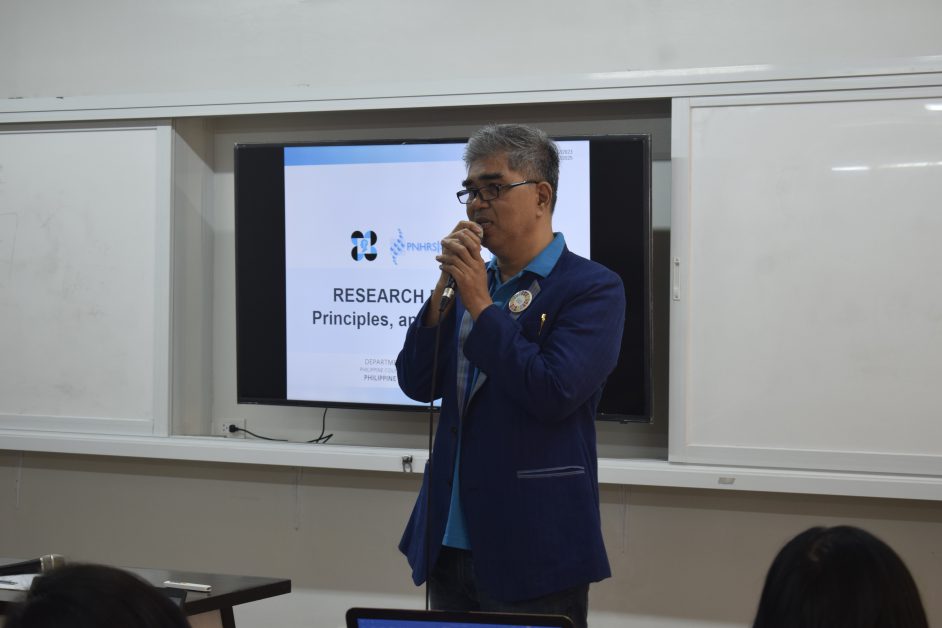
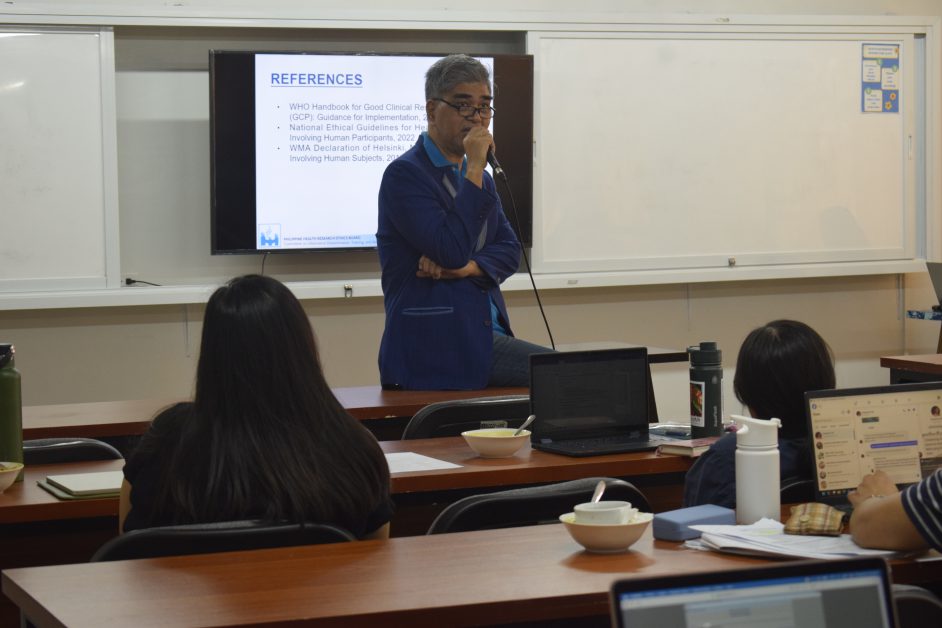
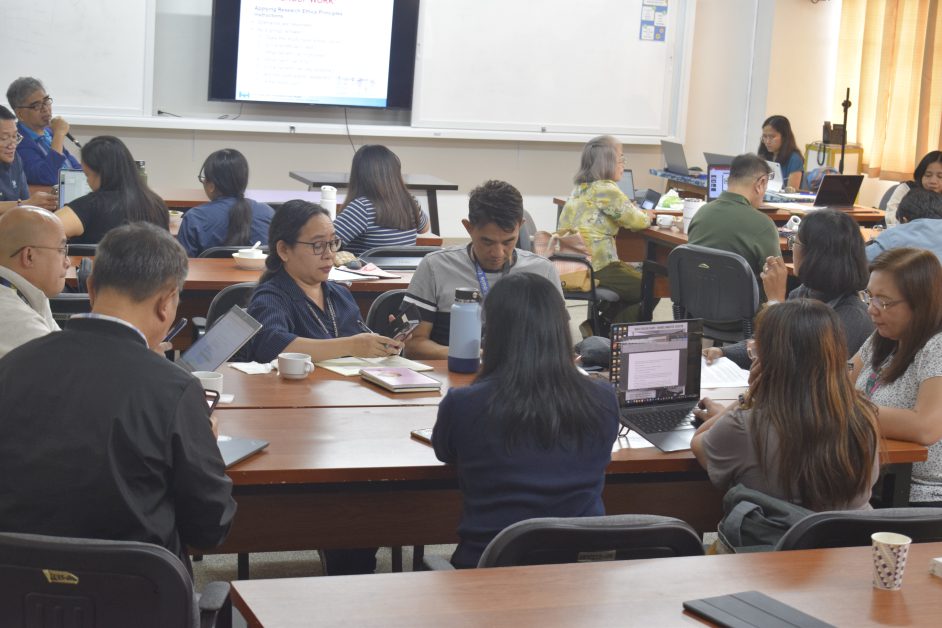
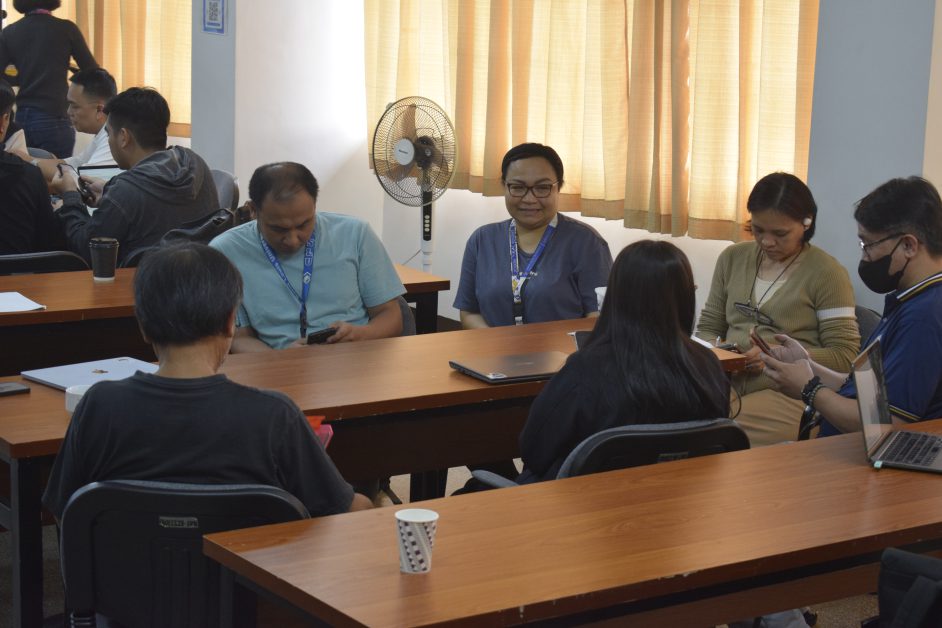
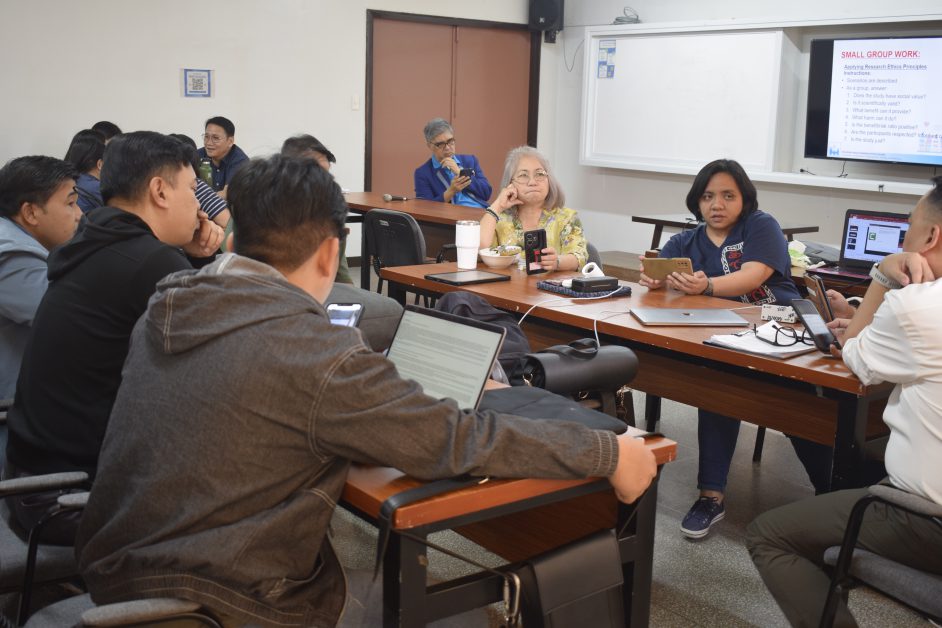
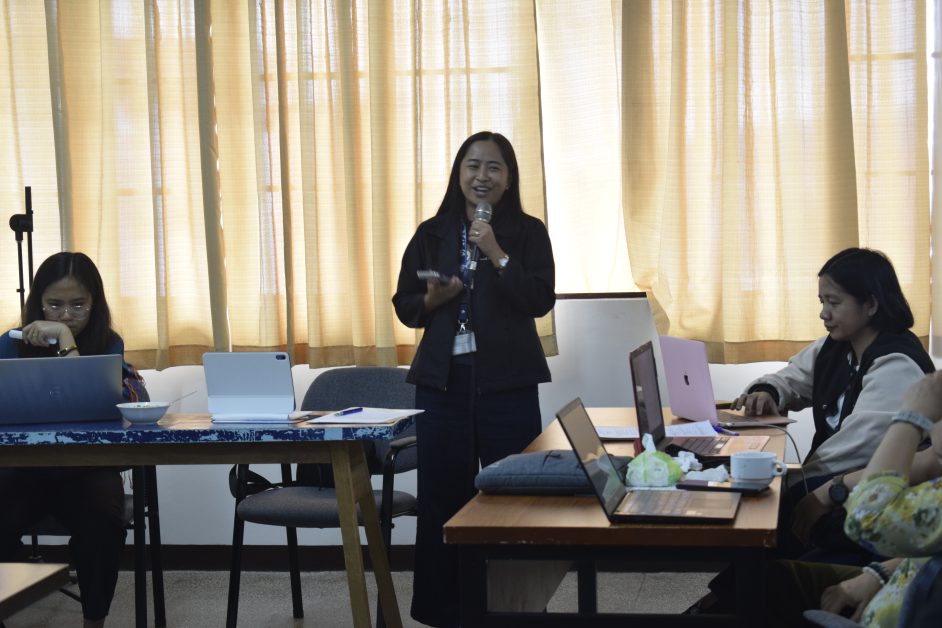
The training concluded with technical sessions on the review process for research protocols and the development of Standard Operating Procedures (SOPs). These sessions provided the REC secretariat and chairs with specific timelines, exemption criteria, and efficiency checklists to streamline their internal workflows.
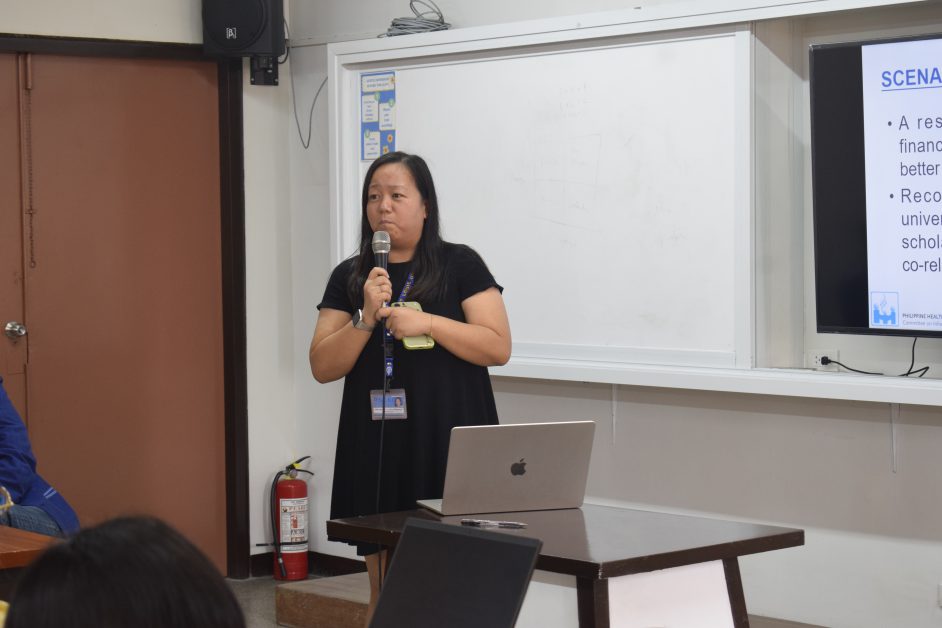
The training aligns with SLU’s dedication to the United Nations Sustainable Development Goals (SDGs). By enhancing researchers’ competencies, the training directly supports SDG 4 (Quality Education). Furthermore, the emphasis on regulatory compliance and institutional accountability mirrors SDG 16 (Peace, Justice, and Strong Institutions).
The collaborative nature of the event—involving PHREB, PCHRD, DOST, and regional bodies—serves as a testament to SDG 17 (Partnerships for the Goals), proving that a culture of ethical research is a shared responsibility. (Article and Photos by SLU-REC)