The Academic Year 2025–2026 marked a meaningful chapter in the sustainability journey of the School of Accountancy, Management, Computing and Information Studies (SAMCIS) of Saint Louis University (SLU). Throughout the year, sustainability became increasingly visible not only in academic discussions but also in the School’s programs, student innovations, partnerships, community engagements, and institutional practices.
Guided by the university’s sustainability direction, SAMCIS focused particularly on United Nations Sustainable Development Goals 1 (Zero Poverty), 8 (Decent Work and Economic Growth), and 12 (Responsible Consumption and Production). The SAMCIS initiatives also contributed to SDGs 3 (Good Health and Well-Being), 4 (Quality Education), 9 (Industry, Innovation and Infrastructure), 11 (Sustainable Cities and Communities), and 17 (Partnerships for the Goals).
The journey demonstrated that the SDGs are not simply global goals to be discussed—they become meaningful when transformed into concrete actions that improve lives and communities.
Education and Decent Work: Preparing Students for a Changing Future
At the center of the School’s sustainability journey remained its primary mission: education.
The rapidly changing world of work requires graduates who possess more than academic knowledge. Artificial intelligence, automation, data analytics, digital transformation, sustainability, and new business models continue to redefine professions and industries. Preparing students for this environment means developing professionals who can adapt, learn continuously, and use emerging technologies responsibly.
One important initiative during the year was the partnership with East West Educational Specialist Inc. (EWESI) for micro-credentials and industry-oriented certifications. The partnership provided students with opportunities to develop competencies beyond the traditional degree and strengthen their professional portfolios. This initiative supports SDG 4 and SDG 8, recognizing that quality education must increasingly prepare students not simply for their first employment, but for a lifetime of learning, reskilling, and upskilling. SAMCIS students also demonstrated that entrepreneurship and innovation can become powerful instruments for sustainability.
At the 19th Business Idea Development Awards (BIDA), the student project Rootini emerged as Overall Champion in the Food Category. The project transformed vegetable oversupply into innovative plant-based food products, showing how entrepreneurship can address agricultural waste, farmers’ livelihoods, food utilization, health, and economic opportunity at the same time.
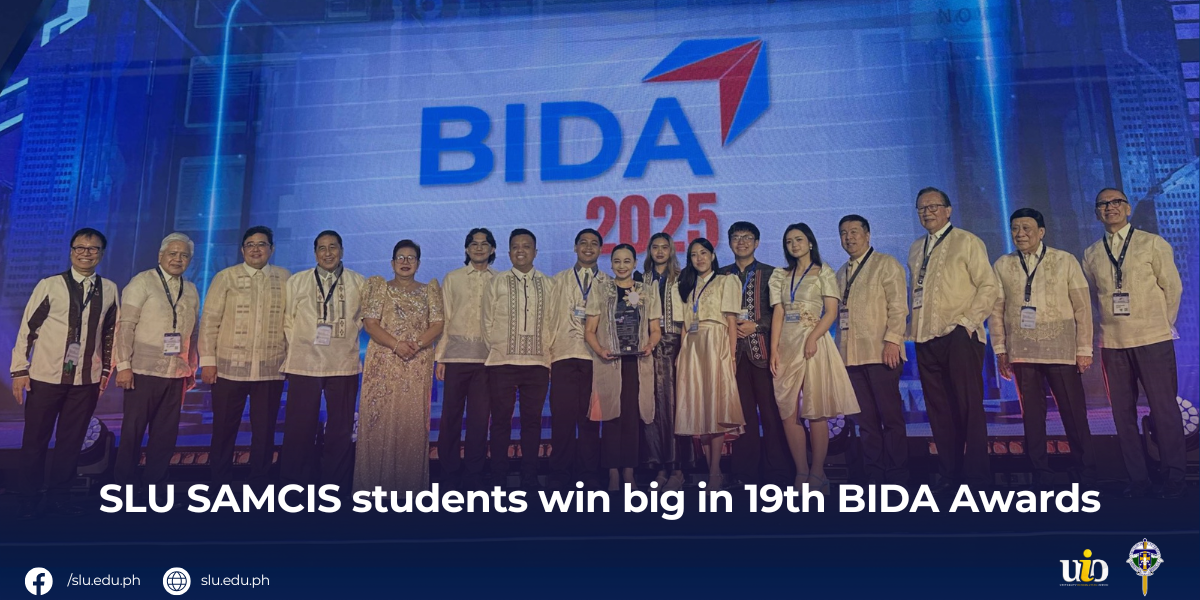
Another recognized innovation, TAGriculture, integrated RFID technology and a business-to-business e-commerce platform to improve livestock management, traceability, and market access.
These projects reflected an important principle being cultivated among SAMCIS students: business success and social responsibility do not have to compete. Innovation becomes more meaningful when it generates economic value while addressing genuine community and environmental concerns.
From 1,700 Kilograms of Cabbage to Community Impact
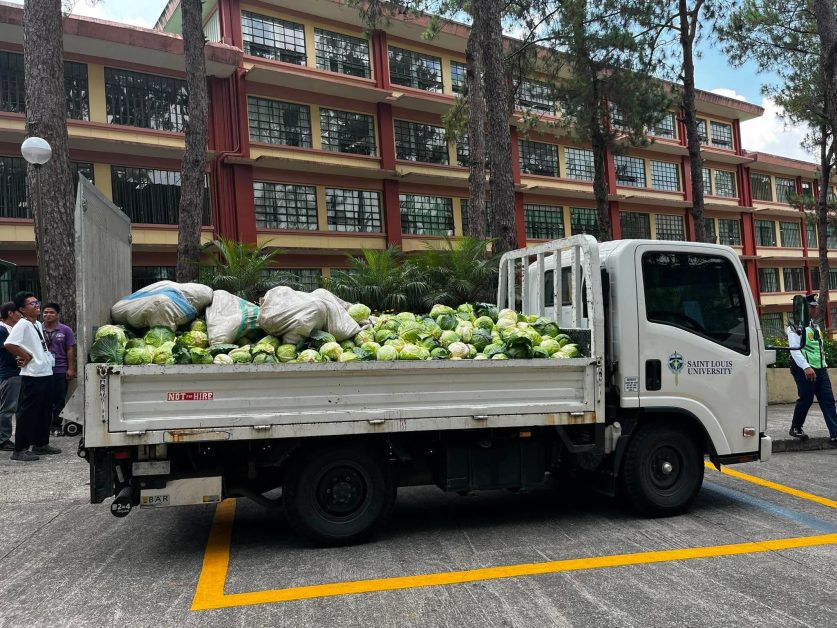
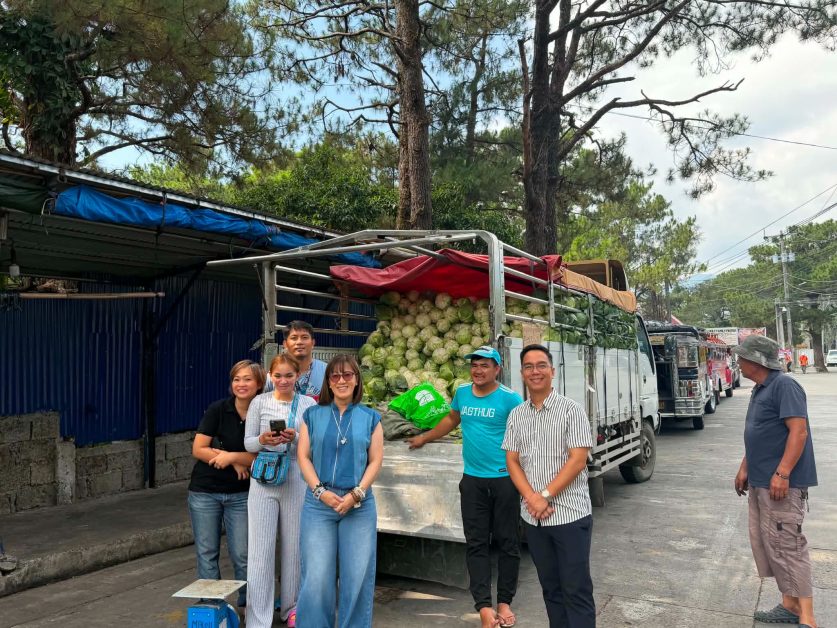
Perhaps one of the most visible examples of the SAMCIS SDG journey occurred in May 2026, when local farmers struggled to dispose of their agricultural produce. SAMCIS responded by purchasing approximately 1,700 kilograms of cabbage directly from farmers.
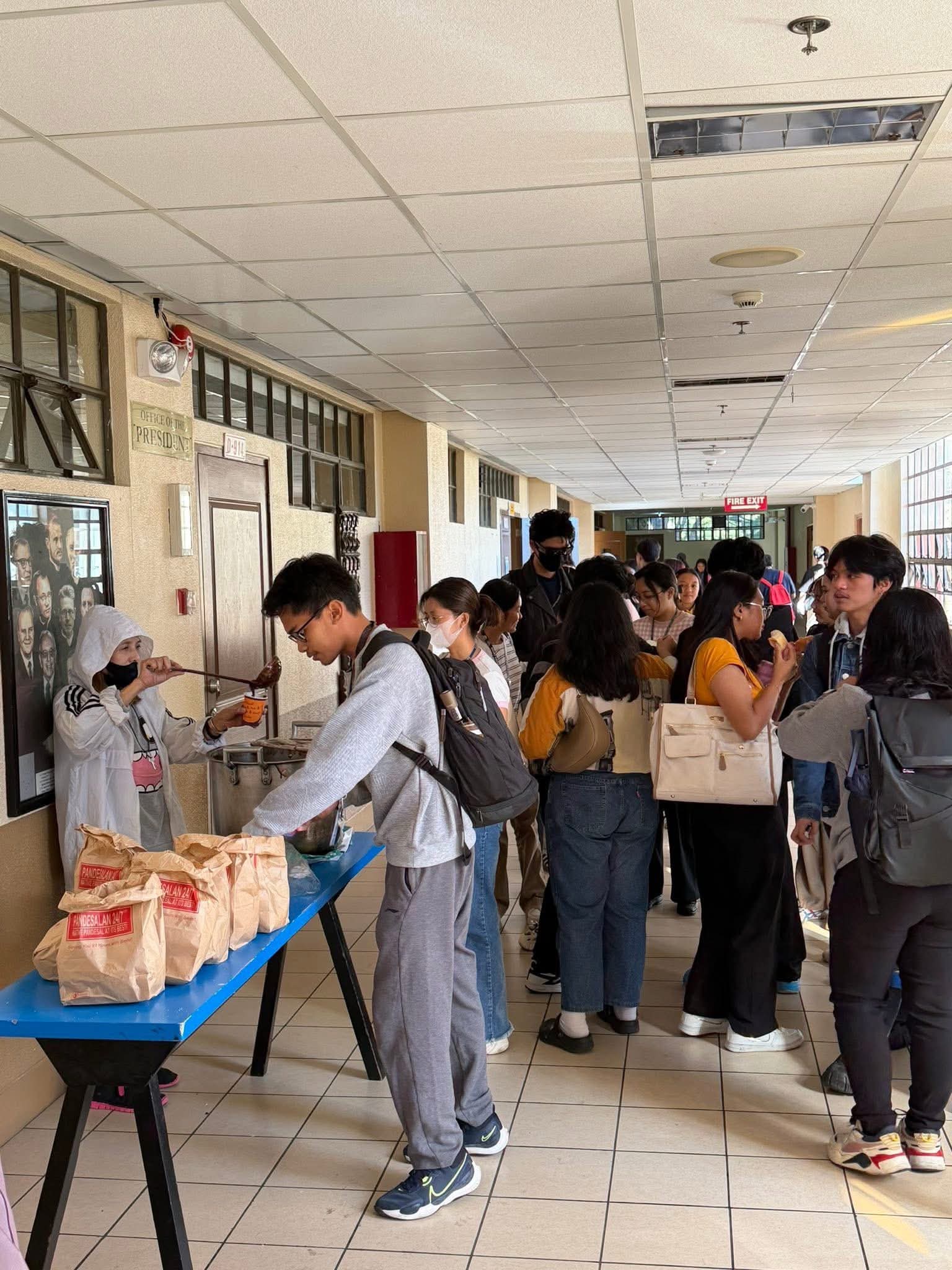
What could have remained an agricultural problem became an opportunity for community collaboration. Instead of allowing valuable produce to go to waste, the vegetables were distributed to students, faculty members, employees, security and support personnel, campus canteens, and the Halfway Home for the Boys.
The initiative created multiple levels of impact. Farmers gained an additional market for their produce. Food that could otherwise have gone to waste was utilized. Community members benefited from the harvest. At the same time, students and employees witnessed how collective action could address economic, social, and environmental concerns.This simple act embodied the interconnected nature of the SDGs—particularly SDGs 1, 11, 12, and 17. It also reminded the SAMCIS community that sustainability does not always require large-scale projects. Sometimes, it begins by recognizing a need and choosing to respond with compassion and practical action.
Innovation for Smarter and More Sustainable Communities
SAMCIS’ computing programs likewise demonstrated how technology can contribute to sustainable development.
During the Baguio Smart City Convergence 2025, Computer Science students developed innovative solutions addressing urban, environmental, and economic challenges. Among the recognized projects was METROHEAT, an AI-powered urban heat island management platform integrating satellite imagery, geospatial information, and meteorological data to help identify and forecast urban heat hotspots.
Other SAMCIS teams developed solutions involving technological urbanization and environmental innovation. These projects supported SDG 9 and SDG 11 while illustrating an increasingly important lesson for future computing professionals: technology should not be developed merely because it is possible; it should be designed to solve problems that matter.
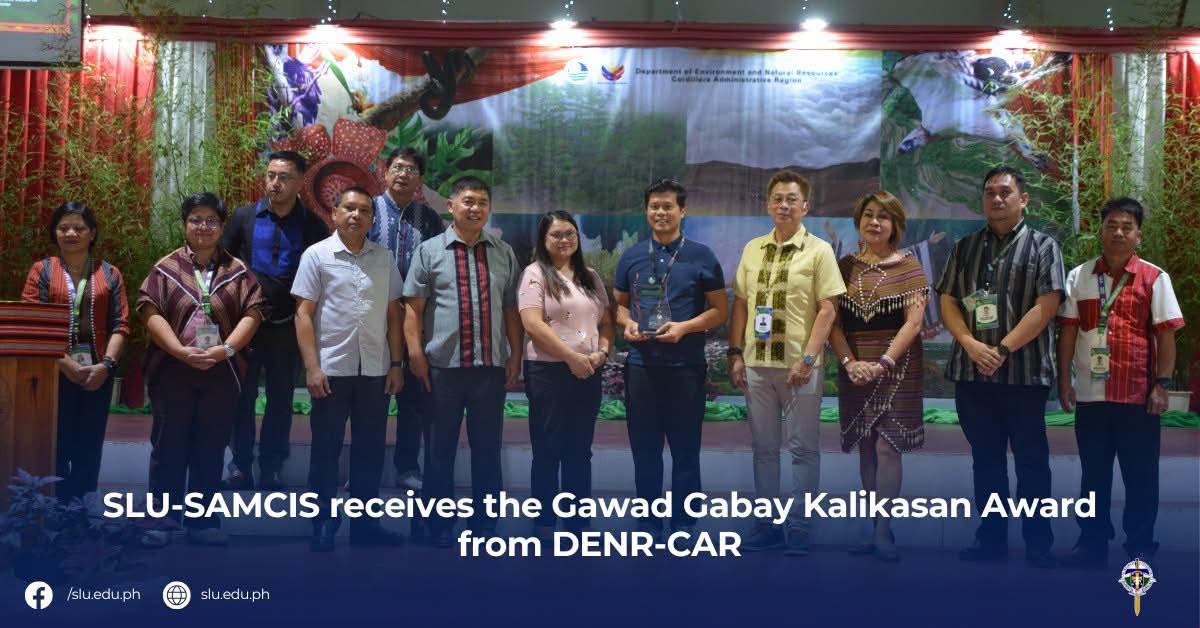
Through these initiatives, the classroom expanded into the community. Baguio City itself became a learning environment where students could apply artificial intelligence, data, software development, and digital technologies to actual urban challenges. The impact of this approach was further affirmed in July 2026 when SLU-SAMCIS received the Gawad Gabay Kalikasan Award from DENR-CAR. The recognition highlighted the contribution of SAMCIS Information Technology and Computer Science students in developing and improving computer-based applications and work processes for the agency. It demonstrated what can happen when academic competence is transformed into service.
Partnerships, Well-Being, and a Sustainable SAMCIS Community
Another important dimension of the journey was SDG 17 – Partnerships for the Goals.
Many of the School’s accomplishments were made possible through collaboration with industry, government agencies, communities, professional organizations, and other stakeholders. Partnerships strengthened micro-credential opportunities, provided real-world environments for student learning, supported community engagement, and allowed SAMCIS expertise to reach beyond the University.
At the same time, SAMCIS recognized that sustainability must include the people who make the institution’s mission possible.
The SAMCIS General Assembly 2025, centered on the theme “Breathe, Create, Grow: Embracing Balance and Renewal,” emphasized wellness, creativity, connection, and renewal. Activities provided faculty members with opportunities to reconnect with themselves and their colleagues amid the demands of academic work.
This initiative supported SDG 3 – Good Health and Well-Being and reinforced an often-overlooked aspect of sustainability: sustainable institutions require people who are also cared for, supported, and given opportunities to grow.
From Activities to Meaningful and Measurable Impact
Looking back at AY 2025–2026, the significance of the SAMCIS journey lies not merely in the number of activities conducted. Its greater value lies in how different initiatives became interconnected. Quality education developed competencies. Competencies enabled innovation. Innovation addressed community problems. Partnerships expanded possibilities. Compassion kept these efforts centered on people.
Supporting farmers became connected to poverty reduction and responsible consumption. Micro-credentials connected education with decent work. Student entrepreneurship connected innovation with sustainable economic opportunities. Computing projects connected technology with sustainable cities. Faculty wellness strengthened the people behind the institution’s mission.
Moving forward, the challenge is to move from simply identifying which SDGs an activity supports to measuring the actual impact it creates.
How many farmers and communities were supported? How much food waste was prevented? How many students gained additional professional certifications? How many sustainable businesses and innovations were created? How many technological solutions were adopted by partner organizations? How many partnerships continued beyond a single project?
These questions can help transform sustainability reporting from counting activities into demonstrating meaningful change.
The Journey Continues
The SAMCIS SDG Journey of AY 2025–2026 showed that sustainability can take many forms.
Sometimes, it begins with students developing an innovative business idea. Sometimes, it comes from technology designed to solve an urban problem. Sometimes, it grows through a partnership that creates new opportunities for students. Sometimes, it begins with 1,700 kilograms of cabbage that a community simply refused to let go to waste.
Individually, these may seem like separate activities. Together, they tell a much bigger story: an academic community transforming education into action and action into impact.
As SAMCIS moves forward, the responsibility is not simply to conduct more SDG-related activities, but to create deeper, sustained, and measurable contributions to people, communities, industry, and the environment.
The AY 2025–2026 journey provides a strong foundation.
From classrooms to communities. From knowledge to innovation. From innovation to service. From commitment to impact.
This is the SAMCIS SDG Journey, and the journey continues.
Competence with purpose. Innovation with responsibility. Compassion translated into action. Together, Pamilya Technokomersyo builds a more sustainable future. (Article and Photos by SAMCIS)