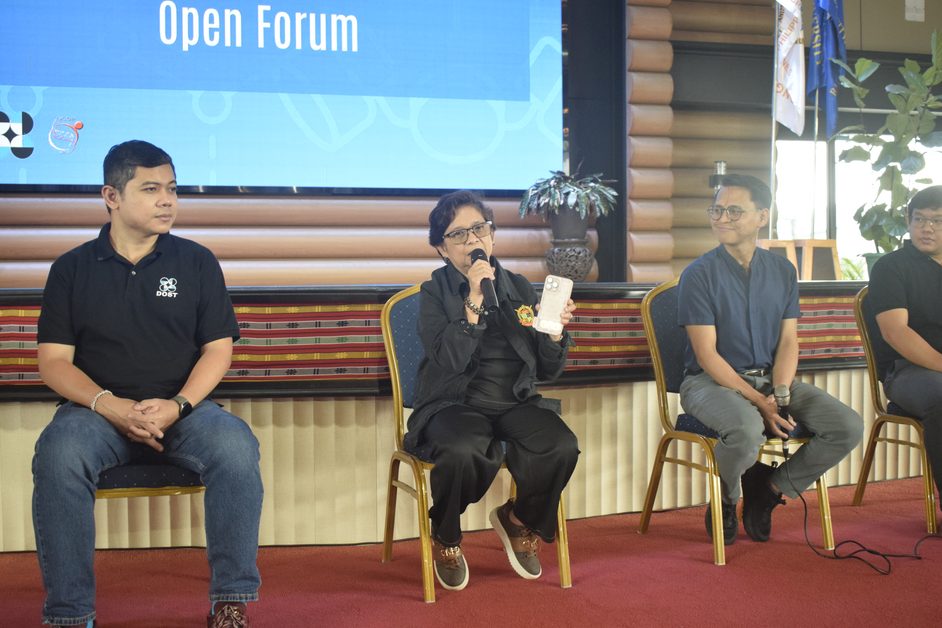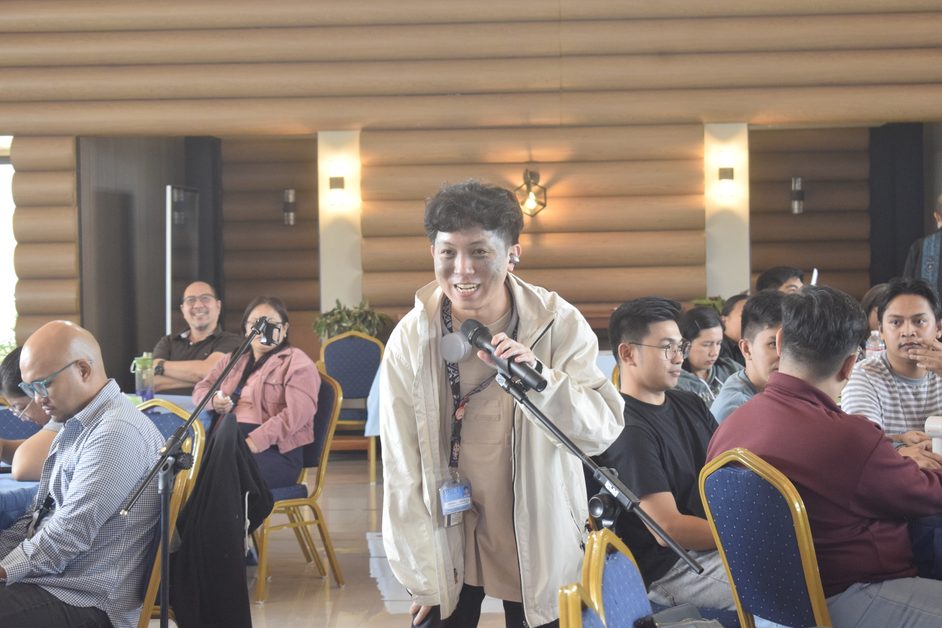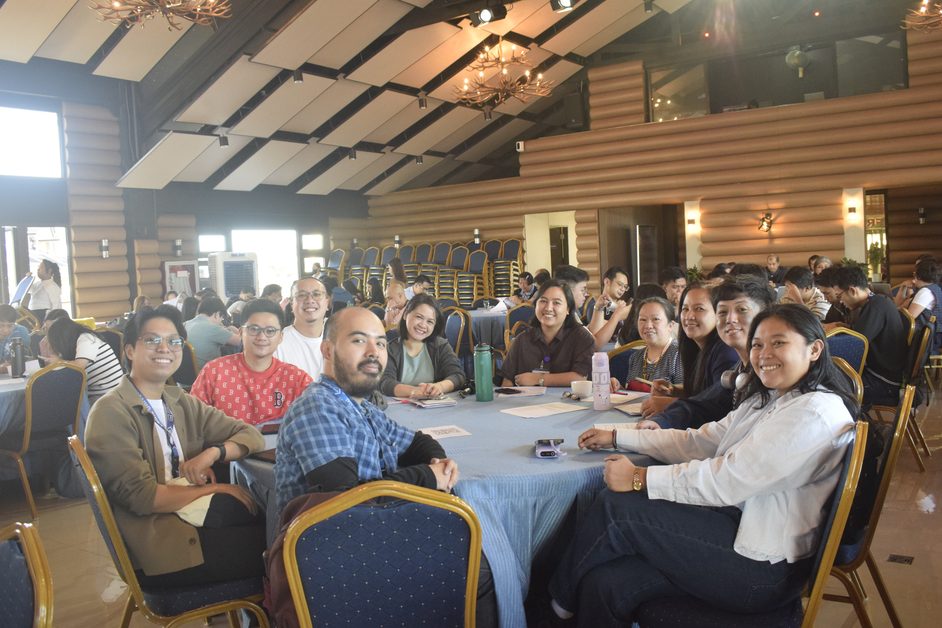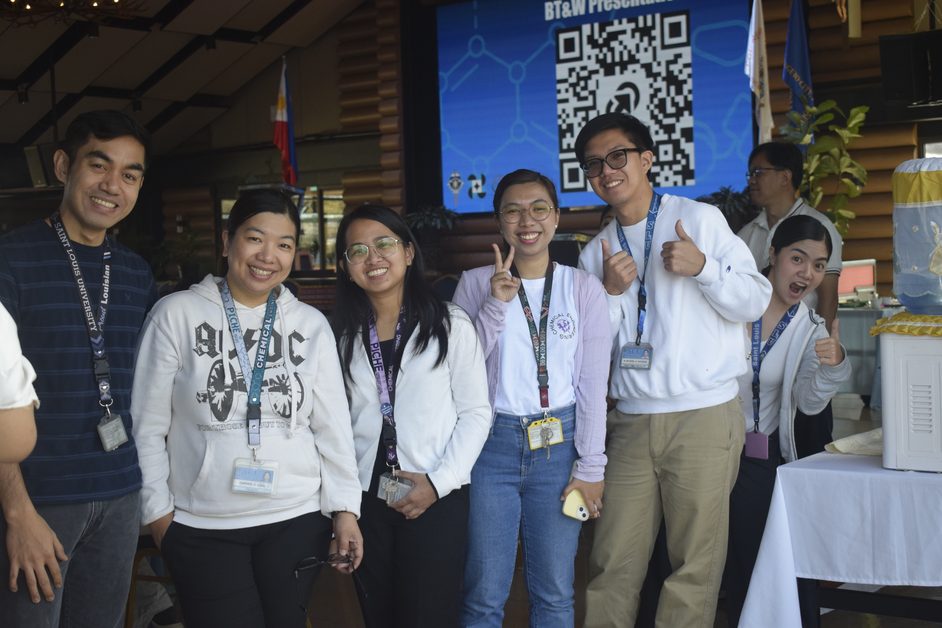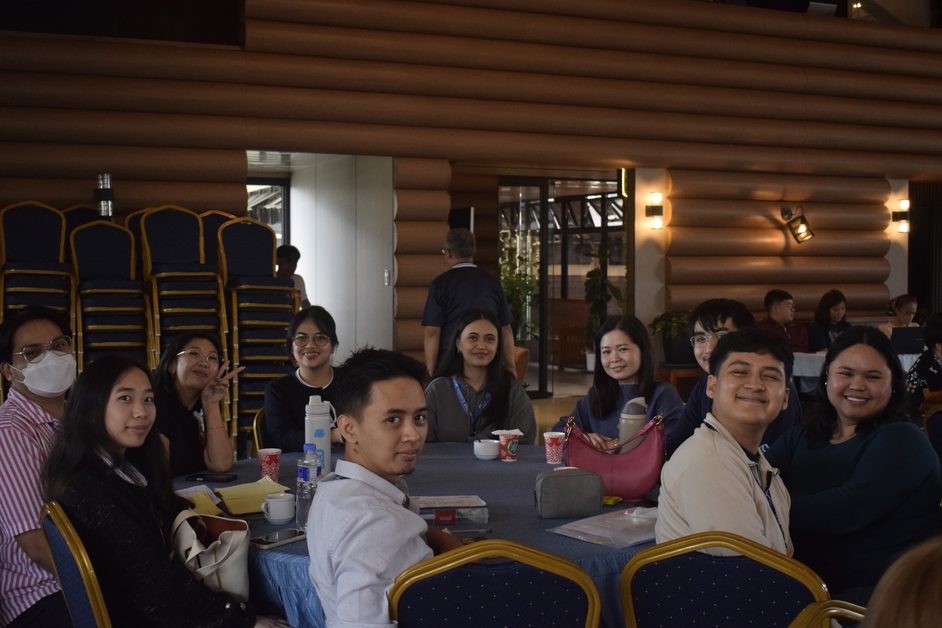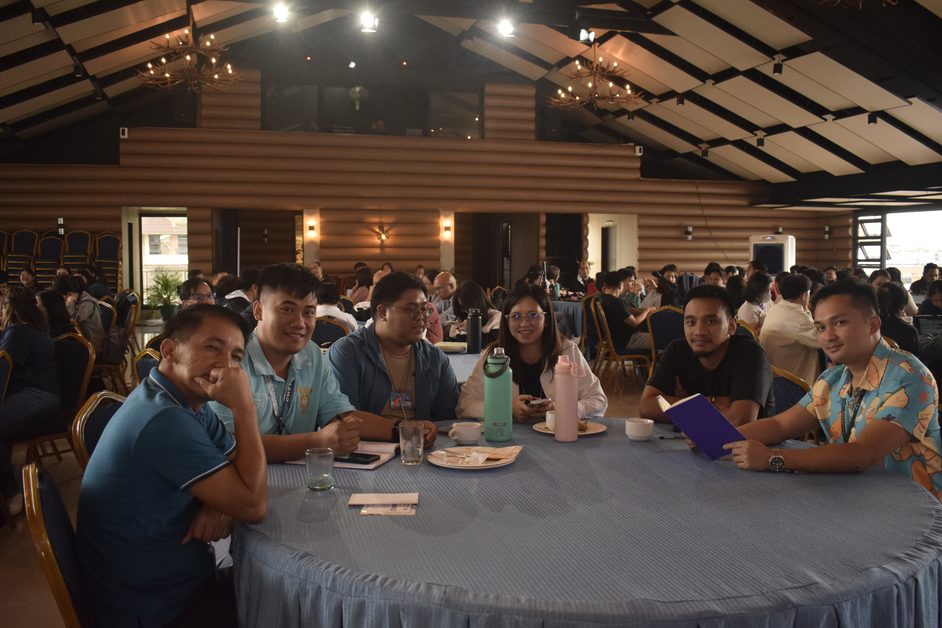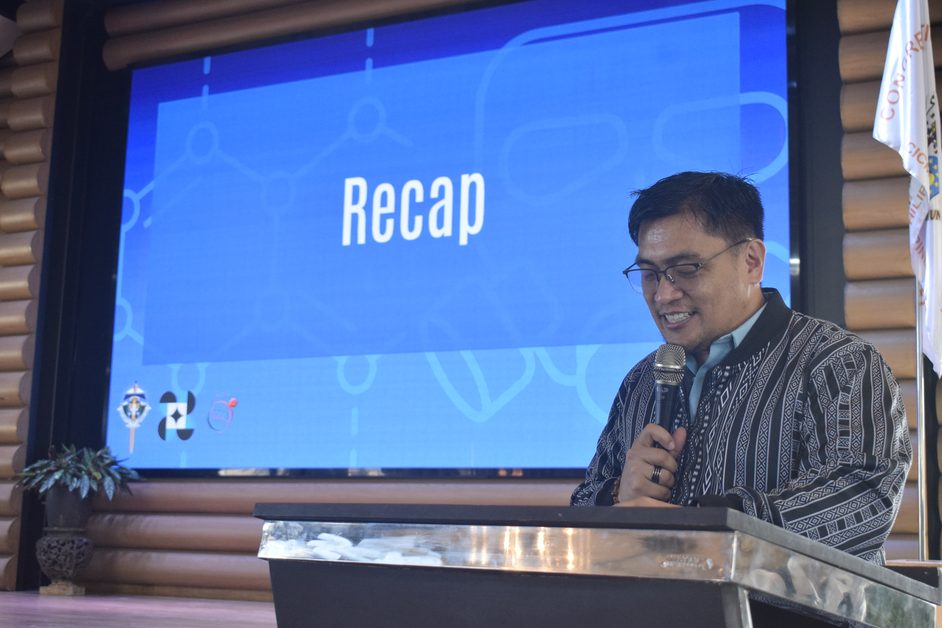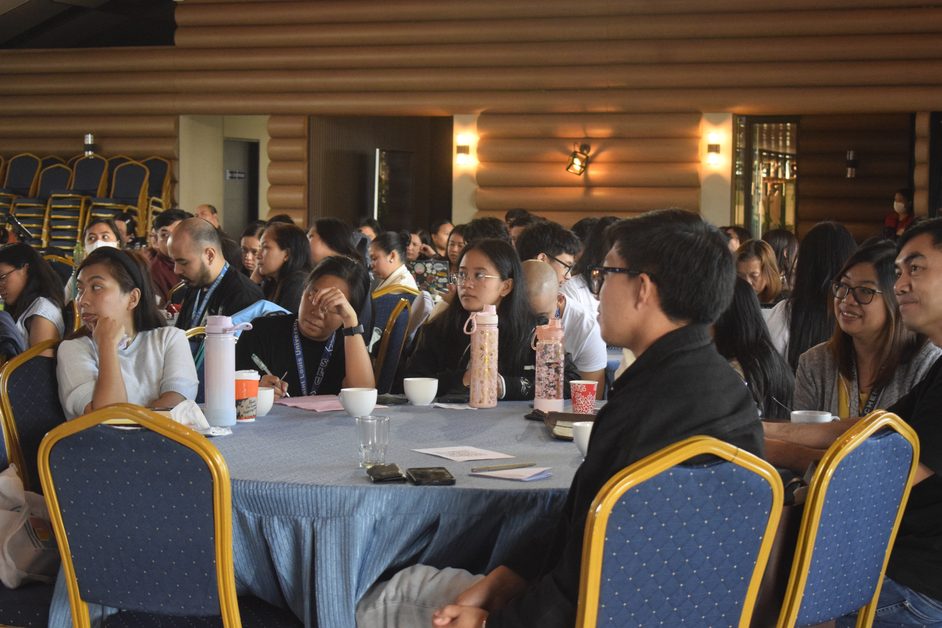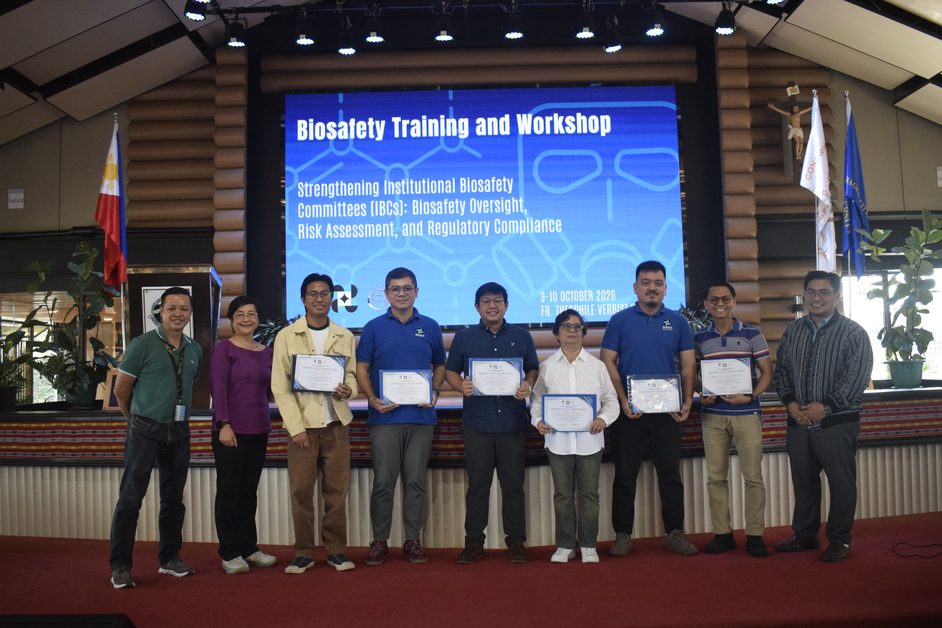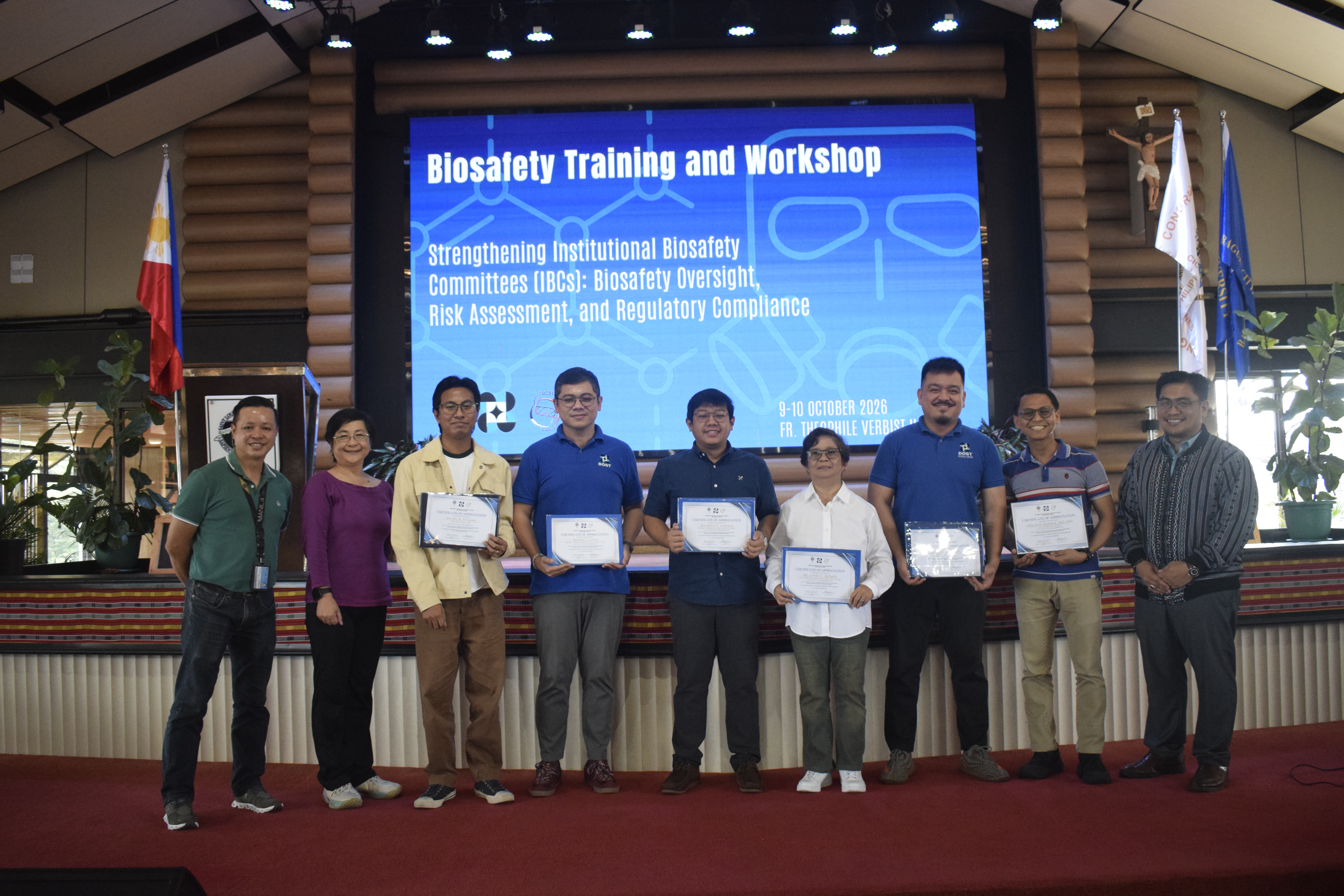
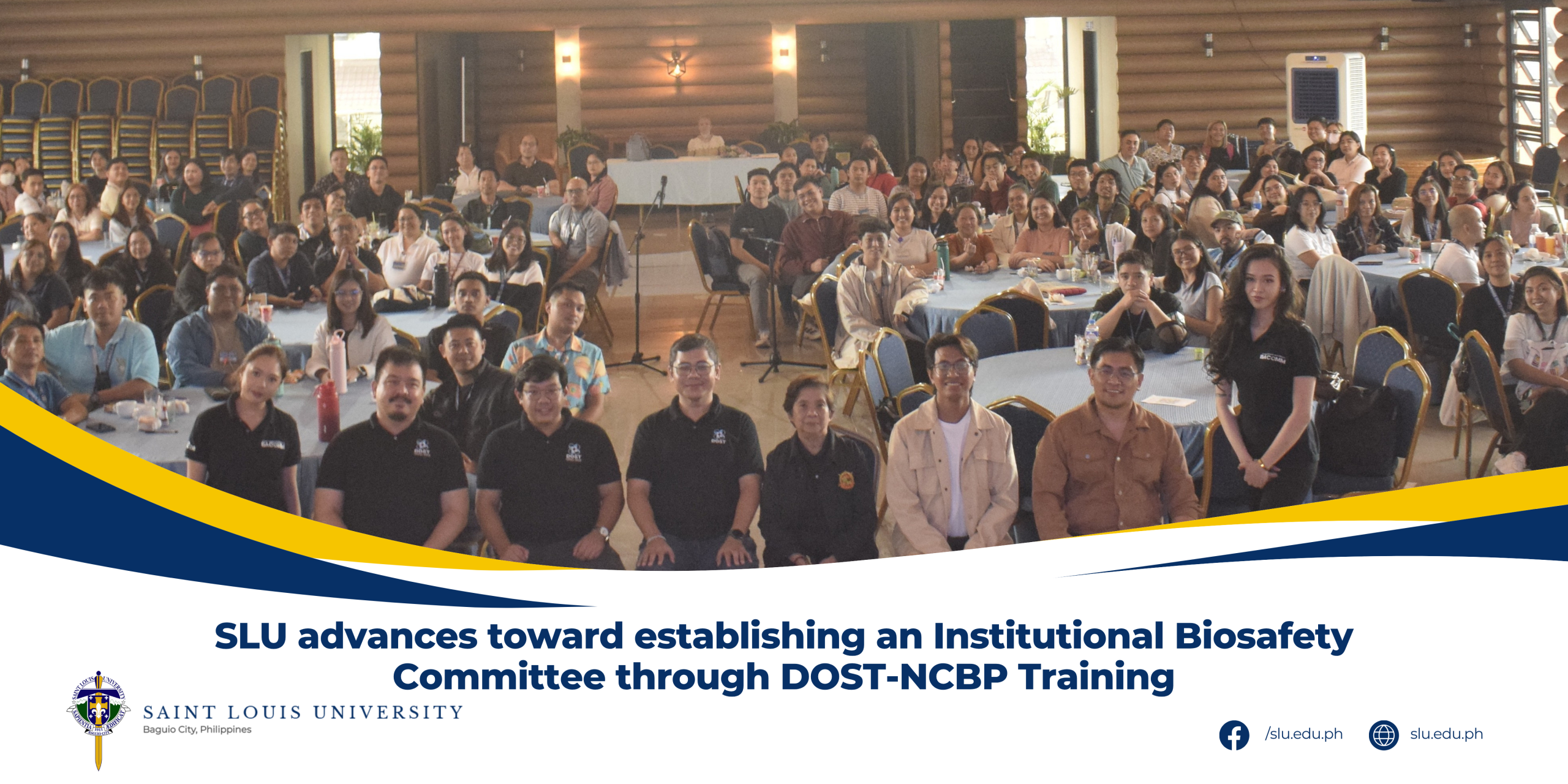
Demonstrating a strong institutional commitment to biosecurity and biosafety standards, Saint Louis University (SLU) held a Biosafety Training and Workshop on 9-10 October 2026 at the Fr. Theophile Verbist Hall, SLU Sacred Heart Medical Center (SHMC). The two-day event marked a crucial foundational milestone toward establishing the university’s official Institutional Biosafety Committee (IBC), creating a localized governance body to oversee research compliance and campus biosecurity.
The workshop brought together key academic and operational stakeholders, including faculty members, pollution control officers, and laboratory technicians across the School of Nursing, Allied Health and Biological Sciences (SONAHBS), School of Engineering and Architecture (SEA), Research, Innovation, and Sustainable Extension (RISE) Center, and the Campus Planning, Maintenance and Security Department (CPMSD).
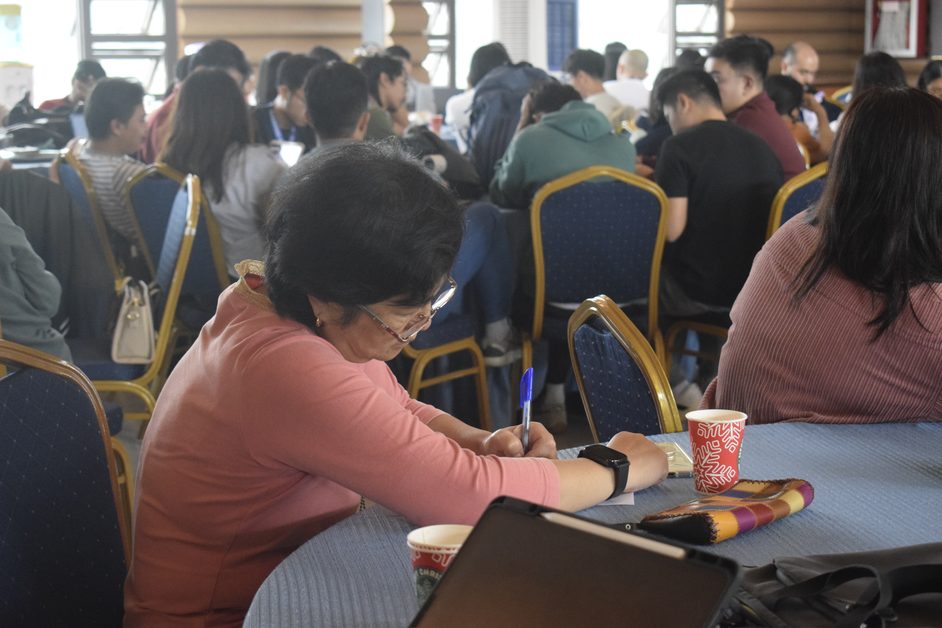
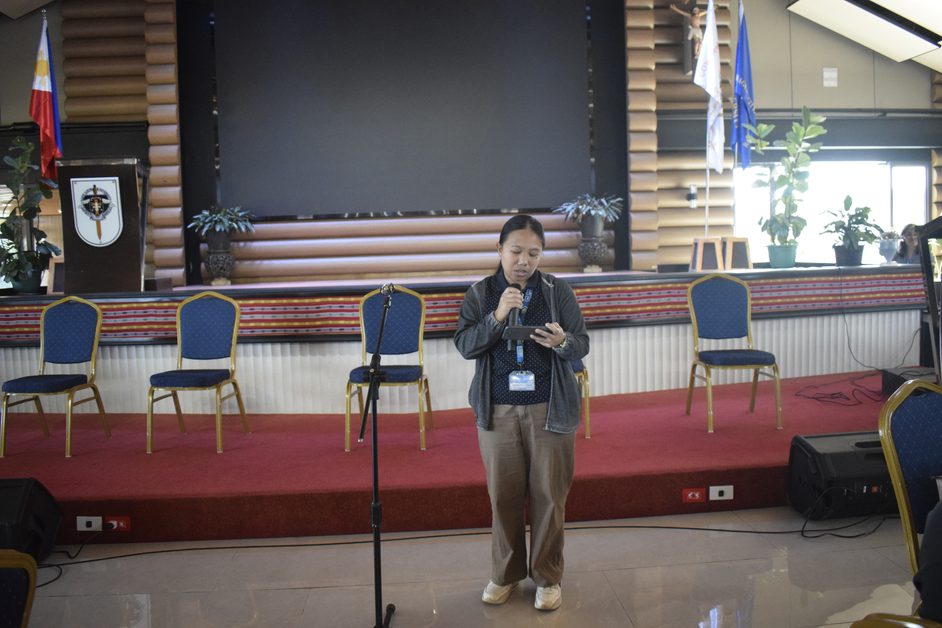
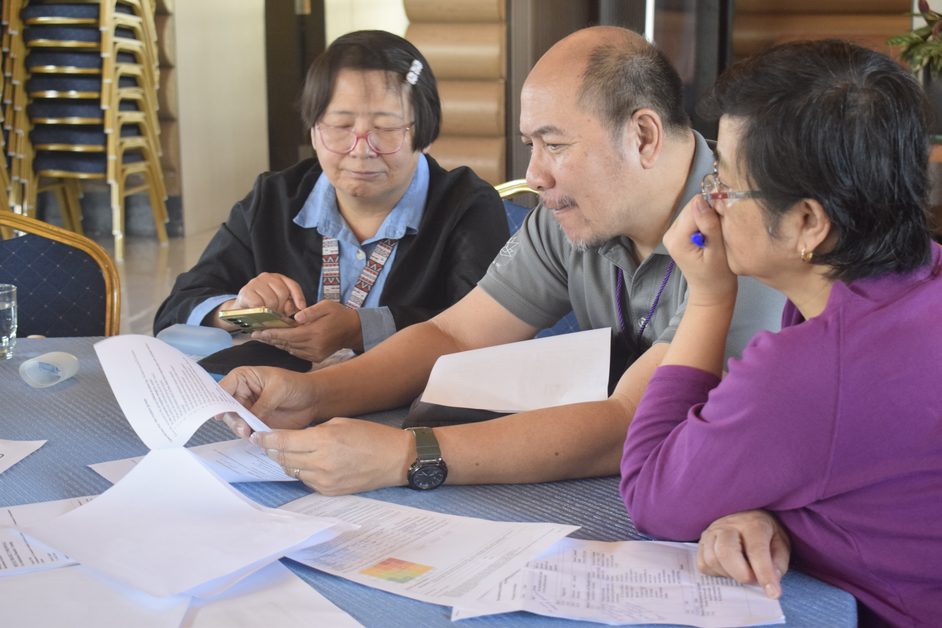
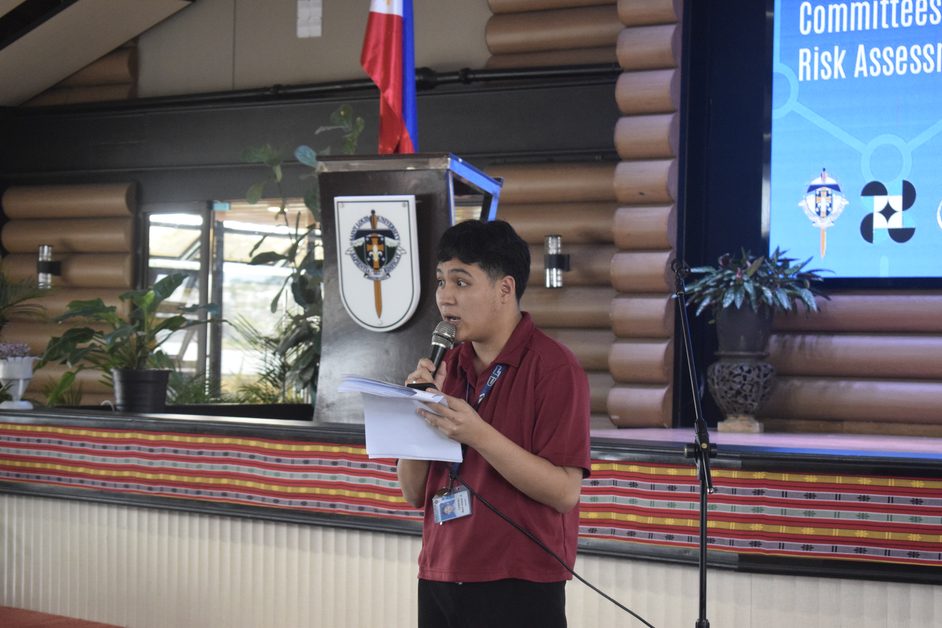
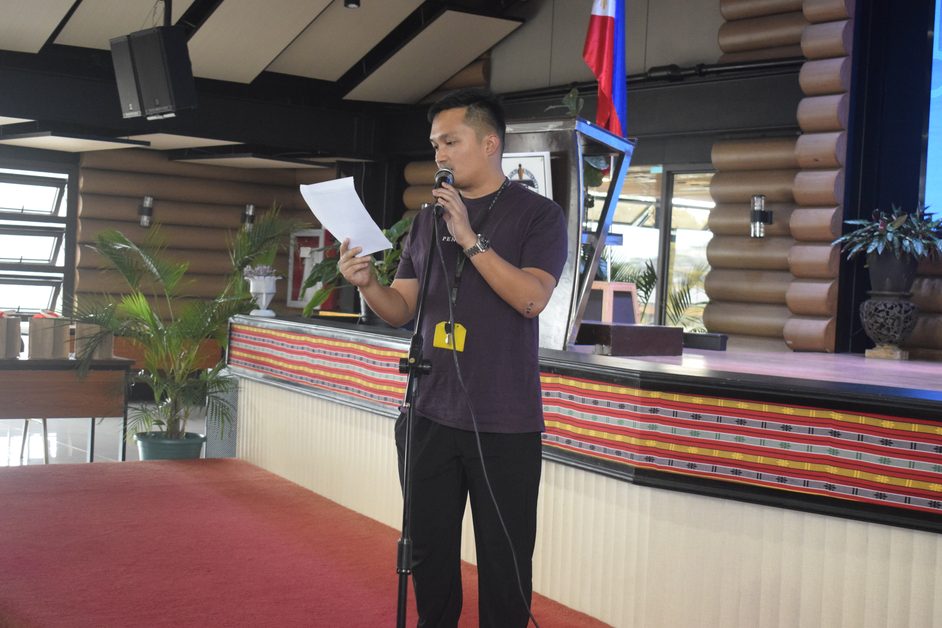
Insights from the NSRU Mock Inspection
Prior to the main workshop sessions, the visiting DOST-NCBP experts conducted a preliminary mock inspection of the university’s Natural Sciences Research Unit (NSRU) laboratories. The speakers evaluated the facility’s containment infrastructure, ventilation systems, biohazard waste disposal systems, and operational SOPs to provide actionable recommendations to align with national standards.
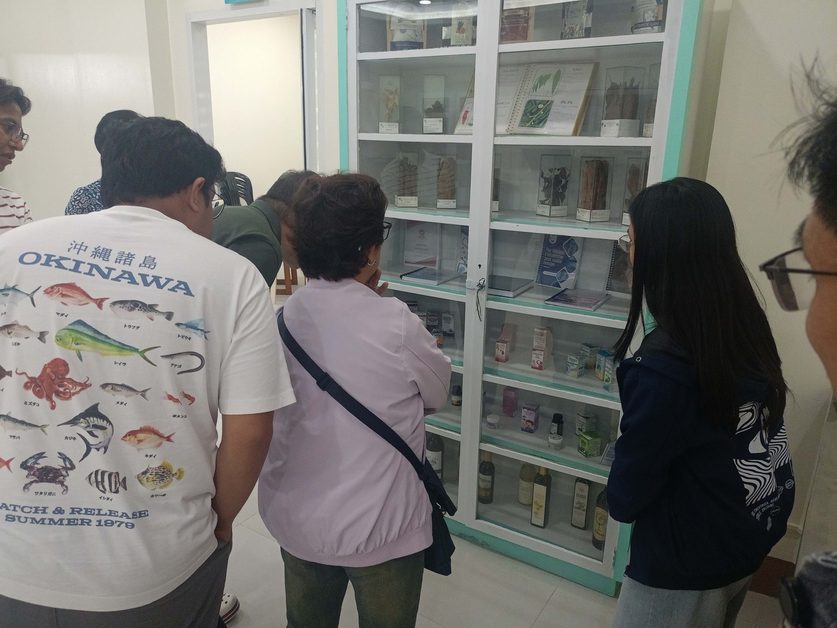
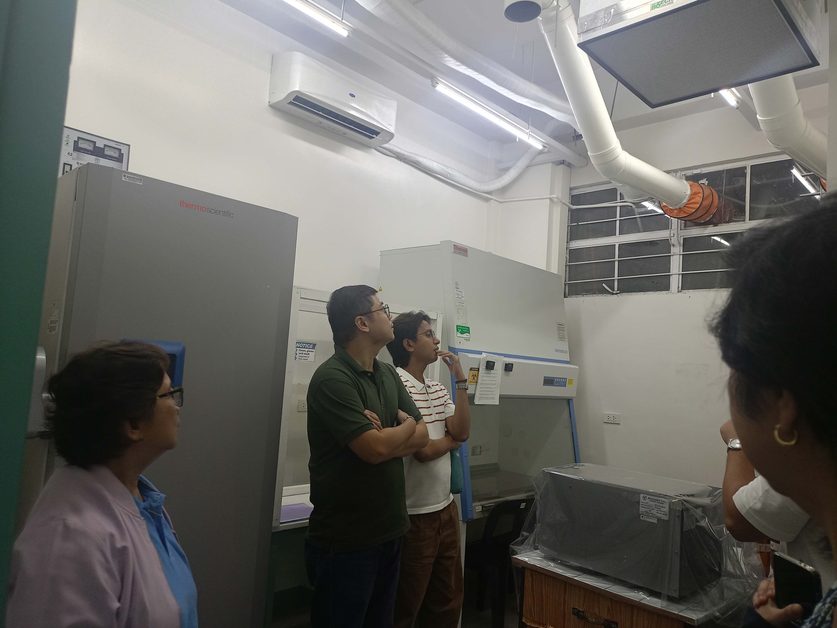
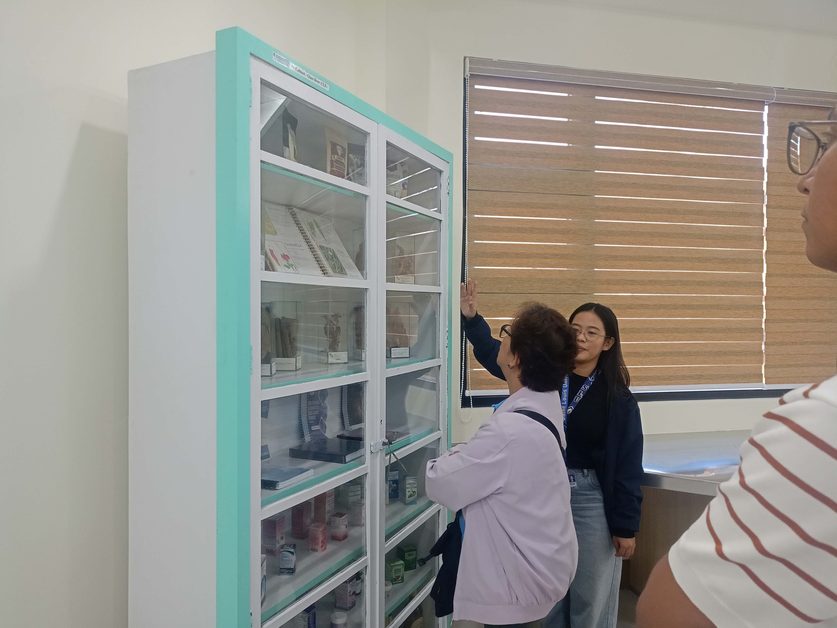
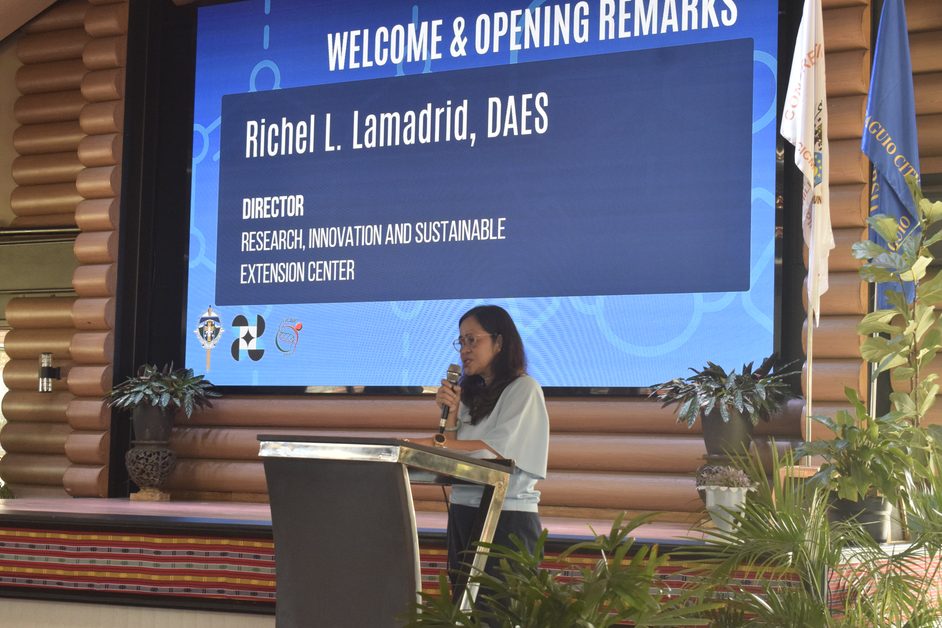
Opening the session, RISE Center Director Richel L. Lamadrid, DAES emphasized that groundbreaking research must go hand in hand with a rigorous safety culture. She underscored that formalizing internal biosafety protocols protects researchers and students while elevating the university’s research credibility.
Resource speakers from the Department of Science and Technology – National Committee on Biosafety of the Philippines (DOST-NCBP) delivered core modules bridging national regulatory standards with daily laboratory operations:
- Philippine Biosafety Framework and Regulation: Project Senior Technical Specialist Reimond S. Corona provided an overview of the country’s biosafety regulatory landscape, tracing its policy history from Executive Order 430 and Executive Order 514 (establishing the National Biosafety Framework) to international commitments like the Cartagena Protocol on Biosafety. He explained how robust biosafety oversight enables responsible biotechnology innovation while protecting health and biodiversity, and outlined the inter-agency roles (DOST, DA, DENR, DOH, DILG) and regulatory pathways governing contained use and field trials in the Philippines.
- Pathogen Risk Groups vs. Biosafety Levels: Assistant Scientist John Carlo Malabad and S&T Fellow Enrykie B. Fortajada emphasized that pathogen risk groups (RG 1-4) do not automatically match Biosafety Levels (BSL 1-4). Rather, the designated BSL depends on a thorough risk assessment of the specific procedures, equipment, and staff competence involved. Fortajada also covered multilayer physical containment, limitations of personal protective equipment (PPE), and hazardous waste management hierarchies.
- Risk Assessment Framework: S&T Fellow Leocris S. Batucan Jr. detailed the scientific method of risk characterization. Using a five-point matrix scoring likelihood and severity, he illustrated how identifying exposure pathways allows researchers to measure inherent risk and reduce it to acceptable residual risk levels using engineering controls and Standard Operating Procedures (SOPs).
- Institutional Biosafety Committee (IBC) Governance: Project Technical Specialist IV Ken Robin Loberiano and Assistant Scientist Ma. Lorelie Agbagala outlined the structure, responsibilities, and review mechanisms of an IBC as the first line of evaluation for projects involving biological agents and genetically modified organisms (GMOs). They detailed project submission workflows, reporting duties (including incident logs and annual reports), and the distinct oversight required for indoor, contained use versus outdoor, confined testing.
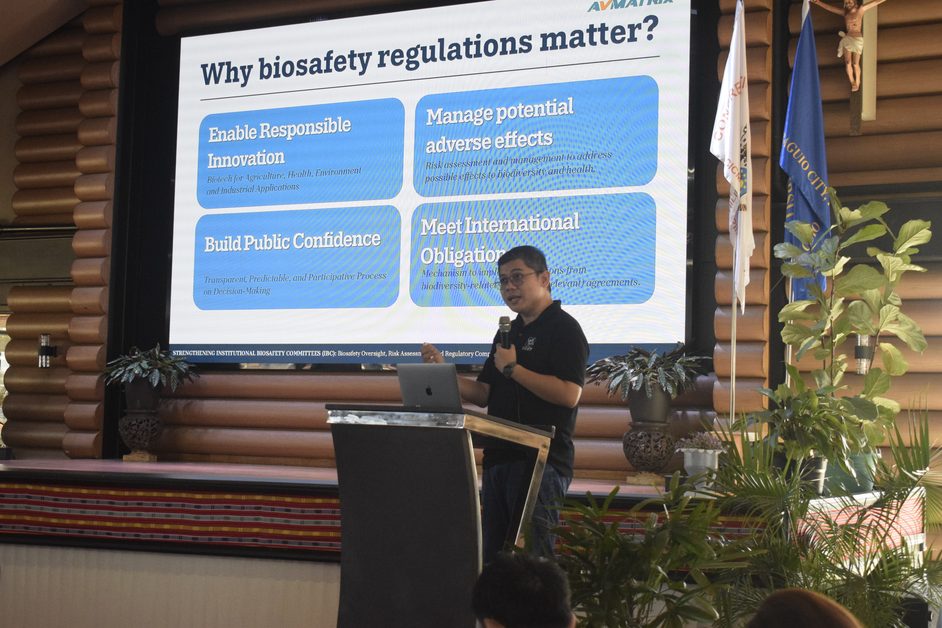
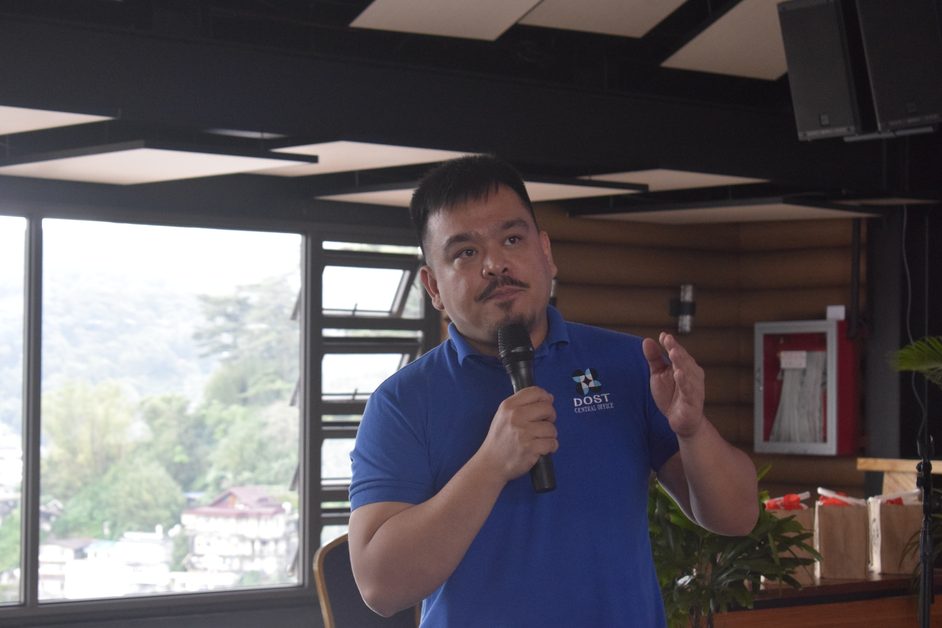
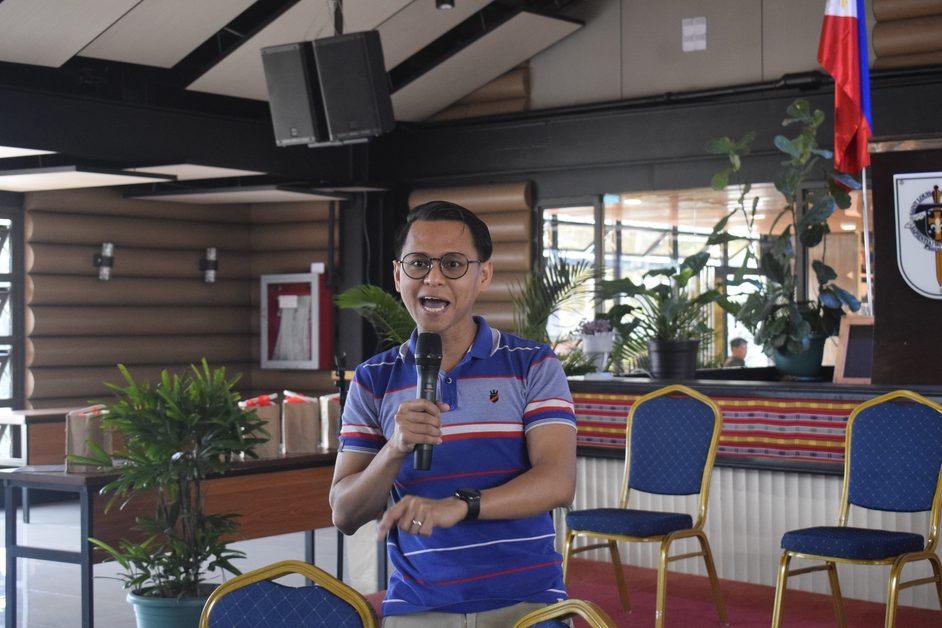
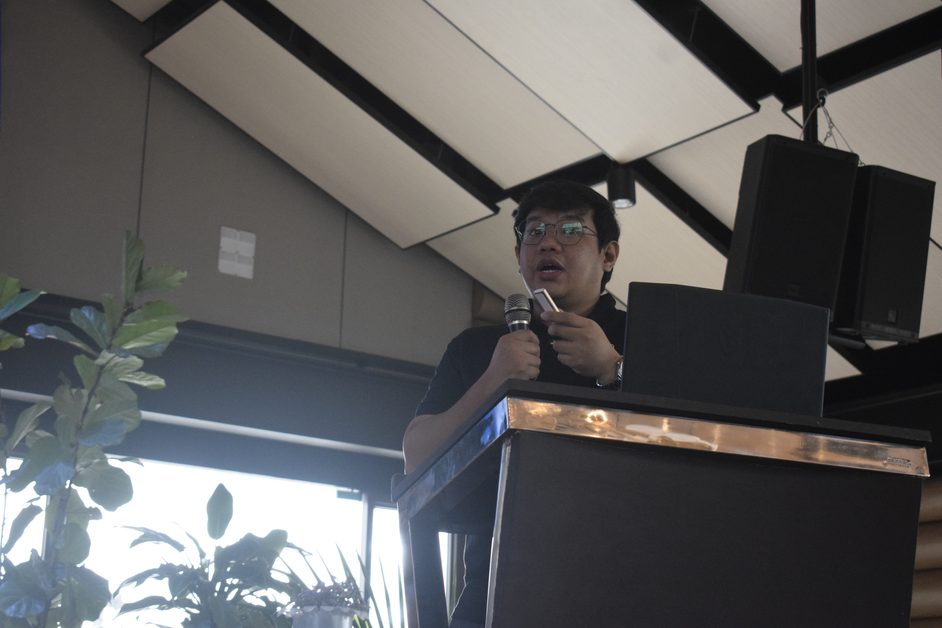
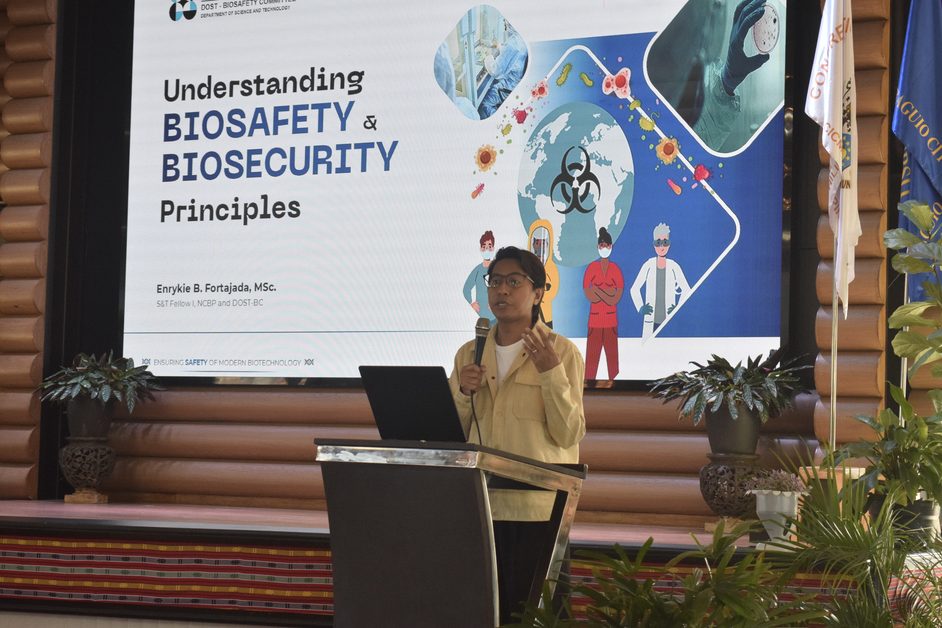
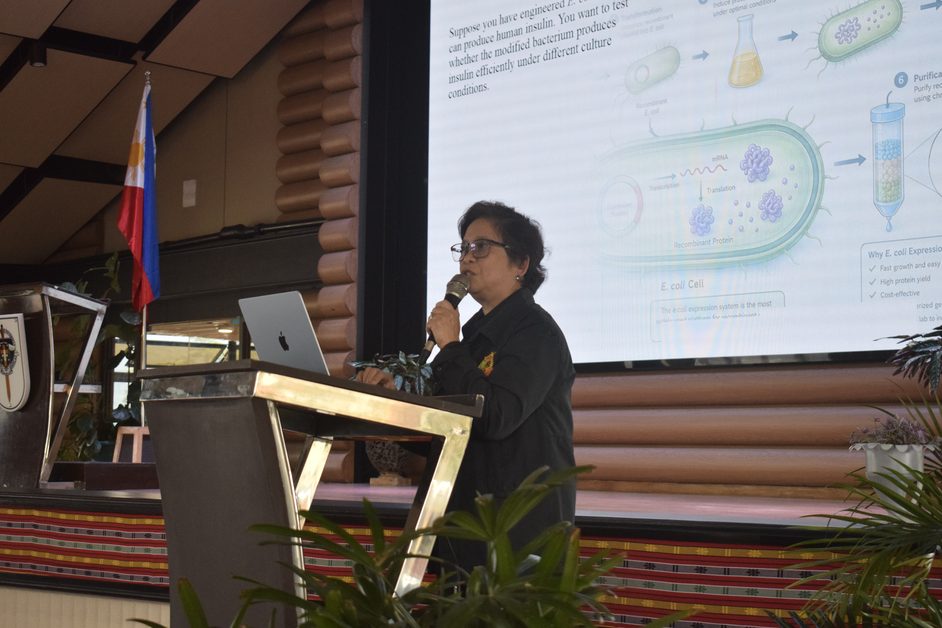
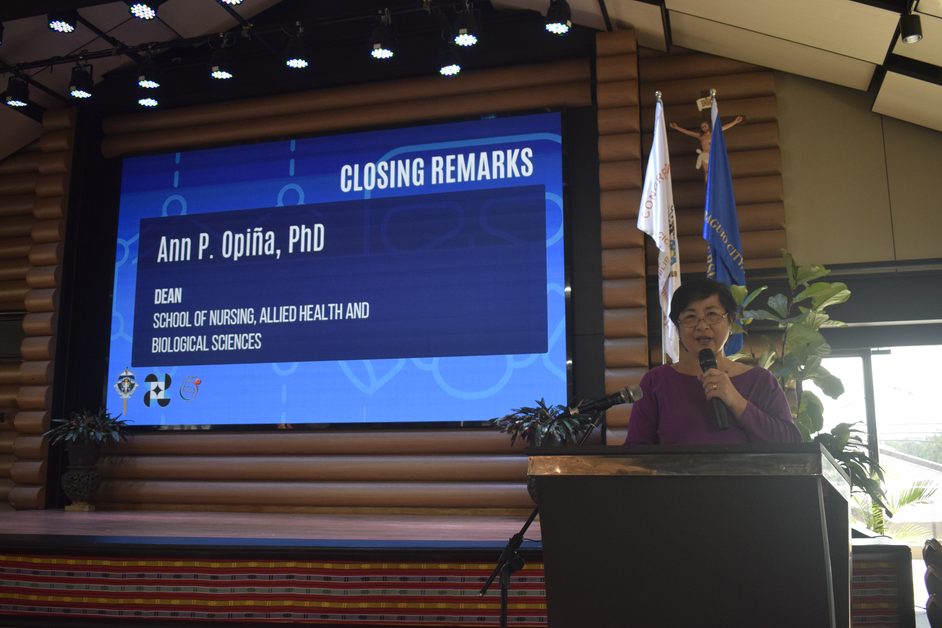
In her closing remarks, SONAHBS Dean, Ann P. Opiña, PhD reiterated the core topics covered by the speakers, alongside the key findings from the NSRU mock inspection. She delivered an inspiring charge to the participants, encouraging the SLU community to embrace biosafety and biosecurity not merely as administrative requirements, but as a shared culture of responsibility embedded into everyday institutional life.
This institutional step toward establishing an IBC directly supports United Nations Sustainable Development Goals 3 (Good Health and Well-Being), through safeguarding laboratory personnel, students, and the wider community from accidental exposure to hazardous biological agents; 4 (Quality Education) by upskilling faculty, lab technicians, and research staff with specialized, industry-standard biosafety training; 9 (Industry, Innovation, and Infrastructure) in strengthening laboratory infrastructure, enhancing safety standards, and enabling responsible biotechnology research; and 17 (Partnerships for the Goals) forging strong institutional ties with national regulatory bodies like the DOST-NCBP to enhance local biorisk governance and compliance. (Article and Photos by the SLU RISE Center)