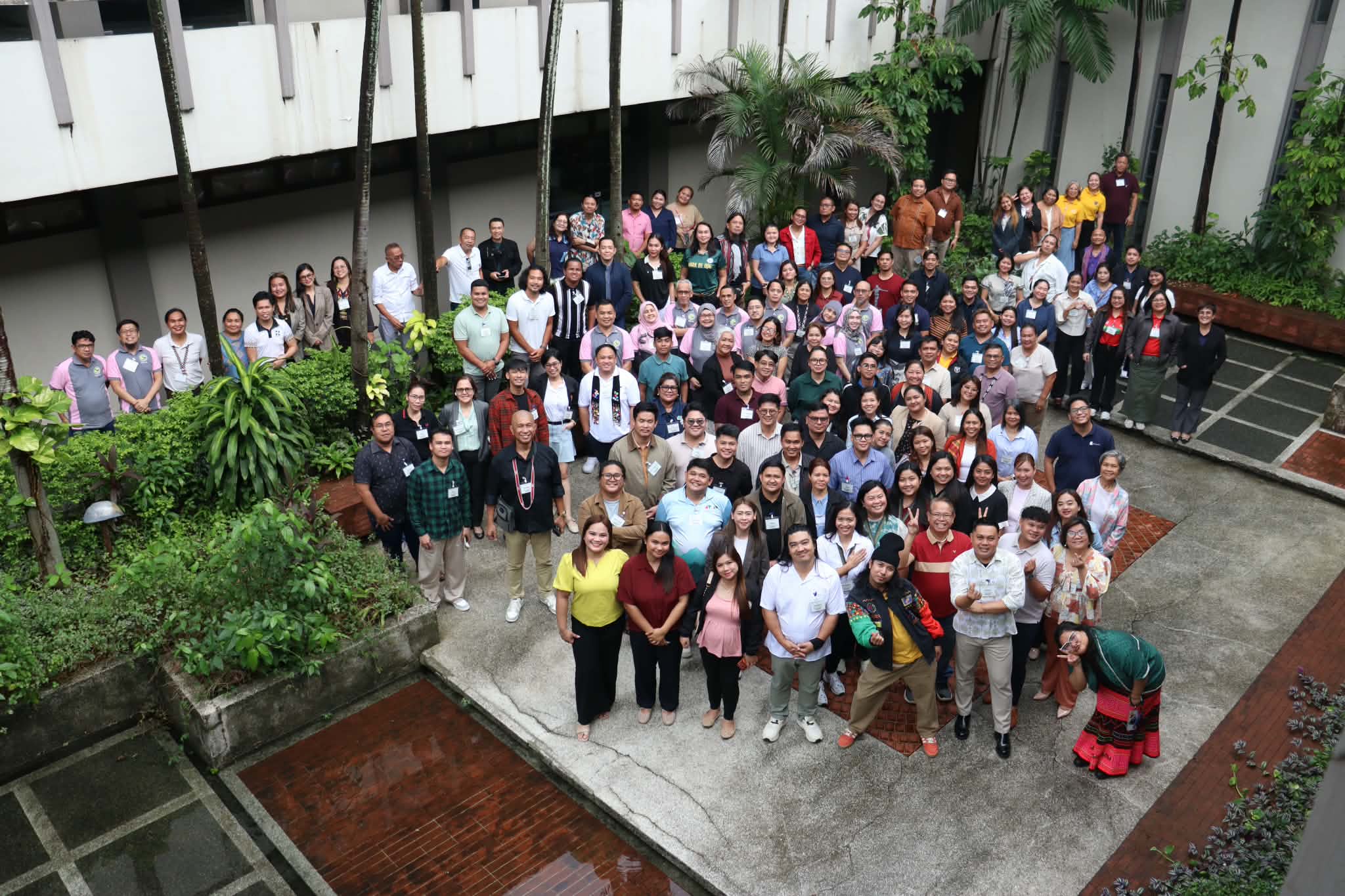
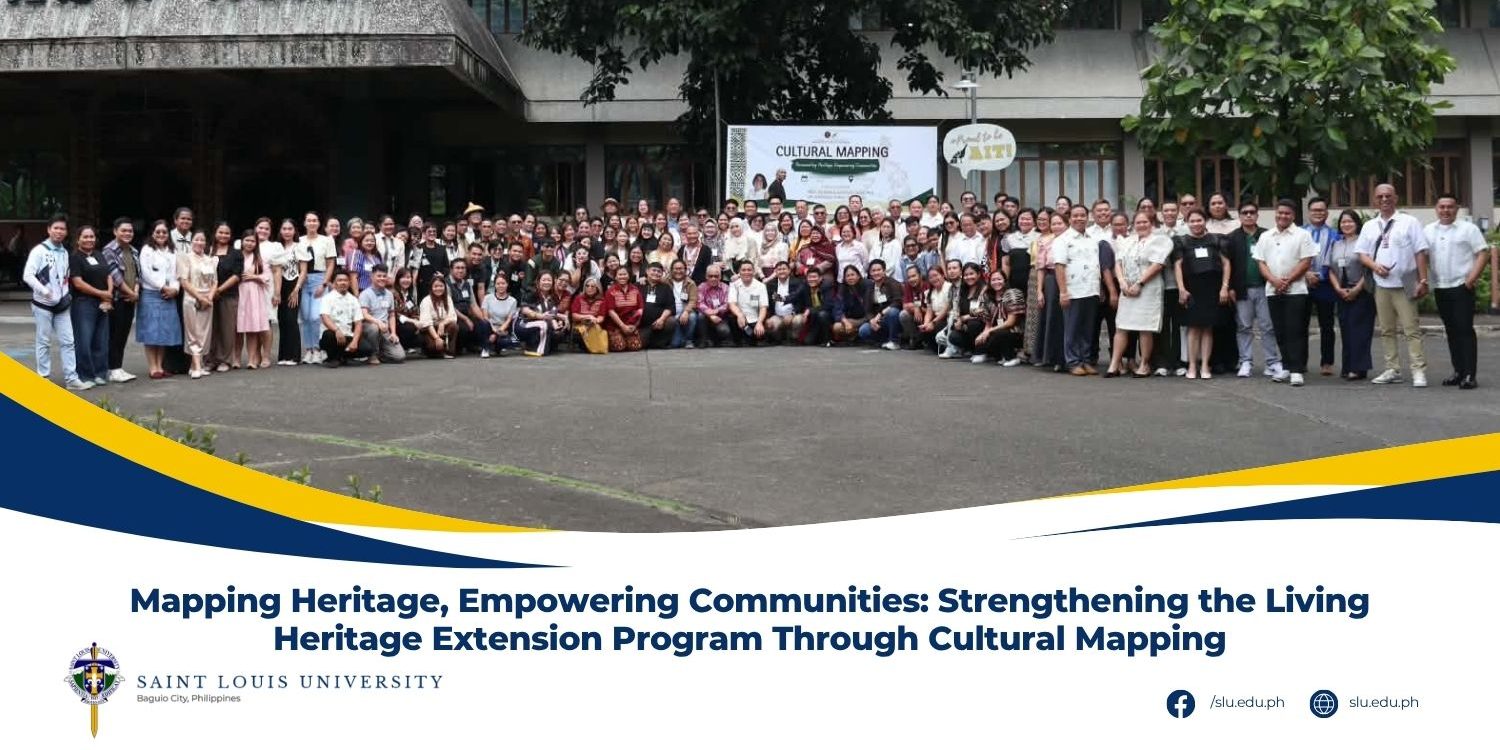
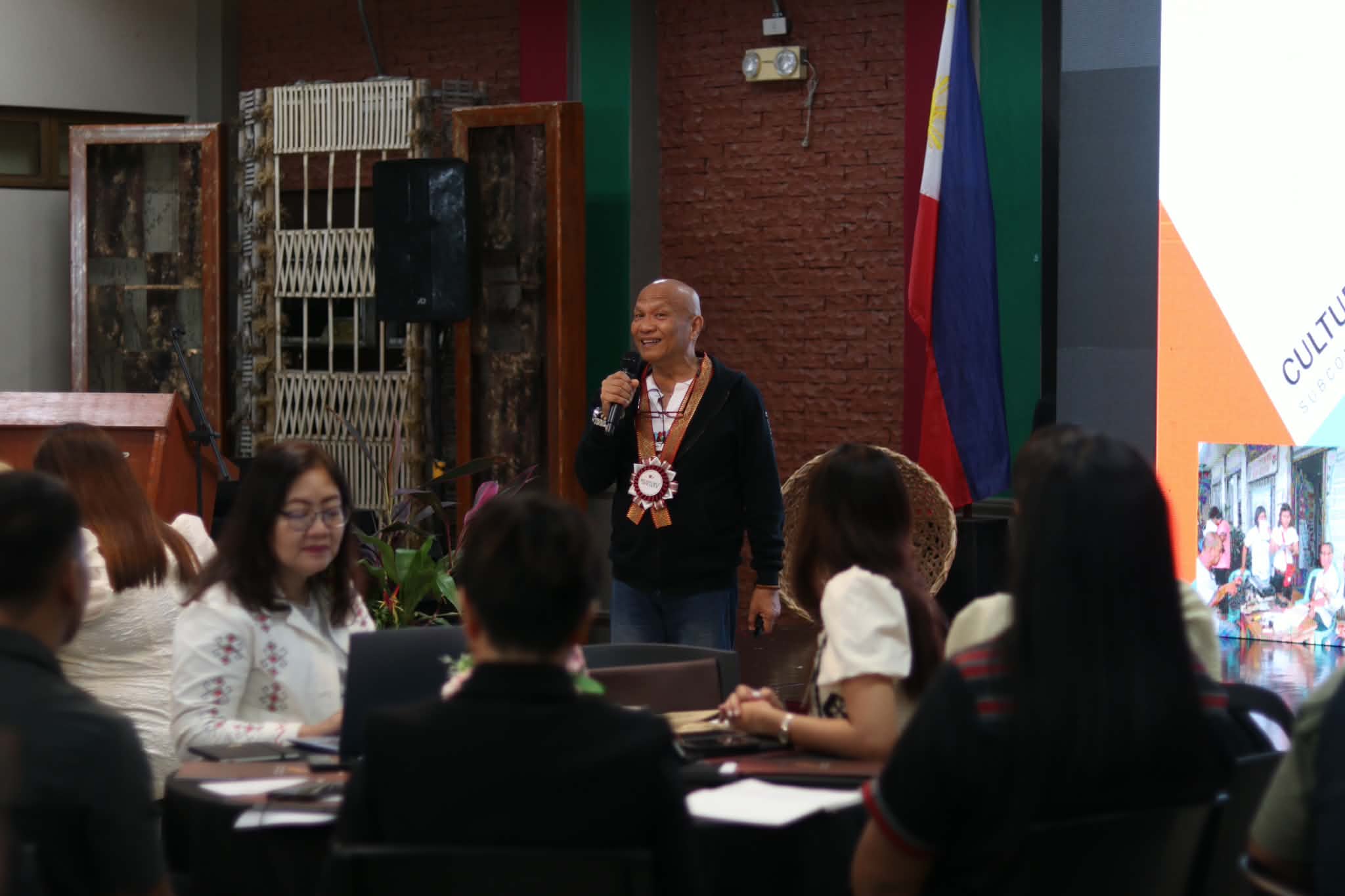
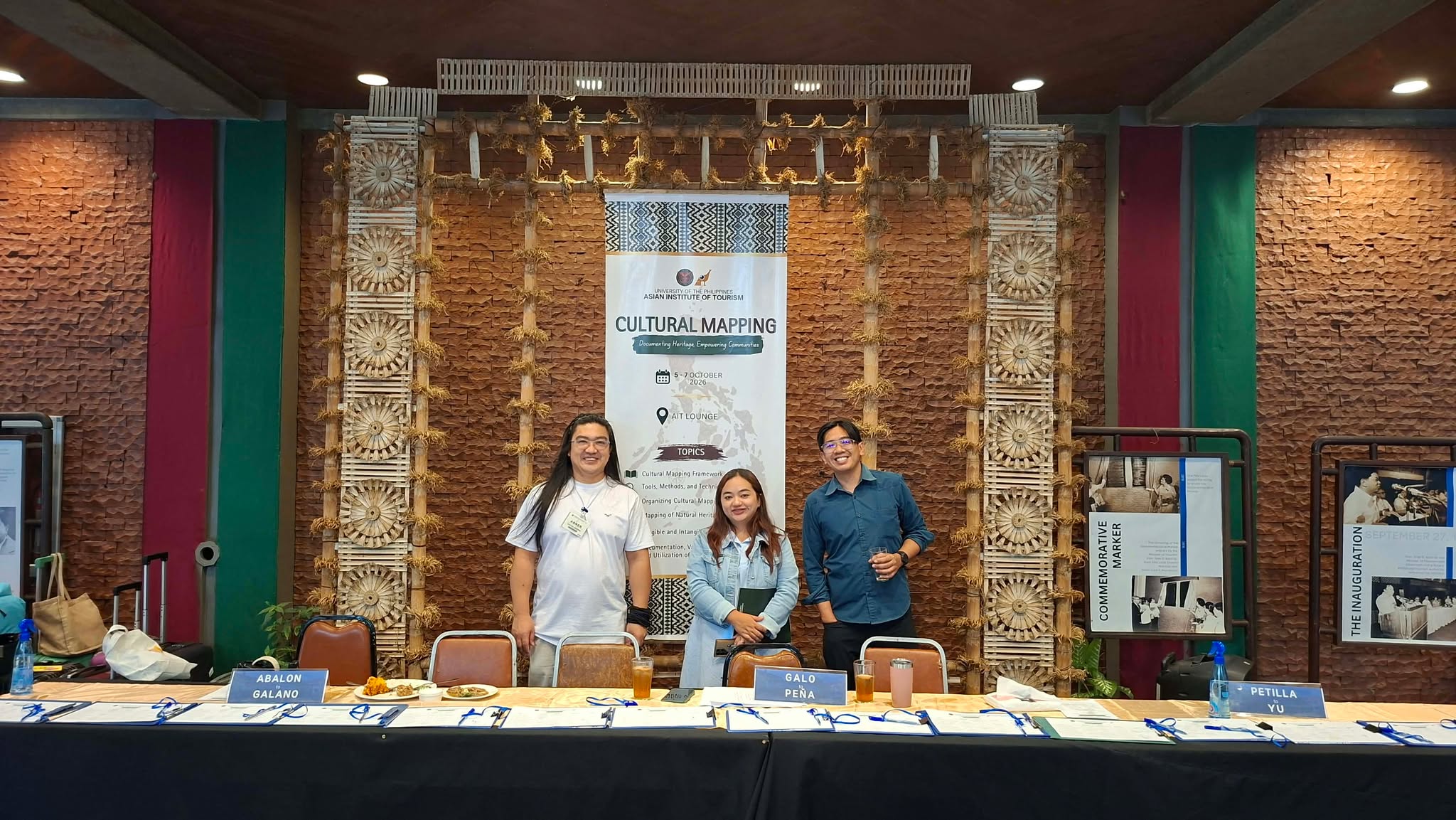
The Architecture Department of Saint Louis University’s (SLU) School of Engineering and Architecture (SEA), through Extension Program Coordinator and faculty member Ar. Benedict Y. Pagadut, Jr., participated in the three-day seminar “Cultural Mapping: Documenting Heritage, Empowering Communities” held at the University of the Philippines-Asian Institute of Tourism (UP-AIT) from 5 to 7 October 2026. The seminar was facilitated by cultural mappers UP Diliman-AIT faculty member Prof. Ricamela Palis and dance heritage expert Prof. Raymund Marciada.
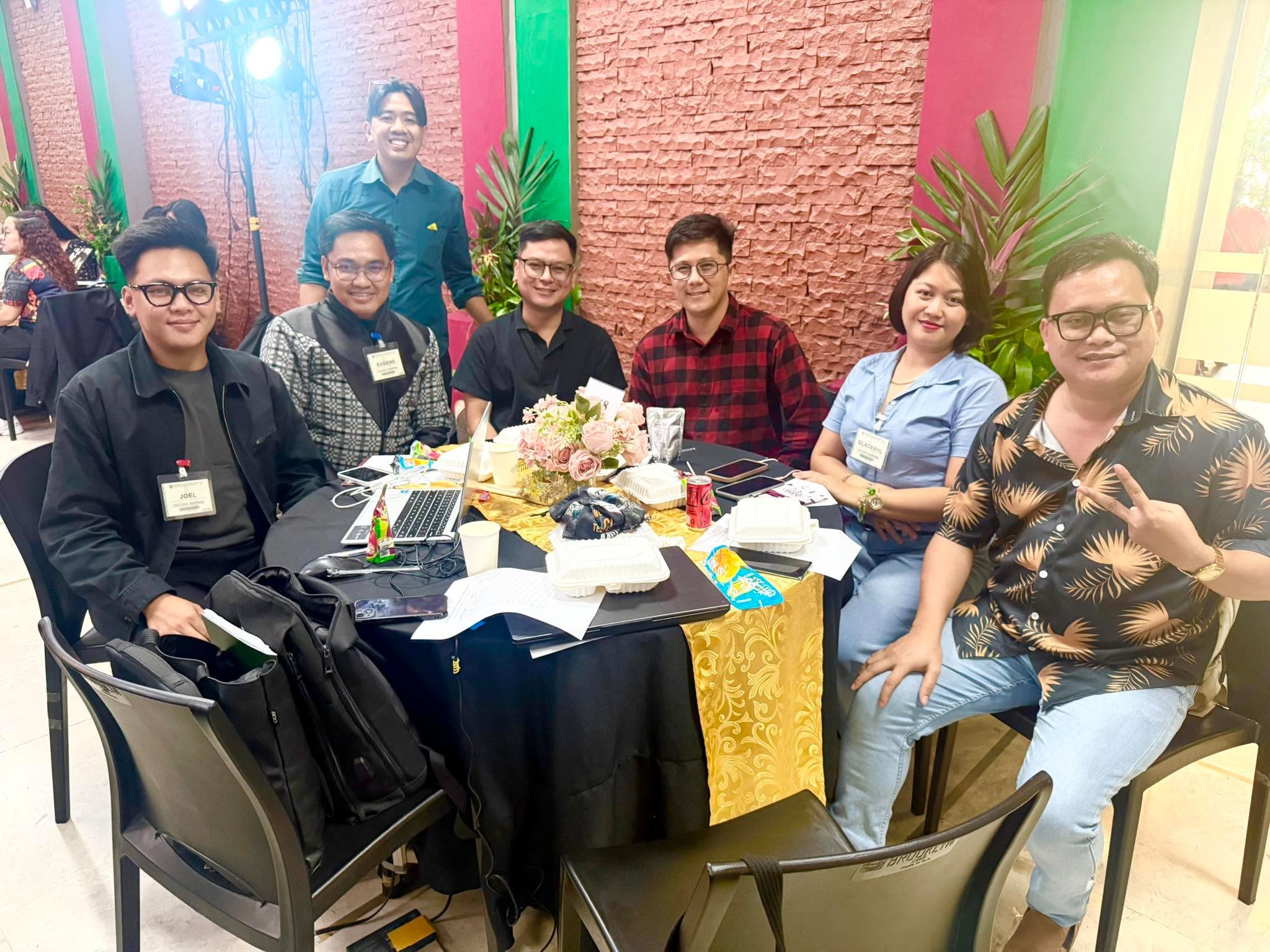
The activity gathered participants from various local government units (LGU) and academic institutions, including Abner Lawangen (LGU of Buguias) and Indhira Homecgoy Mombael (Aguinaldo, Ifugao LGU). Through lectures, workshops, and group mapping activities, the seminar introduced participants to cultural mapping as a practical tool for identifying, documenting, and safeguarding community heritage.
Understanding Cultural Mapping
One of the seminar’s key insights was that culture is not limited to physical structures or historical objects. It also includes knowledge, experiences, values, and practices passed down from one generation to another.
The National Commission for Culture and the Arts (NCCA) describes cultural mapping as an approach by which communities identify and record the cultural resources important to them. Cultural mapping, therefore, helps communities understand not only what heritage resources exist but also why these resources remain meaningful to the people who preserve and use them.
A major component of the seminar was the use of the NCCA Cultural Mapping Toolkit, which guides the documentation of cultural resources through four parts: background information, description, stories and narratives, and significance.
Heritage Laws and Community Rights
The seminar also highlighted the importance of cultural heritage laws, particularly Republic Act No. 10066, or the National Cultural Heritage Act of 2009, as amended by Republic Act No. 11961. The amendment strengthens the conservation and protection of Philippine cultural heritage through cultural mapping and an enhanced cultural heritage education program
The seminar likewise stressed the importance of consent, validation, and community ownership. Cultural mapping data belong to the community, and their documentation and dissemination must respect the rights, knowledge, and interests of the people who share them.
Applying Learnings to Heritage Conservation
The learnings gained from the seminar are directly relevant to the extension program, “Living Heritage: Community-Based Heritage Structure Conservation for St. Joseph Church in Itogon, Dalupirip.”
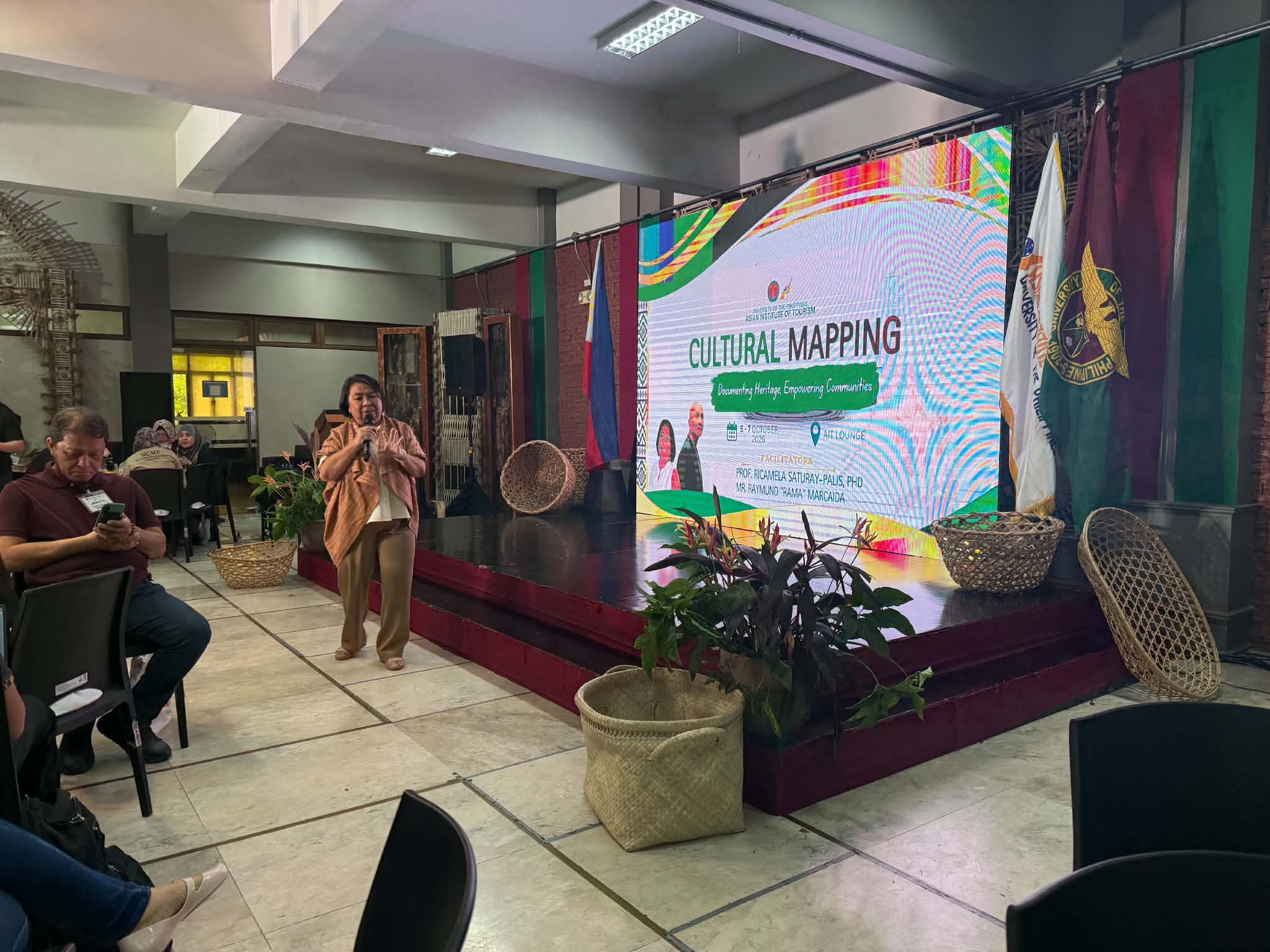
Ultimately, the seminar reinforced that heritage conservation should be participatory, evidence-based, and community-centered. It included individual and group activities that allowed participants to apply cultural mapping methods to different heritage categories:
- Mapping of Significant Natural Resources– an individual activity completed on Day 1.
- Mapping Tangible Immovable Buildings– a group activity completed on Day 2 with participants from Vigan and Eastern Samar.
- Mapping Significant Tangible Movable Heritage– a group activity with participants from Vigan and Eastern Samar.
- Mapping Significant Intangible Cultural Heritage– a group activity on the making of rice wine in the Cordillera Region, with groupmates from Buguias, Benguet, and Aguinaldo, Ifugao.
Related SDGs and Indicators
The cultural mapping seminar and its application to community-based heritage conservation contribute primarily to SDG 11: Sustainable Cities and Communities, particularly Target 11.4, which calls for strengthening efforts to protect and safeguard the world’s cultural and natural heritage.
The initiative also aligns with SDG 4: Quality Education, specifically Target 4.7, which promotes education for sustainable development and appreciation of cultural diversity and culture’s contribution to sustainable development. The related thematic indicator is Indicator 4.7.1: Extent to which national curricula and education policies include education for sustainable development and global citizenship education.
Furthermore, the project supports SDG 16: Peace, Justice, and Strong Institutions by emphasizing participatory documentation, consent, validation, and community ownership of cultural knowledge. By involving local government units, Indigenous Peoples, community members, and cultural agencies, cultural mapping strengthens inclusive decision-making and responsive local institutions. (Article and photos by: Ar. Benedict Pagadut Jr. and Jeramie N. Molino, PhD)