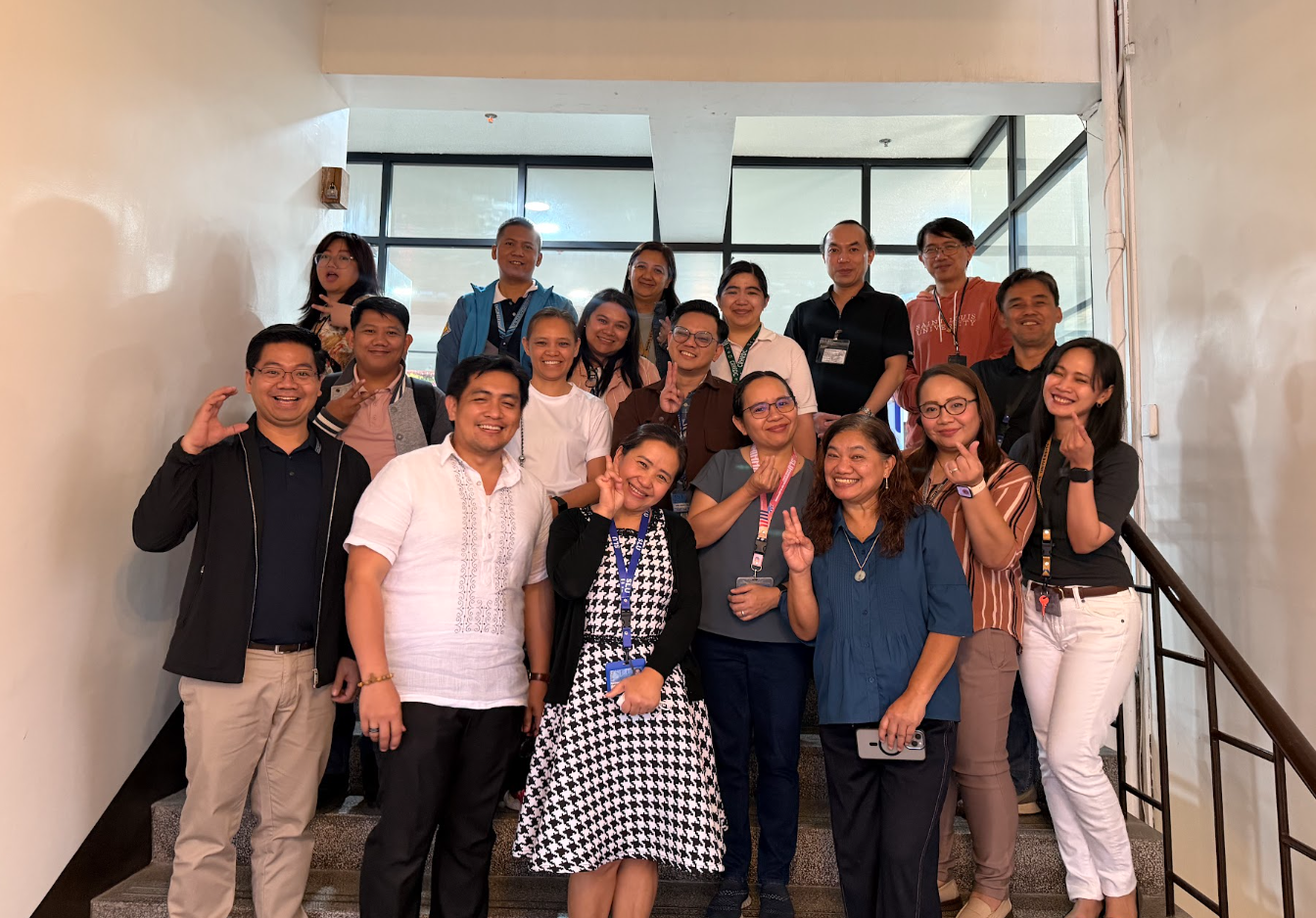
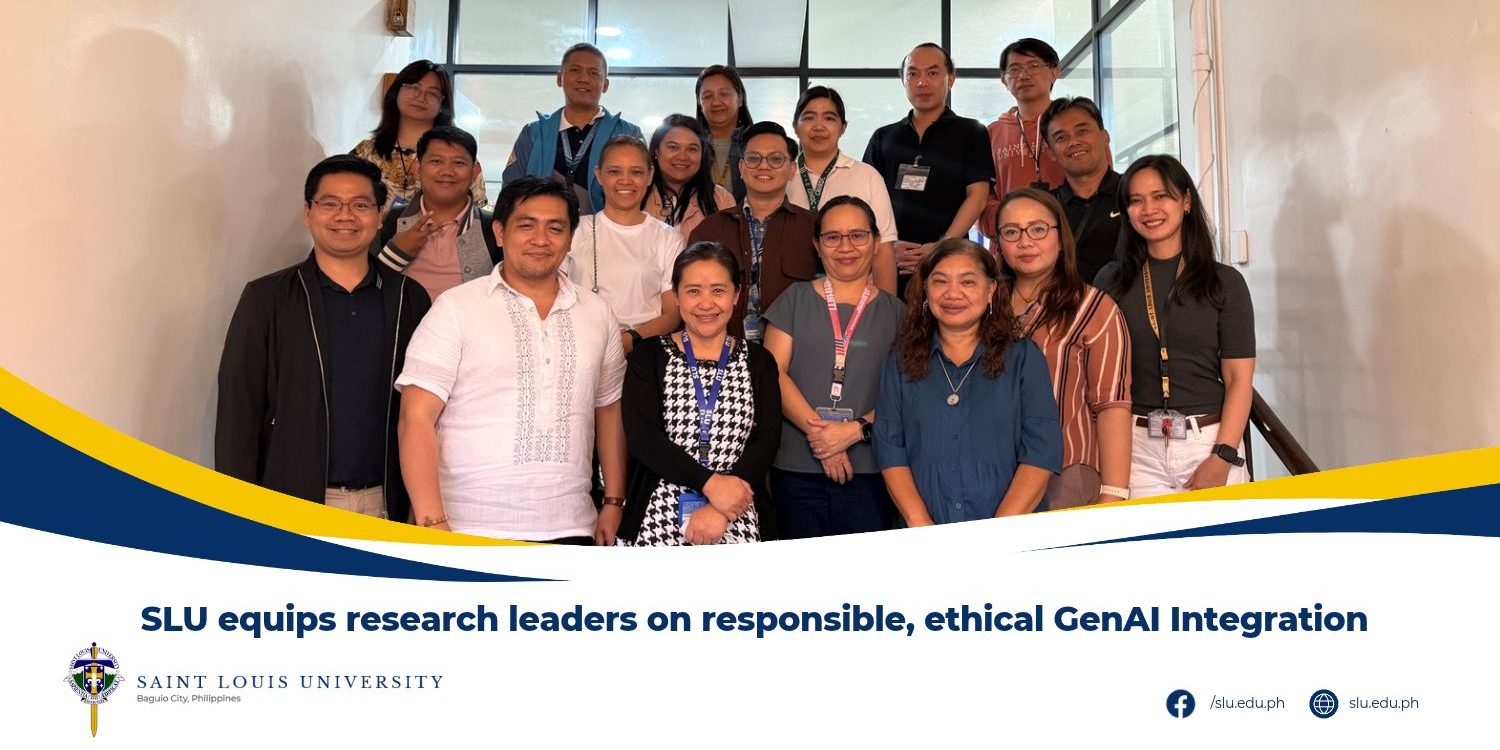
On 12 November 2026, Saint Louis University (SLU) conducted a training on the responsible, ethical, and proper use of generative artificial intelligence (GenAI) in research at the American Corner, Msgr. Charles Vath Library, SLU Main Campus.
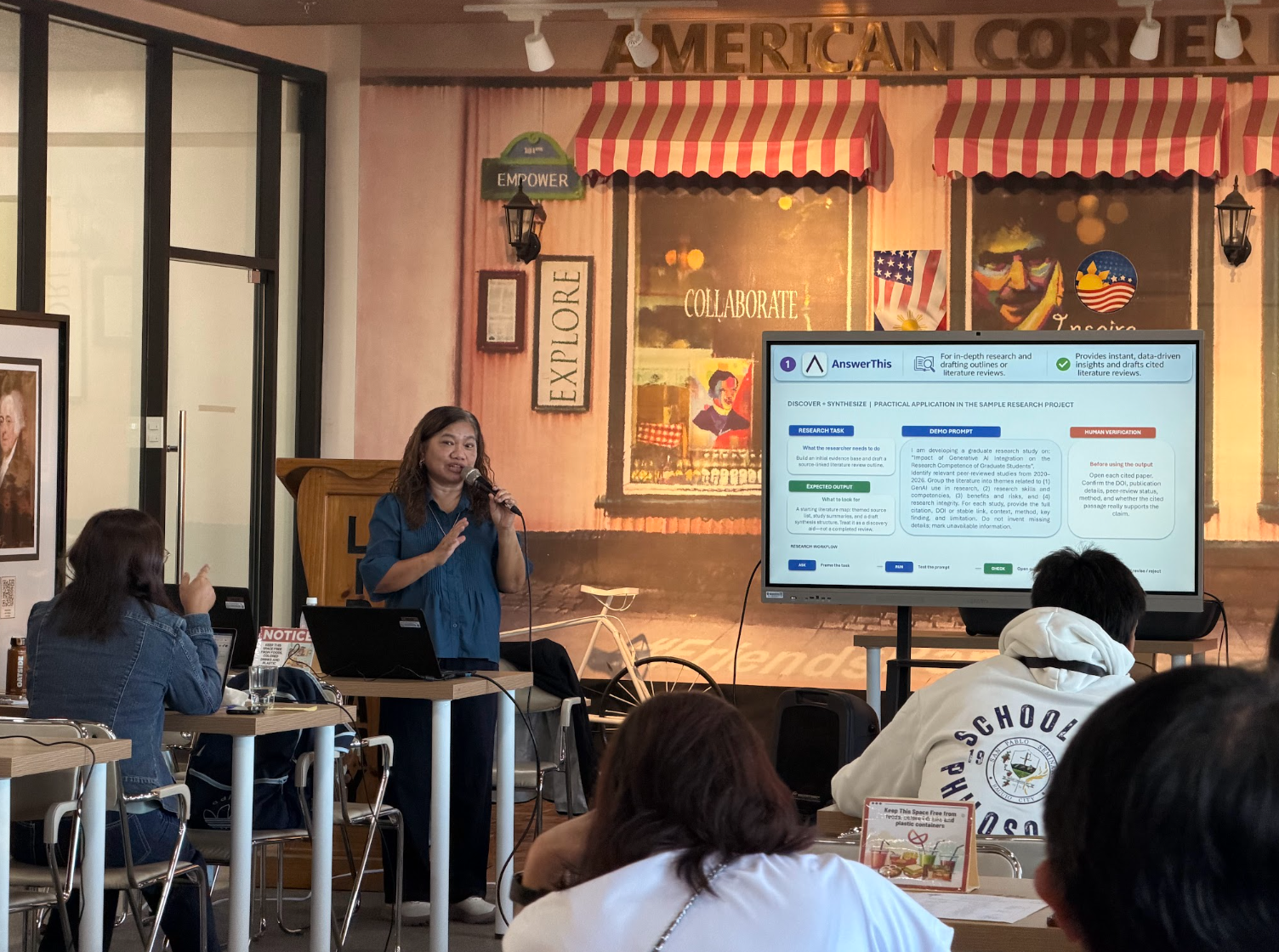
The activity, organized by the Research, Innovation, and Sustainable Extension (RISE) Center, aimed to strengthen the knowledge and skills of academic research personnel in using AI tools while maintaining research integrity and academic standards.
The training, facilitated by Cecilia A. Mercado, PhD and Laarni Natividad, PhD, brought together officers from the RISE Center and the Information Systems and Technology Services Department (ISTSD), as well as Graduate Program Coordinators (GPCs) and Undergraduate Research and Innovation Coordinators (UGRICs).
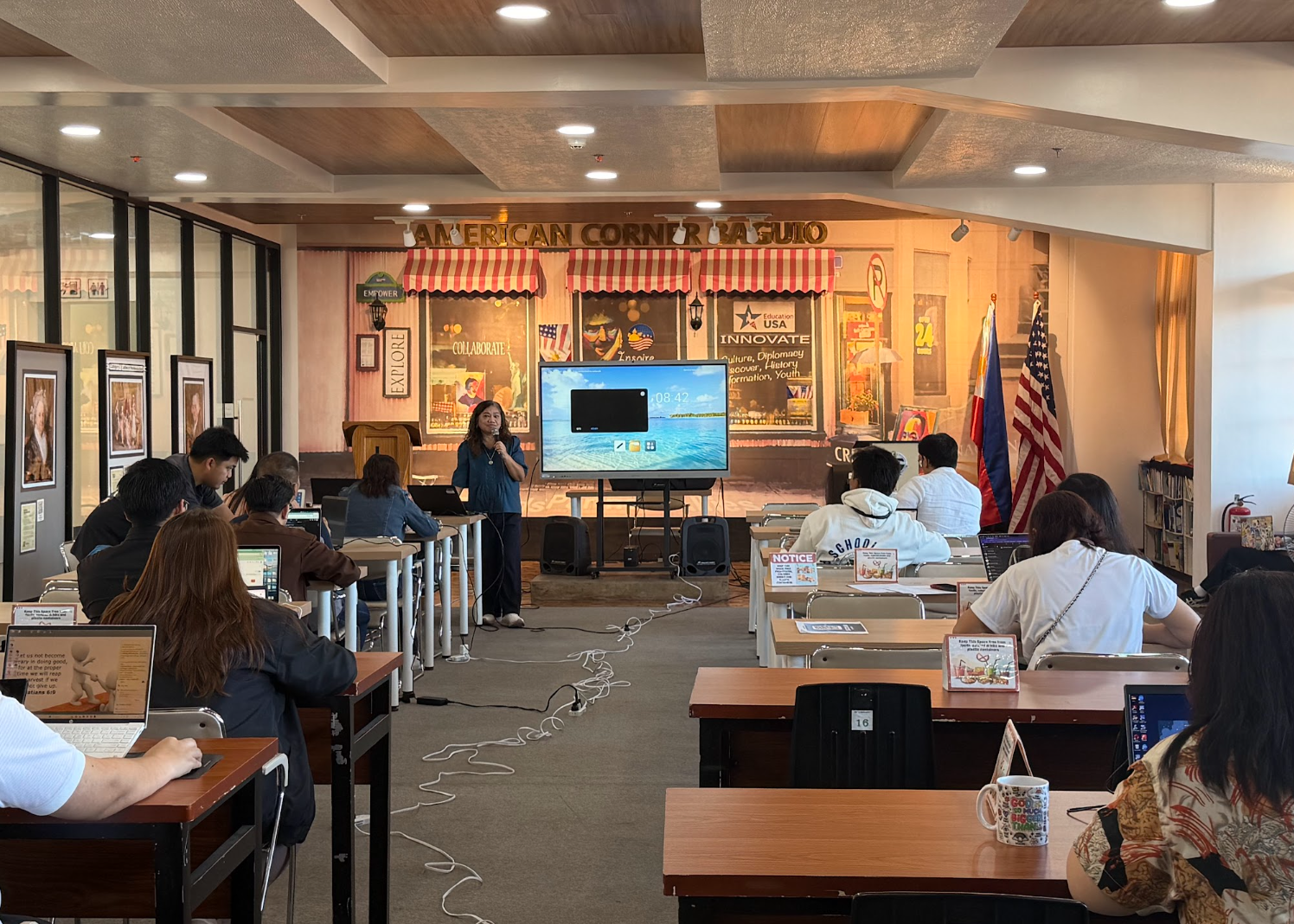
Dr. Mercado opened with a presentation of the participants’ GenAI use and proficiency survey results, which revealed the increasing integration of AI into their academic and professional activities.
In line with these findings, Dr. Mercado highlighted the need to translate the University’s existing Responsible AI Guidelines into practical applications. Covering administration, teaching and learning, research, and extension, the guidelines serve as a framework for responsible AI integration across the University. Participants emphasized the importance of providing clearer procedures, practical examples, and discipline-specific guidance to help students, faculty members, and researchers understand the appropriate use of AI in their respective fields.
The training also featured demonstrations of various AI-powered platforms that can assist researchers throughout the research process. ResearchRabbit and Consensus were introduced for literature discovery and comparison, while SciSpace was presented as a tool for reading and understanding scholarly publications. Elicit was discussed for research extraction and screening, and Paperpal, Tessify, and ReviewIt were among the platforms introduced for manuscript review and refinement. AnswerThis and Liner were also presented for research discovery and drafting.
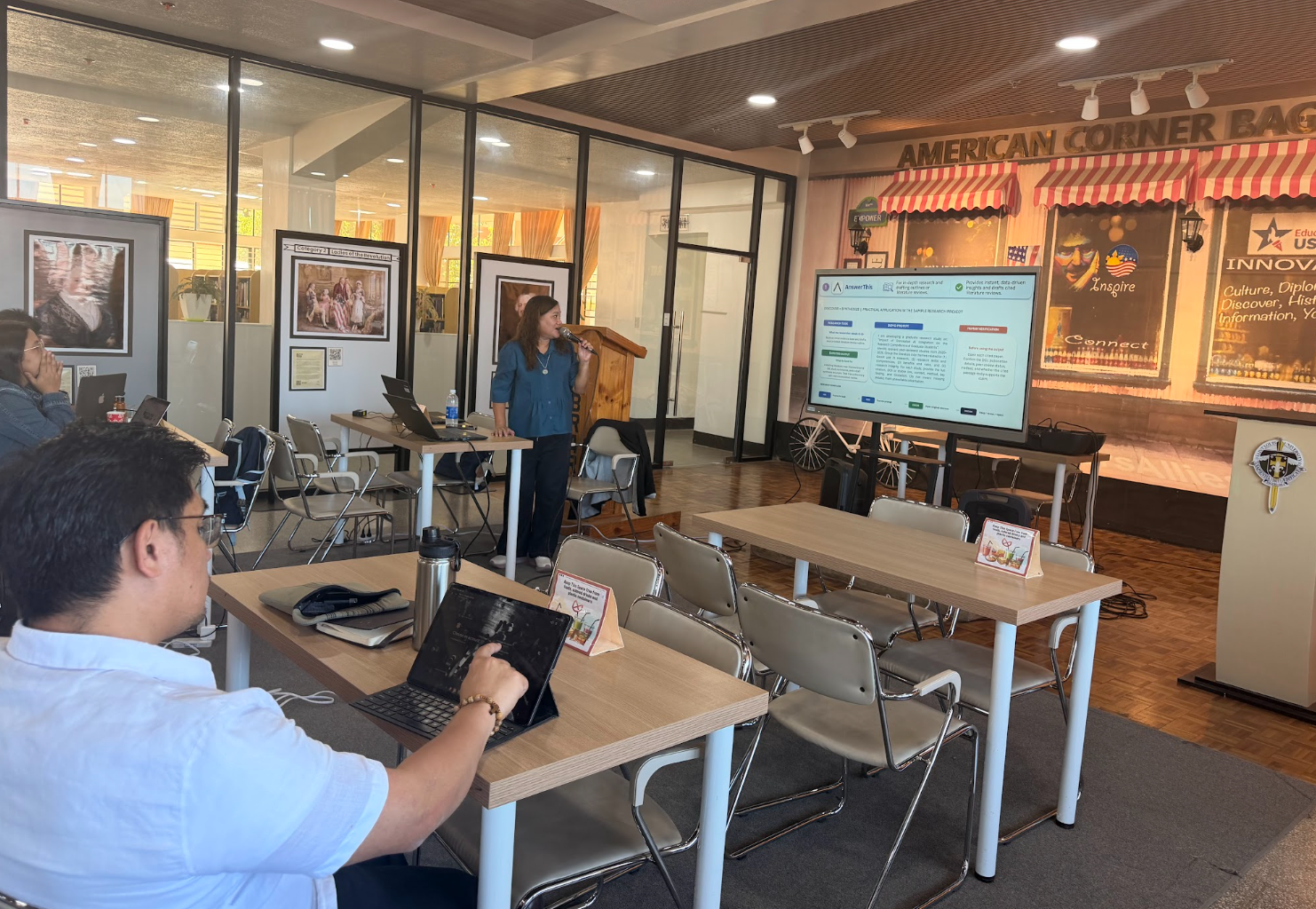
Beyond exploring the capabilities of these tools, the session underscored the importance of human oversight in AI-assisted research. Participants were reminded that AI-generated information should not automatically be considered accurate or reliable. Researchers must verify references, Digital Object Identifiers (DOIs), publication details, and supporting evidence before incorporating them into their academic work. They were also encouraged to review AI-generated revisions carefully to ensure that the original meaning and accuracy of their manuscripts are maintained.
The discussion further covered the use of AI prompts across different stages of the research lifecycle, including identifying research problems, developing research questions, organizing related literature, evaluating methodologies, synthesizing findings, and identifying research gaps. Reference management platforms such as EndNote and Zotero were also introduced to help researchers organize scholarly materials and improve their research workflows.
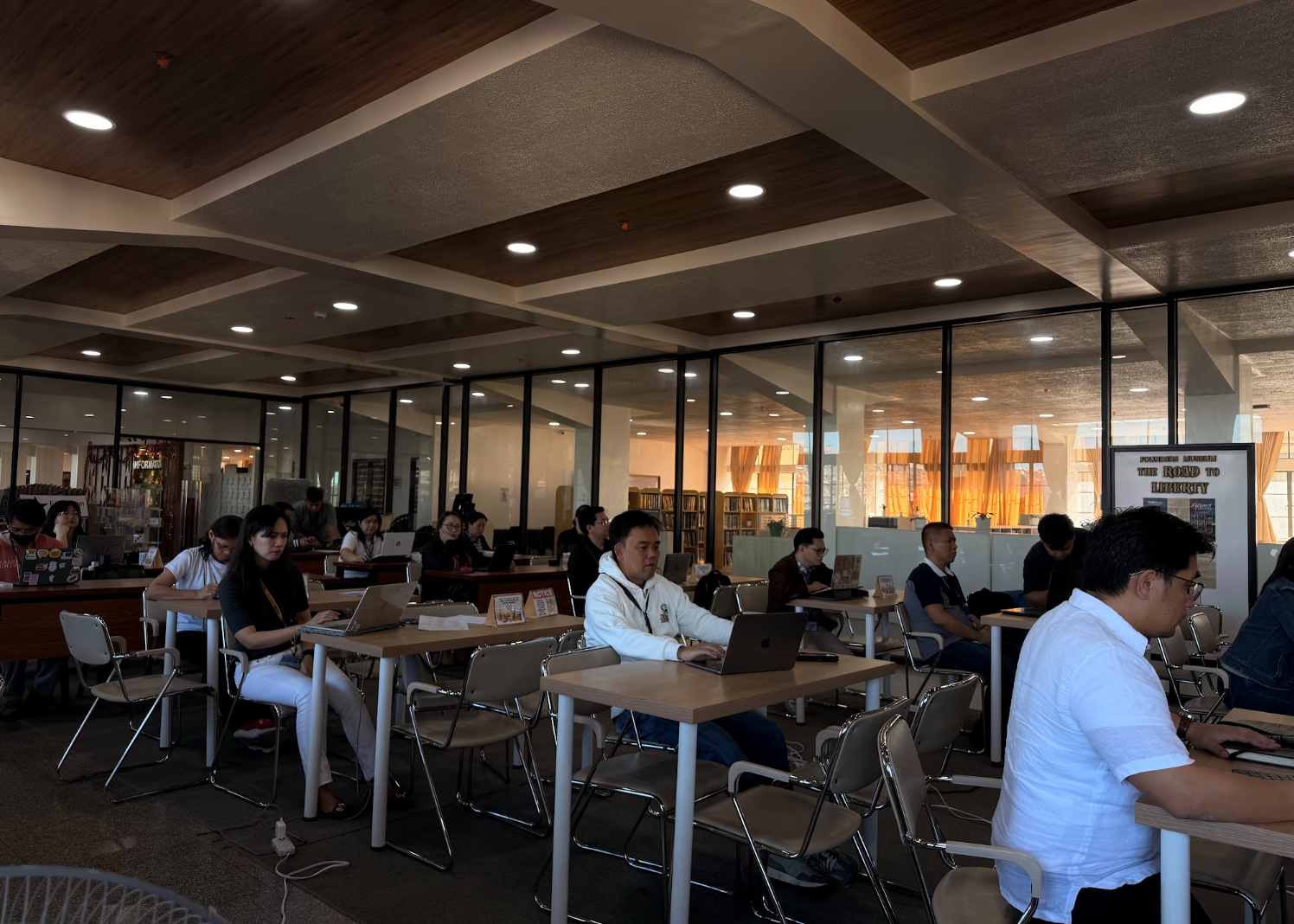
Concerns regarding AI dependence, plagiarism, and originality in academic submissions were raised during the open forum. Participants discussed the challenges of ensuring that students genuinely understand and take responsibility for their submitted work despite the accessibility of AI tools. Performance-based and scenario-based assessments were suggested as possible approaches for evaluating students’ understanding and their ability to apply concepts independently. The importance of incorporating responsible use of GenAI into student orientations and course syllabi was also emphasized.
Throughout the training, SLU continues to recognize the opportunities and challenges brought by emerging technologies in higher education. By promoting responsible AI practices, strengthening research capabilities, and emphasizing human accountability, the University underscores that technological advancement must go hand in hand with academic integrity and the pursuit of quality research.
This initiative directly advances SDG 4 (Quality Education) by building digital literacy and empowering academic leaders to uphold academic integrity and foster critical thinking in the age of emerging technologies. Furthermore, it supports SDG 9 (Industry, Innovation, and Infrastructure) by modernizing research workflows and enhancing institutional research capabilities through ethical technological innovation. (Article and Photos by: Joey Glemao, RISE Intern)