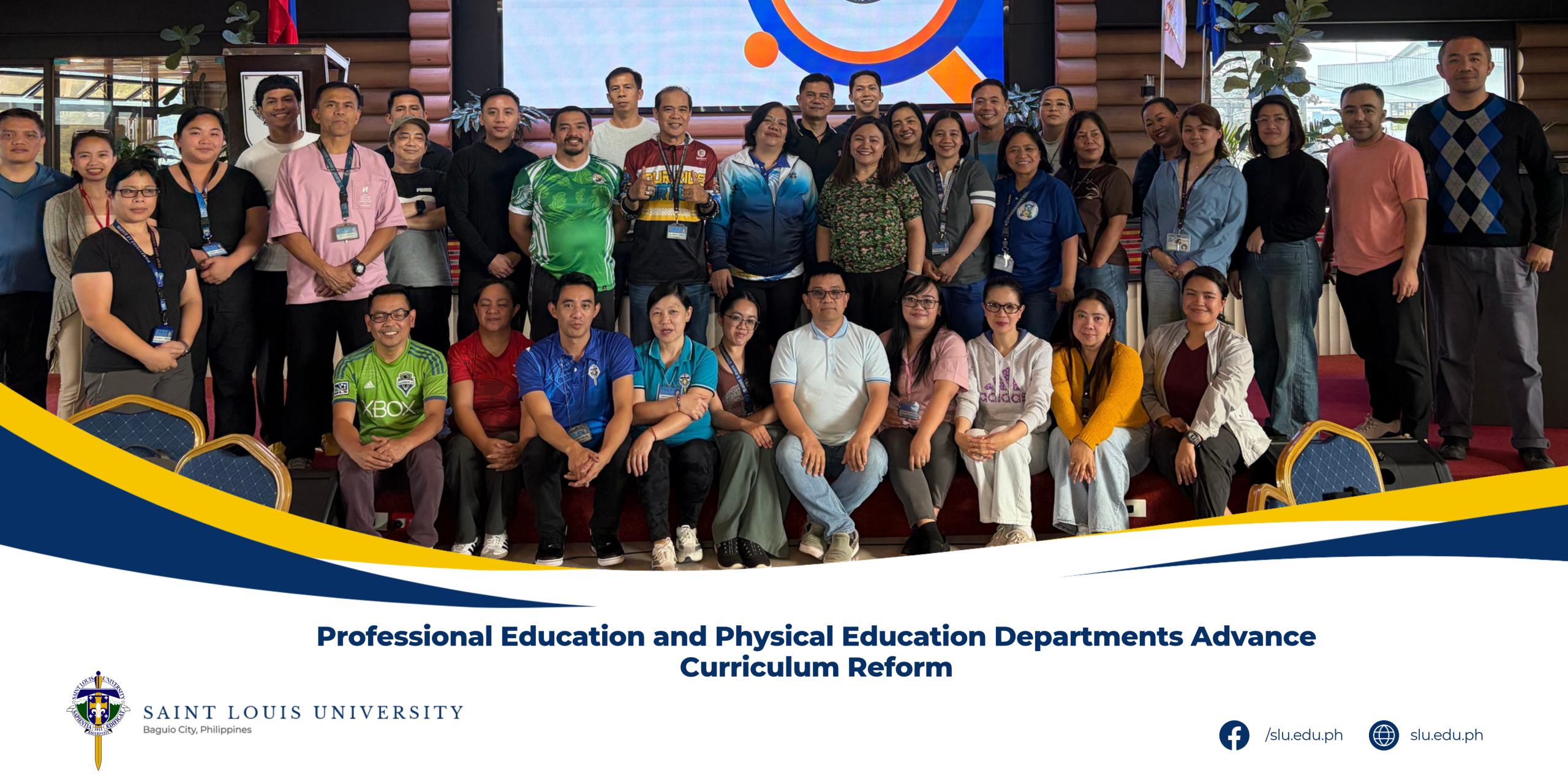
Faculty members of the Professional Education and Physical Education Departments of the School of Teacher Education and Liberal Arts (STELA) convened for In-Service Part II, held on 28 to 29 October 2026 at the Fr. Theophile Verbist Hall, Saint Louis University (SLU).
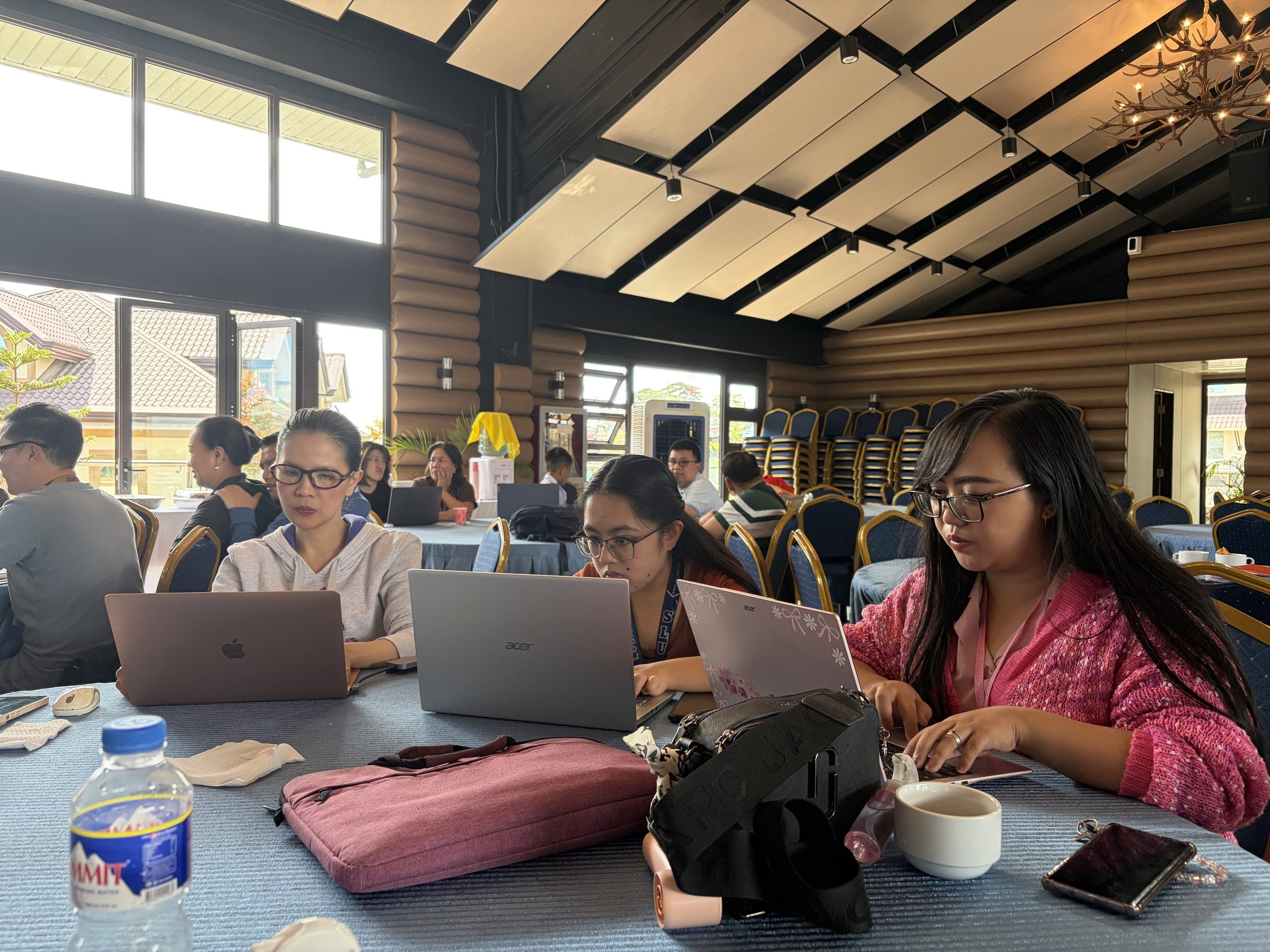
The two-day workshop completed the departments’ ASEAN University Network-Quality Assurance (AUN-QA) and SLU Office of Institutional Development and Quality Assurance (OIDQA) documents in preparation for the shift to the Reframed Pre-service Teacher Education Curriculum, work that directly advances United Nations Sustainable Development Goal (SDG) 4, Quality Education.
STELA Dean Mary Pauline E. Namoca, PhD opened the workshop by noting that the reframed curriculum seeks to sharpen the skills of pre-service teachers and nurture a sense of vocation rooted in SLU’s core values. She asked the faculty to keep five commitments: reviewing the curriculum before teaching, integrating inclusive education across all programs, making research a habit, assessing only what has been taught, and pursuing transformational growth.
Keven Alilit, PhD reported that the Bachelor of Physical Education (BPEd) program has completed most of its forms, while Johnell Desalit, PhD shared that the Professional Education Department has finished its prerequisites map and curriculum checklist and is refining its outcome alignment. Faculty members also discussed the feedback of the Industry Advisory Board (IAB), which found the lessons highly relevant to graduates’ careers and recommended aligning program learning outcomes (PLOs) more closely with Department of Education (DepEd) standards.

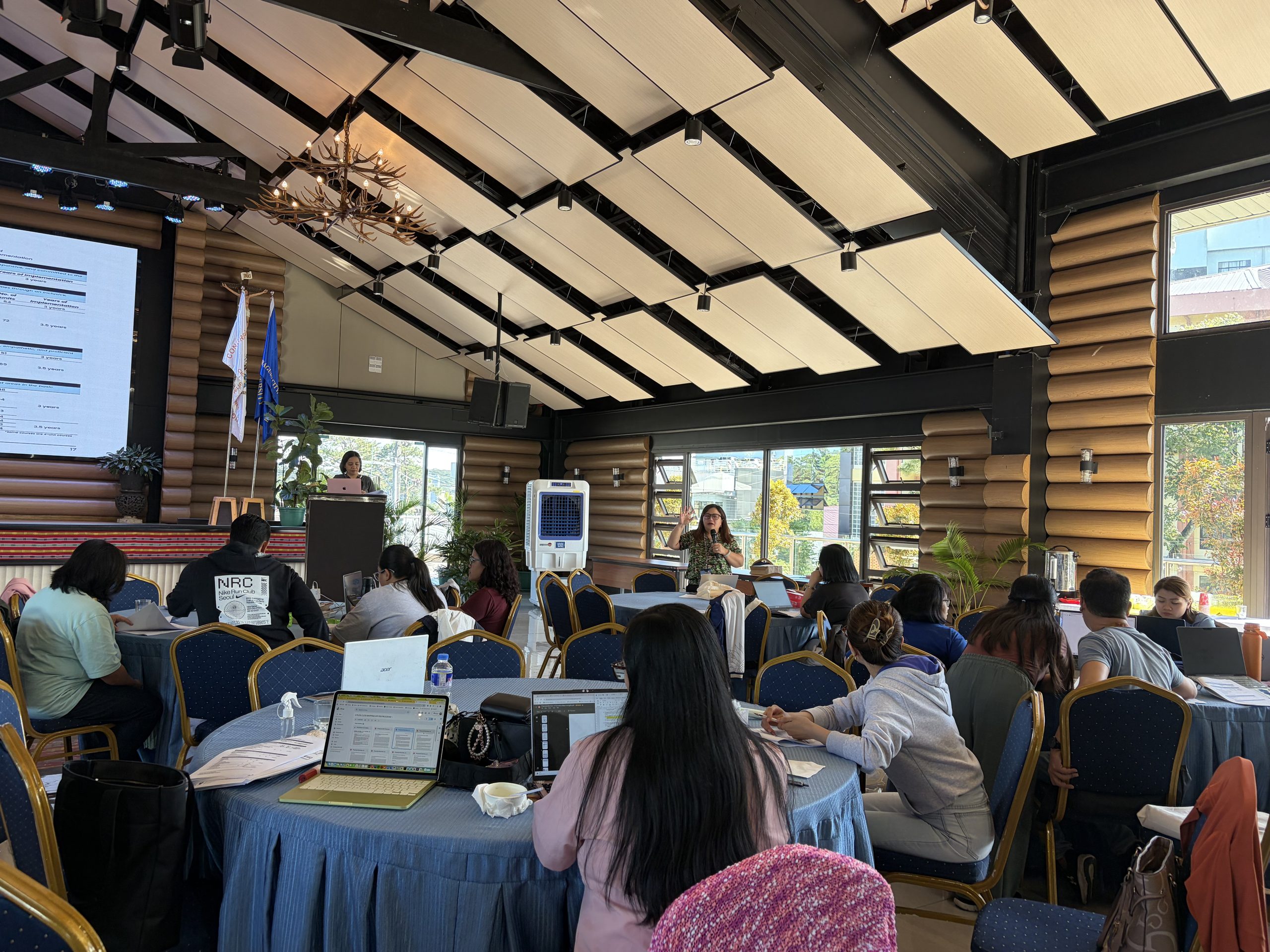
In the afternoon, SLU Vice President for Academic Affairs Felina P. Espique, PhD walked the faculty through the reframed curriculum, including the choice between a generalist model and a model with concentrations for the Bachelor of Elementary Education (BEEd) and Bachelor of Special Needs Education (BSNEd) programs. The guidelines called for a direct assessment tool for every PLO, research articulated in grading rubrics, and courses that reach the “Demonstrate” level of competence. She highlighted that the reframed curriculum also includes the opening of Early Childhood Education and Values Education programs. This reframing is being undertaken in compliance with Teacher Education Council (TEC) requirements for STELA as a Center of Excellence.
On the second day, Bernadette Soliba, PhD presented the task checklist and the roadmap toward approval. Faculty members drafted their reframed curriculum checklists and aligned PLOs and Program Educational Objectives (PEOs) with the new framework. The curriculum will undergo an Industry Advisory Board (IAB) review, approval by the University Institutional Development Committee (UIDC), endorsement by the Academic Council, and submission to the Commission on Higher Education (CHED) in January 2027.
The in-service aligns with Sustainable Development Goal (SDG) 4, Quality Education, through its focus on quality assurance, curriculum alignment, and inclusive teacher preparation. Strengthening pre-service teachers’ competencies supports the aim of Target 4.c to increase the supply of qualified teachers, while integrating inclusive education across programs aligns with Target 4.5’s emphasis on equal educational access for vulnerable learners, including persons with disabilities.
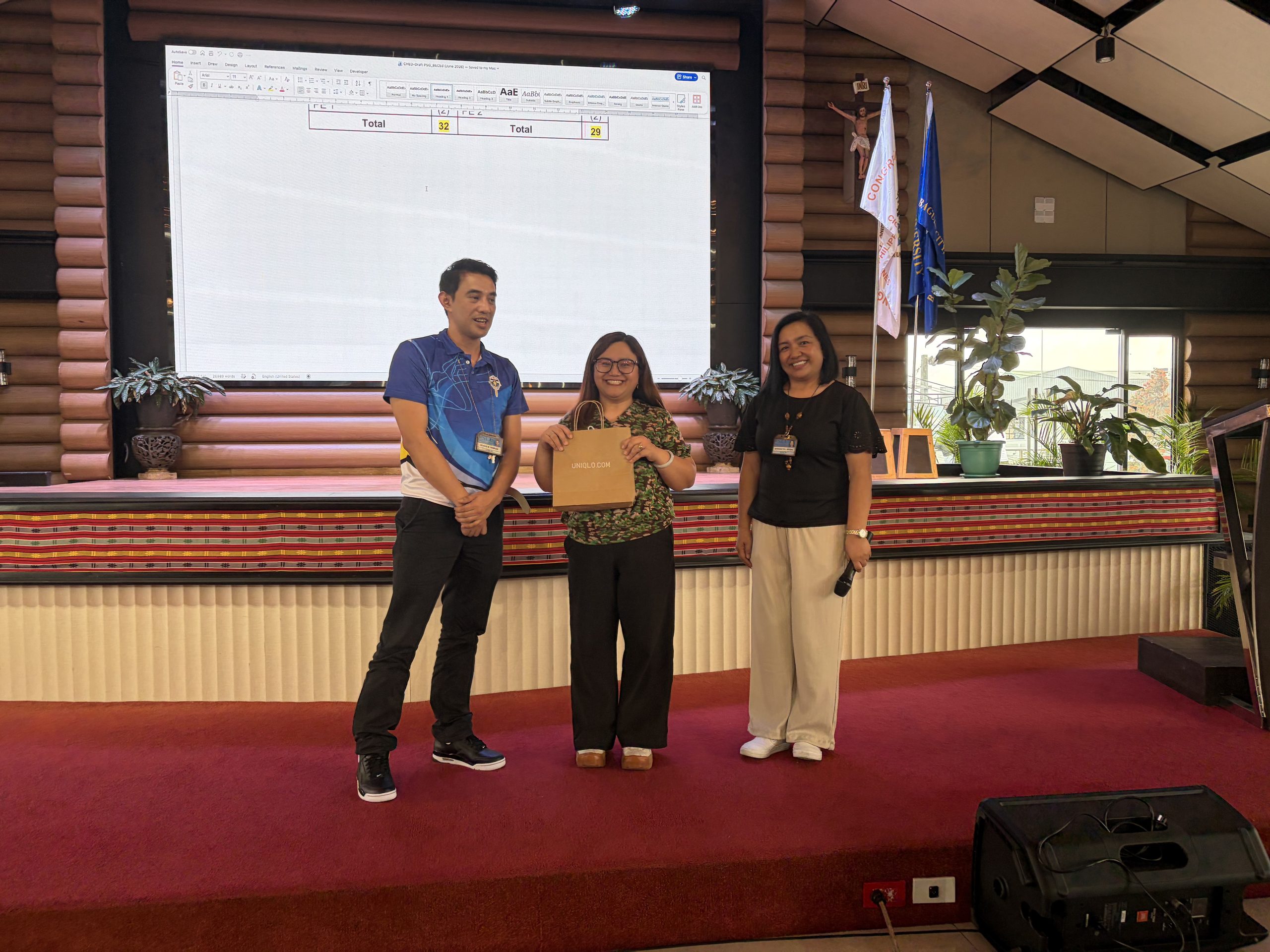
These efforts reaffirm STELA’s commitment to forming competent, mission-driven teachers who can respond to diverse learners’ needs. (Article by Maricel N. Pedral and Ruth Payaket, STELA Professional Education Department | Photos by M. Pedral)