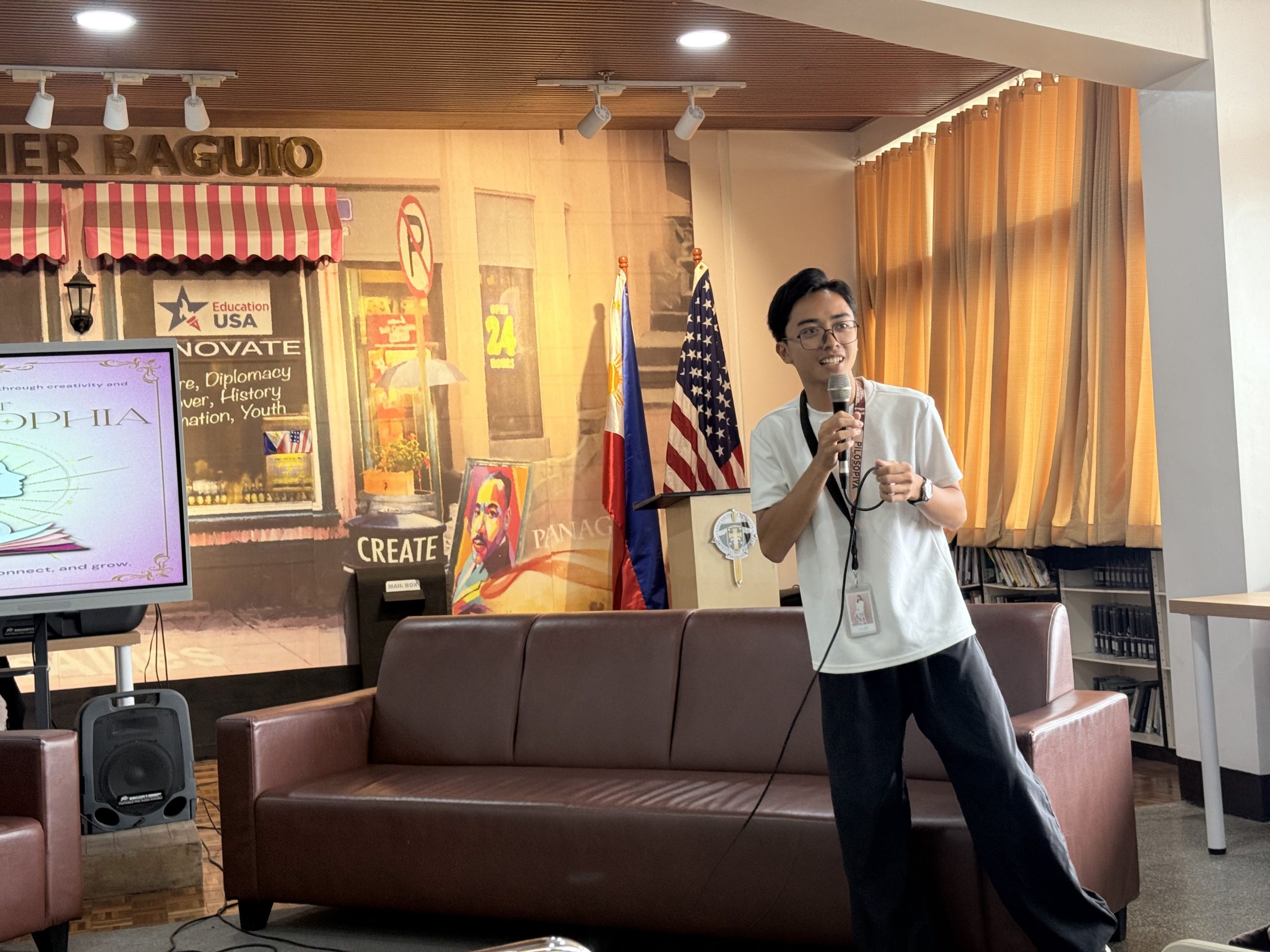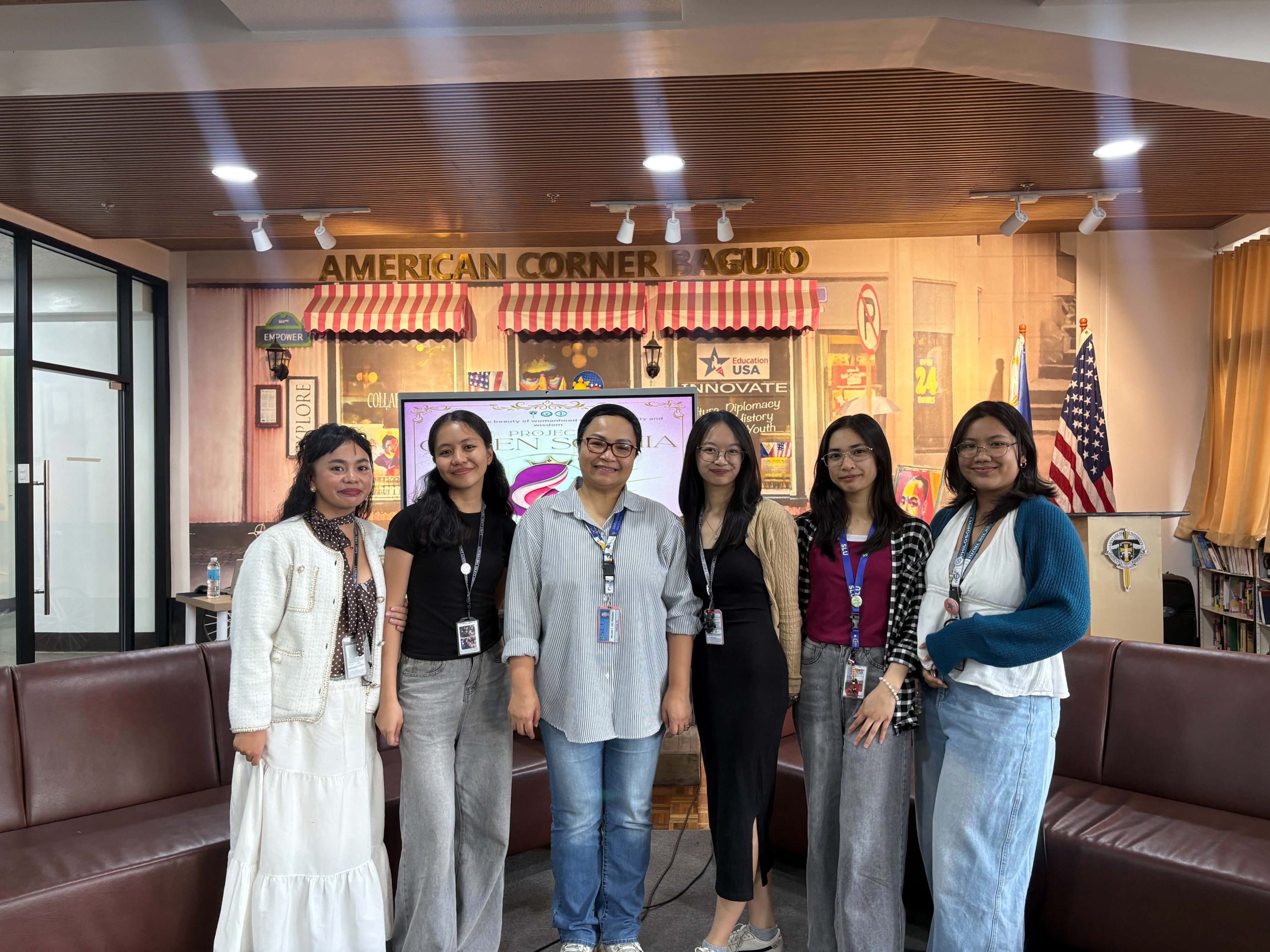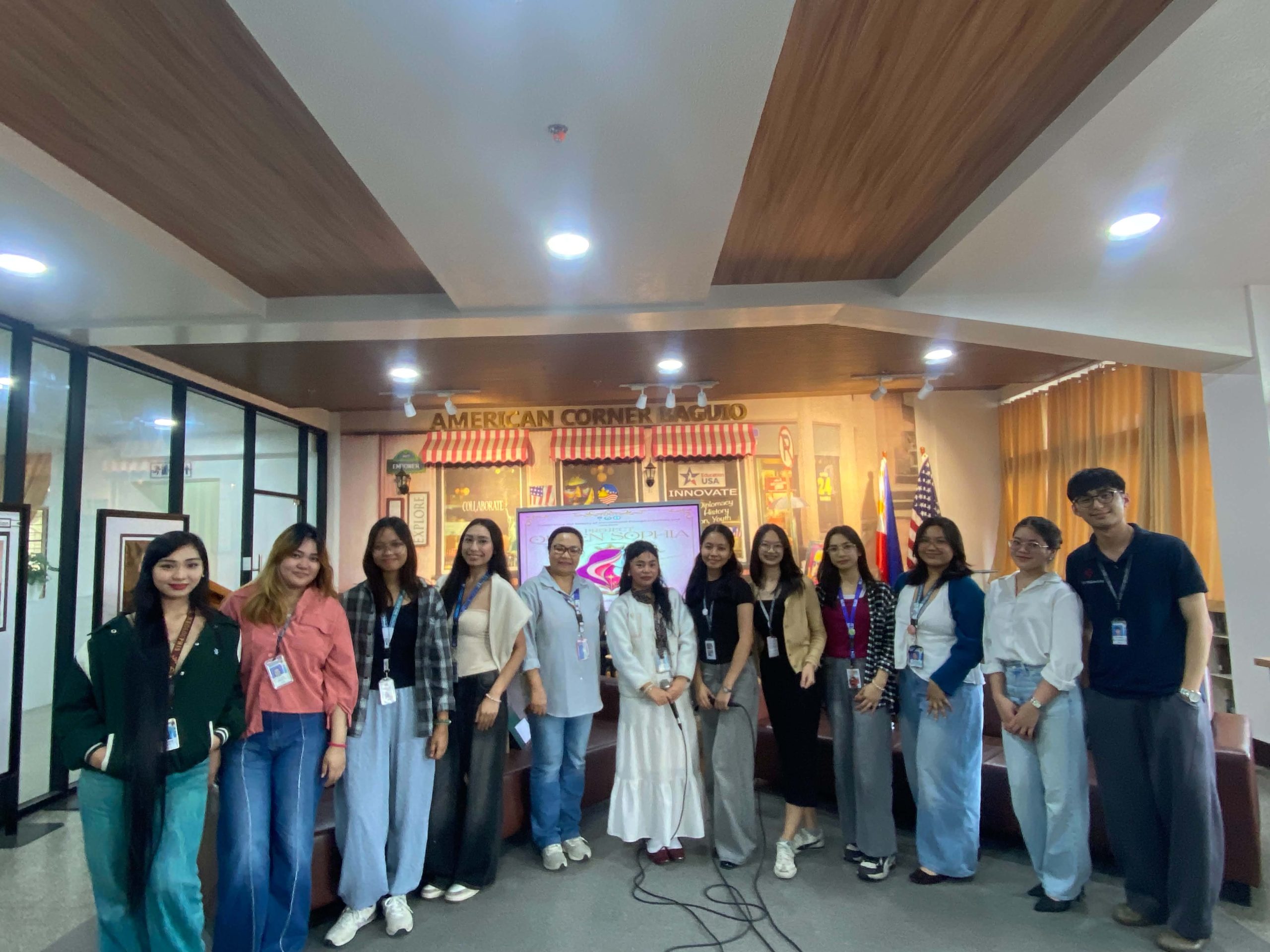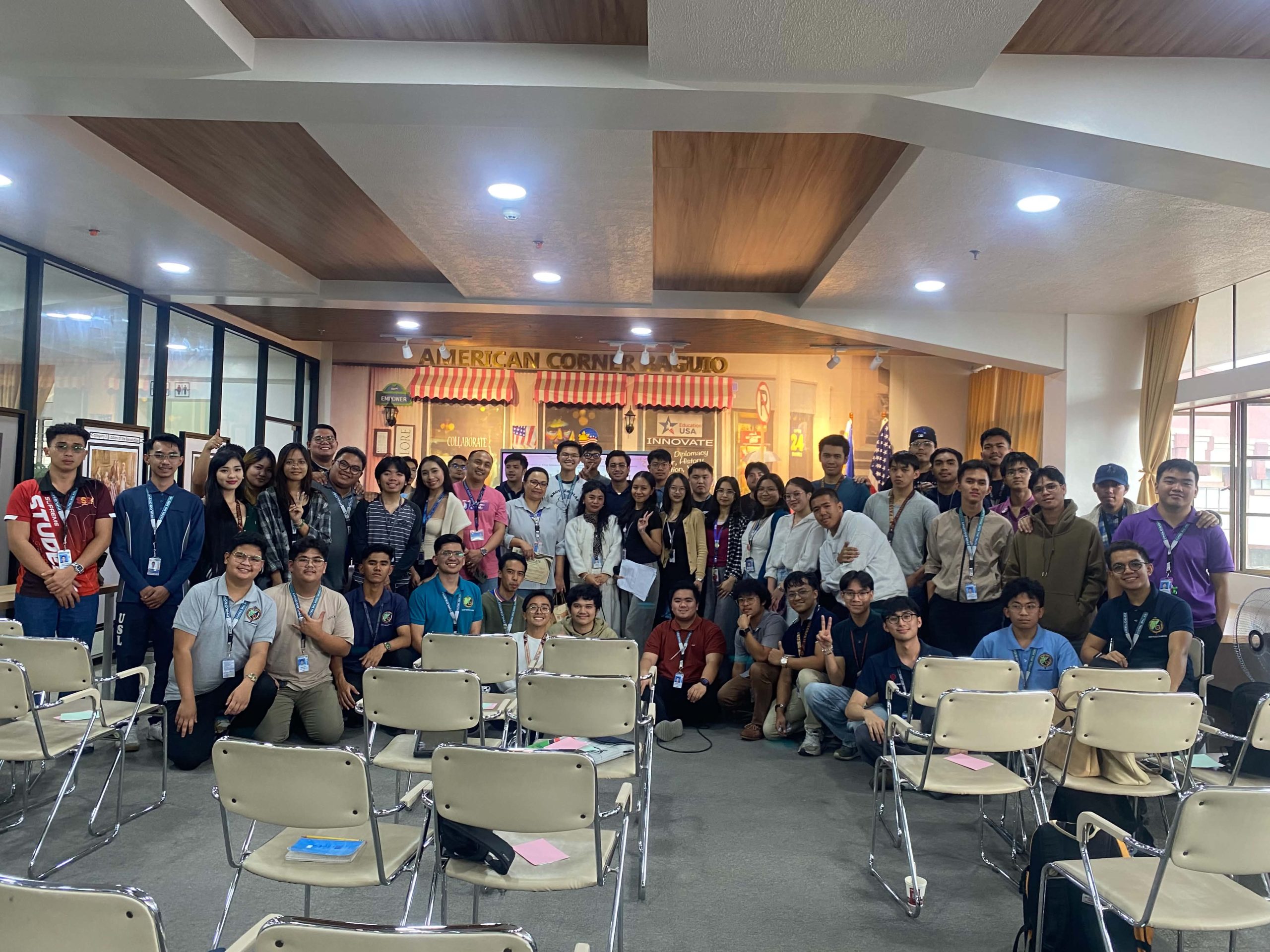
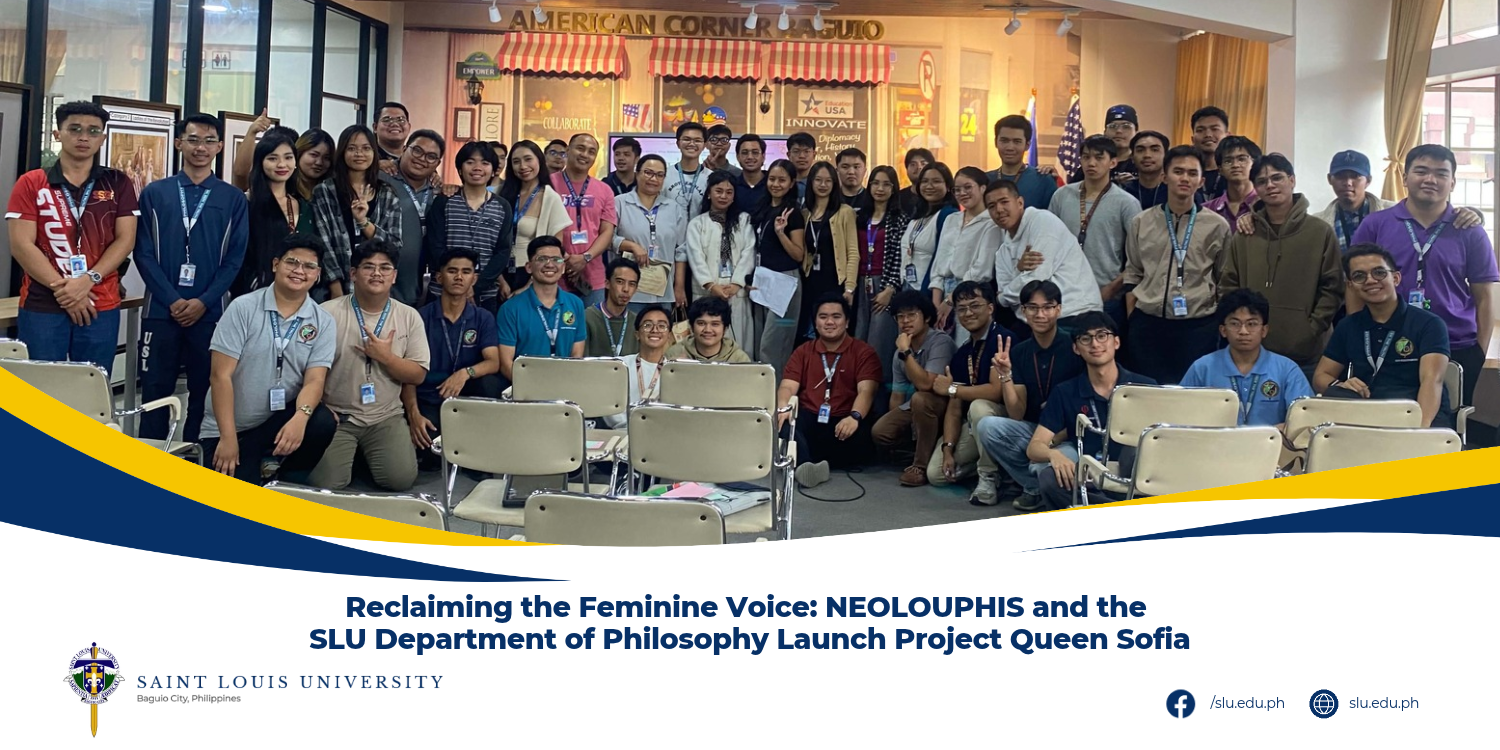
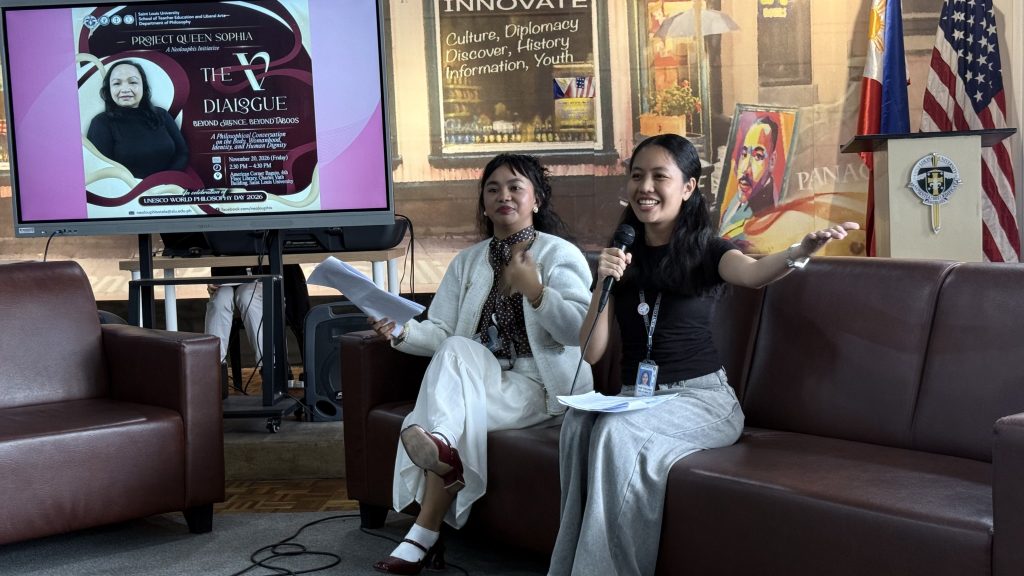
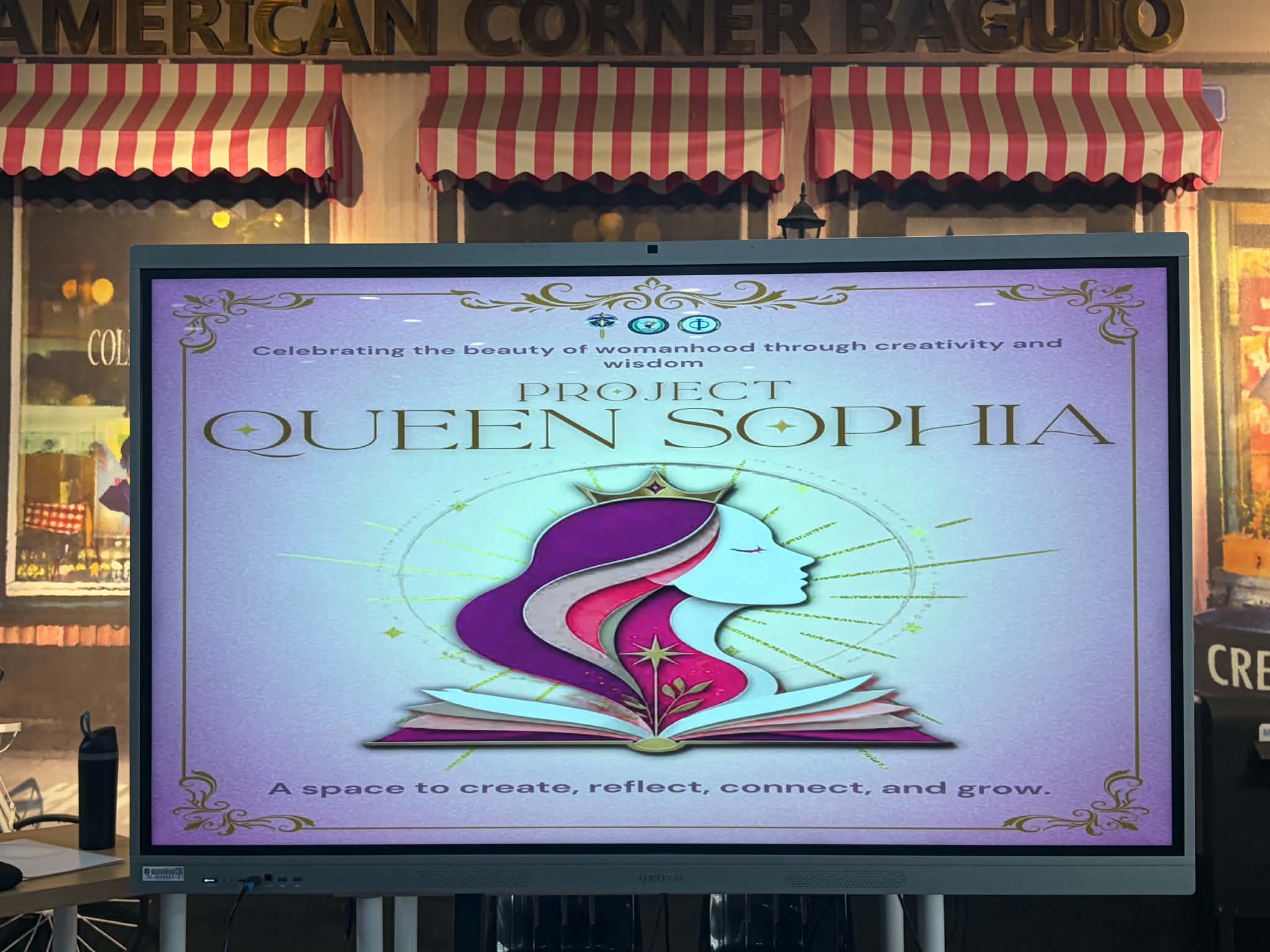
On 20 November 2026, Saint Louis University’s Department of Philosophy of the School of Teacher Education and Liberal Arts (STELA), alongside the New Louisian Philosophical Society (NEOLOUPHIS), held the forum, “The V Dialogue: Beyond Silence, Beyond Taboos,” that marked the inauguration of Project Queen Sofia anchored on the theme, “A Philosophical Conversation on the Body, Womanhood, Identity, and Power.” The event was held at the American Corner Baguio, Msgr. Charles Vath Library Building, SLU Main Campus.
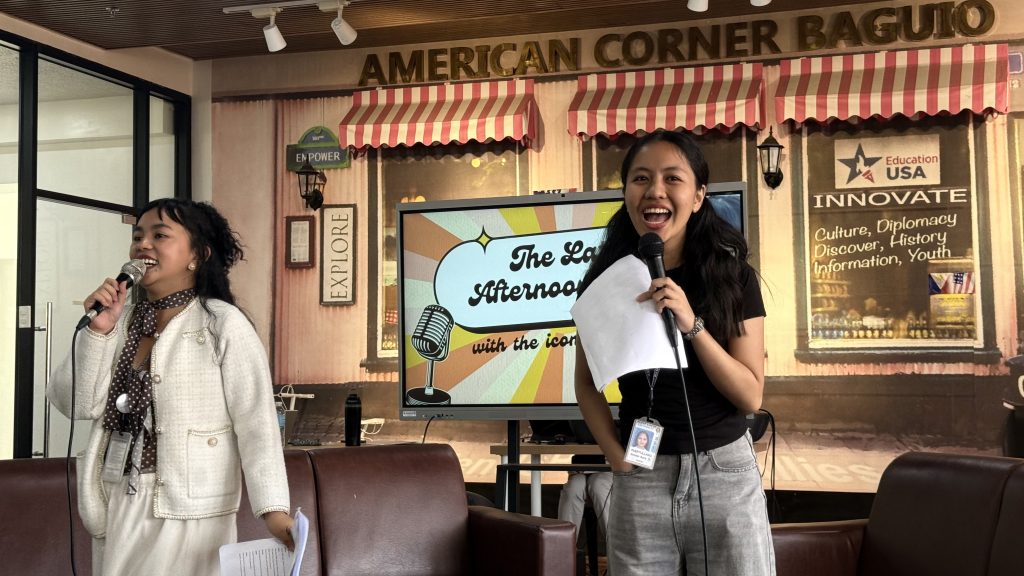
Hosts Eden Endeken and Auster Puertullano opened the afternoon and facilitated an interactive game, “Haka Haka, Tama Tama,” that tested the audience’s knowledge of womanhood. The program then transitioned to the featured discussion by Prof. Melany F. Del Rosario, PhD, who began by dismantling pervasive myths surrounding female anatomy. This was followed by a brief intermission featuring a spirited round of “Philosopher or Singer,” where students guessed the origins of notable quotes.
Resuming the session, Prof. Del Rosario delved into the core philosophical framework, drawing from Luce Irigaray’s seminal texts, This Sex Which Is Not One and An Ethics of Sexual Difference, alongside Eve Ensler’s The Vagina Monologues. Prof. Del Rosario re-echoed Irigaray’s critique of Western philosophy’s historical alignment with the masculine subject. Translating Irigaray’s complex post-structuralist thought for today’s youth and contemporary philosophy majors, she emphasized the urgent necessity of parler-femme—speaking as a woman. Rather than forcing female students to assimilate into patriarchal academic frameworks to be taken seriously, Prof. Del Rosario underscored how Irigaray’s philosophy validates women’s embodied experiences as legitimate sites of knowledge, empowering female majors to claim intellectual authority on their own terms.
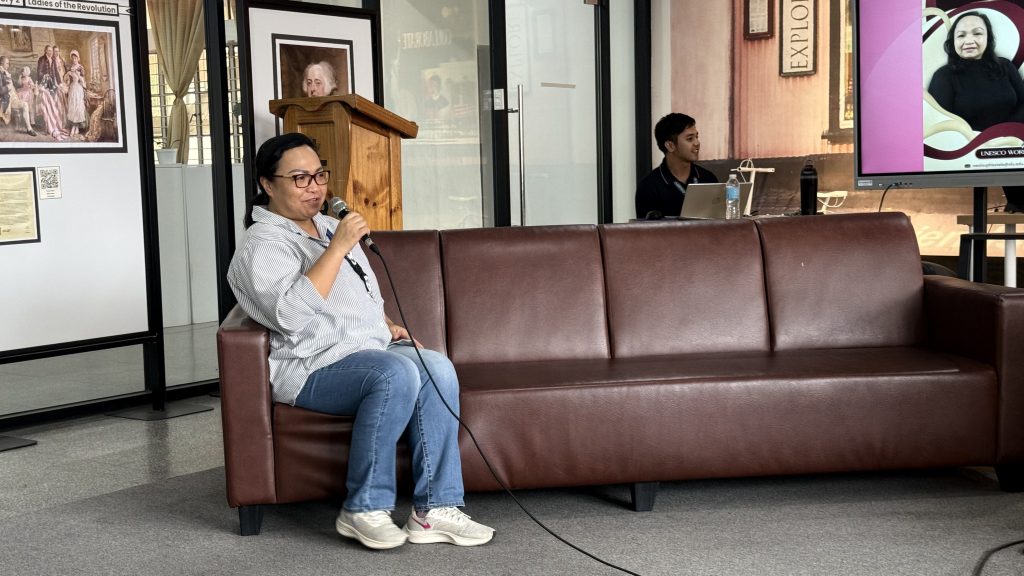
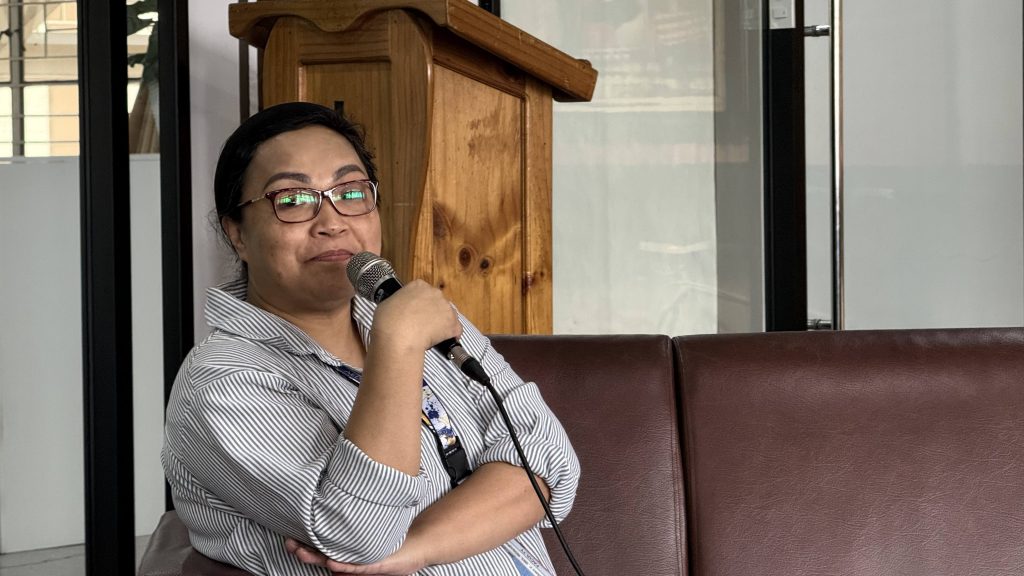
Crucially, the lecture framed this reclamation not as an exclusionary exercise but as an invitation to shared accountability. By bringing male philosophy students into the conversation, the discourse demonstrated how recognizing sexual difference fosters genuine allyship and transforms the classroom into an inclusive space where all students actively confront contemporary gender inequalities.
The lecture culminated in a question-and-answer portion, where inquisitive student volunteers engaged in a reflective dialogue with Prof. Del Rosario on applying feminist theory to modern campus realities.
“The V Dialogue” concluded as a milestone for campus discourse—demonstrating how critical philosophy, when liberated from silence and taboo, empowers a new generation to reimagine gender, identity, and power. This academic synthesis directly advanced the United Nations Sustainable Development Goals. Specifically, the forum contributes to SDG 4 (Quality Education)—aligning with Target 4.7, which ensures learners acquire the knowledge and skills needed to promote human rights and gender equality—and SDG 5 (Gender Equality), particularly Target 5.1, which seeks to end all forms of discrimination against women and girls, alongside Target 5.6, which champions universal access to reproductive health and bodily autonomy. (Article by Paul Jyrus Awisan | Photos by NEOLOUPHIS)