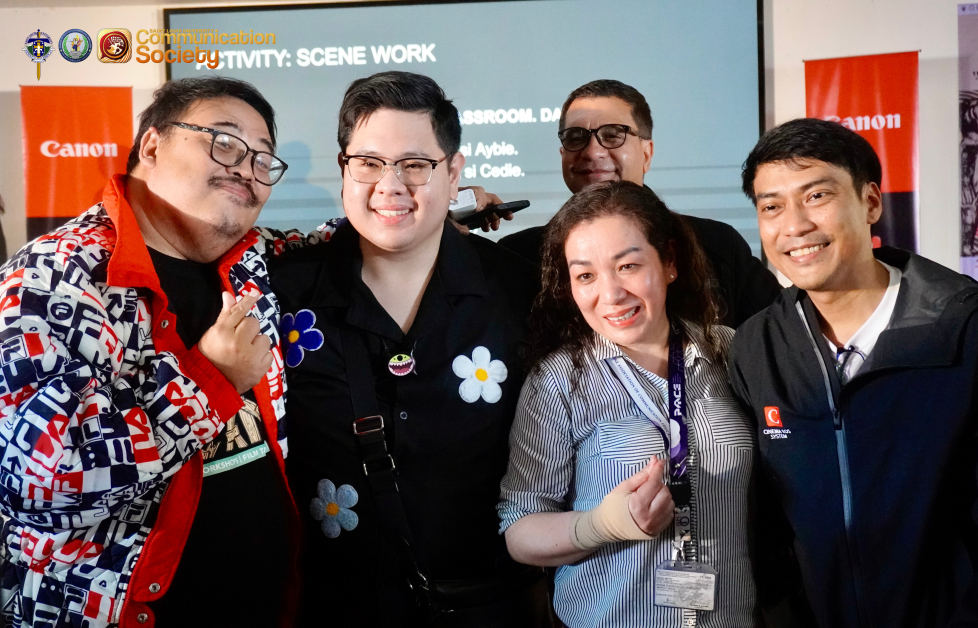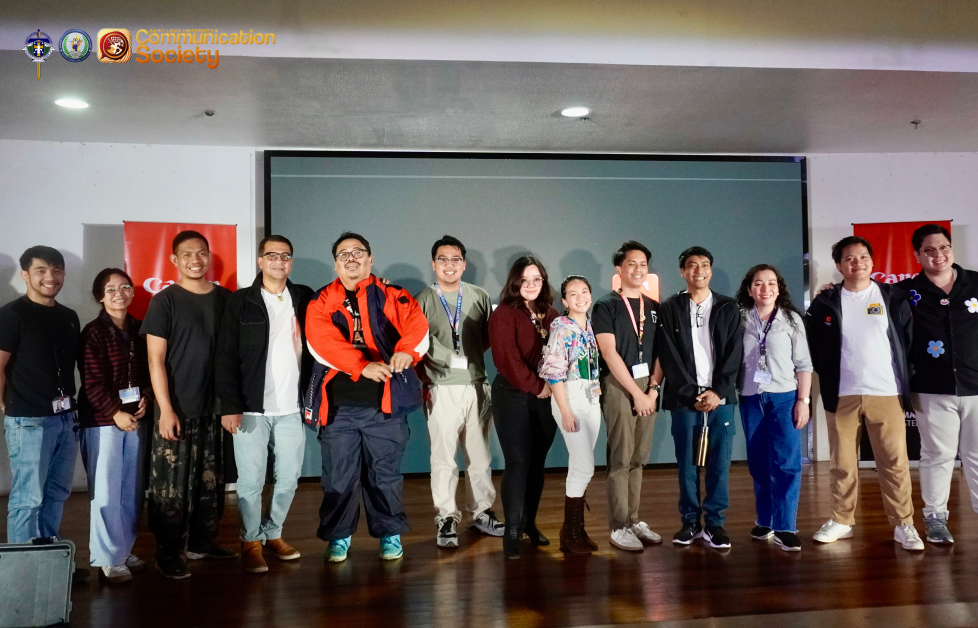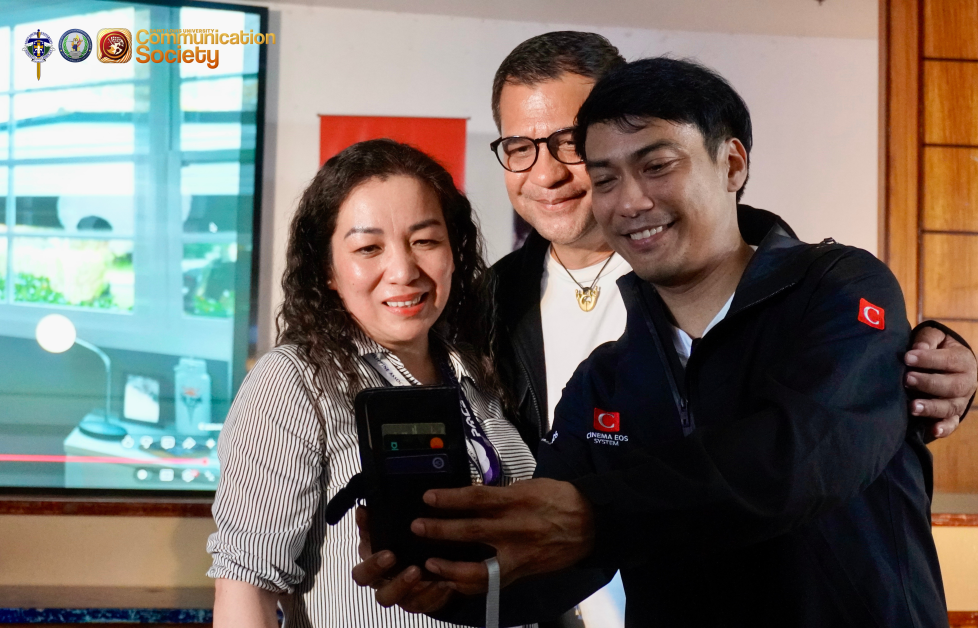
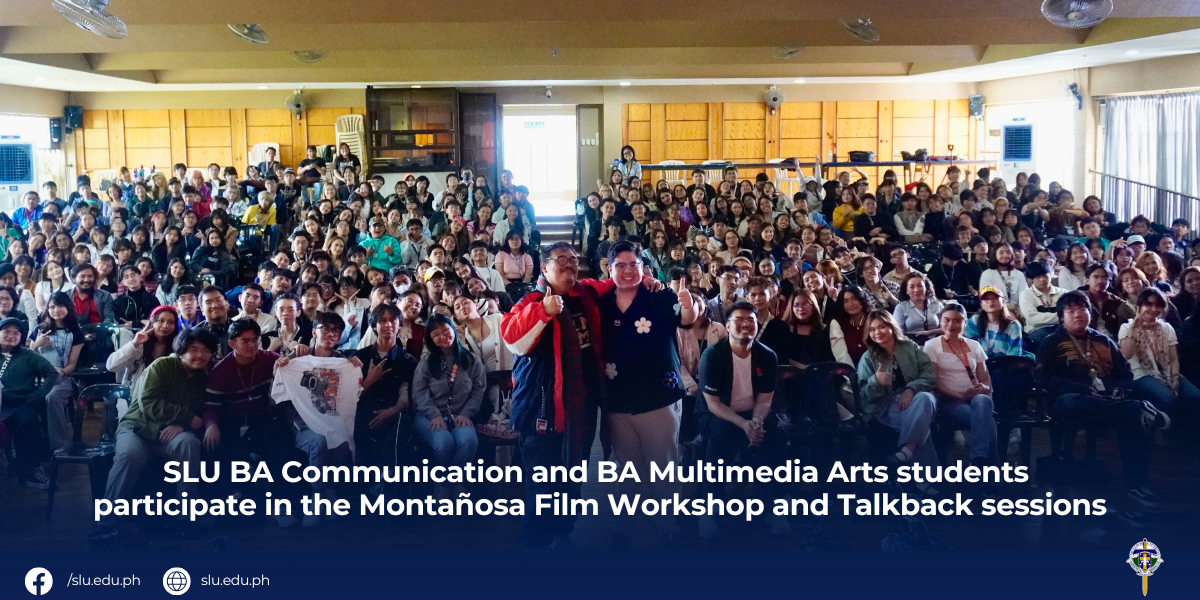
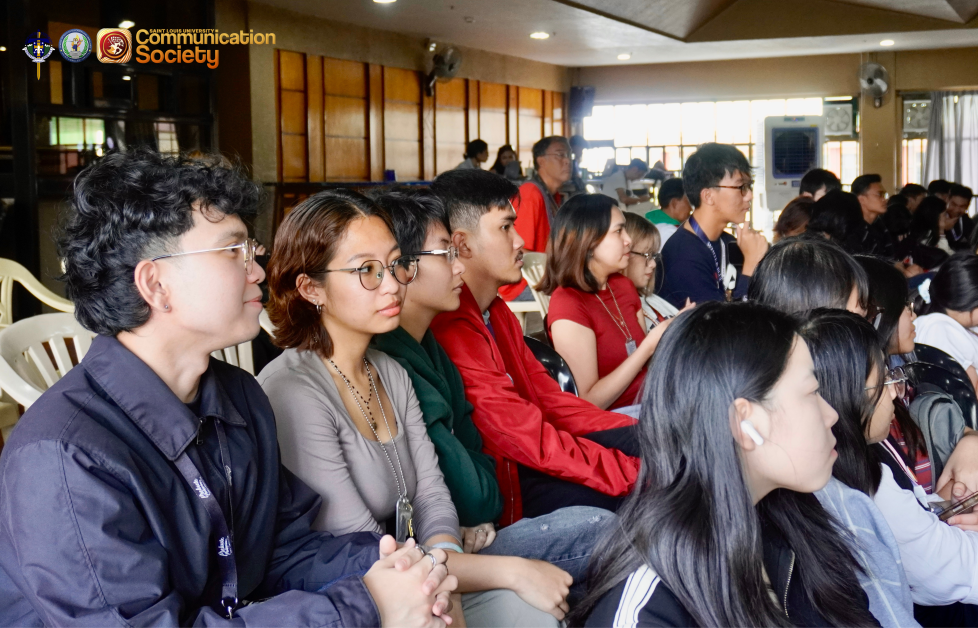
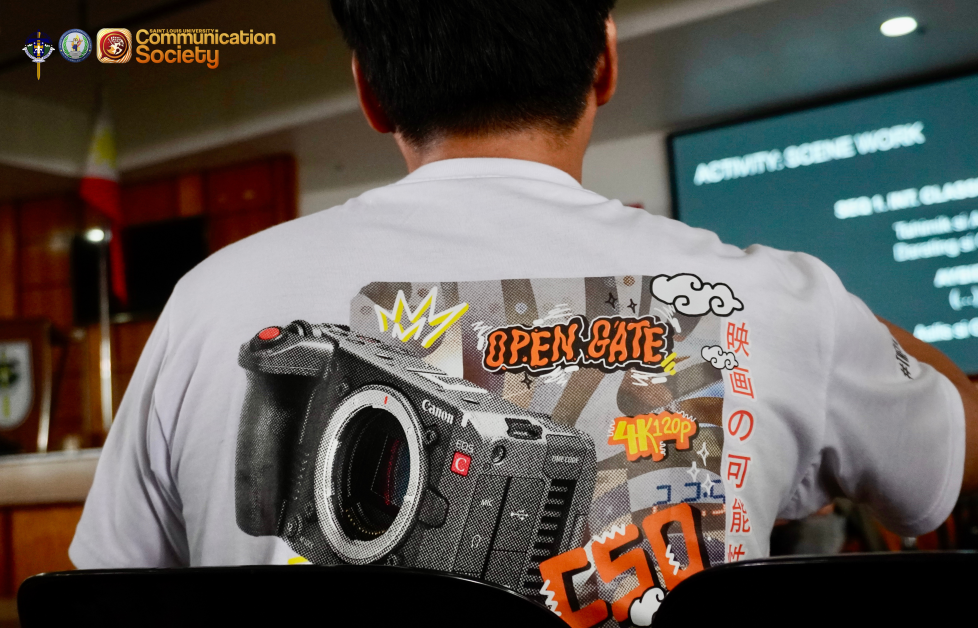
Saint Louis University (SLU) Bachelor of Arts Communication of the School of Teacher Education and Liberal arts (STELA), along with BA Multimedia Arts of the School of Accountancy, Management, Computing and Information Studies (SAMCIS) students participated in a two-day filmmaking seminar workshop in line with the 6th Montañosa Film Festival themed “Visions & Voices Unbound: Stories of Humanity, Social Justice, & Hope” from 25-26 March 2026.
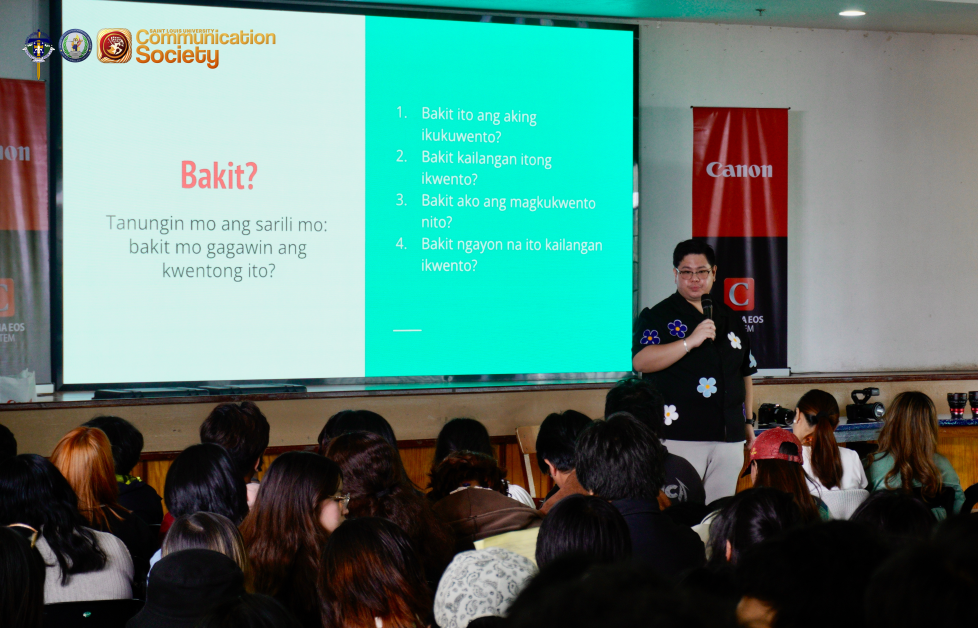
Co-hosted by the SLU Research, Innovation & Sustainable Extension (RISE) Center as part of the the Innovations in Creatives, Research, Extension, and Technology (iCReaTe) 2026, the Canon filmmaking workshop kickstarted at the SAMCIS Audio Visual Room with a scriptwriting lecture led by Mr. Tim Rone Villanueva, an independent Filipino director, writer, and producer from Kawit Cavite, and a Communication and Multimedia Arts part-time faculty member at Saint Dominic College of Asia. In his talk, “Screenwriting: From Idea to Cinema,” he discussed how simple ideas and creativity are key to writing film scripts, alongside screenwriting processes such as concept development, crafting interesting characters, creating cinematic worlds, and addressing problems and goals aligned with the story’s theme. The lecture also discussed composing a logline and its different components, followed by students writing and sharing their loglines as part of the workshop.
Consequently, the afternoon session was dedicated to the directing workshop delivered by director, writer, producer, and SLU alumnus, Mr. Carlo Obispo. In this talk, “Directing at Work: Understanding the Craft,” he addressed the key role and responsibilities of a director as the captain of the ship that brings the overall creative vision to life. The discussion also addressed directing actors, during which he emphasized that revealing the truth fosters connection rather than perfection. “It is the director’s job to adjust to the technique of the actors. Let the director show the truth,” he mentioned.

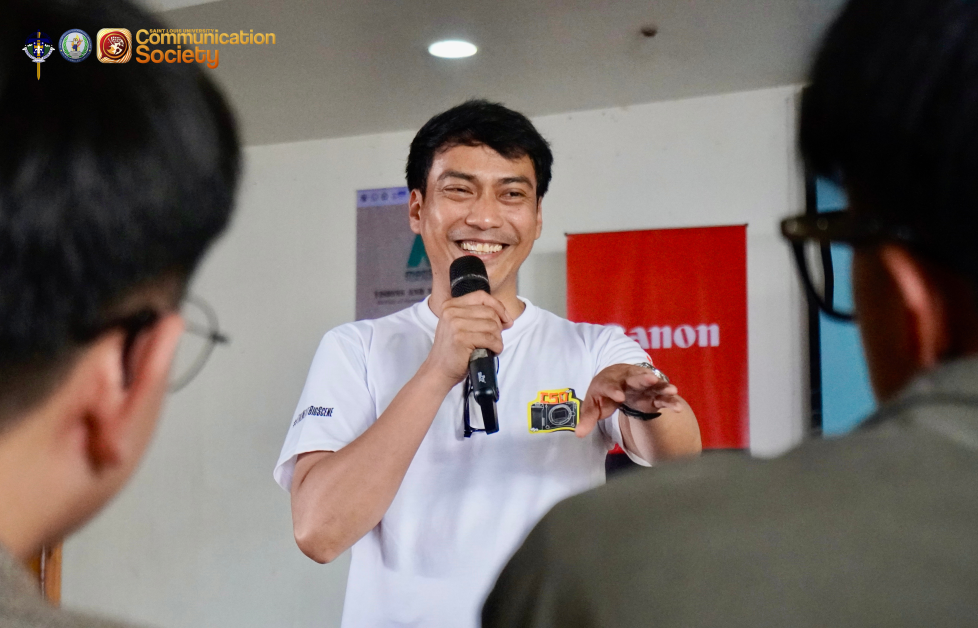
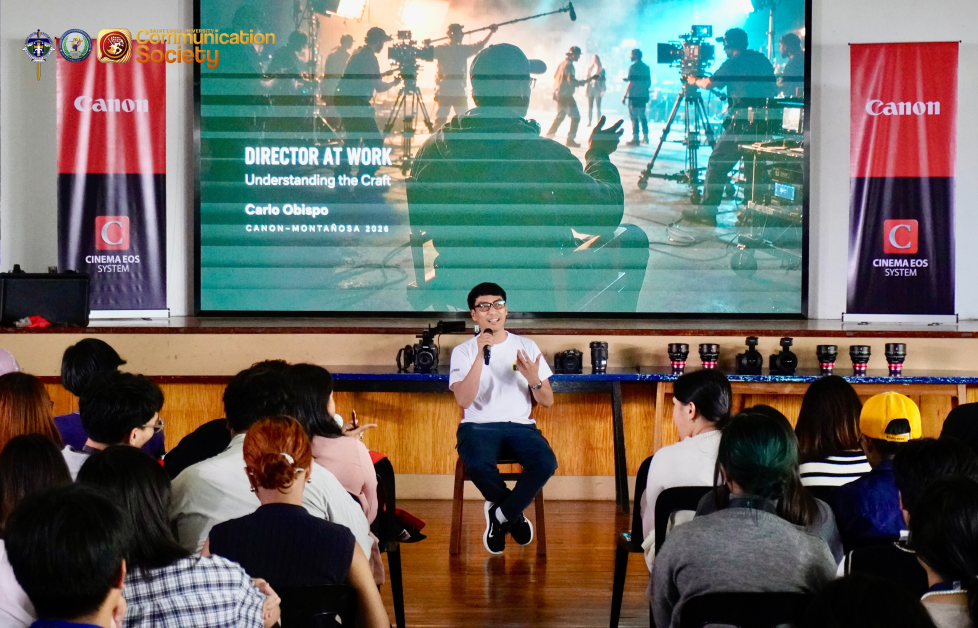
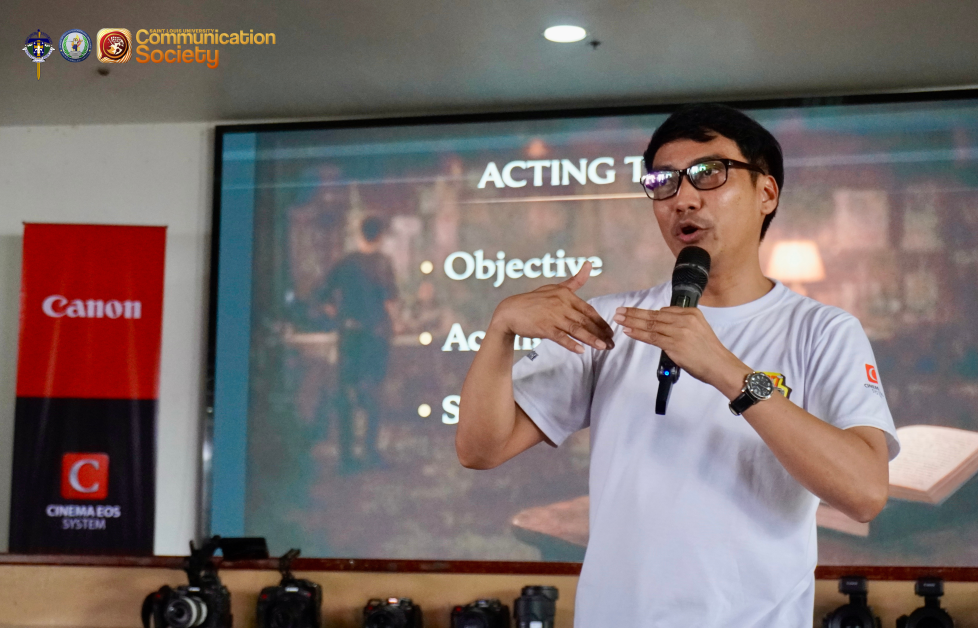
Furthermore, he shared acting tools such as objective, acting score, and subtext as significant components in directing. This was further exemplified by students delivering a scene-work performance.
To formally conclude the program, Filipino actor, screenwriter, creative producer, director, and filmmaker Emmanuel Dela Cruz delivered a short speech of gratitude towards the young and aspiring storytellers.
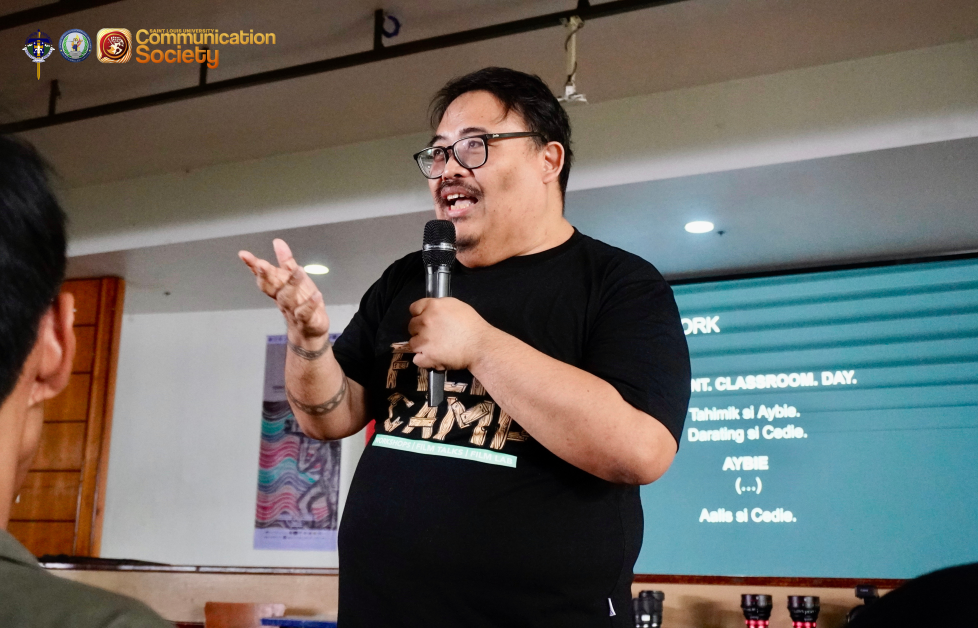
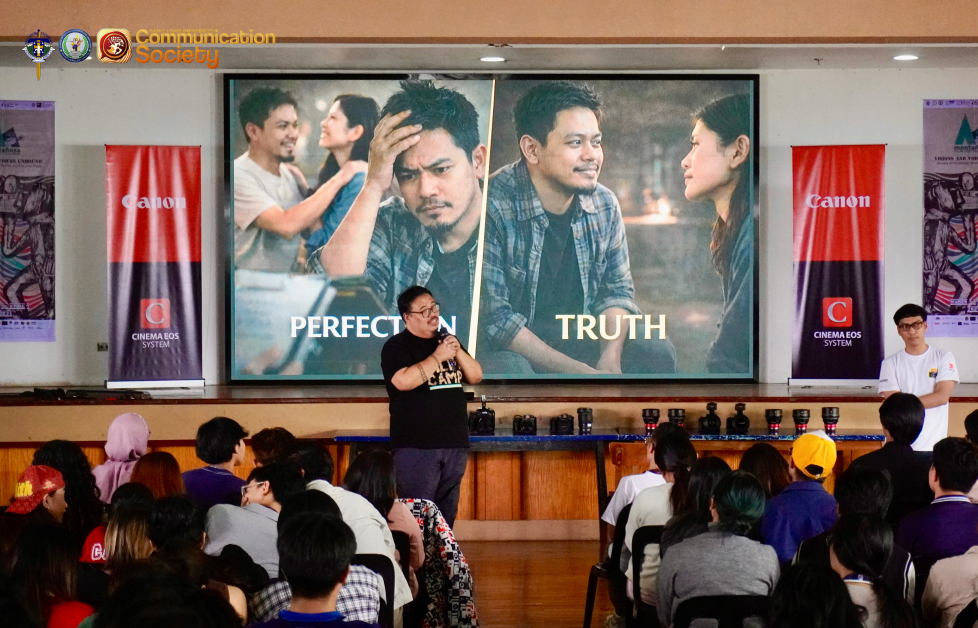
The second day kicked off the Joseph Cardinal Cardijn Students’ Hall as Film Development Council of the Philippines (FDCP) facilitated talks on Create PH Films, International Film Festival Assistance Program, and the Academic Film Society by the Project Development Assistant of CreatePHFilms Sir Dominic Ortiz, the Head of Festival Division Ms. Florence Anne Taiño, and the Project Development Officer Education Division Sir Nicolo Yulo, respectively.
FDCP division managers discussed the platforms the organization provides for Filipino film submissions to local and international film festivals. From production to exhibition, their goal is to empower Filipino filmmakers, directors, students, and enthusiasts through the RA 9167 Film Development Council of the Philippines Act of 2002.
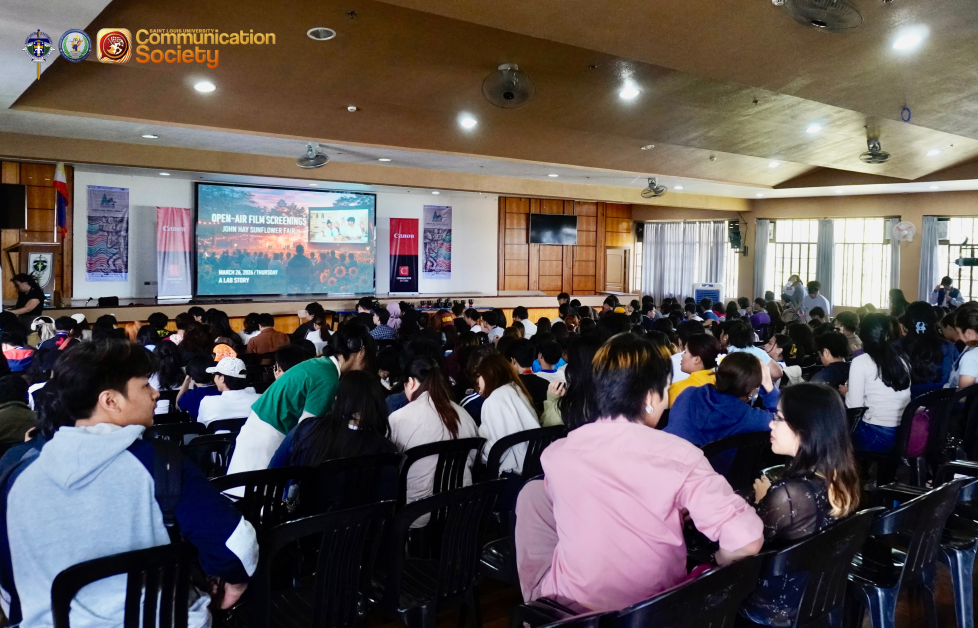
A film screening and talkback session were conducted in the afternoon, following the short films “Tokwifi” by Carla Pulido Ocampo and “Walang Rape sa Bontok” by Mark Lester Valle. These films highlighted themes of Cordilleran culture, human emotion, and society.
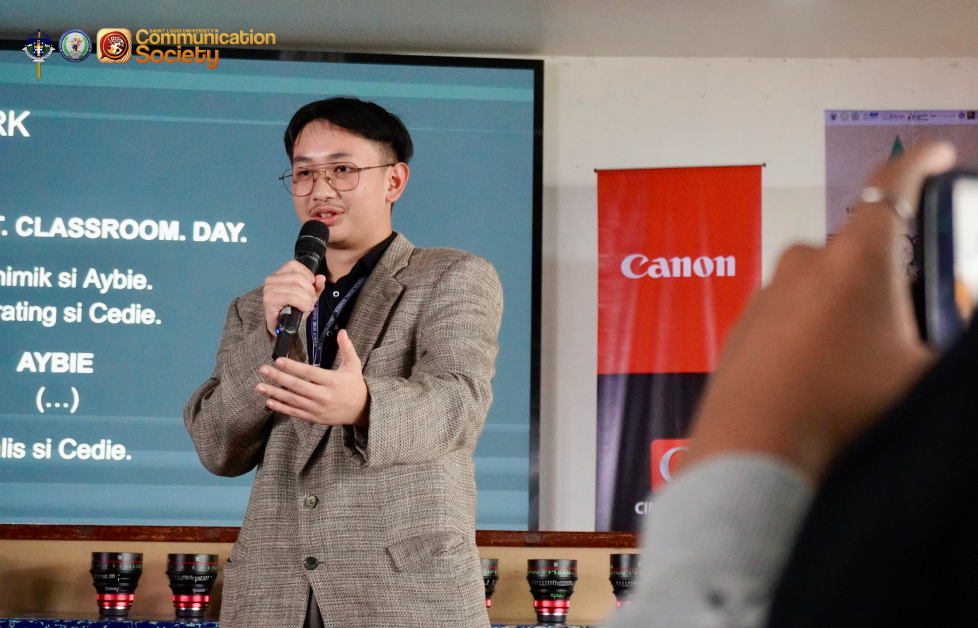
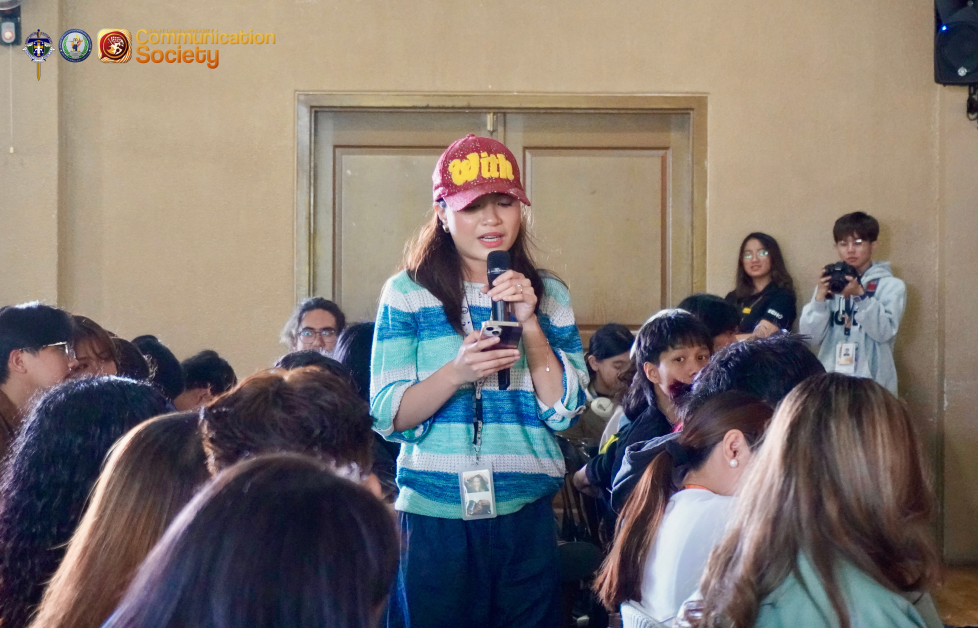
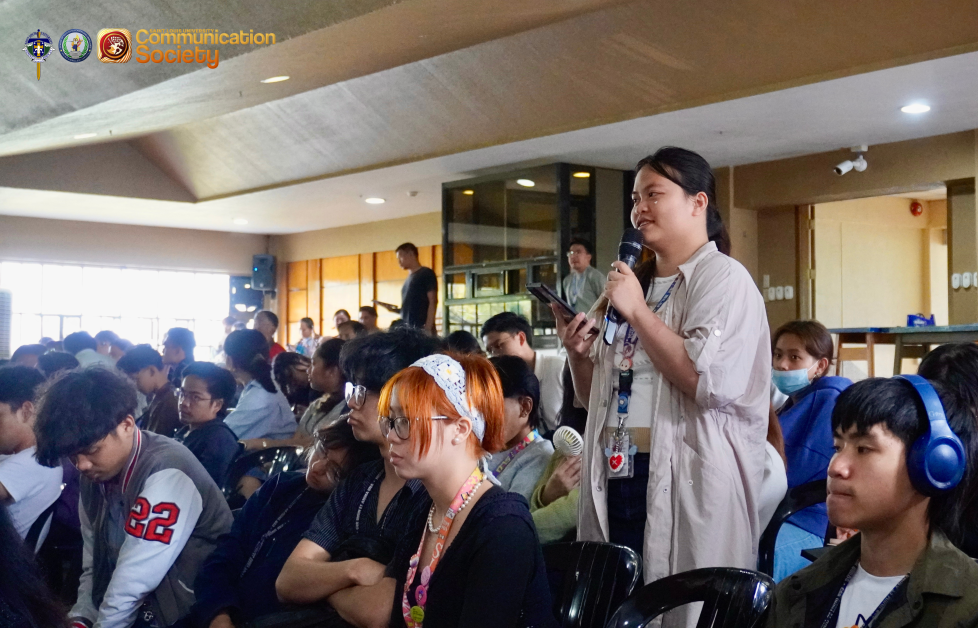
In the talkback, Director Ocampo emphasized that storytellers aren’t the story itself, focusing the films on the culture of the people rather than on personal experience. She also mentioned the value of information accessibility in creating the narrative of documentary films.

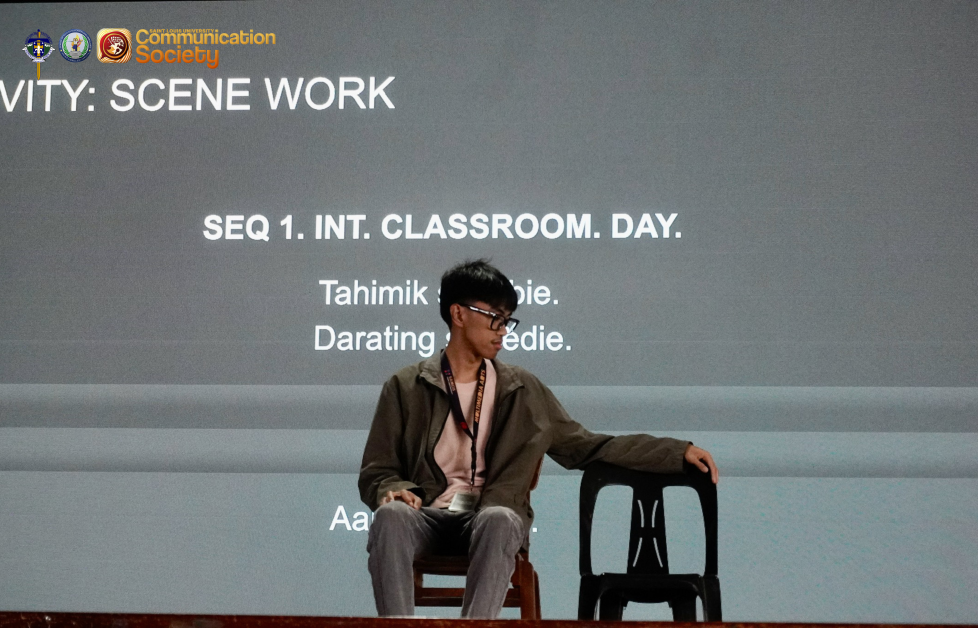
Director Valle added that filmmakers should find their voice, value their cultures, and look into their communities. As visual storytellers, success is found beyond financial gain but more on the respected voice and presence one can share to people. “Never box yourself in a single perspective and stay curious and interested about concepts outside the box,” he further stressed.
These filmmaking workshops and lectures aimed to nurture young and emerging filmmakers through meaningful conversations, dialogue, and creative activities. They align with the Sustainable Development Goals (SDGs) 4: Quality Education; 9: Industry, Innovation, and Infrastructure; 12: Responsible Consumption and Production; and 17: Partnership for the Goals. (Article by Francine Wayas and Jessamyne Tadeo, SLU Communication Society | Photo by Francyne Pacupac and Mikylla Santos, SLU Communication Society)