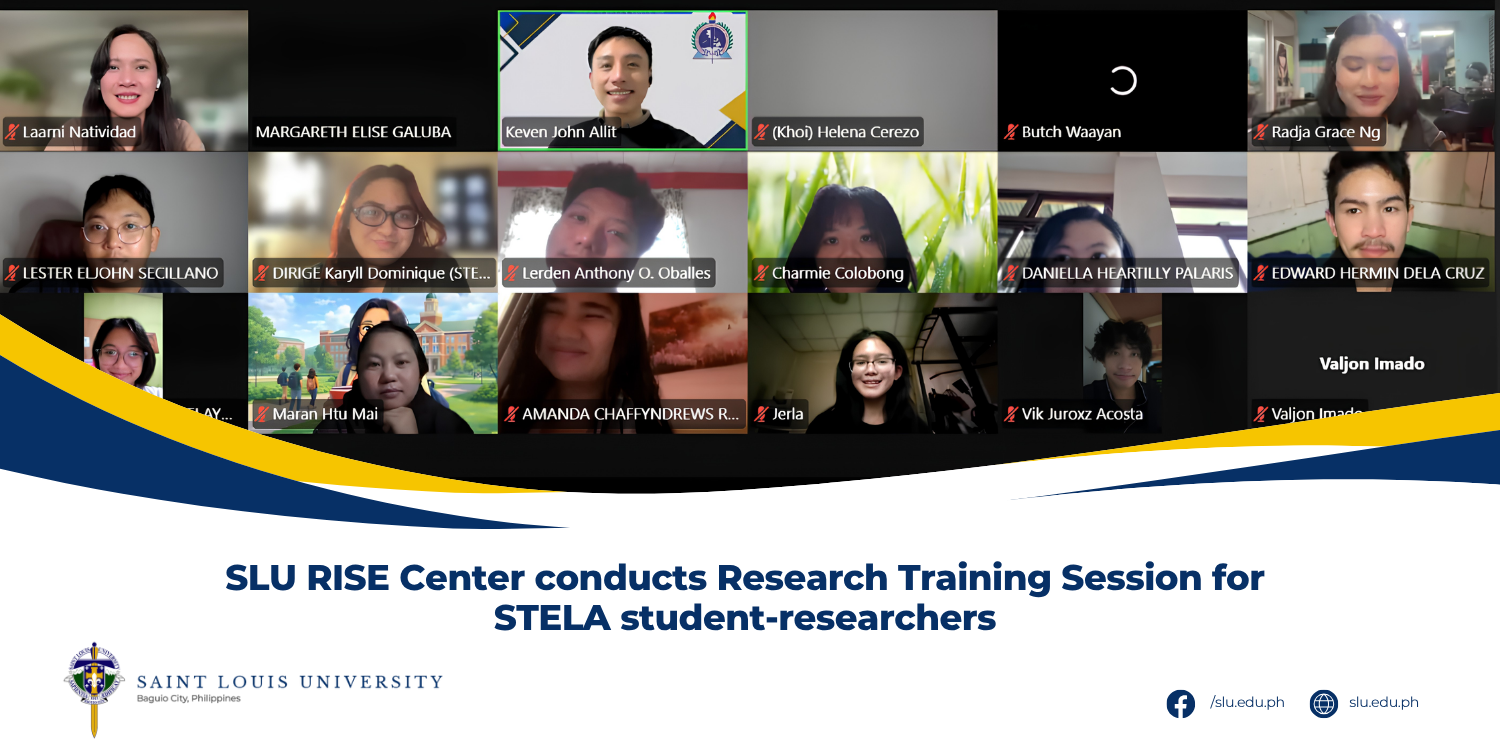
On 08 September 2026, Saint Louis University’s Research, Innovation, and Sustainable Extension (RISE) Center conducted a two-hour Research Training Session for School of Teacher Education and Liberal Arts (STELA) third-year students, which explored the bigger picture of United Nations Sustainable Development Goals (UN SDGs) research and literature reviews to ethics and publishing.
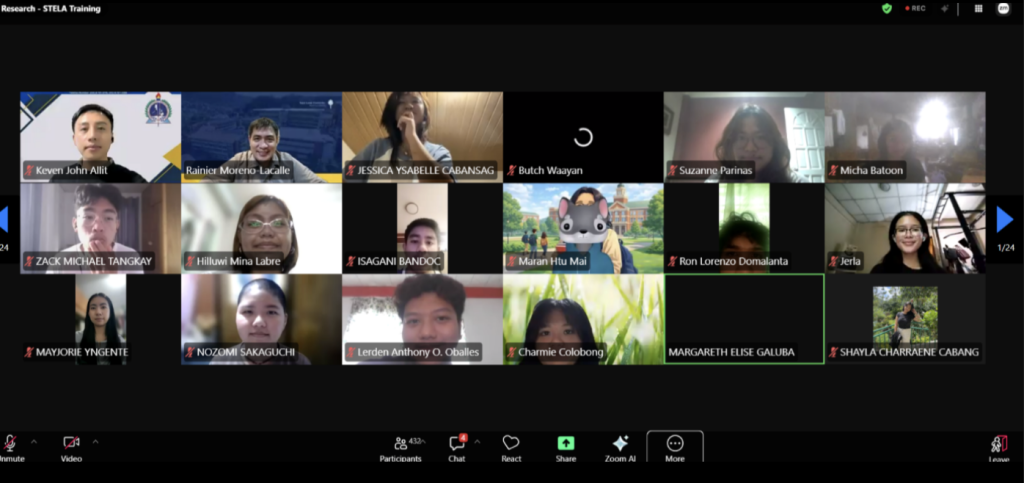
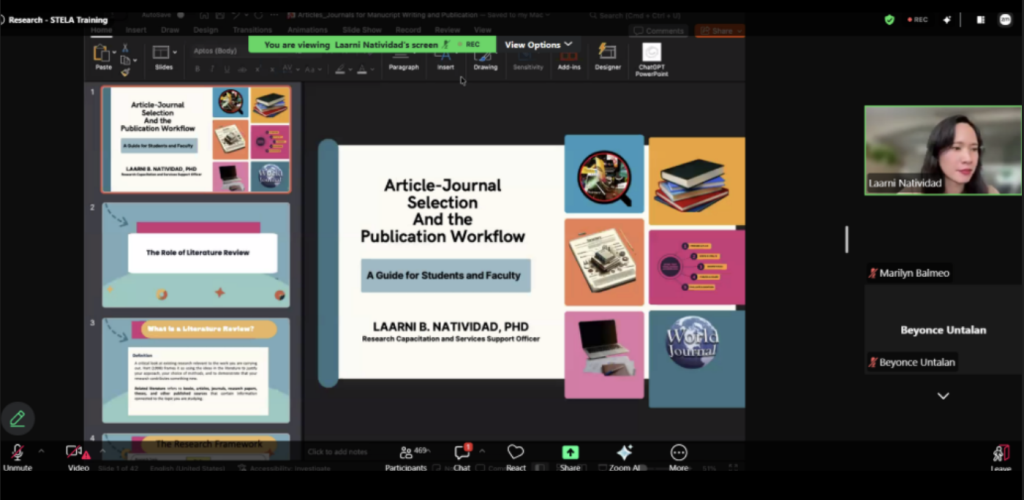
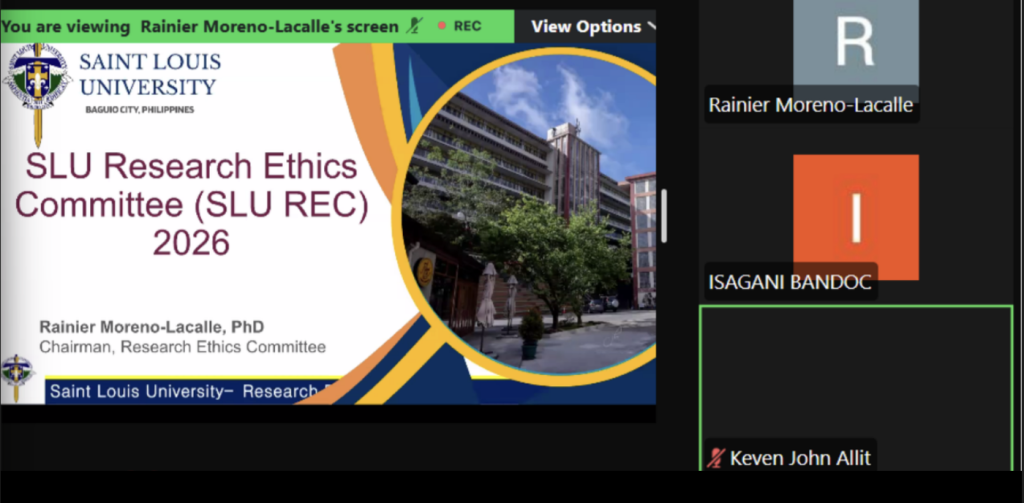
Held online via Zoom, the said session was facilitated by STELA’s Undergraduate Research and Innovation Coordinators, Kevin Allit, PhD and Marilyn Balmeo, PhD, as well as featured speakers Quality Assurance Coordinator for Institutional Reputation and Effectiveness Ms. Analyn Caroy, RISE Center’s Research Capacitation & Services Officer Laarni Natividad, PhD), and Research Ethics Committee (REC) Chair Dr. Rainier Moreno-Lacalle. The research professionals shared practical insights from choosing and evaluating literature to publishing papers and securing ethics clearance, everything a young aspiring researcher must know.
The training began with opening remarks from Dr. Allit, followed by a prayer and an introduction of the speakers by Dr. Balmeo.
The SLU Research Agenda and the UN SDGs
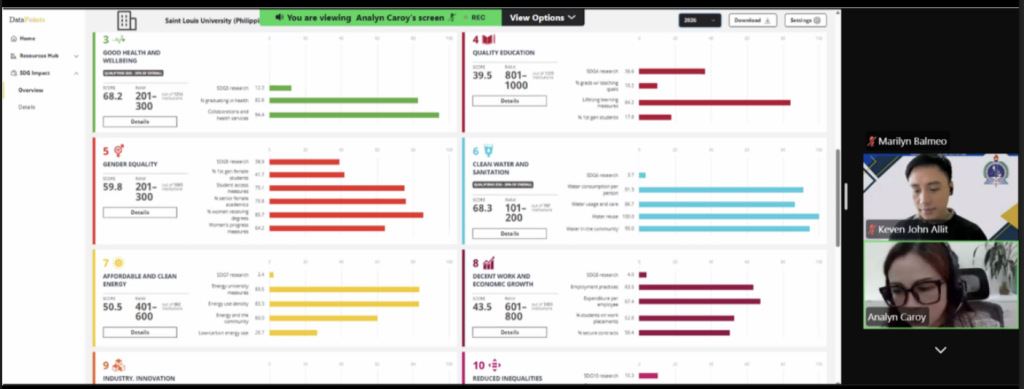
Ms. Caroy presented to the students the bigger picture of research by discussing the University Research Agenda and its connection to the SDGs. For STELA, she highlighted SDGs 4 (Quality Education), 5 (Gender Equality), and 10 (Reduced Inequalities) as particular areas of focus. She emphasized the importance of aligning research topics with the SDGs and encouraged students to explore different goals in their papers whenever possible.
The Literature Review as Critical Conversation
Dr. Natividad discussed the role of the literature review, reminding students that research is not simply about collecting resources; it requires taking a critical look at the work being used. She presented research as a continuing conversation, in which studies build on, challenge, and address one another’s limitations. Dr. Natividad also discussed how literature reviews shape research, and shared databases and keywords that students could use to find and evaluate sources.
The Research Paper as a Broader Academic Conversation
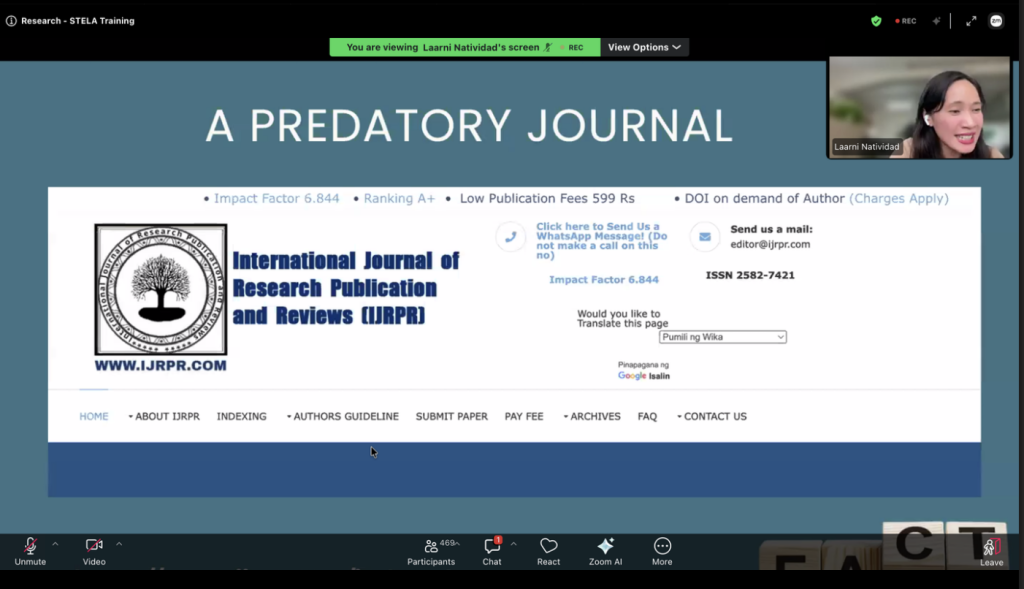
The training introduced students to what happens when research moves beyond the classroom. Dr. Natividad explained the eight-step process of writing a journal article and presented the institution’s publication workflow. This discussion gave students a glimpse of research as more than an academic requirement. A paper can eventually become part of a broader academic conversation, but before that happens, researchers have to know where and where not to publish.
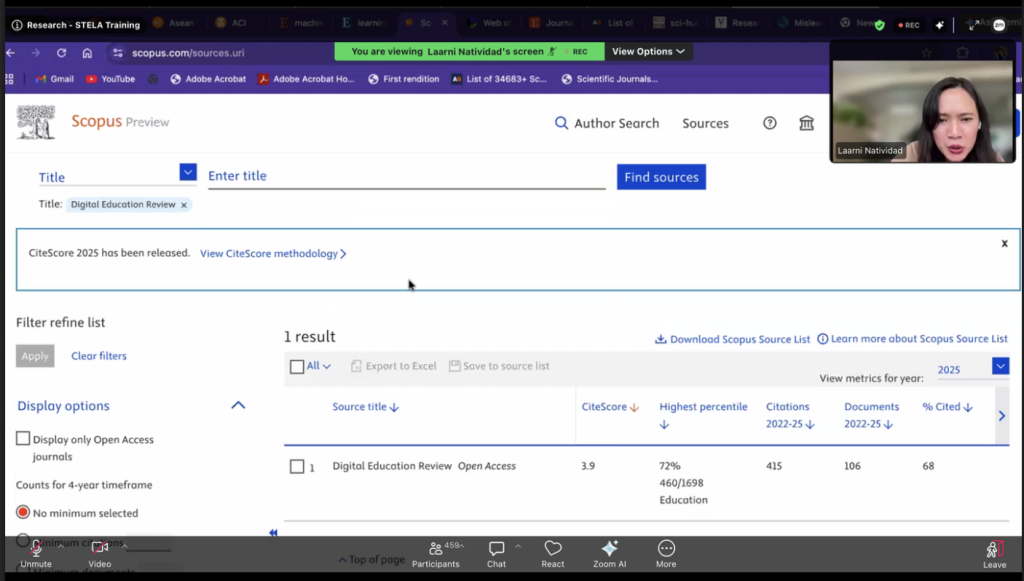
Dr. Natividad made students aware of predatory publishers and journals and discussed resources such as Beall’s List and Cabell’s List that help researchers identify questionable sources. She also provided examples and demonstrated how researchers can use these resources, along with ScienceDirect, to evaluate the literature. It is a useful reminder for student researchers navigating the internet: just because a journal looks academic, it does not automatically mean it is trustworthy.
The Ethics in Research
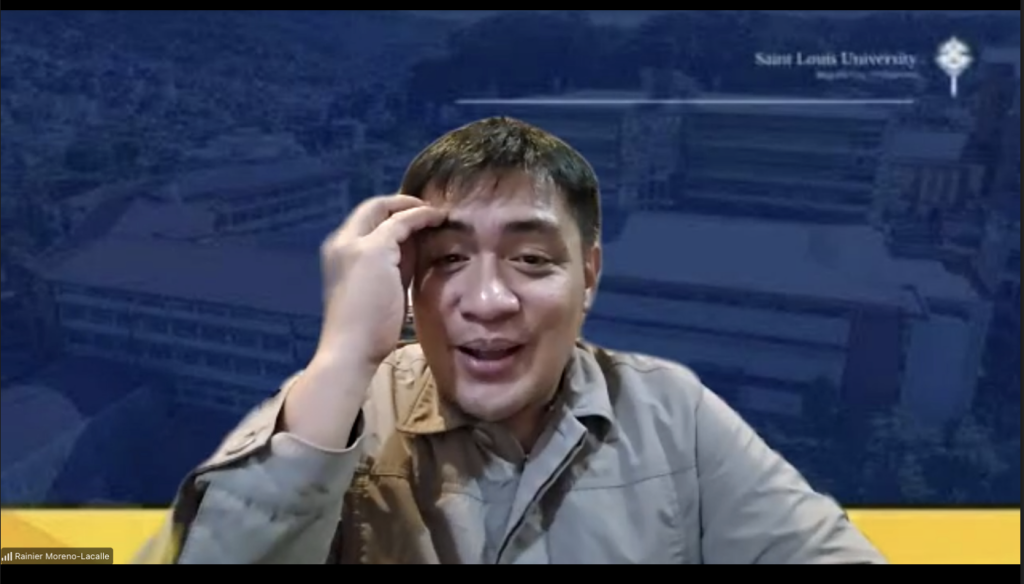
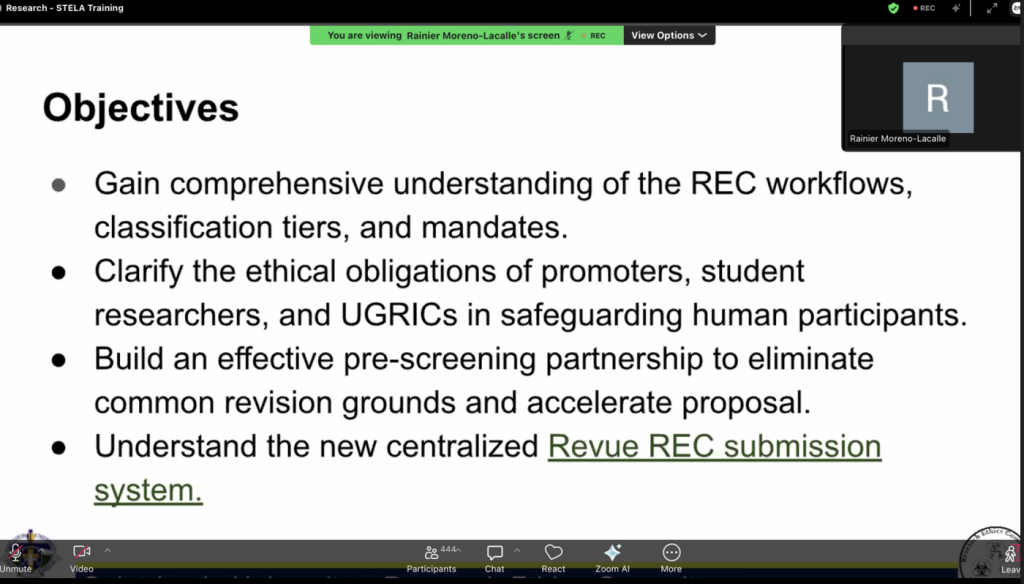
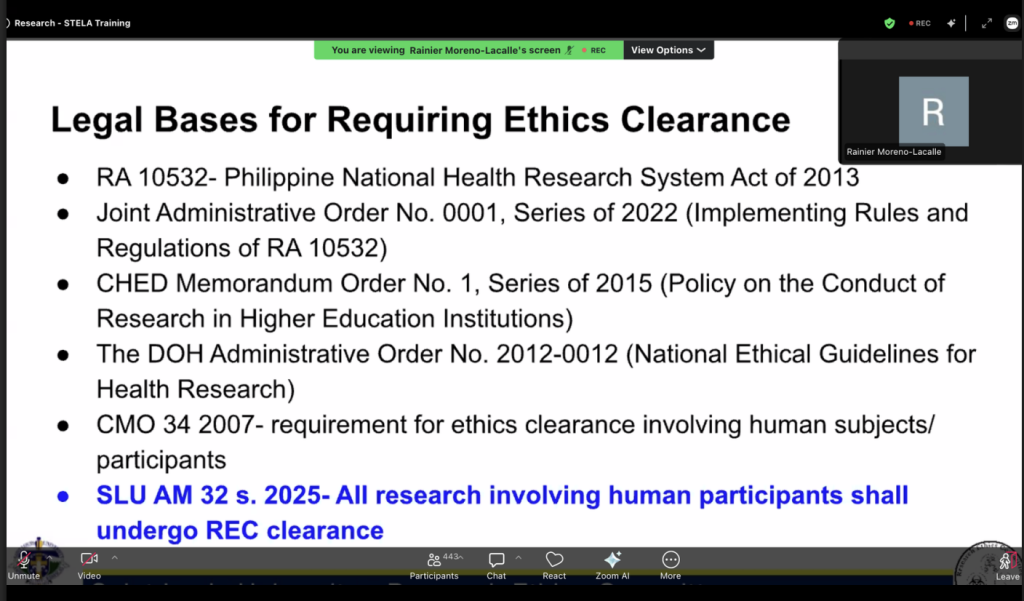
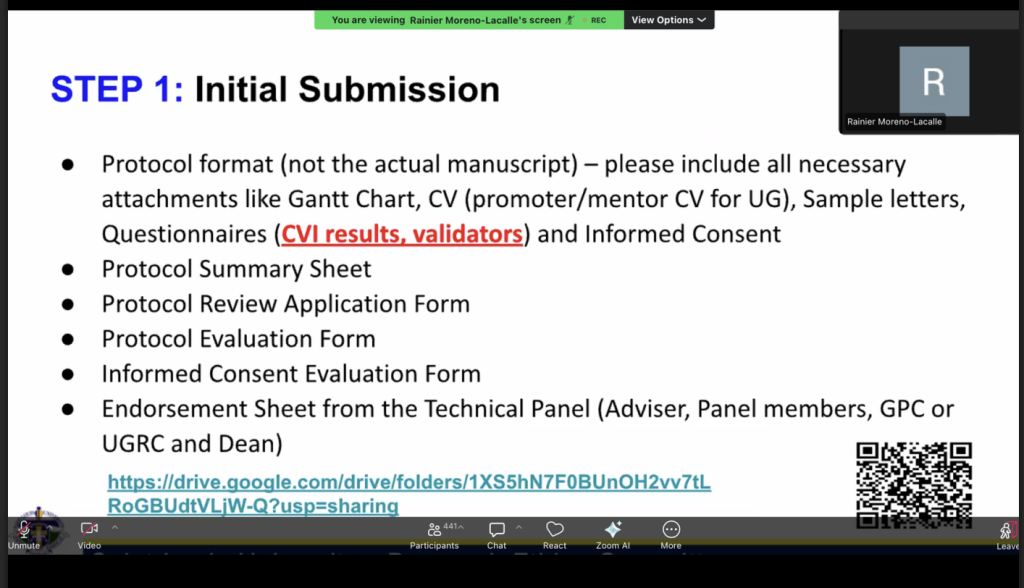
The final session turned the spotlight toward the ethical responsibilities that come with conducting research. Dr. Moreno-Lacalle discussed the four objectives and functions of the SLU REC, as well as the legal bases for requiring ethics clearance. He also explained the committee’s six-step process and shared forms researchers need to complete.
Ending the research discourse was a closing prayer from Mr. William Todhunter, followed by Dr. Allit’s closing remarks and gratitude to the speakers.
Aligned with SDGs 4 (Quality Education), 16 (Peace, Justice, and Strong Institutions), and 17 (Partnerships for the Goals, the Research Training Session underscored that research is a conversation, a responsibility, and a way of critically exploring issues that matter beyond the classroom.
(Article by Joey G. Glemao SLU RISE Center Intern | Photos by SLU RISE Center)