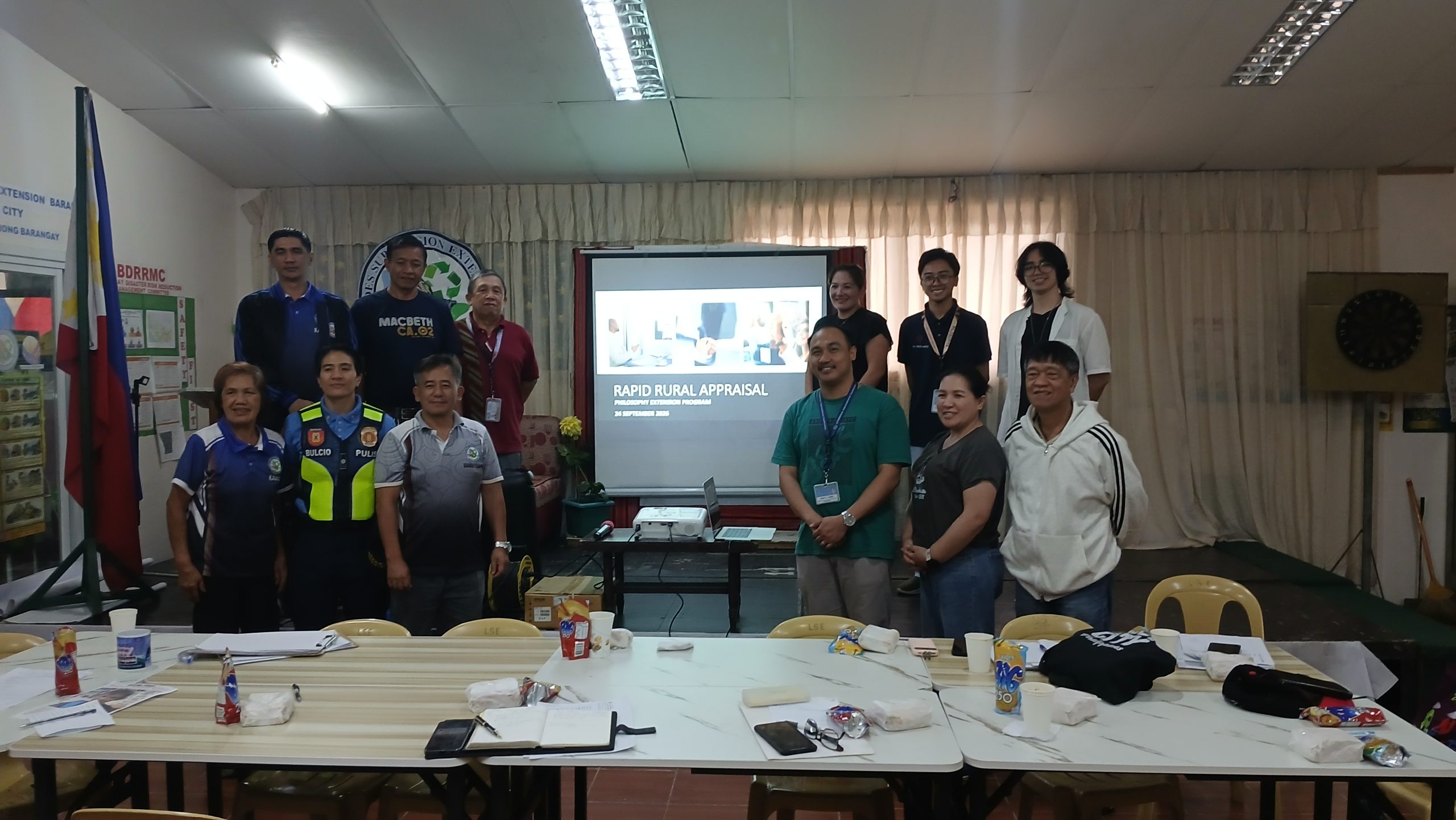
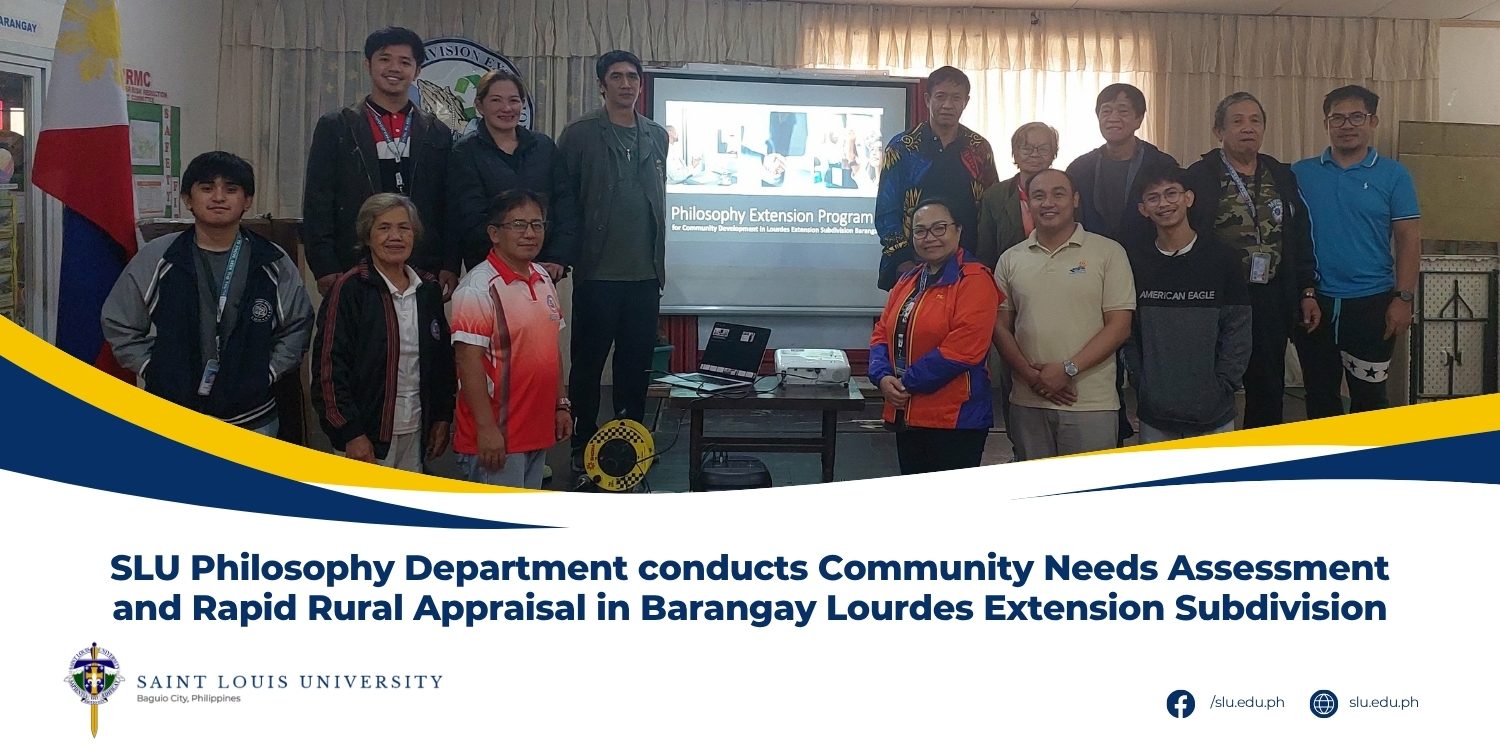
The Philosophy Department of the School of Teacher Education and Liberal Arts (STELA), Saint Louis University (SLU), conducted a Community Needs Assessment on 14 August 2026 and a Rapid Rural Appraisal (RRA) on 24 September 2026 in Barangay Lourdes Extension Subdivision, Baguio City. The initiatives sought to identify community priorities and develop responsive, philosophy-based extension programs grounded in local realities.
Identifying Community Priorities
The Needs Assessment aimed to determine the community’s educational, health, environmental, livelihood, social, governance, and civic-responsibility needs; assess perceived concerns related to governance, environmental sustainability, sociopolitical issues, ethics, and gender; and Identify areas in which philosophy-based interventions—such as training sessions, workshops, and community dialogues—could strengthen resilience and empowerment.
The activity was led by Prof. Nikky S. Garo, Head of the Philosophy Department; Melany F. Del Rosario, PhD; Mr. Elvis P. Ballacay Jr.; and Anton Lawrence Ponce, President of the New Louisian Philosophical Society (NEOLOUPHIS).
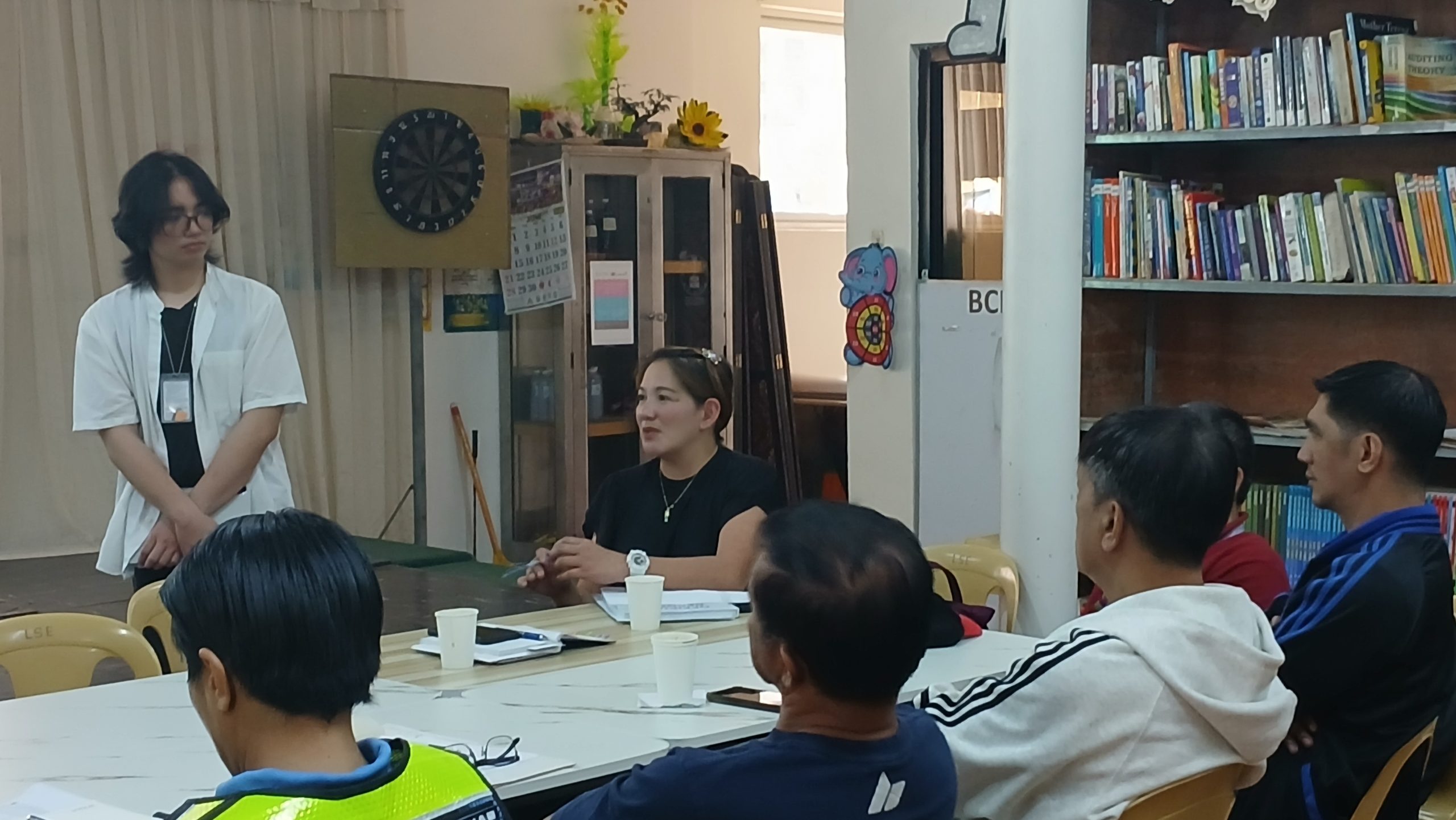
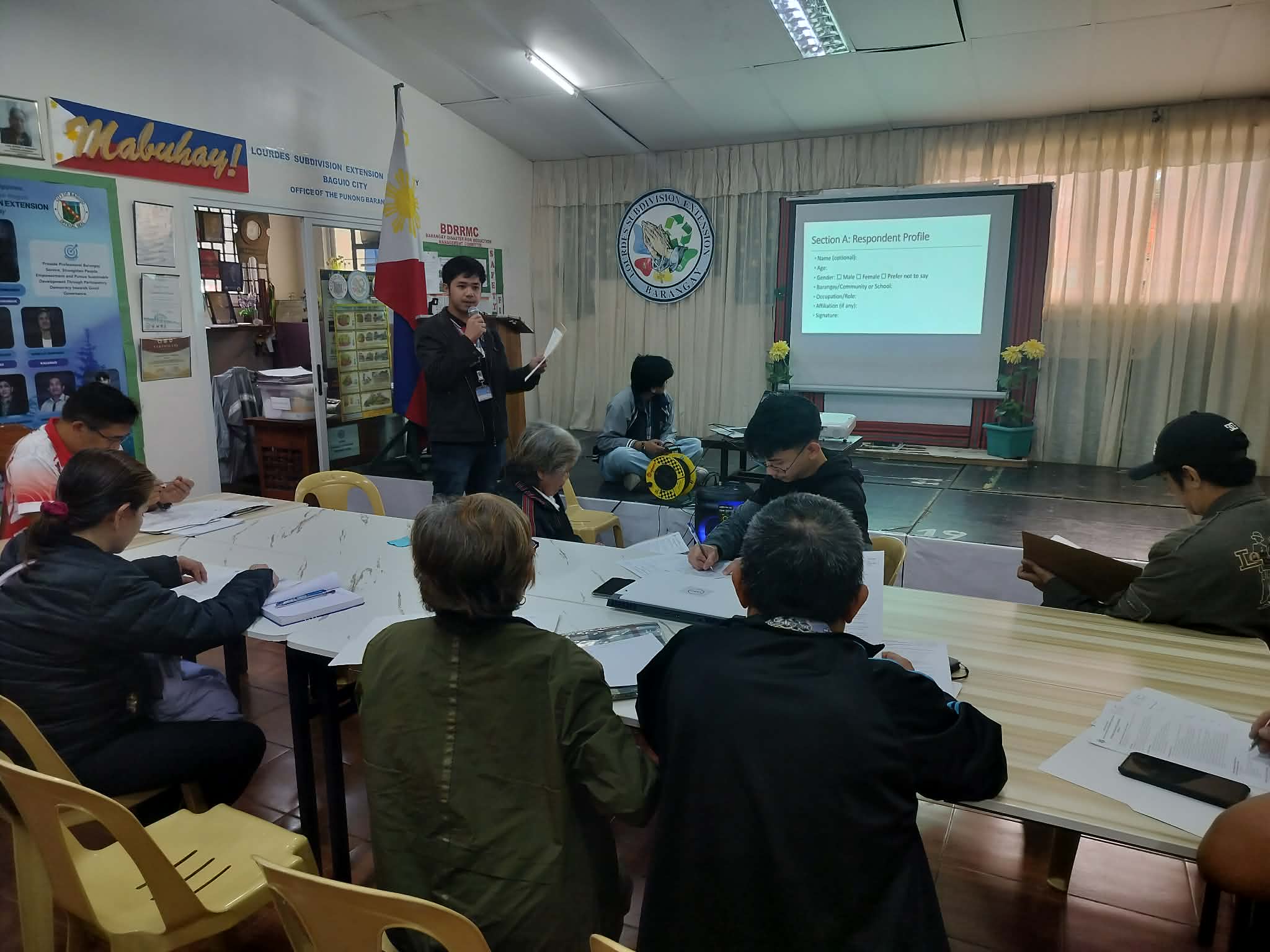
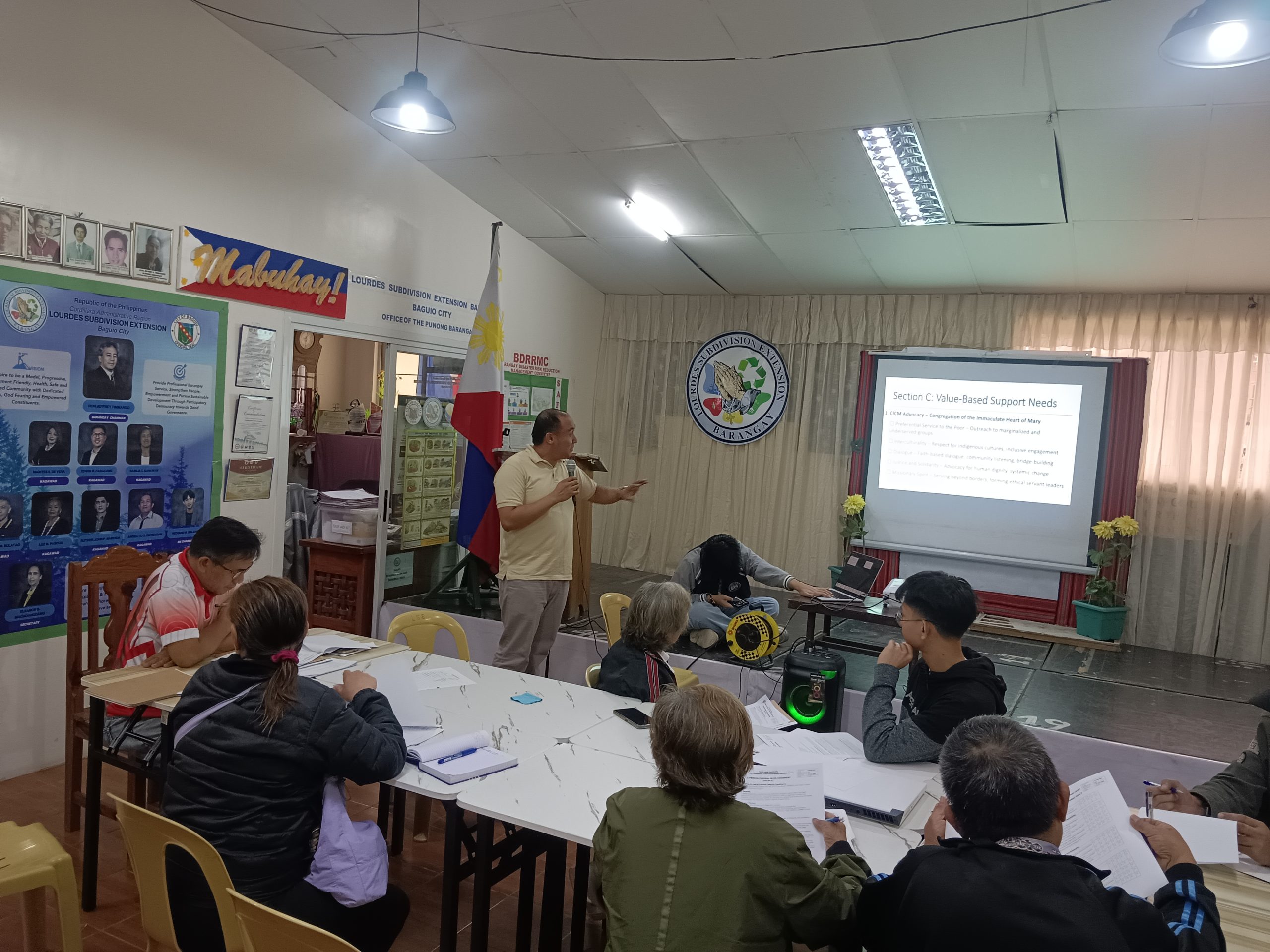
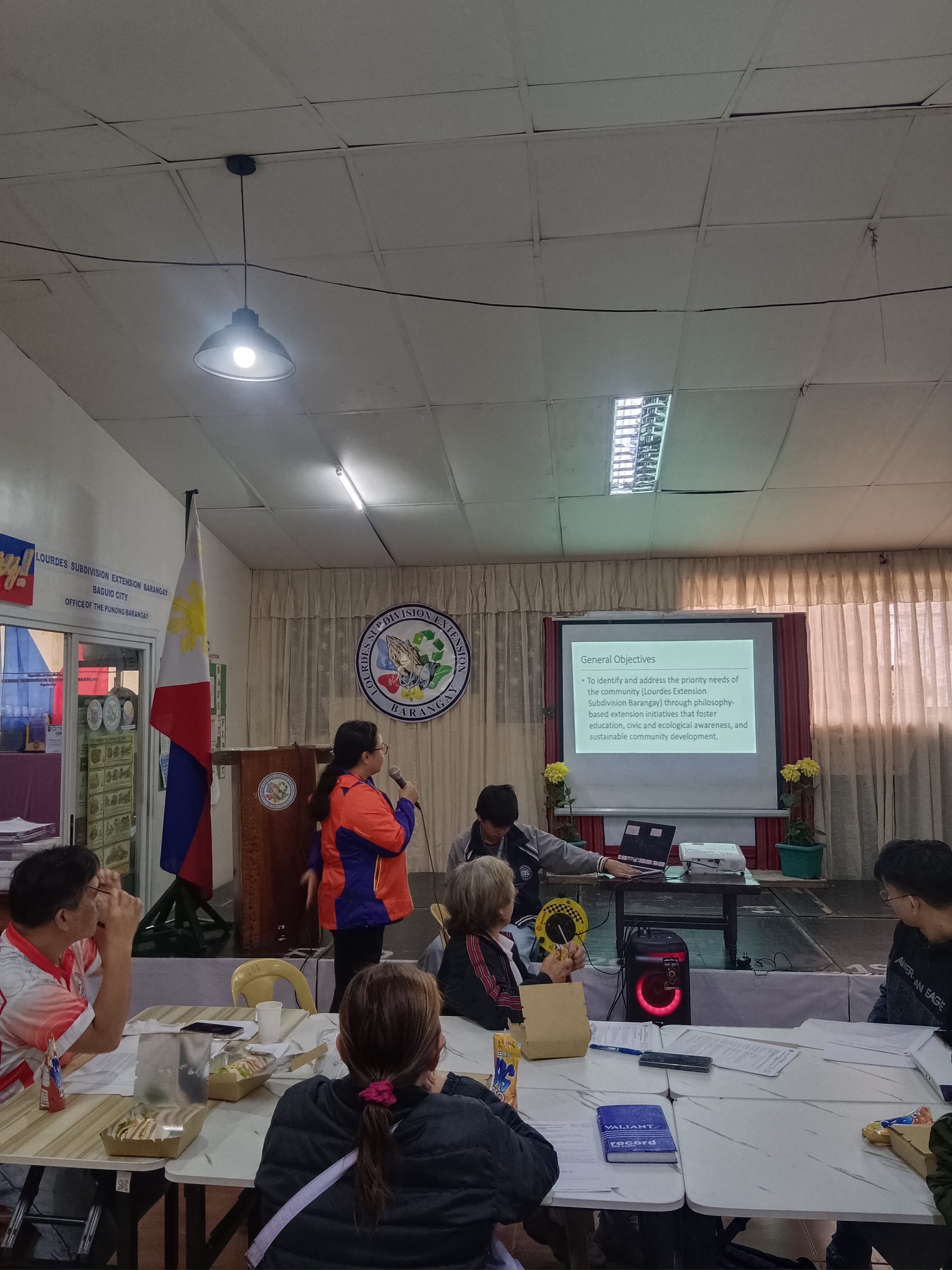
During the session, Mr. Ballacay introduced the Extension Program Needs Assessment Checklist. He emphasized the importance of aligning future initiatives with institutional and social frameworks, including CICM Advocacy, the CEAP JEEPGY framework, Laudato Si’, and the United Nations Sustainable Development Goals (SDGs).
During the working session, Dr. Del Rosario presented the Extension Program Needs Assessment Tool and Instrument to identify priority needs and guide the development of philosophy-based interventions. Barangay officials were invited to identify the areas in which the community required the greatest support.
Validating Findings through RRA
The Department returned to Barangay Lourdes Extension Subdivision on 24 September to conduct a Rapid Rural Appraisal that provided a participatory, field-based approach to validating the initial findings and presenting the results directly to the community.
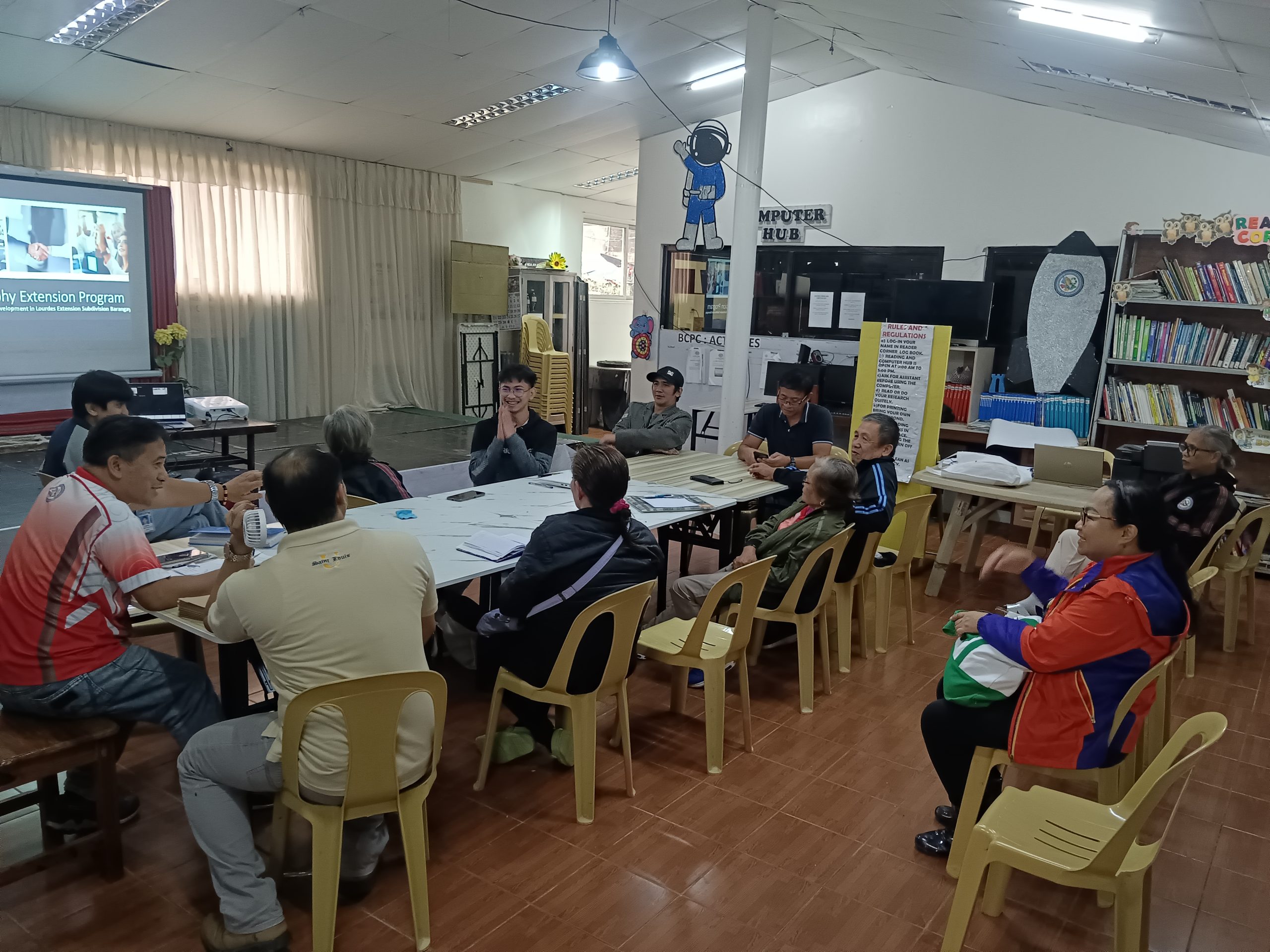
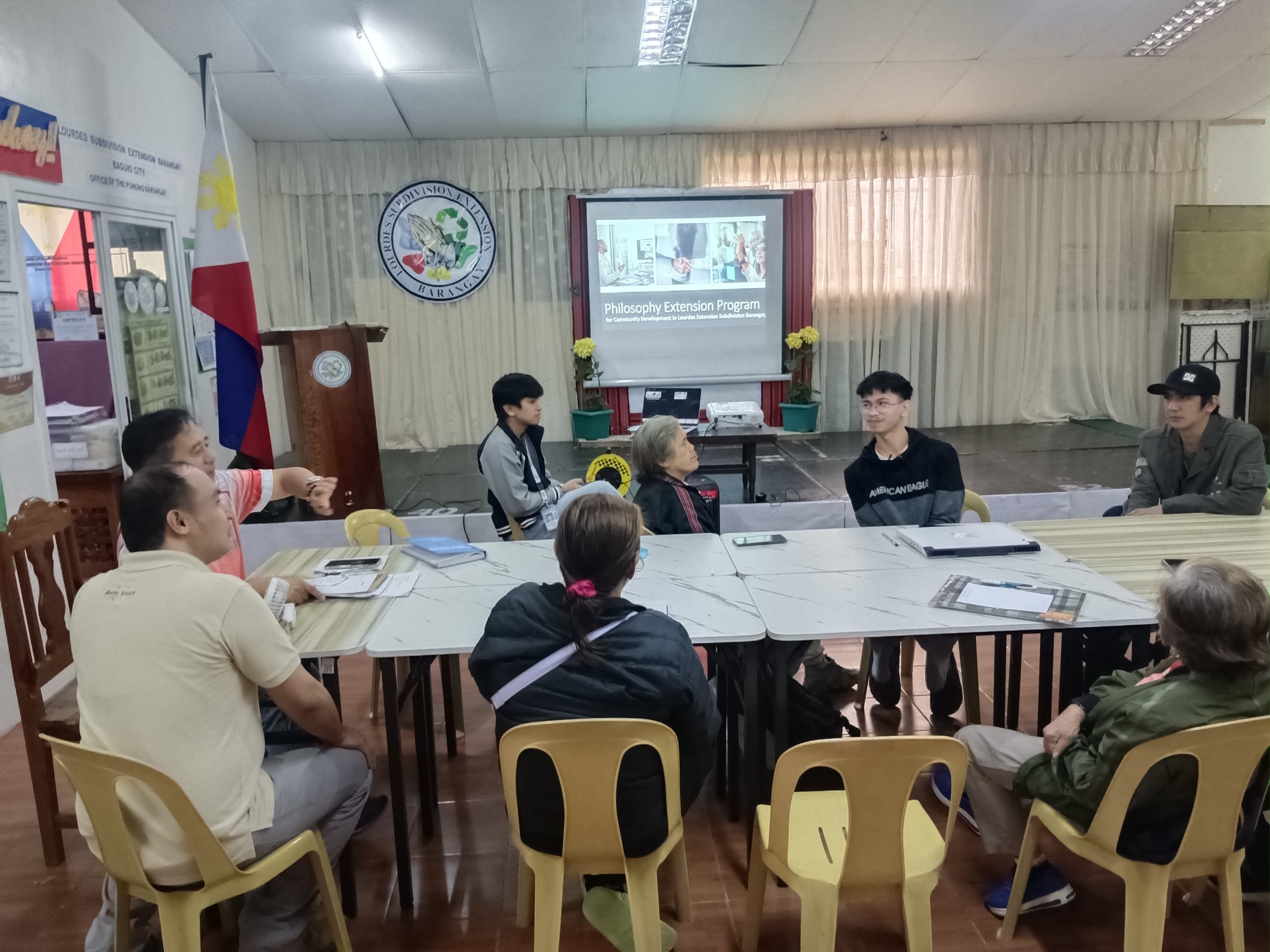
Through this process, barangay officials were able to review the assessment results, verify the identified priorities, and help determine the areas that should be addressed through future extension programs. Returning the findings to the community strengthened transparency, inclusivity, and trust while ensuring that the proposed interventions would be responsive to local realities and lived experiences.
The activities, supported by the NEOLOUPHIS and the Research, Innovation, and Sustainable Extension (RISE) Center in collaboration with the representatives of Barangay Lourdes Extension Subdivision, contributed to the United Nations Sustainable Development Goals 4.7 by promoting knowledge and skills related to sustainable development, human rights, gender equality, peace, non-violence, global citizenship, and respect for cultural diversity. It also contributed to the development of inclusive, safe, resilient, and sustainable communities under SDG 11 by involving barangay officials in validating priorities and identifying community needs by drawing on local knowledge and resources.
The initiatives supported SDG Targets 5.2 and 5.c by incorporating gender awareness and inclusive program design into the assessment and planning process. Finally, the partnership among the Philosophy Department, Mathematics Department, NEOLOUPHIS, barangay officials, and the RISE Center exemplified SDG Target 17.17, highlighting effective partnerships among public institutions, academic organizations, and society. (Article and photos by NEOLOUPHIS)