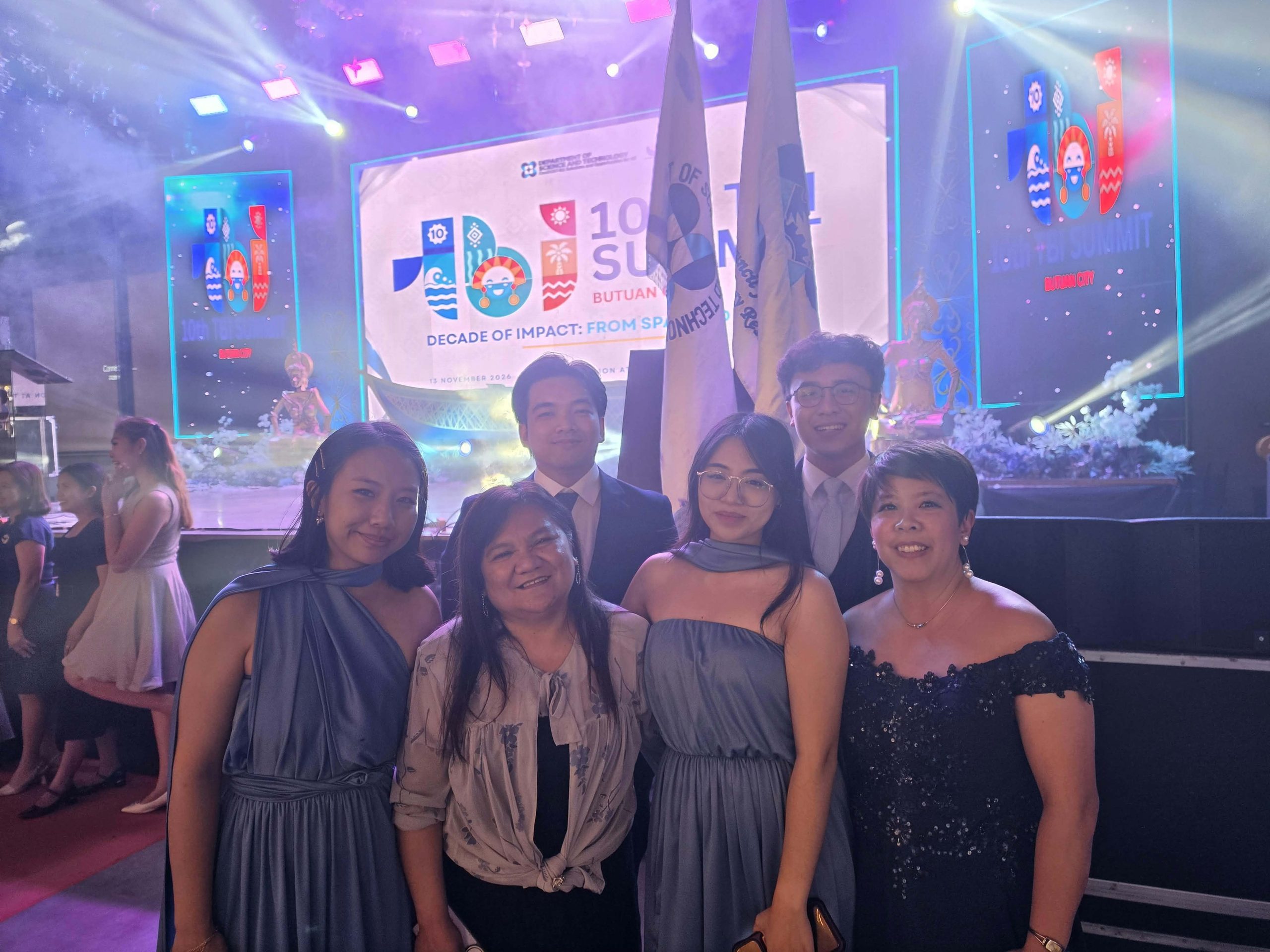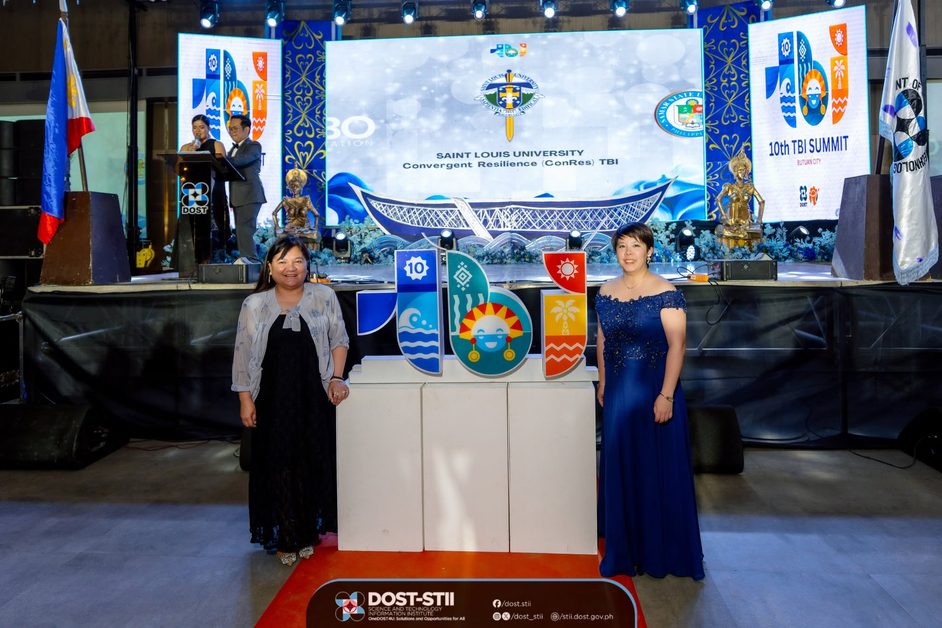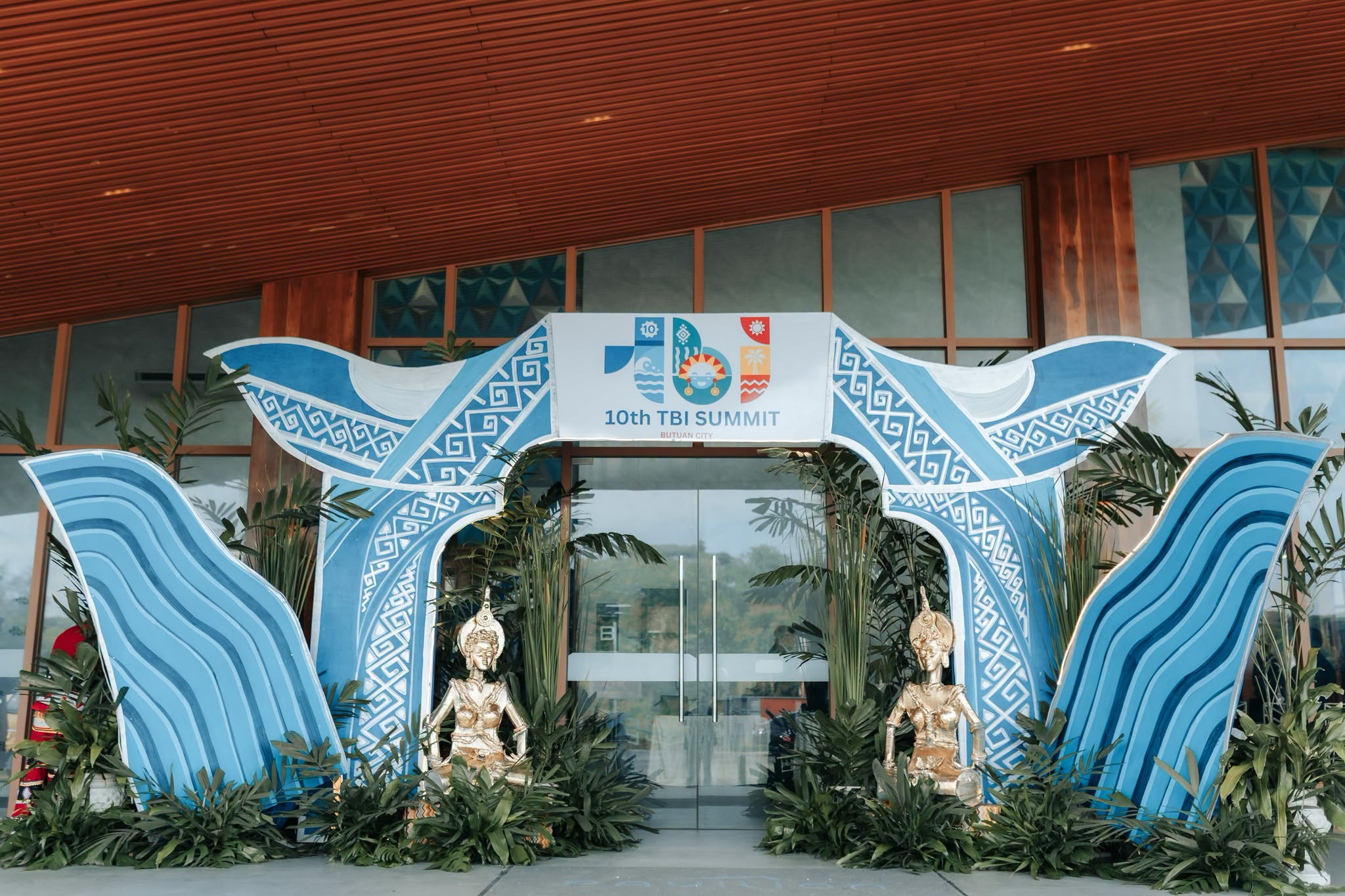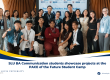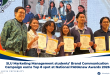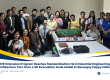

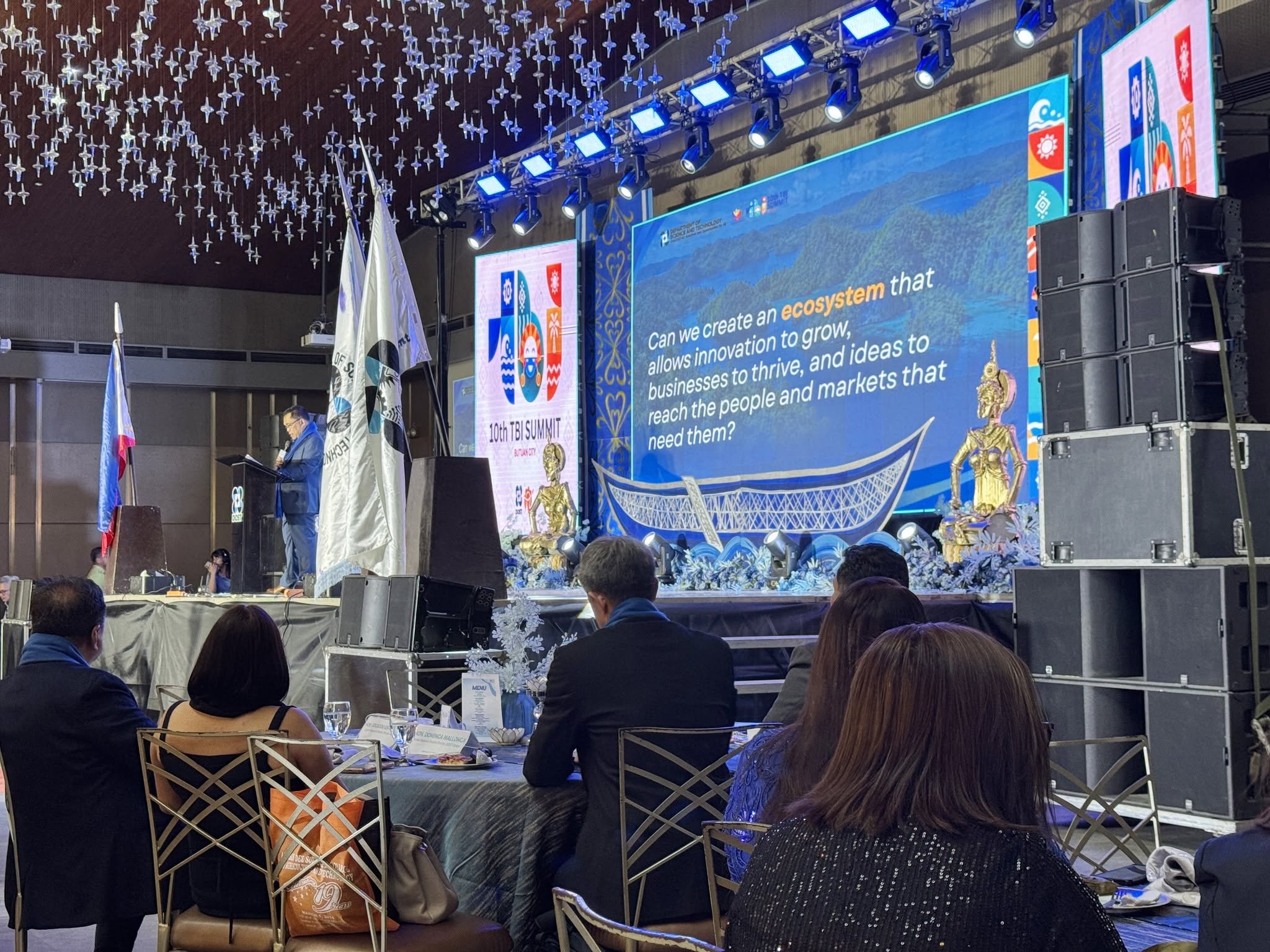
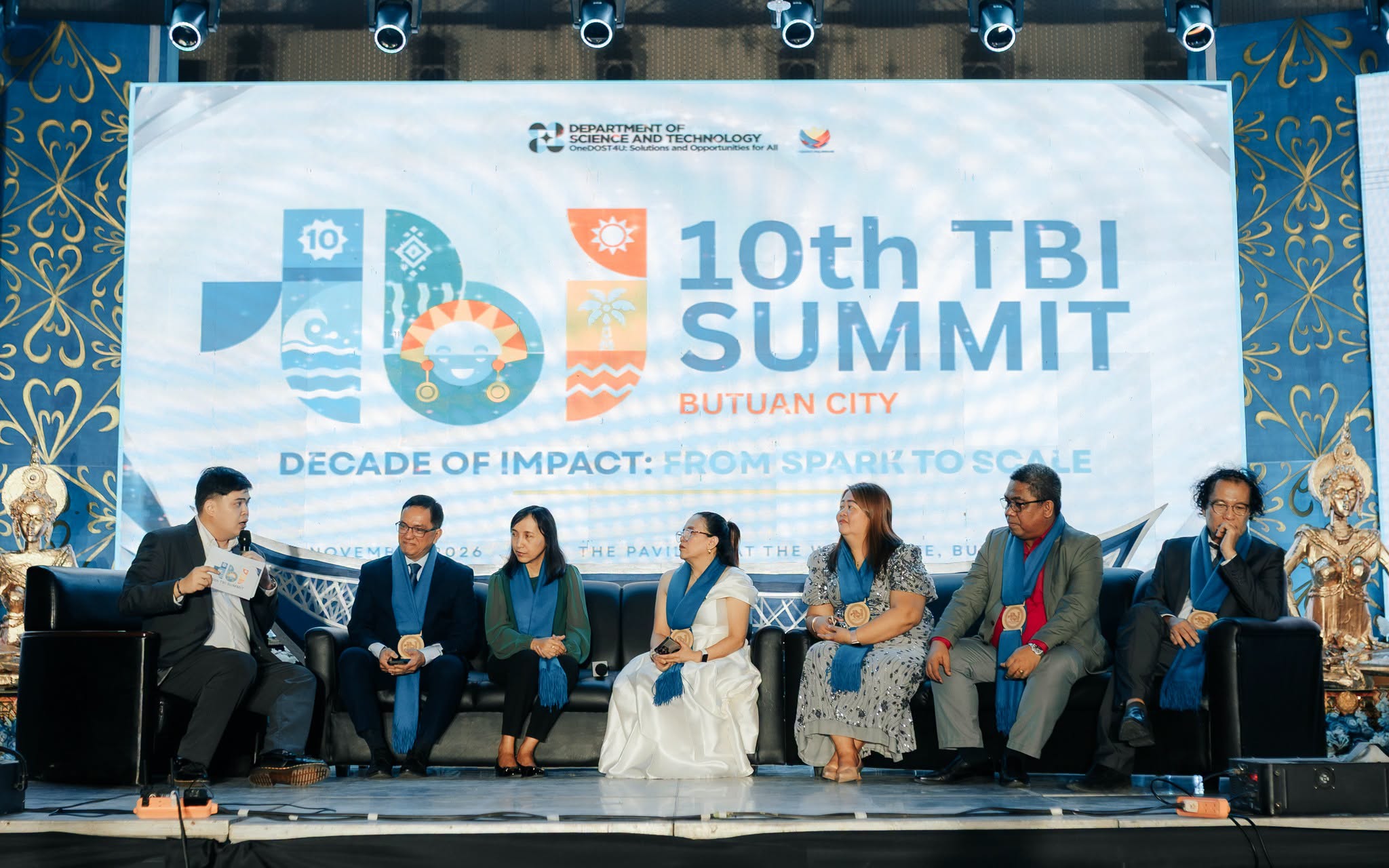
Saint Louis University (SLU) participated in a three-day series of activities from 12 to 14 November 2026 in Butuan City, anchored by the 10th National Technology Business Incubator (TBI) Summit of the Department of Science and Technology–Philippine Council for Industry, Energy and Emerging Technology Research and Development (DOST-PCIEERD).
Carrying the theme “Decade of Impact: From Spark to Scale,” SLU’s engagement directly supports SDG 8 (Decent Work and Economic Growth), SDG 9 (Industry, Innovation, and Infrastructure), and SDG 17 (Partnerships for the Goals) by fostering technopreneurship, research commercialization, and multi-sectoral innovation linkages. SLU was represented by Innovation and Technology Transfer Officer (ITTO) Engr. Melissa May M. Boado and former TBI Coordinator Engr. Maria Corazon D. Ocampo, participating as part of the DOST-PCIEERD Higher Education Institution Readiness for Innovation and Technopreneurship (HEIRIT) Program network.

On the opening day, 12 November, capacity-building sessions were held under the HEIRIT program at The Pavilion, Watergate Hotel, in Butuan City. The summit proper followed on 13 November. DOST Secretary Renato Solidum Jr. delivered the keynote, stressing that world-class innovation is not exclusive to Metro Manila and should be built on regional strengths. He also cited HEIRIT’s results from 2017 to 2025, which include 2,280 incubated startups, 8,598 jobs generated, and more than ₱2.17 billion in investments attracted, and announced the launch of an Expanded HEIRIT focused on TBI sustainability, commercialization, and innovation management. The delegation closed the series by attending the HEIRIT Conference on 14 November.
Baguio to host the next Summit
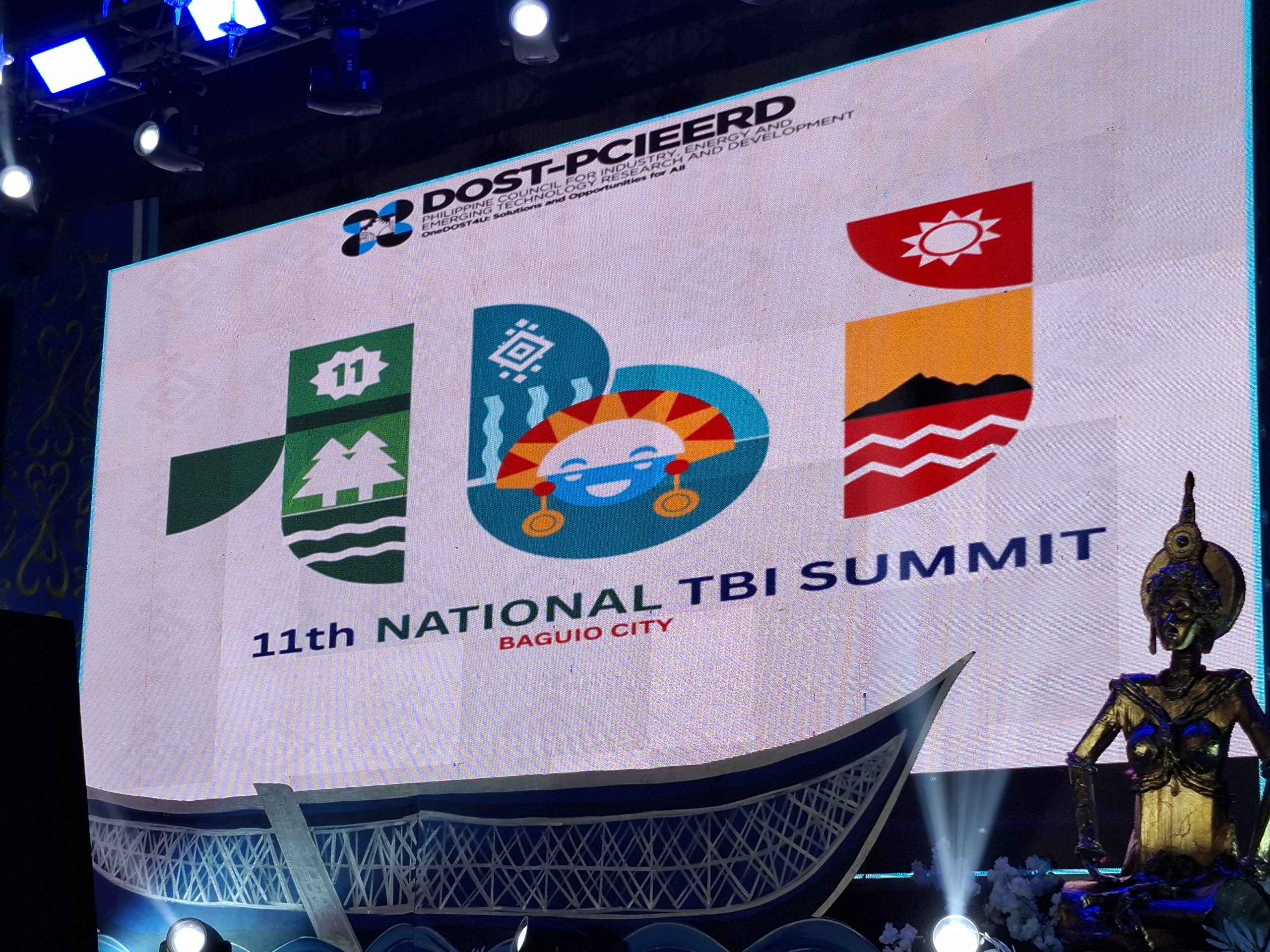
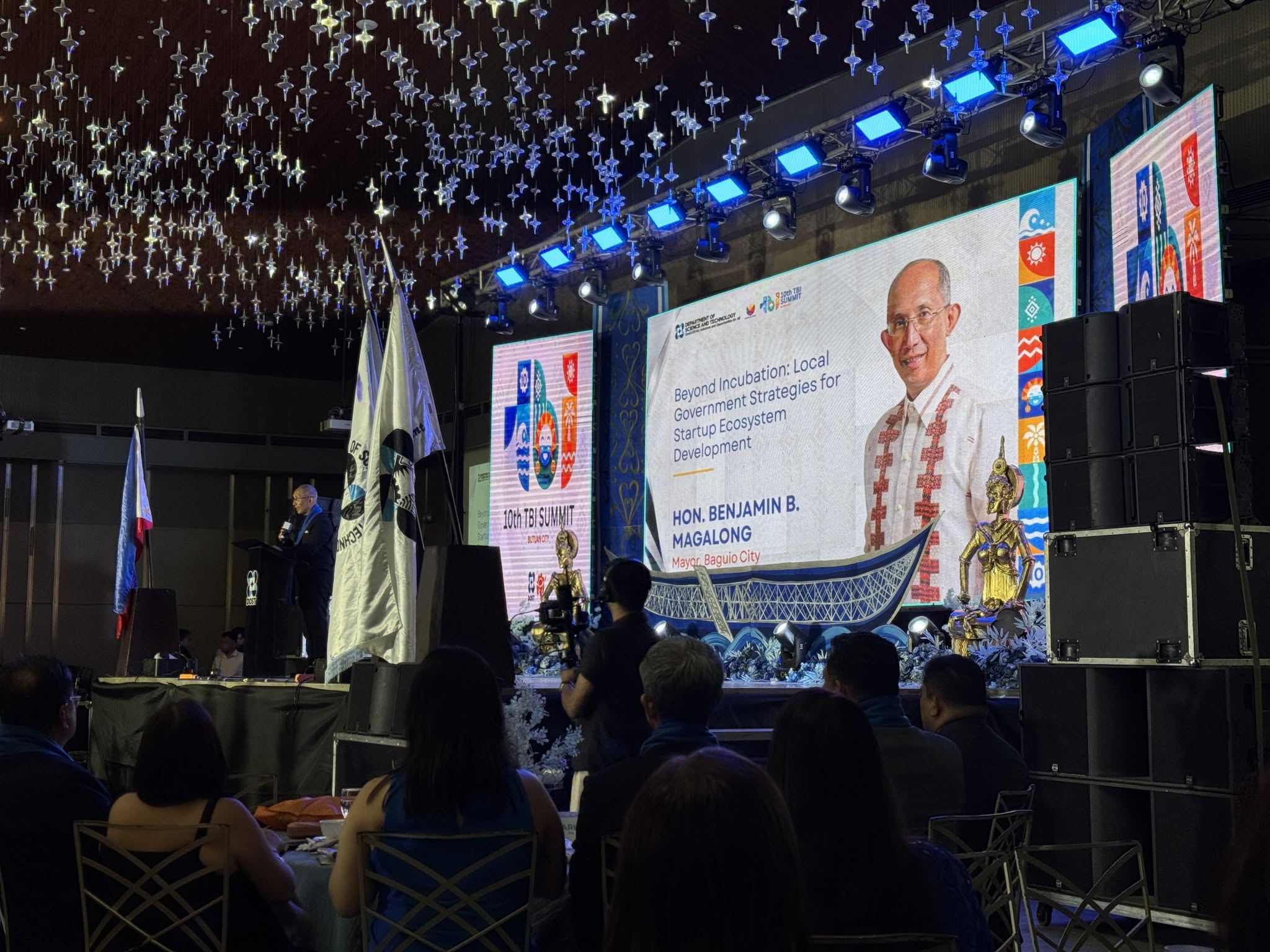
A highlight for the delegation was the address by Baguio City Mayor Benjamin Magalong, who spoke about the city’s annual funding of ₱3 million for innovation activities and its full support for the startup ecosystem. This commitment made a lasting impression on participants and DOST-PCIEERD’s Executive Director Dr. Julius Leaño Jr. This meant the nomination for hosting the 11th National TBI Summit in Baguio City.
A pipeline from classroom to startup
Across the sessions, institutions with mature incubators showed how they move students toward real ventures. Many start with industry partners “reverse pitching” real-world problems, so student teams begin from an actual market need rather than an idea in search of a customer. Some institutions have set up a dedicated commercialization arm with its own funding, and they draw on alumni networks to judge which startups are worth backing. Support does not end at graduation. Mentors are matched to founders, and incubation continues for up to two years afterward. Funding for the strongest ventures follows market demand, a venture-capital approach that keeps startups accountable to customers.
Keeping incubators alive beyond the grant
Sustainability was the other major thread. Participants described how other state universities and higher education institutions keep their TBIs running after the initial DOST-PCIEERD grant ends. The government often serves as the enabler, providing the platform, introducing stakeholders to one another, and helping startups reach private and public capital. Incubators also tend to specialize and refer startups to partner TBIs better placed to help them, and they share facilities and resources so that scaling does not depend on a single institution bearing the full cost. Strategic partnerships fill the remaining gaps.
The institutions that lasted, however, had made the TBI part of the university itself. Several secured a regular budget line to continue operations once the grant ended and opened full-time, permanent positions, so the incubator could retain its leadership and expertise. They also built foundations such as systems, policies, and facilities before chasing growth, and their presidents and governing boards stayed closely involved in the incubator’s direction.
SLU alumni behind the scenes
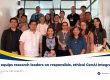
The delegation also met SLU alumni who now work at DOST-PCIEERD, including Engr. Aubrey Joy Capuyan, Engr. Kisha Picpican, Engr. Chrysler Kane Depnag, and Engr. Dylan Derrick Duran. In their own roles, they help carry the council’s programs for incubators, startups, and technology transfer across the country. Their work is a reminder that the University’s contribution to the innovation ecosystem extends beyond its campus through the graduates it has produced.
The Summit confirmed that lasting incubators need institutional commitment, dedicated staff, strong partnerships, and a clear path from classroom innovation to the market. With Baguio hosting the 11th Summit, SLU also has an opportunity to show its own incubator to the national community. (Article and Photos by SLU RISE Center)