Saint Louis University’s Research, Innovation, and Sustainable Extension (RISE) Center hosted a four-day research training session for research students in the School of Accountancy, Management, Computing, and Information Studies (SAMCIS) via Zoom on 12, 15, 17, and 19 September 2026.
On 12 September 2026, over 170 student-researchers from SAMCIS attended the first day of their training facilitated by SAMCIS faculty member Ms. Lorraine B. Ngaosi, with RISE Center Innovation and Technology Transfer Officer (ITTO) Engr. Melissa May Boado as the first resource speaker. The session focused on the aspects, components, and history of intellectual property, emphasizing that it exists to protect and grant exclusive rights to certain works under RA 8293, the Intellectual Property Code of the Philippines.
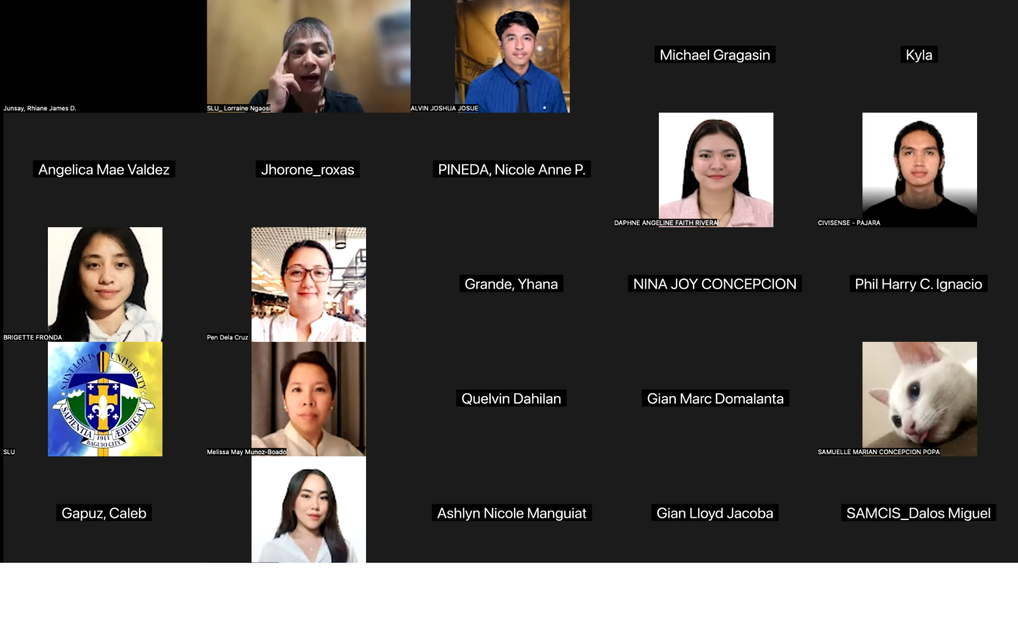
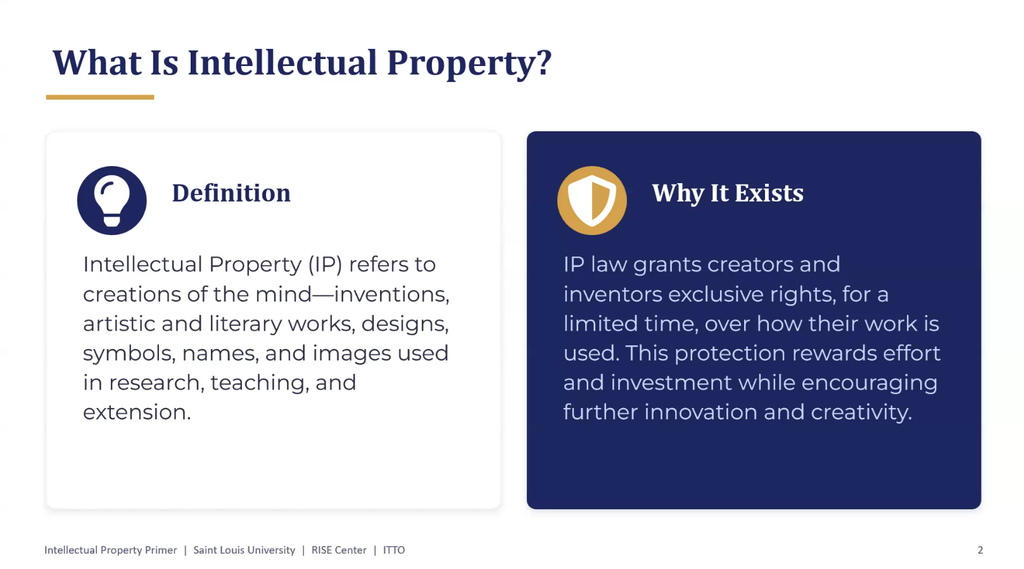
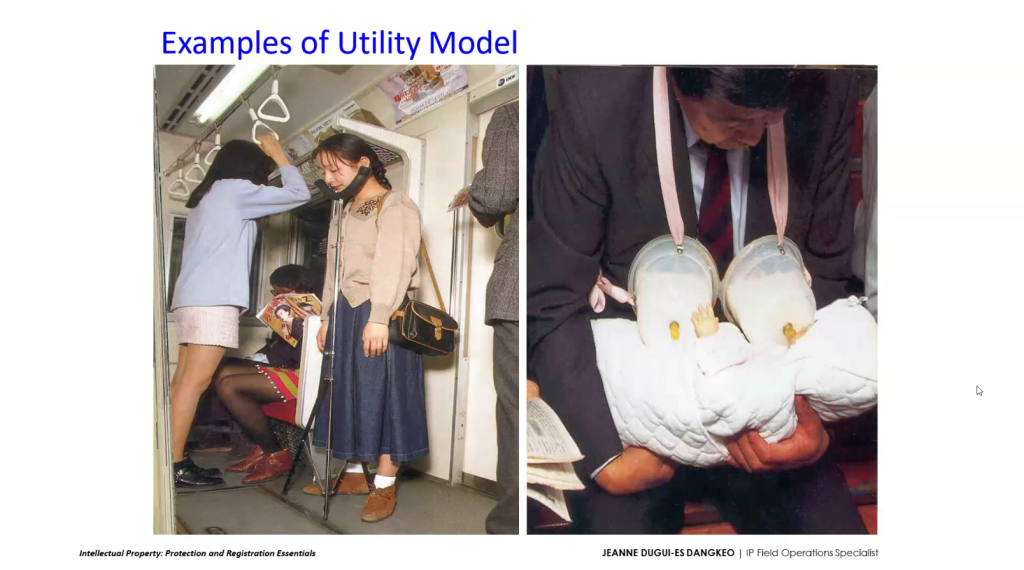
Engr. Boado shed light on innovation and creativity, statutory classes of invention, and the facets of patents and technology. She also taught the fields of utility models and industrial design, including their criteria, conditions, applications, and steps. She ended her lecture on copyright protection and ownership, again emphasizing its importance.

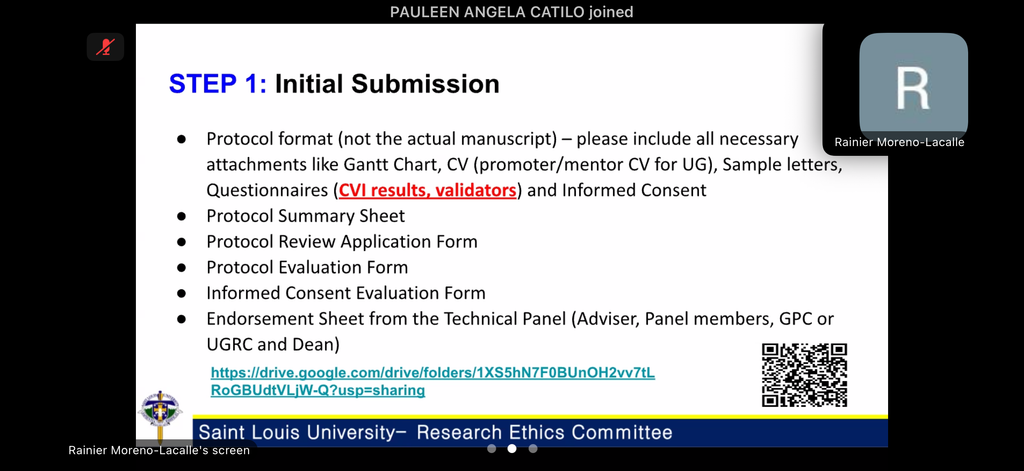
The next portion of the session was held on 15 September 2026, with the Chairperson of the SLU Research Ethics Committee (SLU-REC), Rainier C. Moreno-Lacalle, PhD, RN, highlighting the ethical responsibilities in conducting research. Dr. Moreno-Lacalle gave a brief walkthrough on the SLU-REC’s guidelines, objectives, and functions as an advocate for research integrity and participants’ welfare in education. Explaining the Committee’s six-step process and requirements, he also answered frequently asked questions about the ethics process.
Dr. Moreno-Lacalle clarified that ethics is defined by the national ethical guidelines published by the Department of Science and Technology and that these guidelines meet certain criteria. Encouraging the ongoing submission of research and protocols for ethics clearance, he concluded his discussion with a few reminders and details to keep in mind.

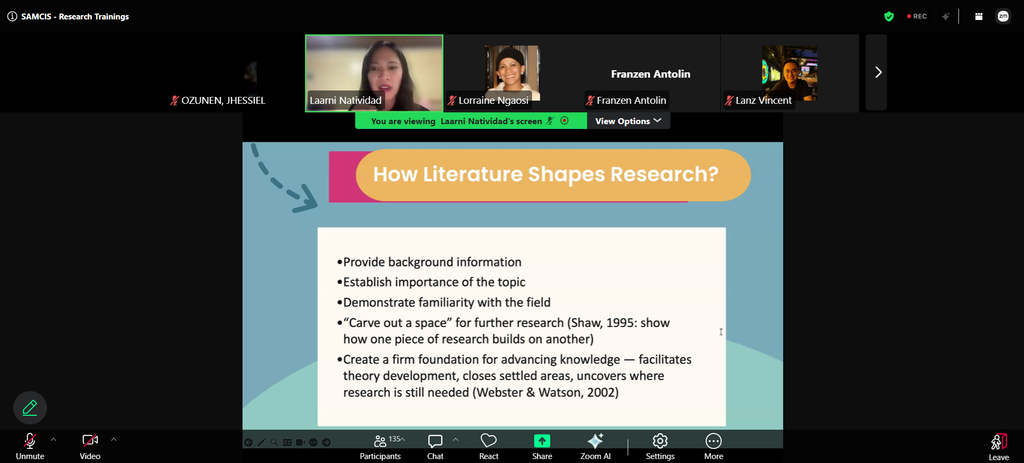
On 17 September 2026, the session continued with RISE Center’s Research Capacitation & Services Officer Laarni Natividad, PhD. Her presentation centered on the role of scholarly literature in the research process and the importance of carefully evaluating sources before using them in academic work. Dr. Natividad explored the areas of publication workflow and journal selection, including the role of literature reviews. The discussion ended focusing on identifying and avoiding predatory journals, which may make misleading claims about indexing, peer review, or impact factors. Participants were advised to independently verify journal credentials and indexing claims and to be cautious about unusually fast publication, suspicious websites and invitations, and questionable research practices. This discussion emphasized responsible journal selection as an essential part of research.
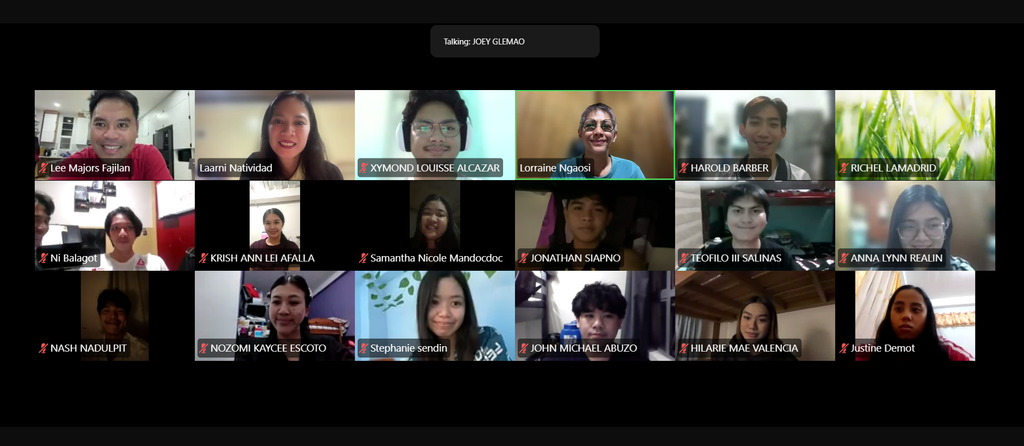
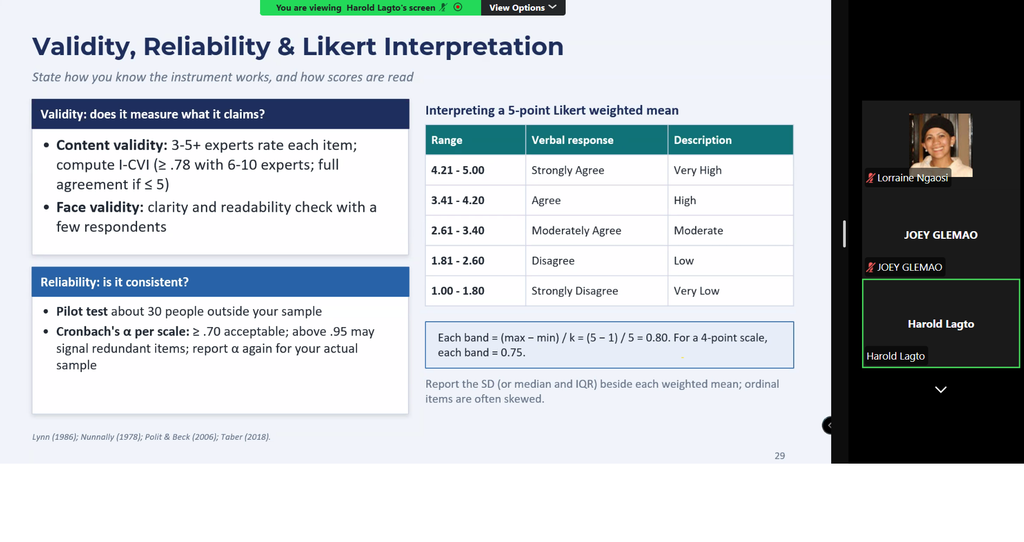
The last day of the training session was held on 19 September 2026 via Zoom meeting as well. Facilitators: Ms. Lorraine Ngaosi and Josephine Dela Cruz, PhD of the SAMCIS Faculty, were present to give the opening remarks, prayer, and introduction, with SLU RISE Center Institutional Studies and Research Methods officer, Engr. Harold Lagto as their resource speaker.
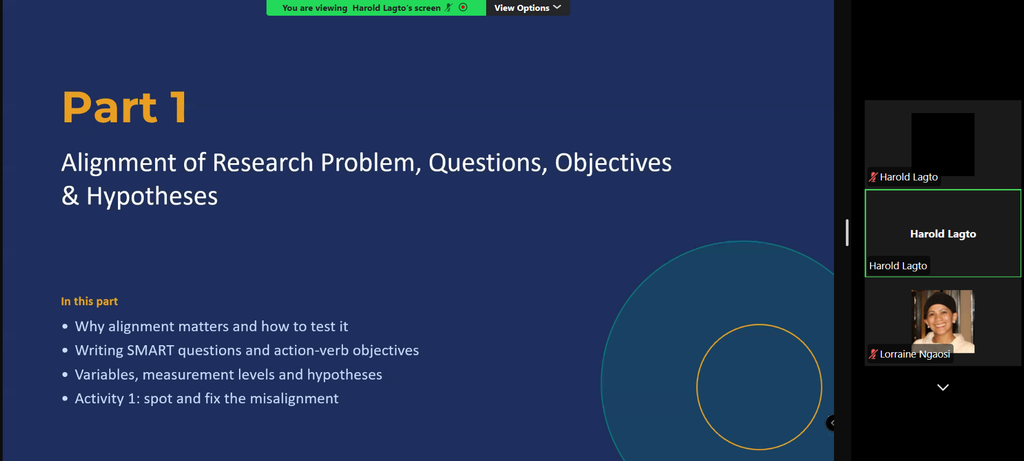
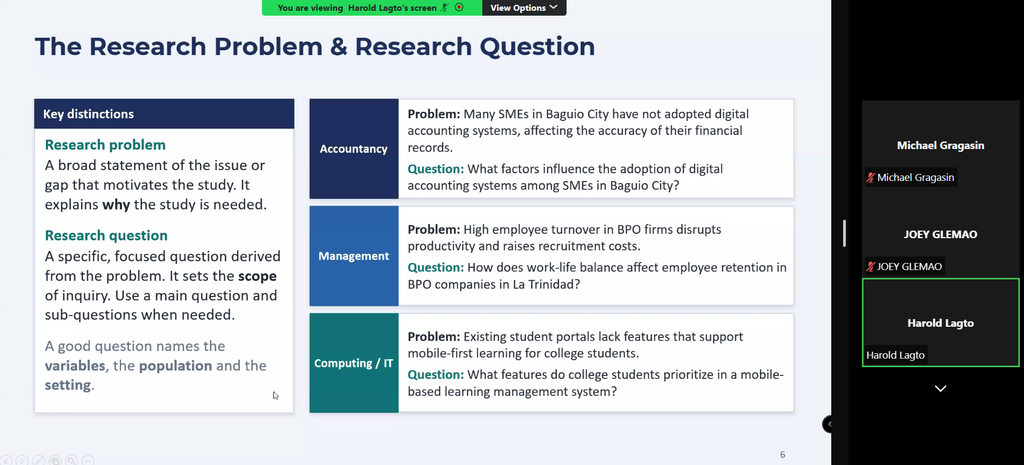
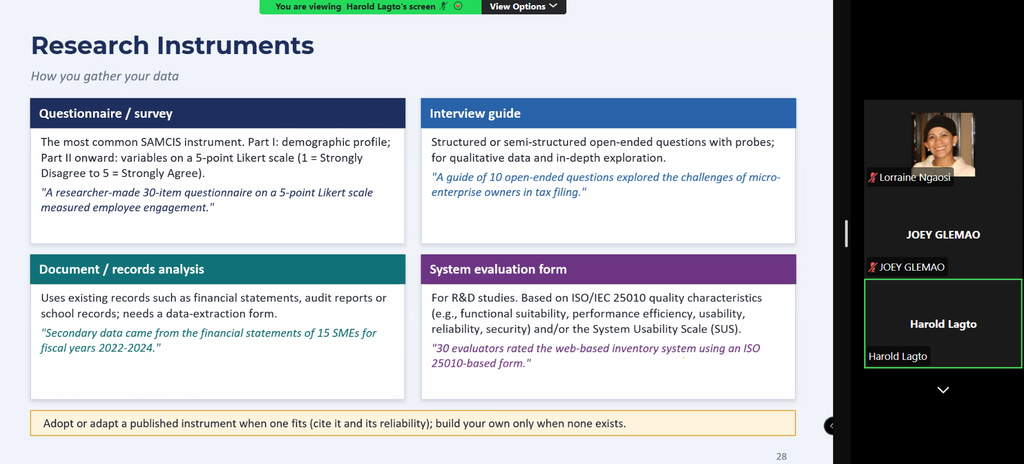
Engr. Lagto’s presentation was on the importance of maintaining clear alignment among the research problem, questions, objectives, hypotheses, and methodology. The SAMCIS student-researchers learned that each part of a study should connect logically, with variables consistently reflected in the research problem, data collection, and statistical analysis. The session emphasized that poor alignment can lead to revisions during research evaluation and defense.
The discussion also covered different research objectives, including descriptive, correlation, comparative, and developmental objectives. The students learned how to identify independent and dependent variables and determine their levels of measurement to select appropriate statistical tools. Engr. Lagto explained that hypotheses must be clear, neutral, testable, and consistent with the research questions and objectives. Engr. Lagto stated that successful research depends on maintaining consistency and logical connections throughout the entire study, concluding the 4-day research training session.
This initiative directly aligns with Sustainable Development Goal 4 (Quality Education) by enhancing the research capabilities, ethical standards, and academic rigor of student-researchers. Furthermore, by promoting intellectual property awareness, sustainable innovation, and structured research methodologies, the program supports SDG 9 (Industry, Innovation, and Infrastructure) and SDG 17 (Partnerships for the Goals) through collaborative efforts between SLU RISE Center and SAMCIS. (Photos and Article by Joey G. Glemao, SLU RISE Center Intern)