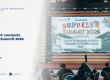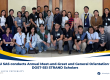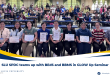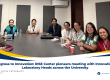
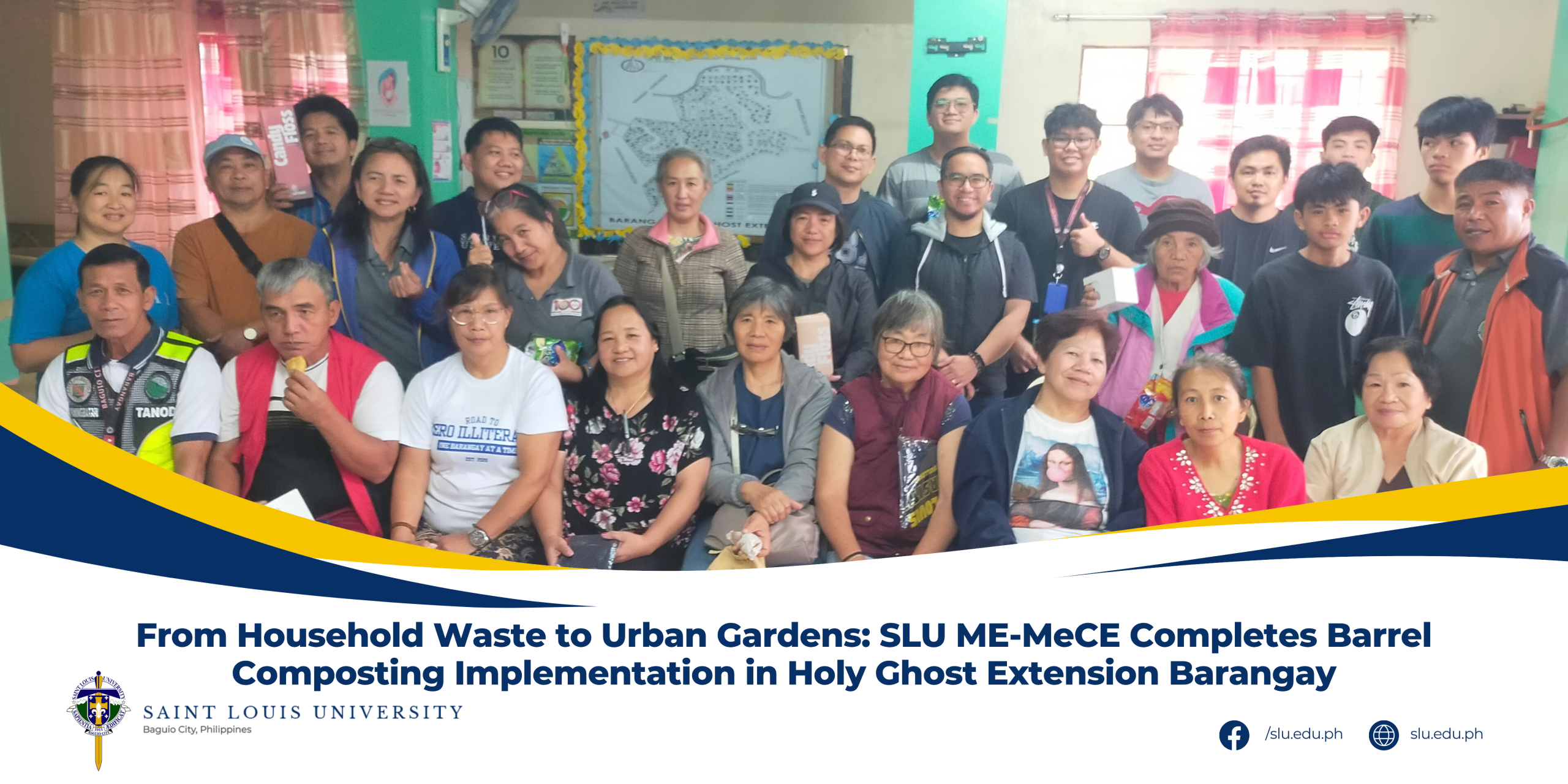
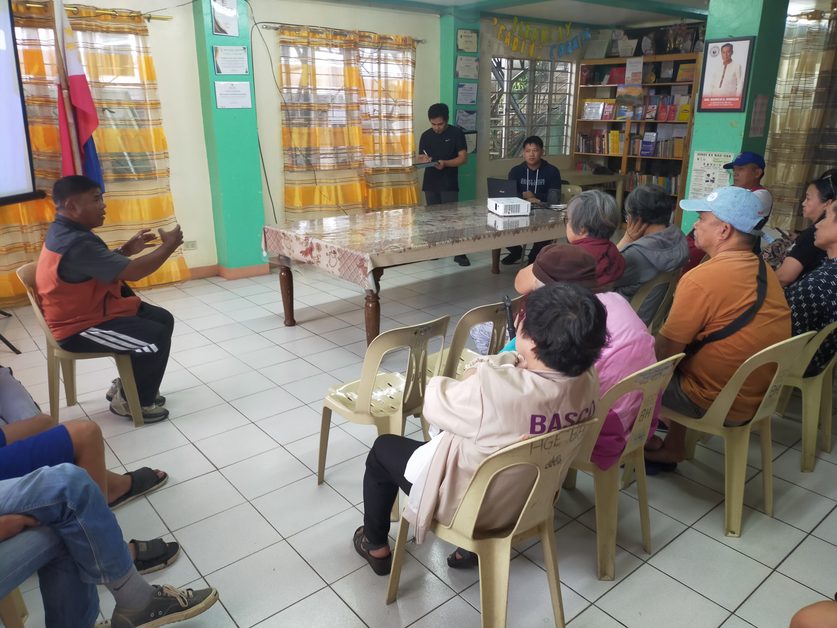
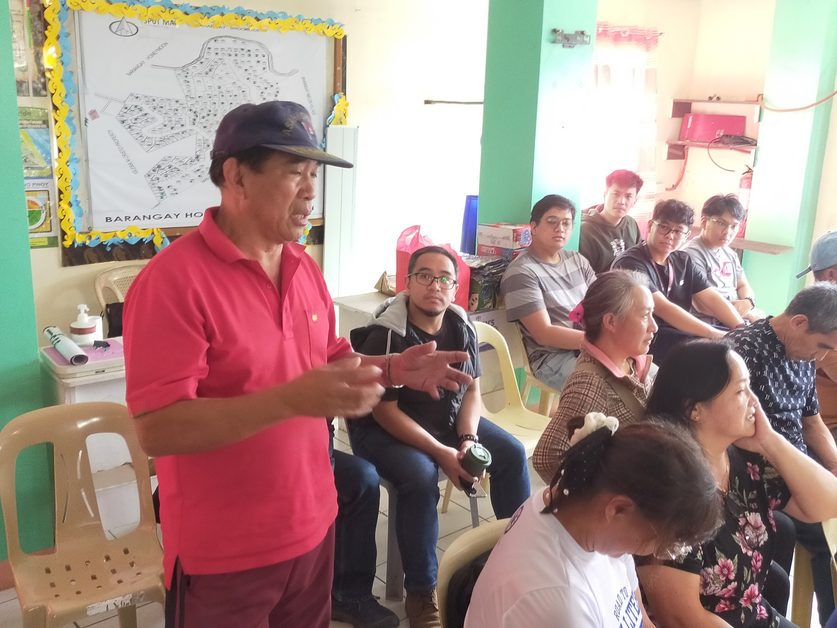
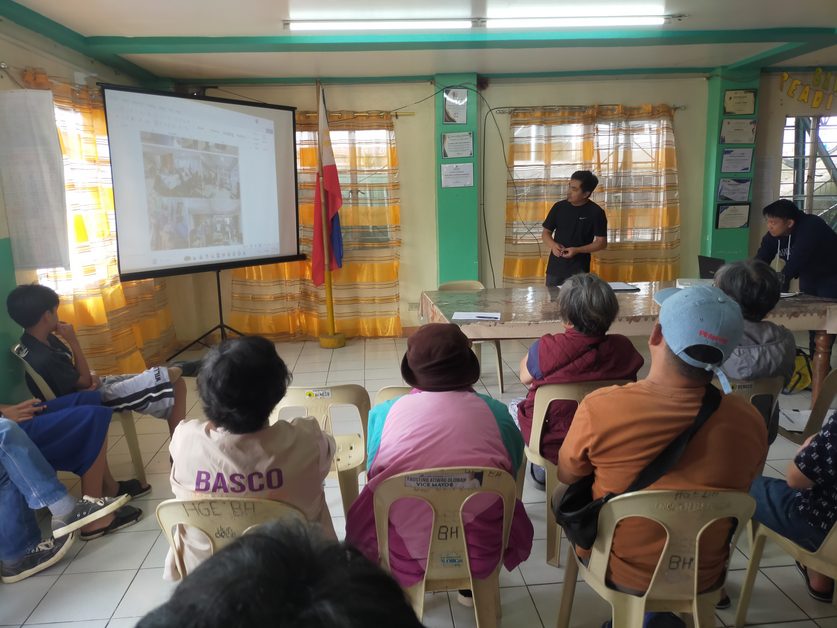
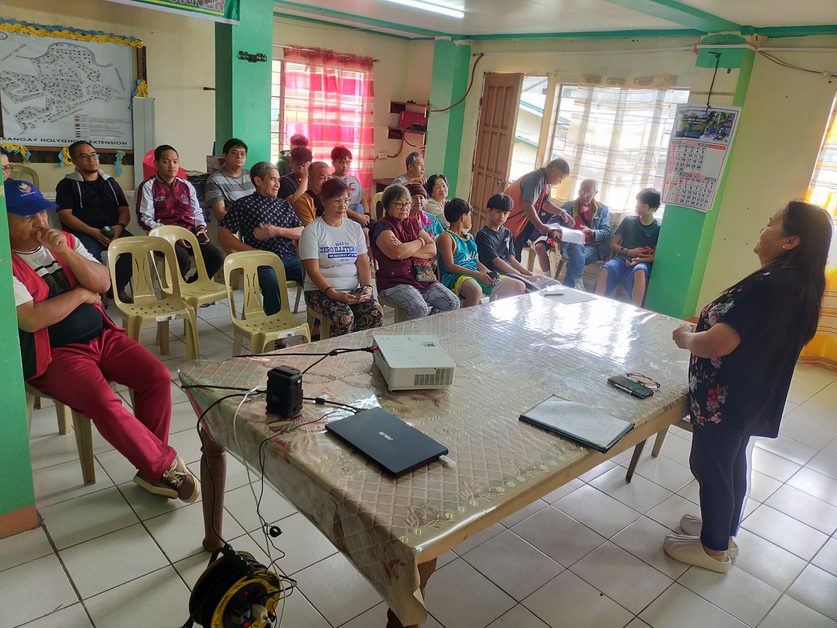
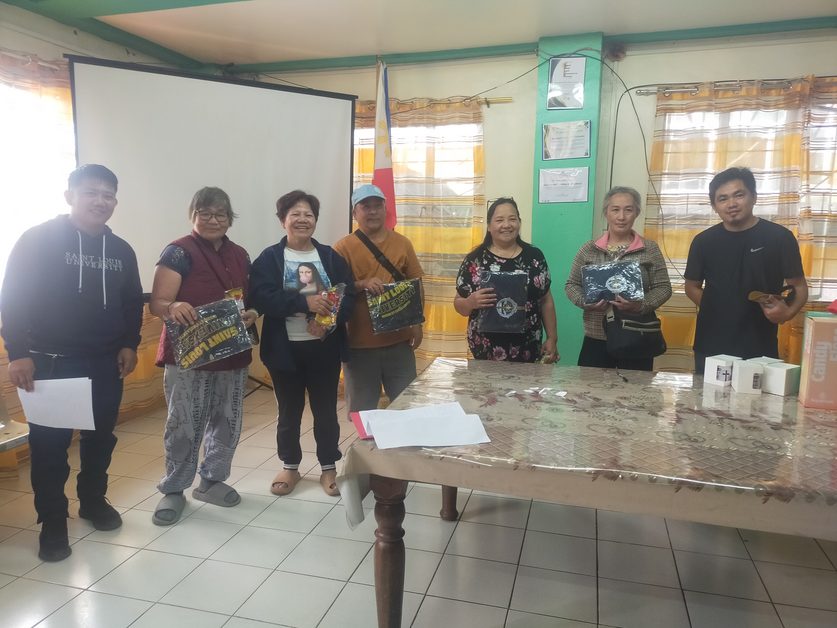
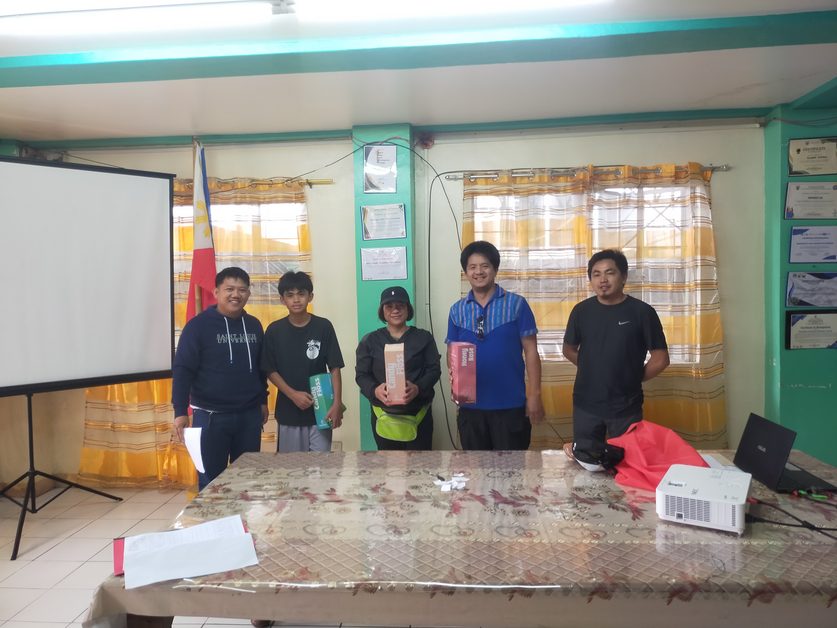
The Department of Mechanical and Mechatronics Engineering (ME-MeCE) of Saint Louis University’s (SLU) School of Engineering and Architecture (SEA) held the culminating activity of its community extension program, “Compost Monitoring, Quality Assessment, and Compost Application: Promotion of Urban Gardening in Holy Ghost Extension Barangay, Baguio City” on 02 October 2026 at Holy Ghost Extension, Baguio City.
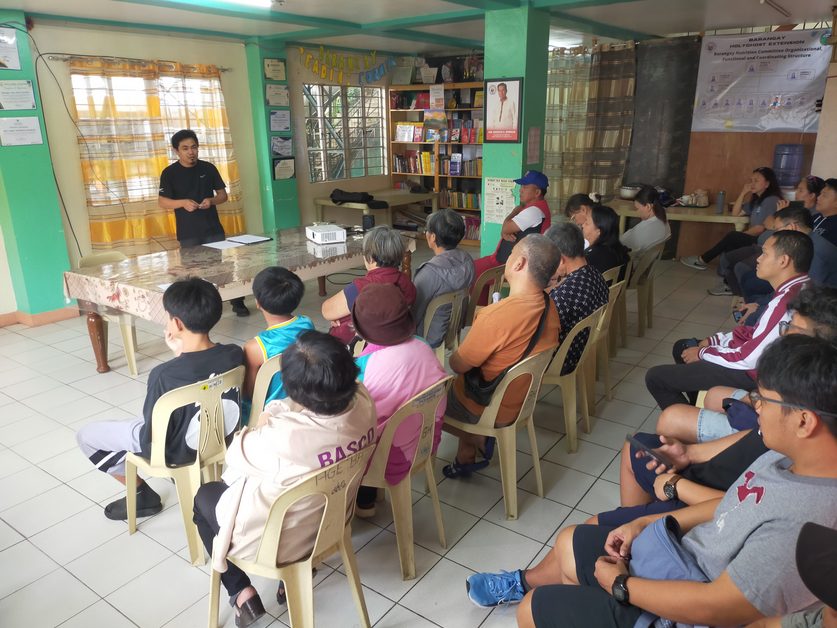
The important milestone brought together extensionists, barangay officials, and community residents to review the composting program’s achievements and prepare for the next phase. A refresher on the proper operation and maintenance of the composting barrels was conducted, with particular attention to appropriate biowaste loading, the balance of brown and green materials, and adequate moisture and aeration, all of which are central to producing good-quality compost. Laboratory results were also presented on the chemical characteristics of compost made from household biodegradable waste, including nutrient-related parameters such as nitrogen, phosphorus, and potassium, as well as selected heavy-metal concentrations, providing the community with scientific evidence of the compost’s quality.
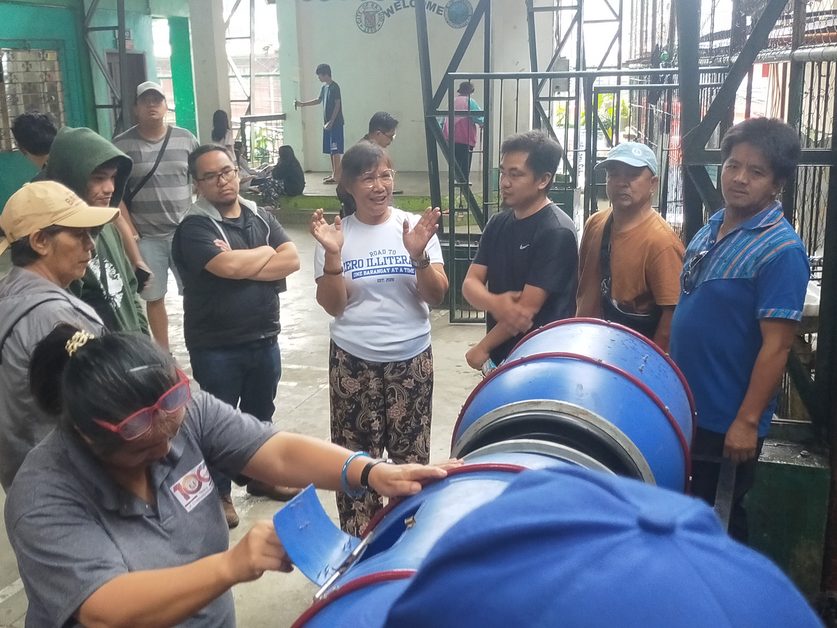
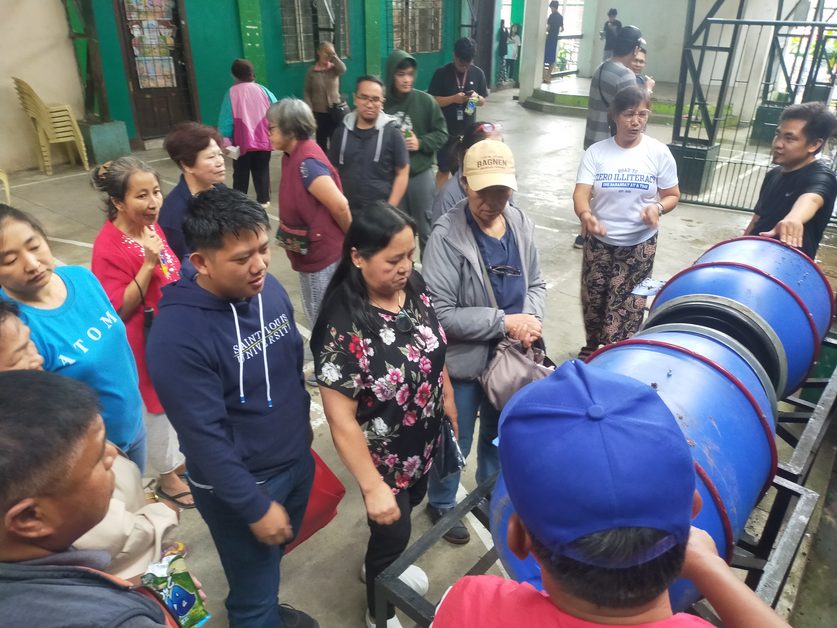
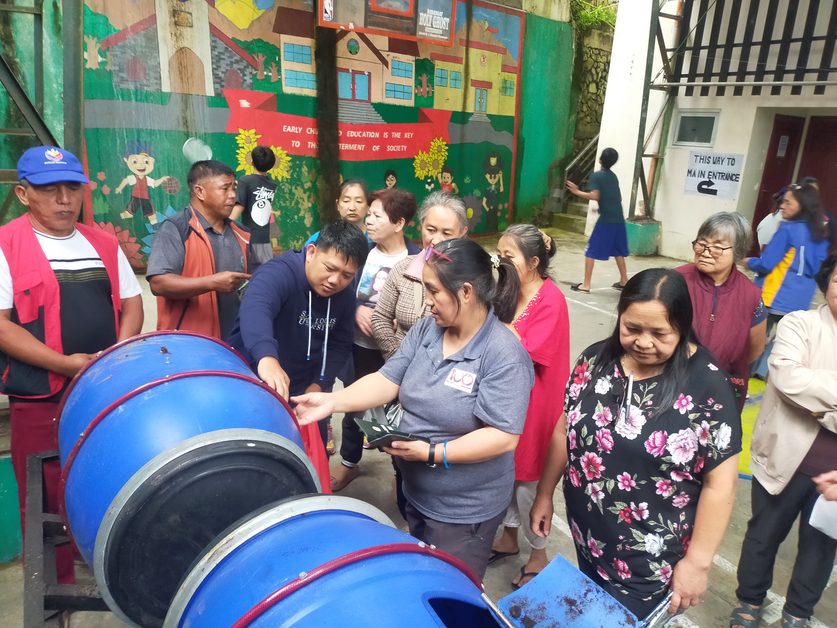
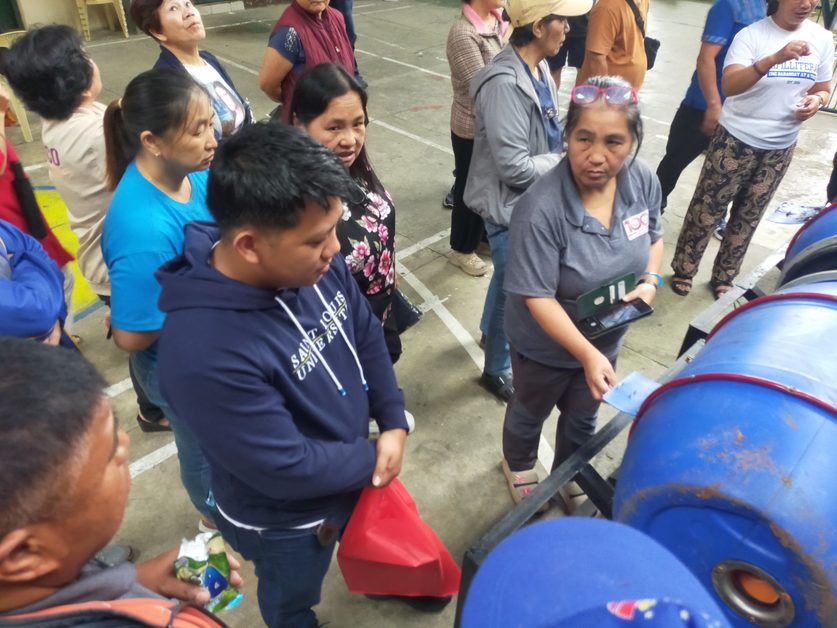
The activity ended with a Focus Group Discussion (FGD) in which participants shared their experiences, observations, challenges, and recommendations on using and maintaining the composting system, giving the project team a practical basis for improving the program and for the impact assessment that follows.
From Implementation to Impact Assessment
Although the 2 October activity marked the completion of the implementation phase, SLU’s engagement with Holy Ghost Extension Barangay continues. The project is proceeding with an impact assessment to determine the environmental, social, and economic outcomes of the barrel composting and urban gardening program. It will examine biodegradable-waste diversion, compost production and utilization, community participation, adoption of composting practices, and the contribution of composting to urban gardening.
About the Program
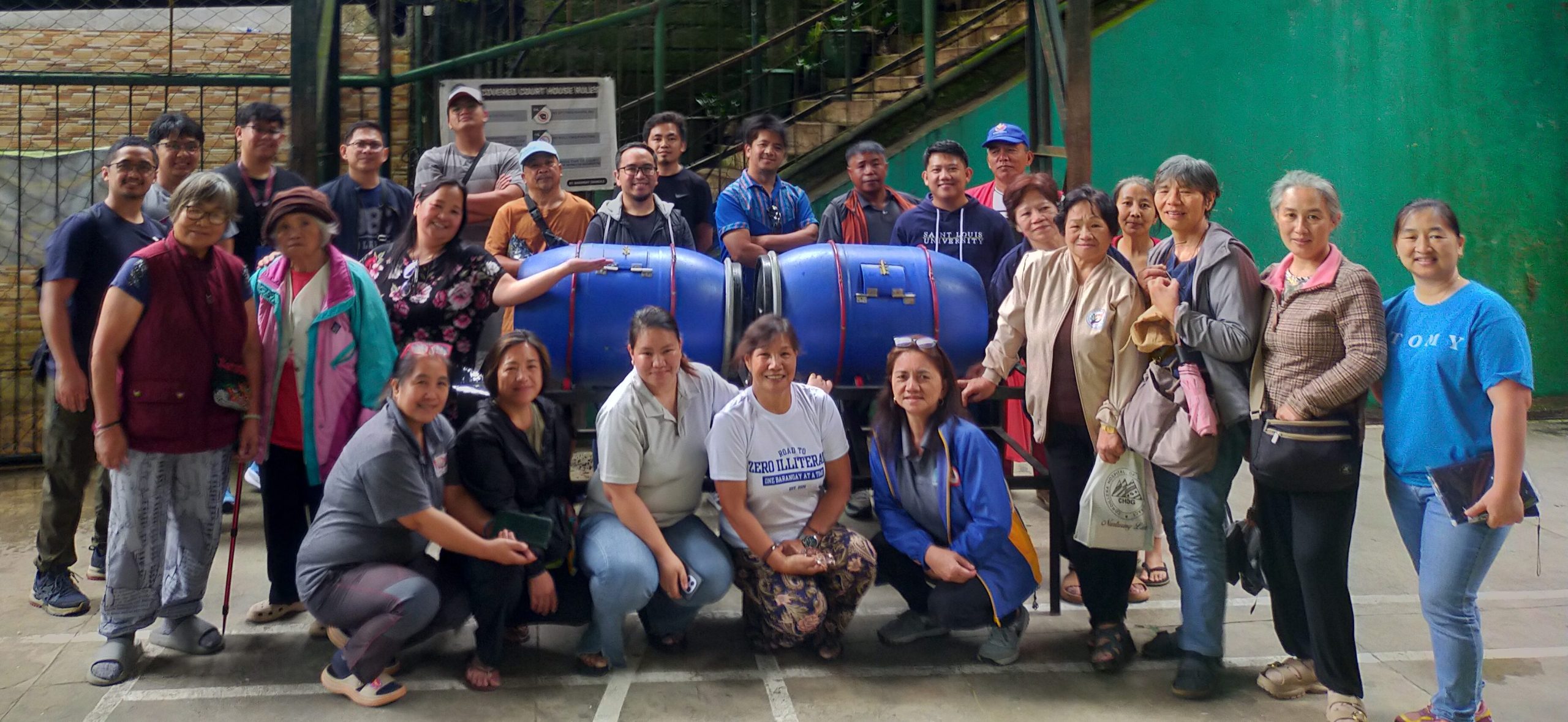
The program promotes decentralized waste management and urban gardening through barrel composting technology suited to a high-density urban community. Carried out in multiple phases since 2019, it has brought together SLU faculty members, students, and barangay officials to promote practical, sustainable ways to manage household biodegradable waste.
The initiative is technically anchored on foundational research by Engr. Marcelino Lunag, which served as an important basis for developing and applying the composting approach in the community.
The project contributed to several United Nations Sustainable Development Goals (SDGs). Promoting localized waste management and sustainable urban gardening in an urban community supports SDG 11 (Sustainable Cities and Communities), Target 11.6. By treating household biodegradable waste as a resource that can be turned into compost rather than discarded, it advances SDG 12 (Responsible Consumption and Production), Target 12.5. Improved management of biodegradable waste also contributes to climate-conscious waste practices by reducing the organic material that requires disposal, in line with SDG 13 (Climate Action). Finally, the collaboration among Saint Louis University, barangay officials, community residents, faculty members, and students in addressing a shared environmental concern reflects SDG 17 (Partnerships for the Goals), Target 17.17. (Article and photos by ME-MeCE, SEA)