
Saint Louis University’s Research, Innovation and Sustainable Extension (SLU RISE) Center once again shared its knowledge and expertise during the RISE Center Information Caravan on 10 October 2026 at Fr. Theophile Verbist Hall, SLU Sacred Heart Medical Center (SHMC).
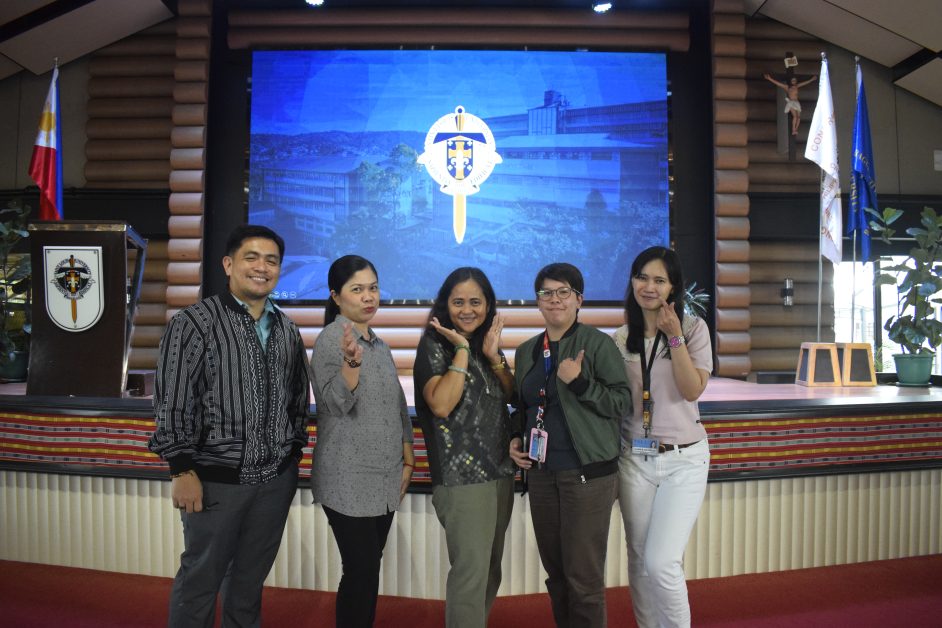
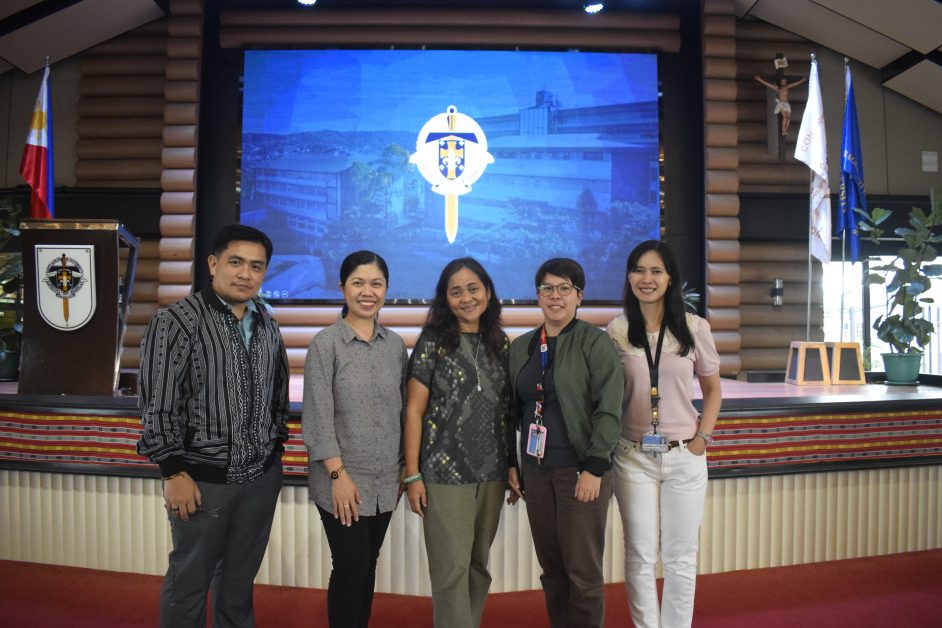
Attended by School of Nursing, Allied Health, and Biological Sciences (SONAHBS) faculty, the session was led by Dean Ann Opina, PhD, and Associate Dean Allan Espiritu, PhD.
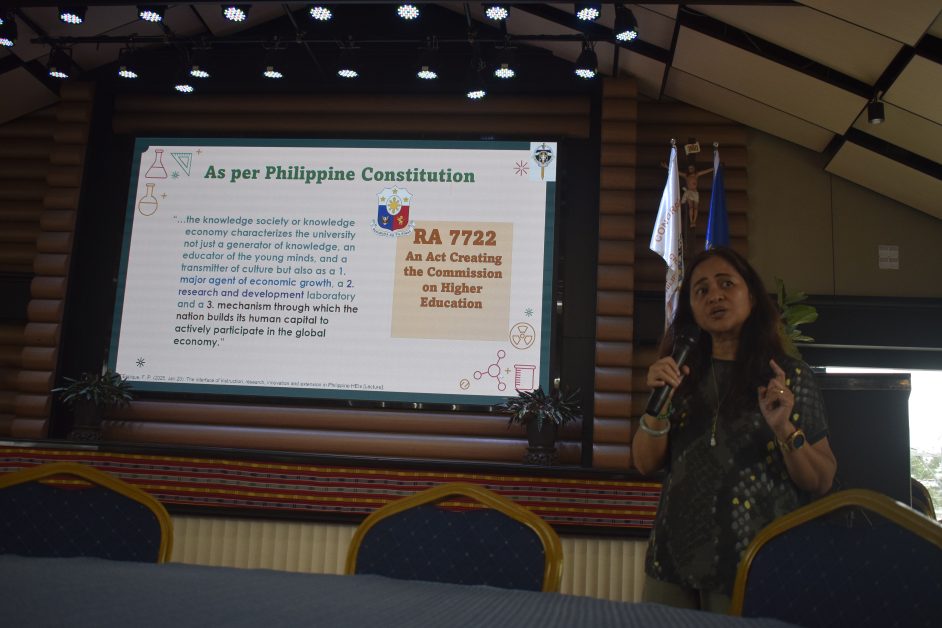
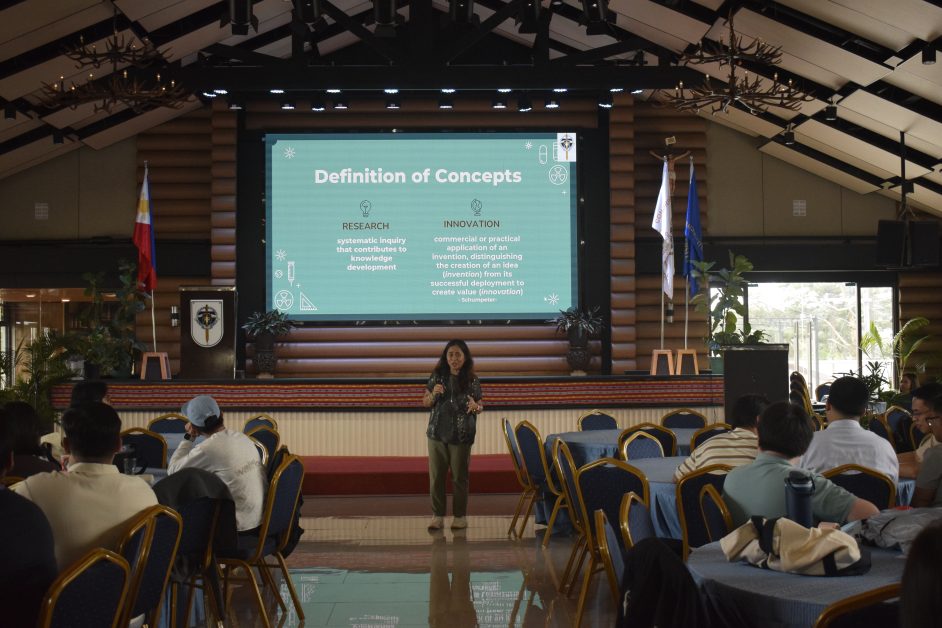
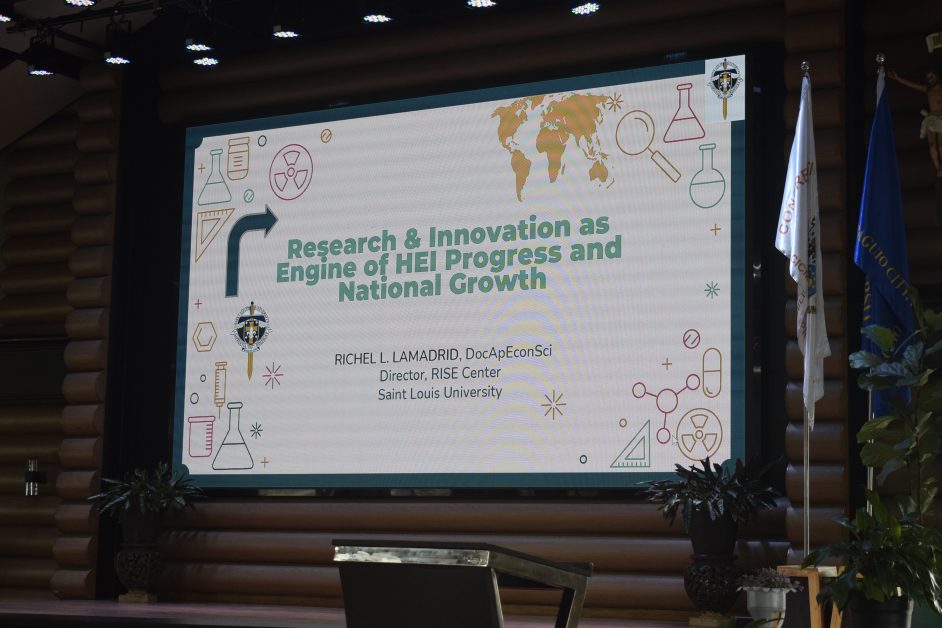
The program opened with RISE Director Richel Lamadrid, PhD, presenting the center’s functions and the importance of Scopus publications. She emphasized the university’s goal of producing 100 publications annually and commended SONAHBS for its consistent pursuit of honor and excellence.
Research and Publication Updates
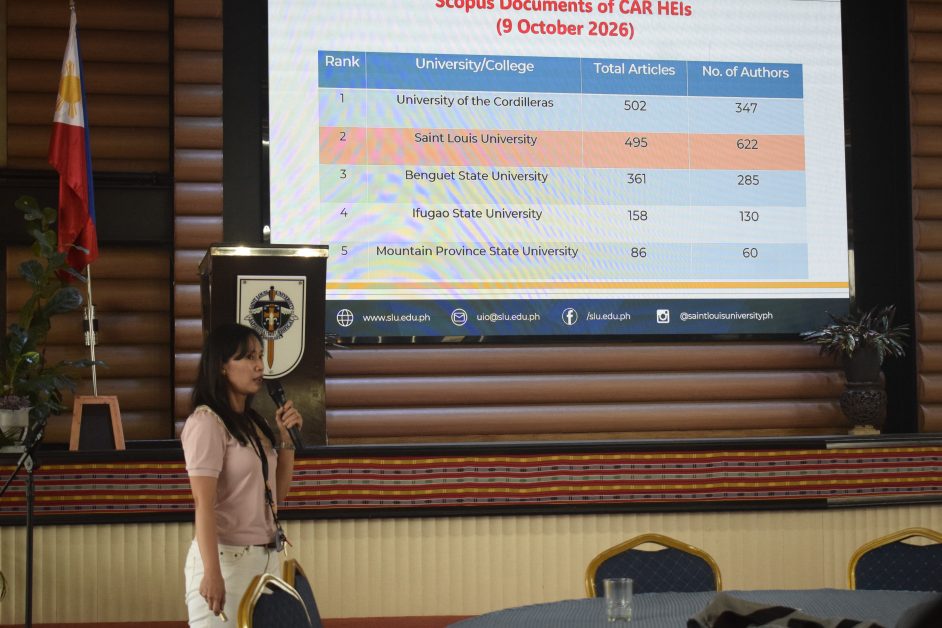
Laarni Natividad, PhD, Research Capacitation and Services Officer of SLU RISE Center, presented updates on research and publication. She shared that the Philippines ranked sixth among 11 Southeast Asian countries in Scopus publications. In addition to the university’s annual target of 100 publications, each school is encouraged to contribute 20 publications.
Among higher education institutions in the Cordillera Administrative Region (CAR), SLU ranks second, with 495 Scopus documents and 622 authors. SONAHBS was commended for its research contributions, including four Scopus publications in the past year. For School Year 2025–2026, the school recorded 386 outputs, including 158 completed research outputs.
She also discussed the importance of literature in the research process, from identifying problems to screening data and sources. She highlighted reliable journal databases and updated publication support for main authors and external collaborators. These include increased Scopus incentives based on quartiles, non-Scopus incentives for autonomous publication, and first-time submission incentives.
Another initiative is the Research Faculty Grant, which will be implemented next school year. Open to full-time faculty, the grant provides one year for research and publication, covering two regular semesters and one short-term semester, with a 12-unit teaching deloading. She also discussed existing grants for manuscript writing, thesis and dissertation, mentoring, and internal research.
Representing Engr. Harold Lagto, Dr. Natividad presented the institutional studies and research services available through the center. These include consultations, statistical assistance, validity and reliability testing, and mentoring. She encouraged faculty to seek assistance and emphasized the importance of content validity before ethics review.
Research Ethics and Responsible Practices
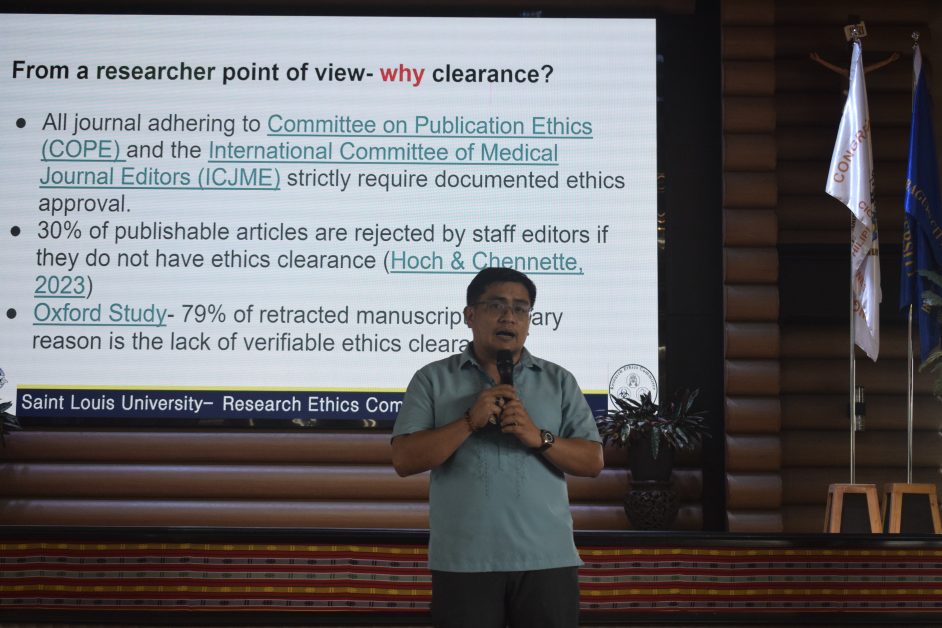
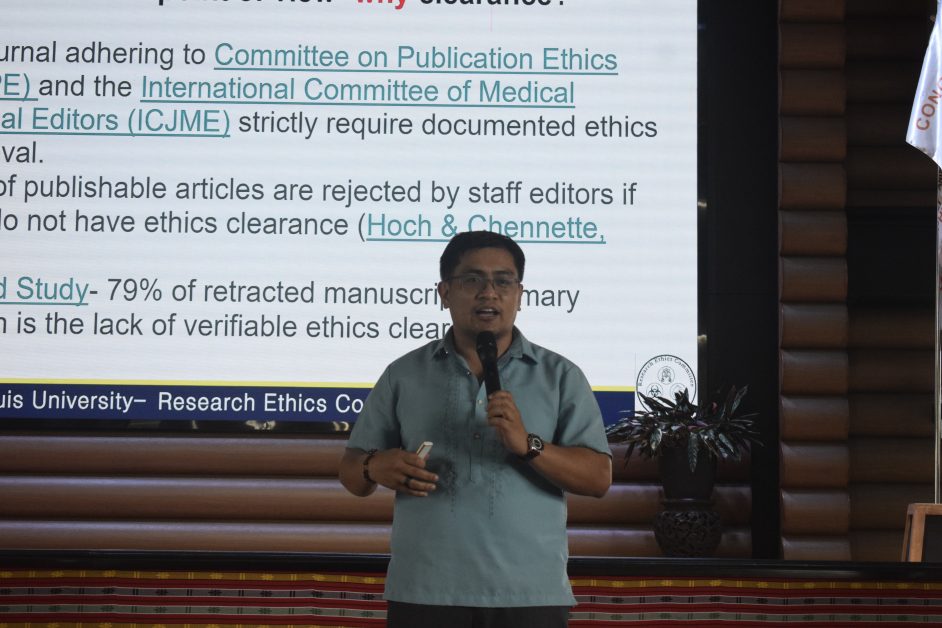
Rainier Moreno-Lacalle, PhD, Chair of the Research Ethics Committee (REC), discussed research ethics and responsible practices. His presentation introduced the Institutional Animal Care and Use Committee (IACUC), encouraged REC submissions, and presented the new online review system.
Dr. Moreno-Lacalle introduced the IACUC, which took effect in August of the current academic year. The committee is chaired by Leonard A. Guinguino, with Mary Luz C. Fiangaan as co-chair. Its members include Dr. Elizabeth L. Tangangco, attending veterinarian, Christopherson P. Mata, who handles the scientific aspect, and Joevelin Pagaduan from the janitorial department.
The committee aims to strengthen the credibility of animal research, expand publication opportunities, recognize researchers’ efforts, maximize university resources, and increase grants and incentives. It also completes the university’s research ethics framework covering human participants, animals, and biosafety. The committee will adopt the Replace, Reduce, and Refine framework while developing its submission process, drawing on the experiences of the University of the Philippines Manila and Benguet State University.
He also demonstrated the new online submission system, which is expected to be implemented by November of the current academic year. The system will reduce the initial six-step process to four steps.
Sustainable Research Extension
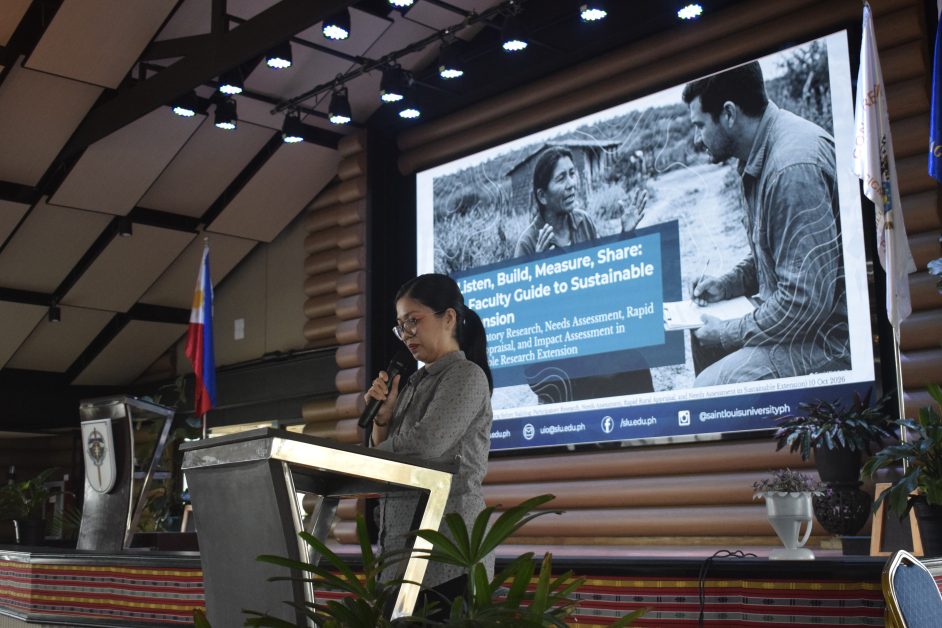
Jeramie Molino, PhD, Sustainable Research Extension Officer, presented “Listen, Build, Measure, Share: A Faculty Guide to Sustainable Research Extension.”
She opened with a question: “When we design an extension program, how do we know what the community actually needs?”
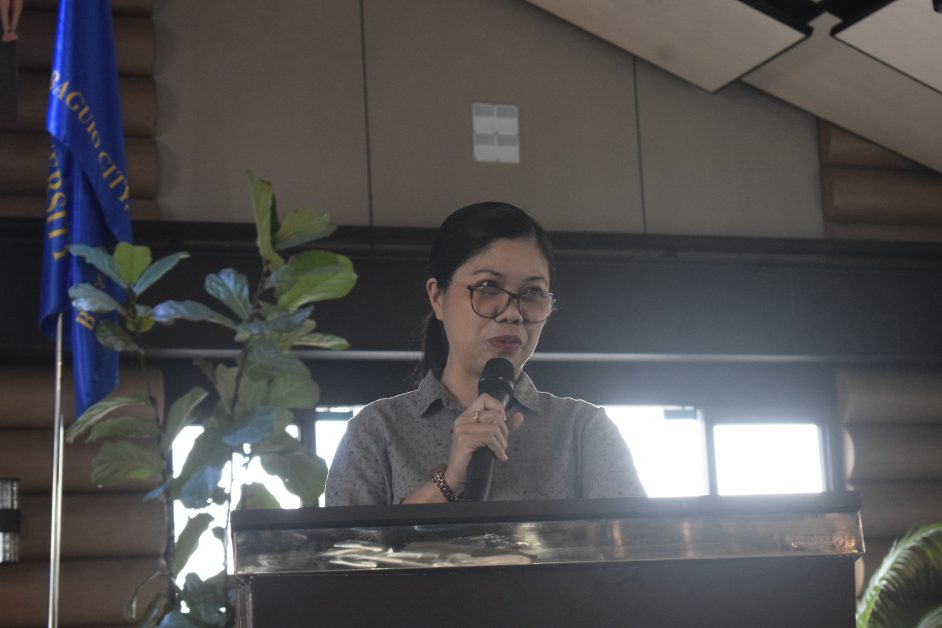
Dr. Molino explained that beyond sound methodology, extension projects express genuine accompaniment with communities, especially in a mission-driven institution. She discussed participatory research, needs assessment, and Rapid Rural Appraisal (RRA) as essential approaches to sustainable extension programs.
Intellectual Property and Technology Transfer
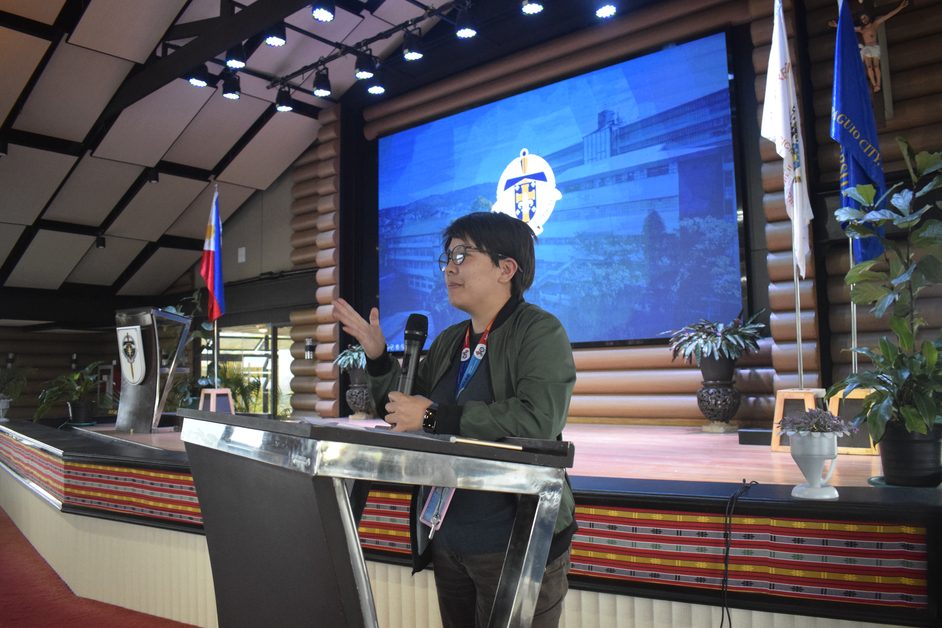
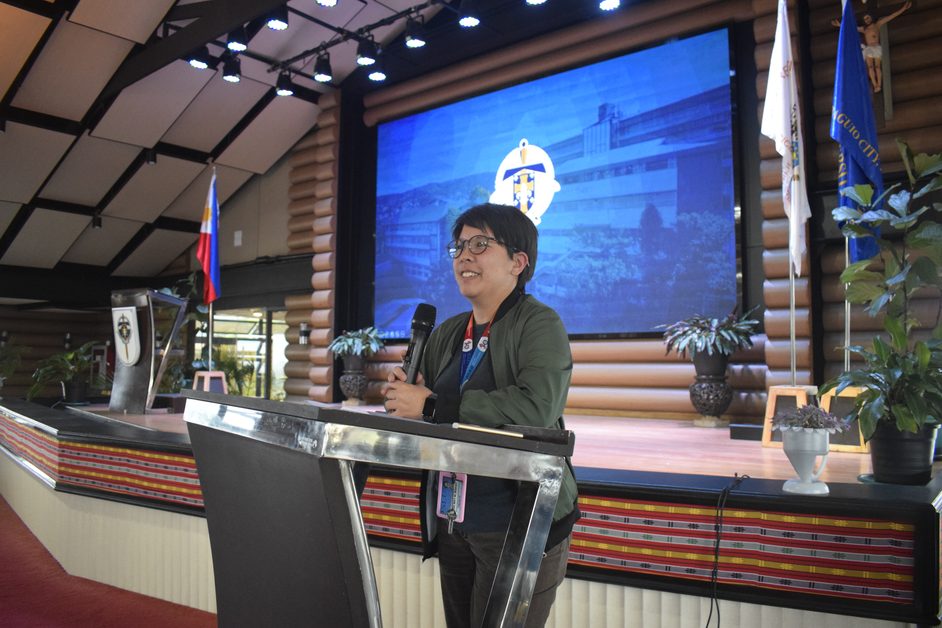
Engr. Melissa Boado, Innovation and Tech Transfer Officer, concluded the presentations with a discussion on intellectual property and technology transfer.
She covered the main types of intellectual property in the university, particularly patents, utility models, and copyright. She also highlighted how research and extension contribute to innovation, support incentives, and advance the SLU Mission.
Her presentation focused on intellectual property ownership and authorship within the university, patent submission requirements, and the assertion of ownership.
Open Forum and Faculty Concerns
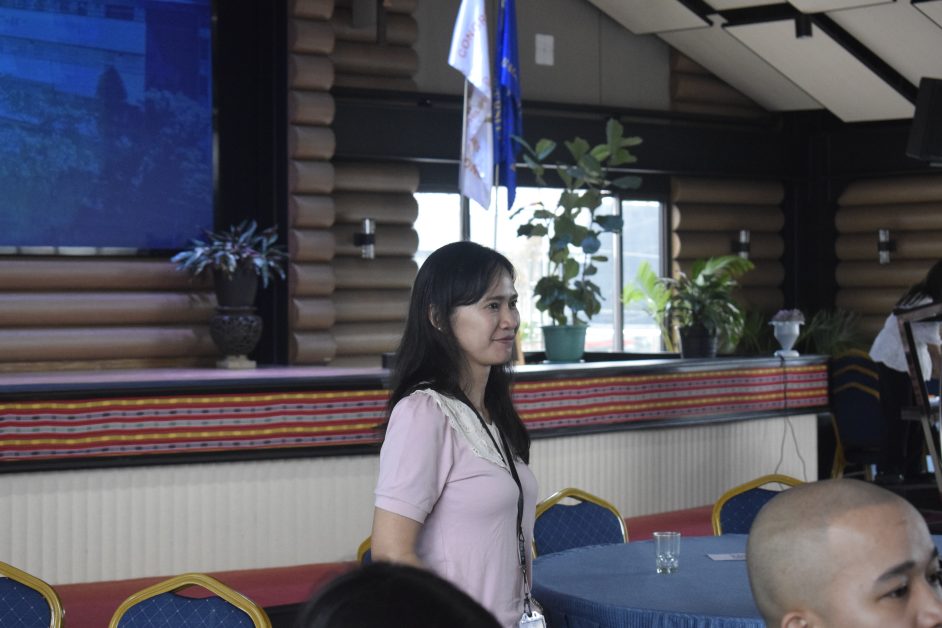
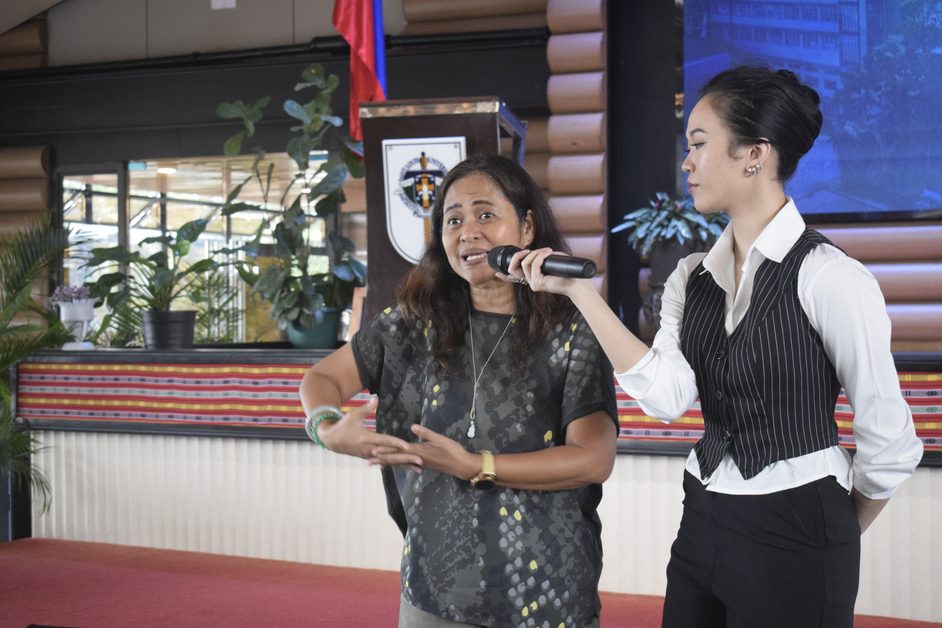
The RISE Center Information Caravan also provided an open forum where participants raised questions and concerns with Dr. Lamadrid, Dr. Natividad, and Dr. Moreno-Lacalle.
Dr. Moreno-Lacalle encouraged faculty to share how the center could support their research endeavors. Among the concerns raised was the distribution of undergraduate research groups and teaching loads.
Participants also raised concerns about REC clearance for studies continued with different co-authors. Dr. Moreno-Lacalle explained that a new clearance must be submitted after the one-year validity period when co-authors change. For studies continuing without changes in authorship, researchers must distinguish the new study through its title.
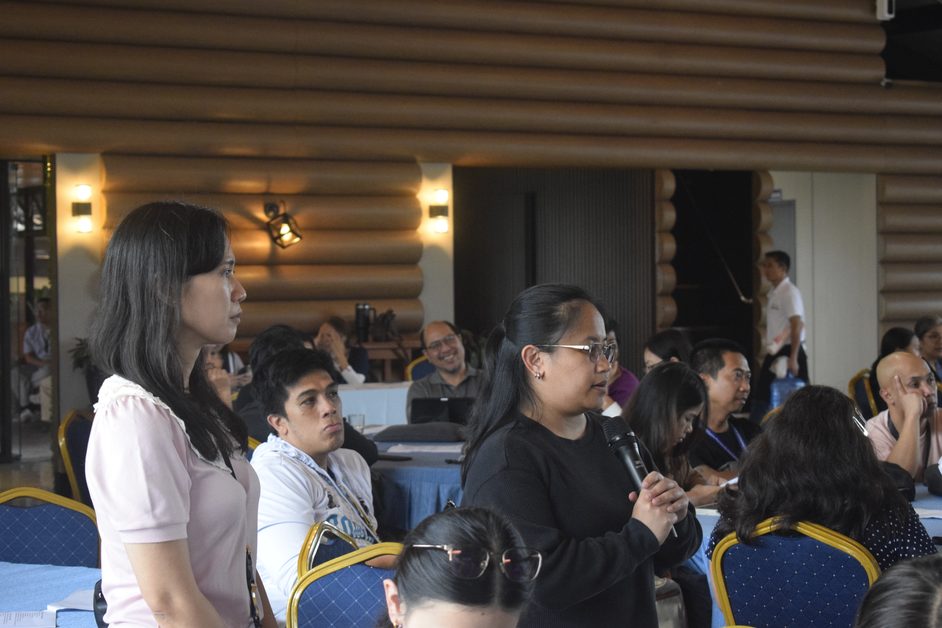
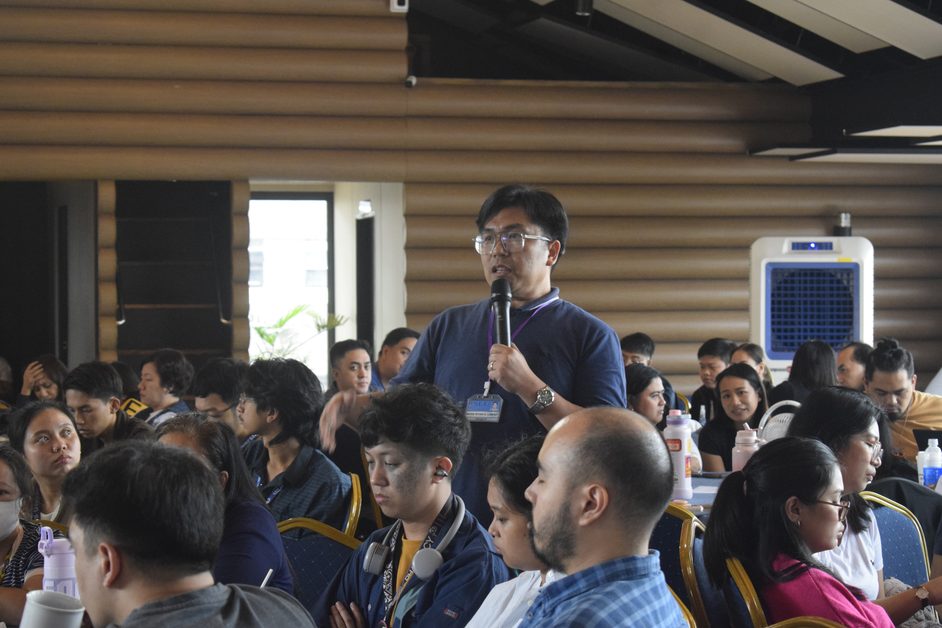
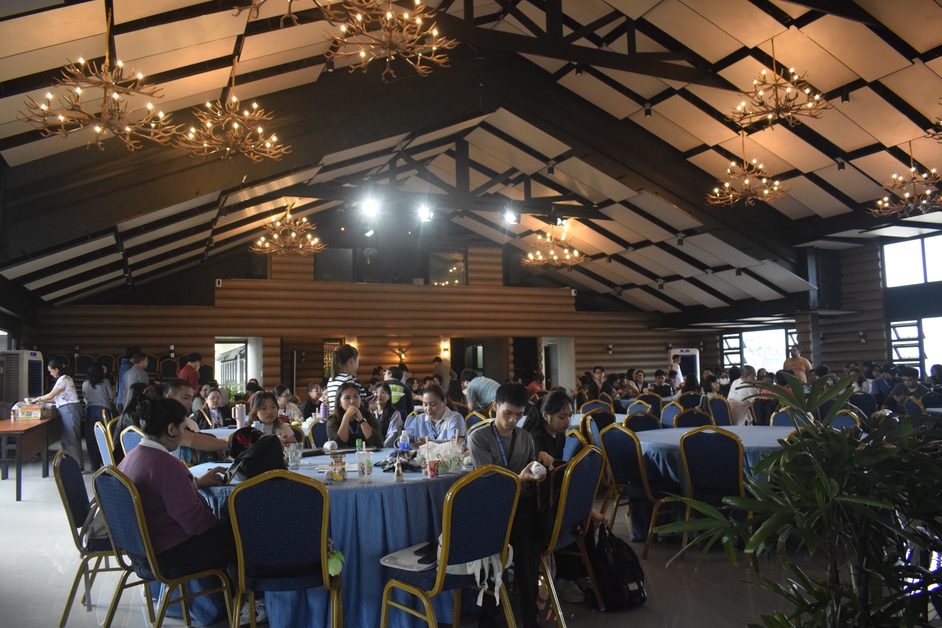
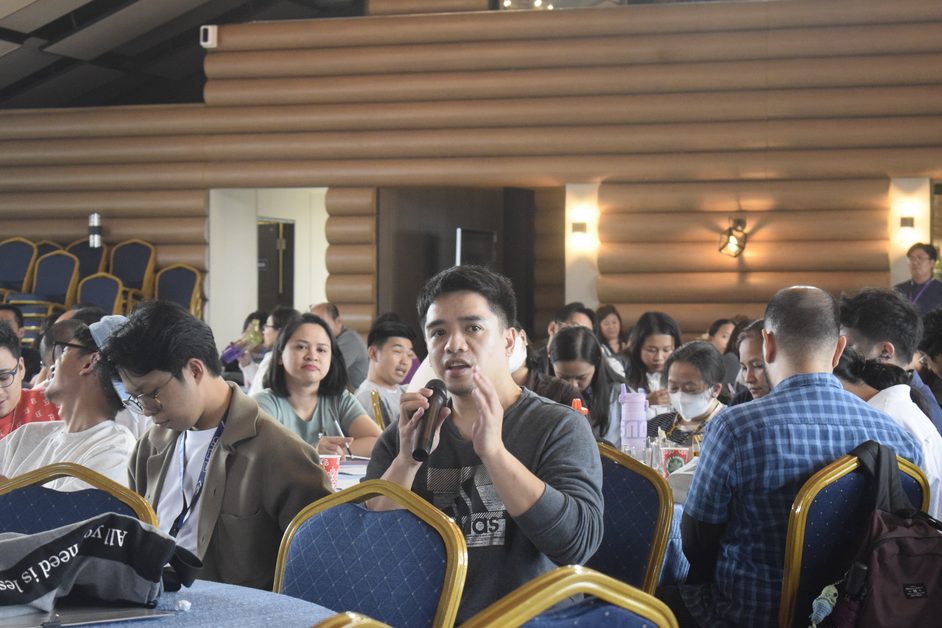
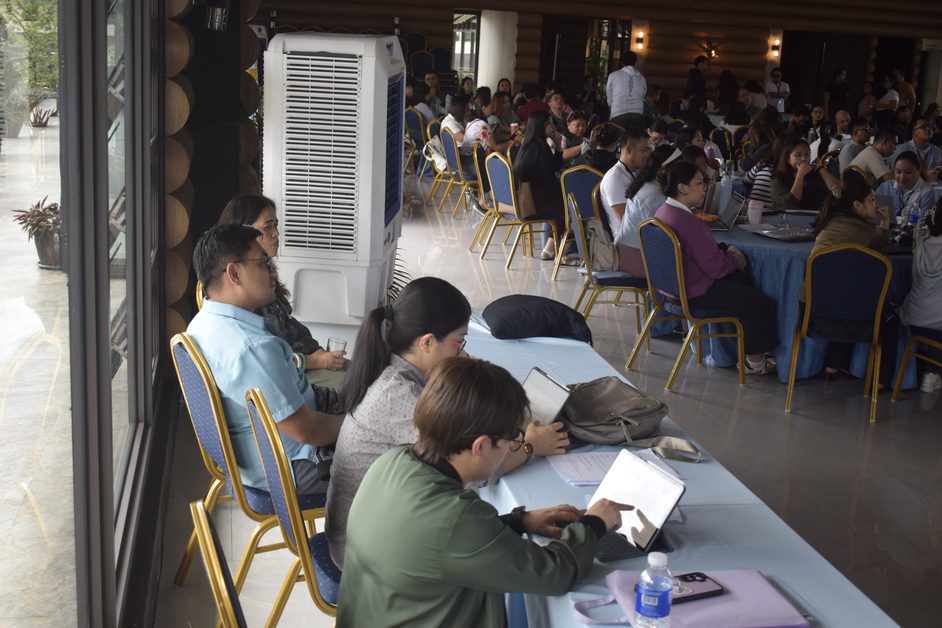
The RISE Center Information Caravan provided SONAHBS faculty with updates on research, ethics, extension, and innovation while encouraging dialogue to improve university research processes and advance SDG 4 (Quality Education), SDG 9 (Industry, Innovation and Infrastructure), and SDG 17 (Partnerships for the Goals).
(Article and Photos by: Margareth Galuba and Joey Glemao – RISE Interns)