
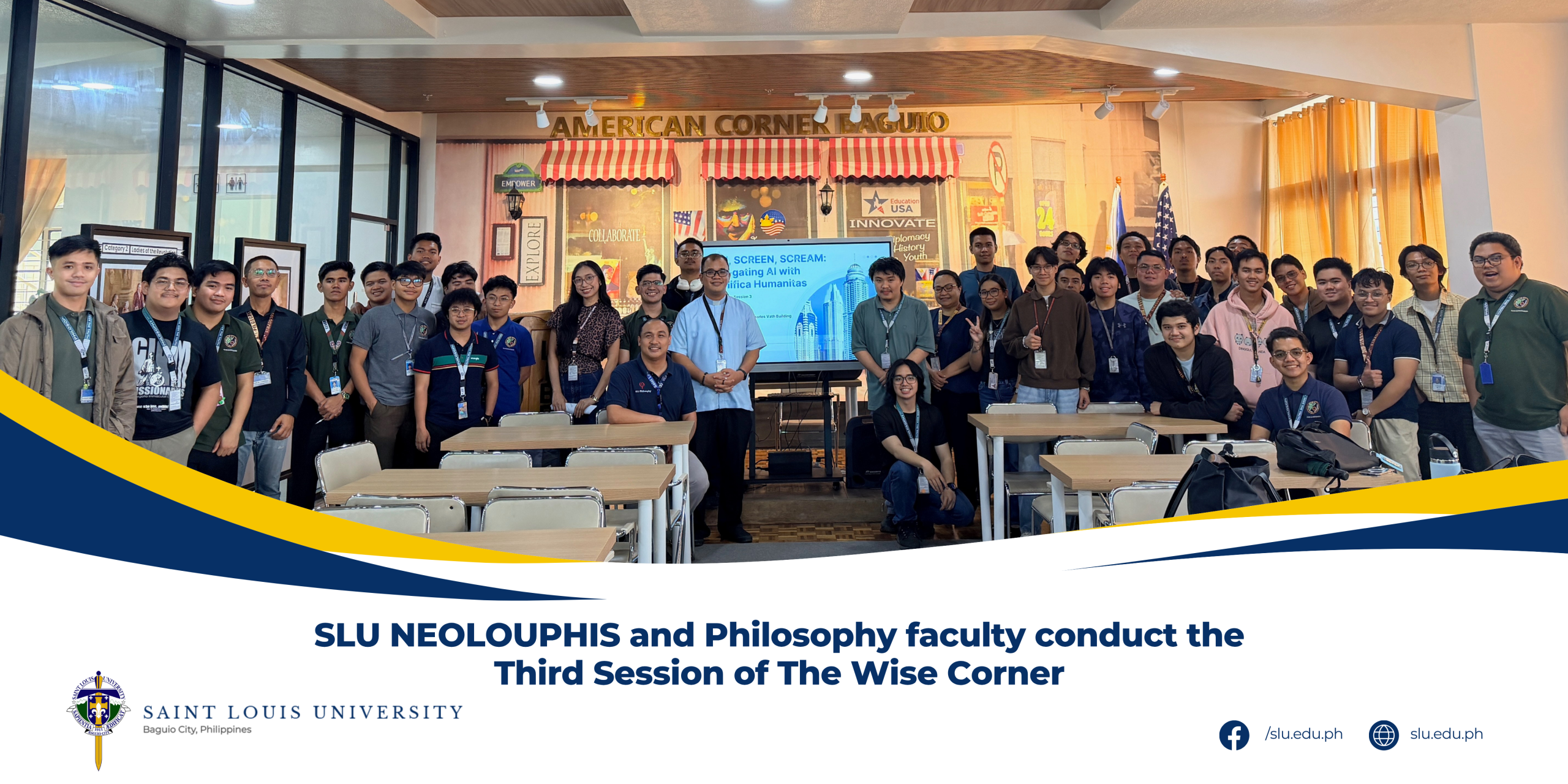
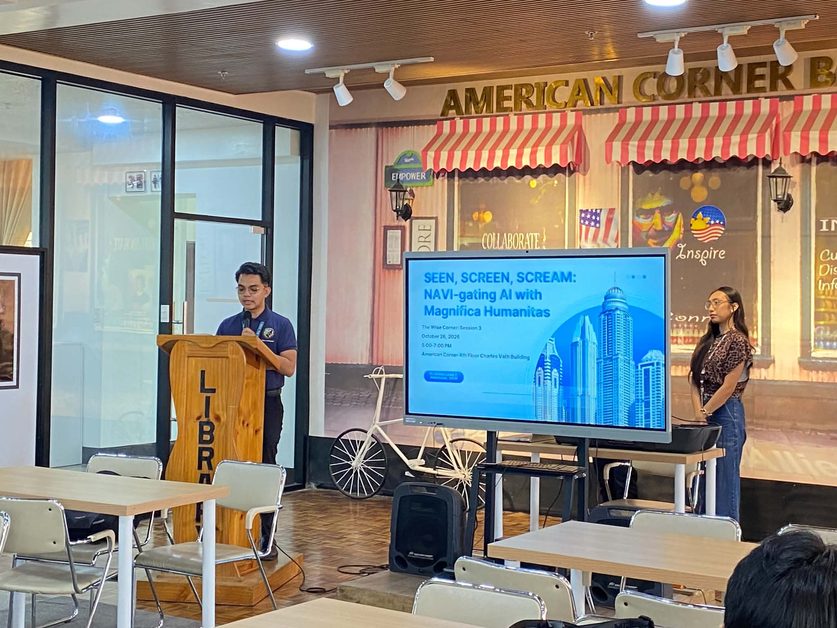
Saint Louis University’s New Louisian Philosophical Society (NEOLOUPHIS), together with the faculty of the Department of Philosophy under the School of Teacher Education and Liberal Arts (STELA), conducted the third session of The Wise Corner on 26 October 2026 at the American Corner Baguio, Msgr. Charles Vath Building, SLU main campus. Themed “Seen-Screen-Scream: NAVI-gating AI with Magnifica Humanitas,” the session explored the relationship between artificial intelligence, human experience, and the enduring importance of human dignity in an increasingly technology-driven world.
Through the session facilitated by Rev. Fr. Adrian Louie Z. Atonducan, CICM, participants were guided in reflecting on the challenges and opportunities brought about by artificial intelligence. The discussion invited students to examine how people encounter, interpret, and NAVI-gate AI-mediated realities. It also encouraged critical reflection on the influence of screens and digital technologies on human relationships, ethical decision-making, and the understanding of what it means to be human.
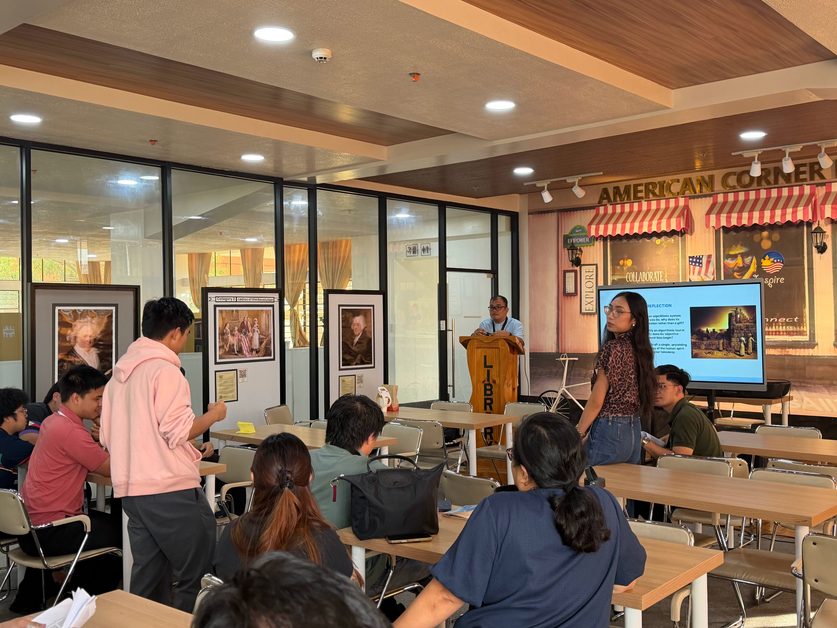
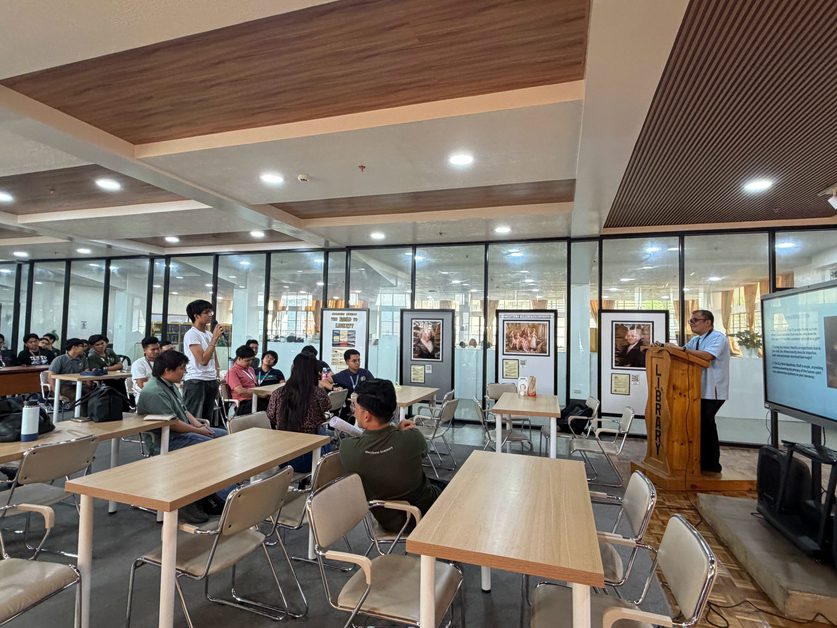
The discourse on the concept of “Magnifica Humanitas”, the first encyclical of Pope Leo XIV, concerned with “safeguarding the human person in the time of artificial intelligence”, highlighted the significance of recognizing and upholding human dignity amid rapid technological advancement.
As AI continues to shape education, communication, and everyday life, philosophy provides an essential framework for questioning assumptions, evaluating ethical implications, and discerning the proper place of technology in human flourishing. Rather than simply accepting technological developments, participants are encouraged to engage with them critically and responsibly, guided by reason, ethical reflection, and concern for humanity.
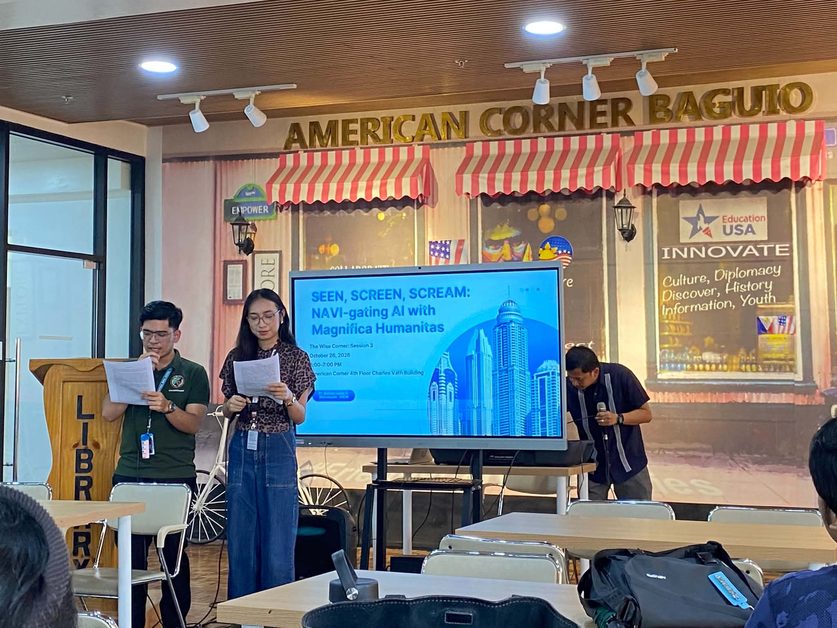
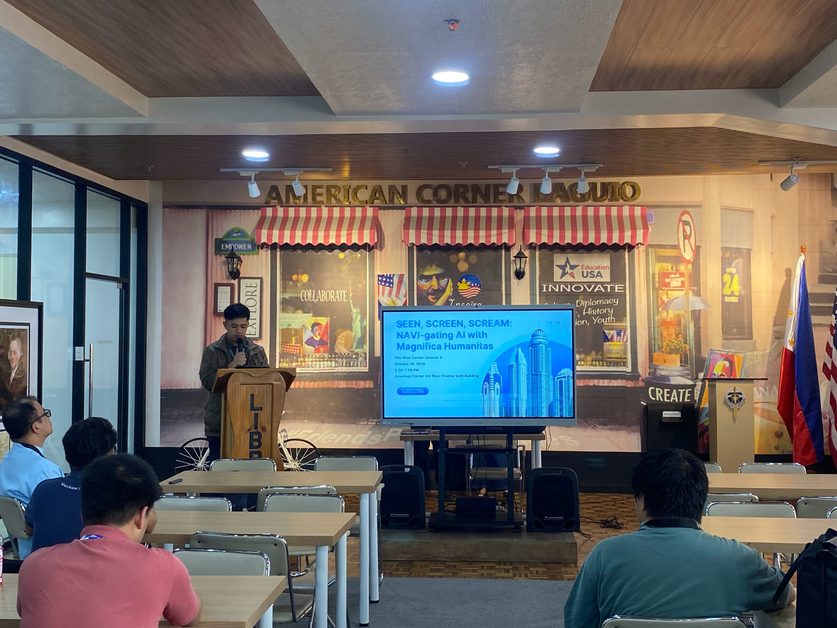
The active participation of 57 Philosophy majors was particularly important to this initiative. As students of philosophy, they are called not only to understand philosophical concepts but also to apply them to contemporary issues that affect individuals and communities. Their engagement in discussions such as this allowed them to articulate their perspectives, challenge prevailing assumptions, listen to diverse viewpoints, and connect philosophical inquiry with lived experiences. It also strengthened their capacity for critical thinking, ethical judgment, and meaningful dialogue—competencies that are essential in navigating the complexities of the digital age.
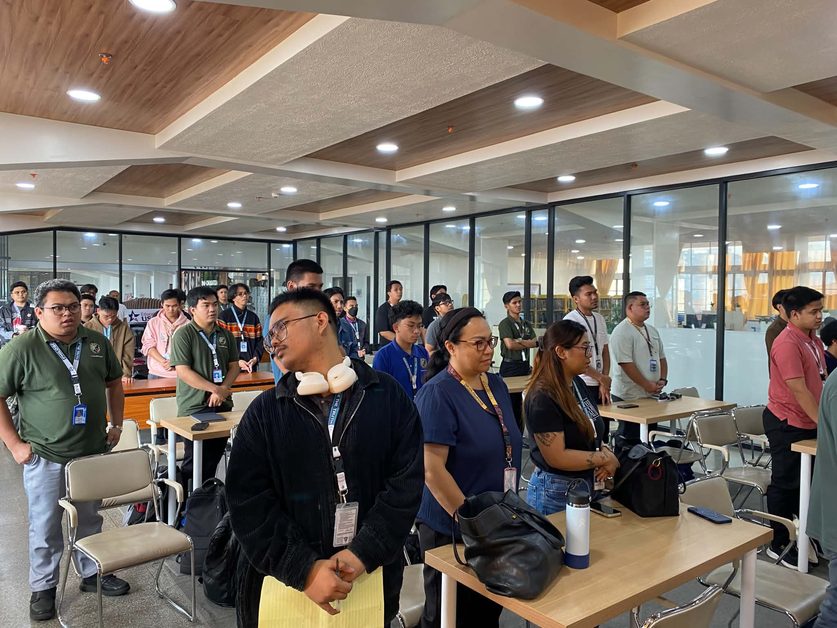
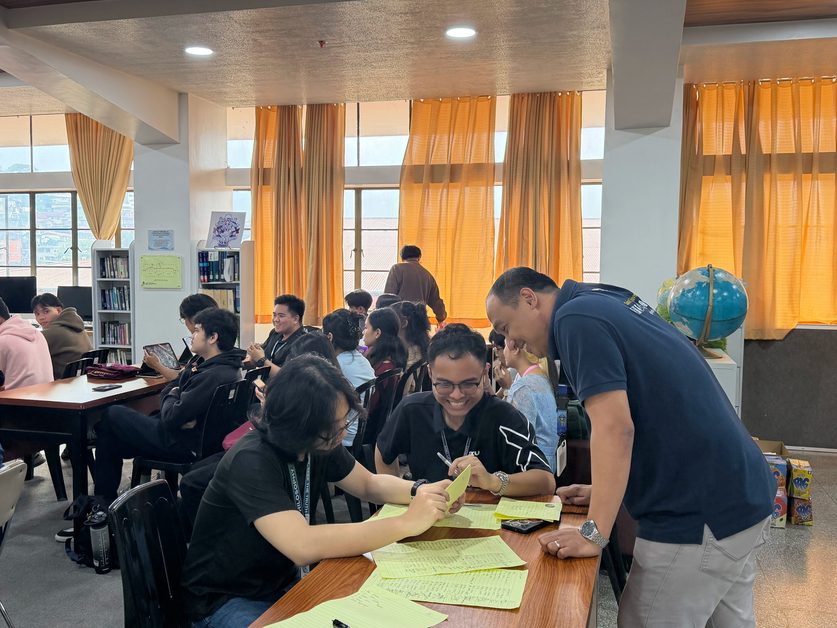
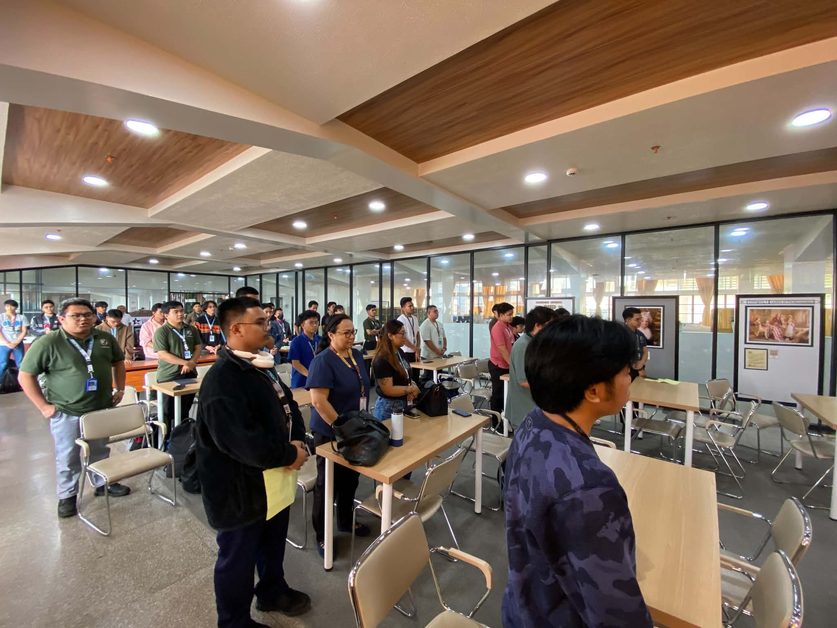
Beyond its immediate academic objectives, The Wise Corner served as a meaningful platform for sustaining connections between the university’s academic community and its graduates. The initiative is intended for graduates of the Bachelor of Arts in Philosophy program, providing them with opportunities to inspire, guide, and engage in dialogue with young philosophy scholars and faculty members. The event fostered a community where philosophical inquiry remains dynamic, collaborative, and responsive to contemporary concerns. It recognized that the pursuit of wisdom does not end with graduation but continues through conversation, reflection, and shared responsibility.
The successful third session of The Wise Corner reaffirmed Neolouphis’s commitment, alongside the Department of Philosophy faculty, to building a vibrant philosophical community. Through initiatives like this, SLU continues to offer spaces where scholars and experienced graduates learn from one another, engage critically with the challenges of their time, and uphold the dignity of the human person in an increasingly AI-driven world.
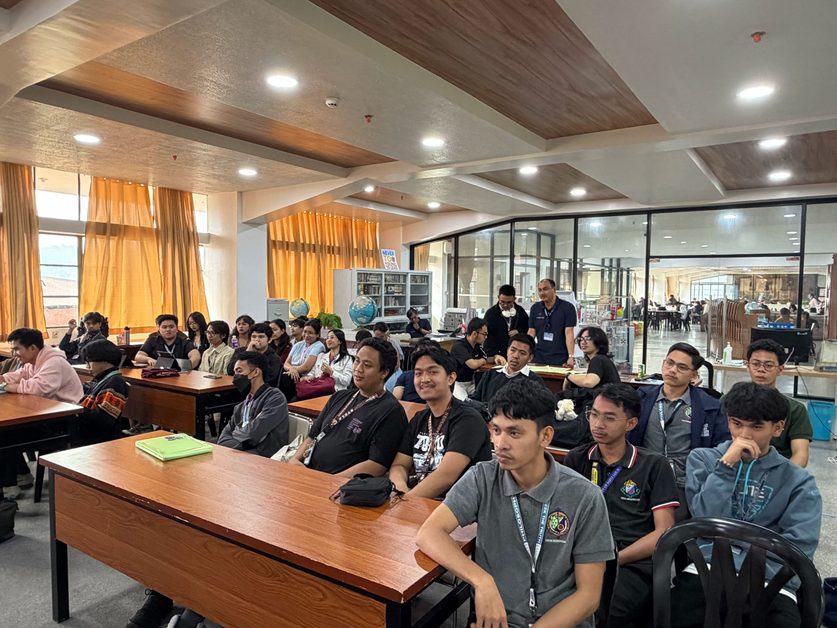
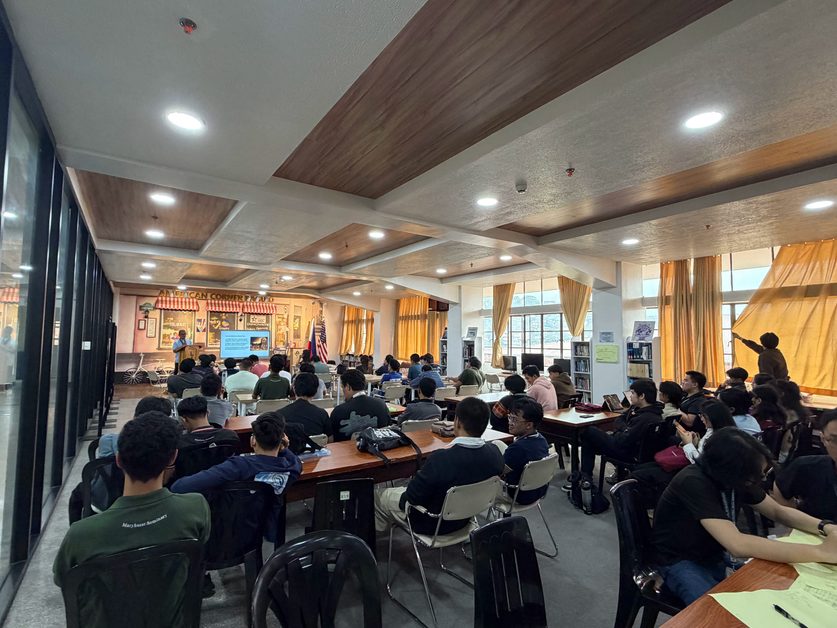
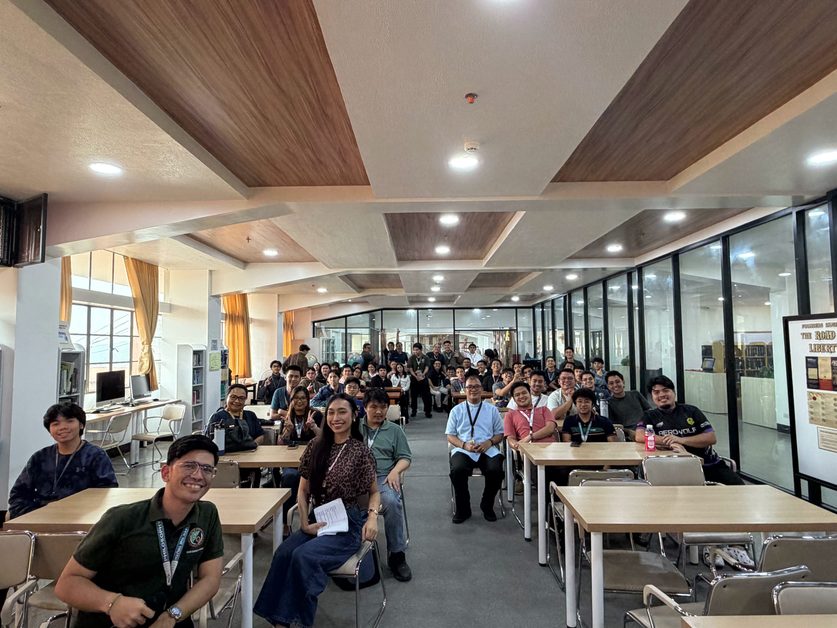
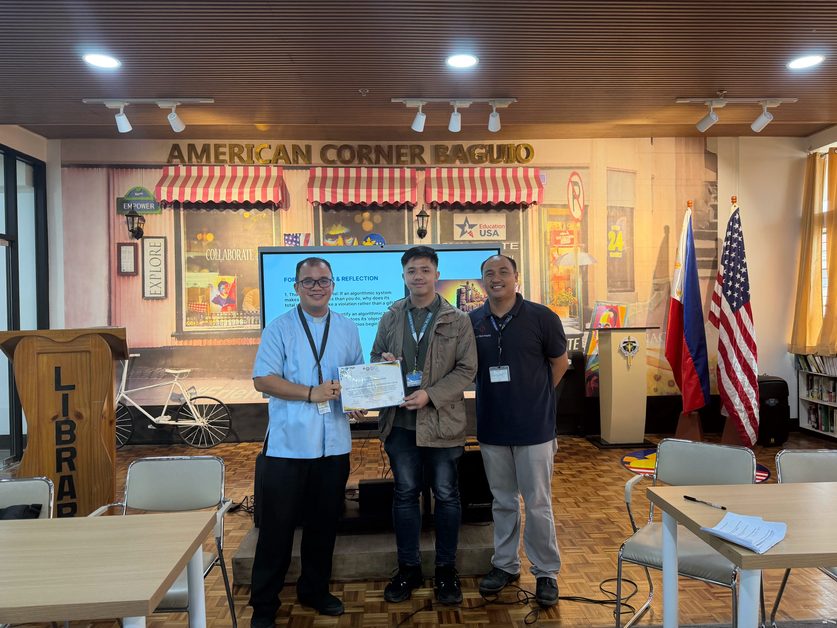

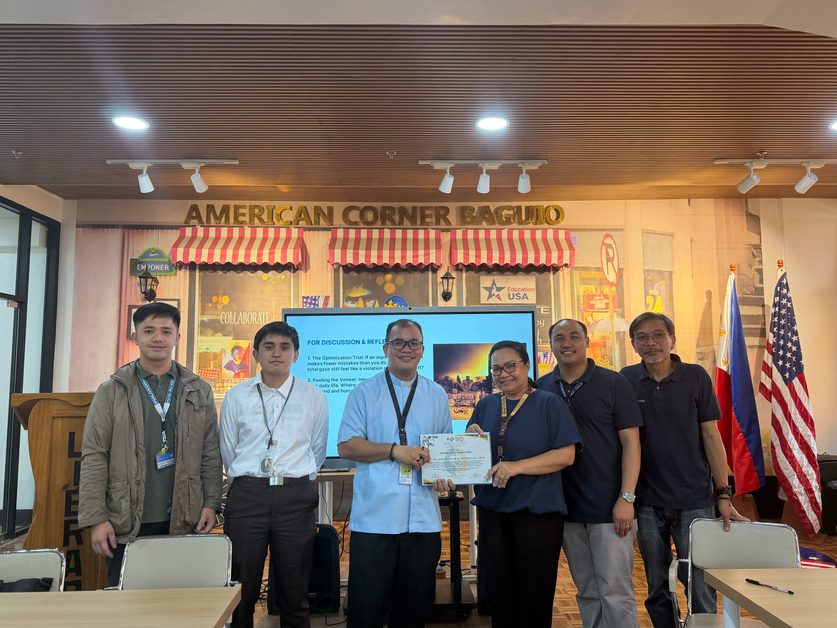
The Wise Corner activity supports SDG 4 (Quality Education), particularly Target 4.7, by encouraging ethical reflection on artificial intelligence, and SDG 16 (Peace, Justice and Strong Institutions), particularly Target 16.7, by fostering dialogue and inclusive participation. The recorded attendance serves as an activity-level output indicator, while participant feedback and documented engagement may be used to assess the initiative’s educational impact. (Article and Photos by NEOLOUPHIS)