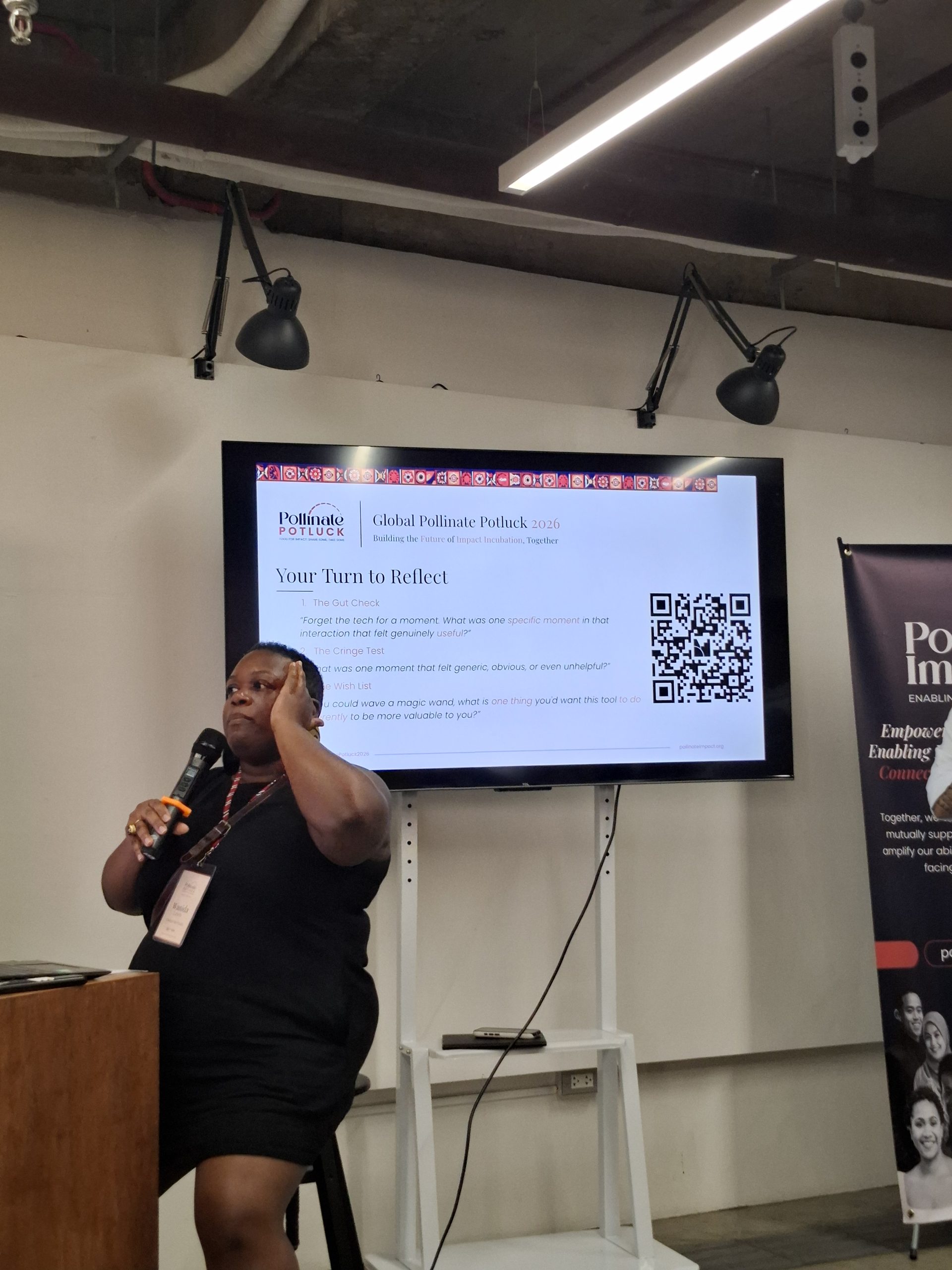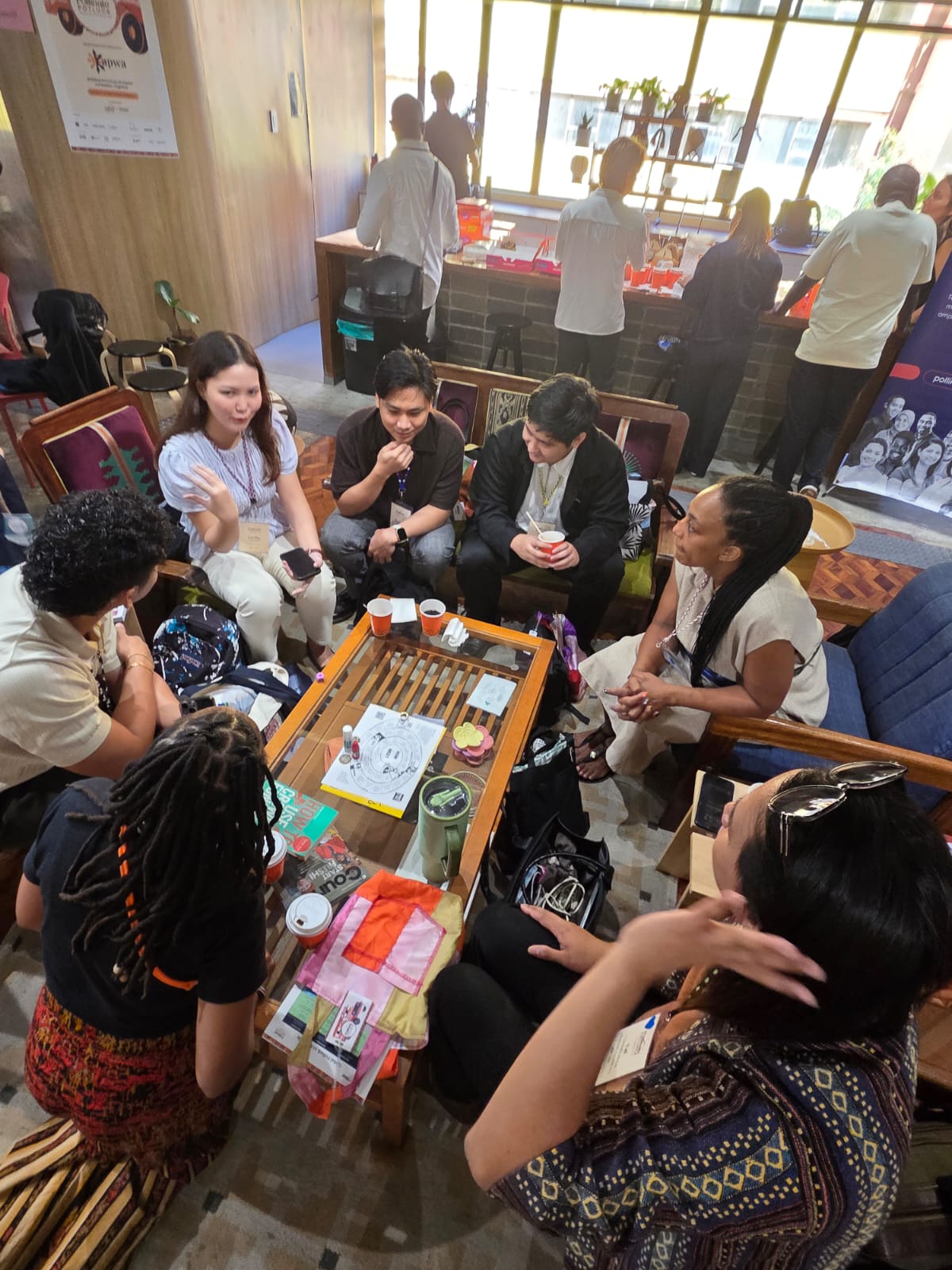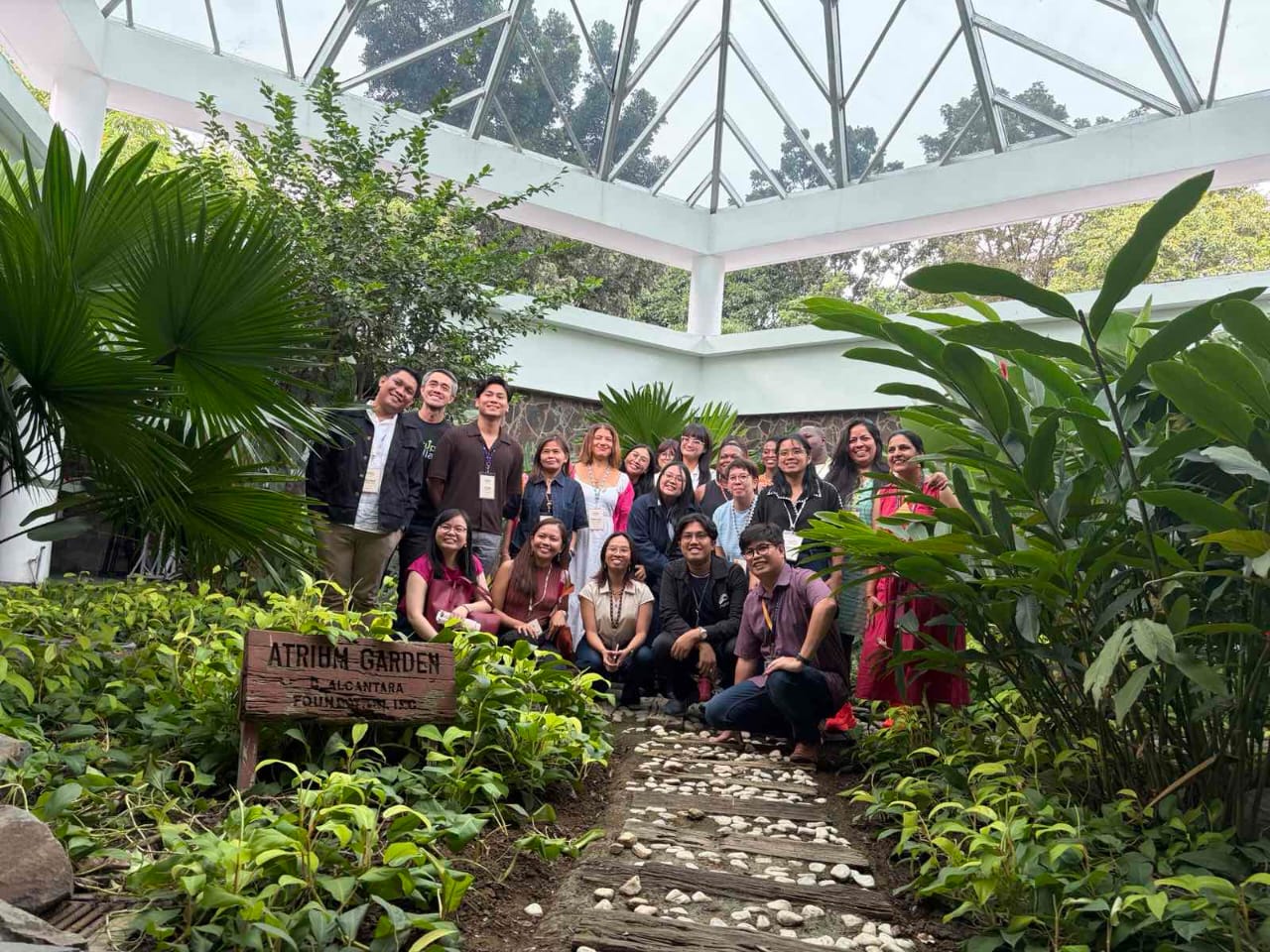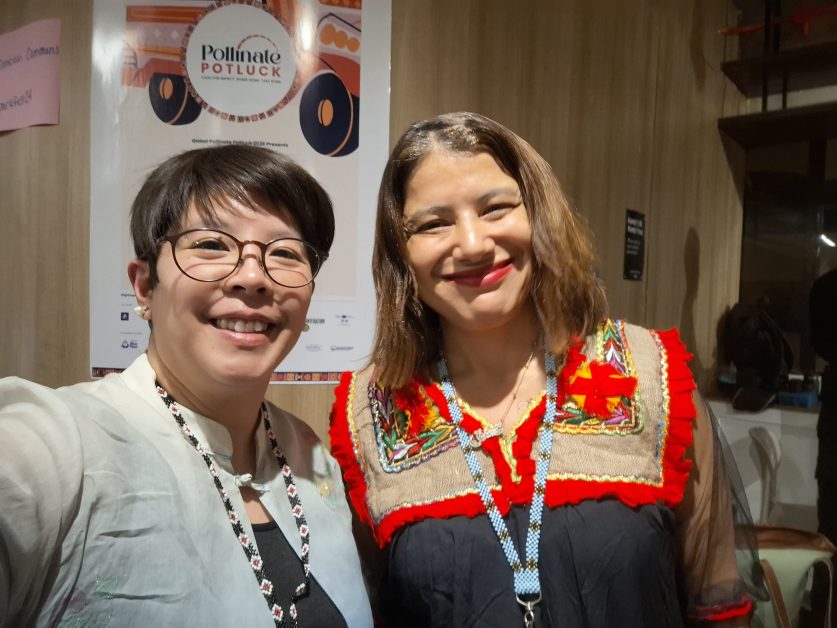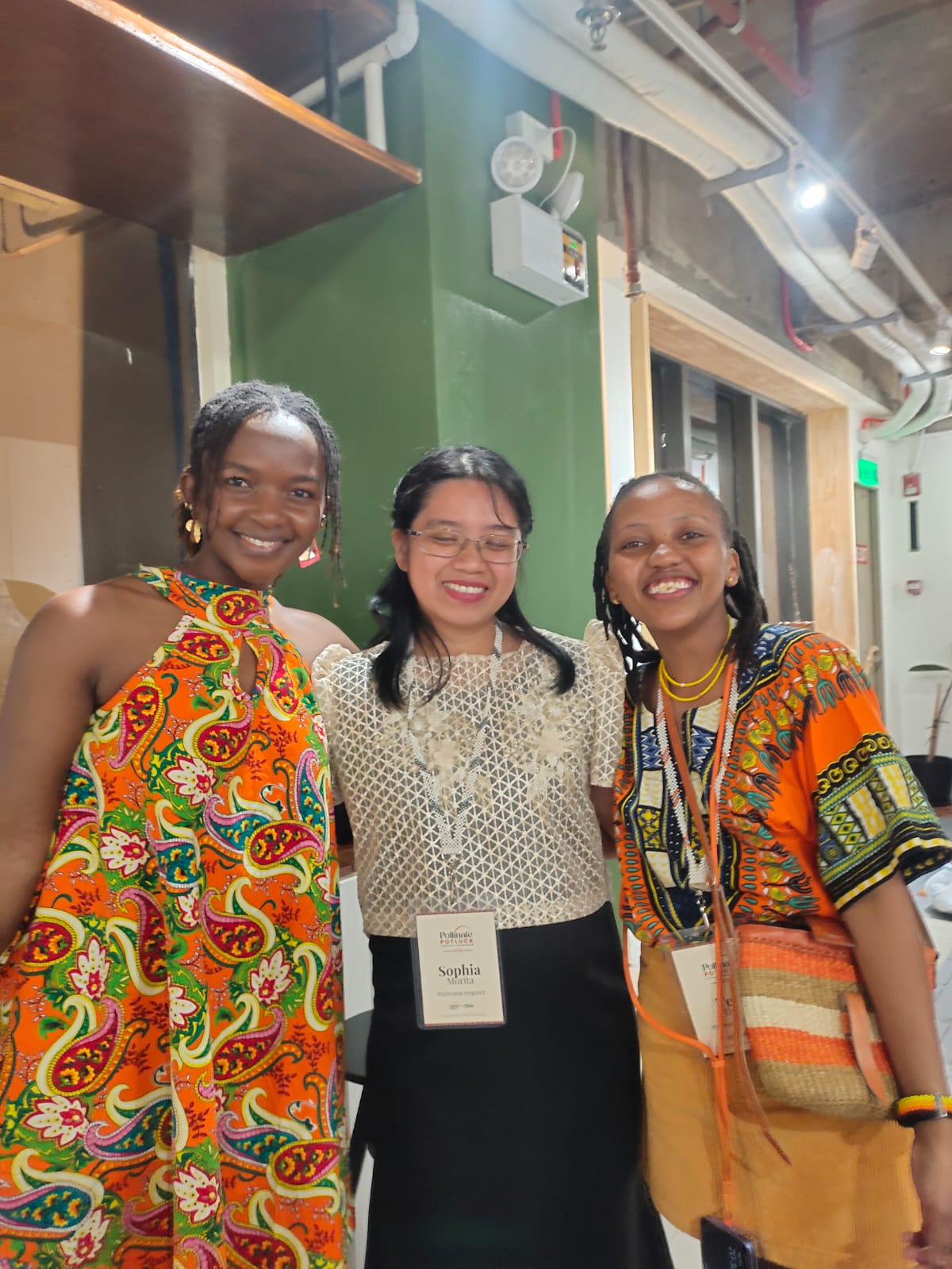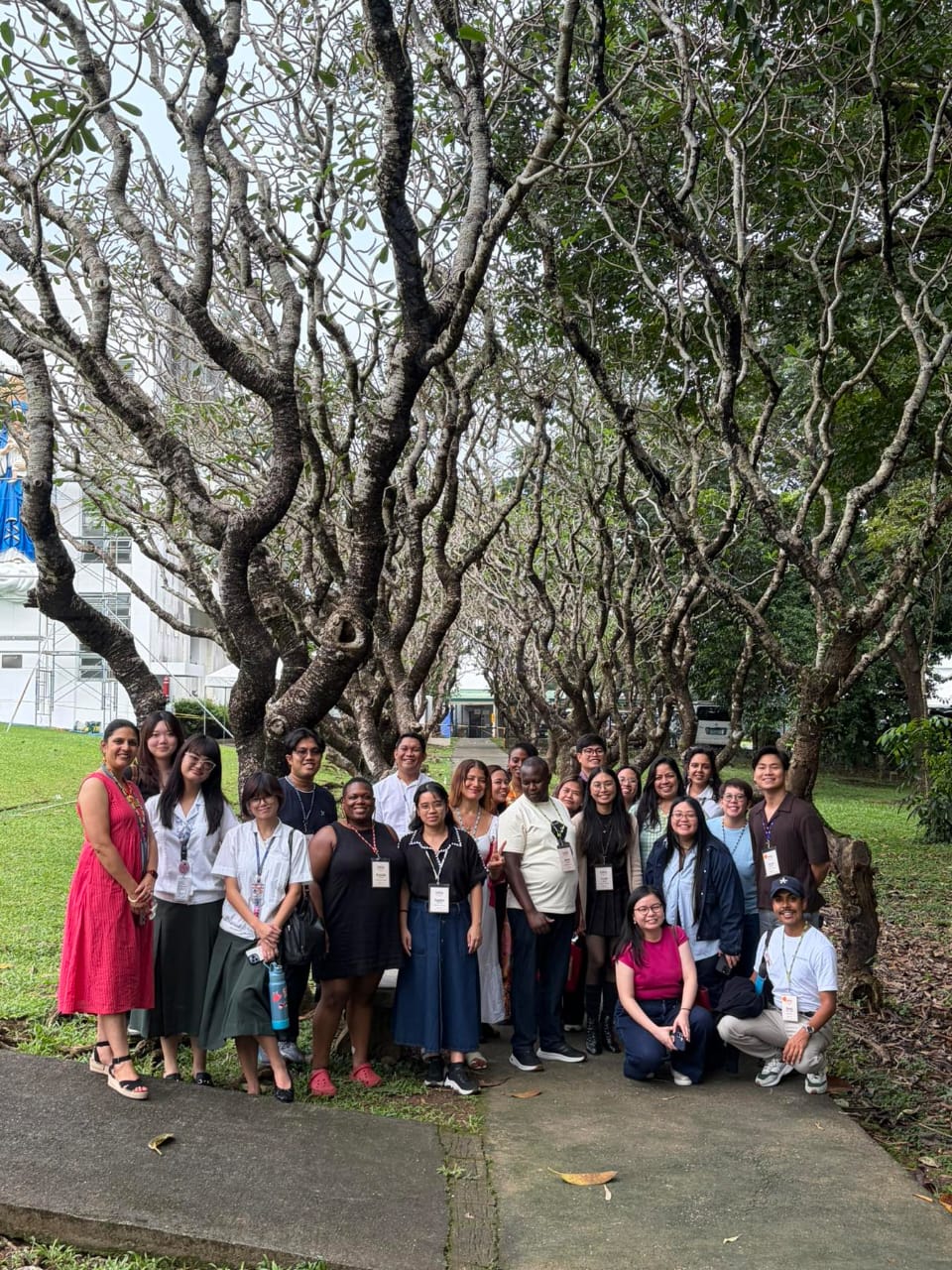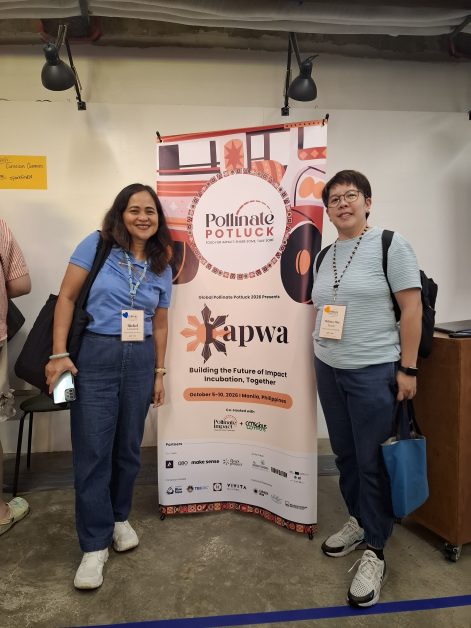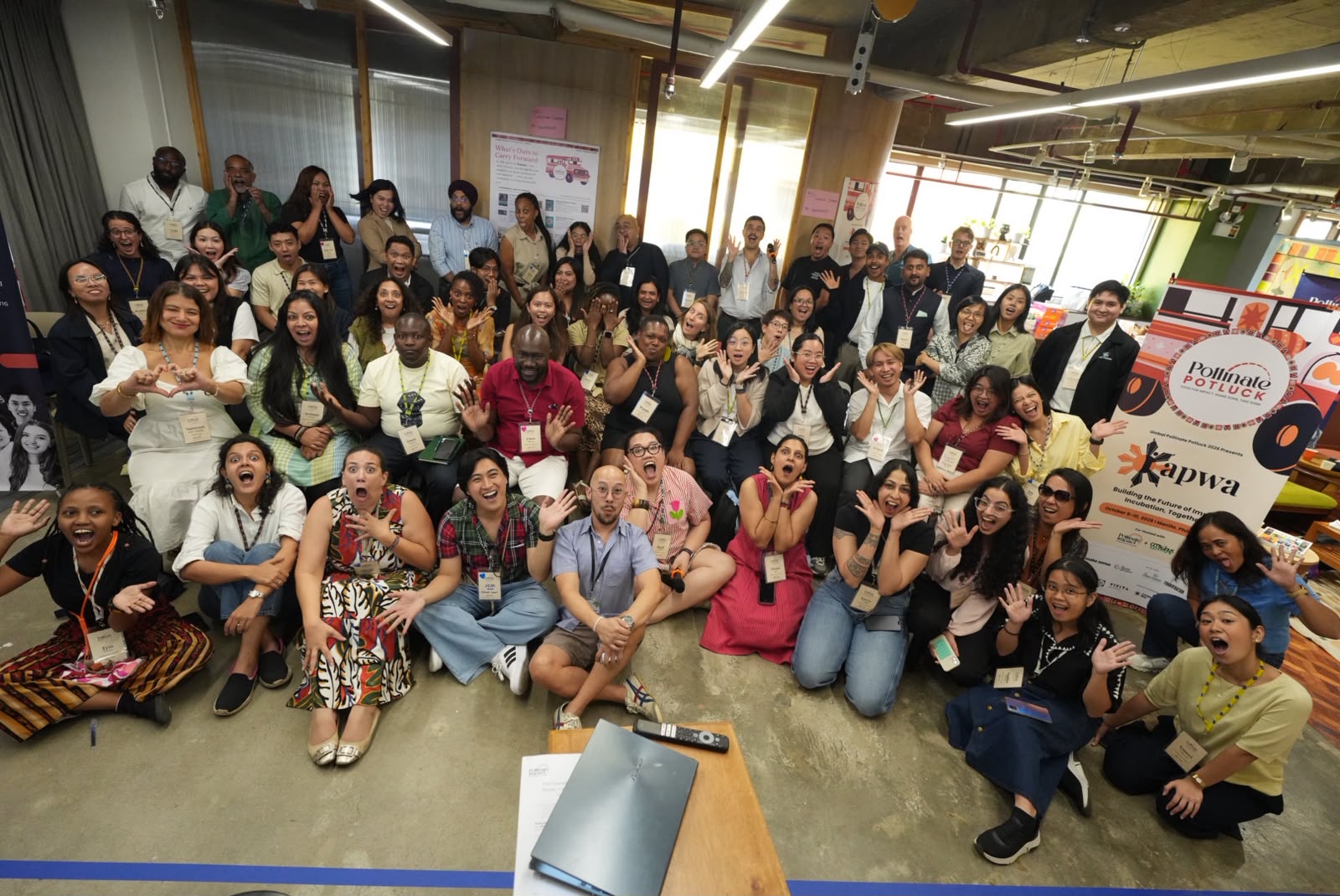
The Research, Innovation, and Sustainable Extension (RISE) Center of Saint Louis University (SLU) took part in the Global Pollinate Potluck 2026, held on 05 to 07 October 2026 in Makati City. The university was represented by RISE Center Director Richel L. Lamadrid, DAES and Innovation and Technology Transfer Officer Engr. Melissa May Boado.
The Potluck is the flagship gathering of Pollinate Impact, a member-led network of impact incubators serving entrepreneurs in the Global South. According to the network, it was founded on the idea that the incubators guiding social entrepreneurs need support themselves. The network launched in 2023, and its founding members include the Miller Center for Global Impact, Impact Hub Abidjan, Reach for Change, Upaya Social Ventures, and Villgro Africa. The Potluck has previously been held in Bangalore, with regional editions in Bangkok and Nairobi.
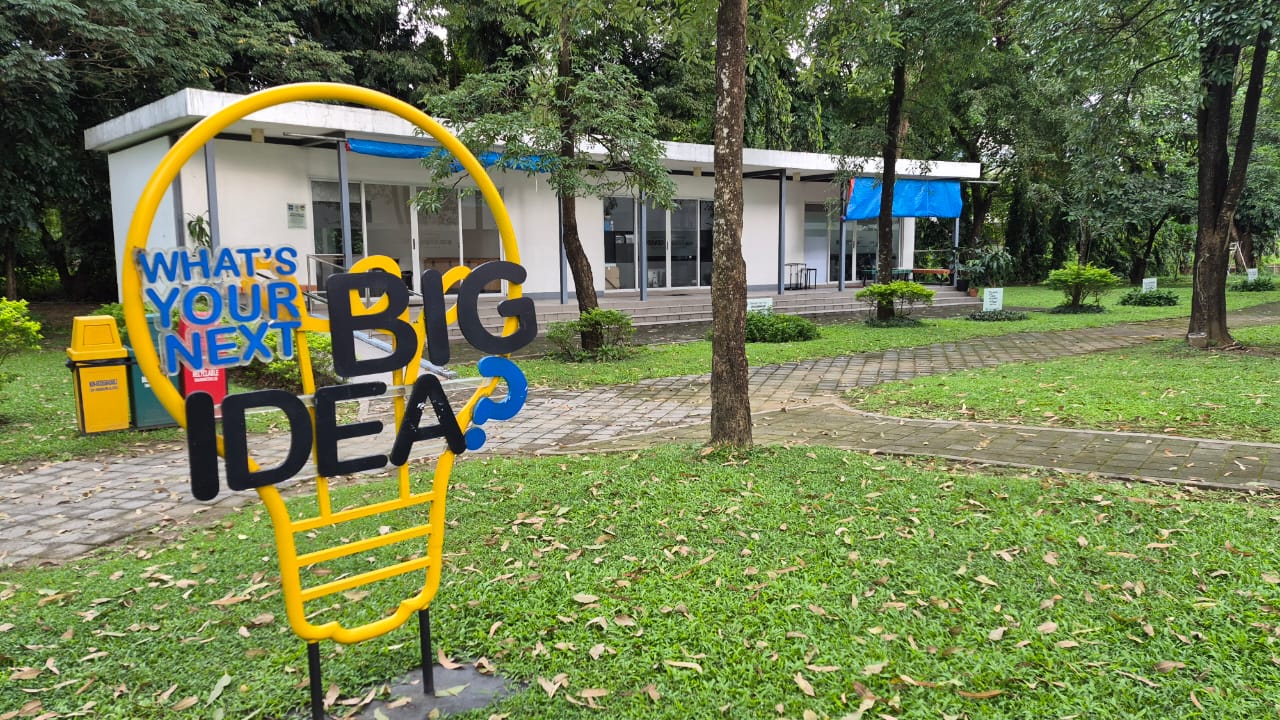
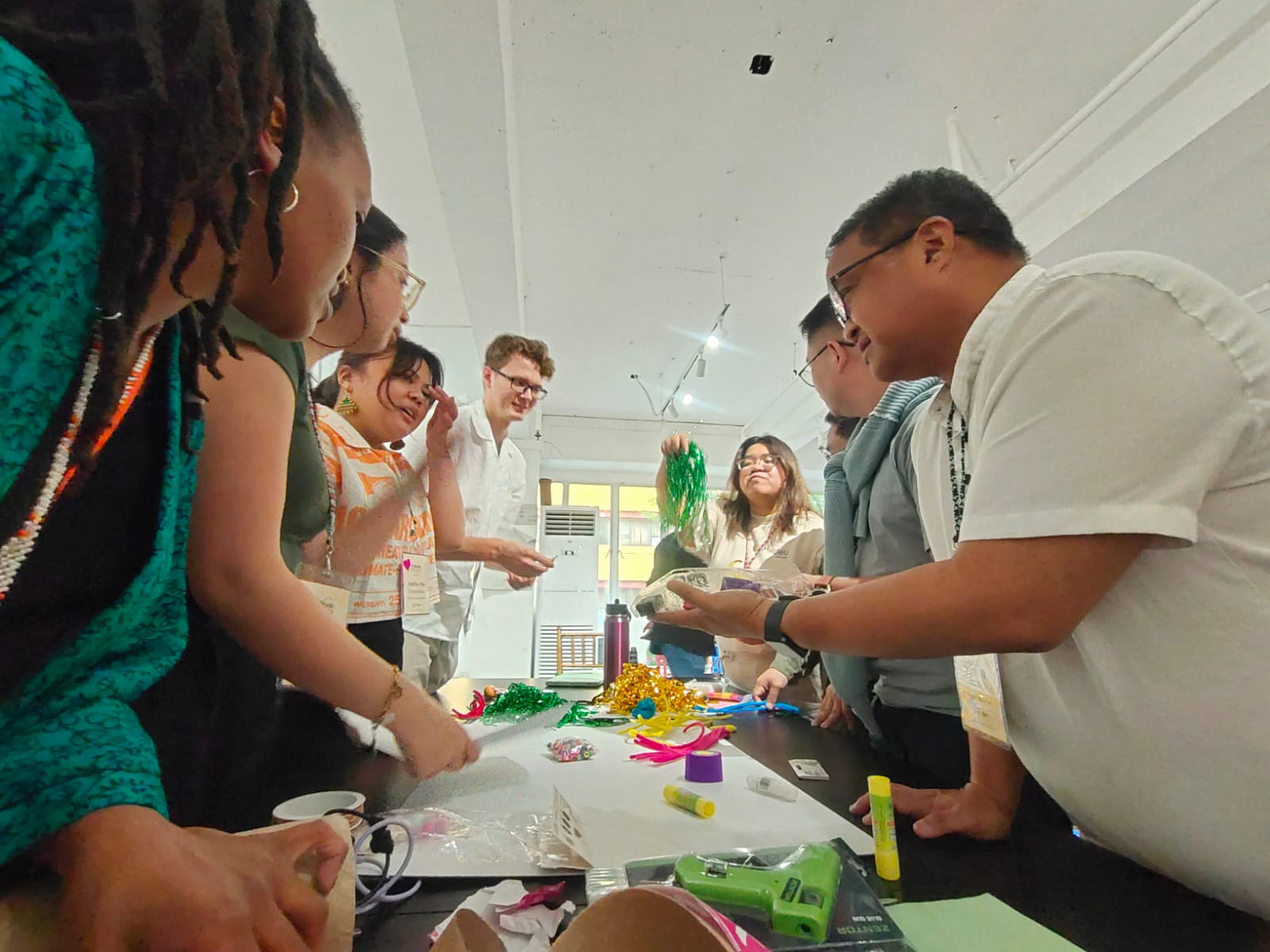
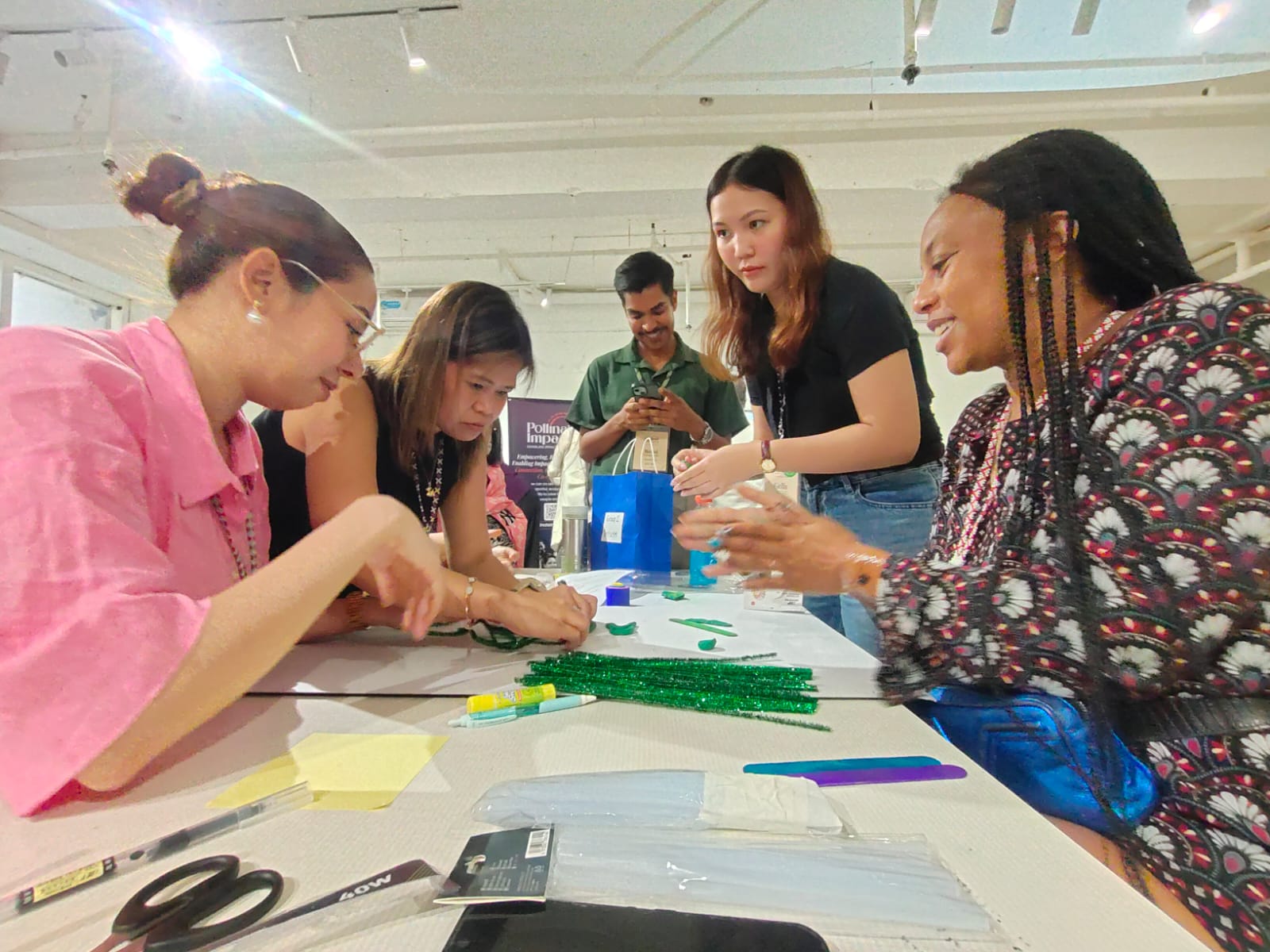
This year’s gathering, titled Kapwa: Building the Future of Impact Incubation, Together was hosted at Conscious Commons in Legazpi Village, Makati, home of The Spark Project, one of the event’s co-chairs. Organizers described the program as participant-driven, combining capacity-building workshops, peer-led co-creation sessions, escape-room design challenges, an “Asks & Offers” marketplace, and closing circles for commitment-setting. The invitation noted that Philippine universities and technology business incubators have a place in the global conversation.
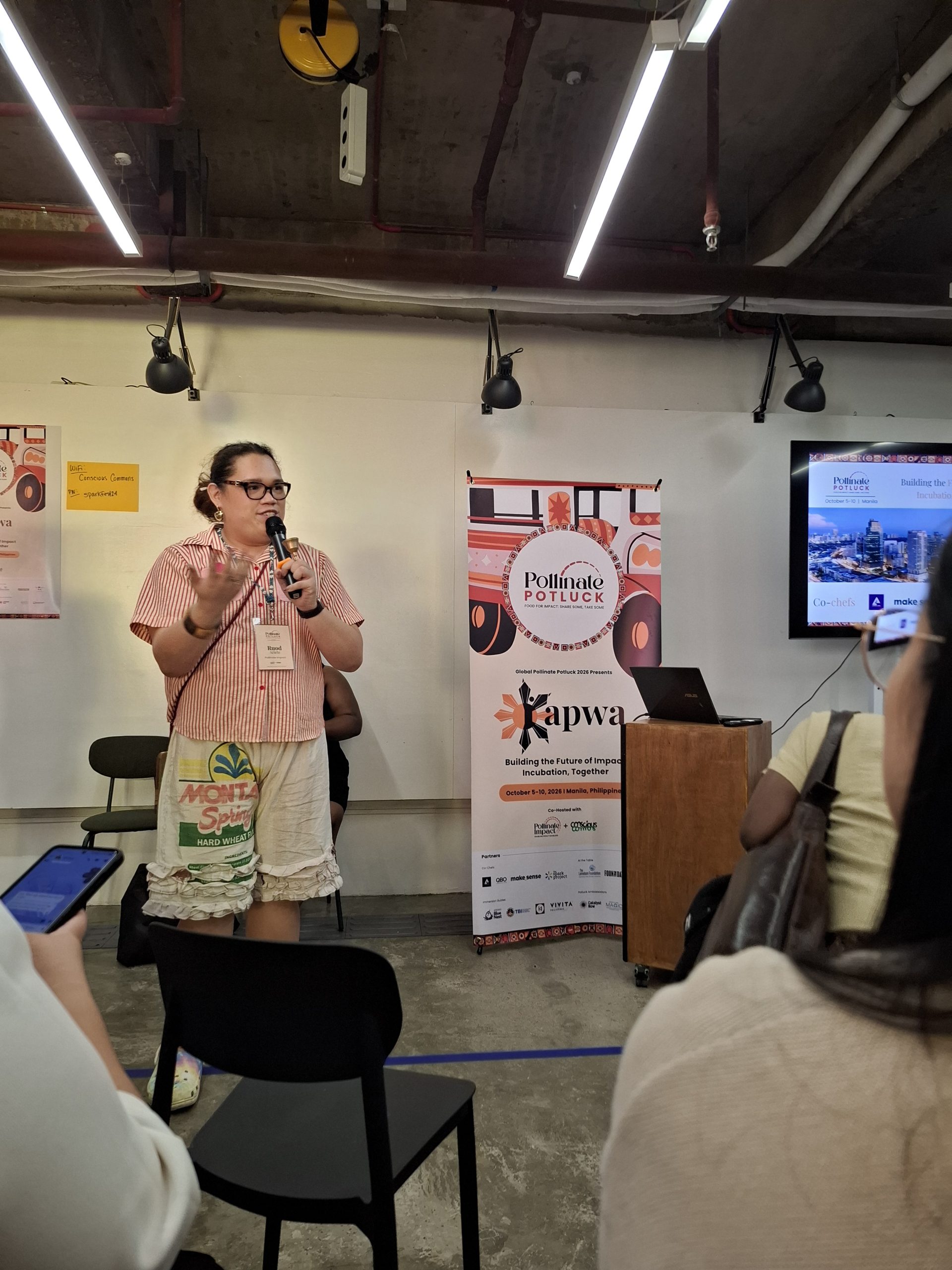
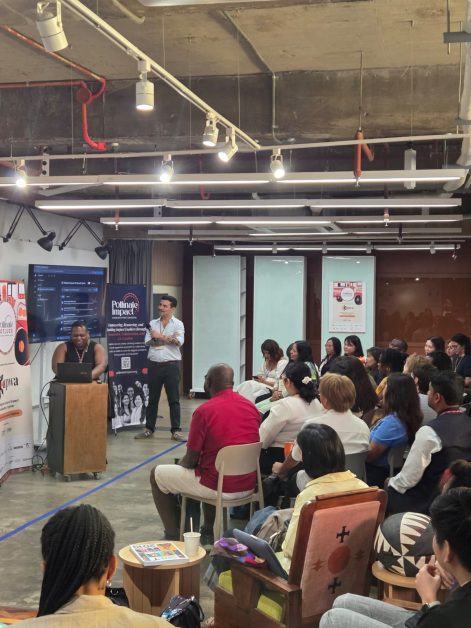
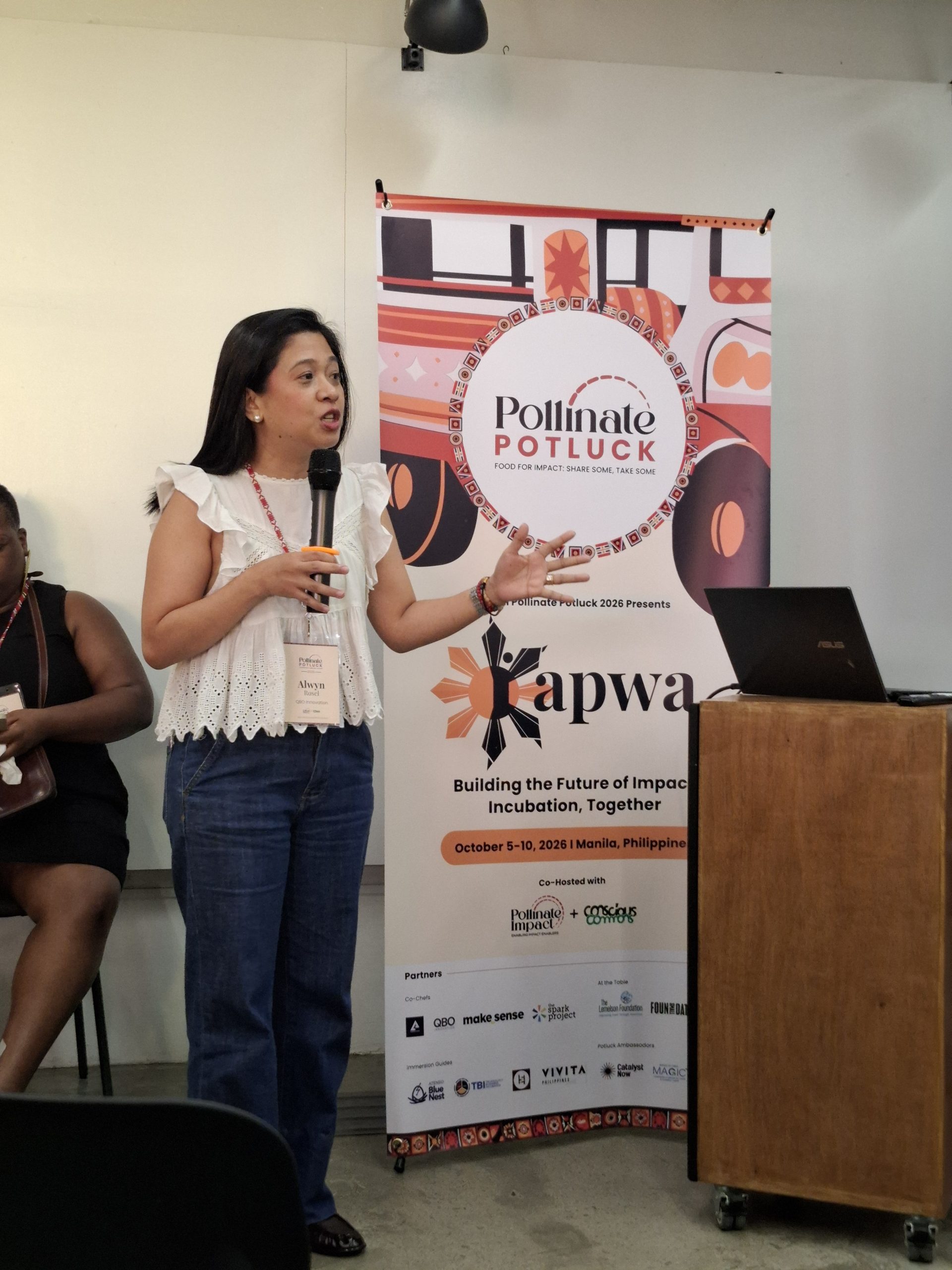
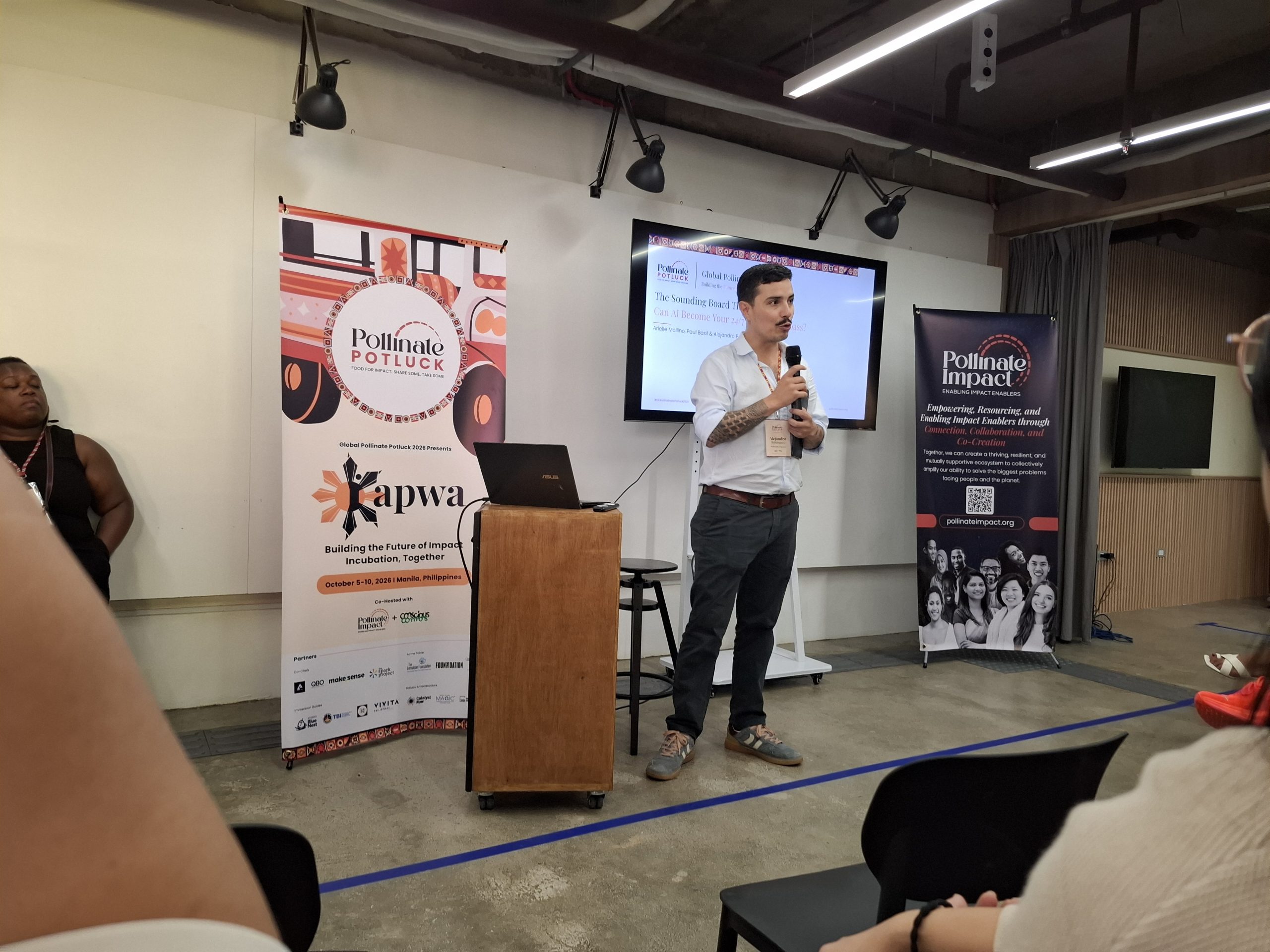
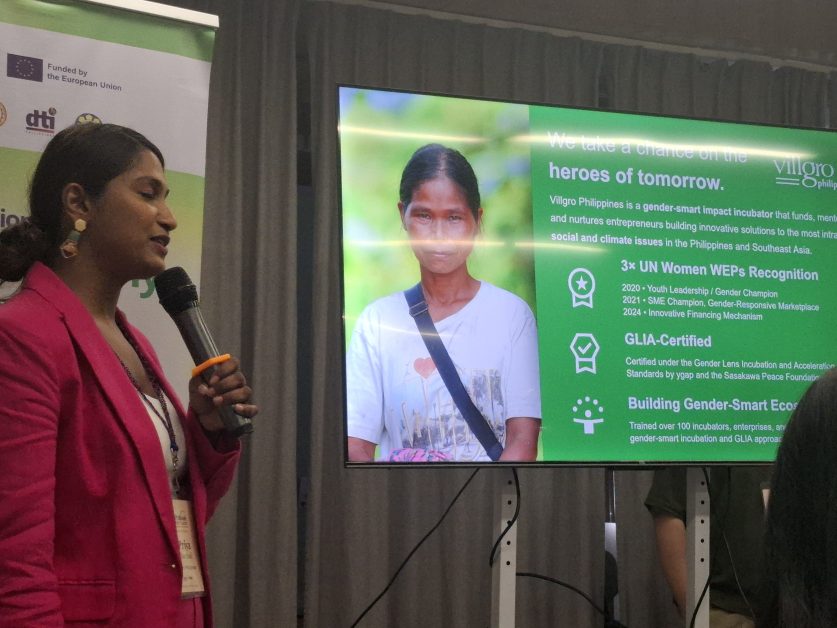
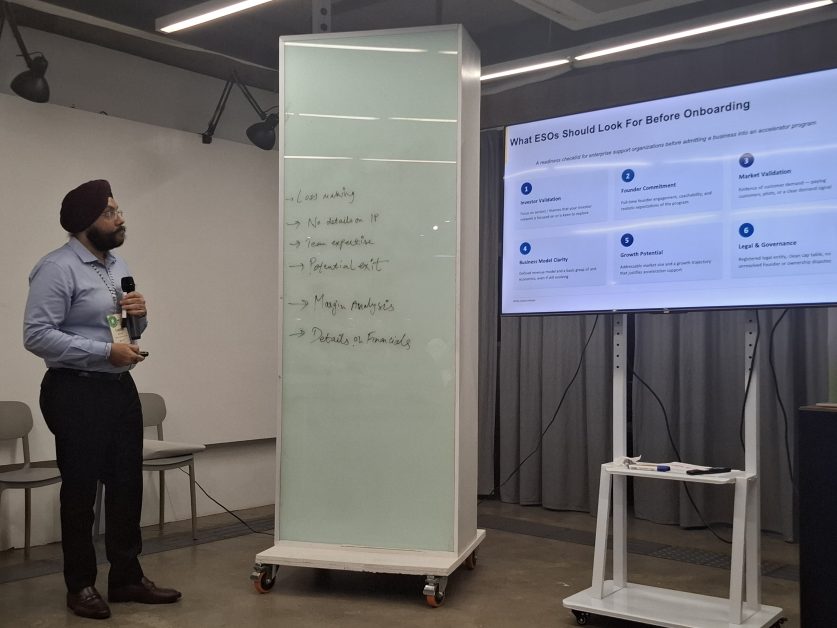
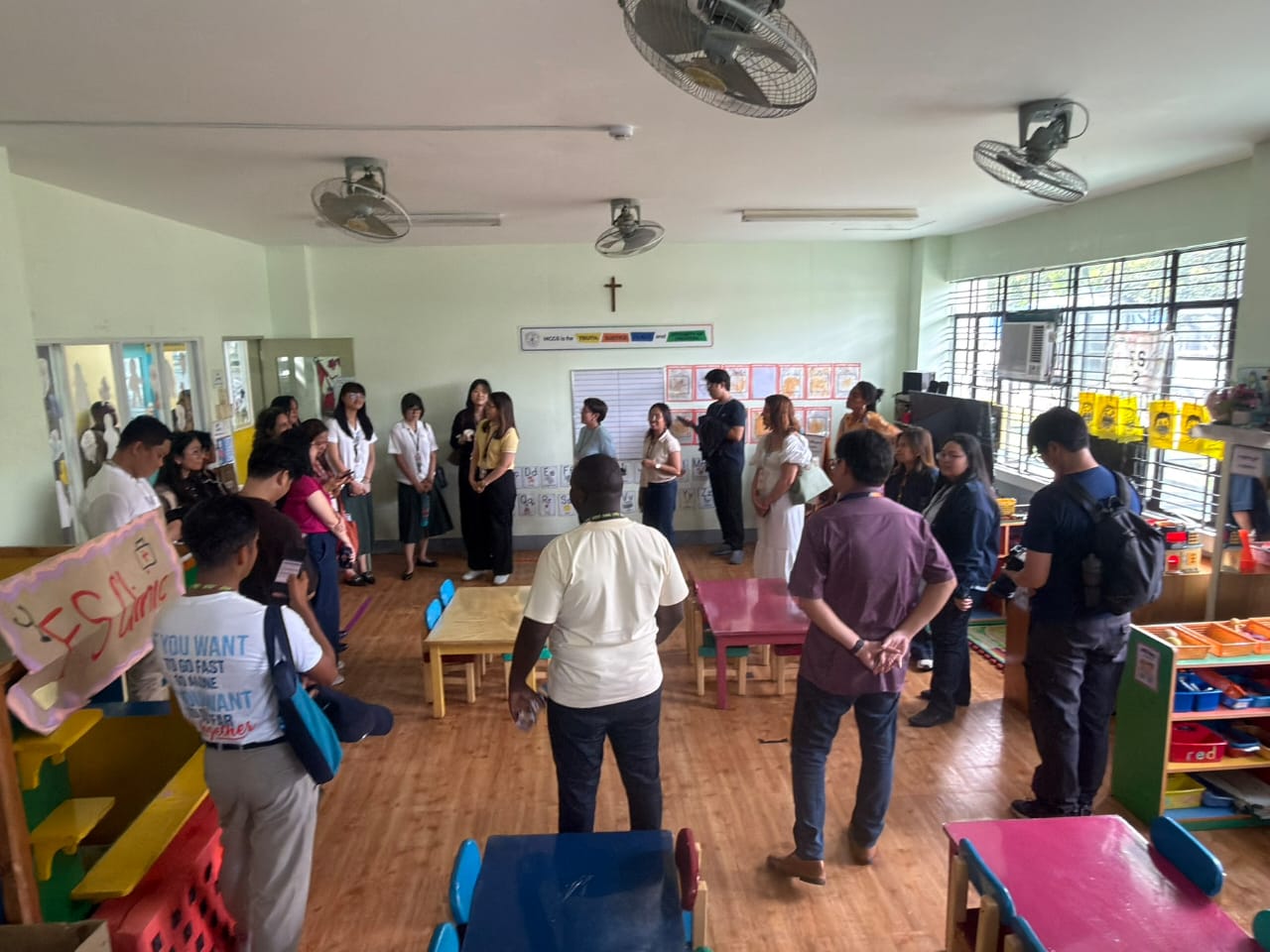
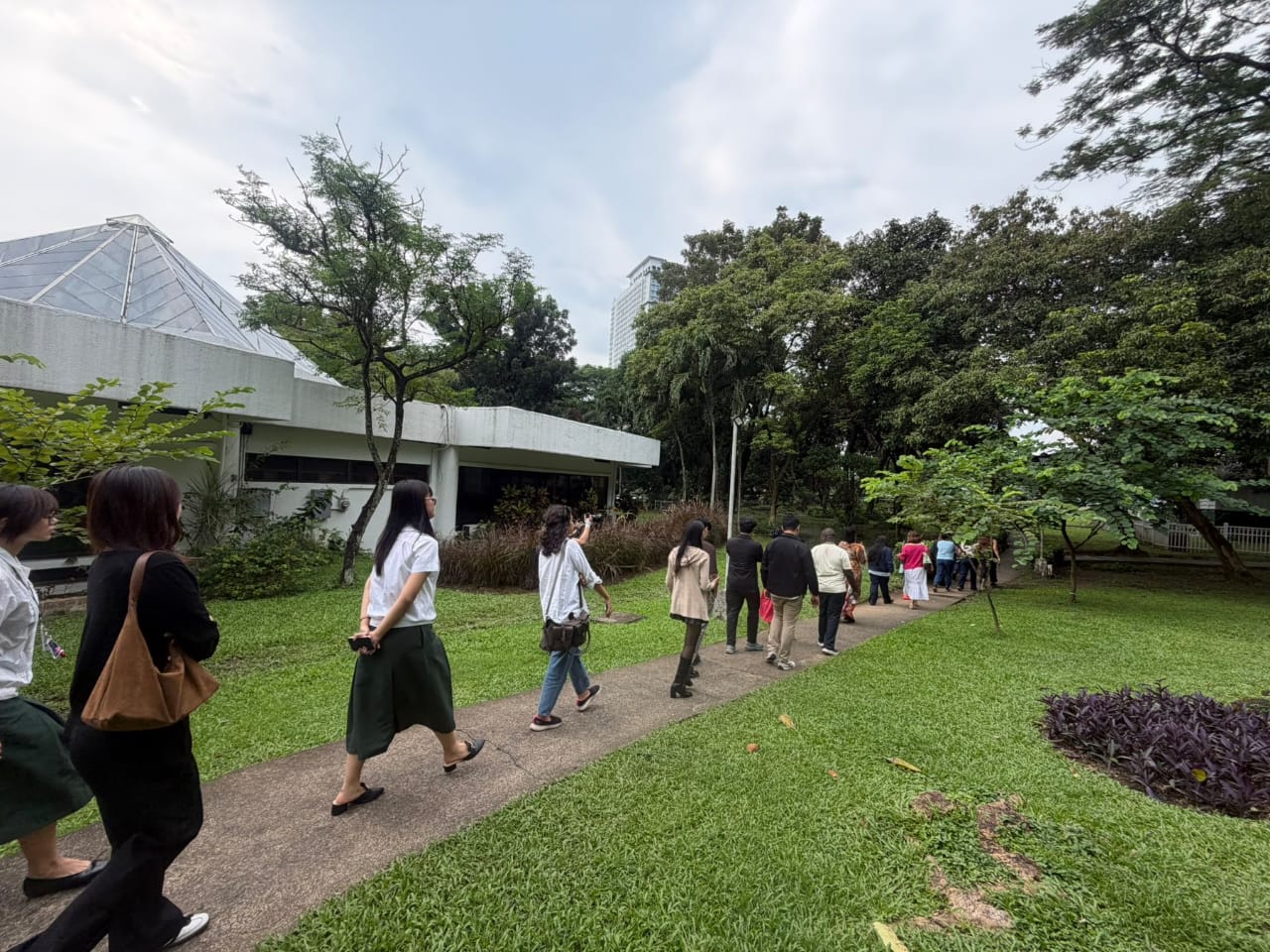
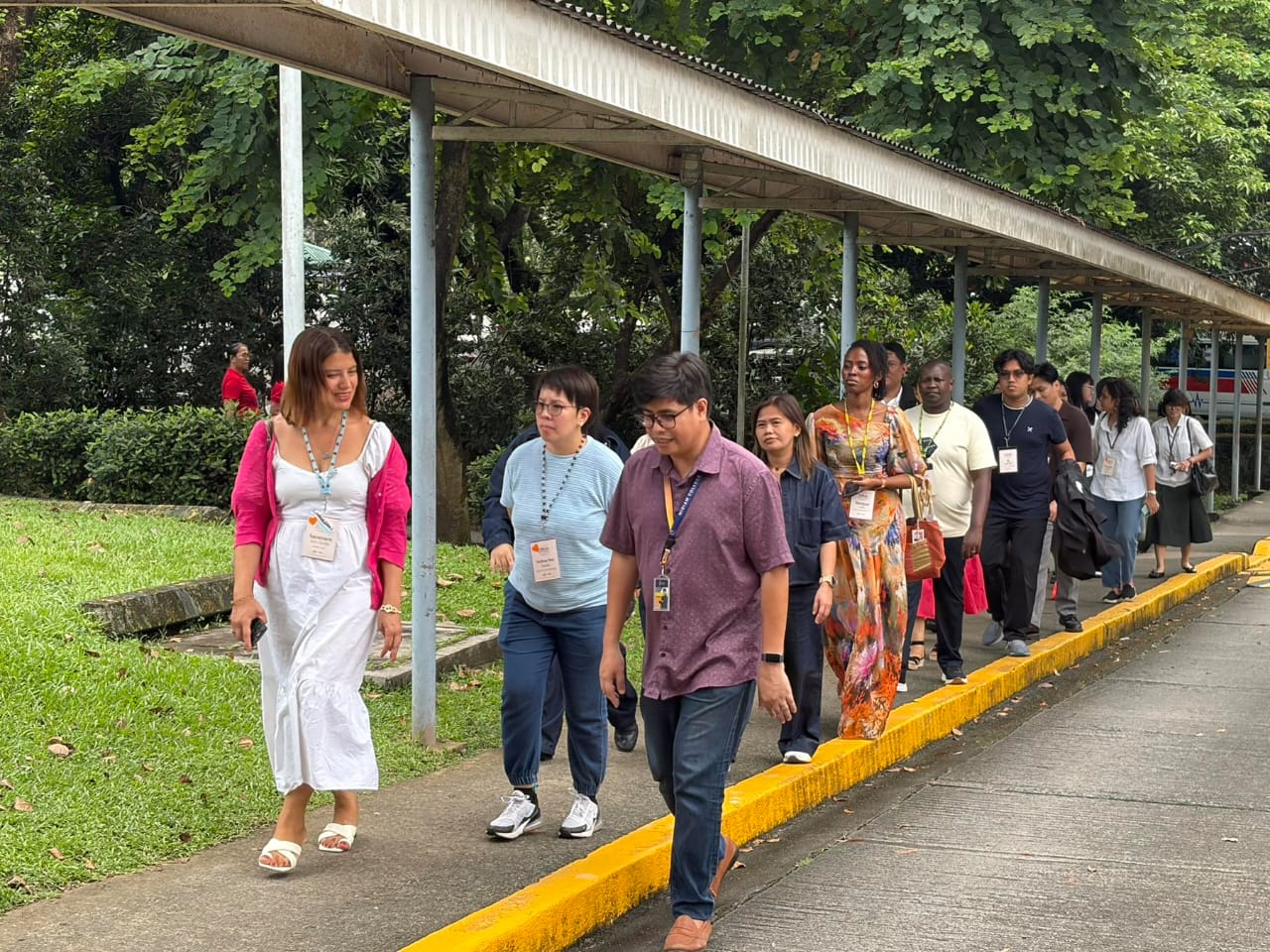
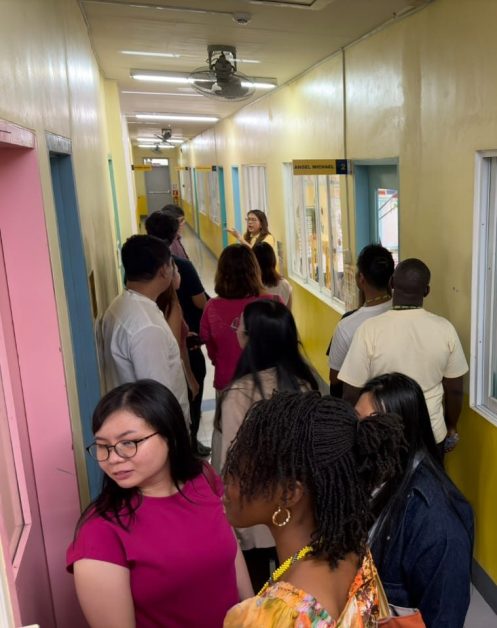
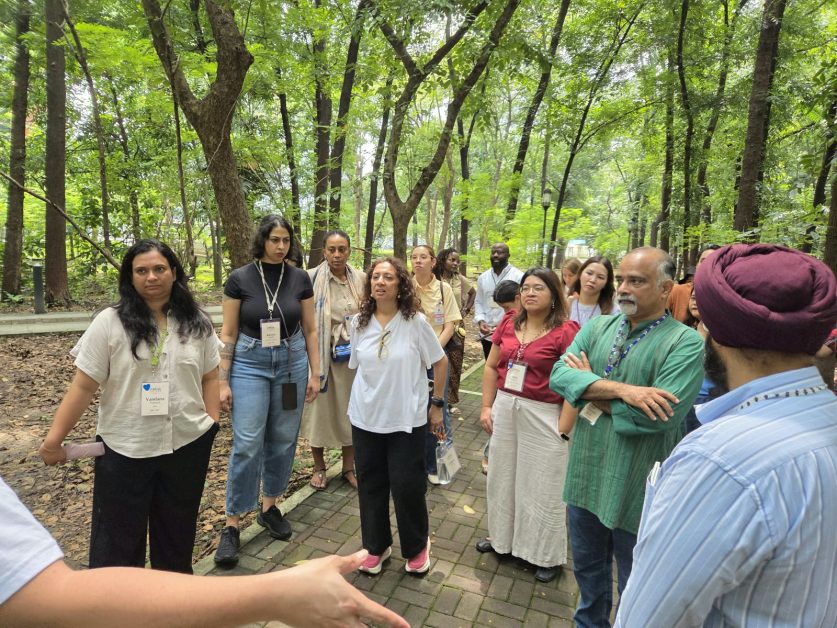
The first day began with immersion visits to university-based incubators in Metro Manila. Participants could choose among Ateneo Blue Nest, the Miriam College Technology Business Incubator and the UPSCALE Innovation Hub, followed by an opening conversation with Pollinate Impact’s network leaders. The delegation also built relationships that it expects will widen SLU’s partner pool, including fellow university-based incubators, funders, and development partners. Dr. Lamadrid described the experience as refreshing and timely: “Attending Global Pollinate Impact 2026 was a truly transformative experience. Engaging with ecosystem builders, incubators, accelerators, and investors from across the Global South – including Kenya, India, Ghana, Vietnam, Cambodia, and the Philippines, to name a few – offered deep, actionable insights into driving sustainable impact. The conference theme, “Kapwa”, which is the Filipino concept of shared identity, interconnectedness, and collective responsibility, was woven into every aspect of the event. From interactive workshops to field tours, the spirit of collaboration, shared value, and mutual support was palpable. A standout highlight for me was learning about the Women’s Investment Club in Senegal. Built on a “by women, for women” model, it leverages pooled financial resources, networks, and expertise to champion female entrepreneurs. Inspired by this model, I hope to help foster a similar initiative in the Philippines. I returned to the university energized and equipped with practical strategies to implement.”
For SLU, the timing matters. The University is preparing the formal relaunch of its Technology Business Incubator, with management to be consolidated under ITTO. The Potluck’s focus on incubator sustainability, talent and culture, and funding models speaks directly to that work.
This participation directly supported United Nations Sustainable Development Goals 9: Industry, Innovation, and Infrastructure and 17: Partnerships for the Goals by strengthening local technology business incubation and establishing vital cross-border networks with Global South ecosystem builders. Furthermore, integrating models such as Senegal’s Women’s Investment Club advances SDG 5: Gender Equality by fostering financial empowerment and providing targeted support for female entrepreneurs within the university’s growing startup ecosystem. (Article by Melissa May M. Boado | Photos by the SLU RISE Center)