On 9 October 2026, the Saint Louis University’s (SLU) School of Teacher Education and Liberal Arts (STELA) convened its Industry Advisory Board (IAB) Curriculum Meetings across several of its academic departments. Held simultaneously across on-campus venues and online platforms, the activity gathered academic administrators, faculty, industry practitioners, government officials, alumni, and student leaders to evaluate and refine academic programs to meet modern professional demands. By engaging external partners and academic communities, STELA reaffirms its commitment to educational quality, student readiness, and community engagement.
Program-Specific Highlights and Key Contributions
Across the participating departments within STELA, the primary objective centered on aligning program learning outcomes (PLOs) with modern professional standards, addressing curriculum gaps, and ensuring smooth course progression. The IAB meetings served as a collaborative forum to evaluate student competencies, assess internship performance, and foster direct mentoring and knowledge exchange between the university and active industry practitioners. Rather than operating in isolation, each department reviewed previous curriculum cycles and integrated stakeholder feedback into their forward-looking academic offerings. While sharing a unified focus on academic quality, each department engaged specialized industry representatives to address distinct career pathways and practical needs.
Department of Professional and Physical Education
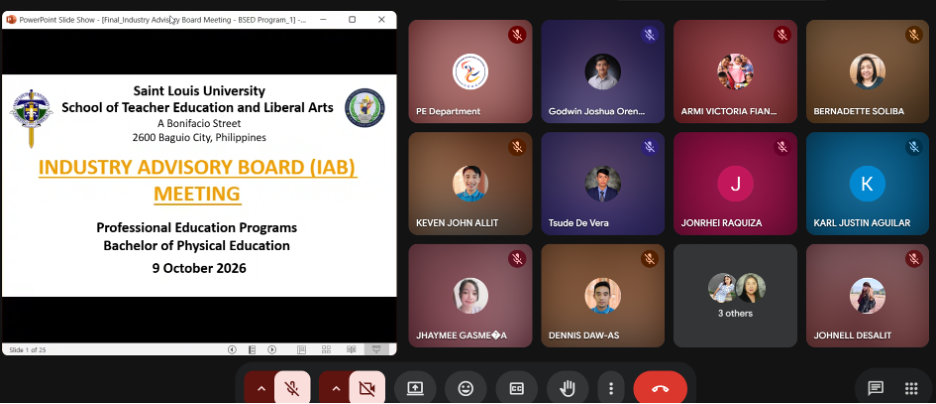
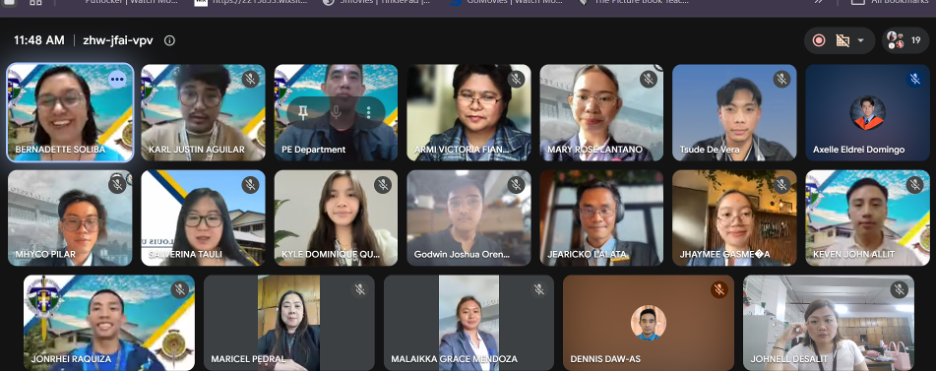
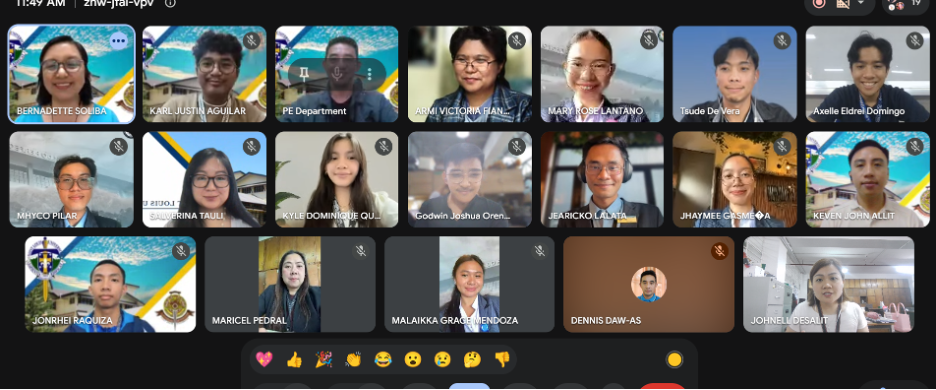
Led by Bernadette L. Soliba, PhD, Head of Professional Education, and Dennis M. Daw-as, PhD, Head of Physical Education, the IAB meeting of the Department of Professional and Physical Education convened English and Physical Education faculty, students across various year levels, and alumni currently teaching in other institutions. Key industry stakeholders included representatives from the Department of Education (DepEd) Baguio and Benguet Divisions who shared vital recommendations to align program learning outcomes with the evolving needs of the basic education sector.
Department of Languages and Communication
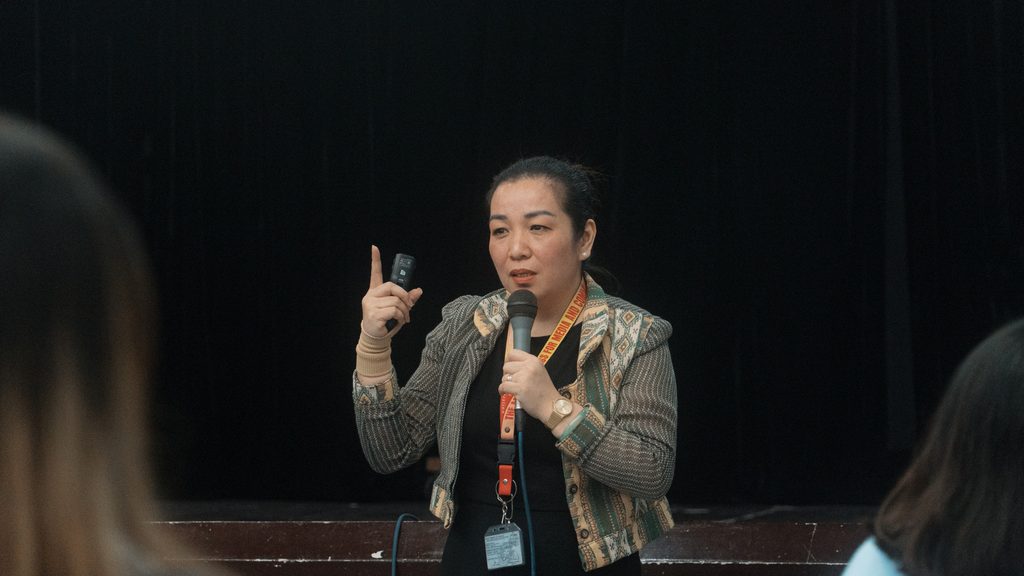
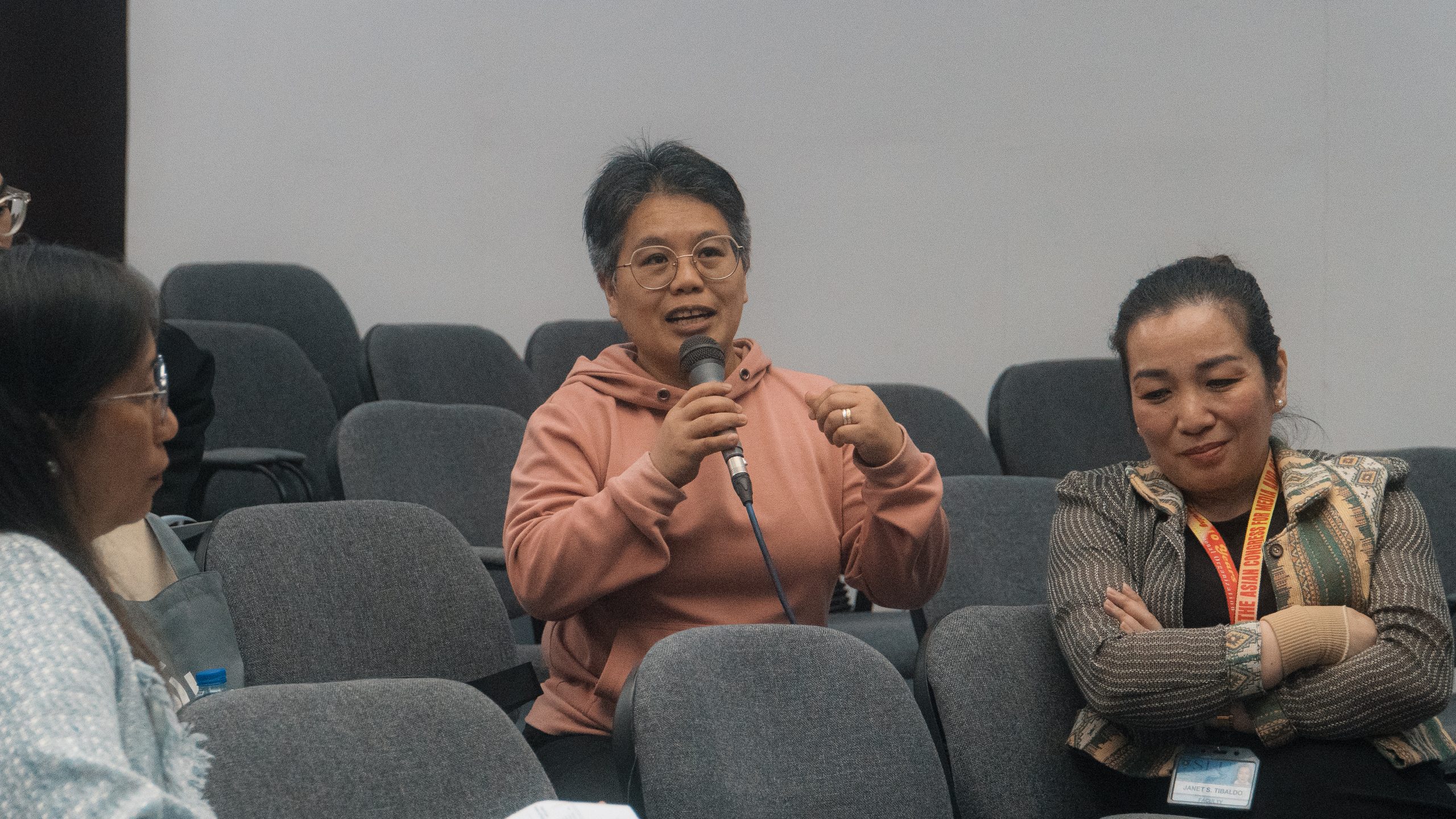
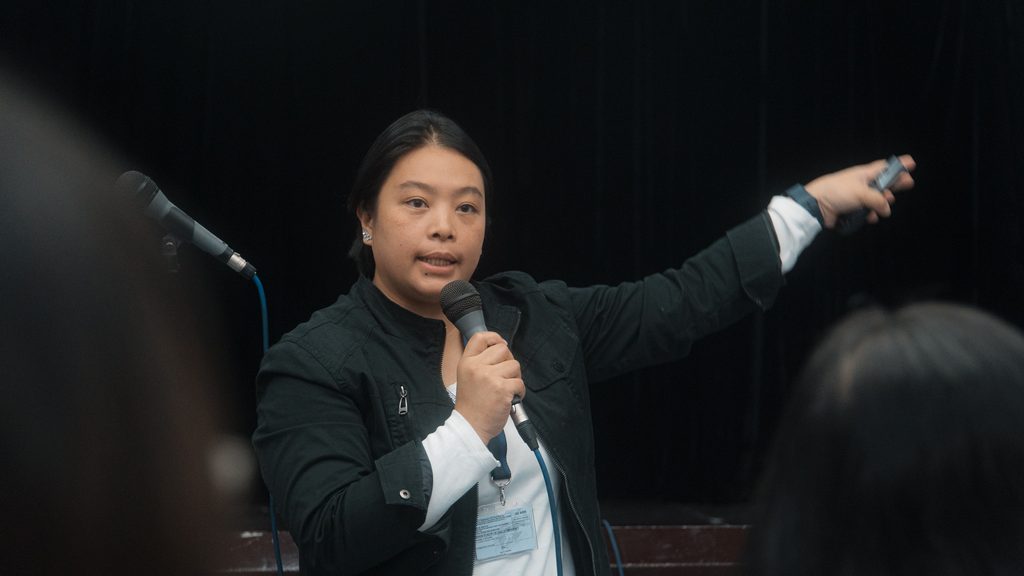
The Languages and Communication Department conducted a hybrid session at the Waldo Perfecto Building AVR, focusing on the continuous development of the Bachelor of Arts in Communication program. Discussions centered on balancing practical media experience with community engagement, updating course progression from previous 2023 reviews, and promoting the responsible use of emerging technologies, such as artificial intelligence (AI).
Industry and alumni representatives who joined the dialogue include Rose A. Malekchan of Mountain Province Broadcasting Corporation–DZWT, who shared insights on the performance of SLU Communication interns; Lianne Pauline Carreon, an alumna of the program and SLU Assistant University Information Officer who emphasized output quality and communication standards, among others. Don Jerod Asuncion, another alumnus, joined virtually via Google Meet alongside other representatives.
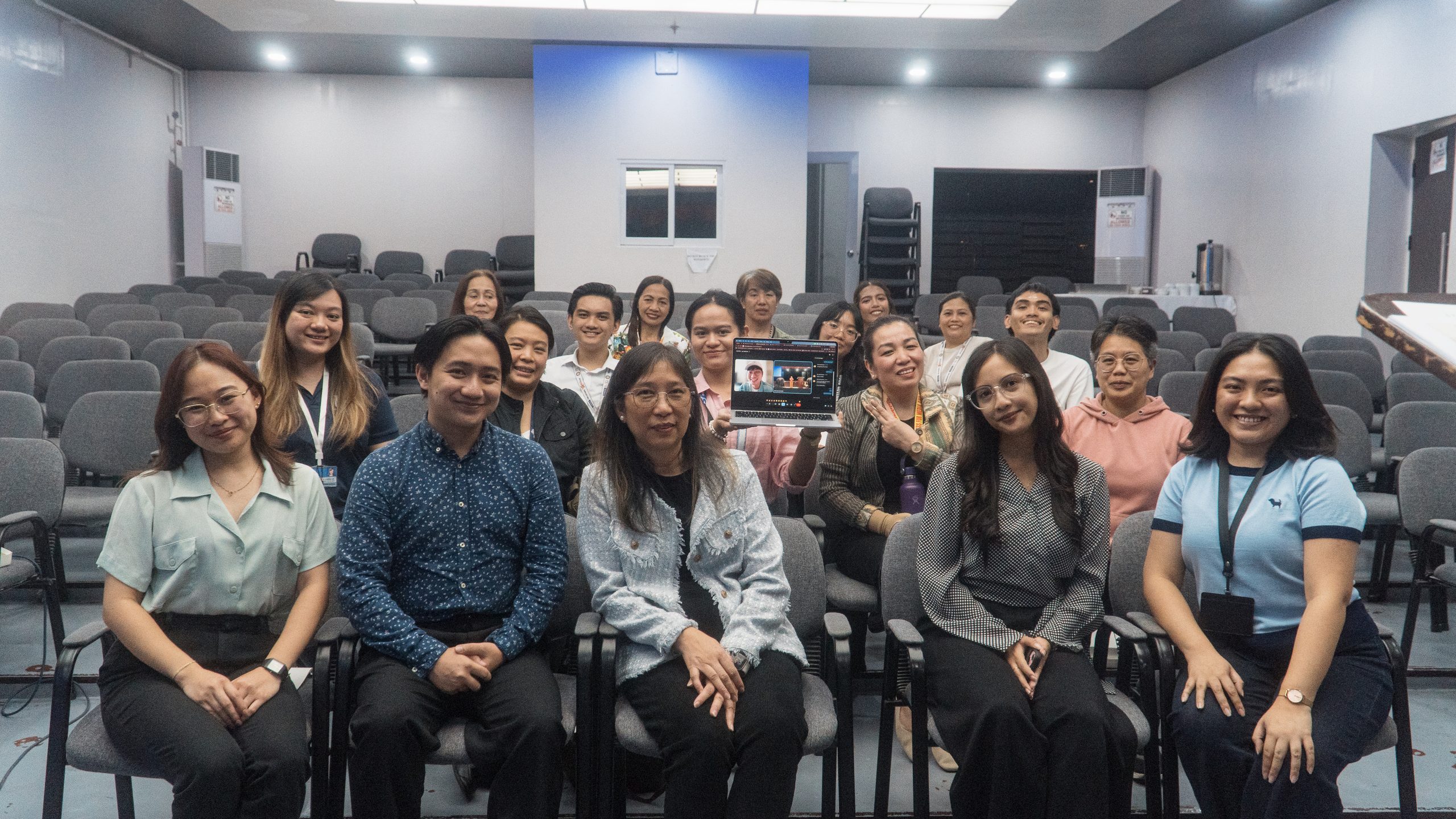
Department of Political and Social Sciences
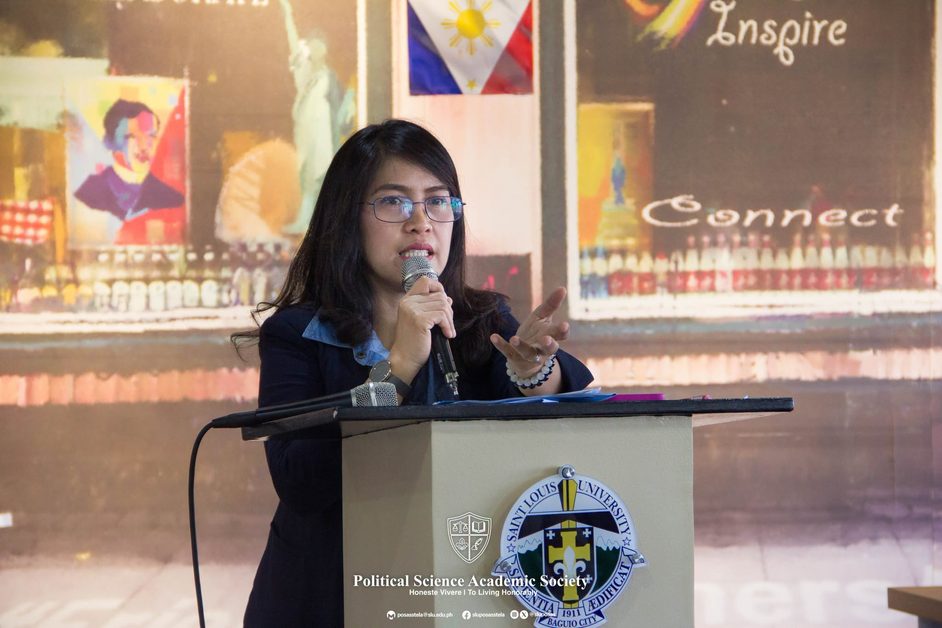
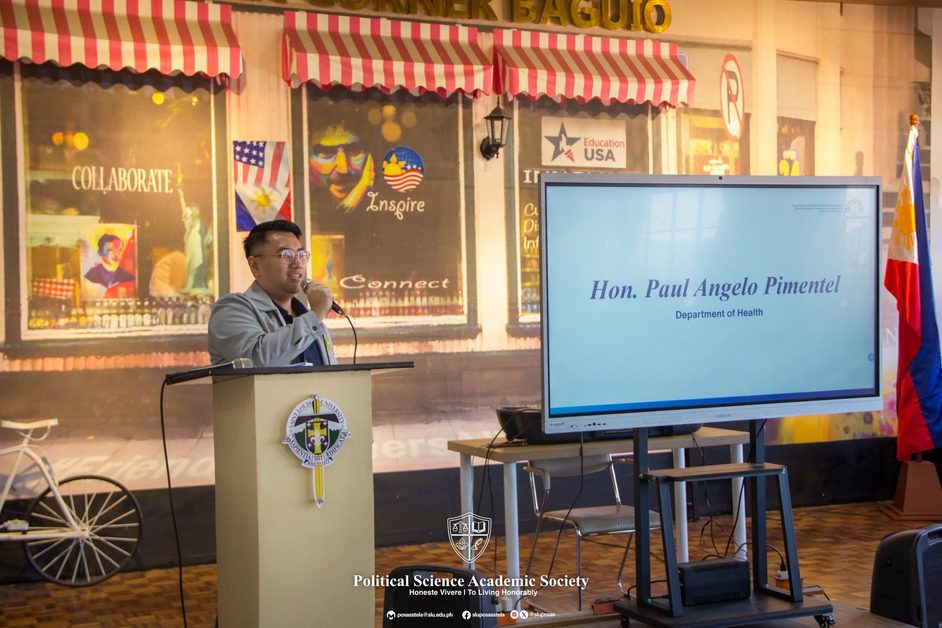
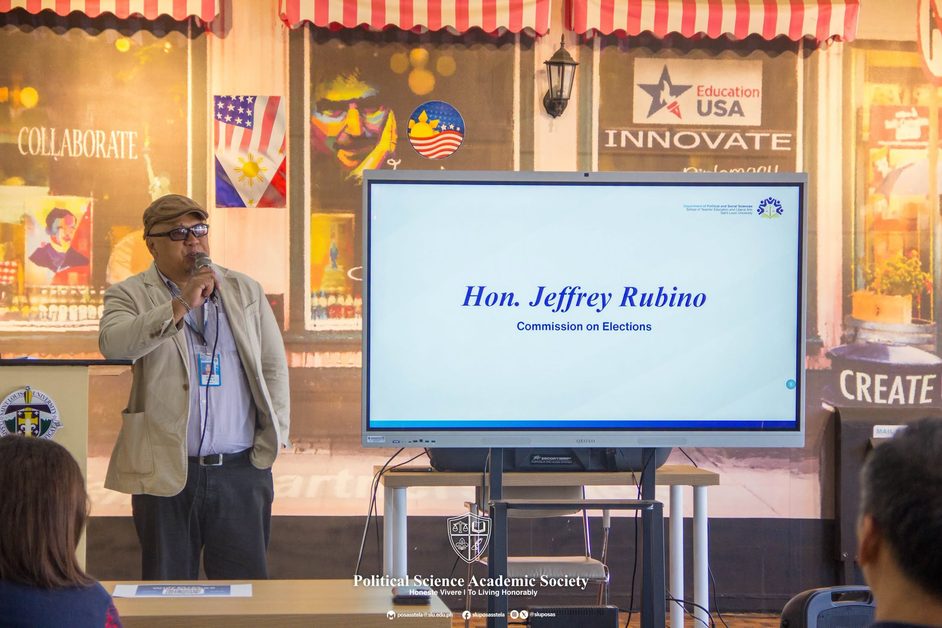
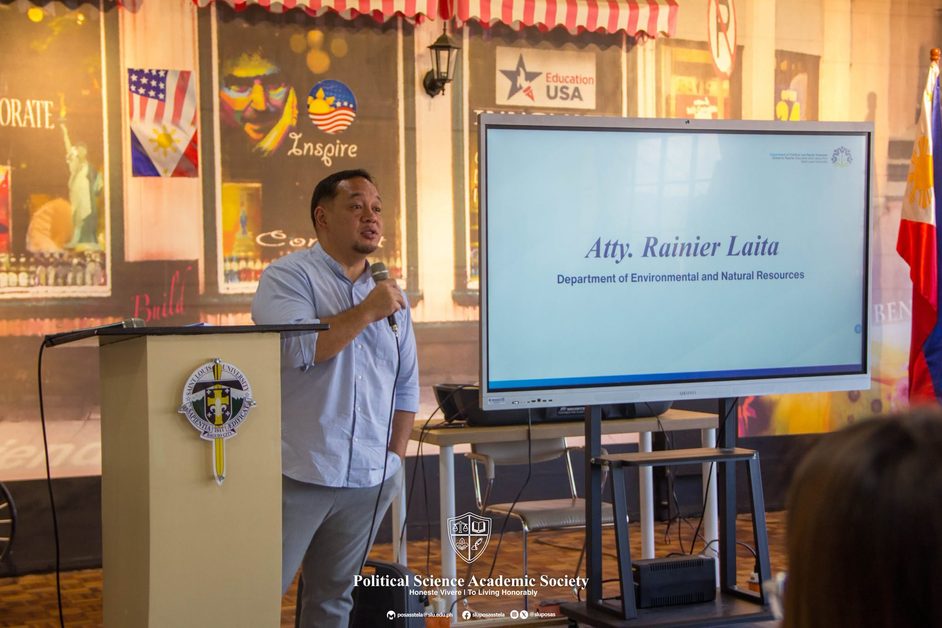
In collaboration with the Political Science Academic Society (POSAS), the Department of Political and Social Sciences held its meeting at the American Corner Baguio, Msgr. Charles Vath Library Building. Opened by Department Head Christine Jay Z. Abordo, PhD the session focused on developing a forward-looking BA Political Science curriculum. Discussions were facilitated by faculty members Shivanee A. Dolo, PhD and Angela C. Tenorio, PhD followed by a plenary synthesis and closing remarks from POSAS Adviser Atty. Mark Gil J. Ramolete.
Department of Social Work
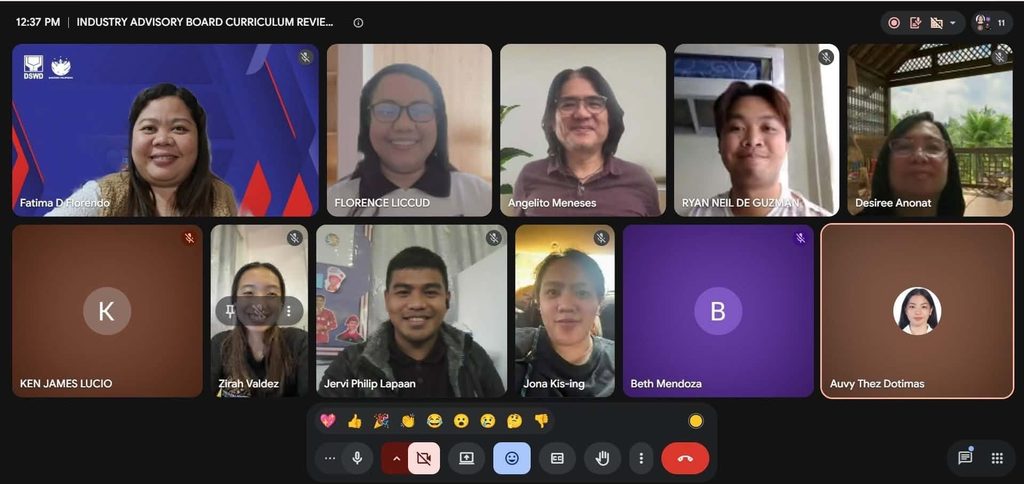
Led by Department Head Florence H. Liccud, PhD the Social Work Department held a virtual curriculum review for the Bachelor of Science in Social Work program. Guest speaker. Dorothy de Vera Silva, PhD shared global best practices to align student preparation with social welfare demands. Recommendations highlighted the retention of key courses like Social Work and the Law, expanded field placements, and the integration of emerging practice areas including digital social work, data privacy, gender and development, mental health, trauma-informed care, and Indigenous cultural sensitivity.
Alignment with United Nations Sustainable Development Goals
The joint curriculum initiatives of STELA directly support the United Nations Sustainable Development Goals by advancing specific, target-driven indicators: SDG 4 (Quality Education), through Indicator 4.3.1 by ensuring equal access to quality tertiary education and Indicator 4.4.1 by modernizing curricula to build relevant skills for employment and entrepreneurship; SDG 8 (Decent Work and Economic Growth), through Indicator 8.6.1 by strengthening academic-to-industry pathways to prepare students for productive professional careers; SDG 9 (Industry, Innovation, and Infrastructure), through Indicator 9.b.1 by fostering innovation and technology development through the integration of emerging tools like AI and digital management into higher education; and SDG 17 (Partnerships for the Goals), through Indicator 17.17.1 by building effective public, private, and civil society partnerships among university leadership, alumni, government agencies, and industry experts for institutional growth. (Article and photos by STELA)