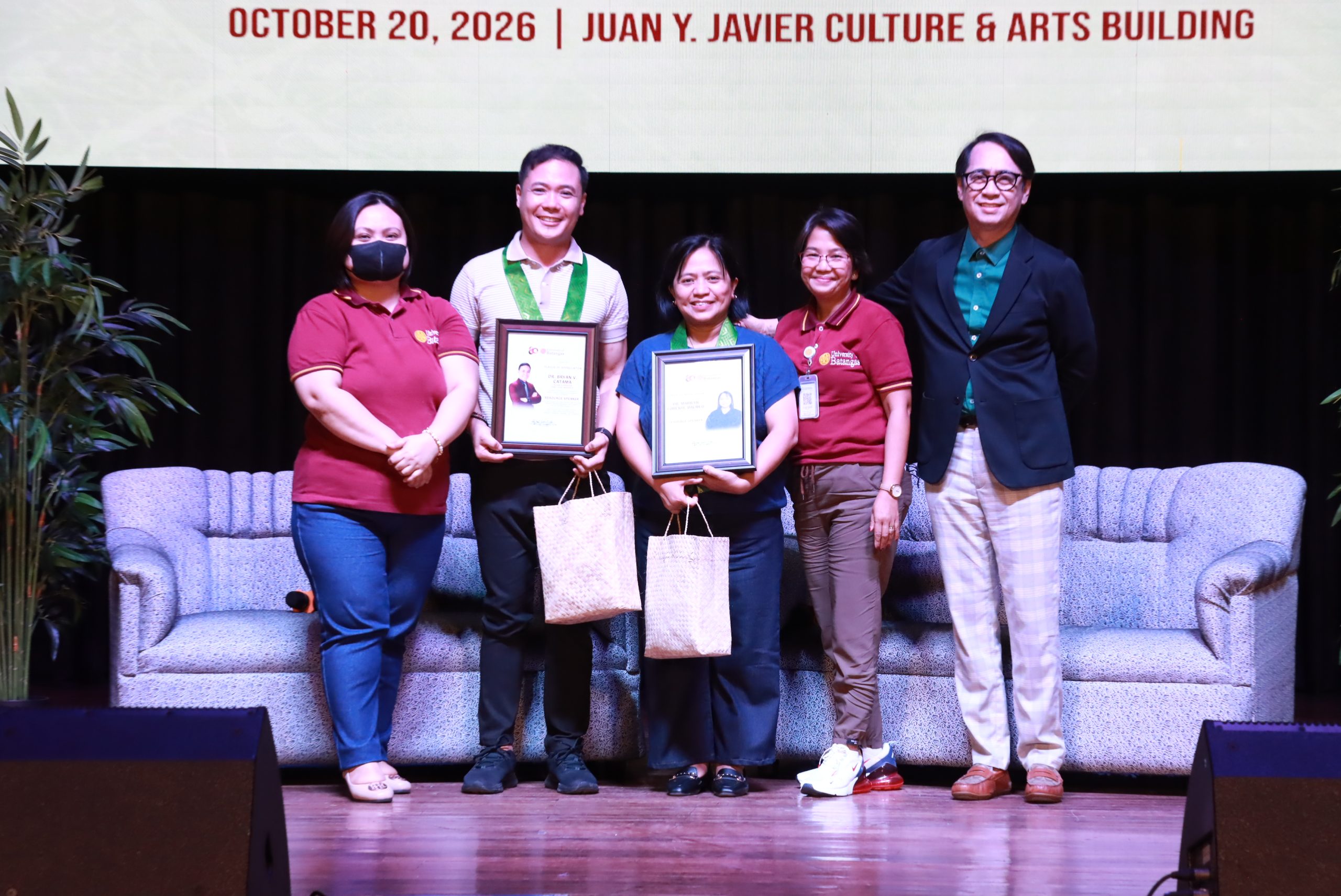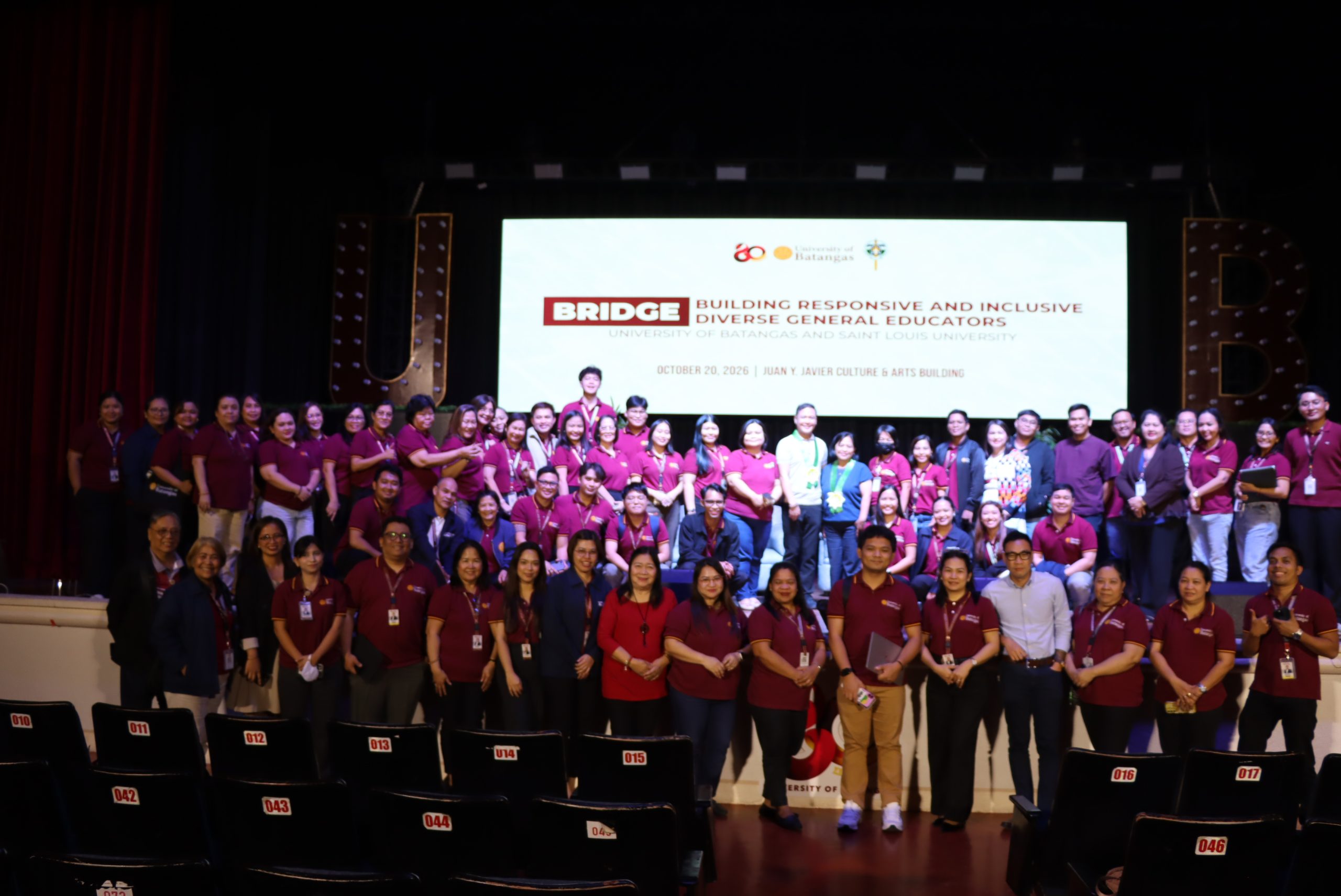

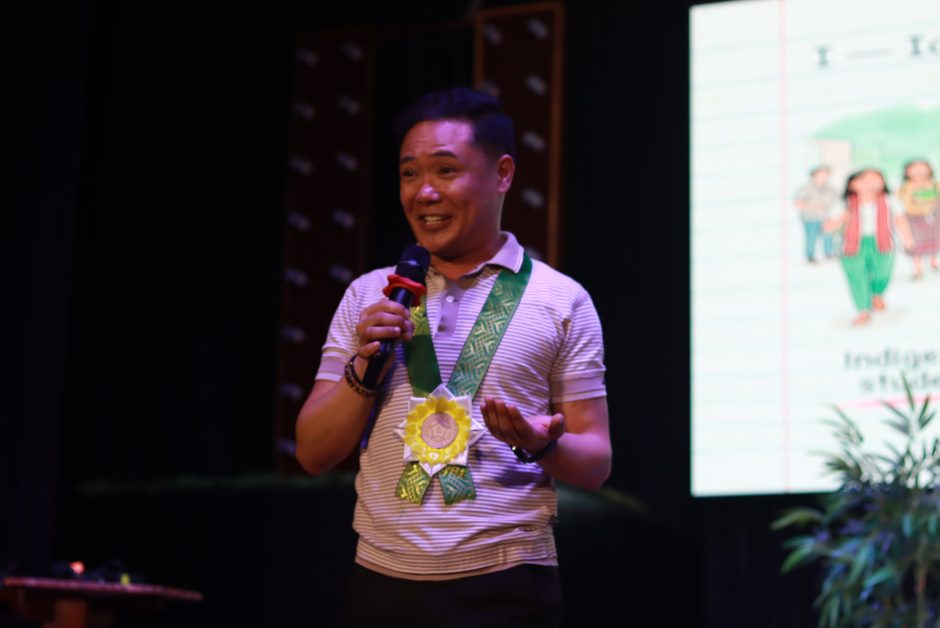
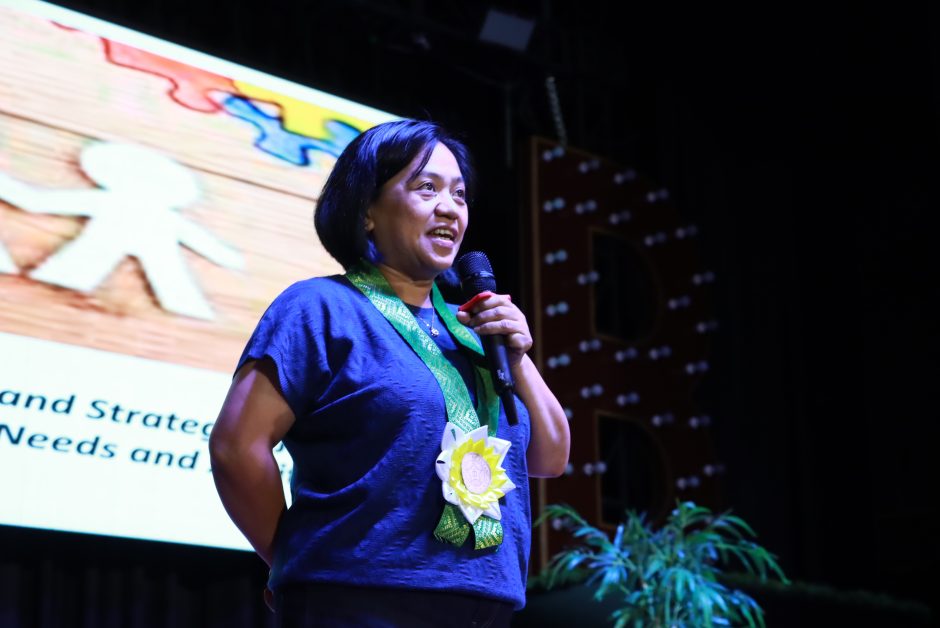
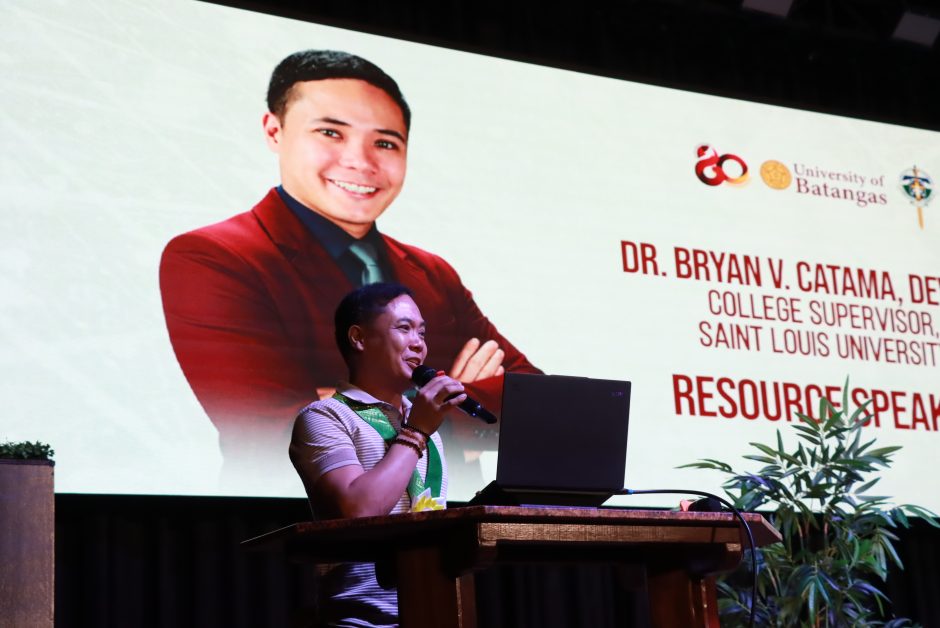
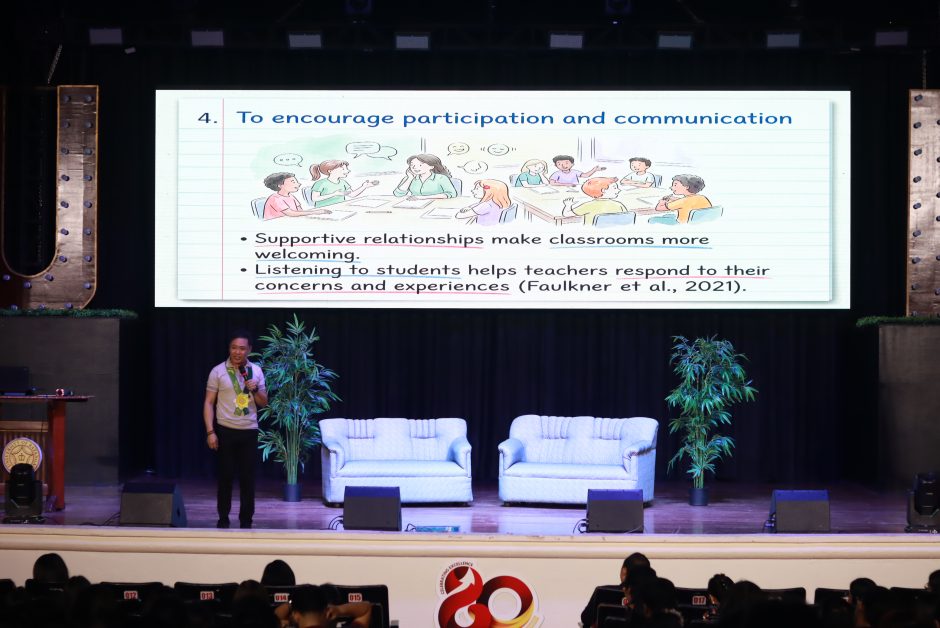
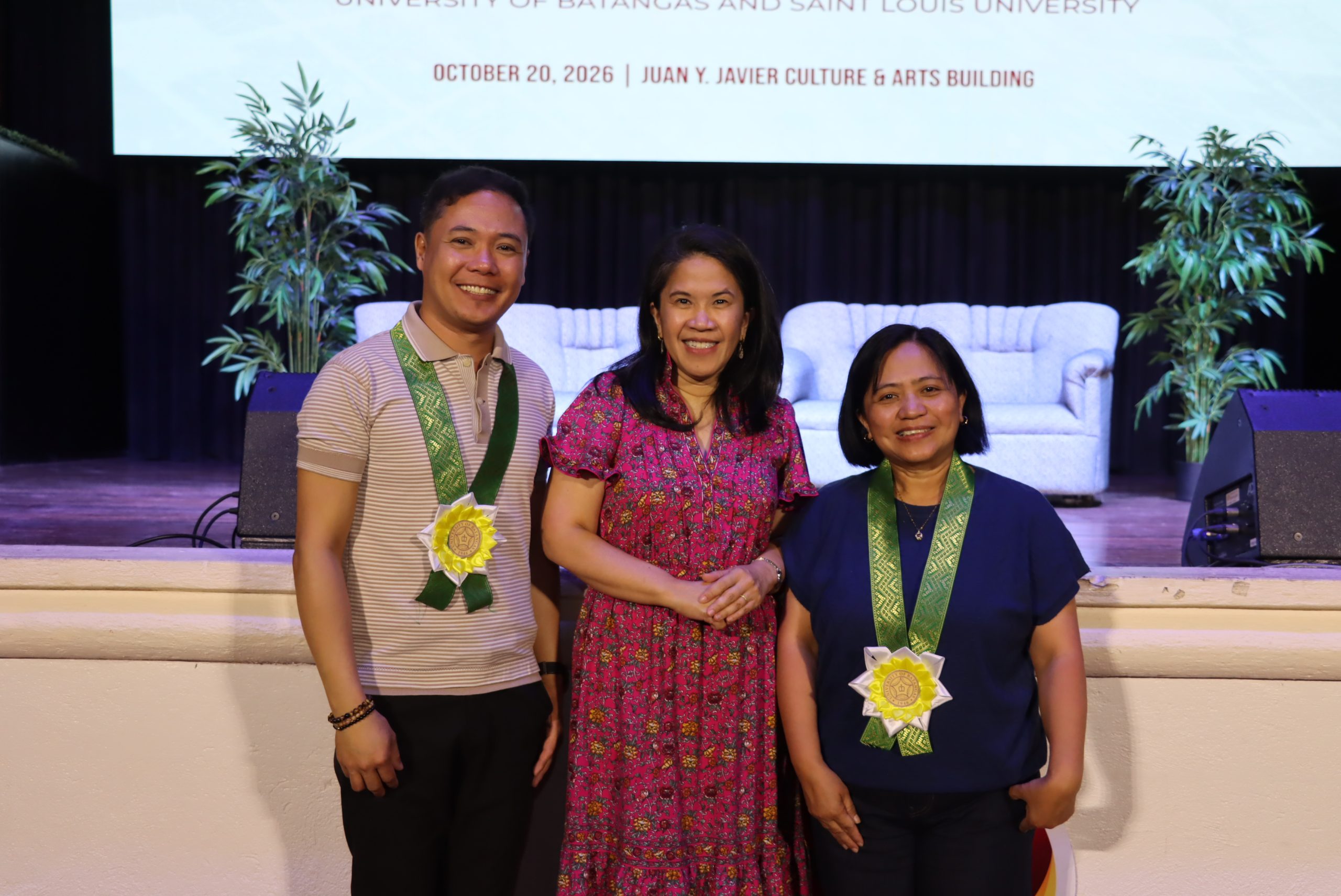
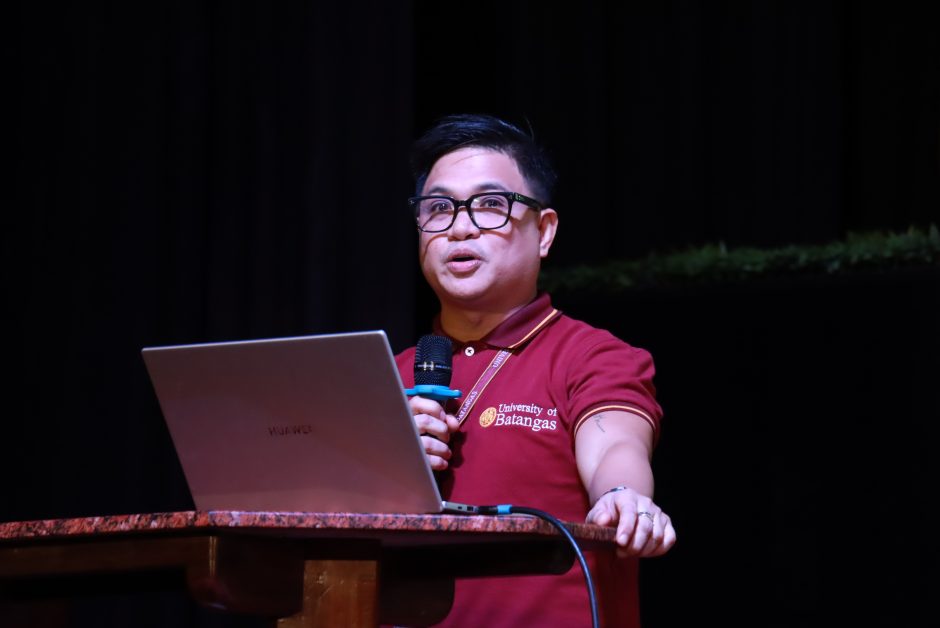
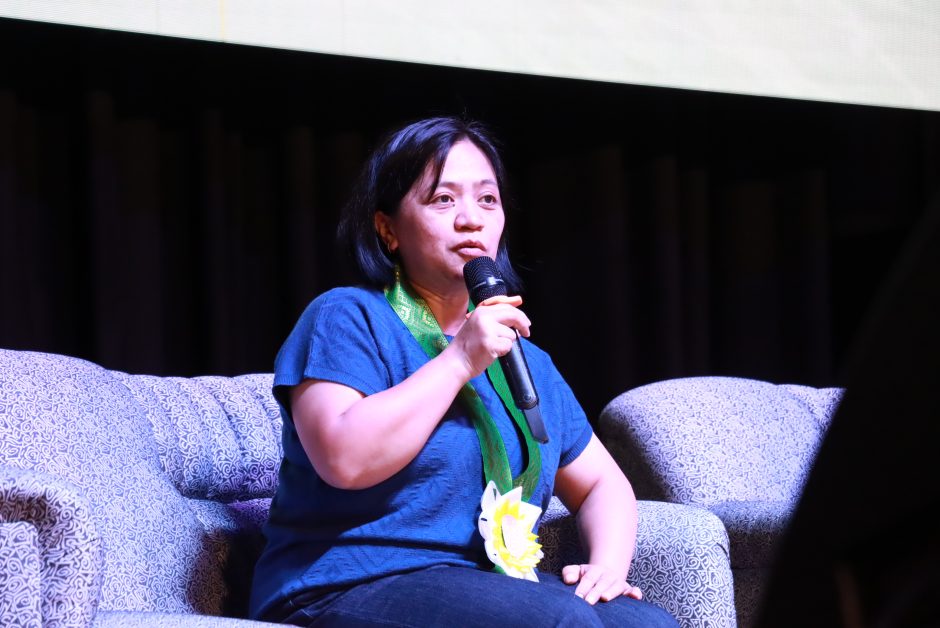
Conducted under Saint Louis University’s (SLU) Inclusive Education Resource Center (IERC), professors from the School of Teacher Education and Liberal Arts ( STELA), Bryan V. Catama, PhD and Marilyn L. Balmeo, PhD, served as resource speakers at “BRIDGE: Building Responsive and Inclusive Diverse General Educators,” held at the University of Batangas (UB) Auditorium on 20 October 2026.
The activity was conducted in line with the memorandum of agreement between SLU and the University of Batangas (UB) that aim to strengthen educators’ capacity to respond to diverse learners’ needs through inclusive communication, accessible teaching practices, and institutional support.
UB President Lily Marlene J. Hernandez-Bohn, PhD delivered the opening remarks.
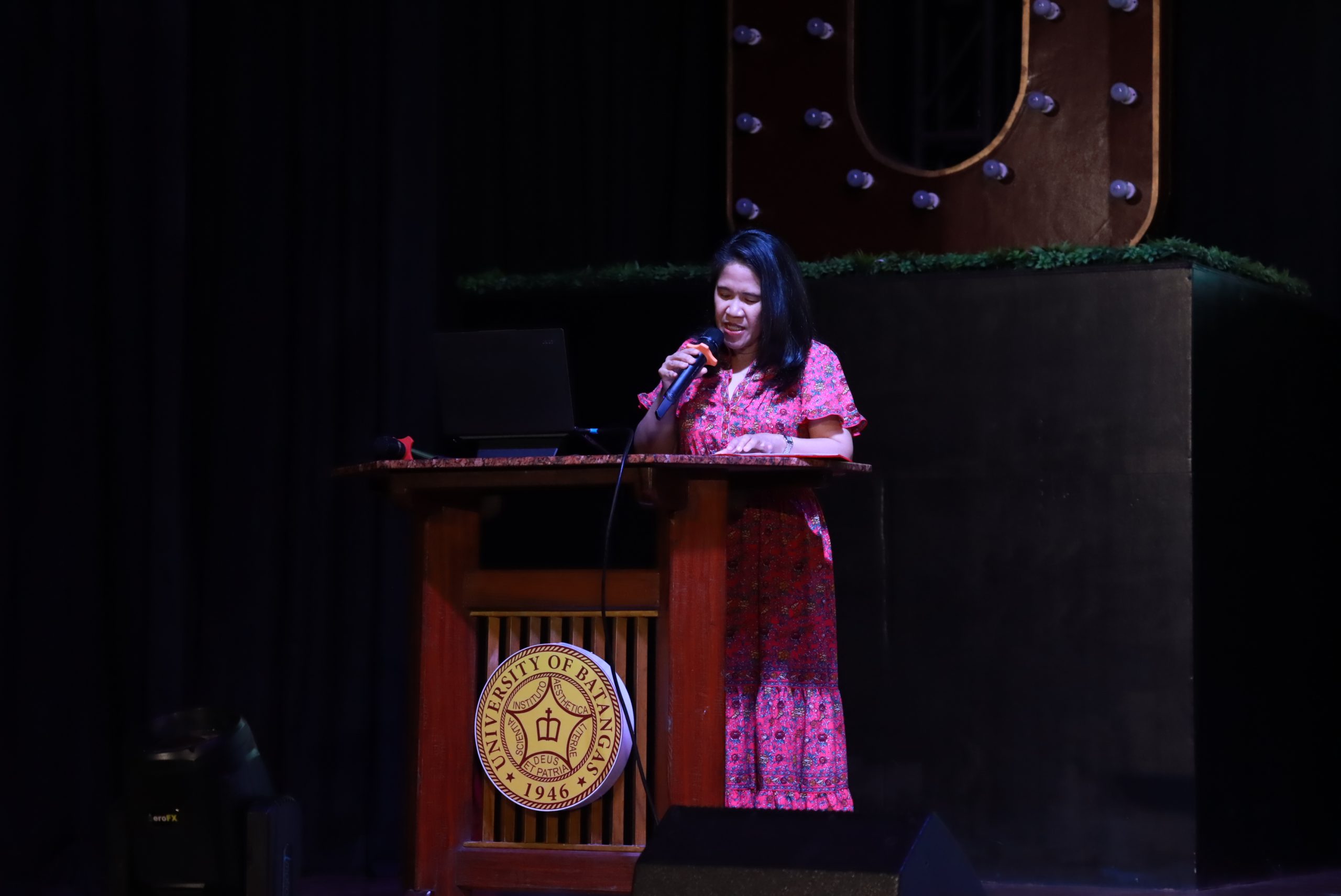
The morning sessions examined how educators can respond to learner diversity in higher education. Dr. Catama discussed diverse learning needs and common misconceptions about disability and inclusion before addressing respectful language and inclusive classroom interactions. Dr. Balmeo built on these discussions with strategies for accessible teaching and learning, then explored how universities can support inclusion beyond classroom instruction.
The afternoon workshop connected these discussions with participants’ institutional practices. Participants began by examining how students with additional learning needs are identified and supported. They traced the process from identification, initial response, and referral through assessment and consultation, support decisions, implementation, monitoring, and review.
This examination extended to barriers that may limit student participation. Participants considered academic practices, attitudes, communication, physical and digital access, administrative procedures, and social interactions. Their analysis guided a review of policies and practices that may need revision, along with the identification of offices responsible for addressing the barriers.
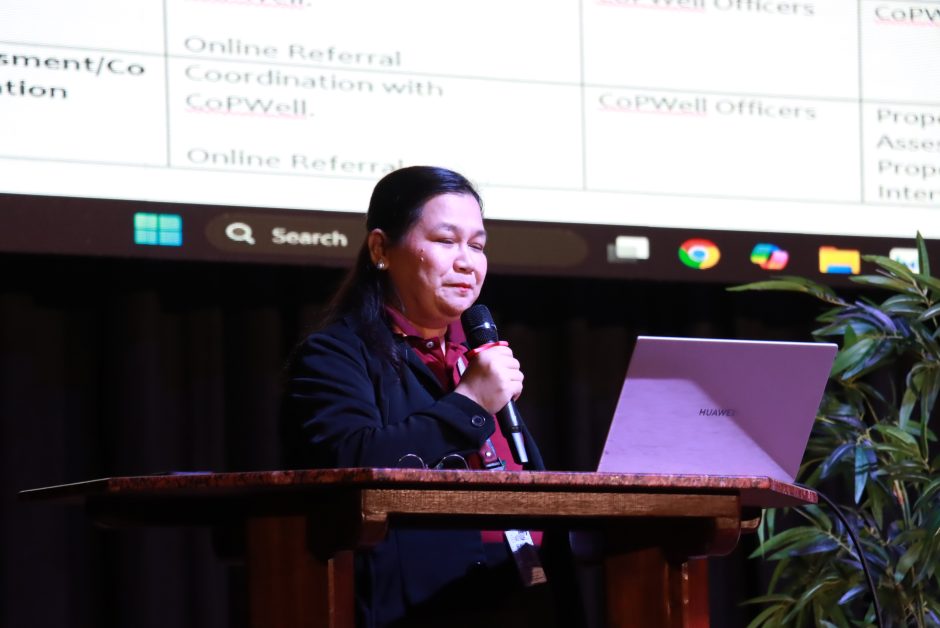
The workshop concluded with an institutional action-planning activity. Participants were asked to identify one practice, procedure, or system to improve within the next academic year. For their selected priority, they were to specify the proposed improvement, persons or offices involved, resources needed, evidence of success, and target timeline.
The event’s focus on accessible learning and responsive student support aligns with Sustainable Development Goal 4: Quality Education, particularly Target 4.5, which calls for equal access to education for vulnerable groups, including persons with disabilities. The sessions and workshop highlighted a shared responsibility: making inclusion part of everyday teaching, university policies, and student support. (Article by B. Catama | Photos by UB)