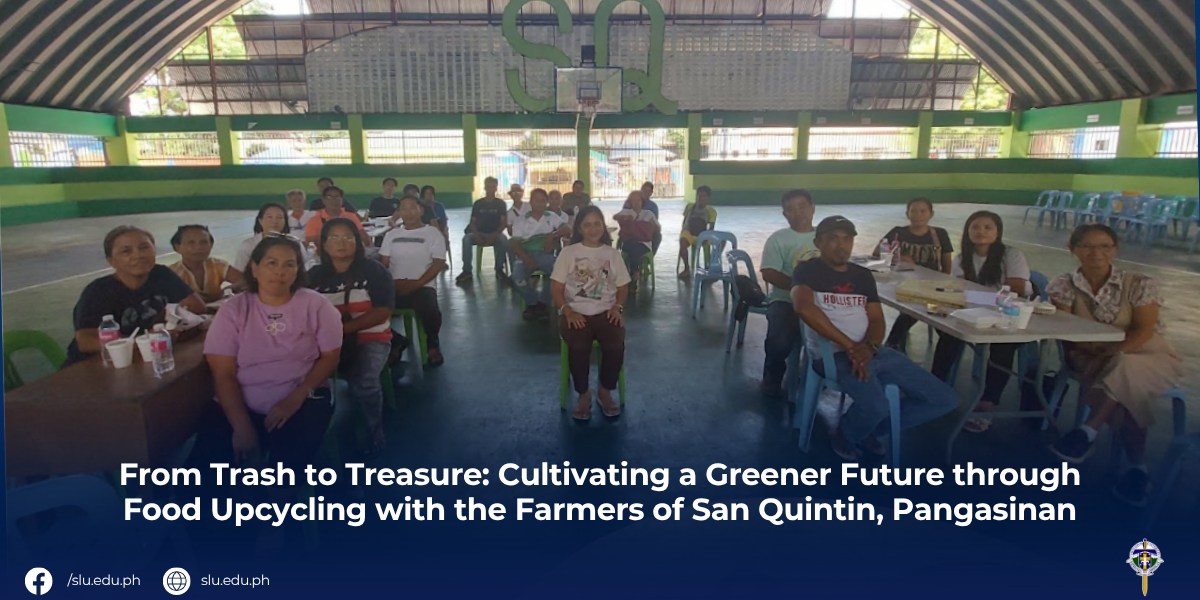
On 10 April 2026, the Local Government Unit (LGU) Gymnasium Hall in San Quintin, Pangasinan, became a hub of innovation and hope. As part of Saint Louis University’s (SLU) ongoing commitment to the United Nations Sustainable Development Goals (SDGs), the University spearheaded a transformative session to empower local farmers through the concept of food upcycling.
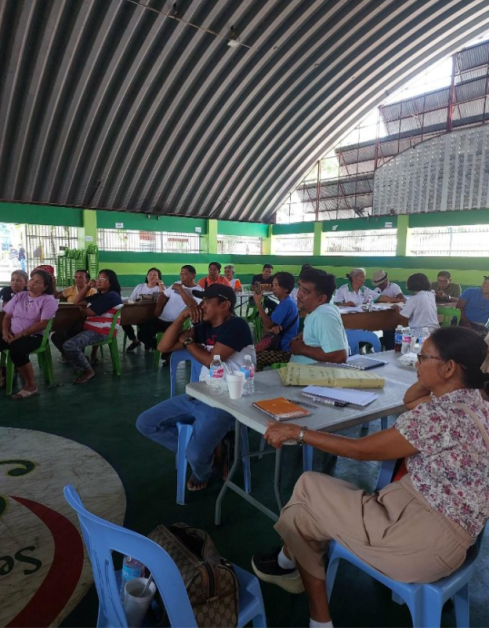
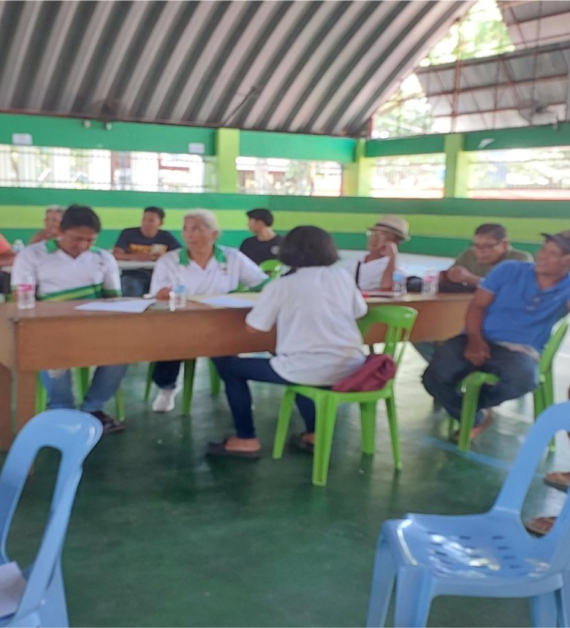
Spearheaded by SLU President Fr. Gilbert Sales and VP for Mission & Identity Fr. Emery Mwako, facilitated by SDG point person Joselito Gutierrez, PhD in collaboration with the Department of Social Welfare & Development (DSWD) of the area and LGU of San Quentin, the event welcomed farmers who cultivate maize, palay, eggplant, and other vegetables, all eager to find solutions for their surplus and “ugly” produce.
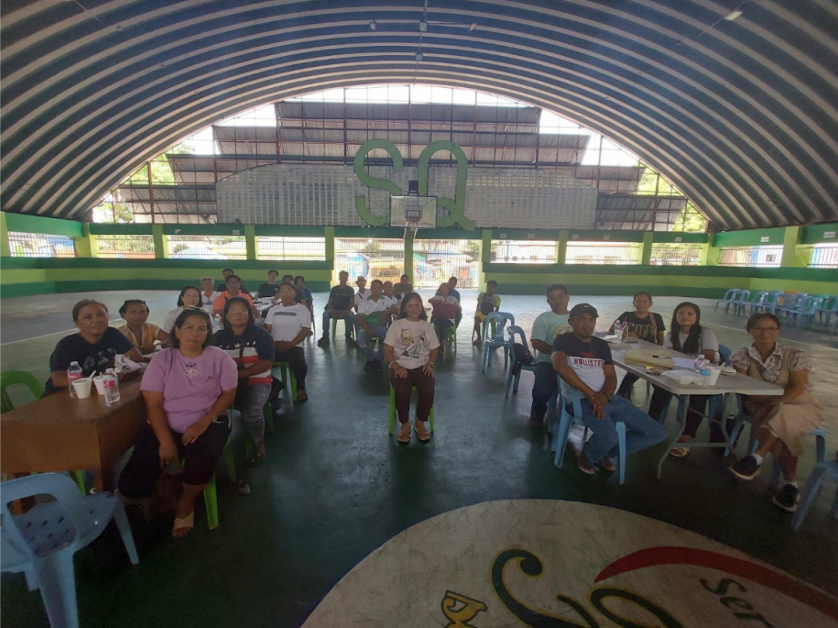
Richel Lamadrid, PhD Director of SLU’s RISE (Research, Innovation, & Sustainable Extension) Center, opened the talk by addressing the “sad reality” of vegetable food wastes and losses. For instance, in the Cordillera Administrative Region (CAR), post-harvest losses are staggering: approximately 10% of cabbage and 7% of carrots are lost after harvest. We often hear that vegetables are disposed of in Benguet because they cannot be sold, even at low prices.
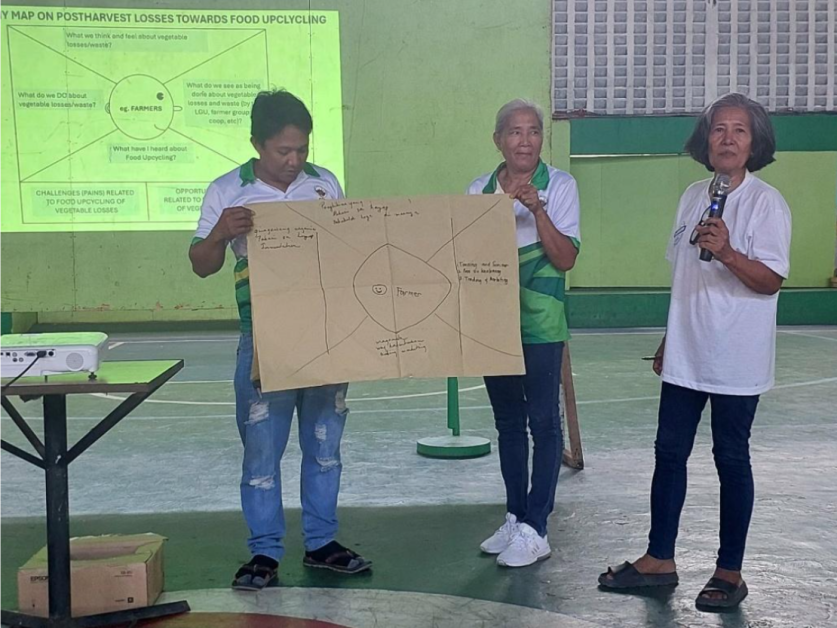
For the farmers in attendance, these statistics are not just numbers; they represent “pain” and “regret”. During an empathy-mapping workshop, participants expressed deep sadness at seeing their hard work discarded or given to animals as feed. However, Dr. Lamadrid challenged them to shift their perspective: to stop seeing these losses as “trash” and start seeing them as “treasure”.
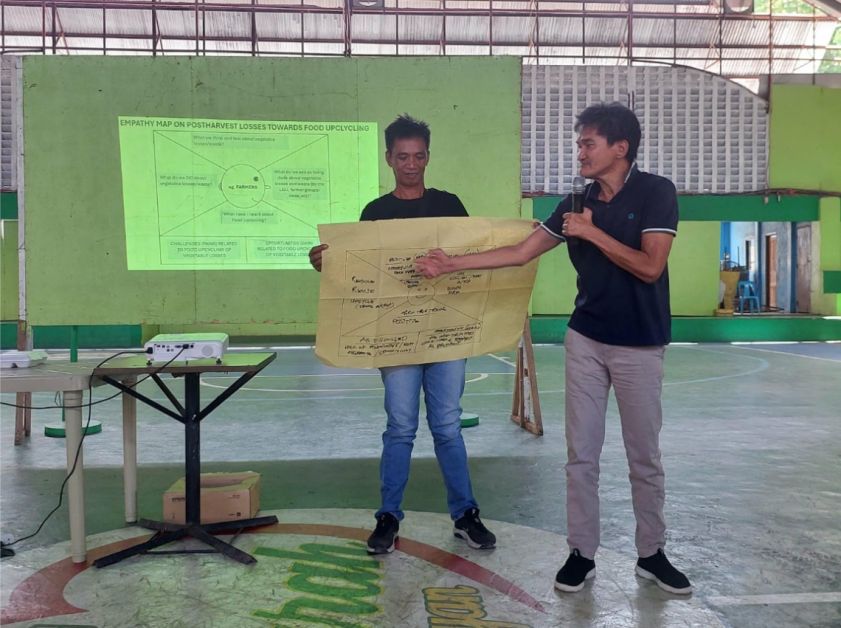
Dr. Lamadrid proposed a solution: the power of upcycling. Food upcycling is the process of converting food waste or byproducts into new, high-value products. This approach moves away from the traditional “take-make-dispose” model and toward a Circular Economy, where resources are used efficiently, and waste is minimized.
Dr. Lamadrid highlighted several feasible “Success Stories”:
- Pickling (Pag-aatsara): This was identified as the most effective method because it aligns with local tastes (like atchara), is easy to do, and can extend shelf life up to one year.
- Innovative Snacks: Unsold cabbage can be transformed into kimchi or even “cabbage crinkles” using cabbage powder.
- Beyond Food: Scientific findings show that cabbage leaves contain cellulose for medicine and nutrients for health supplements, proving that even scraps are full of value.
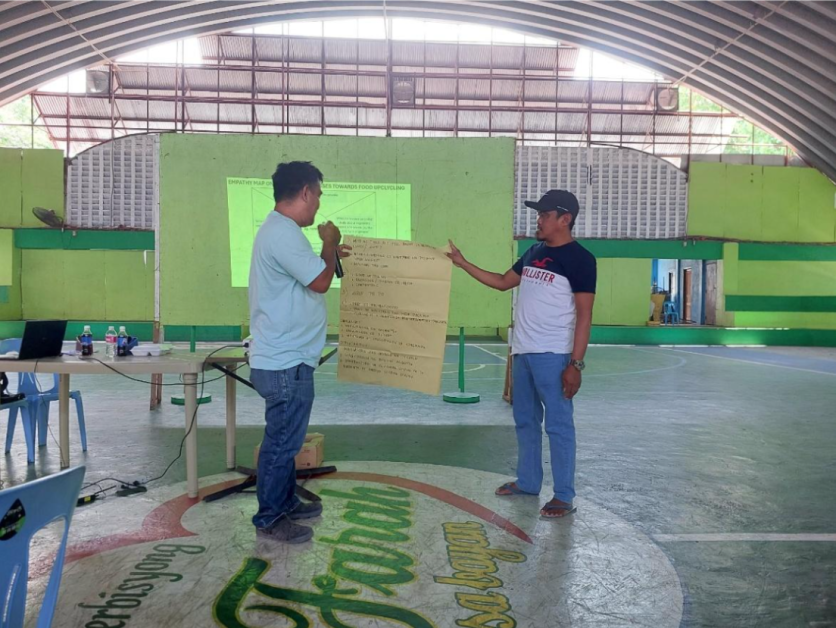
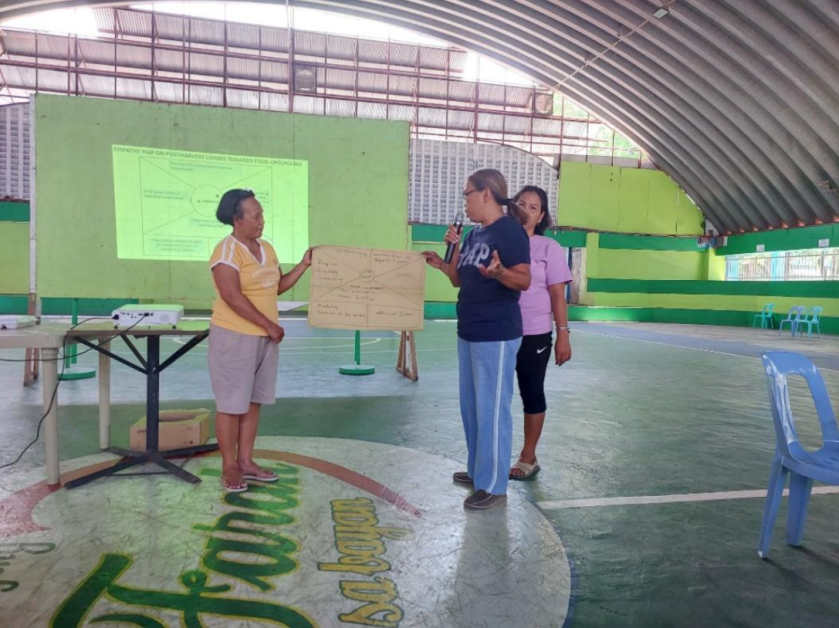
The initiative is deeply rooted in the global agenda for a sustainable future:
- SDG 12: Responsible Consumption and Production: By reducing post-harvest losses and repurposing waste, the project directly contributes to the goal of halving global food waste.
- SDG 8: Decent Work and Economic Growth: Upcycling offers new revenue streams and business opportunities for farmers and women’s groups.
- SDG 13: Climate Action: Reducing waste lessens the environmental burden, as rotting vegetables in landfills contribute significantly to greenhouse gas emissions.
- SDG 17: Partnerships for the Goals: The collaboration between SLU, the LGU, and the farming community exemplifies the multi-stakeholder cooperation needed to achieve sustainable impact.
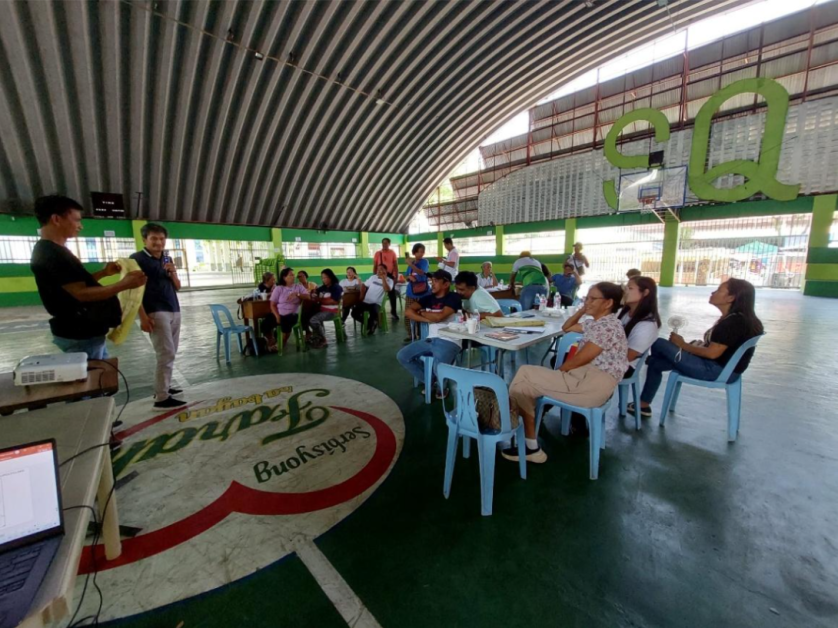
The workshop concluded with a call for better equipment—such as solar-powered dryers—and stronger government support. As participants looked forward to future hands-on food-processing demonstrations, the message was clear: with commitment and innovation, the “ugly” vegetables of today can become tomorrow’s premium products. (Article and Photos by SLU RISE Center)