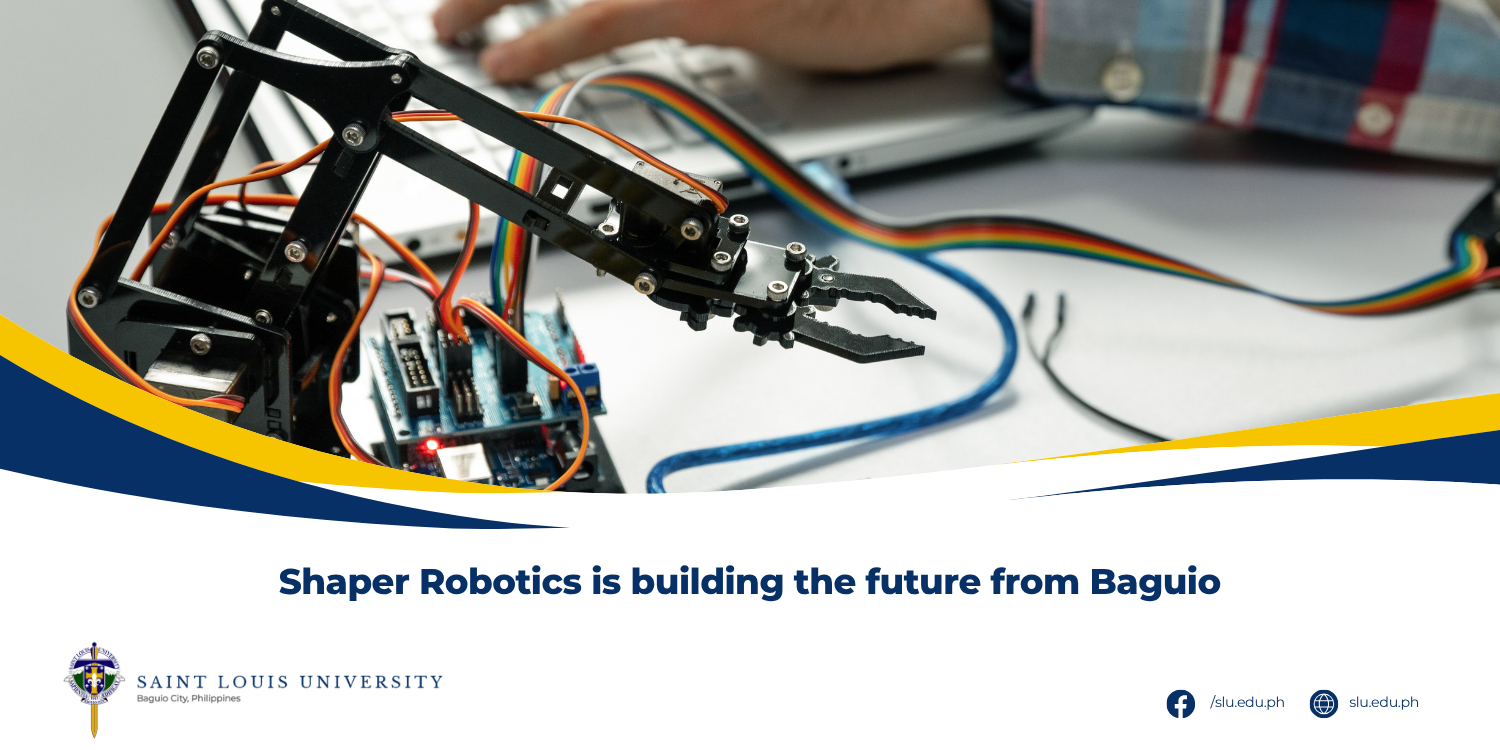
What began as a group of electronics engineering students building robots for competitions has grown into something far more ambitious: a homegrown robotics venture developing technology for a more circular and sustainable future.
Robotics is usually associated with speed, precision, and the thrill of winning. For Shaper Robotics, winning was only ever the training ground. The young Baguio team set out to build machines and turn that engineering capability into solutions for real-world problems. Their path from competition robots to waste-management technology is a case study in what student innovation can become when technical skill is given room to move beyond the classroom.
Where it began: building, competing, learning
Shaper Robotics was founded in 2026 by electronics engineering students who sharpened their skills through hands-on robotics competitions. Rather than treating contests as ends in themselves, the team used them as demanding proving grounds for the full stack of a robotics venture: electronic design, embedded systems, mechanical integration, programming, control, computer vision, and the hard-won ability to make a system work when conditions are far from ideal.
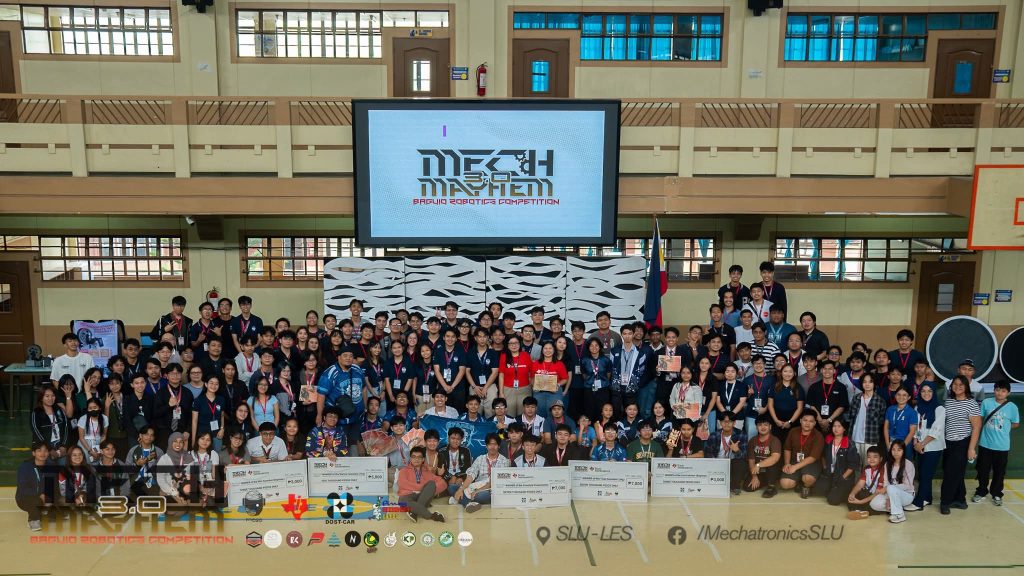
That work took them to several of 2026’s major robotics events. At Mech Mayhem 3.0, the Baguio Robotics Competition and Innovation Challenge held at Saint Louis University (SLU) on 11-12 May 2026, they joined a contest that has grown from a departmental initiative into a regional platform for student innovation. This was described by the Department of Science and Technology-Cordillera Administrative Region (DOST-CAR) as a venue for building creativity, technical skill, and problem-solving through robotics.
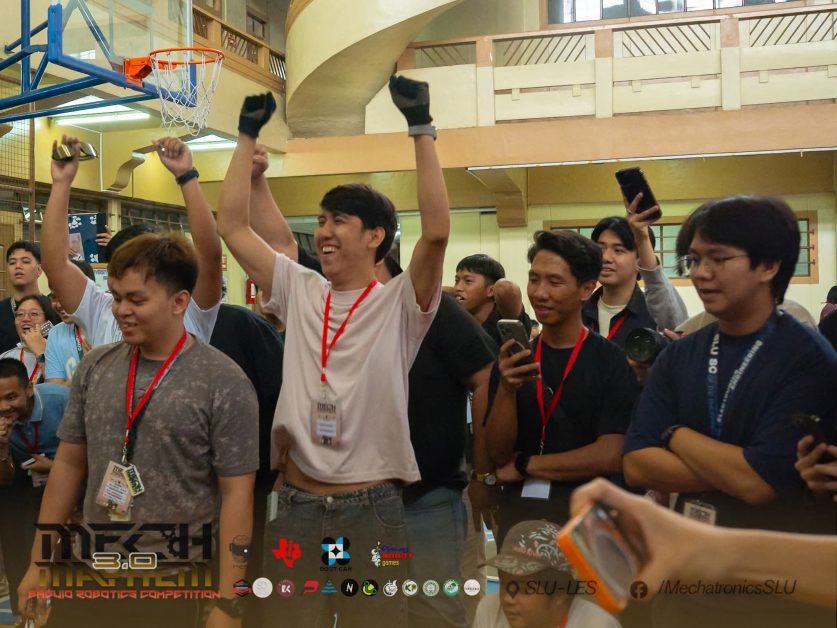
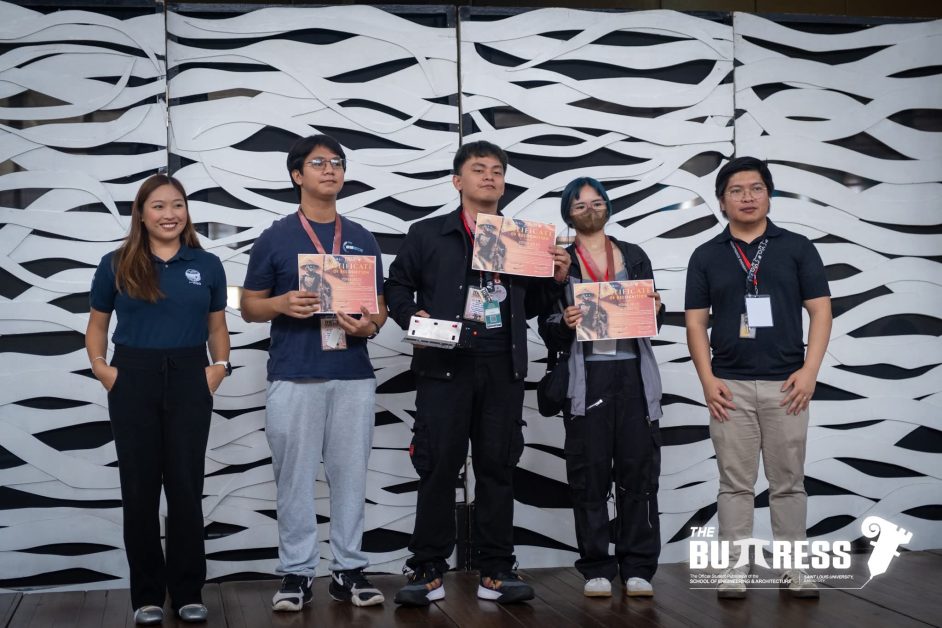

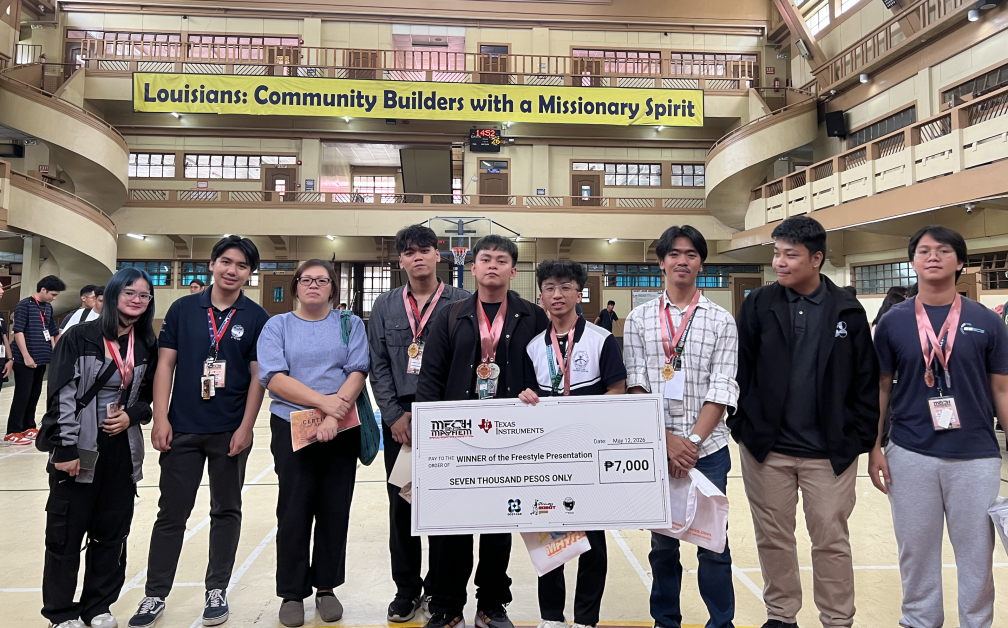
Months later, they competed nationally at Robolution Manila 2026, held at De La Salle University Manila, on 22 August 2026 as part of a country-wide qualifying system for international events, including Robolution Dubai and Fibonacci Robotics Italy. There, the team reported a first-place finish in the Mega Sumo V3 Open Division. They similarly participated in several events at Robolution CAR on 2-4 September 2026, held at the University of Baguio: line follower V3 (4th place), Mini Sumo V3 (3rd place), and Mega Sumo V3 (1st place).
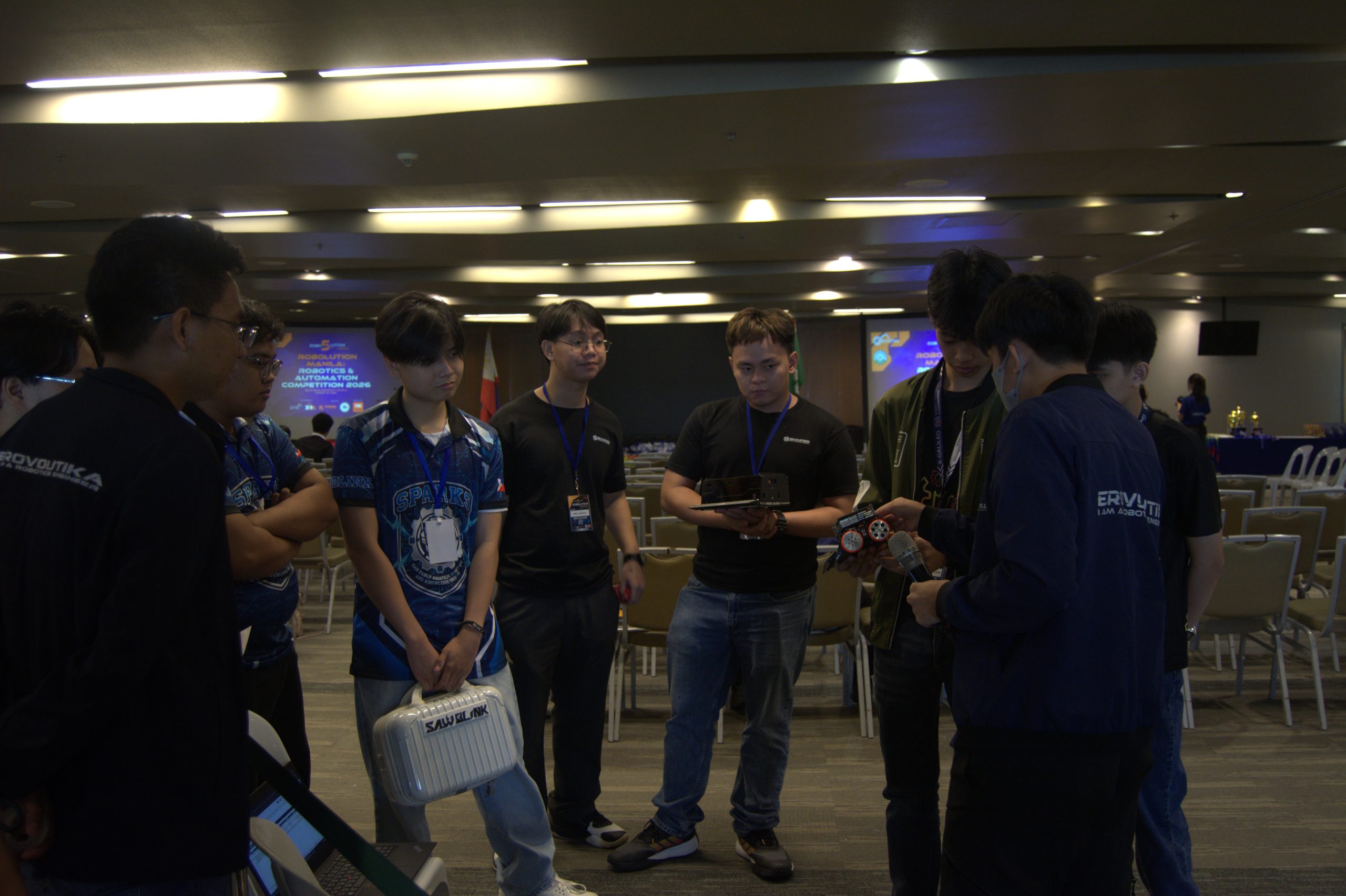
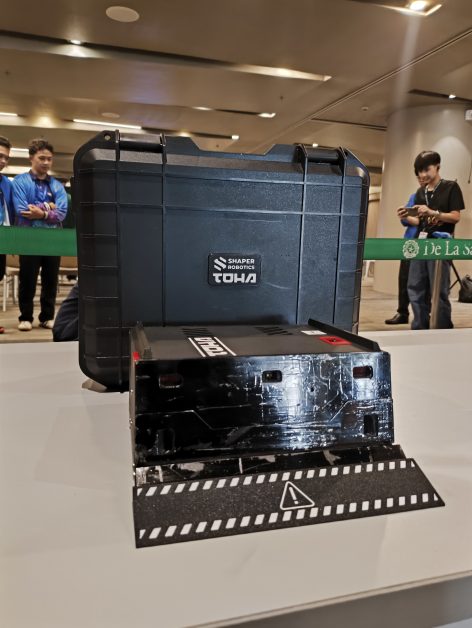
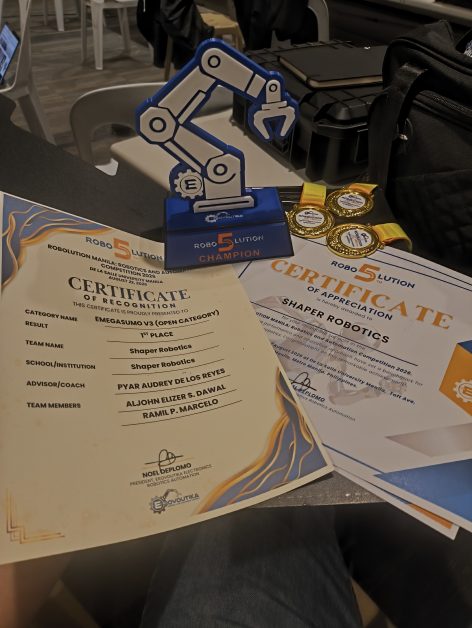
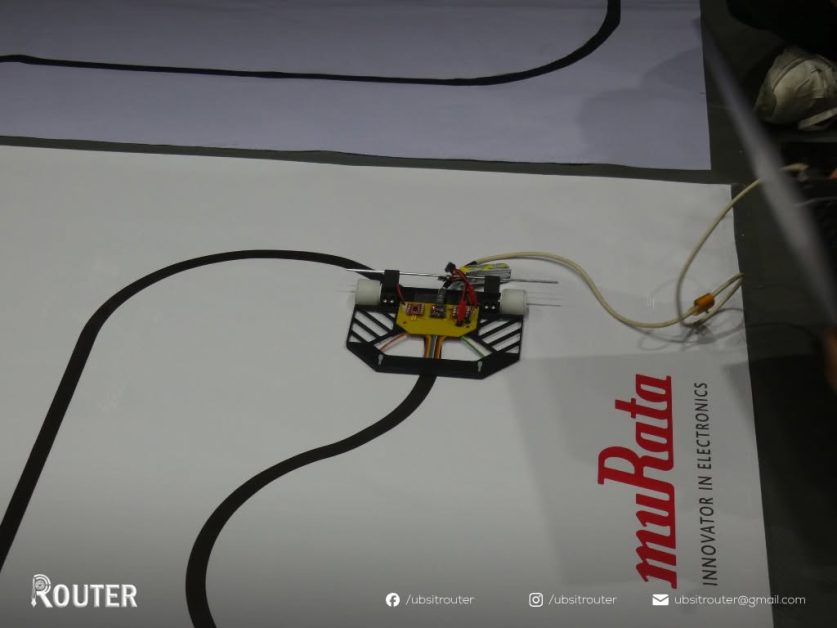
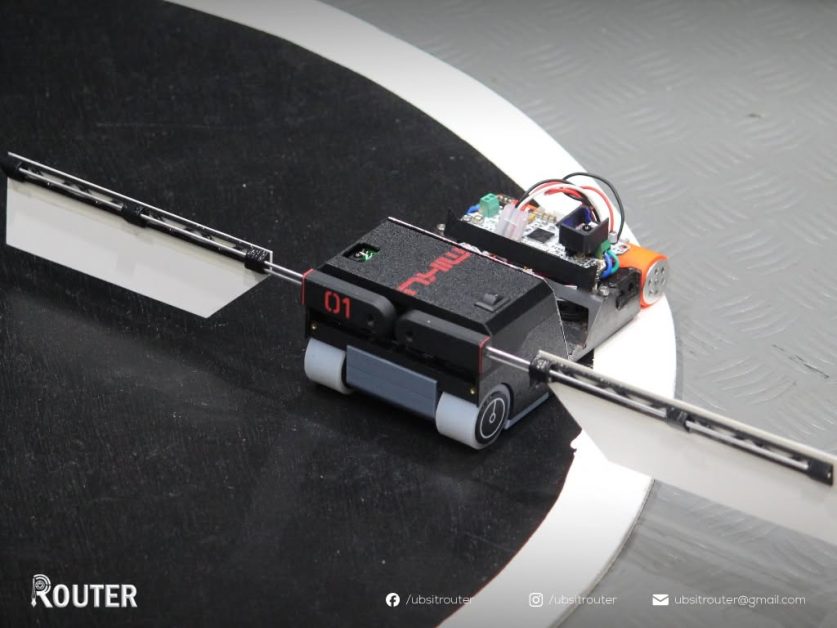
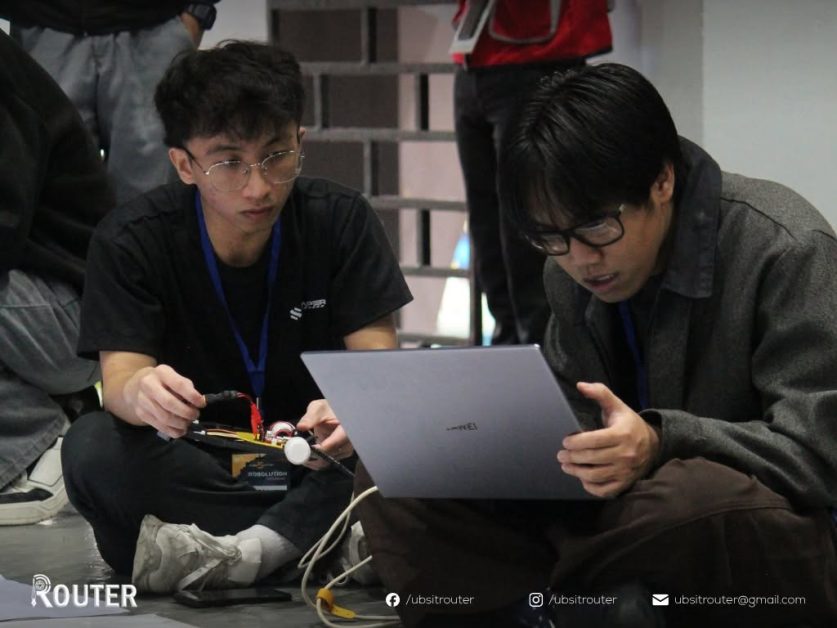
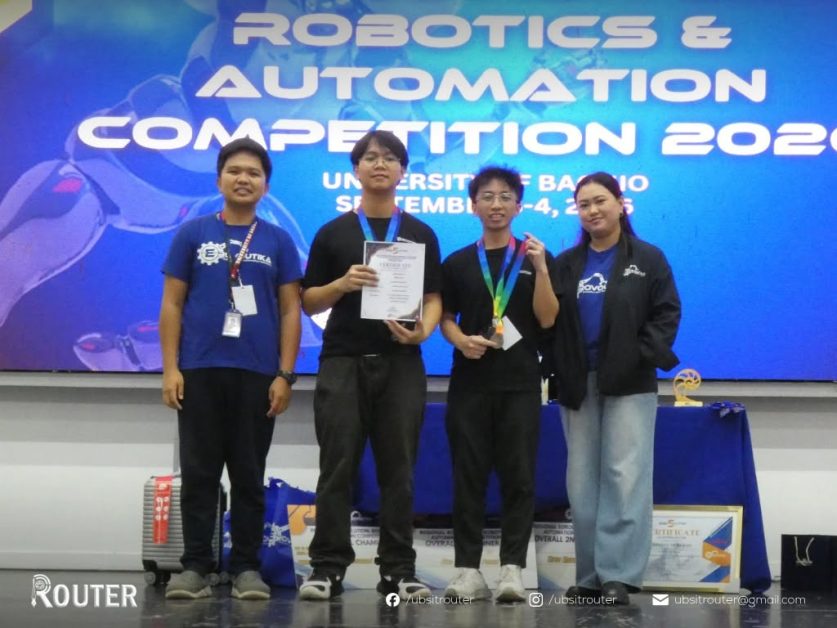
For a young team, the real prize in these competitions was education. Every failed run, unstable sensor, and last-minute repair taught lessons about how hardware behaves in the real world that no lecture could fully replicate.
From robots that compete to robots that solve
The defining moment in Shaper Robotics’ story is the shift from building robots to building a robotics company, marked by its pioneering invention, SegreTech.
SegreTech is a proprietary, edge-computed AI delta-robot system built for Material Recovery Facilities, designed to bring intelligent automation to waste sorting, where accuracy, speed, and consistency directly determine how much valuable material gets recovered. It brings together nearly everything the team developed through competition and focuses it on an environmental problem.
Material recovery depends on getting recyclables into the right streams; when materials are poorly sorted or contaminated, the chance to recover them is lost. Better sorting, then, is enabling technology for a more circular economy. This smarter material recovery entails computer vision, AI, electronic design, automation, and hardware engineering that the team brings to the table.
Taking the technology to market
Moving from prototype to venture meant learning a new discipline: entrepreneurship. In July 2026, the team entered the Go Healthy with Taiwan Innovation Challenge – North Luzon Leg at the University of the Philippines Baguio, a regional challenge that brought together students, researchers, and founders to build technology-driven solutions.
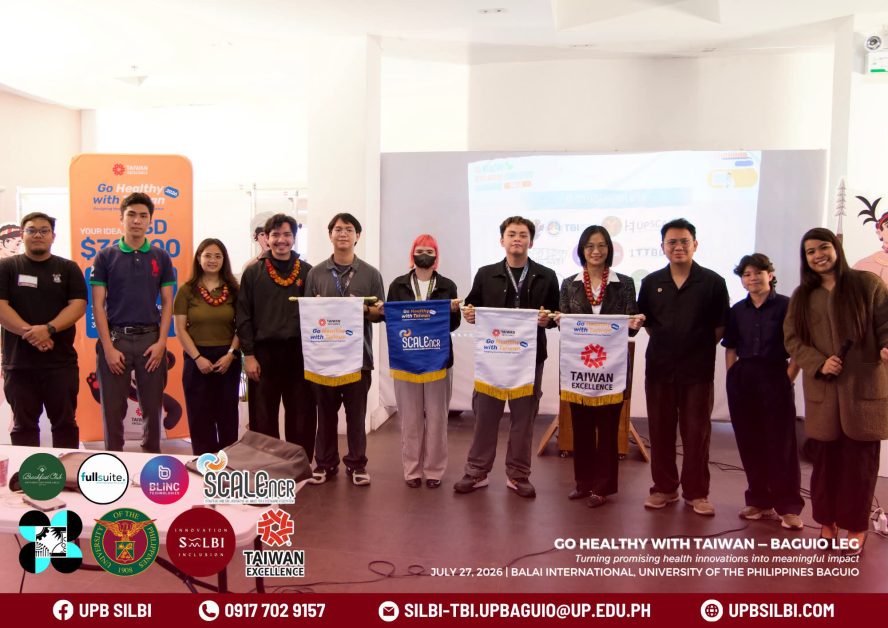
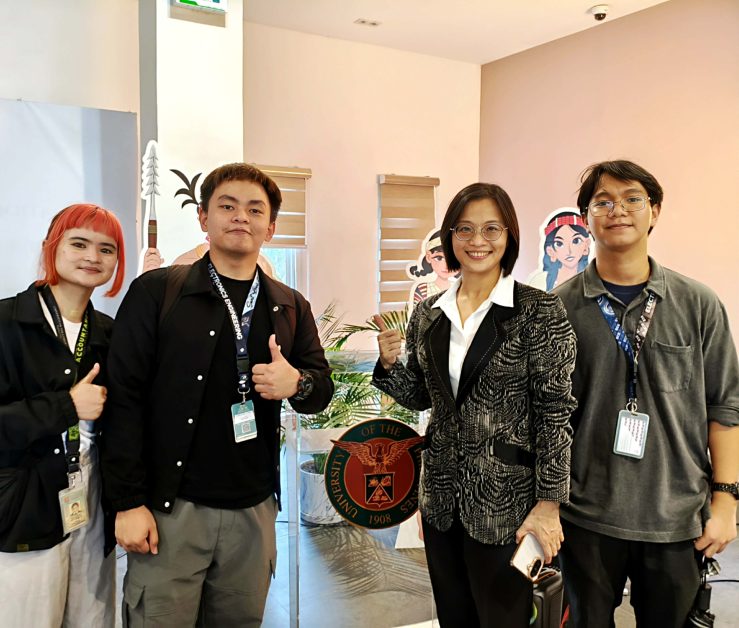
Shaper Robotics, Aljohn Elizer Dawal (SLU), Ramil Marcelo (PUP-Manila), and Pyar Audrey De Los Reyes (UC) placed 5th. The team was supported by SLU’s Innovation & Technology Transfer Office. The experience pushed them to present SegreTech not as an engineering project but as an innovation with users, markets, and social value—because a technically impressive prototype is not yet a viable one until its builders understand the problem, the economics, and the path to adoption.
That broader perspective came into sharp focus when Shaper Robotics was third among the Top 14 finalists of Ecothon Philippines 2026, a program focused on sustainable consumption and production under SDG 12 (Responsible Production and Consumption). This was held at Echelon Philippines, SMX Aura in Manila, on 25 August 2026.
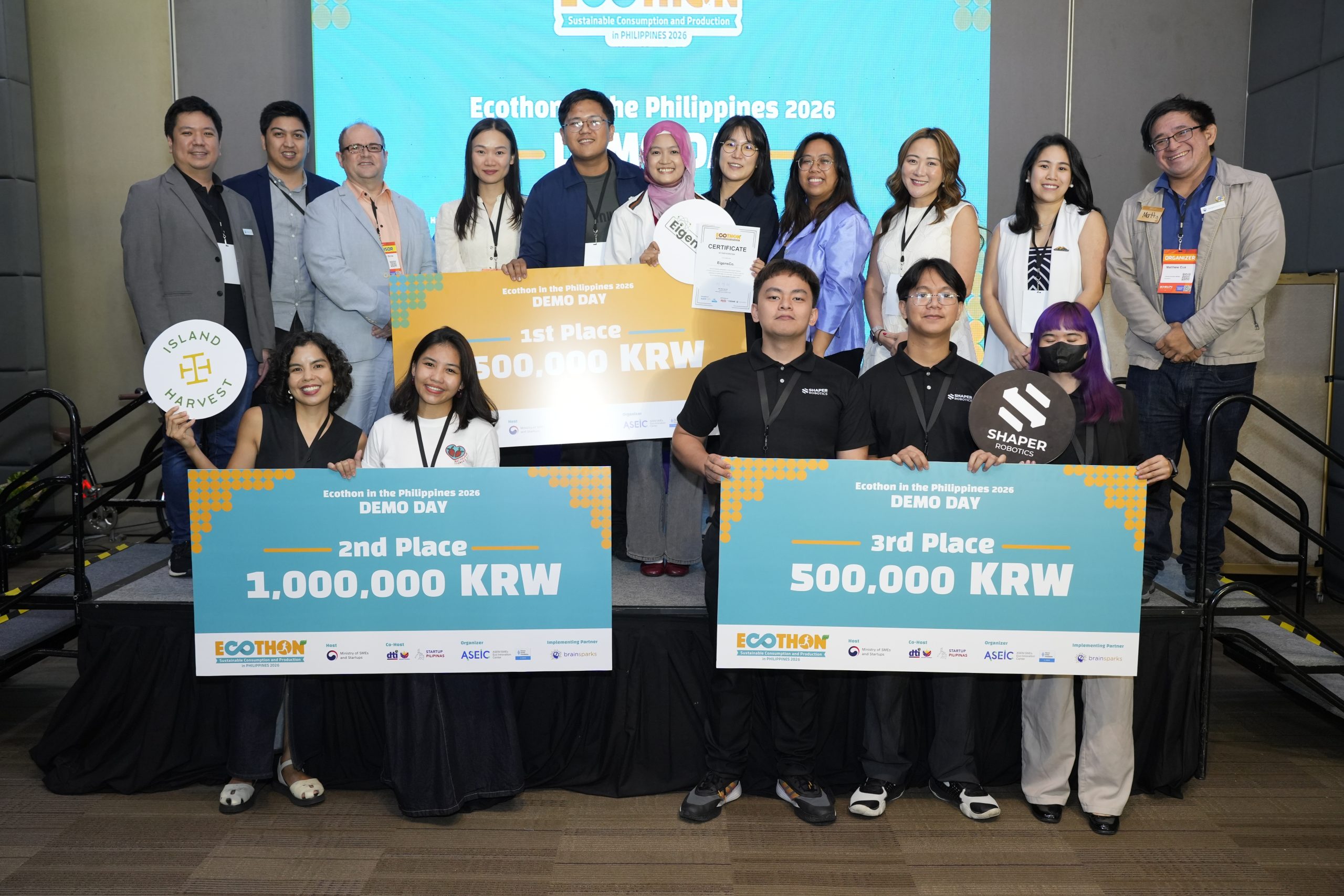
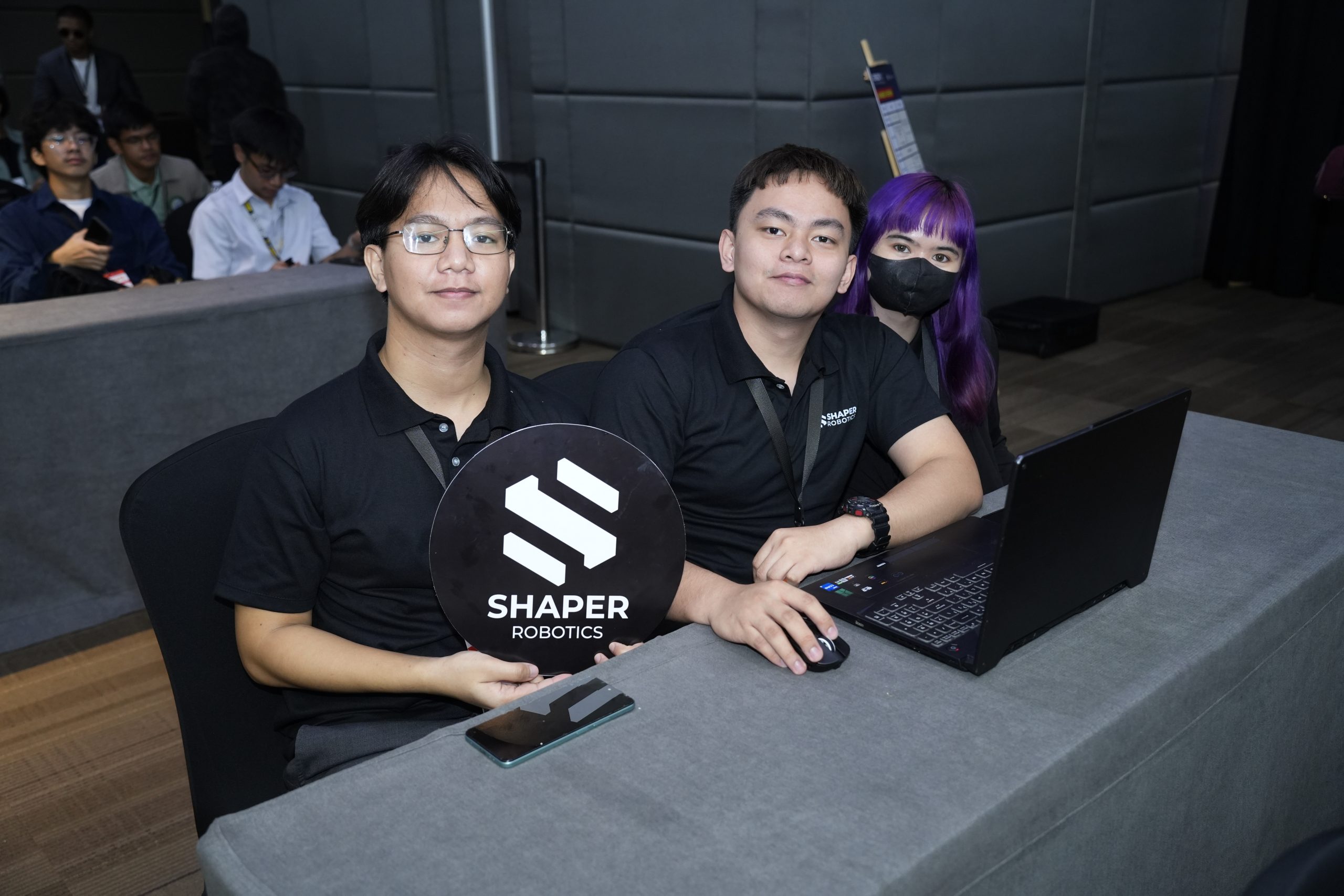
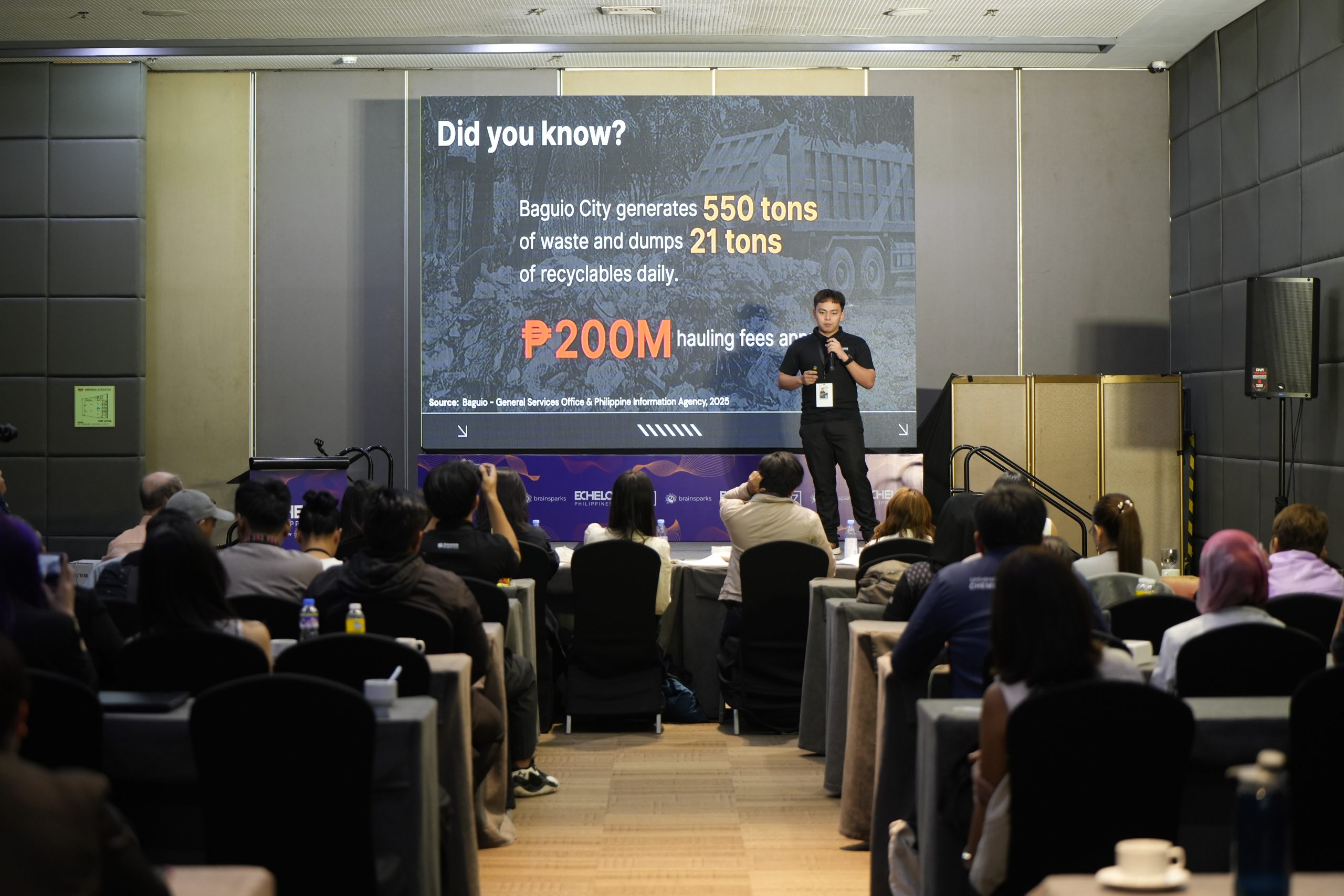
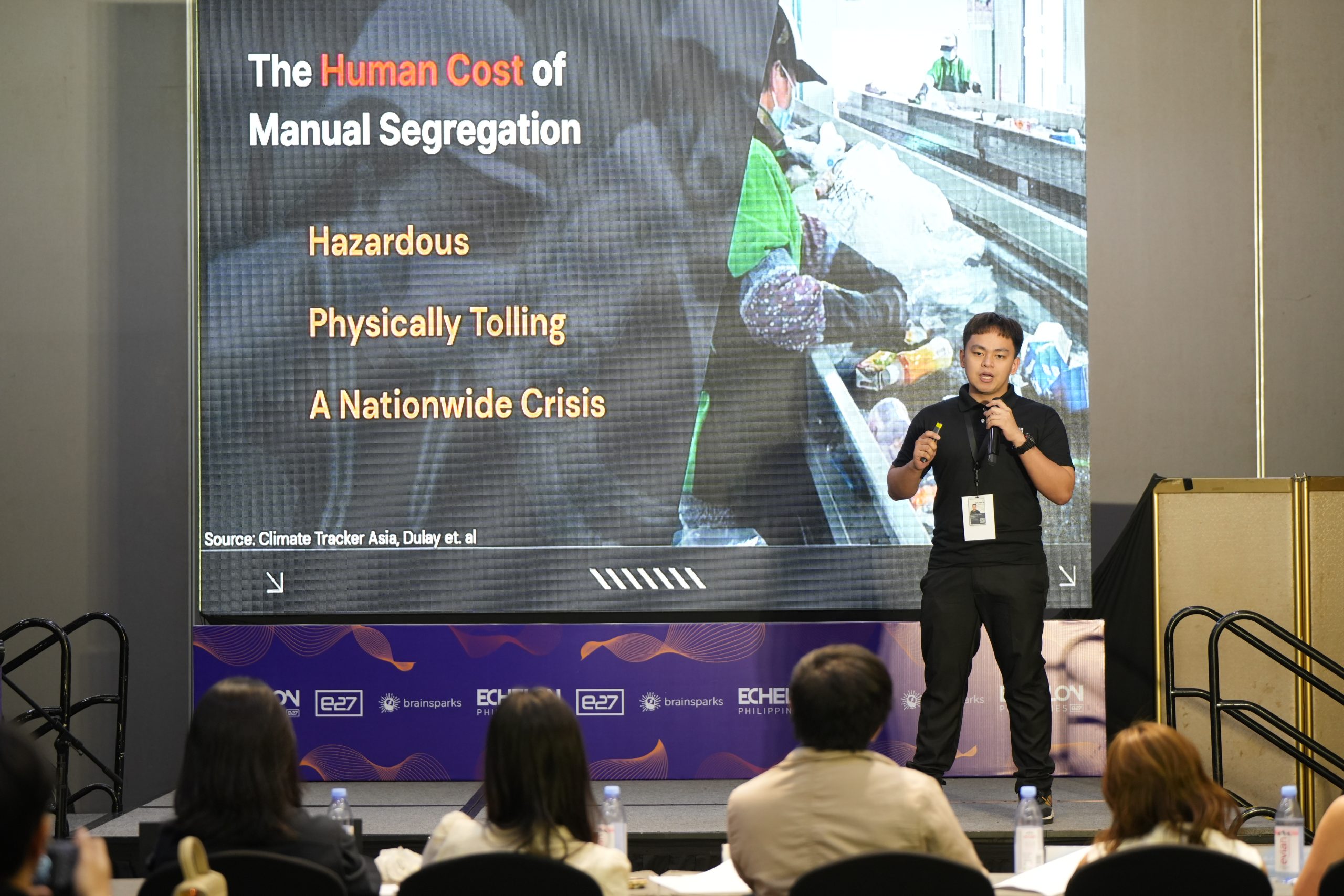
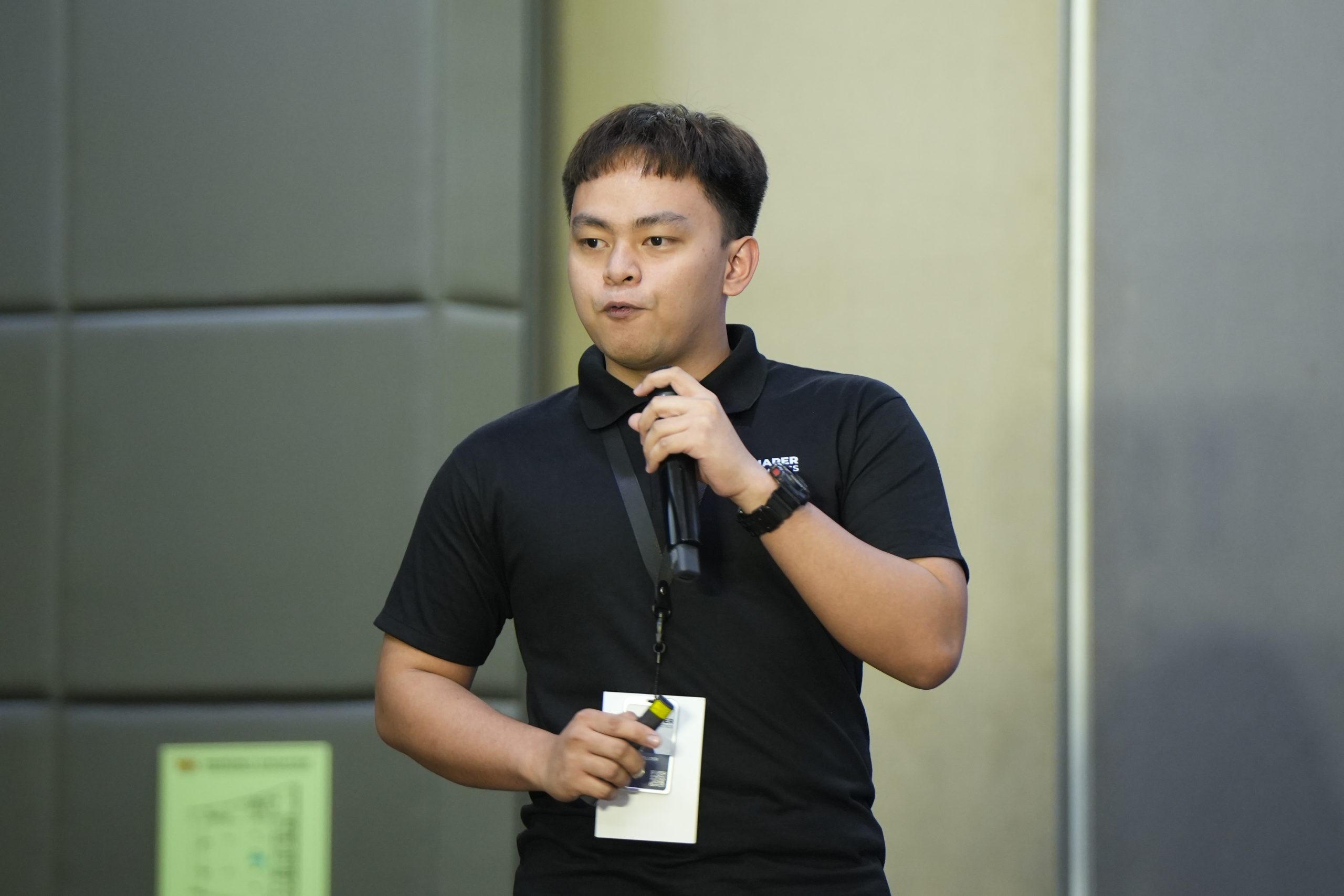
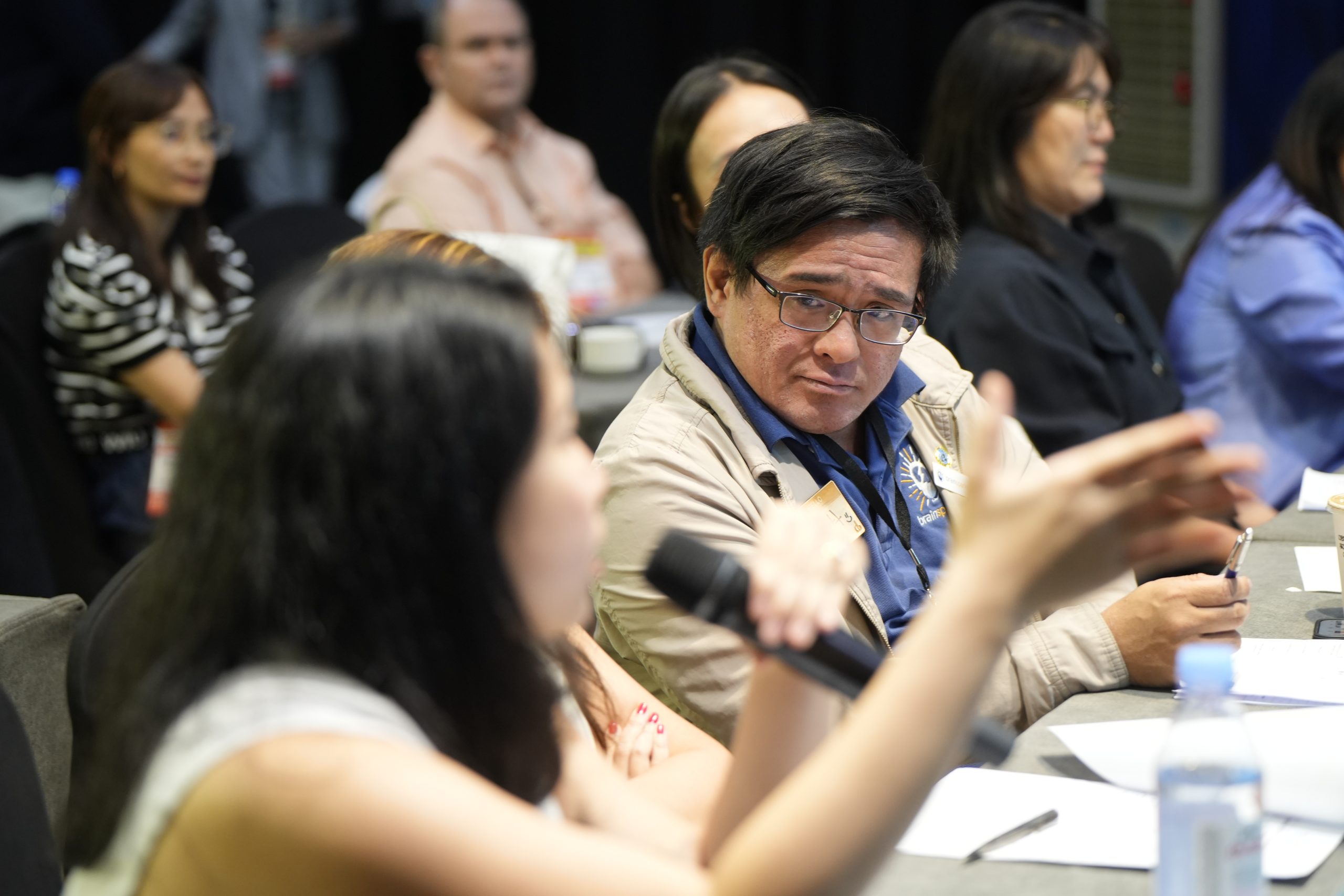
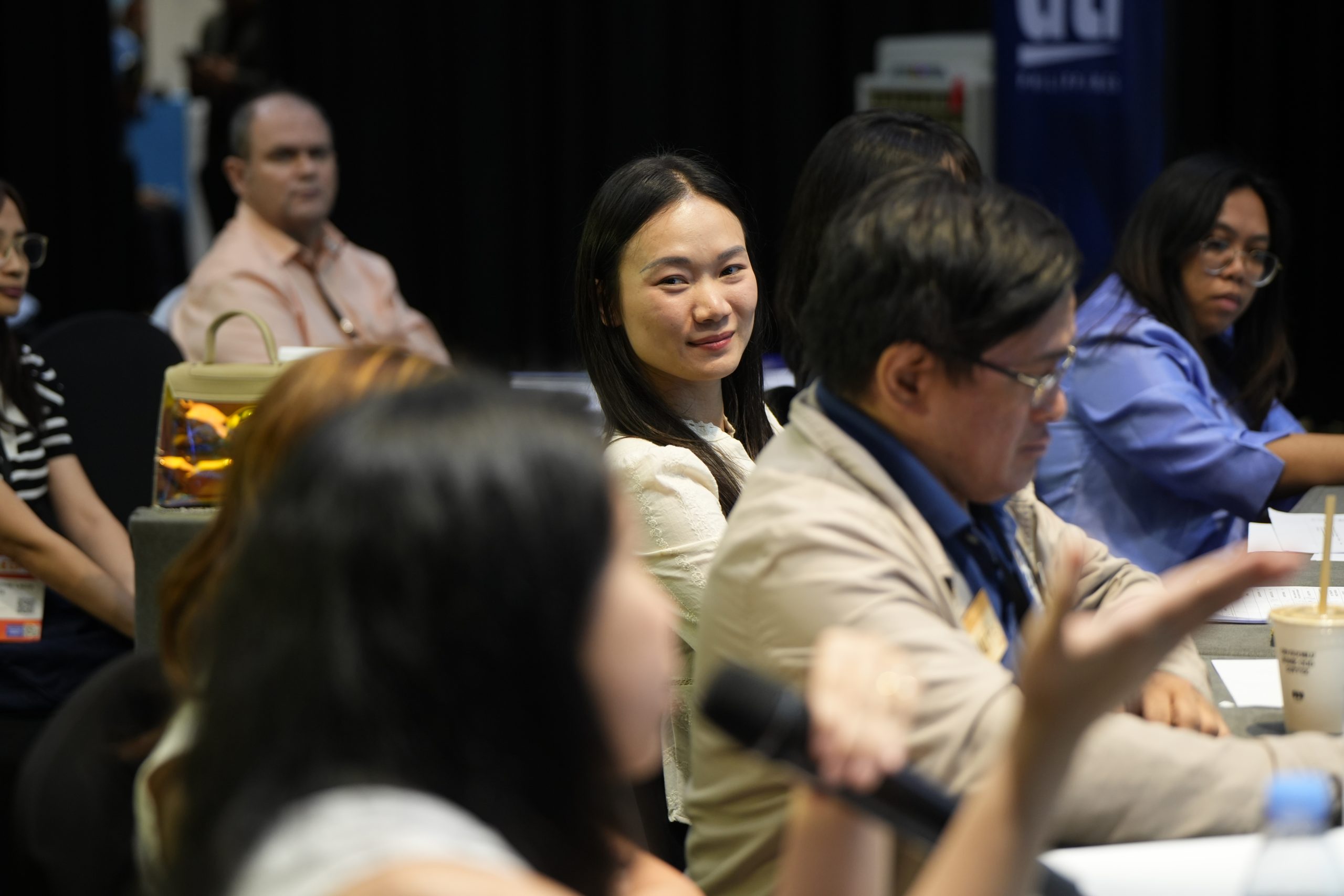
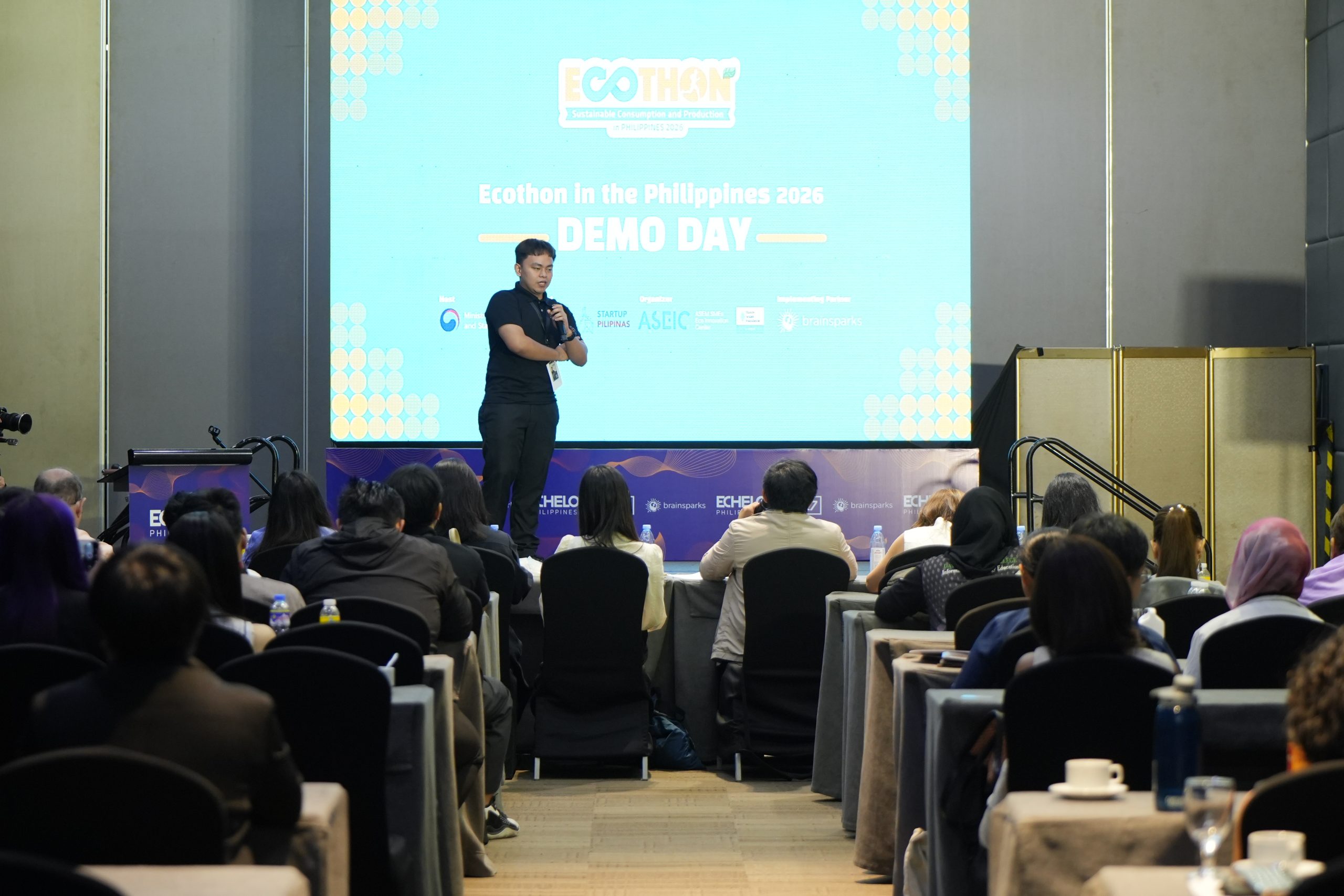
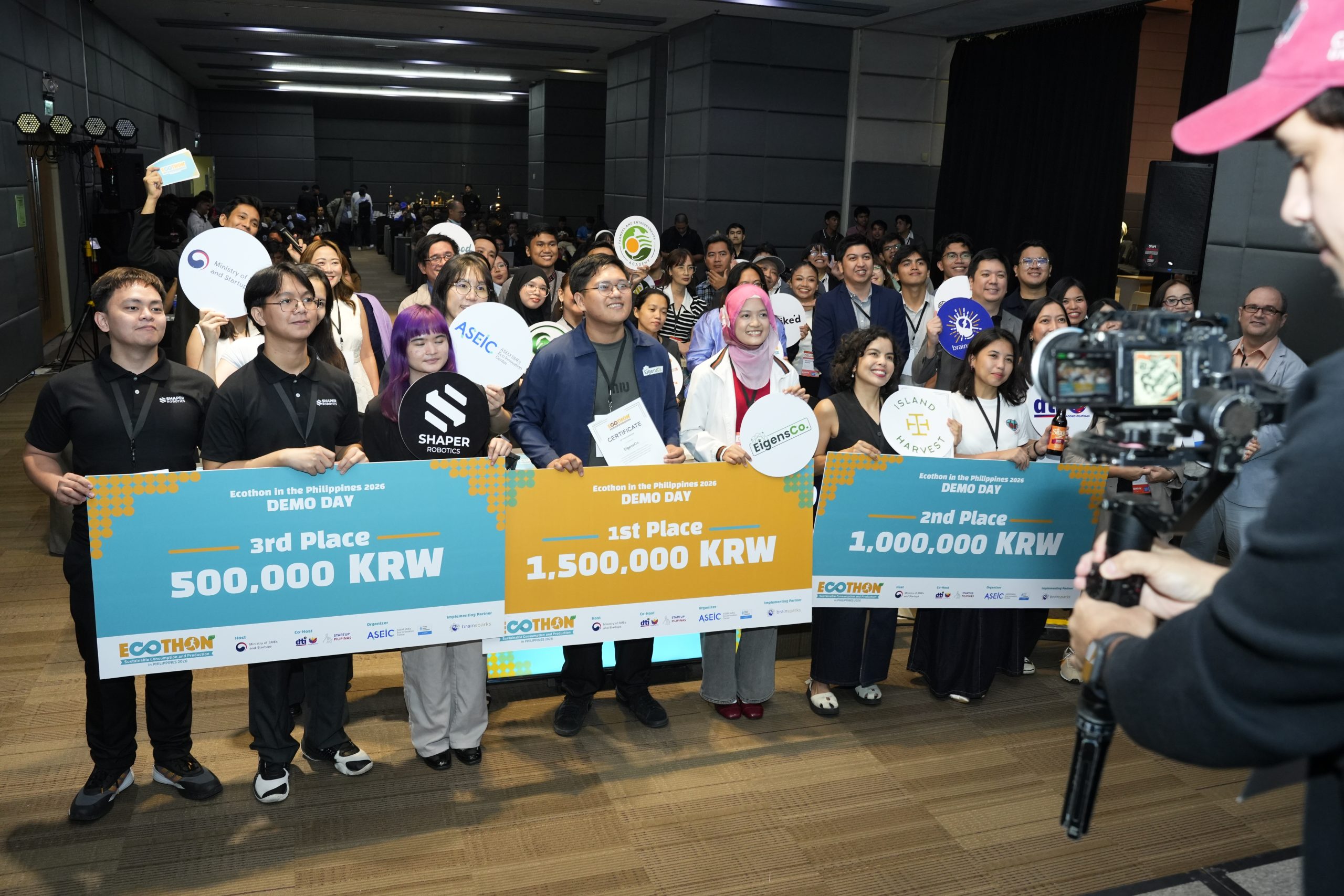
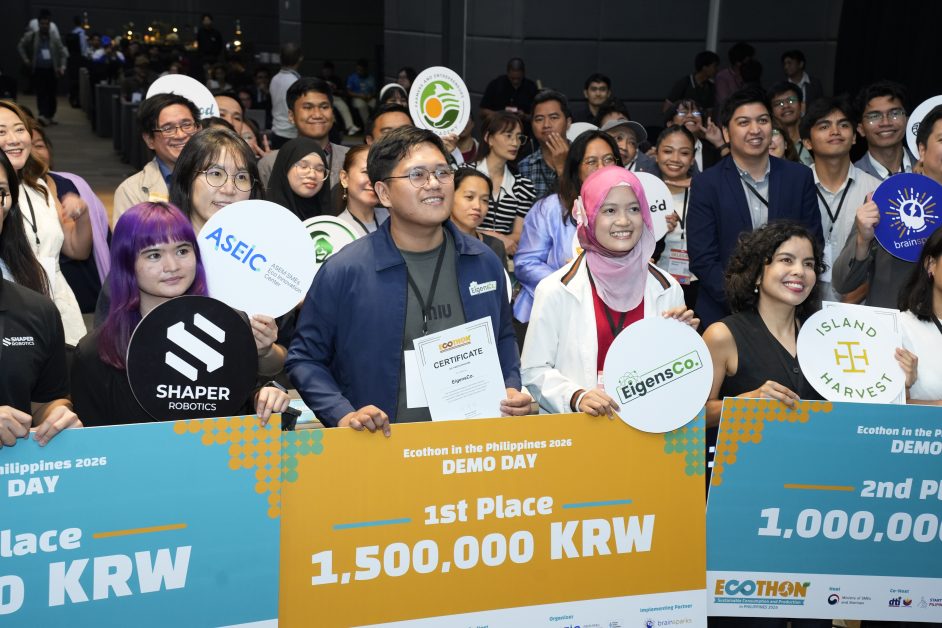
After extensive coaching and group training sessions, the team pitched SegreTech as an AI-driven, edge-computed waste-sorting system to judges, investors, and industry leaders. The showcase drew serious attention: an international report noted more than 170 investors and ecosystem stakeholders in attendance, with the event organized alongside the ASEM SMEs Eco-Innovation Center, the Philippine Department of Trade and Industry, and the Hanns Seidel Foundation. For a student-built technology, the question had changed from “Can we build it?” to “Can this help change how we recover resources?”
The role of ConRes TBI
That leap is exactly where incubation matters. As an incubatee of SLU’s ConRes Technology Business Incubator (TBI), Shaper Robotics gains access to an ecosystem designed to translate promising ideas from technical capability to real-world use. Students who can already design circuits, program microcontrollers, and train models typically need a different toolkit next – which is customer discovery, IP strategy, business modeling, validation, partnerships, and commercialization.
An incubator bridges those worlds, turning the intense learning of competition into a sustainable venture that can ship products, create engineering jobs, and serve industries and communities beyond the university.
Shaping what comes next
Shaper Robotics’ story is compelling precisely because it is still unfolding. The team is young, and the venture is developing, but that is the point. Healthy innovation ecosystems don’t only celebrate finished technologies; they create the conditions for students to experiment, fail, compete, and rebuild until they discover that the skills honed for a match can solve problems well off the competition floor.
Its members entered robotics through the language they knew best – electronics, code, mechanisms, and sensors. They will persevere to become fluent in a second: entrepreneurship, sustainability, and impact. A robot that might once have been built simply to win a match is now being designed to recover resources from the waste stream. That is a meaningful change in purpose, and it is why the name fits: Shaper Robotics is trying to shape and respond to the future of automation.
Their story shows what an innovation ecosystem can achieve when it doesn’t stop at research outputs, but builds pathways for ideas to become technologies, and for technologies to become ventures that create real value. Shaper Robotics is still in its early stages. But the direction is clear: build boldly, compete relentlessly, learn continuously, and use technology to shape a more sustainable future. (Article by: Melissa May M Boado | Photos by: Shaper Robotics Team – Aljohn Elizer S. Dawal (SLU BSECE), Jayson V. Gados (SLU BSECE), Jairic M. Malicdang (SLU BSECE), Ramil P. Marcelo (PUP BSECE), and Pyar Audrey A. De Los Reyes (UC BSMA))